Photo credit: 2A FirearmsUSA/GunBroker
The Ruger LC9 was one of those pistols that hit at exactly the right time. It showed up when a lot of shooters wanted something bigger and more capable than a tiny .380 pocket gun, but still slimmer and easier to carry than a full-size double-stack 9 mm. Ruger introduced the LC9 in early 2011 as a lightweight compact 9 mm pistol with a 3.12-inch barrel, 6-inch overall length, 0.90-inch width, and 17.1-ounce empty weight. That put it squarely in the fast-growing single-stack concealed-carry lane.
What makes the LC9 more interesting than a lot of people remember is that it was not just one pistol. It ended up becoming the root of a small family that included the LC380, the striker-fired LC9s, and later the budget-minded EC9s. American Rifleman noted that the original hammer-fired LC9 launched at the 2011 SHOT Show, that its trigger was heavily criticized, and that Ruger answered with the LC9s in 2014 before pushing further with the EC9s in 2018.
1. The LC9 launched in 2011, right in the middle of the slim-9 boom

A lot of shooters now think of slim single-stack 9 mms as completely normal, but when the LC9 launched in 2011, that category still felt like one of the hotter carry-gun directions in the market. Ruger’s January 2011 announcement and American Rifleman’s later EC9s history both place the pistol’s debut at the 2011 SHOT Show.
That timing matters because the LC9 was not trying to compete against today’s micro-compact double-stack world. It was built for a moment when many shooters were trying to step up from tiny .380s without jumping all the way to thicker service pistols.
2. Its name literally means “Lightweight Compact 9mm”

This one sounds obvious once you hear it, but a lot of people never stop to think about it. The standard reference history identifies the name as standing for “Lightweight Compact 9mm,” and Ruger’s launch specs back that up with a focus on low weight and slim dimensions.
That naming also tells you exactly what Ruger thought the gun was supposed to be. The LC9 was not sold as a match pistol, duty pistol, or range toy first. It was a carry gun, plain and simple.
3. It was basically an upsized LCP in concept

One of the easiest ways to understand the LC9 is to see it as the next step up from the LCP. American Rifleman’s 2023 “8 Smallest Handguns” piece called the LC9 an upsized version of the LCP chambered in 9 mm Luger with more capacity.
That makes a lot of sense once you look at the timing. The LCP had already shown there was huge demand for small, easy-to-carry handguns, and the LC9 was Ruger’s answer for shooters who wanted that same general portability with a stronger cartridge.
4. The original LC9 was hammer-fired, not striker-fired

A lot of people hear “LC9” and mentally blend it together with the LC9s, but the original gun was not striker-fired. American Rifleman’s EC9s review specifically says the first version of the LC9 had an exposed hammer and a double-action trigger system. The standard reference history also describes the LC9 as hammer-fired.
That matters because it shaped the entire feel of the original pistol. The early LC9 was not trying to mimic the short, cleaner striker trigger people now expect from many carry guns. It had a very different personality.
5. The original trigger was one of the gun’s biggest criticisms

This is probably the most important practical fact about the first LC9. American Rifleman said the original trigger was “universally panned” for its heavy, sluggish pull. That criticism became a big enough issue that it helped drive Ruger to redesign the gun into the striker-fired LC9s.
That is worth knowing because the LC9’s legacy is shaped just as much by what Ruger changed as by what it got right the first time. The original gun found buyers, but the trigger complaint was real and persistent enough that Ruger clearly took it seriously.
6. Ruger answered the trigger complaints with the LC9s in 2014
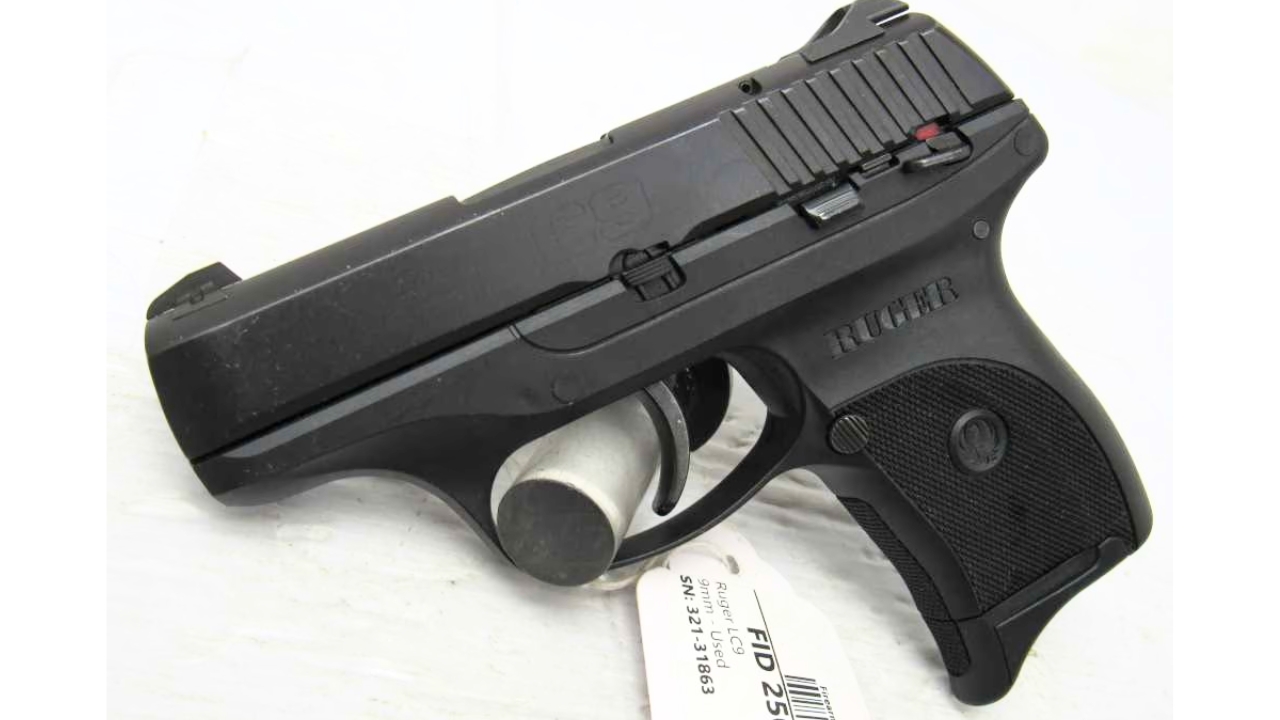
The LC9 line did not stay hammer-fired. American Rifleman says Ruger “neatly remedied” the trigger issue in July 2014 with the launch of the LC9s, and the lower-case “s” in the name stood for “Striker-Fired.”
That is a huge part of the LC9 story, because it means the LC9 family did not just drift forward naturally. Ruger made a major mechanical shift to keep the concept alive and competitive. The original LC9 opened the door, but the LC9s is what really corrected the line’s biggest weakness.
7. The LC9 was very slim for its time

Ruger’s original launch announcement emphasized the pistol’s 0.90-inch width, and that slim profile was a major selling point. In 2011, that mattered a lot because easy concealment was one of the gun’s whole reasons for existing.
That width helped the LC9 sit in a sweet spot. It was noticeably more capable than many tiny .380s, but still compact enough to carry in ways that thicker double-stack pistols did not always make comfortable.
8. It only held seven rounds in the standard magazine
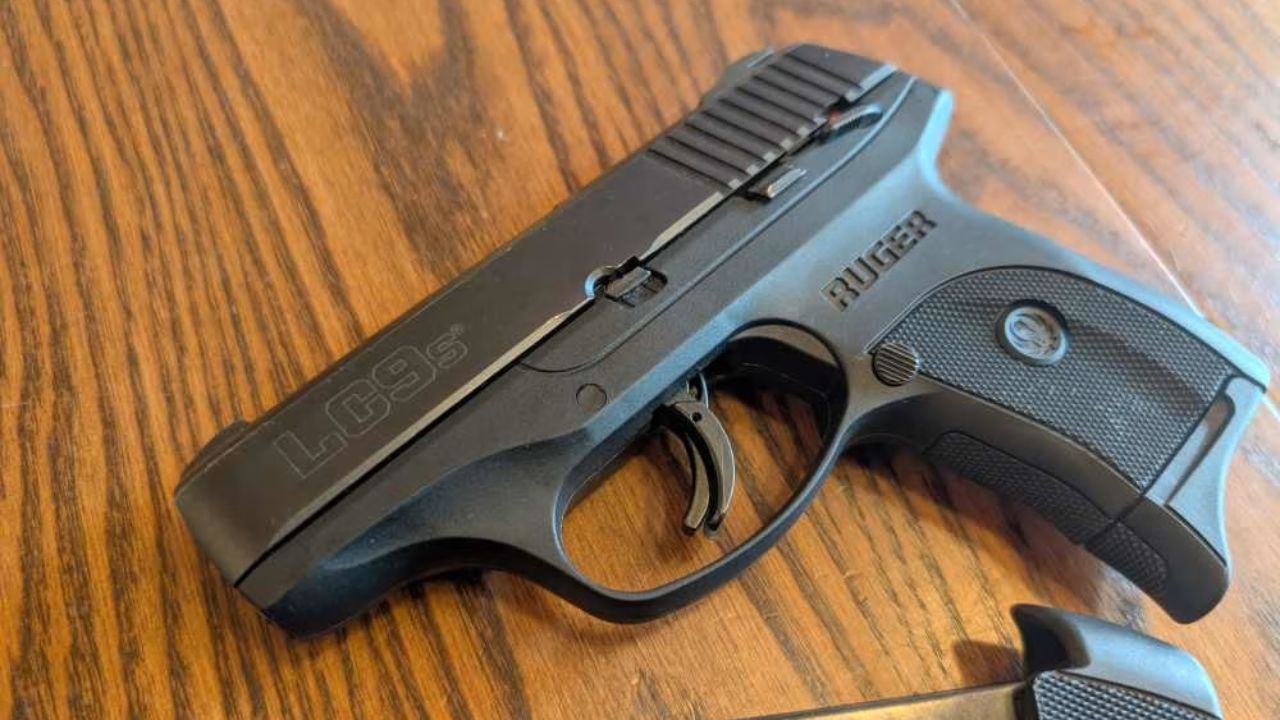
The standard reference history lists the LC9 with 7- and 9-round box magazines, and the original version’s identity was very much tied to that slim single-stack layout.
That may not sound impressive by today’s standards, but it fit the era. The LC9 was part of the slim-carry-pistol generation where many buyers were willing to accept lower capacity in exchange for a flatter, easier-to-hide gun.
9. Ruger also made an LC380 version

A lot of people forget the LC9 was not the only cartridge in that frame family. The standard reference history lists the LC380 as a variant of the LC9.
That is a pretty telling move from Ruger. It shows the company understood some shooters wanted the same general size and shape with softer recoil or different ammo preferences. The LC9 concept was flexible enough to stretch into more than one chambering.
10. Factory Viridian-equipped versions existed
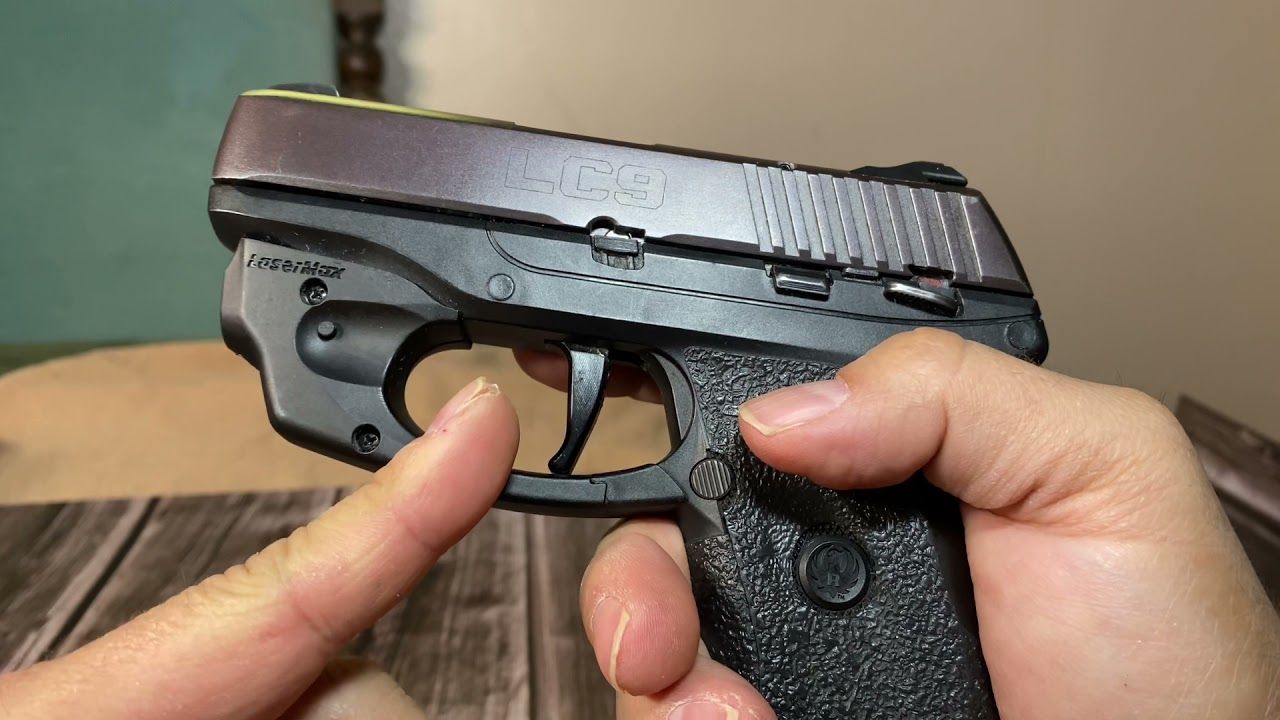
The LC9 was not just sold in plain form. American Rifleman covered LC9 pistols fitted with factory-installed Viridian lasers or taclights in 2013, noting that they shipped with holsters using Instant-On technology.
That is a neat little detail because it shows Ruger was already pushing the LC9 toward the serious everyday-carry market, not just selling it as a bare-bones pocket pistol. Factory accessory packages like that were aimed squarely at defensive users.
11. The LC9 stayed in production longer than many people think

The standard reference history lists LC9 production from 2011 to 2014, but Ruger’s official serial-number history continues into 2015. That suggests the line’s shipping history extended beyond the simple headline years many people remember.
That is a good reminder that firearm product timelines are not always as neat as people make them sound. Catalog attention may shift quickly, but real production and shipment life can stretch a little longer in practice.
12. The LC9 helped lead directly to the EC9s
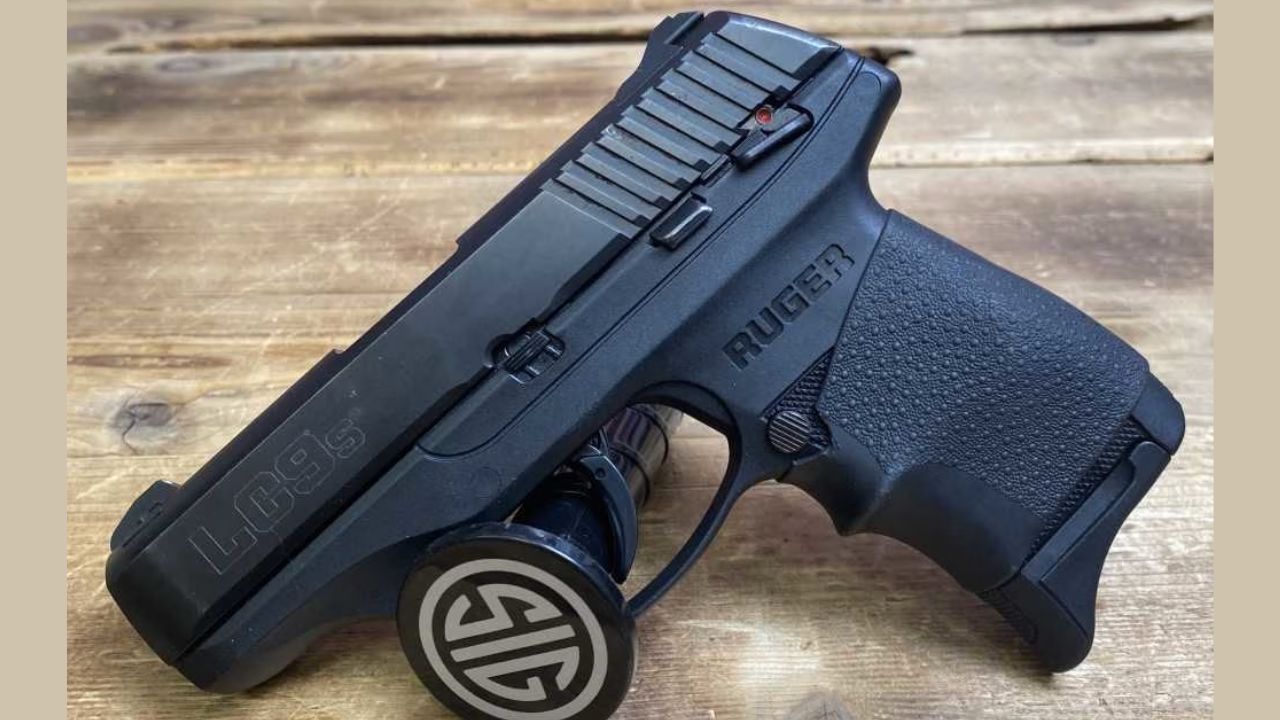
The EC9s did not come out of nowhere. American Rifleman described it as the latest version of the LC9s and explained that Ruger cut cost mostly by switching from removable dovetailed sights to fixed, milled-in sights and using a less polished slide finish.
That matters because it means the LC9 family did not just get replaced. It evolved into cheaper and more refined branches, which says a lot about how solid the underlying concept was.
13. The LC9 was a stepping stone toward Ruger’s later carry pistols
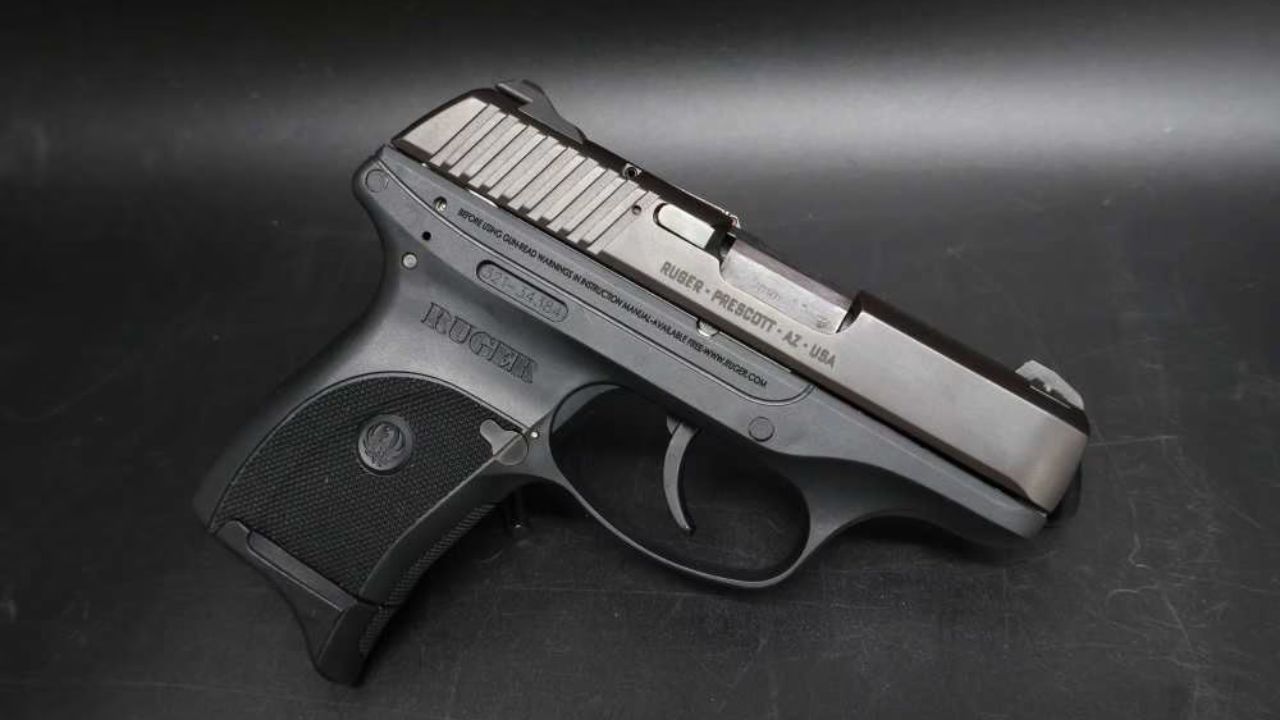
The LC9 may not be the hottest Ruger carry gun today, but later Ruger pistols clearly built on lessons from it. American Rifleman’s MAX-9 review even calls the barrel an upgrade over the standard LC9, which shows how Ruger’s later carry-gun development was still being measured against that earlier baseline.
That is part of why the LC9 still matters. It may no longer be Ruger’s most modern slim 9 mm, but it helped set the path toward the company’s newer concealed-carry lineup.
14. It was one of the clearer “bridge guns” between pocket pistols and service pistols

The LC9 did not dominate the way some later carry guns did, but it filled a very specific transitional role. American Rifleman’s carry-gun trend coverage from 2012 and its later small-handguns roundup both place the LC9 in the subcompact single-stack 9 mm lane that was growing fast at the time.
That role made the LC9 important even if it was not perfect. It gave a lot of shooters a way to move into 9 mm carry without jumping to something as bulky as a traditional compact service pistol.
15. The biggest thing people miss is that the LC9 mattered more as a family starter than as a perfect pistol

The original LC9 was slim, light, and well timed, but it also had a trigger that drew heavy criticism. What makes it important now is not that it was flawless. It is that Ruger used it as the foundation for the LC9s and EC9s, and those guns corrected or refined the formula in ways that kept the concept alive.
That is probably the most interesting fact about the LC9. It was not the final answer. It was the first serious draft of a carry-gun family that Ruger kept improving until it landed where shooters wanted it.
Like The Avid Outdoorsman’s content? Be sure to follow us.
Here’s more from us: