Photo credit: Savage Arms
We may earn revenue from products featured on this page through affiliate links.
Ultralight rifles were once a hot trend because they promised less weight on the hike and easier carry in rough terrain. The reality many experienced hunters are discovering is that the grams you save often show up later as harder shooting when it really counts. A lightweight rifle may be comfortable on the pack, but it also recoils sharper, wobbles more from awkward field positions, and can make follow-ups slower and less predictable. Hunters want confidence that a first shot lands in the vital zone, and as experience grows, many are choosing balance and stability over extreme weight savings. That shift in priorities shows in what rifles people are reaching for after a few seasons — not just what’s easy to carry, but what’s easy to shoot well every time.
Recoil and stability problems show up outside the range
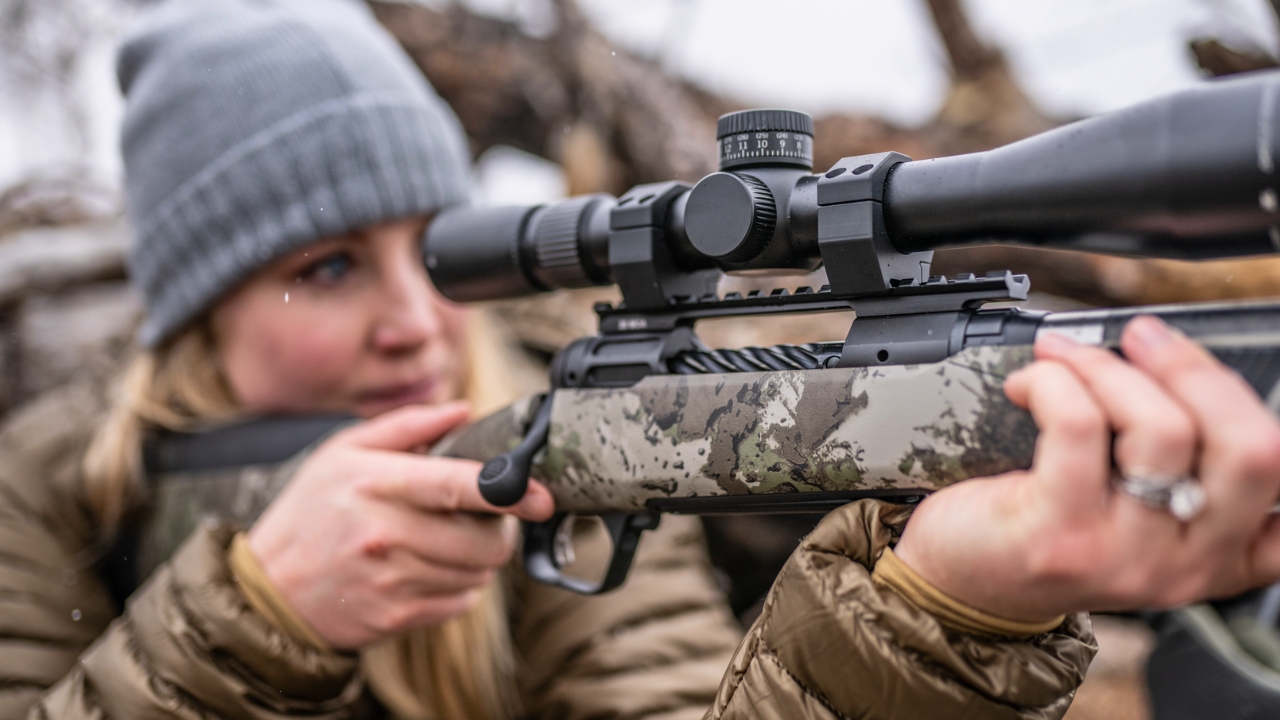
On a bench after a coffee break, ultralight rifles can look great. In the woods after a long hike with cold hands and a brisk wind, they often feel very different. Less mass means recoil feels sharper, which can disturb your sight picture and make clean trigger breaks harder from kneeling or off sticks. That’s not a theory. Hunters driving deep shots or managing poor backs-and-rests often tell a similar story: the rifle that was light in hand becomes unpredictable in recoil control under stress. This is why many hunters who used to chase weight are now rethinking that tradeoff in favor of rifles that shoot consistently and manage recoil well when it matters most in the field.
Middle-weight rifles are becoming a practical alternative

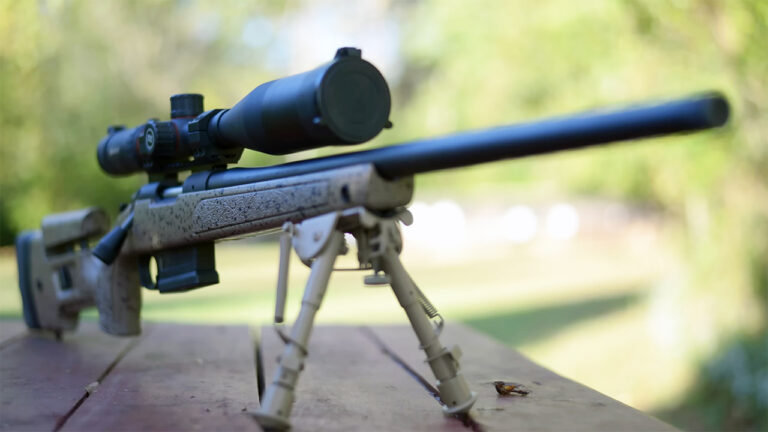
The market reflects that shift. Rifles that strike a balance between carry weight and shootability are selling because they give hunters the best of both worlds. One example available at Bass Pro Shops is the Savage Arms® 110 Trail Hunter Lite Bolt-Action Rifle — a middle-weight centerfire with a solid sporter barrel and a stock designed for control, not gimmicks, that still stays manageable on a pack. Another choice many hunters appreciate for its balance is the Ruger® American Gen II Bolt-Action Rifle with fluted barrel or with the included Vortex scope package, offering proven hunting performance without punishing recoil or quirky handling. These rifles don’t carry like ultralights, but they shoot more confidently and stay stable from awkward field positions, which counts for far more in real seasons than claimed ounces saved on paper.
Suppressors and optics erode ultralight advantages
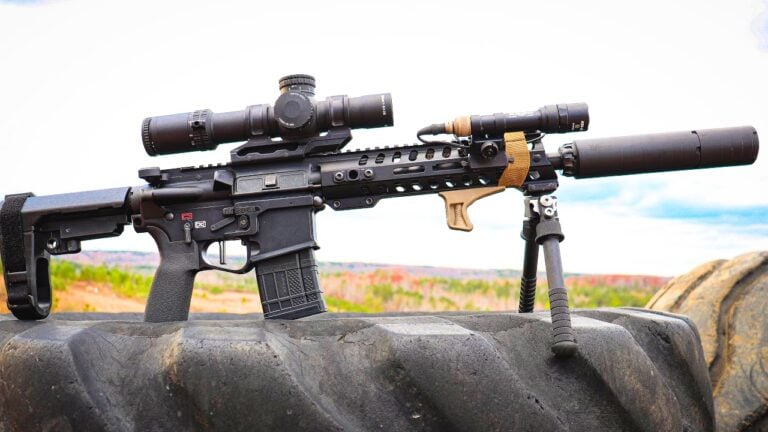
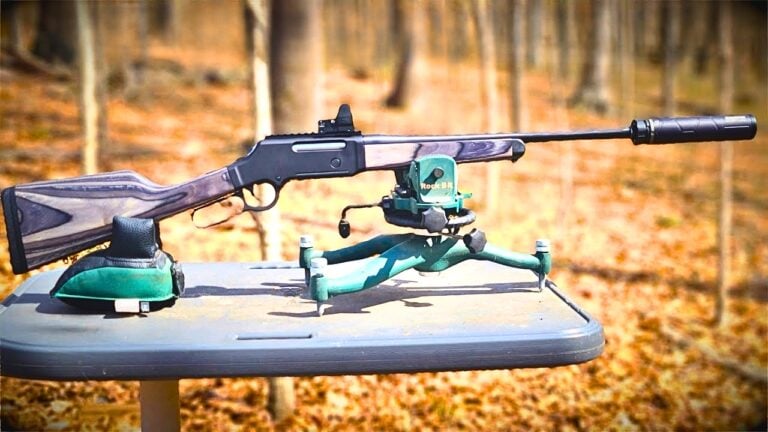
Modern accessories have changed the weight picture too. Hunters who add a suppressor and a mid-size to high-magnification optic discover that their “ultralight” rifle suddenly isn’t that light at all — and it’s often heavier where it matters, up front and up high. That changes balance, makes steady hold more difficult, and reduces the ergonomic benefit that originally drew people to a featherweight rig. When you pair weight forward with thin barrels and minimalist stocks, the result can be a rifle that feels out of balance and harder to shoot well under real conditions. That’s not surprising. A rifle’s recoil impulse, balance point, and stock rigidity all influence shooting as much as declared weight.
Reliability under real use matters more than pack weight
Another reason fewer hunters are choosing extreme lightweight rifles is durability and consistency. Lighter components and minimalist stocks can tolerate less abuse — impacts from brush, torque changes from repeated mounting, and hot-cold cycles that shake torque on rings and bases. A slightly heavier, more rigid rifle tolerates rough handling and maintains zero more consistently over a season of real use. Hunters who ride in trucks, hike uneven terrain, and carry gear nearly every day tend to prefer rifles that stay zeroed and shoot reliably through hard seasons, and that preference is reshaping buying habits away from ultralights.
Hunters are prioritizing shootability over ounces
The trend away from ultralights isn’t about rejecting light rifles entirely. It’s about honest priorities. Hunters want rifles that don’t beat them up, that hold steady from awkward field positions, that shoot confidently cold bore, and that remain predictable after hours of real use. A few extra ounces are a small price to pay if it means calmer recoil, reliable impact, and a rifle that behaves the same way when you’re tired as it did on the first shot of the day. For many serious hunters, that balance matters far more than saving every possible ounce.
Like The Avid Outdoorsman’s content? Subscribe to our newsletter so you never miss an article.
Here’s more from us: