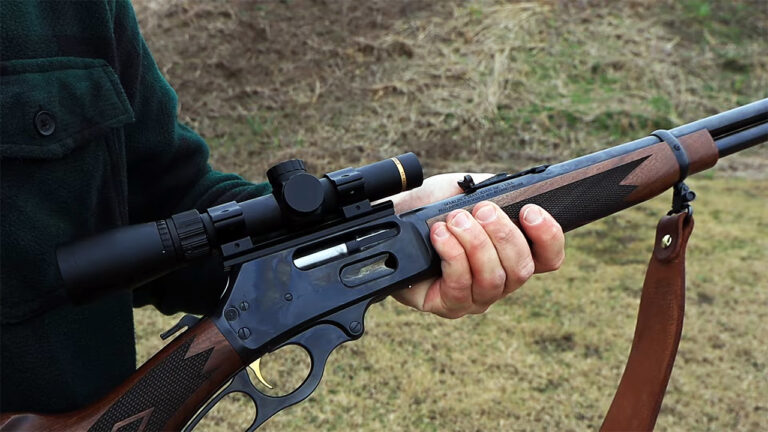
Photo credit: Tenacious Trilobite/YouTube
Discontinued guns hit different. When a model is still in production, you can talk yourself into waiting—one more season, one more bonus, one more “maybe next year.” Then it’s gone. The prices climb, parts and magazines get weird, and the same guys who shrugged at it in the gun shop start talking about it like it was the last honest tool on the rack.
Collectors don’t regret missing every discontinued gun. They regret the ones that were genuinely useful, interesting, or ahead of the curve—guns that shot well, carried well, or did a job better than anything that replaced them. Some were discontinued because they were expensive to make. Some because the market shifted. Some because they were misunderstood until they vanished. If you’ve ever watched a “normal” gun turn into a $2,000 problem overnight, you already know the feeling.
Winchester Model 70 pre-’64

You’ve heard the phrase “pre-’64” a thousand times, and there’s a reason it sticks. The early Model 70 is the kind of rifle people compare everything else against, especially if you care about controlled-round feed and a rifle that feels like it was built by adults.
Collectors kick themselves because these used to be “nice old Winchesters,” not museum pieces. You could find honest hunting rifles with wear on the floorplate and pay regular-guy money. Now everyone knows what they are, and everyone wants the same chamberings and configurations.
If you want one today, you’re shopping history, condition, and originality. The regret isn’t that it was rare—it’s that it was once easy.
Ruger .44 Carbine (Deerstalker)

The little Ruger .44 Carbine is the definition of handy. It’s light, fast, and it carries like it belongs in the woods, not in a safe. For thick cover deer hunting, it does exactly what you’d expect a .44 to do at sensible distances.
Collectors regret passing on them because they were never “cool” in the tactical era. They were a practical brush gun with a loyal following, and then suddenly they weren’t on shelves anymore. The originals have their quirks—magazines, parts, and condition matter—but when you find a clean one, it’s hard not to smile.
It’s one of those guns that feels more expensive now because people finally admit it was right all along.
Ruger Red Label

Over-under shotguns aren’t cheap, and the Ruger Red Label lived in that uncomfortable middle ground: American-made, field tough, and priced where people hesitated. Plenty of hunters handled one, liked it, and walked away to “think about it.”
Now you’re thinking about it with used prices, fewer clean examples, and a market that loves the idea of a discontinued, U.S.-made over/under. The Red Label wasn’t trying to be a London best gun. It was trying to be a shotgun you actually hunted with.
Collectors regret missing them because they made sense before “made in America” became a sales pitch again. If you find one that fits you, you’ll understand why people still chase them.
Browning Hi-Power

The Hi-Power is one of those pistols that feels like it belongs in every serious collection, even if you carry modern polymer. It points naturally, shoots smoothly, and has that old-world steel-and-wood vibe that makes you want to slow down and shoot well.
Collectors kick themselves because for years you could buy a good Hi-Power for “normal pistol money.” Then production stopped, demand spiked, and the market decided the Hi-Power wasn’t just classic—it was essential.
You do have to understand what you’re buying: many examples have small sights, some have a magazine disconnect, and condition varies wildly. But the regret isn’t about perfection. It’s about missing the window when they were everywhere and priced like they’d always be.
Marlin 1894 (Remington-era)

This one is complicated, and that’s exactly why people regret not buying the right examples when they could. The Marlin 1894 has always been a favorite in pistol calibers—.357, .44, and the like—because it’s fun, useful, and easy to live with.
When Remington took over production, quality became inconsistent. Some rifles were excellent. Some weren’t. Collectors regret not grabbing the good ones and tucking them away, because the “JM” marked rifles climbed, and the better Remington-era guns became harder to sort out after the fact.
It’s not that every one is magic. It’s that the 1894 is a format people keep coming back to, and any clean, smooth lever gun in those chamberings tends to age well once you can’t replace it easily.
Remington Model 700 ADL

The Model 700 isn’t discontinued, but specific older configurations absolutely are, and collectors chase them like a separate species. The plain ADL rifles from earlier decades were everywhere, and they were the kind of deer rifles people actually used—good barrels, decent triggers for the time, and a footprint that every stock maker supported.
Collectors regret passing on clean examples because they were viewed as “basic.” Then the market changed. New rifles got lighter, cheaper in feel, and more variable in finishing. Meanwhile, those older 700s became the foundation for builds and the benchmark for a straightforward hunting rifle.
You still have to be honest about condition and any modifications. But when you find one that hasn’t been messed with, you can see why people miss when “boring” meant solid.
Smith & Wesson Model 41

The Model 41 isn’t a gimmick. It’s a serious .22 target pistol with a reputation built on accuracy and a trigger that makes you realize you’ve been working too hard. When you shoot a good one, it feels like cheating.
Collectors kick themselves because there were long stretches where you could find them used, lightly fired, and priced like a niche range toy. Then the market remembered what they are. Quality target .22s don’t get cheaper, and the Model 41 occupies a space that’s hard to replace with modern stuff.
You’re also shopping condition, magazines, and any tweaks done by previous owners. But the regret is simple: a truly great .22 pistol is never a bad buy, and the Model 41 is the kind that turns casual shooters into collectors.
Colt Detective Special

The Detective Special is a time capsule. Six shots in a snub-sized revolver, real Colt charm, and a carry profile that made sense long before “micro-compact” was a category. It’s not the lightest snub, but it carries like a grown-up revolver.
Collectors regret not buying them because there was a long period where revolvers were “yesterday’s news.” You could stumble into one at a fair price, see a little holster wear, and pass because you were shopping for something modern.
Now you’re paying collector prices, and you’re also paying for condition and timing. A good Detective Special is still a useful revolver, but it’s also a piece of a vanished era. People miss them because they didn’t realize how quickly that era would stop being normal.
H&K P7 (PSP / P7M8)

The P7 is one of those pistols that makes you wonder how it ever existed as a production gun. Gas-delayed blowback, squeeze-cocker, flat carry profile—everything about it feels like a high-effort answer to a problem most companies would ignore.
Collectors kick themselves because the P7 used to be a weird, expensive surplus curiosity. Then the supply dried up, and everyone realized it was both a collector gun and a genuinely shootable pistol with a unique safety system.
It’s not perfect. It heats up fast. It likes to be kept clean. Magazines aren’t cheap. But it’s iconic in a way modern pistols rarely are. The regret comes from passing on a gun that was never going to be made again once the accountants took a hard look at it.
Steyr AUG A1 import-era variants

The AUG is famous now, but there were times when certain import configurations were far easier to find, and far less expensive. For a bullpup, it balances well, runs hard, and has a real service pedigree that’s not built on internet hype.
Collectors regret missing specific import-era guns because the market for them changed overnight. Laws shifted, imports tightened, configurations changed, and suddenly “that AUG” you saw last year isn’t the AUG you can buy today.
You’re also dealing with small details that matter—receiver markings, furniture, magazine type, and condition. The AUG is still around in various forms, but the versions collectors chase have a finite supply. The regret isn’t about wanting a bullpup. It’s about wanting that bullpup, and realizing you had the chance when it was sitting there.
Remington Model 11-87 Police

The 11-87 Police models had a reputation for being dependable, practical shotguns for agencies and serious users. They weren’t fancy. They were meant to run with duty loads and do work without drama.
Collectors kick themselves because these were never marketed as “collector” guns. They were tools. People bought them, used them, and moved on. Then Remington’s production story got messy, and suddenly the older, proven configurations became more desirable.
The 11-87 platform has its own rules—maintenance matters, O-rings matter, and you can’t ignore wear. But a clean Police model is the kind of shotgun that reminds you why semi-auto 12 gauges became the standard for a reason. Regret comes from ignoring it when it was still common.
Ruger No. 1

The Ruger No. 1 is still around in limited ways, but specific chamberings and production runs come and go, and collectors absolutely track them. It’s a single-shot that feels like a rifleman’s rifle—strong action, classic lines, and a vibe you don’t get from modern plastic.
Collectors regret passing on them because the No. 1 is never “necessary.” It’s wanted. And wanted guns don’t stay cheap when the run ends and people realize they can’t simply order another one in that chambering.
You’re also dealing with collector realities: condition, box, originality, and whether the chambering was a short-run favorite. The No. 1 is a slow-burn regret. You think you’ll get one later, and then later turns into a bidding war.
Browning A-Bolt

The A-Bolt lived in that sweet spot where a hunting rifle felt refined without being fragile. Smooth bolt, good accuracy potential, and a fit-and-finish level that made you feel like you bought something that would last.
Collectors kick themselves because the A-Bolt was a “buy it and hunt it” rifle, not a safe queen. When it was discontinued and replaced by newer models, plenty of guys assumed they were interchangeable. They’re not, especially if you loved how the older A-Bolts handled.
The regret usually shows up when someone tries to replace a lost or sold A-Bolt with a modern rifle and realizes the feel isn’t the same. If you find a clean older one in a useful chambering, you’ll understand why people hang onto them.
Winchester Model 94 pre-’64

The pre-’64 Model 94 isn’t rare, but it has a feel that later production doesn’t always match. The action, the finish, the way the rifle carries—it’s the kind of lever gun that makes you want to walk the woods even if you’re not hunting.
Collectors regret not buying them when they were “old deer rifles.” For a long time, they were everywhere. Then collector interest, nostalgia, and scarcity of clean examples started pushing prices up, especially for desirable configurations and calibers.
It’s also a gun that gets judged by condition more than people think. The nicest ones weren’t hunted hard, and those are exactly the ones everyone wants now. The regret isn’t that you couldn’t find one. It’s that you could, and you didn’t.
Colt Python (original production)

The original Python is one of the clearest examples of “you should’ve bought it when it was a normal gun.” It was always expensive compared to other revolvers, but it was still a gun you could realistically save for and own.
Collectors regret missing them because the market turned the Python into a status object. Original examples—especially in great condition—became a different kind of purchase. And once prices jumped, they didn’t drift back down.
You also have to understand what you’re buying: condition, timing, finish wear, and originality matter a lot. The Python’s reputation isn’t just internet noise. It’s about workmanship and a feel you don’t always get today. The regret comes from realizing the window closed while you were still “thinking about it.”
Springfield Armory M1A
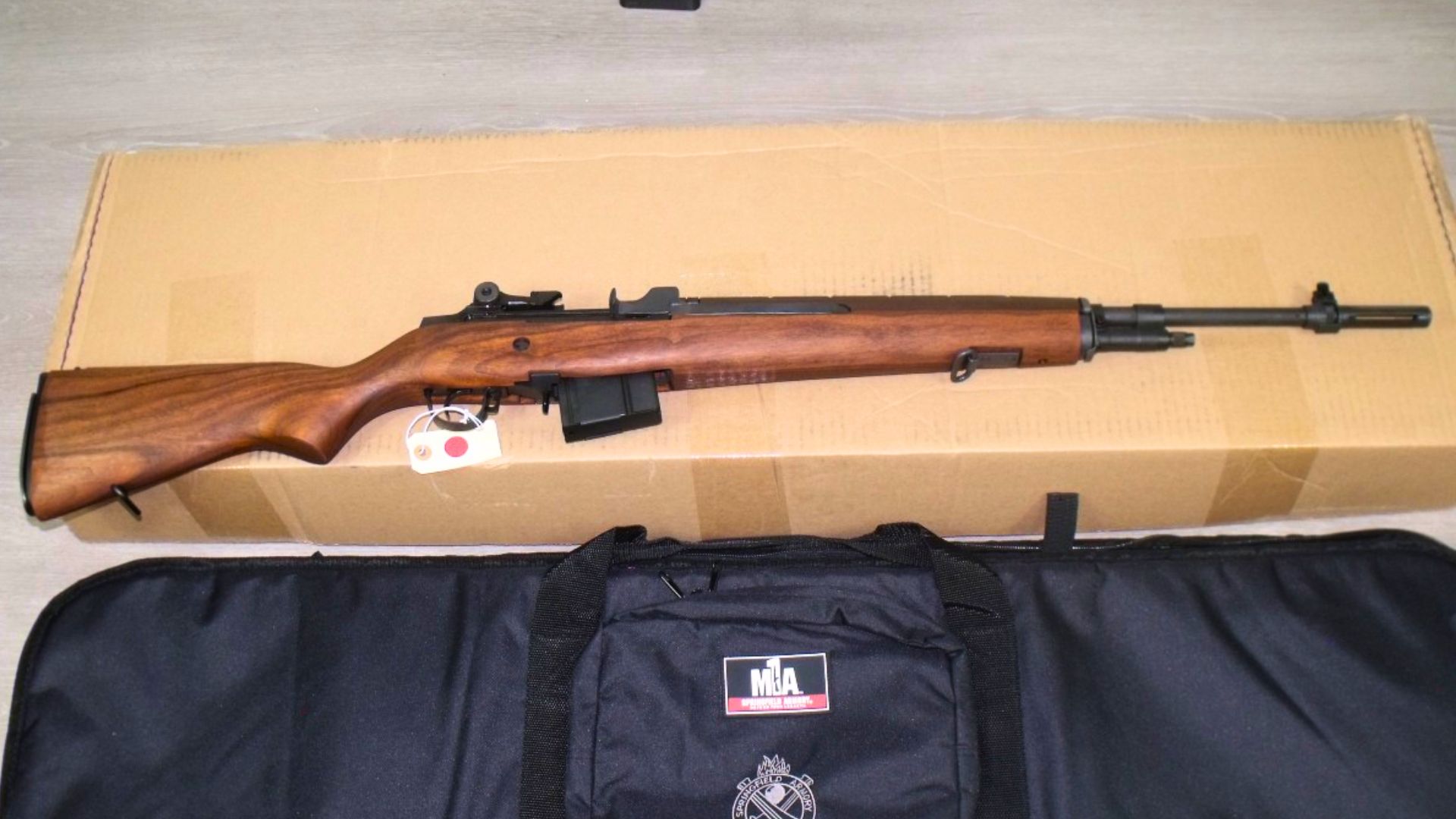
The M1A is still around, but certain older configurations and eras have their own collector gravity. There’s a specific appeal to rifles from periods when parts sources, assembly standards, and feature sets were different—especially if you care about the rifle as a long-term piece, not just a range toy.
Collectors regret passing on older examples because they used to be seen as expensive but obtainable. Then the market started treating certain eras as a premium category, and the same rifle that felt like a stretch purchase became a “wish I did it” story.
You’re also dealing with the reality that M1A history is complicated. People care about markings, parts, condition, and configuration. If you want one, you want to know what you’re looking at. The regret comes from ignoring that while the good ones were still sitting quietly on racks.
Like The Avid Outdoorsman’s content? Subscribe to our newsletter so you never miss an article.
Here’s more from us: