Photo credit: GunGuyTX/YouTube
A rifle that shoots tiny groups cold can make you feel like you’ve got the whole season handled. Then you fire a second string, the barrel heats up, and the group starts walking like it got bored. That’s not your imagination. Heat changes steel, stresses stocks, shifts pressure points, and magnifies anything that’s marginal—thin barrels, soft bedding, loose action screws, a hot handguard touching the tube, even a scope that isn’t sitting as stable as you think.
A lot of “warm accuracy loss” is really point-of-impact shift. The rifle might still be capable of tight groups, but the group moves as it heats. If you don’t notice the pattern, you’ll chase it with scope clicks and convince yourself the ammo is bad. The fix is often boring: consistent torque, true free-float, better bedding, and a shooting pace that matches the barrel profile. These are rifles and rifle types that commonly get accused of going sideways once they warm up.
Ruger American

A Ruger American can print a nice first group, then start opening up as the barrel warms. Most of that comes down to the light sporter barrel and how quickly it heats compared to the pace most people shoot at the range. When the tube warms, harmonics change and small differences in how you rest the forend start showing up on paper.
Another common issue is stock flex and bedding consistency. If the forend is contacting the barrel under pressure—like on a bipod or hard rest—heat plus pressure can shift point of impact. You’re not crazy if the first three shots are tight and the next three drift. Slow your cadence, confirm the barrel is truly free-floated under your shooting support, and make sure action screws are torqued consistently.
Savage Axis

The Savage Axis is one of those rifles that can surprise you with a great cold bore group. Then you keep shooting and it starts to feel like the rifle “lost it.” A lot of Axis rifles wear thin barrels, and they heat fast. Once warm, they can show vertical stringing or a wandering point of impact—especially if you’re shooting faster than the barrel profile wants.
The stock is also part of the story. It’s functional, but it can flex. That makes the rifle more sensitive to how you load a bipod, how the forend rests on a bag, and whether the barrel is touching anything. You can make an Axis behave with better torque, bedding attention, and a slower pace. But if you’re trying to run it like a heavy varmint rifle, it’ll remind you it wasn’t built for that job.
Remington 700 ADL
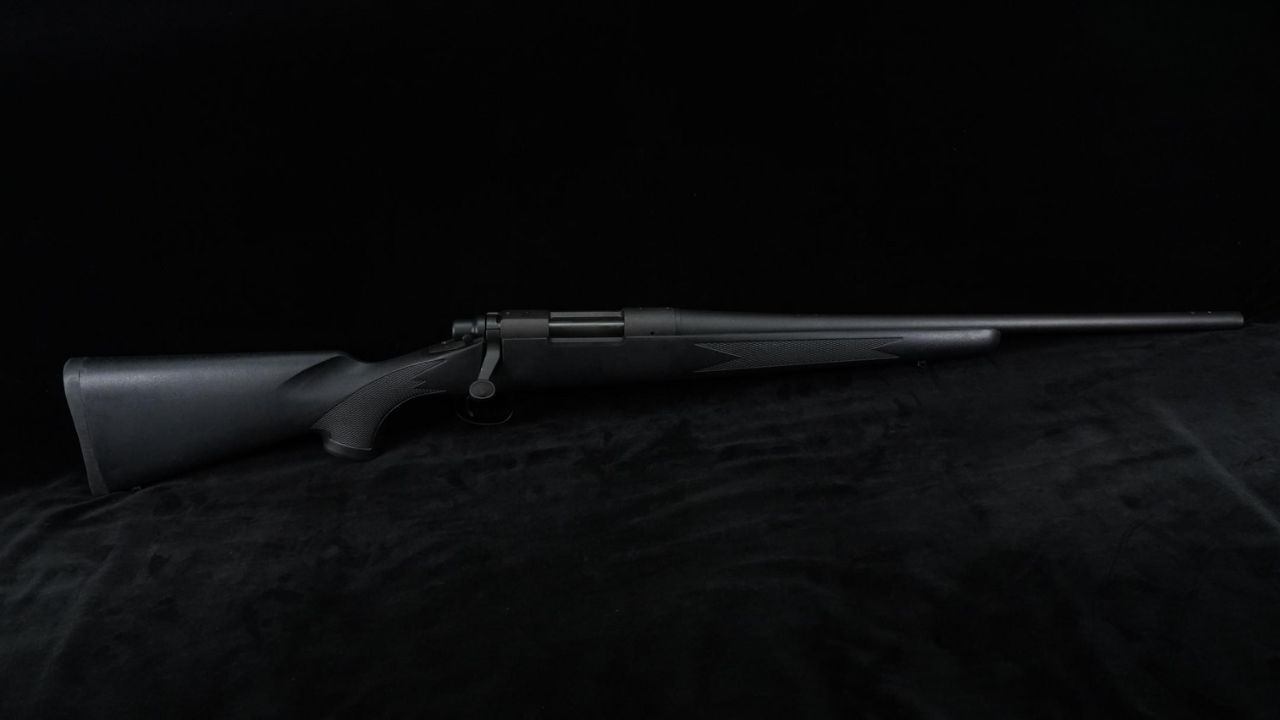
A Remington 700 ADL can feel like a classic, dependable setup—until you shoot a few groups and watch the point of impact creep as the rifle warms. The usual culprit isn’t the action. It’s the budget synthetic stock and how it interacts with the barrel under heat and pressure.
If the forend flexes and touches the barrel when you’re on a rest, your first group might look great and your next group might walk. Add heat, and the barrel will naturally move a little in the channel. If the stock isn’t consistent, the barrel pressure changes shot to shot. The fix is often straightforward: confirm true free-float, torque the action screws evenly, and consider bedding or a stiffer stock if you want consistent strings instead of one good cold group.
Tikka T3x Lite
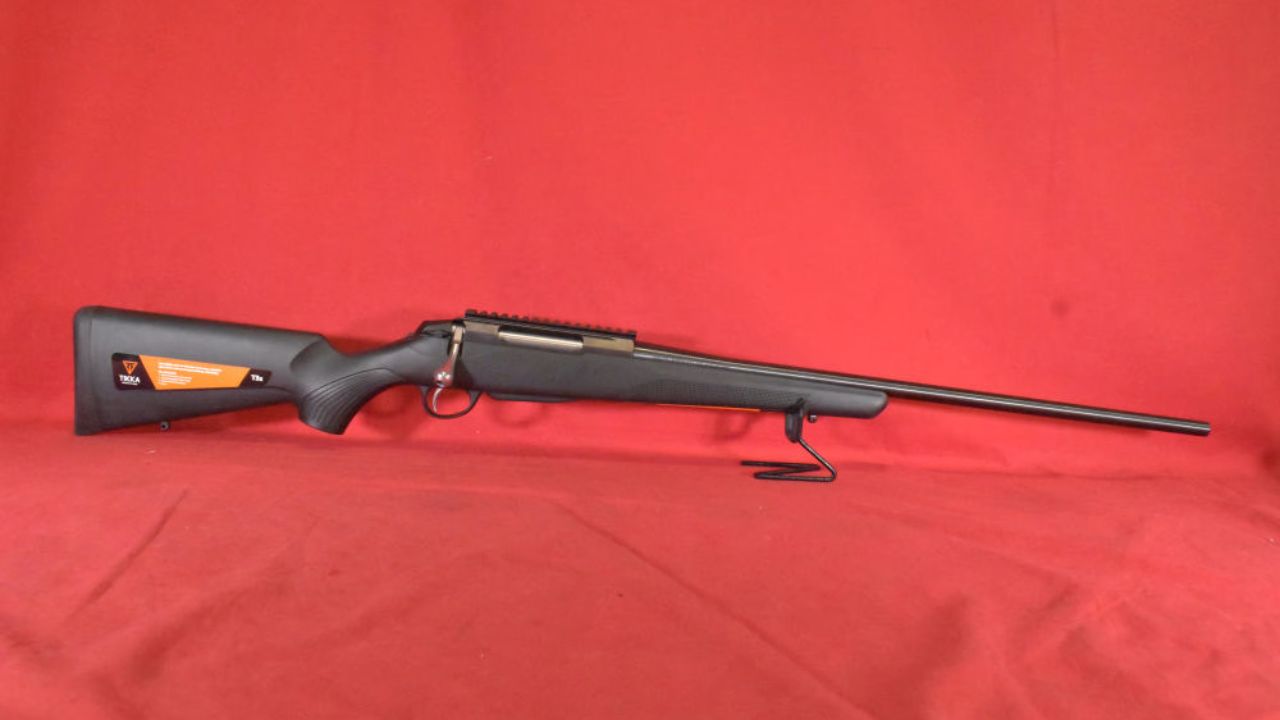
A Tikka T3x Lite has a reputation for accuracy, and plenty of them shoot extremely well. The “goes sour when warm” complaint usually shows up when people shoot the Lite like a range rifle. The barrel is thin by design, and it warms quickly. As it warms, you can see point-of-impact shift or groups opening, especially in faster strings.
The Tikka’s smooth action and consistent trigger make it easy to shoot quickly, which is exactly how you cook a light tube. Add in the way some factory stocks can flex under bipod load, and the rifle becomes more sensitive to support pressure than you expect from a premium hunting rifle. The rifle isn’t failing. You’re pushing a lightweight hunting profile into a job it wasn’t built to do. Slow down, let it cool, and it usually comes back.
Ruger Mini-14

The Ruger Mini-14 is famous for being handy, reliable, and practical. It’s also famous for groups that can open up as it warms. The Mini’s barrel profile and gas system can contribute to a wandering point of impact during longer strings, and older Minis especially have a long-running reputation for “heats up and spreads out.”
When you shoot a Mini, you’re dealing with a system that moves differently than a bolt gun. Heat can change how the barrel whips and how the gas system influences the action. You’ll often see the first few shots look respectable, then the group grows and drifts as the rifle warms. People have tried everything from barrel struts to different handguard setups to stabilize them. A Mini can be a great ranch rifle, but it’s not the platform you pick for sustained precision.
Springfield Armory M1A
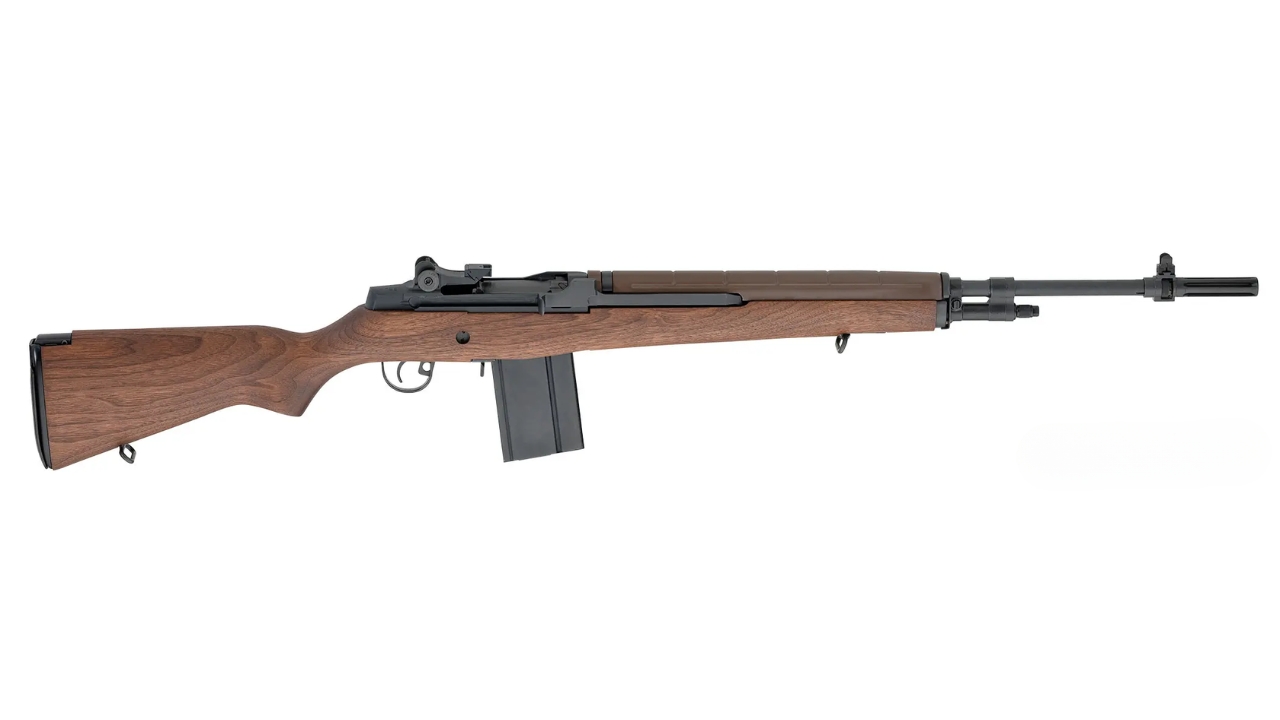
The M1A looks like it should shoot like a serious rifle, and it can—within the limits of the platform. Once the barrel warms, it’s common to see point-of-impact shift, especially if the stock fit and bedding aren’t dialed. The M1A’s gas system and stock contact points make it more sensitive to heat and pressure than a free-floated bolt gun.
As things warm, tension changes in places you don’t think about: the way the action sits in the stock, the way the handguard fits, the way the gas cylinder interacts with the barrel. That can turn a decent cold group into a drifting pattern. A properly bedded National Match-style setup can manage this better, but a standard off-the-shelf M1A is often more “field accurate” than “string after string accurate.”
AR-15 with a lightweight “pencil” barrel (e.g., Colt 6720)

A Colt 6720-style pencil-barrel AR feels fast and lively, and it can shoot surprisingly well for a light gun. The issue is heat. Thin AR barrels heat quickly, and once they do, group size can open up and point of impact can shift. That’s especially noticeable when you’re shooting from a rest and expecting bolt-gun consistency.
On top of barrel profile, your handguard setup matters. If the barrel isn’t truly free-floated, or if your support pressure changes as you get into a rhythm, your warm groups can start wandering. Pencil barrels are meant for carrying and quick shooting, not long strings on paper. If you want repeatable groups across multiple strings, a heavier profile or a true free-float setup gives you more stability when the gun is hot.
PSA PA-15 budget builds (thin barrel setups)
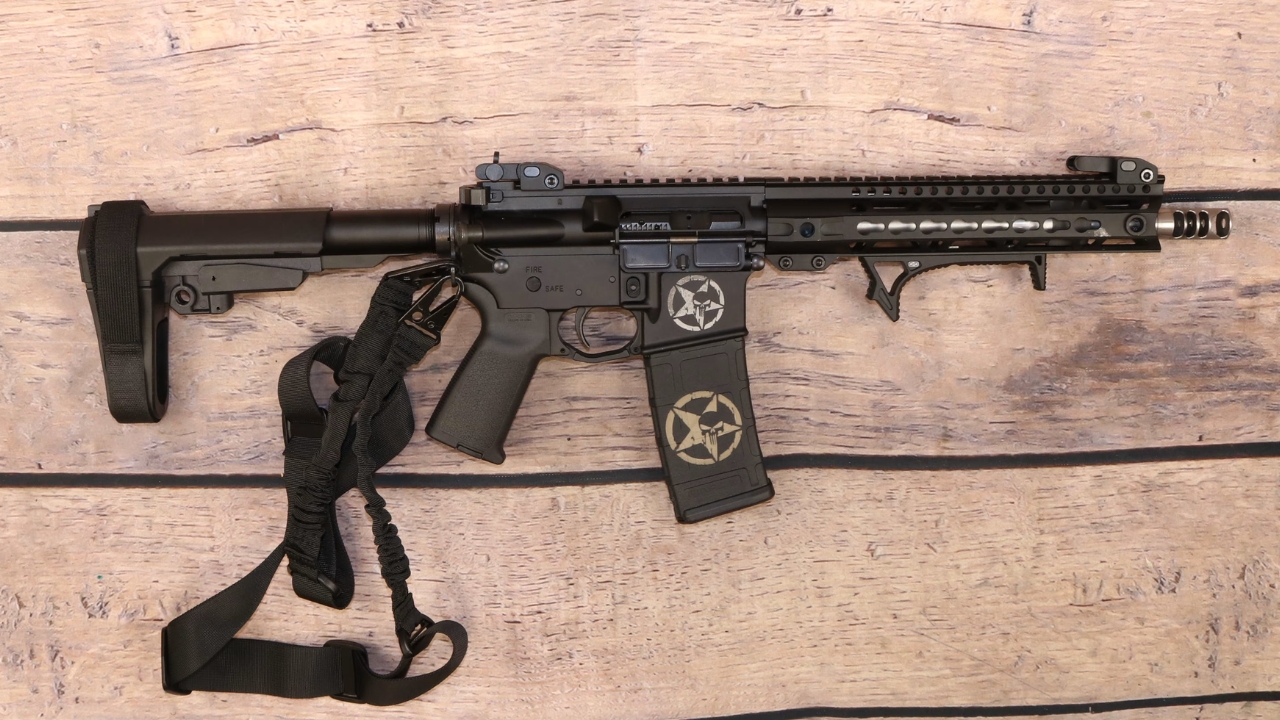
A PSA PA-15 can be a great value, and many run fine. The “loses accuracy when warm” complaints usually show up with the lighter barrel options and basic handguard setups. Thin barrels get hot fast, and budget handguards that aren’t free-floated can add pressure that changes as you shoot.
You’ll often see a good first group, then vertical stringing or drifting as the gun heats. Sometimes the issue is as simple as inconsistent rest pressure on a non-free-float handguard. Sometimes it’s the barrel heating unevenly. The rifle isn’t necessarily defective—it’s just showing you the limitations of a light barrel and basic furniture. If you shoot slower and treat it like a practical carbine, it behaves. If you try to run it like a precision rig, it’ll humble you.
Mosin-Nagant 91/30 (surplus barrels)

A Mosin-Nagant can shoot a respectable first group and then start throwing shots as it warms, especially with a surplus barrel and surplus bedding. You’re dealing with old wood, old tolerances, and often a barrel that has seen a lot of life. Heat will magnify any inconsistency in how that action is sitting in the stock.
Many Mosins also have pressure points and contact spots that aren’t consistent from shot to shot, particularly as the barrel warms and moves. You can see stringing, drifting, and groups that open up in a hurry. It’s not a surprise. You’re shooting a rugged military rifle that was built for battlefield accuracy, not slow-fire benchrest strings. If you want it to behave, you shoot slower, manage heat, and accept the platform for what it is.
SKS

An SKS can feel steady for the first few rounds, then show a noticeable drop in consistency as it warms. The barrel profile and the way the rifle is built—gas system, handguard, stock contact—make it more sensitive to heat than a free-floated bolt gun. Once the system is hot, point of impact can drift.
A lot of SKS rifles also have stocks and handguards that aren’t consistent in how they contact the barrel and gas tube. Add heat and that contact can change. You’ll see groups open up and sometimes walk. It’s not that the rifle suddenly became inaccurate. It’s that heat is changing the system while you’re trying to shoot tight groups. The SKS is a rugged practical rifle, but it’s rarely a “string shooter.”
Ruger 10/22
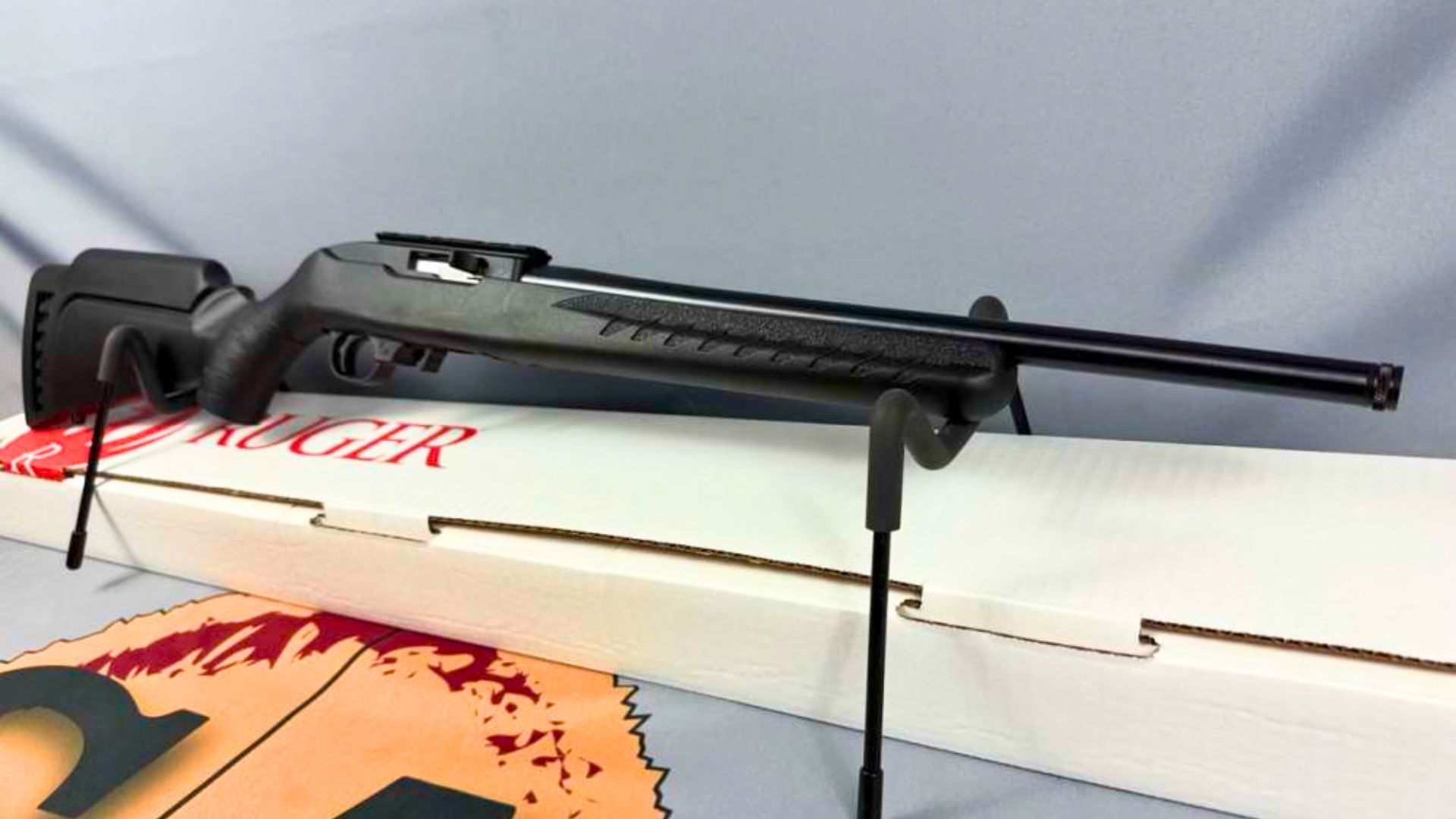
A factory-barrel Ruger 10/22 can print tight groups early, then start stringing as it warms—especially if you’re shooting quickly and the barrel is thin. Rimfire barrels don’t heat like centerfire, but they still warm, and the 10/22’s stock and barrel channel setup can make it sensitive to pressure.
If your forend is touching the barrel in any spot, warm barrels and shifting pressure can change point of impact. Also, rimfire ammo can vary enough that heat plus ammo variation looks like the rifle “lost accuracy.” A heavier barrel and a true free-float setup can make a 10/22 far more consistent over multiple strings. If you’re keeping the factory sporter barrel, slow down and focus on consistent support pressure.
Marlin Model 60
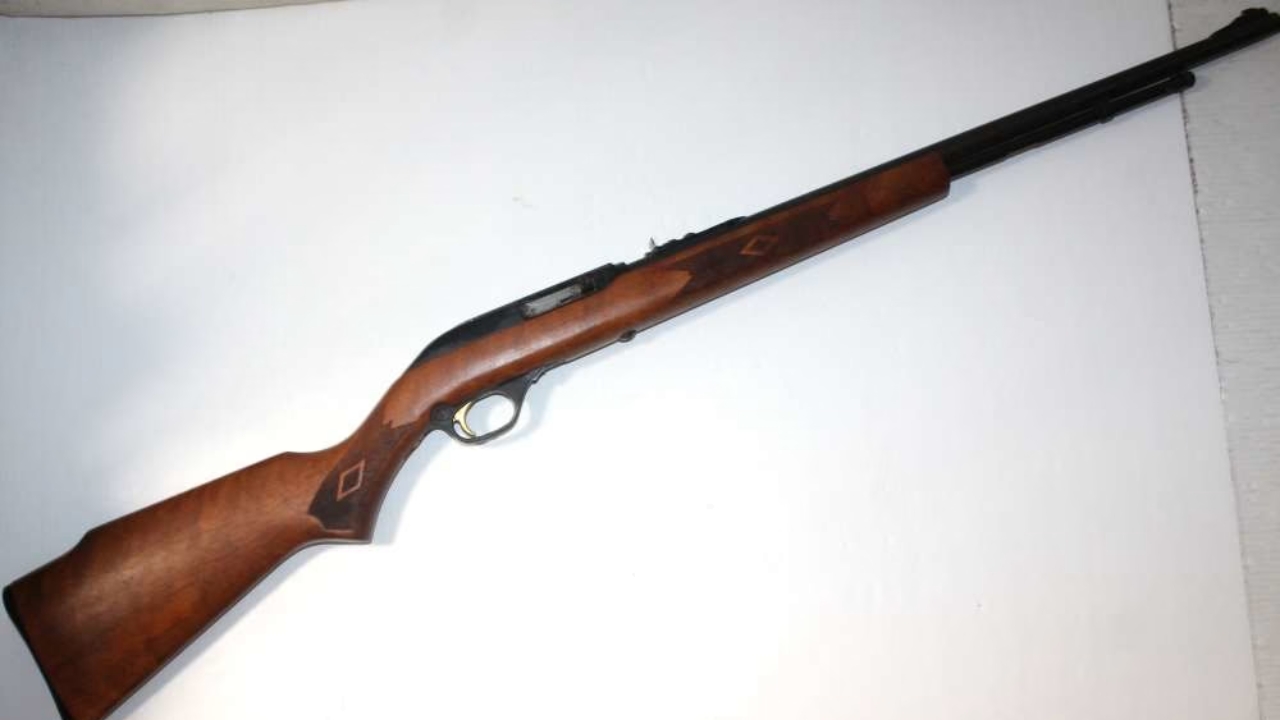
The Marlin Model 60 is a classic plinker that can shoot better than it has any right to. It can also start stringing when it warms, especially if the stock fit and barrel contact aren’t consistent. Like most affordable rimfires, it’s more sensitive to how it’s supported on a rest than people realize.
Once the barrel and action warm, small changes in pressure points can shift where rounds land. Add in rimfire ammo variation and fouling buildup, and you can watch a good cold group turn into a bigger, messier cluster. The Model 60 isn’t built to be a sustained precision rifle. It’s built to shoot a lot, cheaply. If you want it to stay consistent, keep your pace reasonable and use the same rest setup every time.
Winchester XPR (light barrel versions)

A Winchester XPR with a light barrel can shoot a sharp first group, then start drifting as it warms, especially if you’re shooting on a hard rest and the stock is flexing. Many XPRs are accurate hunting rifles, but the lighter profiles and budget stocks can make them sensitive to heat and support pressure.
You might see groups open or walk vertically as the barrel heats. That doesn’t mean the rifle is junk. It means you’re experiencing the limits of a lightweight hunting setup. The fix is consistency: same rest pressure, same torque on action screws, and a slower cadence. If you’re trying to shoot five-shot groups back-to-back like you’re developing match ammo, a light hunting barrel will punish you.
Thompson/Center Compass
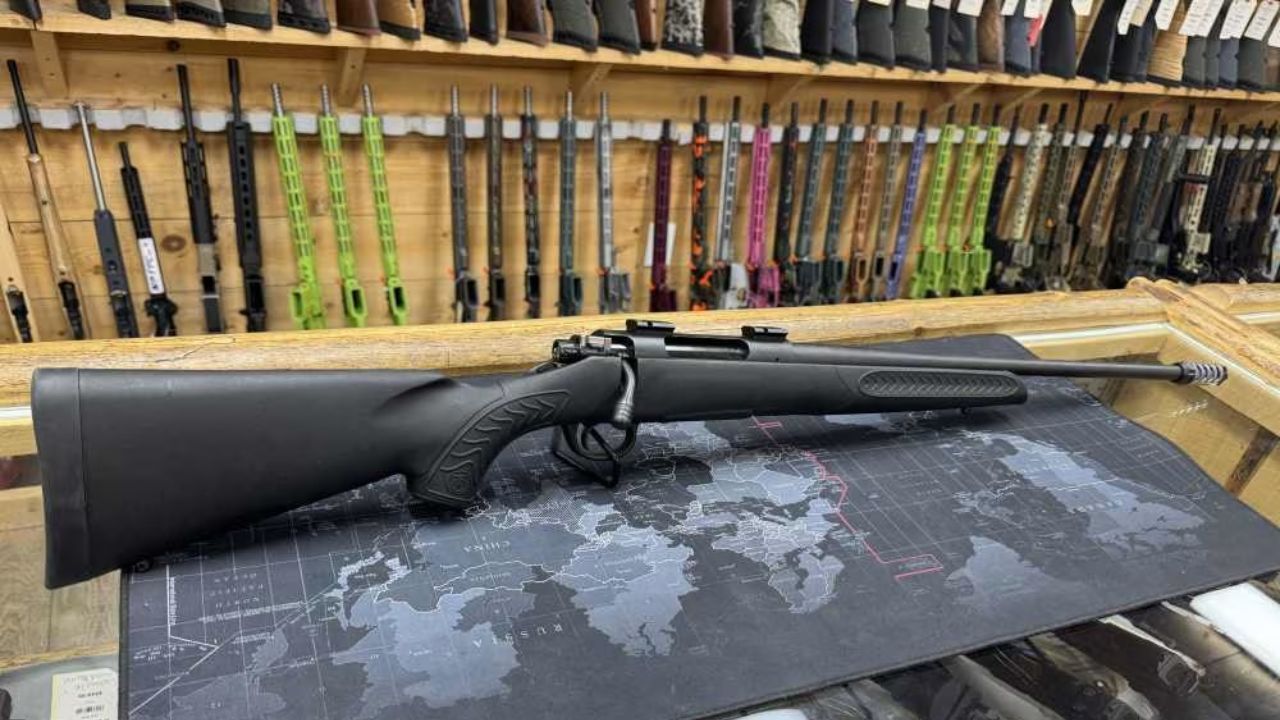
A T/C Compass can put up a great first group, then start showing inconsistent results as it warms, especially if the stock and bedding aren’t perfectly stable. The barrel profile is often light, and light barrels heat quickly. Once hot, they can string shots, especially if you’re not giving the rifle time to cool.
The Compass also tends to be sensitive to how it’s supported. If the forend flexes and touches the barrel differently depending on how you’re resting it, heat makes that worse. You end up seeing point-of-impact shift that looks like “lost accuracy.” In reality, it’s a combination of thin barrel plus inconsistent stock pressure. Slow down, check your barrel clearance, and keep the setup consistent.
Christensen Arms Ridgeline

Christensen Arms Ridgeline rifles are marketed as lightweight precision hunting rifles, and many shoot well. The “goes sideways when warm” talk usually centers on some carbon-wrapped barrel examples and how they behave across longer strings. Carbon wrap doesn’t automatically mean a barrel will stay consistent as it heats, and it doesn’t make heat disappear.
When these rifles shift, it can look like a wandering point of impact after a few shots. Some of that can be barrel behavior, and some can be bedding and torque sensitivity in lightweight platforms. A rifle like this often shoots best with a measured cadence and consistent torque. If you hammer five-shot strings repeatedly, you may see movement that a heavier steel barrel would mask. These rifles can be excellent, but they’re not immune to heat physics.
Browning X-Bolt

A Browning X-Bolt has the fit and finish that makes you assume it’ll stay consistent forever. With the lighter sporter barrels, though, you can still see warm-barrel shift during extended range sessions. The rifle might be perfect for a cold-bore hunting shot and still be less stable across long strings.
Heat changes harmonics, and light barrels show it faster. If your forend pressure changes or the barrel channel isn’t perfectly consistent, your groups can walk. You’ll often notice the first few shots cluster, then the next shots open or drift. That’s not uncommon in lightweight hunting rifles. The fix is the same story: slow your cadence, keep rest pressure consistent, and confirm action screws are torqued correctly so the rifle returns to the same place every time.
Ruger Precision Rifle

A Ruger Precision Rifle is built to be shot from the bench, so people expect it to shrug off heat. Many do. But with certain factory barrel setups—and with shooters running it faster than they should—you can still see performance drop as the tube warms. Precision rifles aren’t magic. Heat still changes steel and harmonics.
If you’re firing long strings without a cooling plan, you can induce vertical stringing and point-of-impact drift. Add in suppressors, which can change barrel harmonics as they heat, and you can see patterns that look like the rifle suddenly “lost accuracy.” The RPR is more stable than a light hunting rifle, but it still rewards disciplined pacing. Even a heavy gun can start wandering if you treat it like a mag dump platform.
Howa 1500

A Howa 1500 action is usually very solid, but when it’s dropped into a soft Hogue overmold stock, you can get warm-barrel issues that feel like the rifle is changing personalities. The Hogue stock can flex and create inconsistent pressure on the barrel and action. When the barrel warms and moves, that pressure changes.
The result can be groups that open up or drift after the first few shots. It’s especially noticeable when shooting off a bipod or hard rest, where you’re loading the forend. The Howa isn’t the weak link. The stock is. Swap to a stiffer stock or chassis, bed it properly, and the same action can become far more consistent. If you keep the Hogue, slow your cadence and keep pressure exactly the same.
Lightweight mountain rifles in general (e.g., Kimber Mountain Ascent)

A Kimber Mountain Ascent is built to be carried, not hammered on a bench. When you shoot a true mountain rifle fast, it warms quickly and starts showing every compromise that makes it light. Thin barrels heat fast, light stocks flex, and the rifle becomes more sensitive to how you hold it and rest it.
You’ll often see a sharp cold group, then shots start walking as the barrel and stock settle under heat. That’s not a defect. It’s physics and design priorities. These rifles are made for a cold first shot, maybe a quick follow-up, and then the hunt continues. If you want sustained accuracy across multiple strings, you pick more barrel and more stock rigidity. If you want to carry it all day, you accept that the range session needs slower cadence and patience.
Like The Avid Outdoorsman’s content? Subscribe to our newsletter so you never miss an article.
Here’s more from us: