Photo credit: Gould Brothers/YouTube
Misfires don’t inspire confidence—especially when you’re staring down the biggest buck you’ve seen in years or you’re on the clock in a shooting course. While a bad round can cause a hiccup now and then, some rifles have a pattern of light strikes, feeding issues, or inconsistent ignition that keeps showing up regardless of the ammo. And it’s not always cheap junk either. I’ve run into misfires with rifles that came with premium price tags and solid reputations. Sometimes it’s poor design. Sometimes it’s tight tolerances or weak springs. Either way, if a rifle can’t fire when asked, it’s not worth the powder.
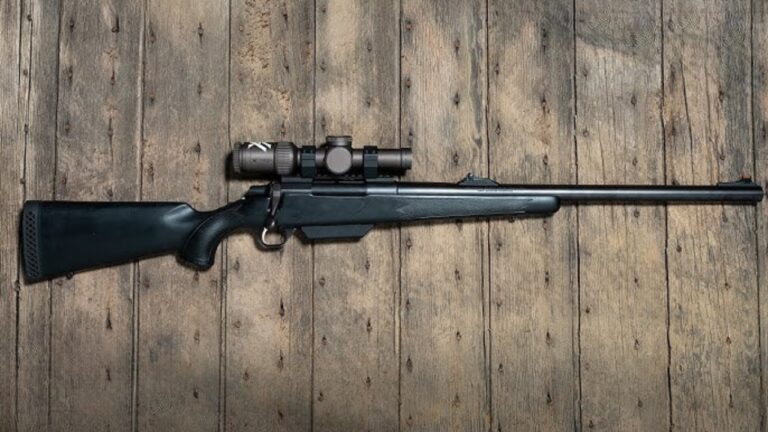
Remington 770
The Remington 770 was supposed to be an affordable entry into bolt-action hunting, but it ended up on more “never again” lists than deer camp walls. Feeding is rough, extraction’s worse, and the bolt feels like dragging gravel. But the real issue is inconsistent ignition. I’ve seen multiple 770s produce light primer strikes, especially in colder weather or after moderate fouling. You can clean it, swap ammo, and cycle the bolt like a gorilla—it still might misfire at the worst moment. You’re better off with a used 700 or saving for something with proven guts. Cheap isn’t worth unreliable ignition.
Century Arms C308

The C308 is a clone of the H&K G3, but it doesn’t always inherit the reliability you’d expect. Built with surplus parts and inconsistent quality control, it’s been known to misfire due to improper headspacing or out-of-spec bolts. I’ve personally watched one fail to go bang several times during a single range trip—same ammo that cycled flawlessly in another .308. Century’s build quality has always been hit-or-miss, and that shows up fast with these rifles. If you get a good one, they can be fun. But the odds of misfires and stuck casings make it hard to trust under pressure.
Winchester Wildcat .22
The Wildcat looks smart on paper—a lightweight, budget-friendly semi-auto .22 with some clever design features. But its fire control group and striker assembly have earned a reputation for failure to fire. Misfires are common, even with good .22 LR ammo, and the issue often traces back to poor bolt return or inconsistent firing pin engagement. It’s easy to take apart, but that’s not much comfort when you’re clearing stoppages every few rounds. I wanted to like this rifle. But for every kid who brings one to the range, there’s usually a parent clearing out duds before they get through a mag.
Remington 597
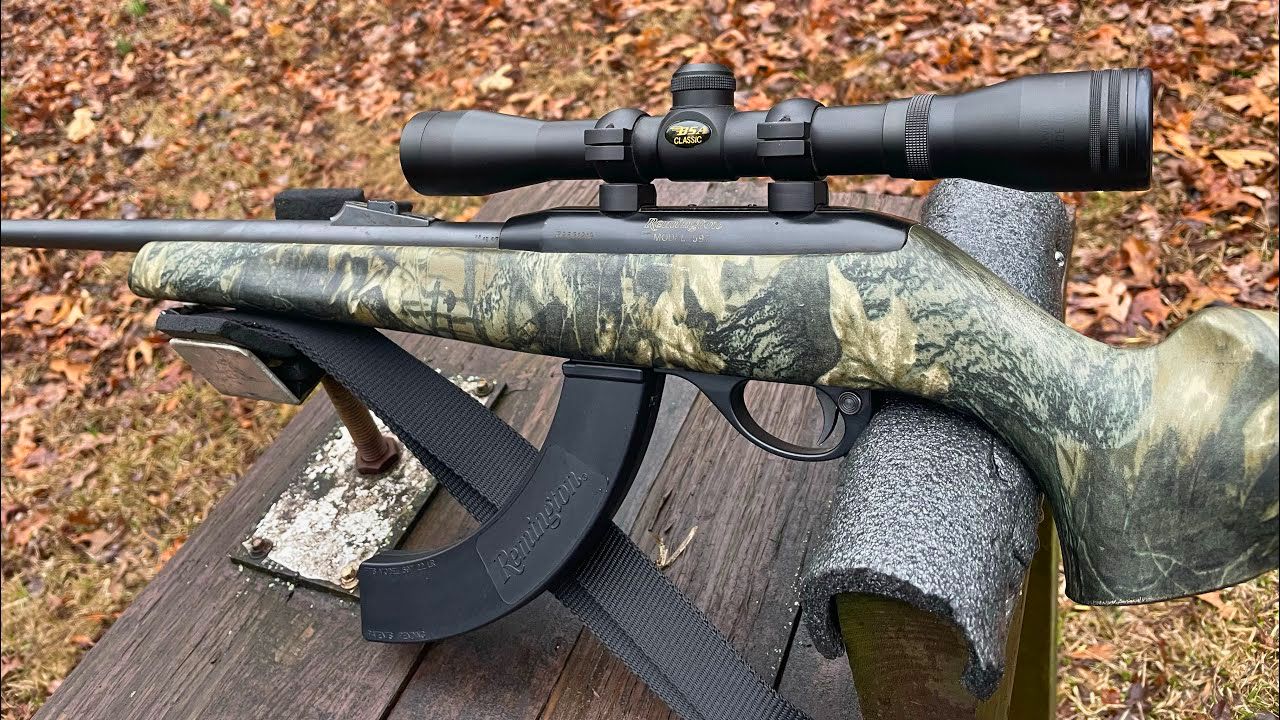
When the 597 came out, it was marketed as a challenger to the Ruger 10/22. Instead, it earned a reputation for jamming and misfiring. The firing pin on many models is known to be soft and can wear quickly, leading to light strikes that don’t touch off even high-quality rimfire ammo. Combine that with cheap factory mags and a finicky bolt return, and you’ve got a .22 that spends more time being diagnosed than enjoyed. I’ve seen some tuned-up versions shoot well, but out of the box, the 597 is a gamble. If your first shot goes off, consider it lucky.
Century Arms WASR-10 (early models)
The WASR-10 has improved over the years, but early imports had major issues—including misfires. Sloppy machining on the bolt face and inconsistent heat-treating meant firing pins that wouldn’t always make proper contact. Add in questionable surplus ammo and soft primers, and the odds stack up fast. Even when the gun cycled, it wasn’t always lighting rounds reliably. I’ve seen more than one early WASR click instead of bang, especially after a bit of carbon buildup. Later ones are better, but if you’ve got an older model and it misfires more than it hits, you’re not imagining things—it’s baked into the build.
Rossi RS22

The RS22 is a budget .22 that’s attracted plenty of new shooters, but it has its quirks. One of the most common issues is light strikes. The striker assembly isn’t exactly a precision part, and even with fresh ammo, you’ll sometimes hear that dreaded click instead of a bang. I’ve had more than one come through camp that needed extra cleaning, lubrication, and still wouldn’t run a full mag without a hiccup. For backyard plinking, you might be able to live with it. But if you want reliability out of a semi-auto .22, there are far better options for just a little more.
Like The Avid Outdoorsman’s content? Be sure to follow us.
Here’s more from us:
The worst deer rifles money can buy
Sidearms That Belong in the Safe — Not Your Belt
*This article was developed with AI-powered tools and has been carefully reviewed by our editors.