
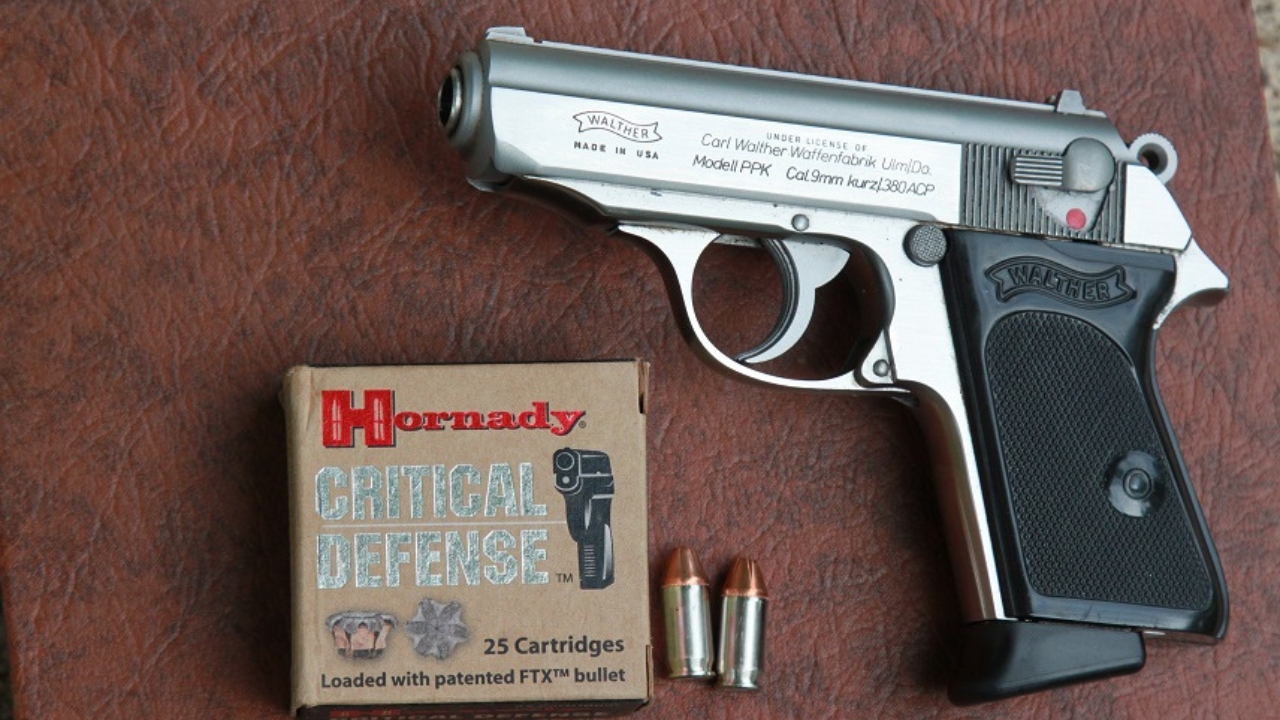
Photo credit: Everett Walker – CC BY-SA 4.0/Wiki Commons.
The Walther PPK is one of the most recognizable pistols ever made, but a lot of shooters know it more from movies than from its actual history. Most people connect it to James Bond first, and that is fair, but the PPK mattered long before it became a pop-culture icon. It came out of Walther’s PP-series work, helped popularize the double-action/single-action semi-auto format, and carved out a serious place as a compact pistol for police, concealed carry, and later intelligence and security use.
What makes the PPK especially interesting is that it is one of those handguns that seems simple until you start digging. Then you realize it sits right at the intersection of firearms innovation, European police history, import-law weirdness, and some of the most famous handgun branding in the world. For a small pistol, it has had a massive cultural and design footprint.
1. The PPK was not the original design

A lot of shooters talk about the PPK like it was the starting point, but it actually came after the Walther PP. American Rifleman notes that the PP, short for Polizei Pistole or “Police Pistol,” came first, and the PPK was the shorter version that followed. The PPK name is generally understood as Polizei Pistole Kriminal, tying it to the plainclothes criminal police or detective side of German law enforcement.
That matters because the PPK was not just a random downsized pistol. It was a more concealable branch of an already important service-pistol concept. Walther was taking a proven platform and trimming it into something easier to hide under a coat while still keeping the same basic operating idea. That is a big reason the PPK became so influential in the compact-pistol world.
2. It helped define the DA/SA pistol format

One of the biggest things shooters miss about the PPK is just how important it was mechanically. The PP-series is widely credited as the first successful double-action semi-automatic pistol system, and the PPK carried that same concept into a smaller package. American Rifleman flat-out says Walther offered the world’s first successful semi-auto pistol with a double-action/single-action trigger system.
That is a huge deal because DA/SA became a standard format for police, military, and defensive pistols for decades afterward. The idea of a longer first trigger pull followed by lighter single-action shots feels normal now, but that was not always the case. The PPK helped normalize a layout that later became common across the handgun market.
3. It was built for concealment from the start

The PPK was not just “smaller because smaller sells.” According to American Rifleman, Walther shortened both the butt and the barrel/slide upper from the PP to create a pistol better suited to detectives and plainclothes work. That was a very intentional move toward concealability.
That design goal explains a lot about why the PPK stuck around. It was compact before compact handguns became their own huge category. The gun was shaped around discreet carry, which made it useful not only for police and security work but also for civilian defensive carry long before modern concealed-carry culture took off.
4. James Bond made it famous, but Bond did not start carrying it in the films right away
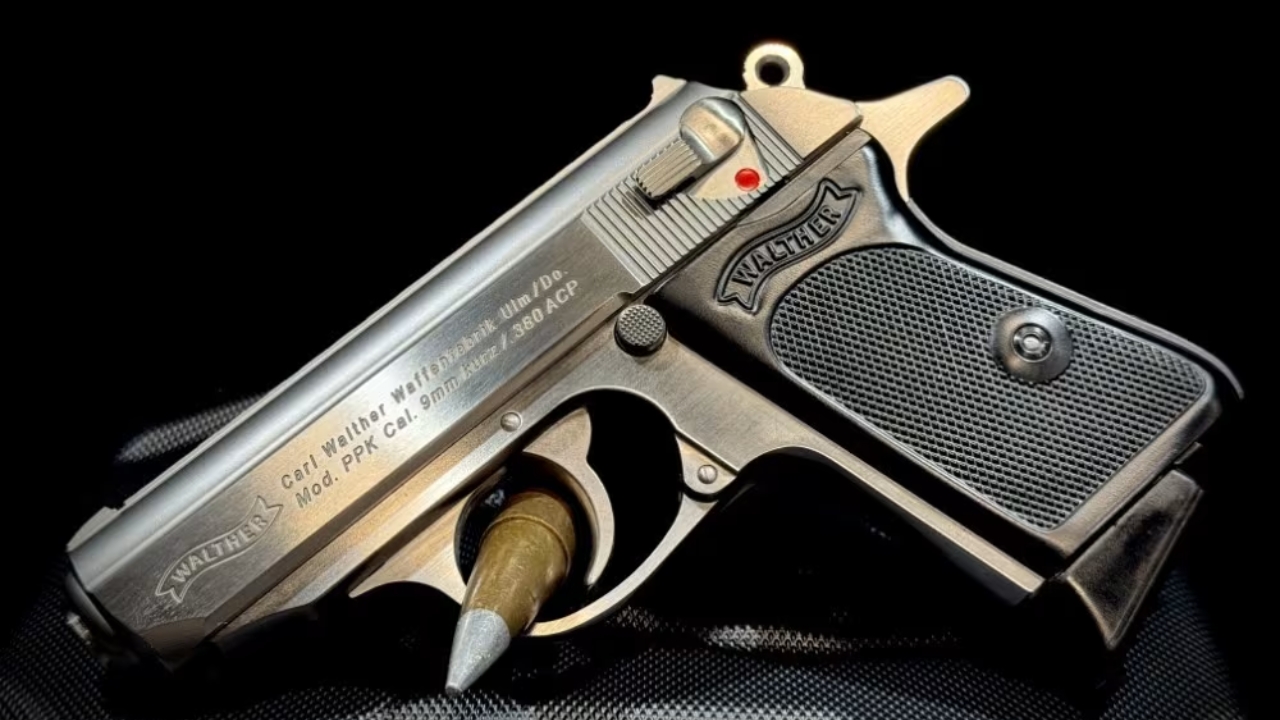
Everybody knows the Bond connection, but even that story has a wrinkle a lot of people miss. American Rifleman says the Bond-Walther relationship began in Ian Fleming’s 1958 novel Dr. No, when 007 gave up his Beretta and switched to a Walther PPK in .32 ACP. Rock Island Auction notes, though, that the first Bond film used a Walther PP to stand in for a PPK, and the actual on-screen PPK association settled in after that.
So the PPK’s Bond fame is real, but the movie history is a little messier than the legend makes it sound. That is pretty fitting, honestly. The gun became so tied to the Bond image that most people stopped caring about the prop-level details. Still, it is a fun bit of trivia that the most famous PPK in pop culture was not always literally a PPK on screen.
5. The classic Bond chambering was .32 ACP, not .380

This one surprises a lot of American shooters because the .380 version tends to get more attention here. American Rifleman says Fleming’s Bond switched to a Walther PPK in .32 ACP, also known as 7.65 mm Browning. Rock Island Auction also references Bond’s 7.65 mm PPK in discussing the films, even while noting some movie props were different guns or calibers standing in visually.
That matters because the PPK’s real-world reputation was built heavily on European sensibilities, where .32 ACP had a much stronger foothold as a serious defensive and police cartridge than it later did in the American imagination. So when people think of the PPK as a .380 first, they are often looking at it through a more modern U.S. lens than the gun’s original history.
6. Its fixed barrel helped its reputation

The PPK is often remembered for size and style, but its fixed-barrel design is an underrated part of the story. Rock Island Auction notes that the fixed barrel helped make the pistol appealing for suppressed use because it did not require a booster device the way many tilting-barrel pistols do. That same fixed-barrel setup also contributed to the tidy, compact feel of the gun.
That fixed-barrel layout is one reason these little pistols built such a reputation for decent practical accuracy relative to their size. No, the PPK is not some target gun, but it was built with a design that had real advantages. It was not just famous because it looked cool in a shoulder holster.
7. Real intelligence services reportedly used it

Because of Bond, people sometimes assume the spy connection is mostly fantasy. But Rock Island Auction notes that the PPK saw real use by various clandestine and intelligence-related organizations during the Cold War era, including agencies tied to Germany, France, Israel, the United Kingdom, and the United States.
That does not mean every spy on earth had a PPK tucked under a dinner jacket, but it does show the gun’s image was not built from fiction alone. The pistol’s size, concealability, and fixed-barrel setup gave it genuine real-world appeal in circles where discreet carry mattered. That is a big reason the Bond association landed so well in the first place: it felt believable.
8. The PPK got swept up in U.S. import law
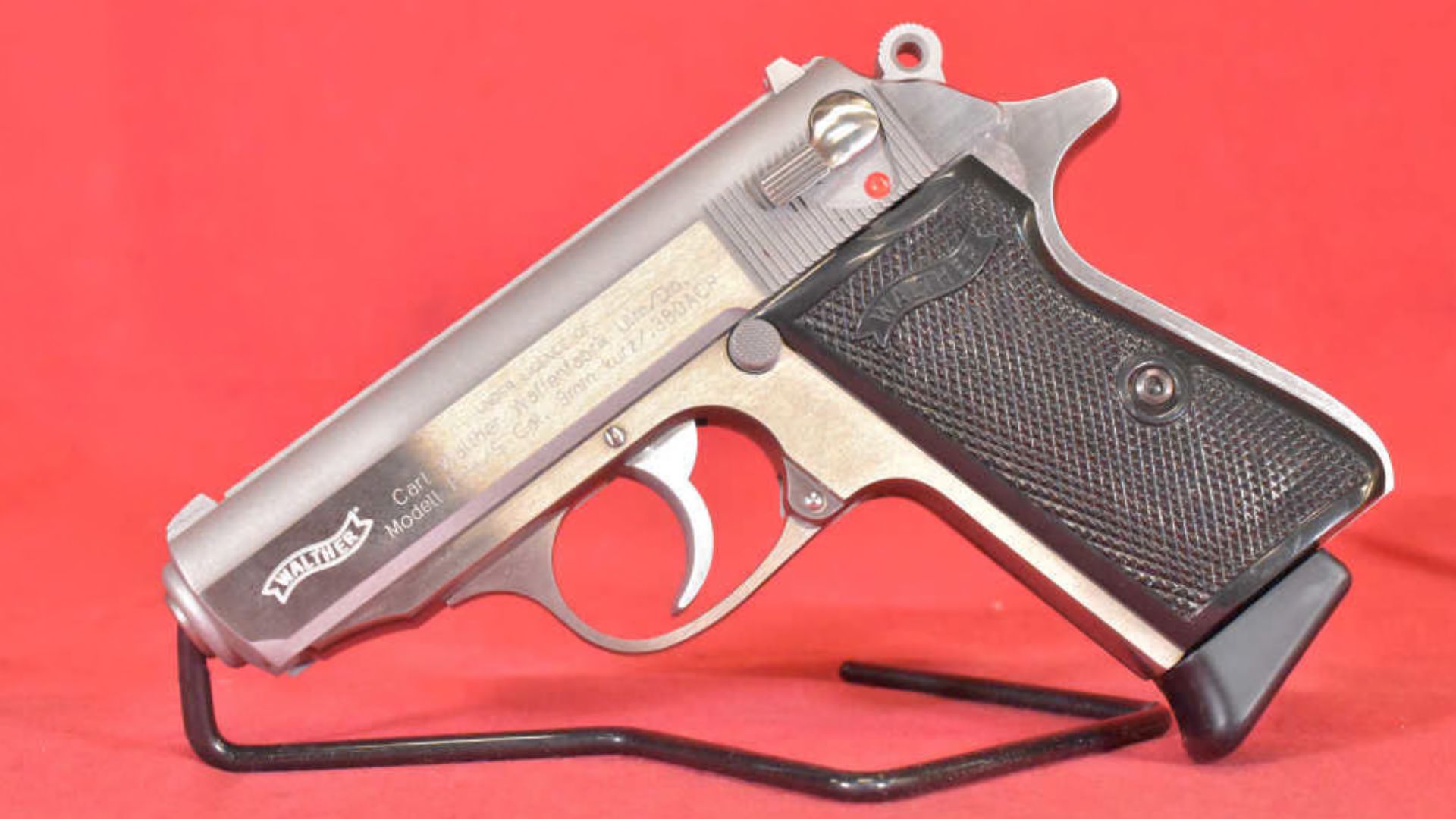
One of the more overlooked parts of PPK history is what happened after the Gun Control Act of 1968. American Rifleman says the PPK did not meet the import criteria because of its size and the ATF-style points system that penalized small pocket pistols. So despite its quality and reputation, it got caught in the same legal net that targeted cheap imports.
That is a pretty wild twist for such a respected handgun. The law was aimed at stopping so-called cheap “Saturday Night Special” imports, but the PPK was swept in anyway. That is a big part of why later American-made or import-compliant variants became such an important part of the gun’s U.S. story.
9. That import issue is why the PPK/S exists
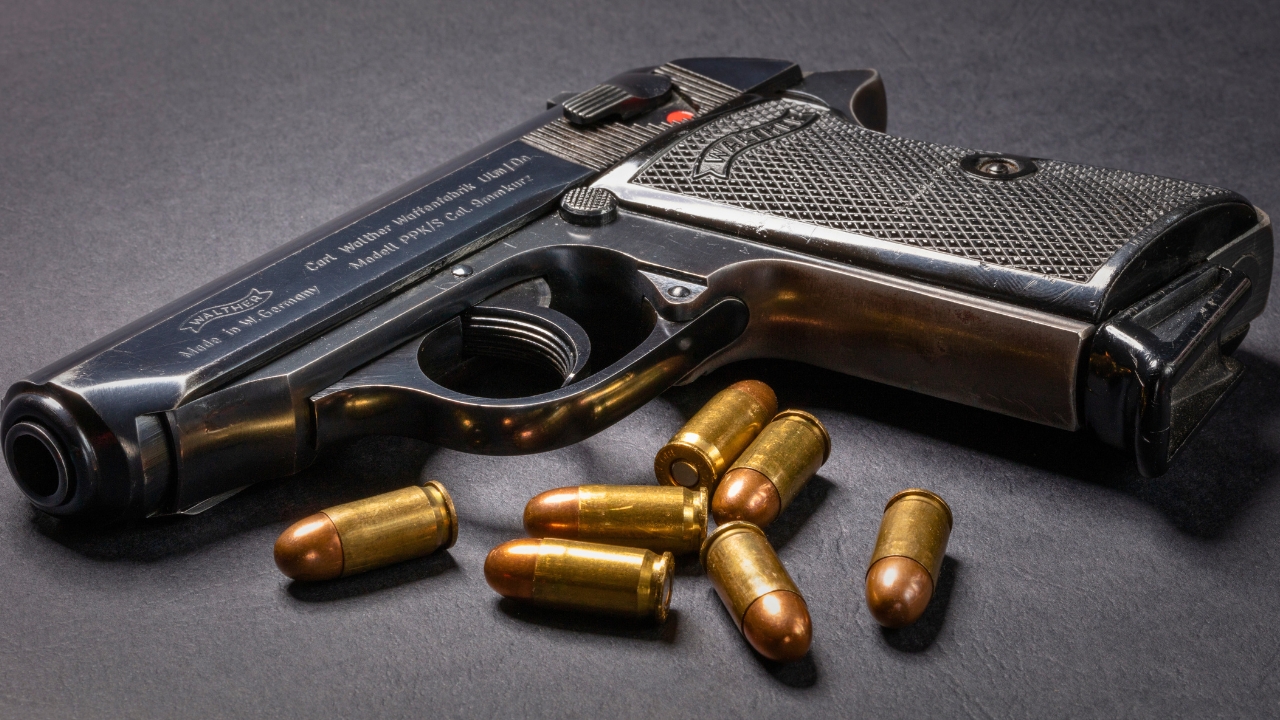
A lot of shooters have heard of the PPK/S without really knowing why it exists. The short version is that the standard PPK’s size became a problem under U.S. import rules after 1968, so a hybrid model using the larger PP frame and the shorter PPK slide and barrel was used to create a version that met the import requirements. American Rifleman’s discussion of the 1968 restrictions is the key background that explains why that workaround mattered.
So the PPK/S was not just some random product-line experiment. It was basically a legal workaround that became its own recognized model. That is one of those details a lot of shooters miss when they see both names floating around in gun shops, auction listings, and old magazine articles.
10. Early PPKs had a reputation for hammer bite
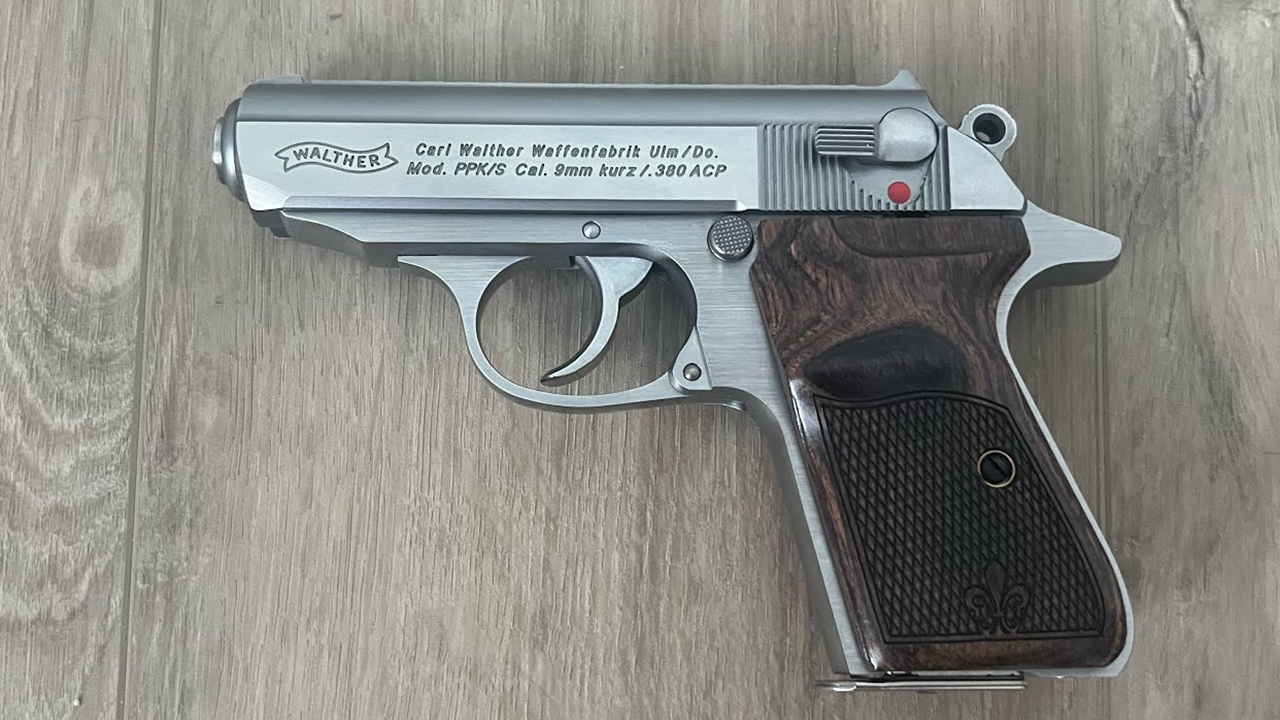
The PPK is iconic, but it was not perfect. American Rifleman notes that older PPKs were prone to biting the shooter’s hand, and later versions changed the grip tang shape and length to help reduce hammer bite. That is a practical little detail that owners absolutely notice.
That issue helps separate the romantic image of the PPK from the reality of actually shooting one. A lot of old compact pistols were clever and elegant, but they were not always gentle. The PPK has plenty of style, but longtime shooters know it can also be a sharp little gun in the hand if the design and grip shape are not working in your favor.
11. It carried Browning-style design influence too
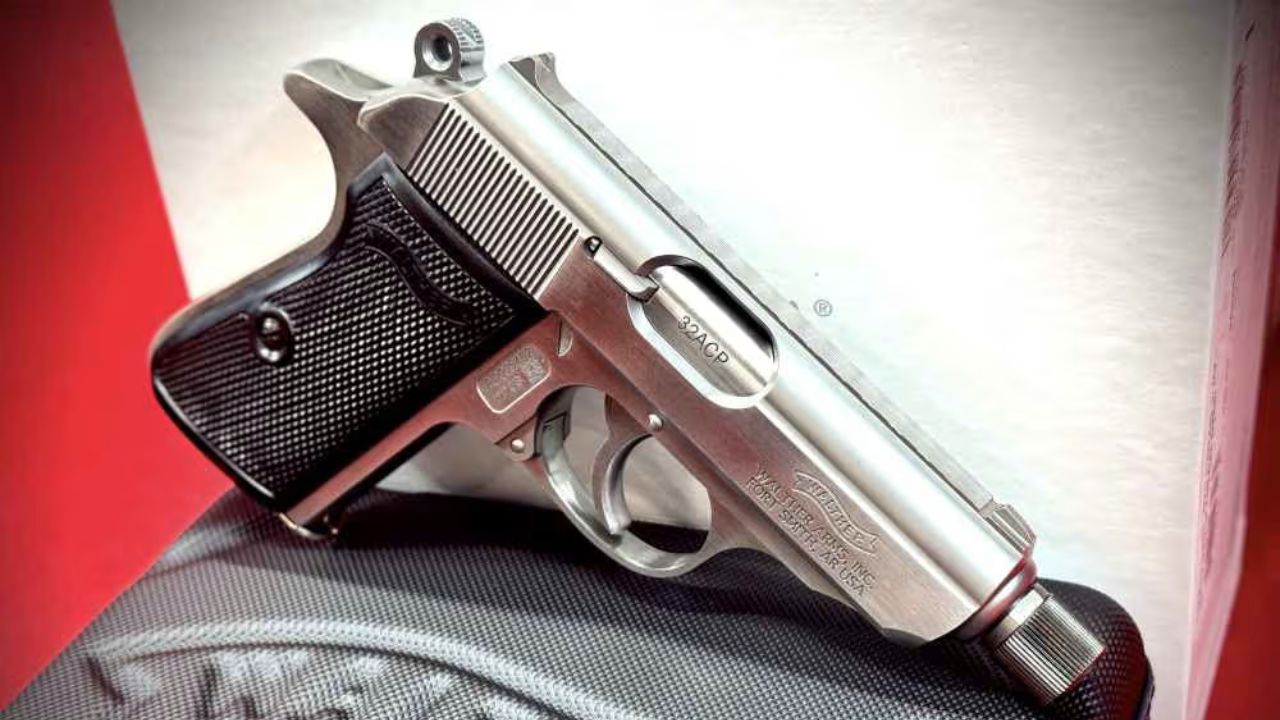
The PPK is a Walther, obviously, but it did not come out of nowhere. American Rifleman points out that the FN Model 1910’s use of a recoil spring around the barrel was an innovation later seen in many pistols, including the Walther PPK. That does not make the PPK a Browning design, but it does place it in a broader line of handgun evolution.
That is worth knowing because great handgun designs are rarely created in total isolation. The PPK feels distinct and very “Walther,” but it also shows how gunmakers built on successful ideas from earlier pistols. That mix of original thinking and clever borrowing is part of what made early 20th-century handgun development so interesting.
12. It stayed relevant long after its original era
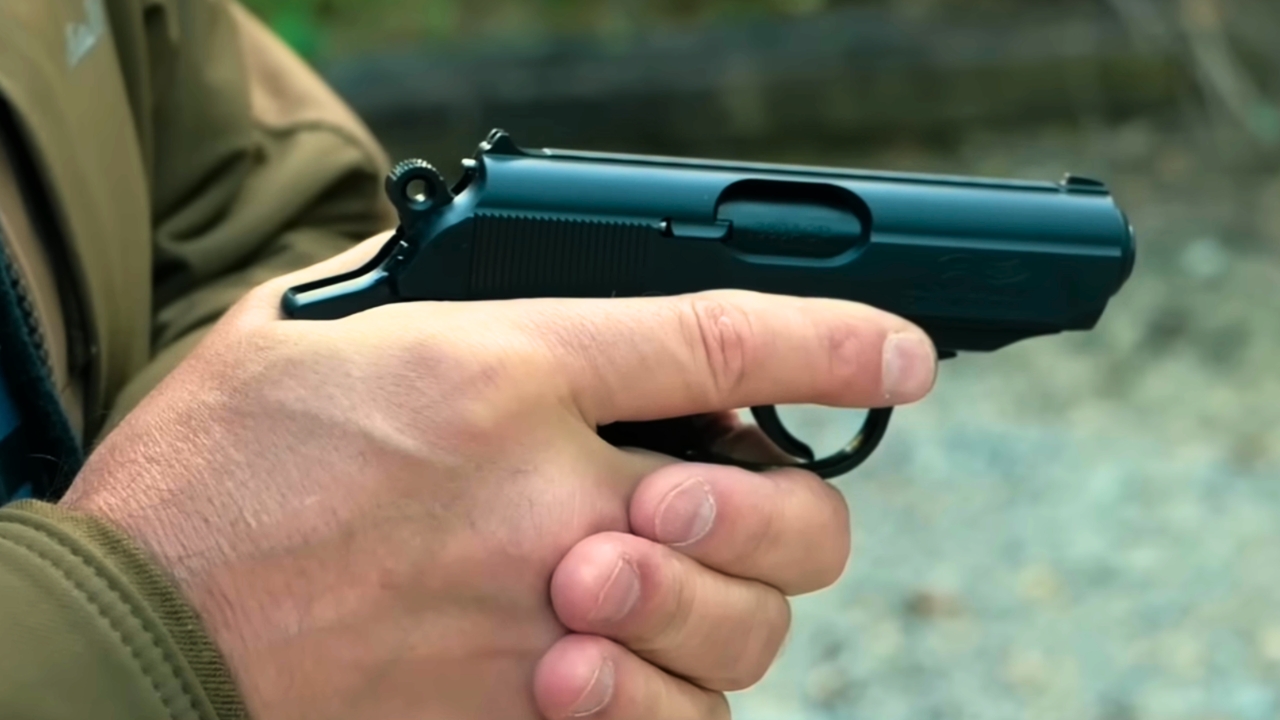
The PPK was born in an older Europe, but it did not stay trapped there. American Rifleman notes that Walthers were imported back into the United States after World War II, including examples made by Manhurin in France. The pistol also kept cultural relevance and commercial life far beyond the era that produced it.
That kind of staying power is not normal for a compact steel pistol from that period. Most handguns that old become collector pieces first and practical carry options second. The PPK somehow managed to be both, at least for long stretches of its life. That helps explain why it is still such a familiar name even among people who are not deep into handgun history.
13. Its biggest influence may be broader than the gun itself
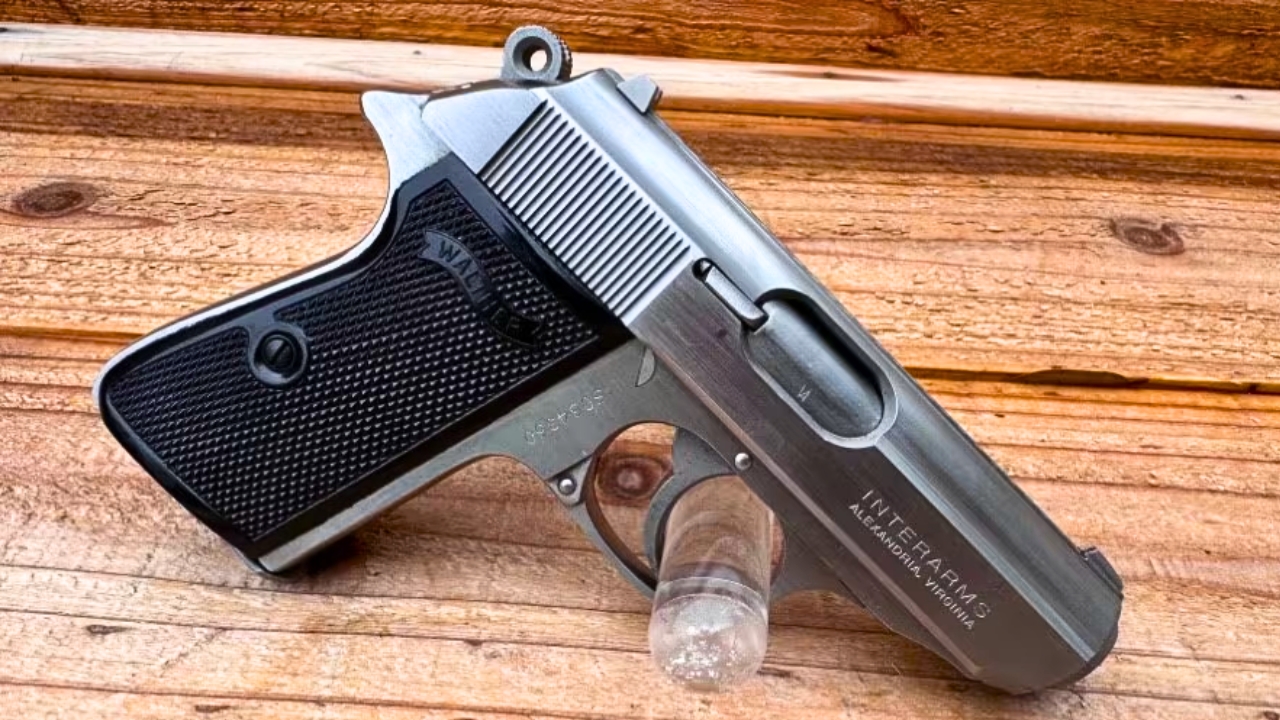
The PPK is famous as a pistol, but its larger legacy may be the way it helped set expectations. Rock Island Auction says the double-action, decocker-style technology seen in pistols like the PPK and later Walther designs became a standard in military and law-enforcement small arms during the 20th century.
That is a big statement, but it fits. The PPK helped show that a compact semi-auto could offer a safer-feeling manual of arms for users accustomed to revolvers while still delivering the advantages of a self-loader. That made the design concept matter well beyond just one small pistol with a famous name.
14. It became a “gentleman’s carry pistol” in the public imagination
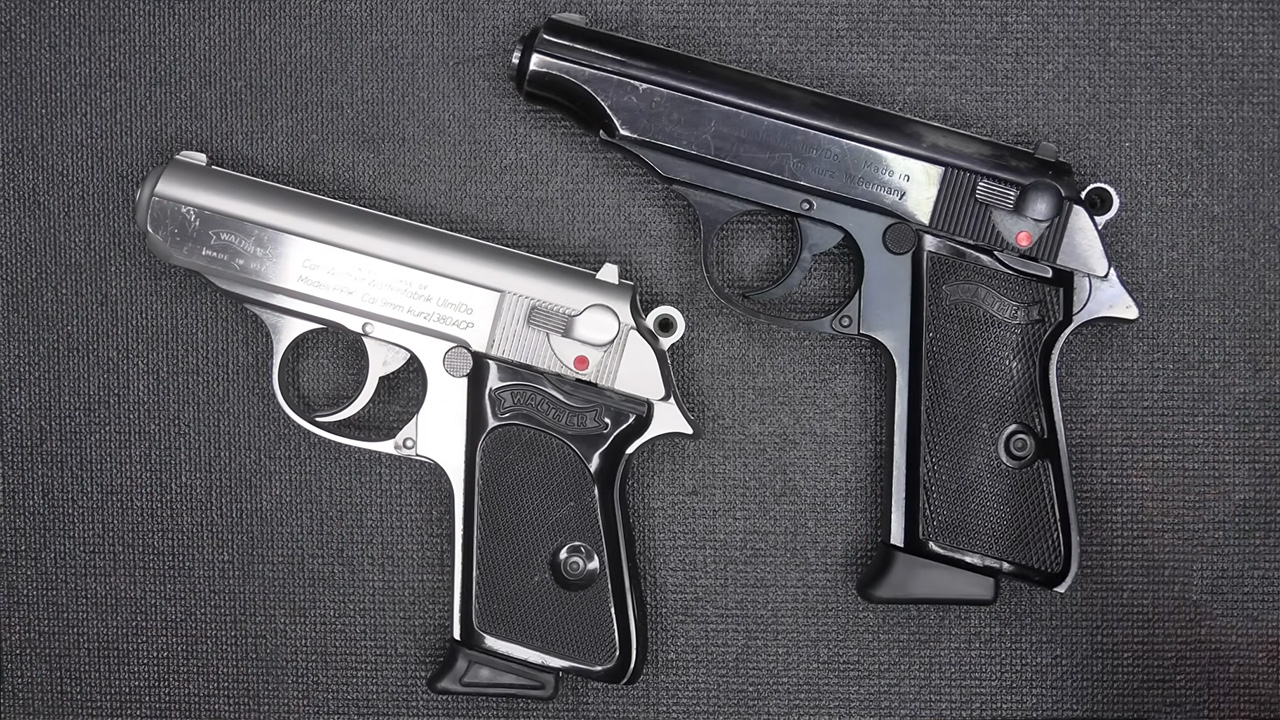
American Rifleman has described the PPK as, to many, the perfect gentleman’s carry pistol. That says a lot about how the gun settled into public imagination. It was not viewed purely as a police tool or backup gun. It also became associated with discreet, refined carry in a way very few pistols ever have.
That image is part design and part culture. The PPK is slim, steel, and compact, and it has that old-world European look that made people treat it as more than just hardware. Whether or not someone would choose one over a modern carry pistol today, the PPK still holds that classy, tailored, under-the-jacket reputation better than almost anything else.
15. The PPK is one of the rare pistols that is both historically important and wildly over-recognized
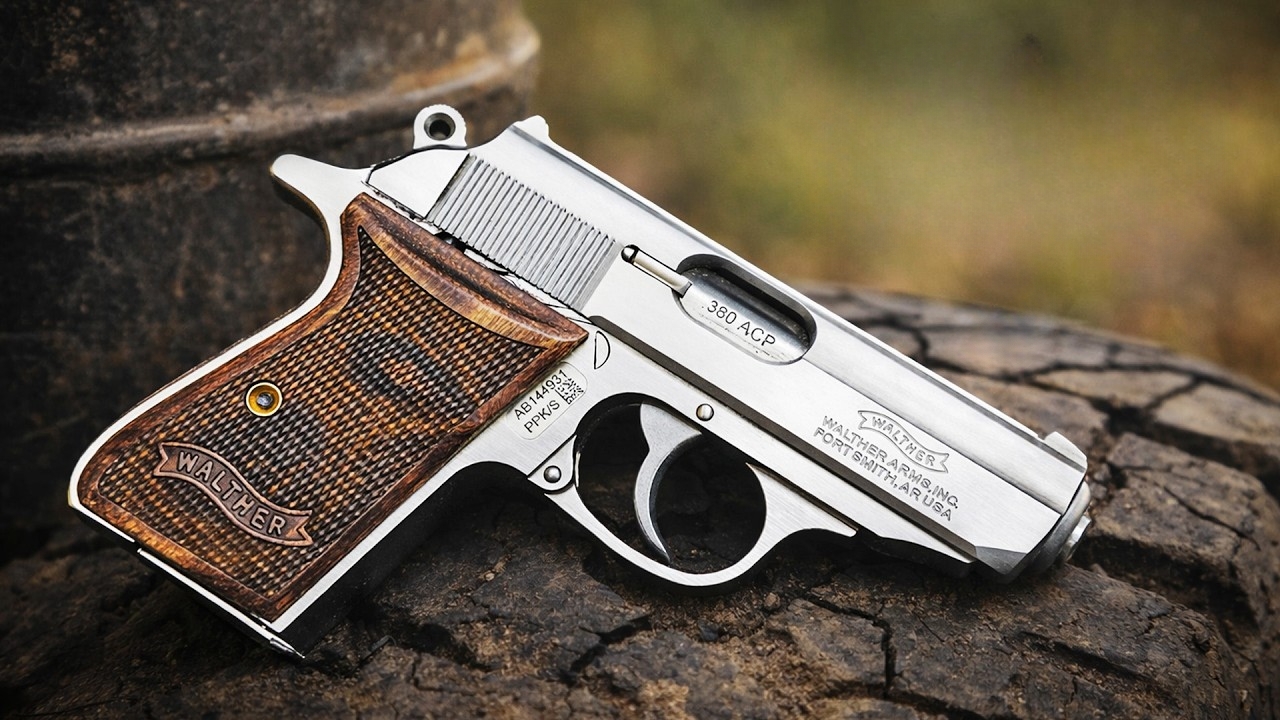
Usually, when a gun becomes super famous in pop culture, people start overrating its real-world importance. The funny thing about the PPK is that the opposite happened too. So many people know it as “Bond’s gun” that they miss how historically important it actually was. It really did help carry one of the earliest successful DA/SA systems into wider use, and it really did leave a big mark on concealed-carry pistol design.
That is what makes the PPK so interesting all these years later. It is famous enough to feel almost overexposed, but once you look past the movie image, there is still a legitimately important handgun sitting underneath all that legend. Not every icon can say that. The PPK can.
Like The Avid Outdoorsman’s content? Subscribe to our newsletter so you never miss an article.
Here’s more from us:


