Photo credit: WHO_TEE_WHO/YouTube
When a caliber gets marketed as “flat-shooting,” it sets high expectations—usually tied to speed, trajectory, and long-range performance. But not all of them live up to the talk once you’re behind the rifle. Some look good on paper but disappoint in real-world conditions, especially when you factor in wind, bullet weight, barrel length, or even elevation. And that promised laser-like trajectory? Turns out, it’s more of an arc. This isn’t about trashing calibers that serve a purpose—it’s about giving you a clearer picture before you trust one with a longer shot than it’s built for. Here are the ones that drop more than you’d think—calibers you might’ve assumed were flatter than they really are.
.243 Winchester

You hear “.243” and immediately think of a flat-shooting varmint or deer round. But a lot of that perception depends on which load you’re running. Lighter 55- to 70-grain bullets start fast, but they bleed energy and velocity quickly. Step up to 100 grains for deer and the drop becomes more noticeable past 200 yards. Especially in wind, the .243 can struggle to stay consistent on longer shots. It’s not that it’s bad—it’s just not quite the laser people pretend it is. If you’re not factoring in drop early, you’ll see impacts land low sooner than you expected.
7mm-08 Remington

The 7mm-08 tends to ride on the coattails of the 7mm Rem Mag’s reputation. It’s efficient and capable, but when folks call it flat-shooting, that’s where things get fuzzy. With common 140-grain bullets, you’ll start to notice a decent bit of drop after 250 yards, especially compared to faster 6.5s. The recoil is mild, sure, but that comes with a tradeoff in retained velocity. If you’re zeroed at 200 and trying to tag something out at 300 without dialing, you’ll likely miss low. It’s accurate—but not as flat as the hype suggests.
.270 Winchester

Old-school fans love the .270 for its reach and power. And while it’s no slouch in the hands of someone who understands trajectory, calling it flat is pushing it. Most loads push a 130-grain bullet around 3,000 fps, which sounds great. But past 300 yards, drop starts stacking fast. It’s also not immune to wind drift like some claim. The BC on a lot of factory .270 bullets doesn’t help much once you’re stretching things. If you’re shooting without a solid dope chart or turret, it’s going to fool you.
.25-06 Remington
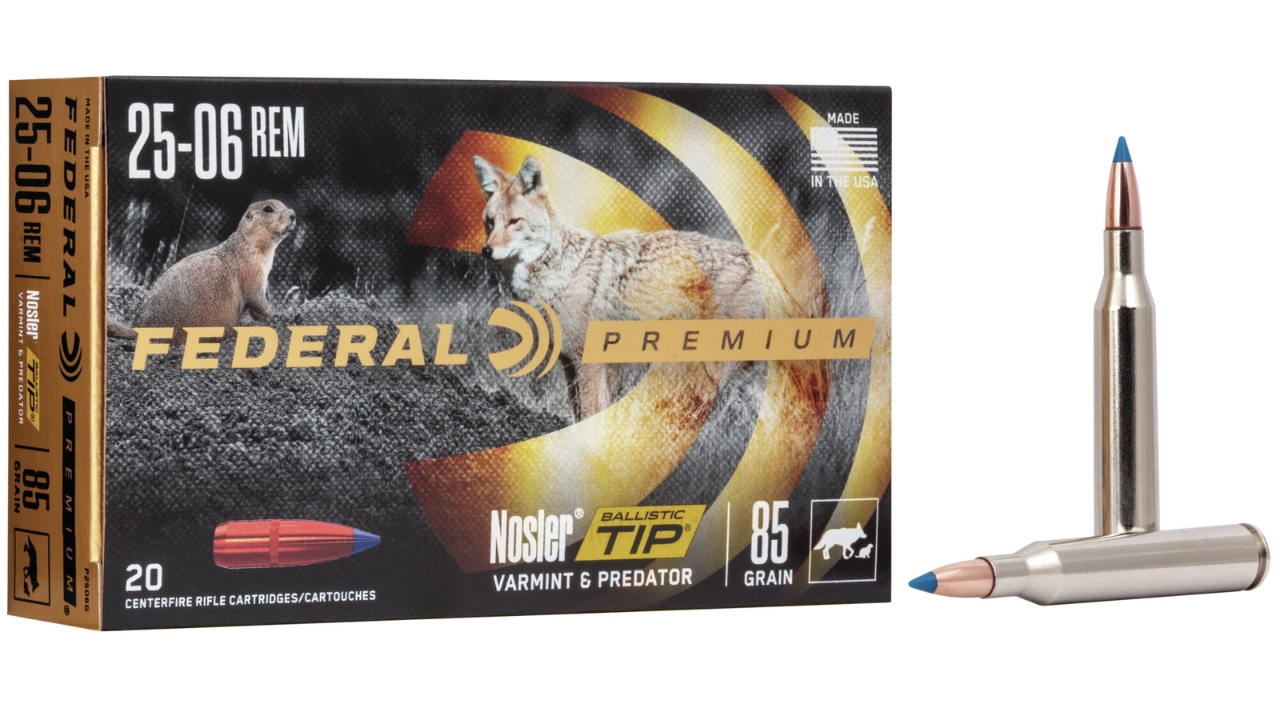
The .25-06 is another caliber that gets labeled “flat” because it’s fast—on paper. Push a 100-grain bullet at 3,200 fps and sure, your first 200 yards look good. But that speed drops off hard by the time you’re nearing 400. The caliber isn’t known for super high-BC bullets either, which doesn’t help its case in wind. The first time you try to make a longer shot without compensating, it’ll humble you. This one can lull you into thinking it’s easier to hit with than it really is past that sweet spot.
5.56 NATO

Plenty of folks zero their ARs and feel good out to 100 yards. But once you step past that, the 5.56’s trajectory isn’t nearly as flat as people assume. A 55-grain FMJ at 3,100 fps sounds fast, but it’s not heavy enough to hold that speed for long. Even with a 62- or 77-grain load, drop becomes an issue surprisingly fast past 200 yards. It’s a great caliber inside of that range—but it’s not a magic flat shooter, and it absolutely requires holdover or dialing the second you stretch it.
.30-30 Winchester

Nobody’s out here pretending the .30-30 is a long-range caliber, but some folks are still surprised by how quickly it arcs. Even zeroed at 100 yards, most factory 150-grain loads will drop 7–8 inches by 200. If you’re trying to take a shot further than that, you’d better have practiced a lot or be dialing your sights. It’s meant for closer woods work, not distance, and once you’re past that 150-yard sweet spot, it drops like a rock. Good inside its lane, but don’t expect miracles.
.300 Blackout

The .300 Blackout is often misunderstood because of how it’s used. Supersonic loads might seem fast enough for a “flat” trajectory, but that’s rarely the case. A 125-grain bullet at 2,200 fps doesn’t retain velocity well, and that drop shows up fast—especially if you’re used to a flatter-shooting .223. Go subsonic, and the arc becomes comical. It was never designed to stretch legs. If you’re not compensating properly, even a shot at 150 yards will drop more than you expect. Great for what it is—but flat it’s not.
6.5 Grendel

People like to put the 6.5 Grendel in the same conversation as the 6.5 Creedmoor, but that’s a mistake when it comes to trajectory. Out of an AR-15 platform, even the best Grendel loads can’t hang past 300 yards without serious drop. It’s more of a mid-range caliber than people give it credit for. It’s accurate, sure—but it slows down faster than its bigger 6.5 cousin. With heavier bullets and modest velocities, you’re going to need to know your holdovers or that flat flight fantasy falls apart quickly.
.35 Remington

Still floating around in lever-actions, the .35 Remington is another round that’s downright curvy once you look past 100 yards. Even factory charts will show you how quickly a 200-grain bullet moving at 2,000 fps starts losing altitude. That old-school big-bore feel is nice, but there’s no pretending this one flies straight. You’re working with a rainbow trajectory, and if you’re guessing on where to hold past 150, you’re probably going to shoot under. It’s built for close-in brush work, not long-range precision.
.44 Magnum (in carbines)

When you throw a .44 Magnum into a lever-action rifle, some folks get tempted to stretch it out. That’s where things fall apart. Even with the added velocity from a longer barrel, those big 240-grain bullets don’t hold flight well. They’re slow, and they start dropping faster than most shooters expect—especially if they’re thinking “rifle equals range.” Keep it inside 100 yards, and you’re fine. Push it further without accounting for drop, and you’ll be punching dirt. The .44 Mag’s real strength isn’t in how flat it flies.
.300 Savage
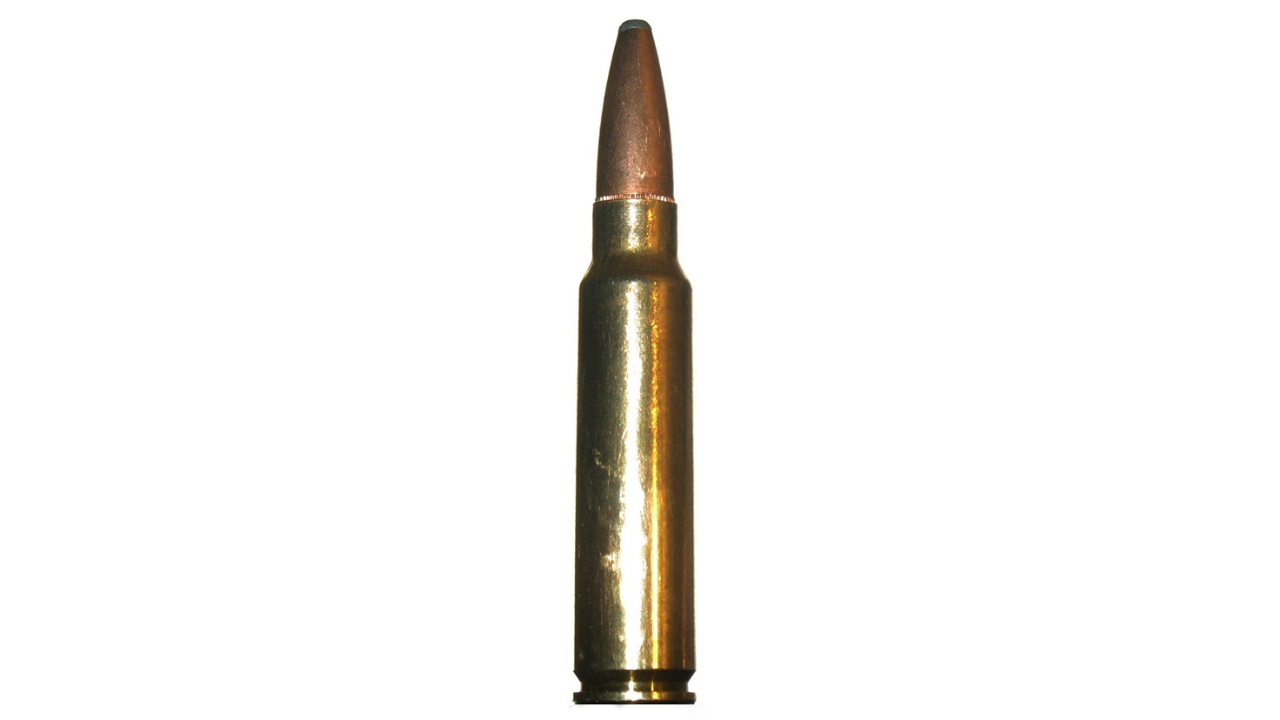
You don’t hear much about the .300 Savage anymore, but when you do, it’s usually praised for bridging the gap between the .30-30 and .308. That might be true ballistically, but in terms of trajectory, it leans closer to the .30-30. Launch a 150-grain bullet at around 2,600 fps and it looks good for a bit—then it starts bleeding speed and dropping harder than expected beyond 200. It’s a decent round for short- to mid-range hunting, but if you’re expecting Creedmoor-like flatness, it’s going to let you down.
Like The Avid Outdoorsman’s content? Be sure to follow us.
Here’s more from us:
The worst deer rifles money can buy
Sidearms That Belong in the Safe — Not Your Belt
*This article was developed with AI-powered tools and has been carefully reviewed by our editors.