Photo credit: DLSUPPLIES/GunBroker
Remington is not a clean, easy brand to defend anymore. That is the honest place to start. The old company went through bankruptcies, ownership changes, quality complaints, lawsuits, asset sales, and the painful closure of the historic Ilion, New York, plant that had been tied to Remington for roughly 200 years. AP reported in 2024 that Remington Firearms was leaving Ilion and consolidating in Georgia after an era that began when Eliphalet Remington forged his first rifle barrel nearby in 1816.
And yet, Remington fans still defend the brand because the best Remington guns left a mark too deep to erase. The 870, 700, 1100, Nylon 66, 760/7600, Model Seven, old Wingmasters, classic BDLs, and familiar green-and-yellow ammunition boxes built real trust over generations. The modern Remington story is messy, but the old loyalty did not come from nowhere.
1. Fans Defend the 870 Because It Earned Its Place

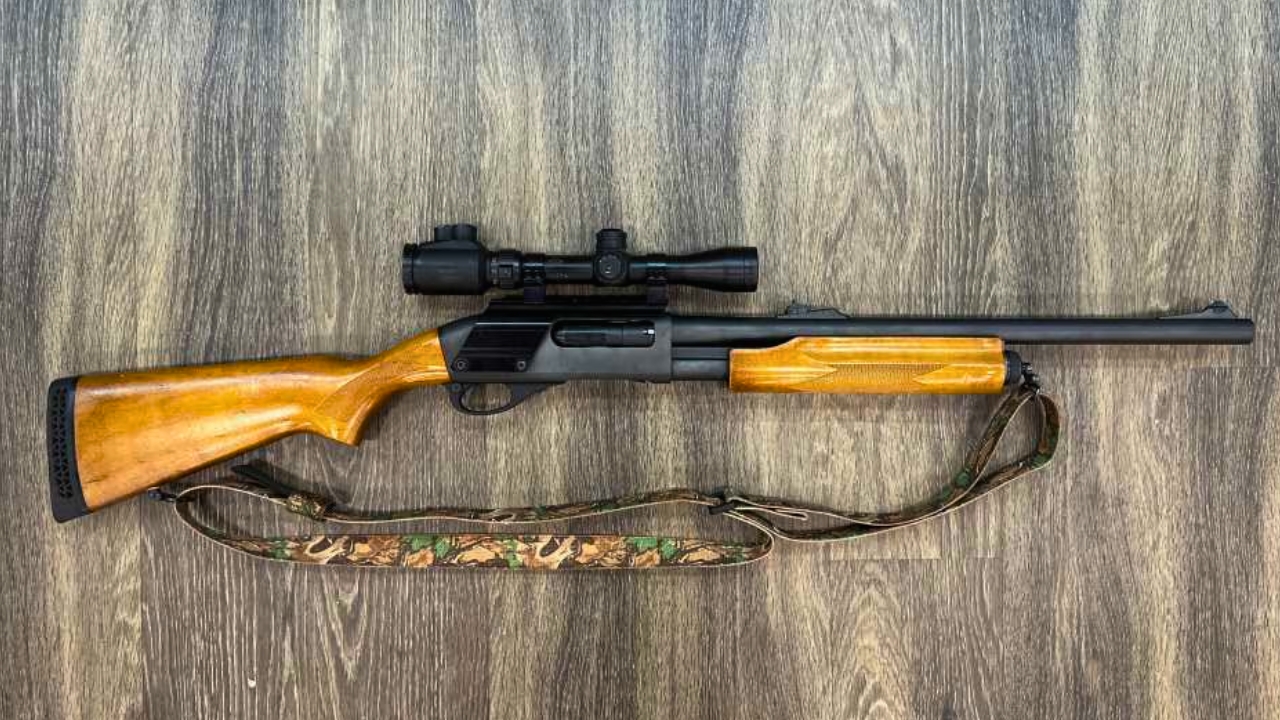
The Remington 870 is the first gun many fans bring up when defending the brand. That makes sense. It is one of the most successful pump-action shotguns ever made, and RemArms currently says more than 11 million 870s have been sold since the gun’s 1950 introduction.
That kind of success does not happen because a gun looks good in a catalog. The 870 became popular because it was affordable, reliable, adaptable, and easy to configure for hunting, defense, police use, slug hunting, clay shooting, and general farm or truck duty. A shotgun that ends up in millions of homes earns loyalty the slow way.
2. The Wingmaster Still Carries Real Respect

The 870 Wingmaster is the version many Remington fans defend hardest. A good older Wingmaster has that smooth, polished feel people associate with Remington’s better years. The bluing, walnut, pump stroke, and overall fit gave it a personality that later budget models often did not match.
That matters because when people say “old Remington,” they are often thinking about a Wingmaster. They remember a shotgun that felt well-built without being too precious to hunt with. It was nice enough to be proud of and practical enough to drag into the field. That combination is hard to replace.
3. The 700 Became a Bolt-Action Benchmark
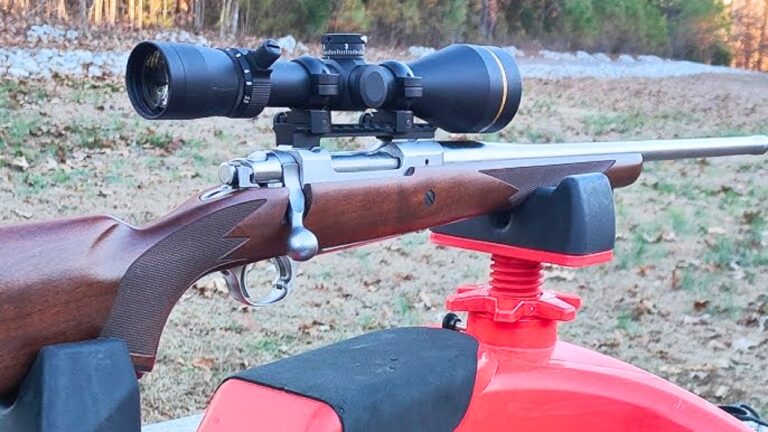
The Model 700 is another reason Remington fans still defend the name. Introduced in 1962, it became one of the most important bolt-action rifles of the modern era. RemArms’ own history page lists the Model 700 as introduced in 1962 and describes it as a bolt-action centerfire rifle known for out-of-the-box accuracy.
The 700 was not only a hunting rifle. It became a platform. Hunters used it. Police and military snipers used variants built around it. Gunsmiths built custom rifles on its footprint. The aftermarket exploded around it. A rifle does not become that influential by accident.
4. The 700 Action Created a Whole Custom Rifle World
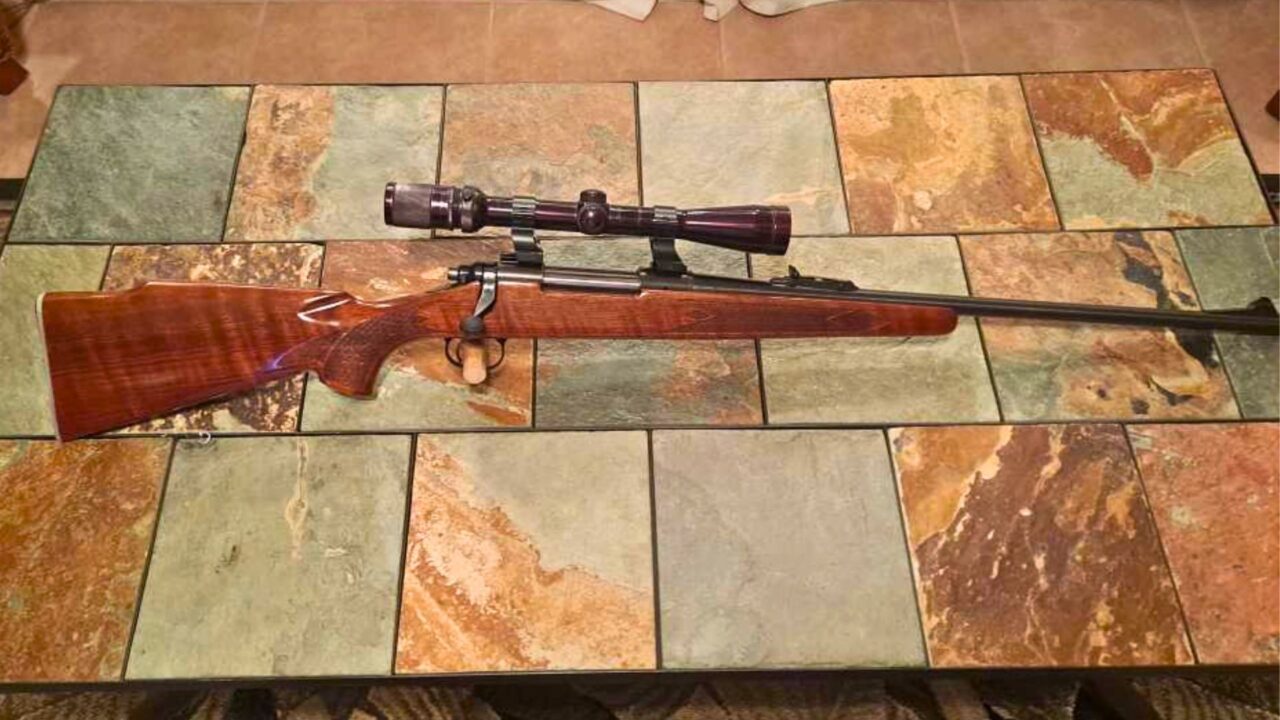
One of the strongest defenses of the Model 700 is not only the factory rifle. It is the action footprint. Stocks, triggers, scope bases, bottom metal, chassis systems, barrels, and custom actions all grew around the Remington 700 pattern.
That changed the rifle world. A shooter could buy a 700 and use it as a deer rifle, then later turn it into something completely different. Custom builders used the 700 pattern because it was common, understood, and supported. Even now, many precision and hunting rifles borrow from that pattern in one way or another. That is a serious legacy.
5. The 1100 Changed Semi-Auto Shotgun Expectations

Remington fans also defend the Model 1100, and they should. The 1100 became one of the classic gas-operated semi-auto shotguns for hunters and clay shooters. It was softer-shooting than many pump guns and helped make semi-auto shotguns feel approachable for regular shooters.
That shotgun mattered because it was useful in the real world. Dove fields, duck blinds, skeet ranges, trap fields, and family gun safes all saw plenty of 1100s. A clean older 1100 still has a following because it balances recoil comfort, classic looks, and field usefulness in a way many shooters still appreciate.
6. The Nylon 66 Proved Remington Could Be Weird and Brilliant

The Nylon 66 is one of the strangest guns Remington fans love to bring up. It was a lightweight .22 rifle with a synthetic stock at a time when that idea still felt odd. It looked different, handled differently, and turned out to be far more successful than plenty of skeptics expected.
That rifle is worth defending because it showed Remington could take risks. The Nylon 66 was not another walnut-and-steel traditional rifle. It was a forward-looking rimfire that became famous for reliability and light weight. Today, it feels like Remington was ahead of the curve on synthetic-stocked guns long before that became normal.
7. The 760 and 7600 Gave Deer Hunters Something Different
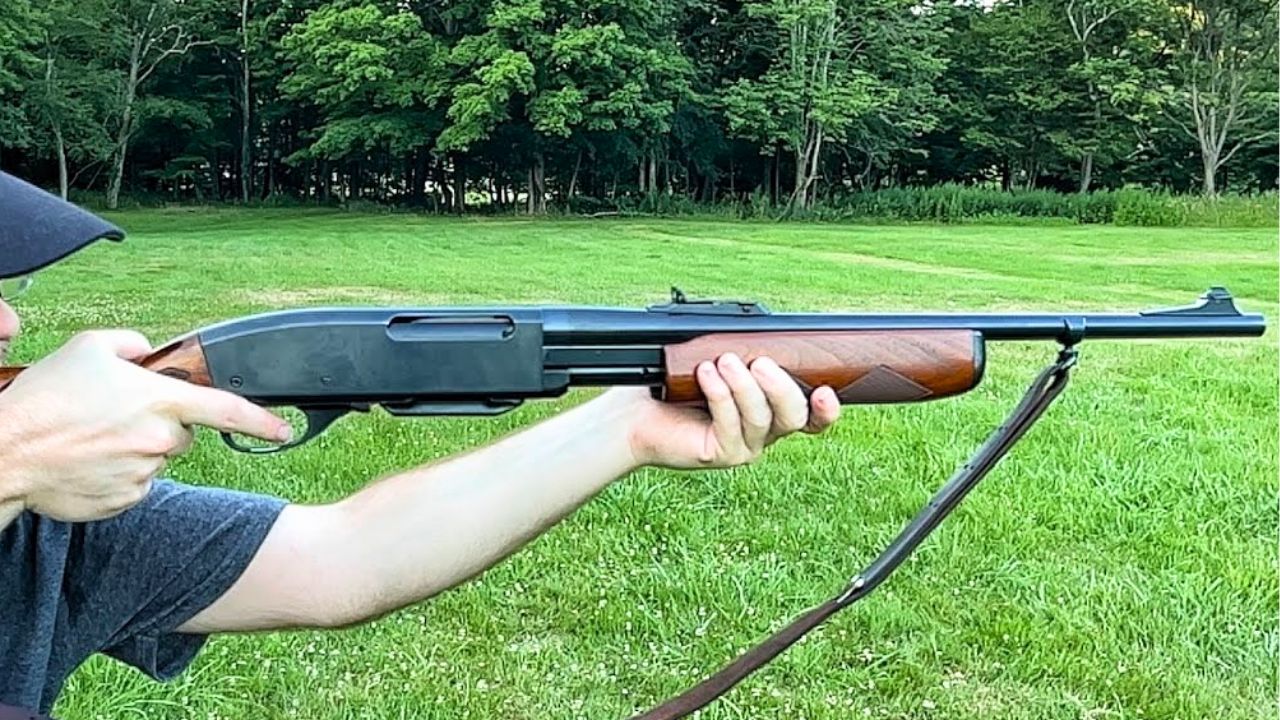
The Remington 760 and 7600 pump rifles have a fierce following in certain deer-hunting regions, especially where quick follow-up shots matter and hunters like pump-shotgun familiarity. These rifles gave hunters a centerfire rifle that ran differently from the usual bolt action or lever gun.
That is why fans still defend them. A pump-action .30-06 or .308 may seem odd to shooters raised only on bolt guns, but in the woods, it can make a lot of sense. The 760/7600 rifles became part of regional hunting culture. That kind of loyalty does not show up on a spec sheet, but it is real.
8. Remington Made Cartridges That Still Matter
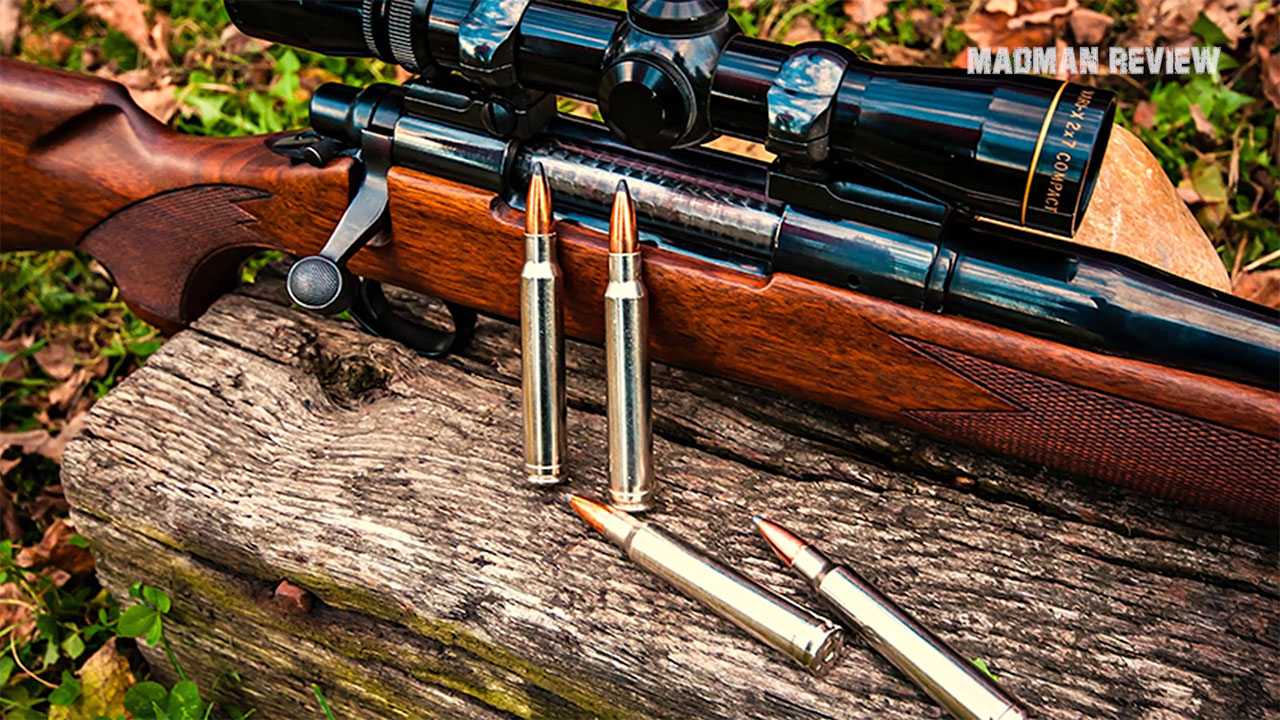
Remington fans defend the brand because its influence goes beyond firearms. The company’s name is tied to cartridges like .223 Remington, .22-250 Remington, 7mm Remington Magnum, .260 Remington, .17 Remington, and others. Those rounds helped shape varmint hunting, big-game hunting, military-adjacent sporting use, and precision shooting conversations.
That matters because a cartridge can keep a brand alive even when the gun company changes. A hunter may own a rifle from another manufacturer but still shoot a Remington-named cartridge. The 7mm Remington Magnum alone has put Remington’s name in hunting camps for decades.
9. Fans Defend the Brand’s American Manufacturing Story
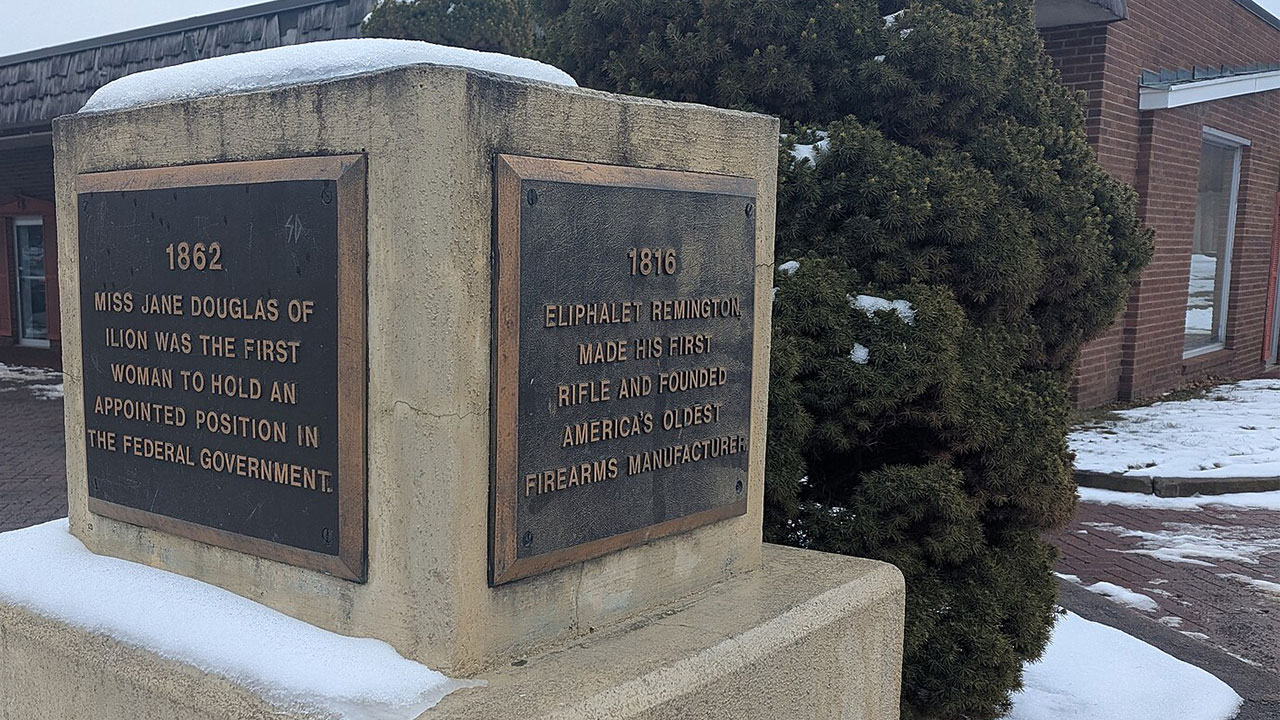
Remington’s Ilion story still matters to fans. The brand was tied to one small New York village for generations, and families worked in that factory for decades. When the Ilion plant closed, it hit people hard because the place was woven into the company’s identity. AP described Ilion as a village where generations of workers turned out Remington rifles and shotguns from the historic factory.
That history is part of what fans defend. They are not only defending modern corporate decisions. They are defending grandparents, old deer rifles, factory workers, small-town gunmaking, and the idea that Remington once represented a major piece of American manufacturing.
10. Old Remington Fit and Finish Still Has Fans
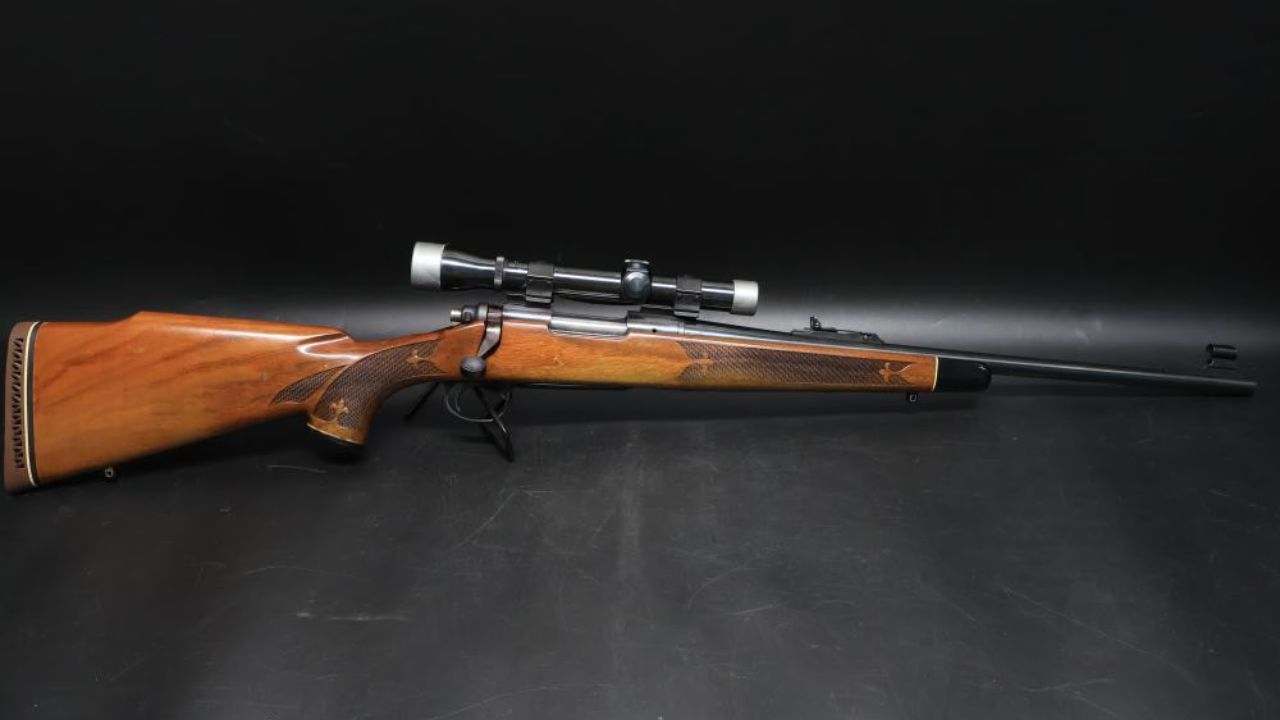
A lot of Remington loyalty is really old Remington loyalty. Older Wingmasters, BDL rifles, 1100s, 700 Classics, and polished blue-and-walnut guns often feel different from later budget-focused production. Fans defend that older era because they can still pick up those guns and feel what made the name matter.
That is an important distinction. Defending Remington does not mean pretending every gun from every era was perfect. It means recognizing that the best Remingtons were genuinely good firearms. A clean older 700 BDL or 870 Wingmaster still makes plenty of modern guns feel plain.
11. The Brand Was Everywhere for a Reason
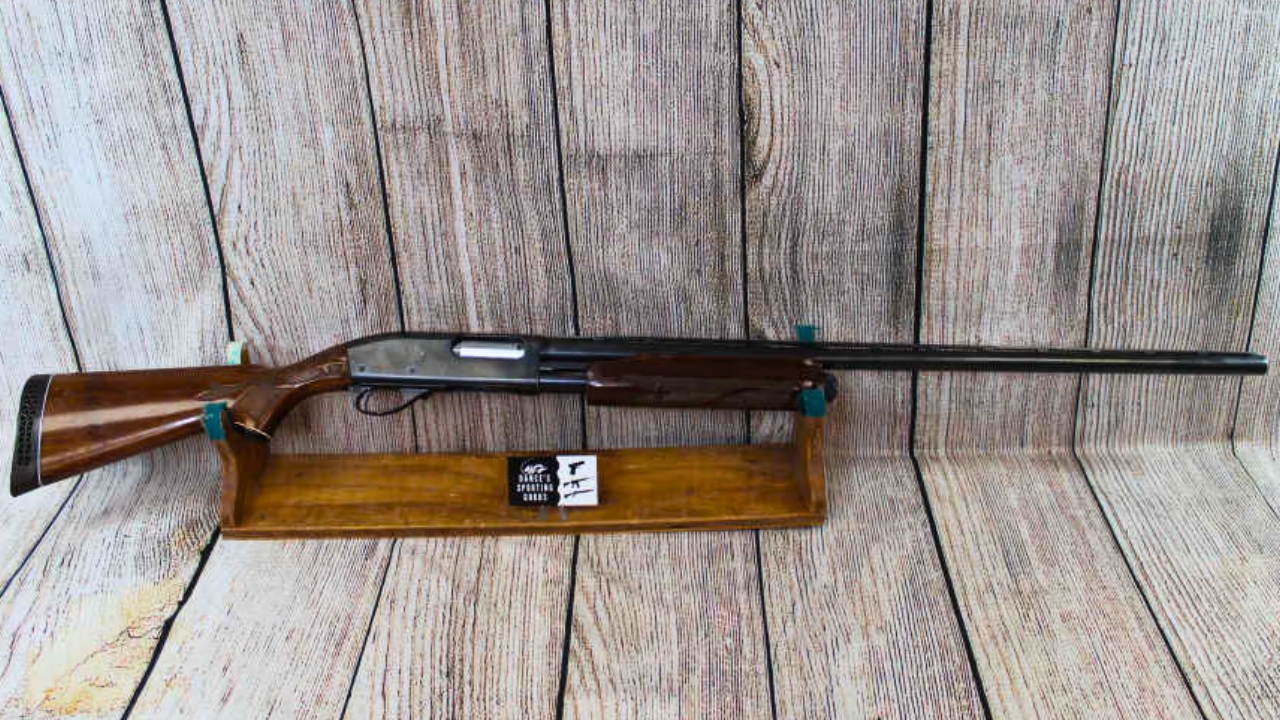
For decades, Remington was one of the default names in American gun cabinets. A Remington 870 for birds. A 700 for deer. An 1100 for clays. Core-Lokt ammo on the shelf. A 760 in the truck. That kind of everyday presence is why the brand still has defenders.
Brands become trusted when they become normal. Remington guns were normal in the best way for a long time. They were not exotic. They were not out of reach. They were what regular hunters, families, and shooters bought because they worked and were available almost everywhere.
12. Core-Lokt Built Its Own Kind of Loyalty
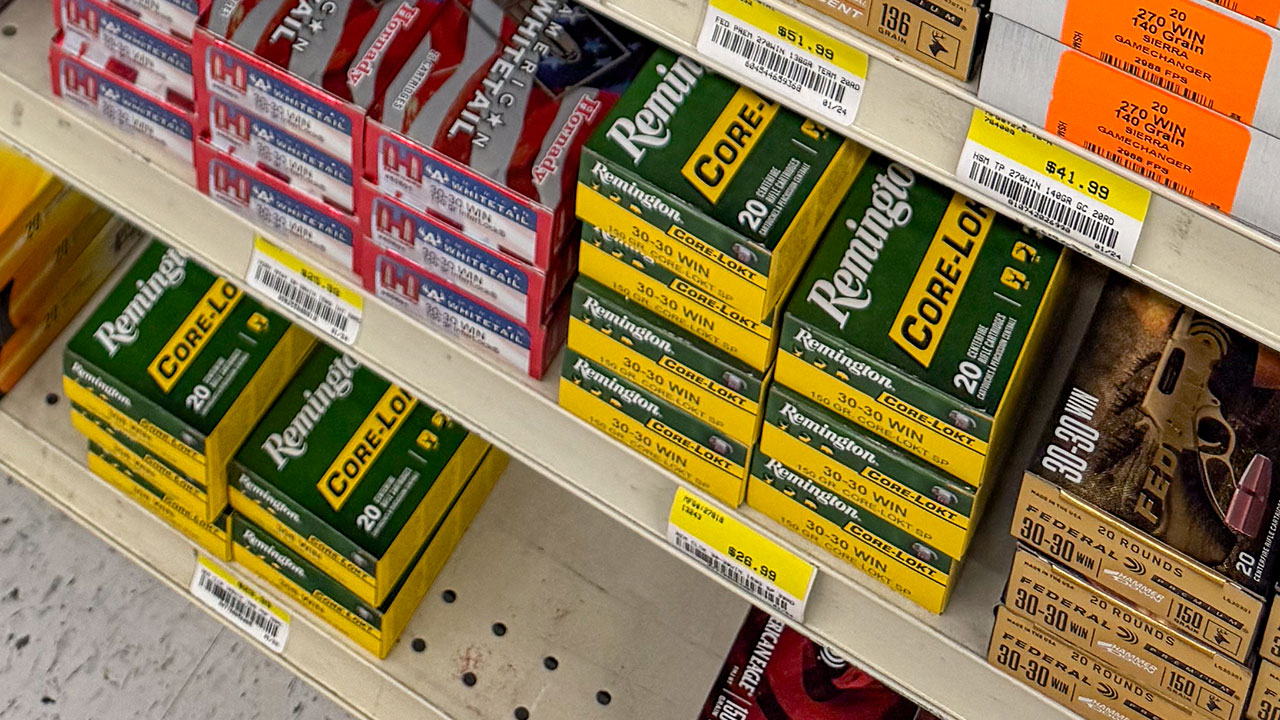
Remington Core-Lokt ammunition deserves mention because plenty of hunters built trust in the brand through ammo, not only firearms. For generations, Core-Lokt was the deer load people bought at the local store, sighted in before season, and used without overthinking it.
That kind of trust is powerful. A premium bullet may look better in a modern ballistic chart, but Core-Lokt’s reputation came from dead deer and full freezers. Remington ammunition is now separate from Remington firearms, but the ammo side still carries part of the old brand loyalty. RemArms itself notes that Remington Firearms and Remington Ammunition are now separate companies.
13. Fans Defend the Innovation, Not Just the Nostalgia

Remington was not only a nostalgia brand. It made real contributions: the 870 pump, the 1100 gas semi-auto, the 700 action, the Nylon 66, important cartridges, pump rifles, and countless hunting and sporting configurations. Fans defend Remington because the company actually shaped how Americans hunted and shot.
That is different from defending a name only because it is old. Plenty of old brands fade because they stop mattering. Remington mattered. Its best products became standards in their categories, and that is why the loyalty still has teeth.
14. The Rough Years Don’t Erase the Best Guns

This is the core of the defense. Remington’s later years were messy. Quality complaints were real. Bankruptcies happened. The company split apart. Ilion closed. Marlin left and ended up with Ruger. There is no honest way to write about Remington without saying all that.
But none of that makes a good 870 stop being good. It does not erase the Model 700’s influence. It does not make an old Wingmaster less smooth or an 1100 less pleasant to shoot. Fans defend the guns they know, not necessarily every corporate decision that happened later.
15. Remington Fans Defend the Brand Because It Was Part of Their Lives
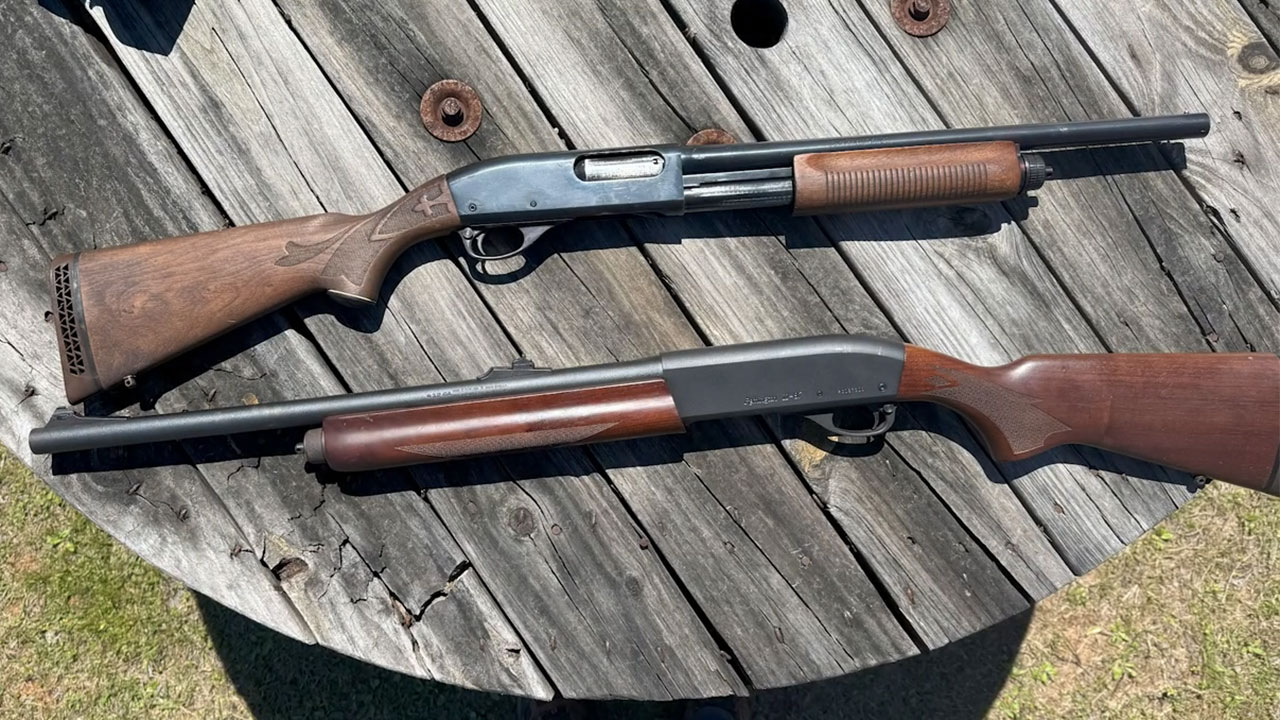
The biggest reason Remington fans still defend the brand is simple: Remington was part of their lives. It was the shotgun they learned on, the rifle they killed their first deer with, the ammo their dad bought, the pump gun behind the door, the rifle in the safe, or the old gun they wish they had never sold.
That kind of loyalty is hard to kill. A brand can stumble badly and still leave behind firearms people trust. Remington’s modern story may be complicated, but its best guns earned their place. That is why fans still defend the name — not because the brand never failed, but because when Remington was good, it was good enough to become part of American shooting culture.