Photo credit: Honest Outlaw/YouTube
Micro pistols get blamed for a lot of things—snappy recoil, tiny grips, short sight radius—but “can’t take range time” shouldn’t be one of them. The truth is, small guns run harder than big ones. Slides cycle fast, springs work overtime, and your hands can induce weird angles if your grip gets lazy. That doesn’t mean you baby them. It means you pick a micro that’s built right, feed it decent ammo, and stay on top of wear items.
If you’re shooting weekly, think like a grown-up: rotate magazines, keep an eye on recoil springs, and clean the gun before it turns into a lint-and-carbon science project. These micro pistols have the track record and design to keep showing up, week after week, without turning range day into troubleshooting.
SIG Sauer P365

The SIG Sauer P365 didn’t get popular by accident. It runs a tight package without feeling delicate, and the gun has enough mass up top to keep the cycle consistent with a wide range of practice ammo. With weekly range time, that predictable rhythm matters more than marketing claims, because the gun keeps behaving the same as round counts climb.
Treat it like the small machine it is. Keep your mags clean, don’t let pocket lint live in the striker channel, and replace recoil springs on a schedule instead of waiting for problems. If you’re rotating carry mags and range mags, you’ll also catch a weak mag spring before it starts nose-diving rounds. Do that, and the P365 keeps chugging along while you stack reps and actually get better with the gun you carry.
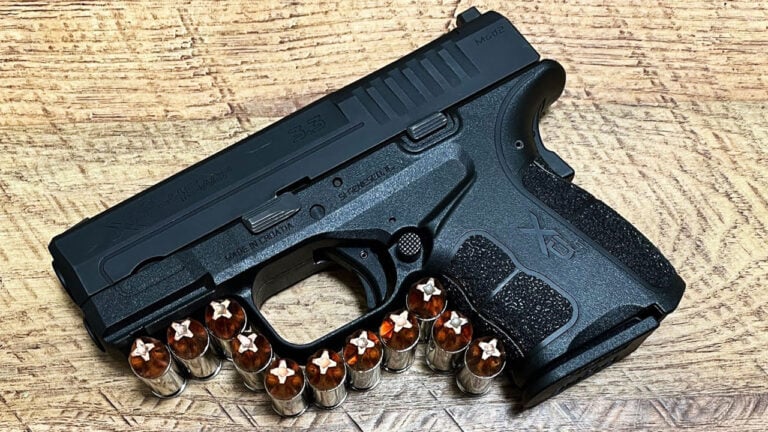
Springfield Armory Hellcat

The Hellcat is a micro that was clearly designed with high round counts in mind. The grip texture helps you control the gun without death-gripping it, and the slide runs with a steady cadence that doesn’t feel ammo-sensitive when you’re burning through weekly practice. It also gives you usable sights and enough purchase on the slide to run it hard with cold hands.
Where folks get in trouble is treating it like a “shoot a box and forget it” pistol. Stay ahead of magazine maintenance, keep the feed lips from getting abused, and don’t ignore a tired recoil spring. A micro will tell on you fast if you run it bone-dry, so add a little lube where the rails want it. Keep it clean, keep it fed, and the Hellcat will keep showing up.
Smith & Wesson M&P 9 Shield Plus

The Shield Plus sits on the edge of “micro,” but it earns its place because it holds up when you actually shoot it. The recoil impulse is more manageable than many true micros, and that means you’re less likely to induce malfunctions with a sloppy grip once fatigue sets in. The controls are familiar, the mags are easy to live with, and the gun doesn’t feel like a toy.
Weekly range time is where the Shield Plus shines. It’s straightforward to clean, the trigger stays consistent as it wears in, and the gun doesn’t demand a pile of parts to stay reliable. Keep your magazines rotated, wipe the breech face now and then, and don’t run it dry. Do that, and it’ll keep shooting like a serious little work gun, not a fragile carry-only piece.
Ruger Max-9

The Ruger Max-9 is a practical micro that doesn’t pretend to be a race gun. It’s built around the idea that you’re going to carry it a lot and still shoot it enough to trust it. The recoil system and overall heft help it stay controllable with common practice loads, and the grip shape gives you more control than you’d expect at first glance.
If you’re shooting weekly, the Max-9 rewards basic discipline. Keep the chamber clean, pay attention to extractor and breech-face buildup, and don’t let your mags get packed with grit. Most “mystery malfunctions” on small pistols start in the magazine. Ruger’s compact pistols tend to run when you don’t overcomplicate them, and the Max-9 is the same story: steady maintenance, steady performance, and a lot of reps without drama.
Taurus GX4

The Taurus GX4 surprised a lot of shooters because it didn’t feel like a “cheap micro.” In the hand, it points naturally, and the slide cycle is controllable enough that you can practice fast strings without the gun turning into a jam generator. That matters when you’re putting in weekly reps and your grip isn’t perfect every time.
The key is to vet your specific example early, then leave it alone once it proves itself. Keep the mags healthy, replace springs when they start feeling tired, and don’t chase tiny trigger tweaks that can hurt reliability. Run a couple hundred rounds of your usual practice ammo, confirm it locks back and feeds cleanly, then settle into a maintenance routine. A sorted GX4 can take regular range time and still be the gun you trust, not the one you tolerate.
Canik Mete MC9

The Canik Mete MC9 is a micro that feels more shootable than most in its size. The grip and trigger make it easy to run well, which means you’ll actually practice with it instead of dreading every magazine. When you’re shooting weekly, that matters, because the best carry gun is the one you’re willing to put real time behind.
To keep it running, treat it like a high-use carry pistol. Keep rails lightly lubed, clean the breech face, and periodically check the striker area for crud. Watch your magazines for grit and bent feed lips, and replace worn springs instead of arguing with the gun. Micros don’t forgive neglect. If you stay ahead of the basics and stick with proven mags and ammo, the MC9 can handle steady practice without turning into a project.
FN Reflex
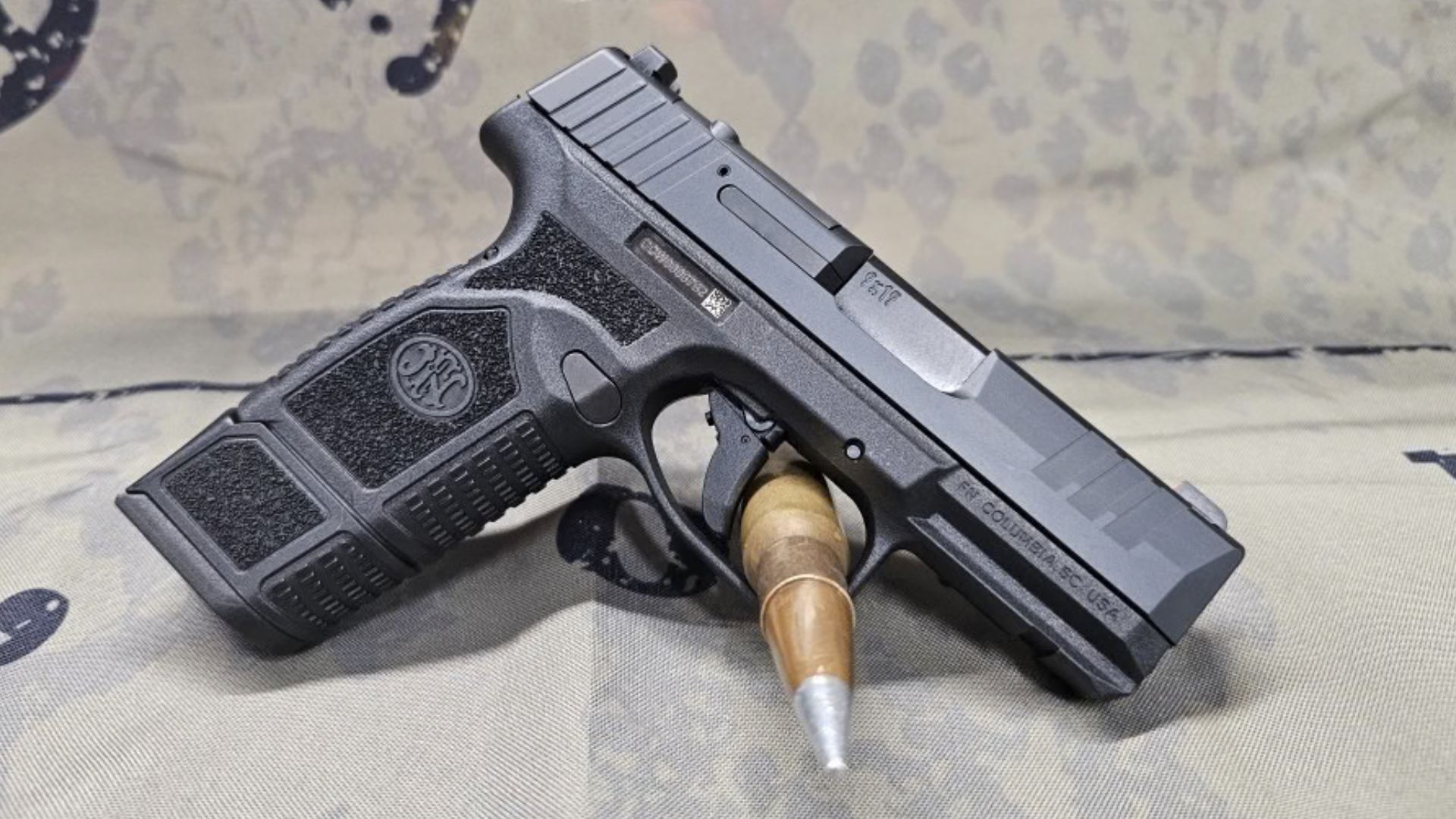
The FN Reflex brings a different feel to the micro category, especially in how it shoots for its size. When a micro is easier to control, you get fewer user-induced problems, and that’s a real factor once you start shooting weekly and fatigue shows up. The gun’s geometry lets you clamp down without feeling like you’re hanging onto a bar of soap.
Keep the Reflex clean where it counts: feed ramp, chamber, and the areas that collect crud around the breech face. Don’t ignore magazines, because most micro pistol issues start there and snowball fast. Rotate mags, wipe them out, and replace tired springs before they create feed problems. Add a little lube to the rails and hood, and the Reflex is the kind of small pistol that can see steady range time and still feel tight and dependable when you strap it on.
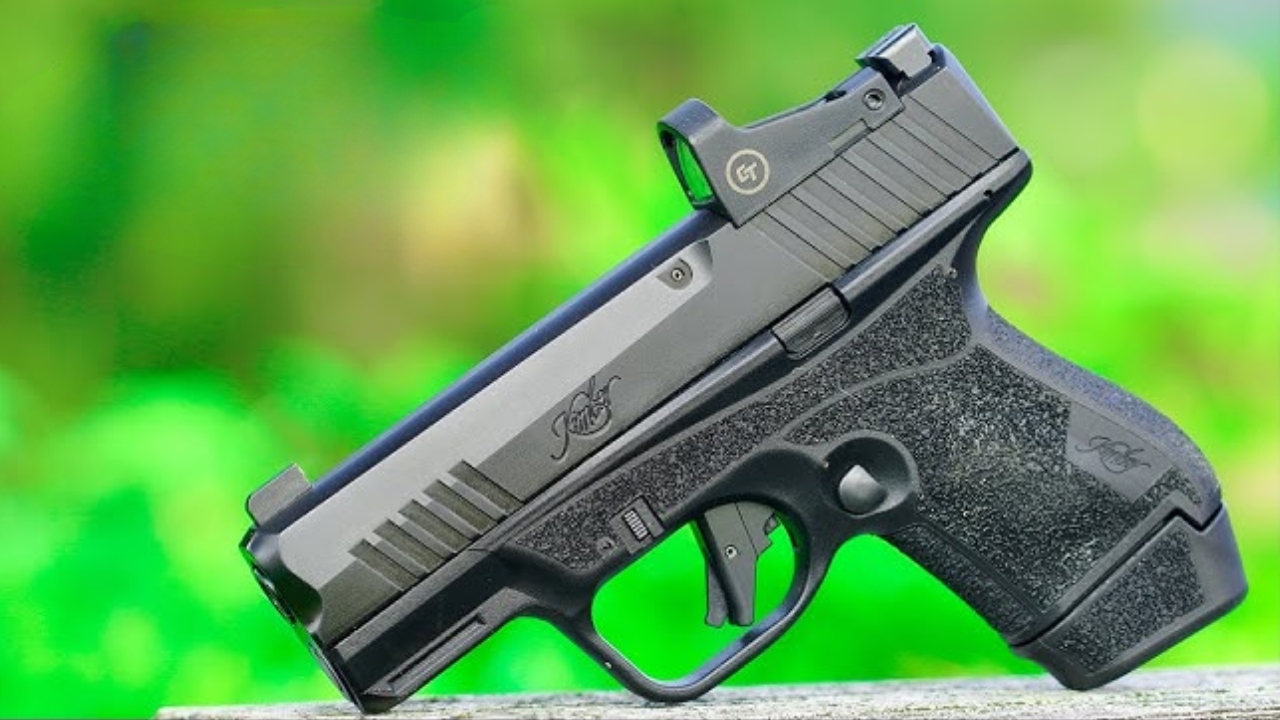
Kimber R7 Mako
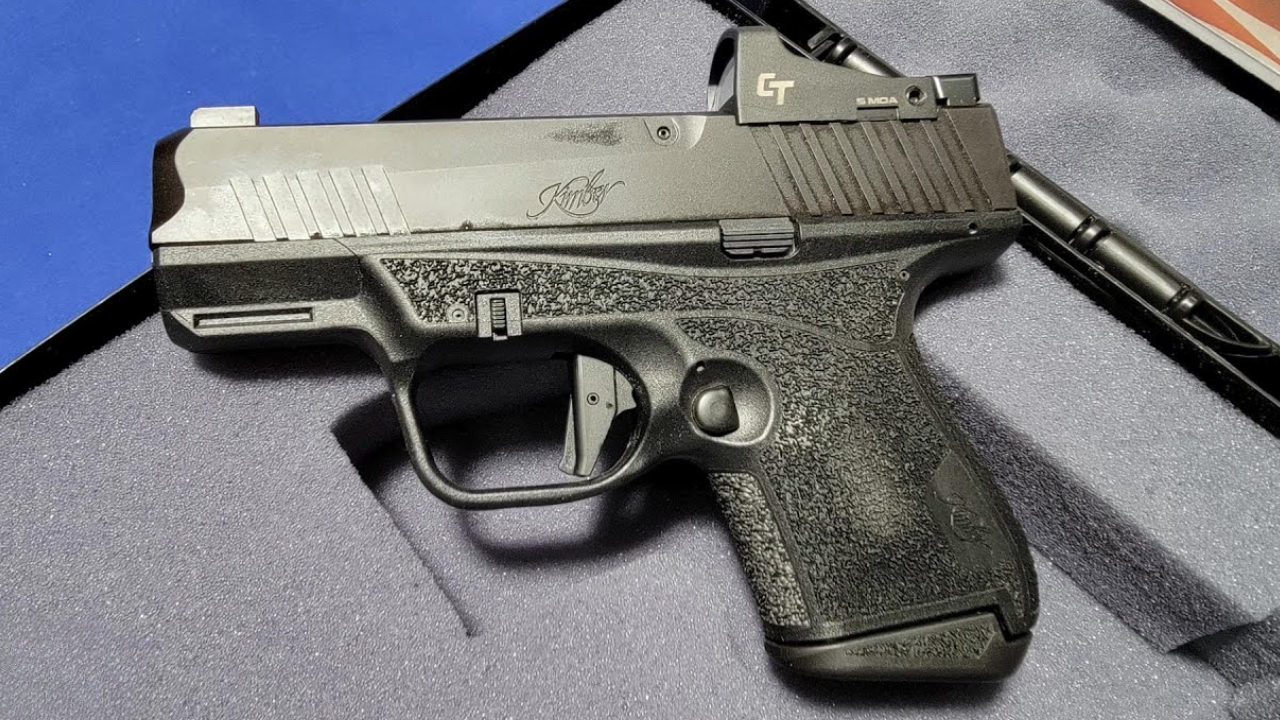
The Kimber R7 Mako is a micro that earned respect because it shoots flatter than you’d expect and stays consistent when you keep feeding it. The frame geometry helps you get a real grip, and that makes the gun less sensitive to how perfect your hands are on the draw. A micro that you can actually control tends to live an easier life.
Weekly range time is where you find out if a small pistol is built right. With the Mako, focus on keeping it clean and not chasing parts swaps that change timing. Run quality magazines, keep an eye on the recoil spring assembly over time, and don’t let carbon build into a reliability problem. If you maintain it like a carry gun and confirm your ammo choice, the Mako can handle regular practice and still feel trustworthy on your belt.
Kahr PM9

The Kahr PM9 is an old-school answer to the micro pistol problem, and it’s still relevant because it’s built like a serious little tool. The long, smooth trigger encourages a clean press, and the gun’s straightforward operating system tends to stay reliable when you don’t try to “improve” it. It’s a pistol that rewards patience and punishes tinkering.
Kahr pistols like to be broken in and run wet enough to be happy. If you shoot weekly, that break-in happens fast, and the gun settles into a consistent rhythm. Keep the rails lubed, replace springs when it’s time, and don’t mix a bunch of random magazines. If you stick with factory mags and a sane cleaning routine, a PM9 will keep showing up for practice without suddenly changing its personality.
Kahr CM9

The Kahr CM9 is the PM9’s more budget-friendly sibling, but it shares the same personality: it’s meant to be carried and shot, not merely tossed in a drawer. When you stick to the program—good ammo, clean mags, and proper lube—it tends to run with impressive consistency for a true micro. It also keeps the controls and handling familiar, so training transfers well.
Weekly range sessions help you stay honest about grip and trigger control, which this gun rewards. The long pull can feel different at first, but it’s predictable, and predictable is what you want in a small pistol. Keep an eye on springs, don’t over-tighten screws or accessories, and don’t treat magazines as disposable. Maintain it like you mean it, and the CM9 can take real use without falling apart.
Ruger LCP Max

The Ruger LCP Max is tiny, light, and still capable of real practice—if you accept what it is. In .380, recoil is easier on the gun than the hottest micro 9mm setups, and that can help longevity when you’re putting rounds through it every week. It’s also a pistol you’ll actually carry, which means you’ll actually find out what wears.
The tradeoff is that small parts and small magazines need attention. Keep the gun clean, keep the mags clean, and don’t run it dry. Don’t pretend it’s a full-size pistol either: shoot it in realistic strings, focus on control, and give your hands a break before you start flinching. Keep spare recoil springs on hand and swap them before they’re cooked. Do that, and the LCP Max can be a legitimate weekly range companion.
SIG Sauer P238

The SIG Sauer P238 has been around long enough to prove it can handle real use when it’s maintained. Its locked-breech .380 setup keeps recoil manageable for its size, and that makes it easier to practice with than most true pocket pistols. When you’re shooting weekly, “pleasant enough to train with” is a reliability feature all by itself.
Weekly shooting means you’ll notice wear early, which is a good thing. Watch your magazines, keep the gun lubricated, and stay on top of recoil spring replacement. Small .380s can get cranky when they’re filthy, so don’t let it marinate in carbon and lint. Use quality ammo for practice, confirm your defensive load runs, and keep the gun clean at the breech face. A cared-for P238 will keep running and keep shooting straight.
SIG Sauer P938
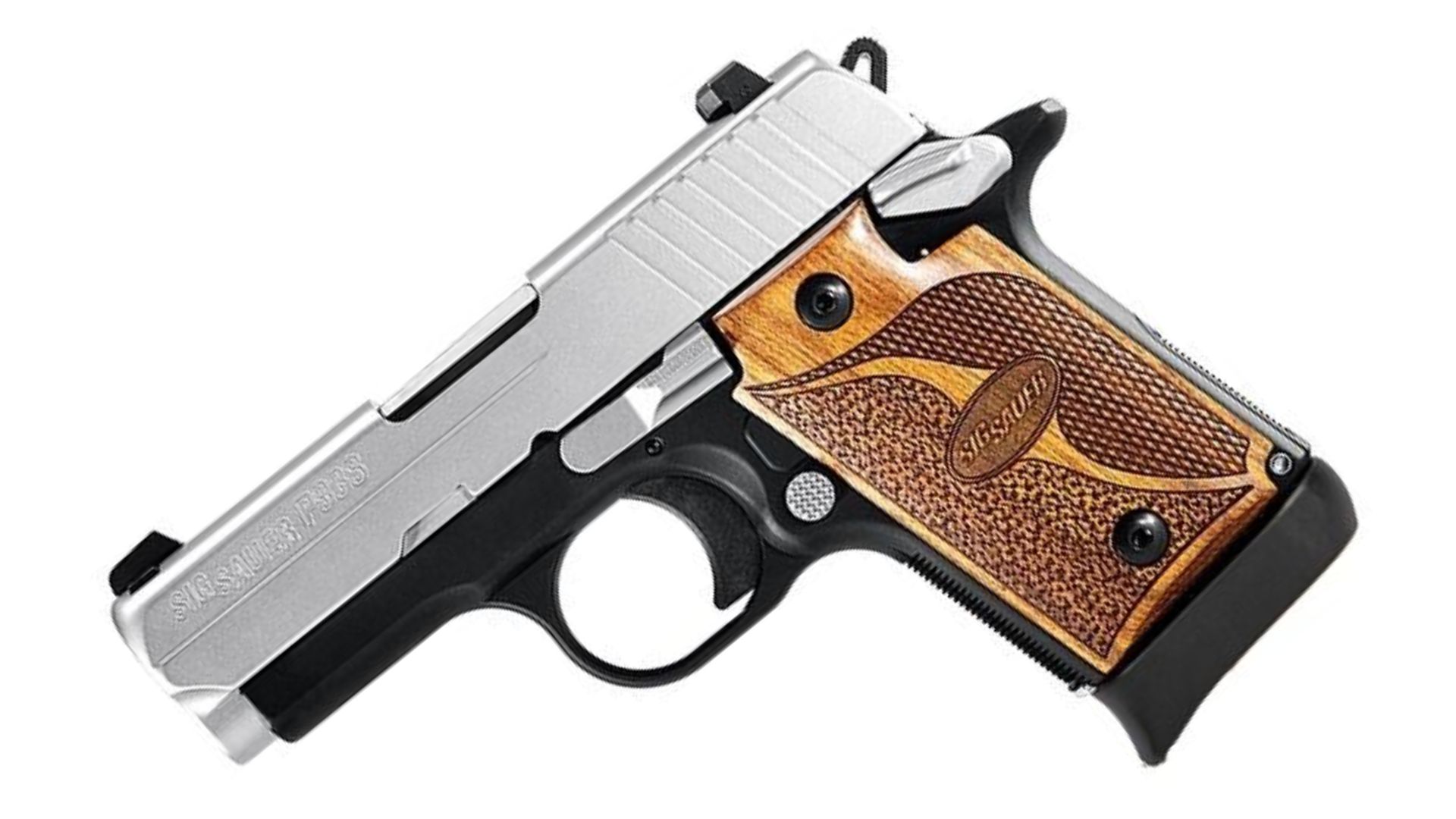
The SIG Sauer P938 gives you a 9mm micro with a familiar single-action feel, and when you run it regularly, you start to appreciate how controllable it can be in skilled hands. The weight and lockup help it stay consistent, and the trigger makes precise shooting feel more natural than most striker micros. It’s small, but it doesn’t feel flimsy.
Weekly range time does demand responsibility with a small single-action. Keep the gun clean, keep the extractor area from getting caked, and don’t treat magazines like they’re indestructible. Replace recoil springs on schedule and resist the urge to chase “better” parts that change ignition or timing. Verify your carry ammo runs, then practice mostly with what shoots closest to it. Keep it stock and maintained, and the P938 will take steady practice and still feel dependable.
Beretta 3032 Tomcat
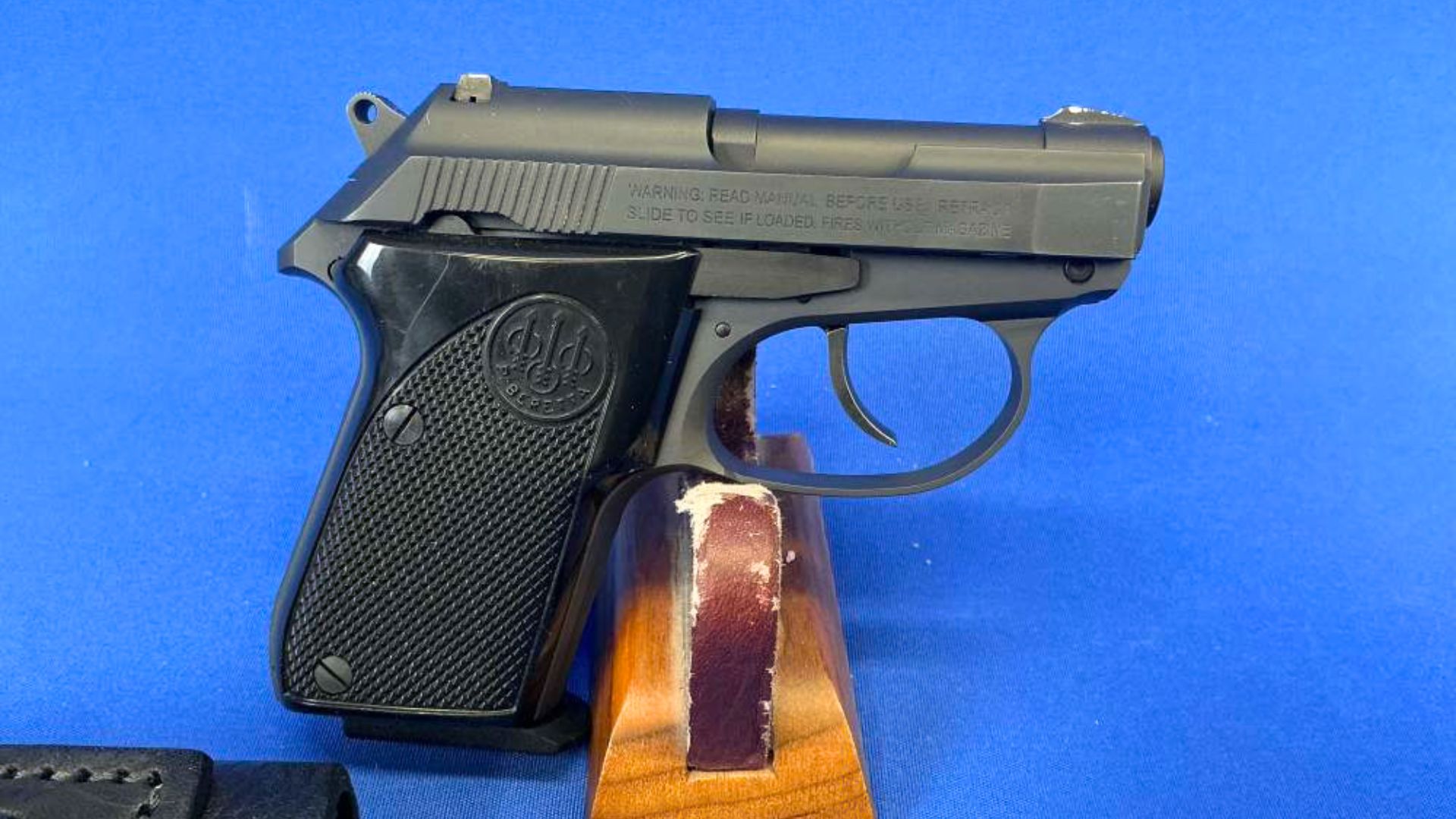
The Beretta 3032 Tomcat isn’t a micro 9, but it’s a micro that people actually shoot because it fills a niche. In .32 ACP, recoil is mild, and mild recoil makes weekly practice realistic for a lot of hands. Less beating on you often means less abuse on the gun, and that’s part of why these little pistols stick around.
The Tomcat’s tip-up barrel makes it easy to load and check, but the real key is keeping it clean and using ammunition it likes. Don’t run it dry, and don’t ignore magazine condition. Wipe the chamber area and breech face, and keep an eye on screws if yours has them. If you treat it as a small defensive pistol that deserves routine maintenance, it can handle regular range sessions without turning into a fragile safe queen.
Beretta APX A1 Carry

The Beretta APX A1 Carry doesn’t get talked about as much as some micros, but it can be a steady weekly shooter if you keep it in its lane. The gun is compact, straightforward to run, and it tends to behave well with common practice ammo when it’s properly lubed. It’s the kind of pistol that rewards consistency in both grip and maintenance.
With weekly range time, do the boring work. Keep the feed ramp and chamber clean, wipe the breech face, and pay attention to your magazines. If you start seeing sluggish return-to-battery behavior, it’s often a sign the gun is running too dry or too dirty, not a reason to start swapping parts. Confirm your carry load cycles, then train hard with ball. Stay consistent, and the APX A1 Carry will stay consistent back.
Like The Avid Outdoorsman’s content? Subscribe to our newsletter so you never miss an article.
Here’s more from us: