Photo credit: Texas Plinking Gear/YouTube
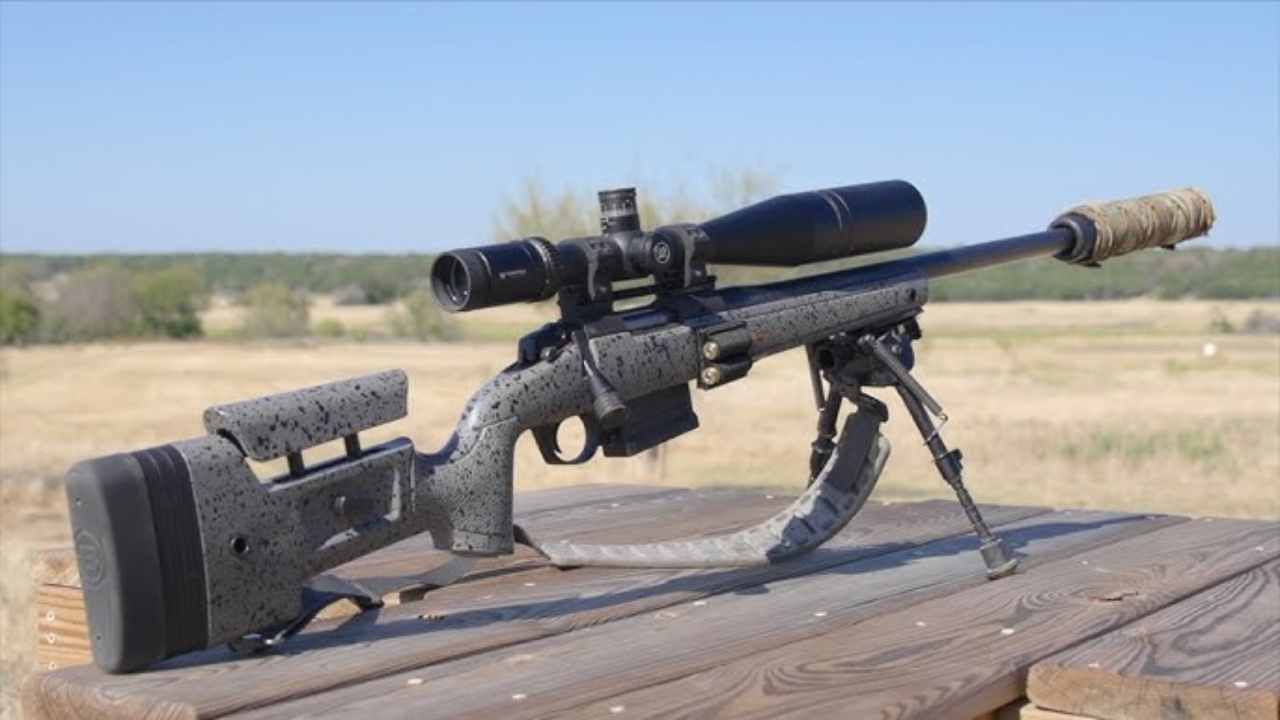
As someone who spends a good chunk of the year outdoors, hunting everything from deer to coyotes, I’ve had my fair share of debates over gear. One of the hot topics that always comes up is suppressors. Are they game-changers or just extra weight on your rifle? Having used them for a while, I’ve got some thoughts based on real-world experience.
Let’s break down what suppressors bring to the table—and whether they’re worth adding to your hunting setup.
Quieting the Boom: Why Noise Reduction Matters
If you’ve spent enough time in the field, you know how loud a rifle can get. Without ear protection, every shot risks long-term hearing damage. That’s one of the main reasons I started using a suppressor—it turns the deafening blast into a more manageable sound. For me, this isn’t just about comfort. It’s about being able to focus without the constant ringing in my ears after every shot.
Suppressed shots are also great when you’re hunting with a group. My hunting buddies—and even the younger hunters in my family—appreciate not flinching every time someone fires. And if you’re trying to capture the moment for a camera, a quieter rifle is a huge bonus. It doesn’t scare everyone off, including you.
Improved Accuracy and Recoil Control
Let’s talk about recoil. I don’t care how experienced you are—if your rifle kicks like a mule, it’s going to mess with your accuracy. That’s where suppressors can make a big difference. They don’t just quiet the shot; they also reduce recoil. For me, that means better follow-up shots and a steadier hand for the next opportunity.
I’ve also noticed that using a suppressor helps me track my shots. You can see where your bullet lands without the rifle jumping all over the place. When you’re out in the field, especially in tougher conditions, that little advantage can mean the difference between bringing home meat or going home empty-handed.
The Trade-Off: Weight and Balance
Now, let’s be real—suppressors aren’t perfect. The added weight at the end of your barrel changes the feel of your rifle. If you’re like me and do a lot of spot-and-stalk hunting in the mountains, you notice every extra ounce. When you’re carrying your rifle over miles of uneven terrain, a suppressor can feel like a burden.
That said, if you’ve got a solid rifle with good balance, the weight might not bother you as much. I’ve made peace with the trade-off, especially because the benefits outweigh the drawbacks in most situations. But if you’re someone who trims weight everywhere—even sawing your toothbrush in half—you might want to think twice.
Do Suppressors Really Keep Animals from Spooking?
This one gets debated a lot. Some hunters swear a suppressor lets them get more shots off without scaring other animals. Personally, I think it depends. While a suppressed shot is quieter, animals are still likely to react to the sound of the bullet hitting its target. That distinct “whack” travels fast and can be just as alarming as a gunshot.
Where suppressors do help is in open country. The sound doesn’t echo as much, and animals might have a harder time figuring out where it came from. In denser areas, like forests or mountains, the noise reduction isn’t as noticeable, but it still keeps things a little calmer overall.
Predator Hunting: Suppressors Shine Here
If you hunt predators like coyotes, you’ll appreciate what suppressors bring to the table. These hunts often involve quick follow-up shots, and a quieter rifle helps keep the action going without spooking everything in earshot. For me, predator hunting is where suppressors really show their value.
Another bonus? Hearing the bullet hit. It’s easier to confirm a clean shot without the boom of an unsuppressed rifle masking that sound. This saves you time and energy when tracking down your quarry, especially in low-light conditions.
Training New Hunters
Introducing someone to hunting—whether it’s a kid or a friend—is one of the best parts of being outdoors. But for newcomers, the loud bang and sharp recoil of a rifle can be intimidating. Suppressors help with that. My nephew’s first hunt was a lot more enjoyable for him (and me) because the suppressor kept things quiet and manageable.
For younger shooters especially, reducing the sensory overload can make all the difference. It’s easier to build confidence and focus on proper technique when they’re not bracing for a blast every time they pull the trigger.
The Cost and Legal Hurdles
Here’s where suppressors can lose people: the price and the paperwork. A good suppressor can set you back a grand, and that’s before adding tax stamps and waiting for the approval process. It’s not a quick or cheap investment.
But if you’re serious about hunting—and you’re already investing in good optics, a solid rifle, and time at the range—it might be worth it. For me, the comfort and performance benefits have justified the cost. That said, if you’re only out a few weekends a year, it might not make sense.
Are Suppressors Right for You?
At the end of the day, suppressors are tools, not magic solutions. They have real advantages—less noise, reduced recoil, better accuracy—but they also come with trade-offs like weight and cost. For me, as someone who spends as much time outdoors as possible, they’ve been a valuable addition to my gear.
But whether they’re right for you depends on your hunting style. If you hunt predators, spend a lot of time on the range, or introduce new hunters to the sport, a suppressor could be a game-changer. If you’re a minimalist or prefer simpler setups, you might not see the value.
So, what’s your take? Would you give suppressors a shot, or are they just another gadget?
*This article was created with the assistance of AI.