Photo credit: Farshidraafat, CC BY-SA 3.0/Wiki Commons
Some guns get expensive because collectors lose their minds. Others climb because supply dries up, internet chatter takes over, or everybody suddenly decides they need the same thing at once. That happens plenty.
But some guns get expensive for better reasons. They were well-built, useful, respected by people who actually used them, and harder to replace once the market moved on. When those prices climb, it doesn’t feel random. It feels like the market finally figured out what owners already knew.
Colt Python
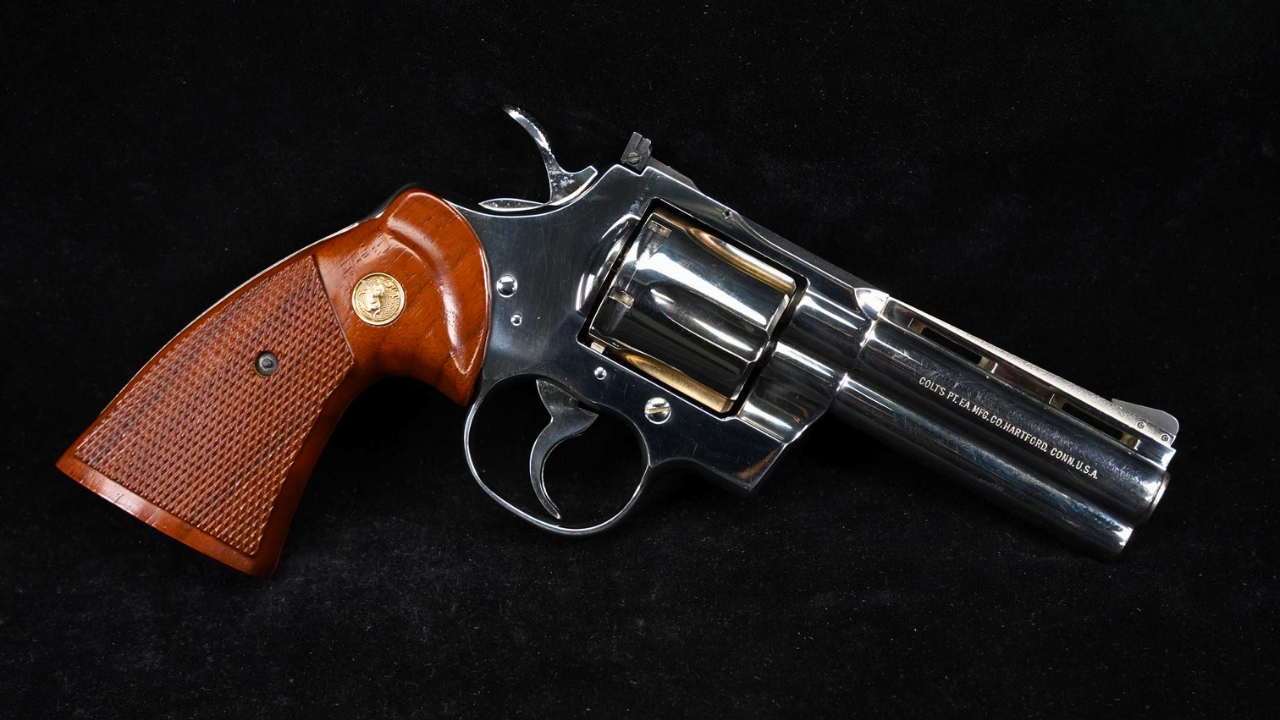
The Colt Python may be the most obvious revolver on this list, but it earned the spot. Older Pythons became expensive because they brought together finish quality, trigger feel, balance, and Colt history in a way few revolvers ever matched. The deep bluing on vintage examples alone is enough to explain some of the demand.
But the Python is not expensive only because it looks good. A good one shoots beautifully. The full-lug barrel gives it weight out front, the action has that old Colt character, and the revolver feels special without needing much explanation. Prices have gotten wild, and not every shooter needs one. Still, this is one of those guns that became expensive because it really was different from the ordinary revolvers around it.
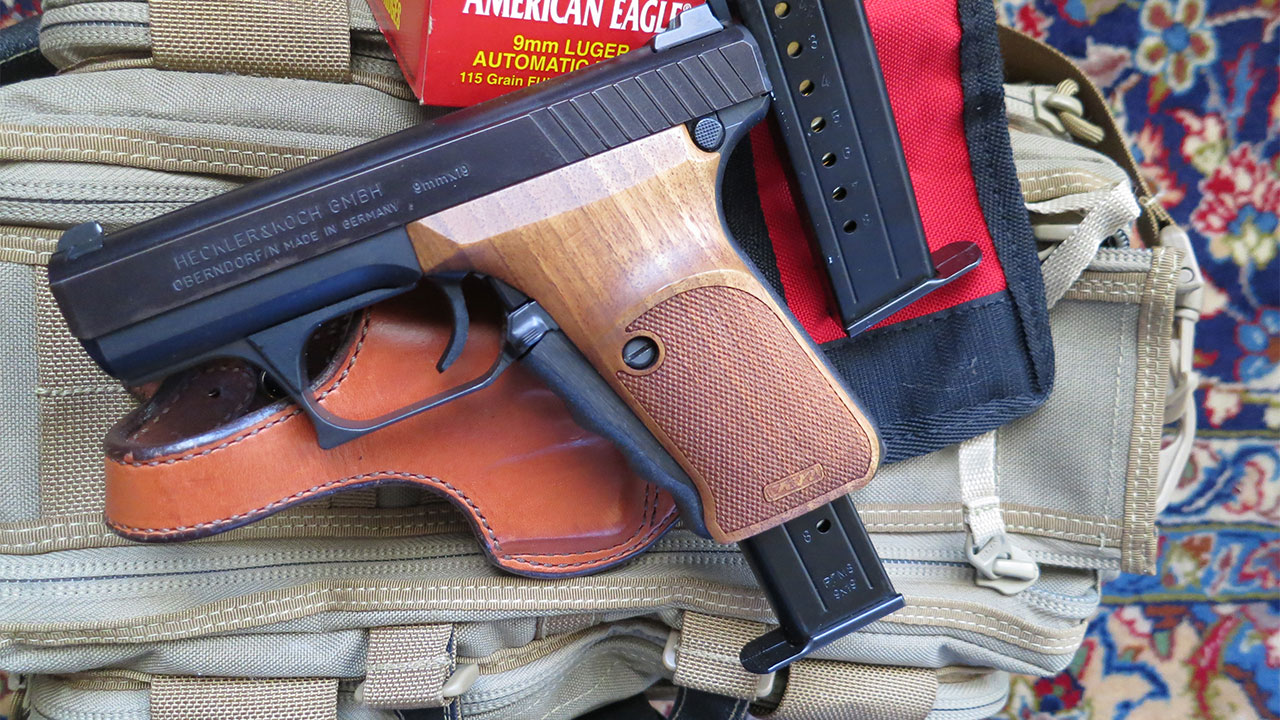
Heckler & Koch P7M8
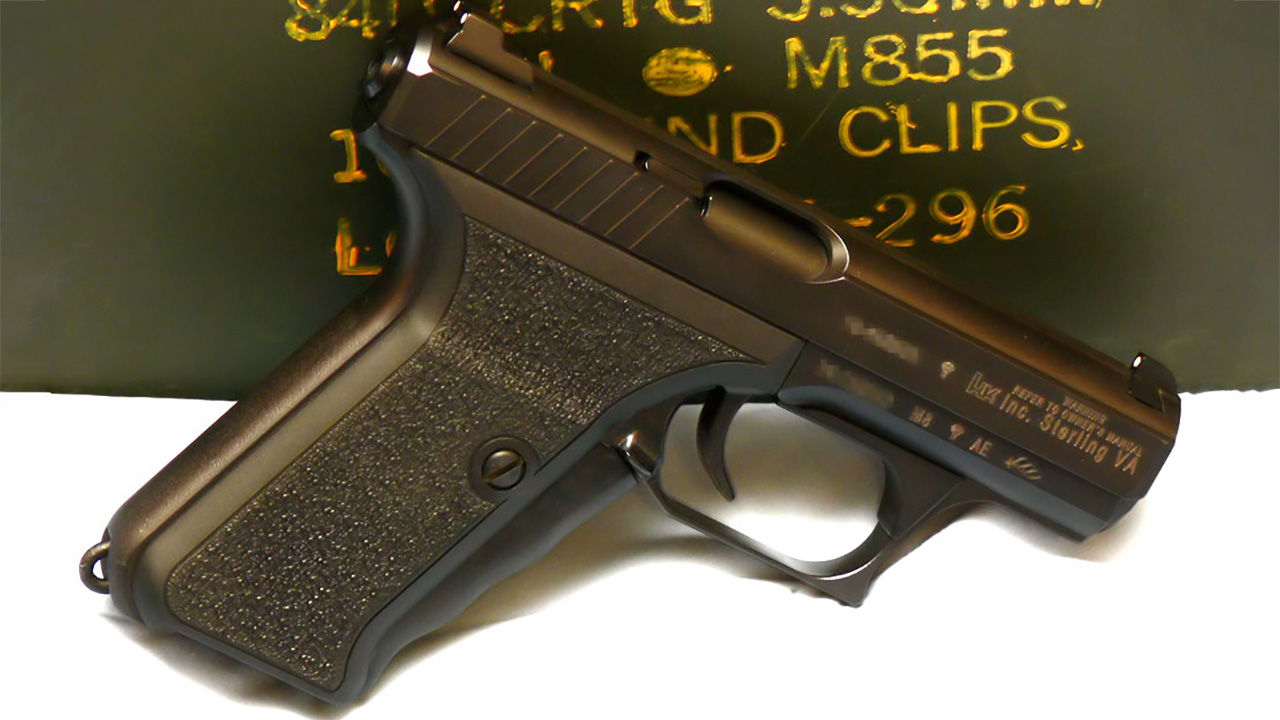
The HK P7M8 became expensive because nothing else really replaced it. The squeeze-cocker design, fixed barrel, low bore axis, slim profile, and gas-delayed system made it one of the most unusual defensive pistols ever built. It was expensive when new, and it never became a mass-market handgun in the way simpler pistols did.
As time passed, shooters started appreciating just how clever the P7 was. It is accurate, fast, safe in a very specific way, and extremely well-made. It also gets hot with extended shooting and is not cheap to maintain, so it’s not perfect. But the price climb makes sense because it represents engineering that most modern pistol makers simply don’t attempt anymore. The P7M8 is expensive because it is genuinely hard to replace.
Winchester Model 21
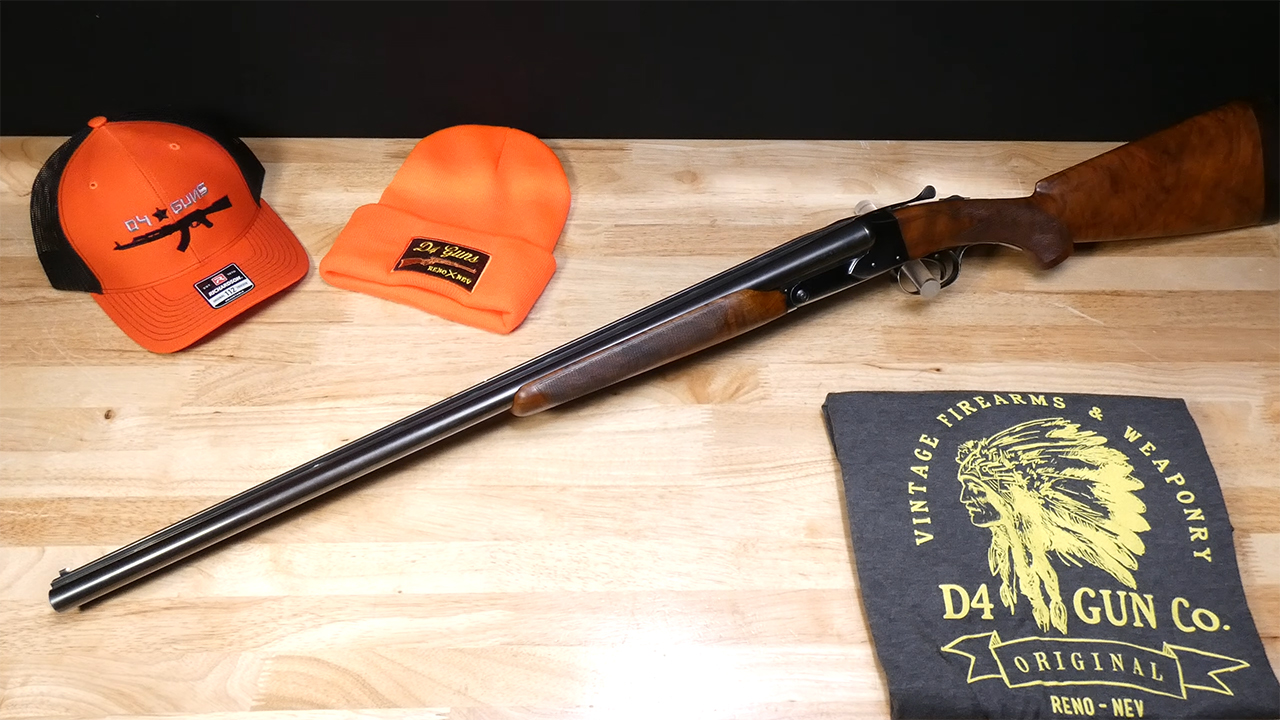
The Winchester Model 21 is expensive because it was one of the strongest, best-regarded American double shotguns ever made. It was never a cheap field gun, and it was built with a level of strength and craftsmanship that made it stand apart from ordinary doubles. Hunters and collectors both understand why clean examples bring serious money.
A Model 21 feels like a shotgun made to last generations. The action is strong, the fit and finish can be excellent, and the gun carries real American shotgun history. It’s not something most people buy as a rough knockaround bird gun anymore, but that doesn’t take away from what it is. Some prices are collector-driven, sure. But the foundation is real quality, not empty hype.
Sako Deluxe Finnbear
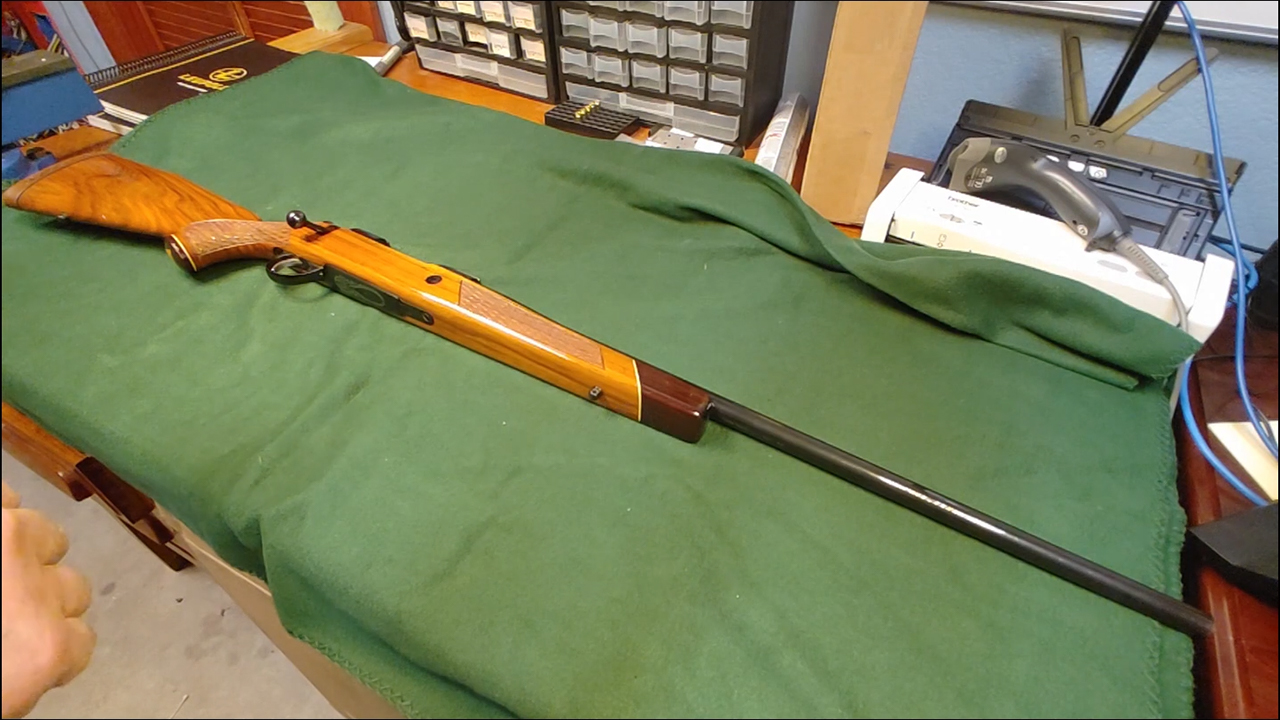
The Sako Deluxe Finnbear became expensive because older Sako rifles have a level of fit, finish, and smoothness that keeps aging well. The L61R Finnbear action was already respected, and the Deluxe versions added nicer wood, engraving details, and a more refined feel. These rifles were built when production hunting rifles could still feel genuinely elegant.
A good Finnbear is not just pretty. It shoots well, feeds smoothly, and carries the kind of confidence hunters remember. The Deluxe models became desirable because they offer both performance and craftsmanship. Modern rifles may be lighter and more weather-resistant, but they rarely have the same old-world feel. Buyers pay more now because they’re not just buying a hunting rifle. They’re buying a level of rifle-making that feels harder to find.
Browning Hi-Power

The Browning Hi-Power became expensive because shooters eventually realized that classic steel 9mm pistols were not coming back in the same way. For years, the Hi-Power was respected, but it wasn’t always treated like a must-own collectible. Then original Belgian and FN-made examples got harder to find, and prices followed.
The appeal is easy to understand once you handle one. The grip is one of the best ever put on a service pistol, the design has serious history, and the gun points naturally for many shooters. It does have old-school limitations, including the magazine disconnect on many examples and smaller sights on older guns. Still, the Hi-Power became expensive for the right reason: it feels better than most modern pistols with half the romance.
Marlin 1895 Guide Gun

The Marlin 1895 Guide Gun became expensive because it hit a very useful lane and then became harder to find in the versions people wanted. A short, handy .45-70 lever gun with serious power made sense for thick woods, bear country, hogs, and hunters who wanted a compact rifle that hit hard.
Owners understood the value before the market went crazy. The Guide Gun carried better than many big-power rifles, cycled fast, and gave shooters confidence at close to moderate ranges. It wasn’t built for long-range bragging. It was built to do heavy work in tight places. As lever guns surged in popularity and older Marlins gained a stronger following, the Guide Gun became expensive because its usefulness was obvious.
Smith & Wesson Model 29

The Smith & Wesson Model 29 got a major boost from pop culture, but that is not the only reason it became expensive. Underneath the fame is a beautifully made N-frame .44 Magnum revolver with great balance, strong looks, and real shooting appeal. Early pinned-and-recessed examples especially have become highly desirable.
A Model 29 is not the toughest .44 Magnum for nonstop heavy-load abuse, and Ruger fans will happily tell you that. But it remains one of the finest classic big-bore revolvers ever built. It shoots well, carries history, and has a level of polish that modern revolvers don’t always match. The price climbed partly because of legend, but the gun had enough substance to support that legend.
IMI Galil
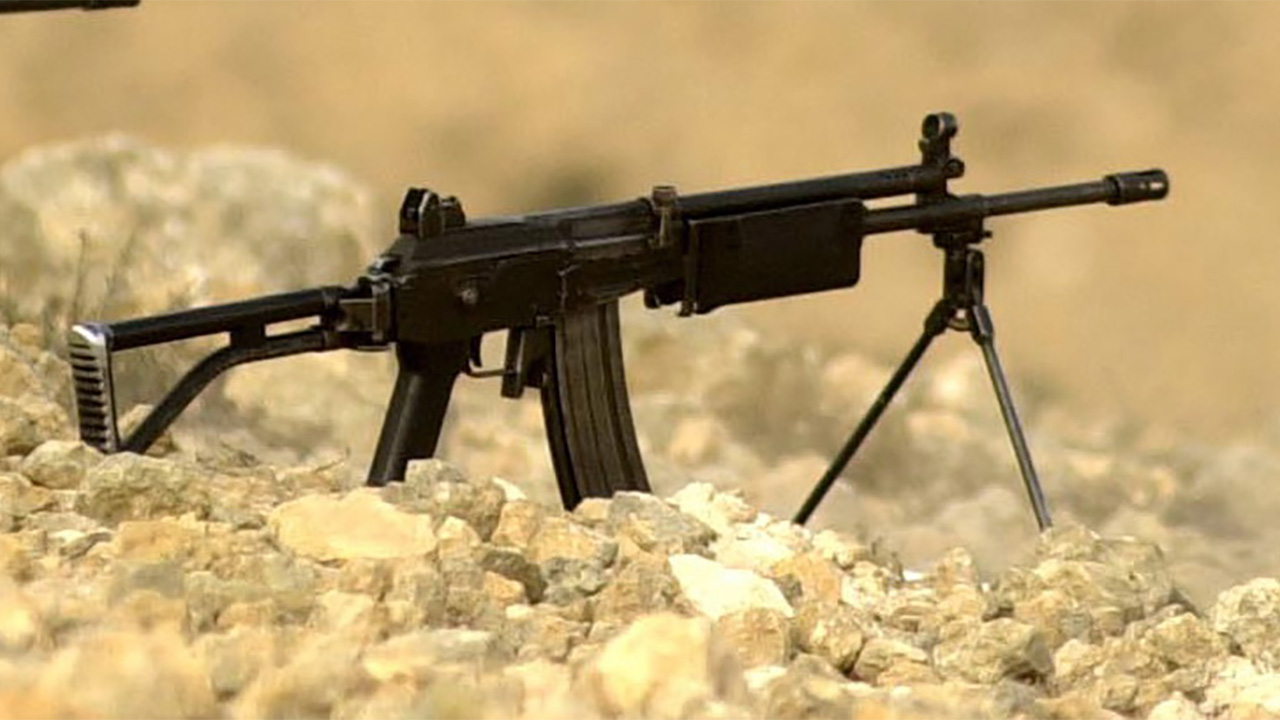
The original IMI Galil became expensive because it combines military history, rugged construction, and a design that feels different from more common semi-auto rifles. It draws from the AK system but adds Israeli engineering, better sights than many AK-pattern rifles, and a heavy-duty feel that owners tend to remember.
The Galil is not light, and it is not as common or as easy to support as an AR-15. But that is part of why original rifles became so desirable. They feel overbuilt, purposeful, and tied to a specific era of fighting-rifle development. Modern Galil variants exist, but original IMI guns have their own pull. They became expensive because serious rifle people understand they are not just another imported semi-auto.
Colt Gold Cup National Match
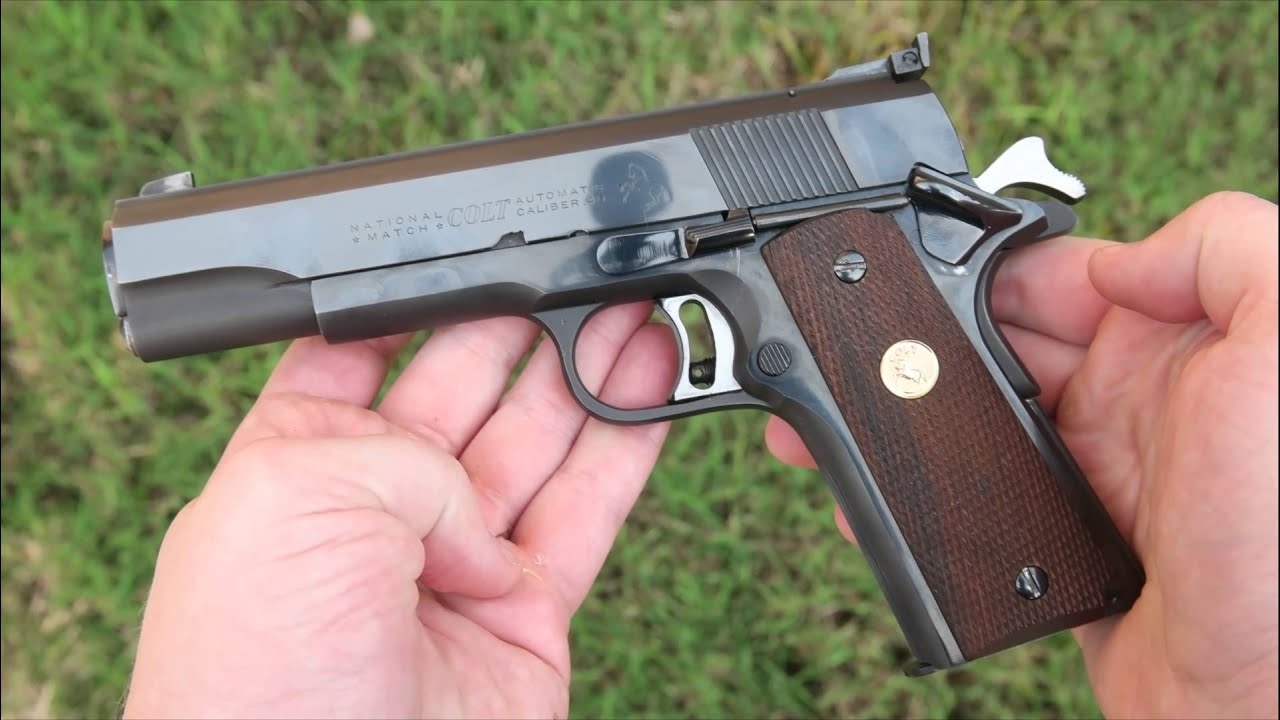
The Colt Gold Cup National Match became expensive because it represents a classic era of factory target 1911s. It was built for shooters who wanted better sights, a better trigger, and more accuracy than a basic Government Model. For a long time, it was one of the obvious choices for someone who wanted a serious range 1911 without going full custom.
Older Gold Cups now bring strong money because they have Colt history, target-shooting credibility, and a level of character newer pistols don’t always match. They are not all identical, and condition matters a lot. But a good Gold Cup still feels special on the range. It became expensive because it was one of the factory 1911s that actually earned its reputation with shooters.
Steyr AUG
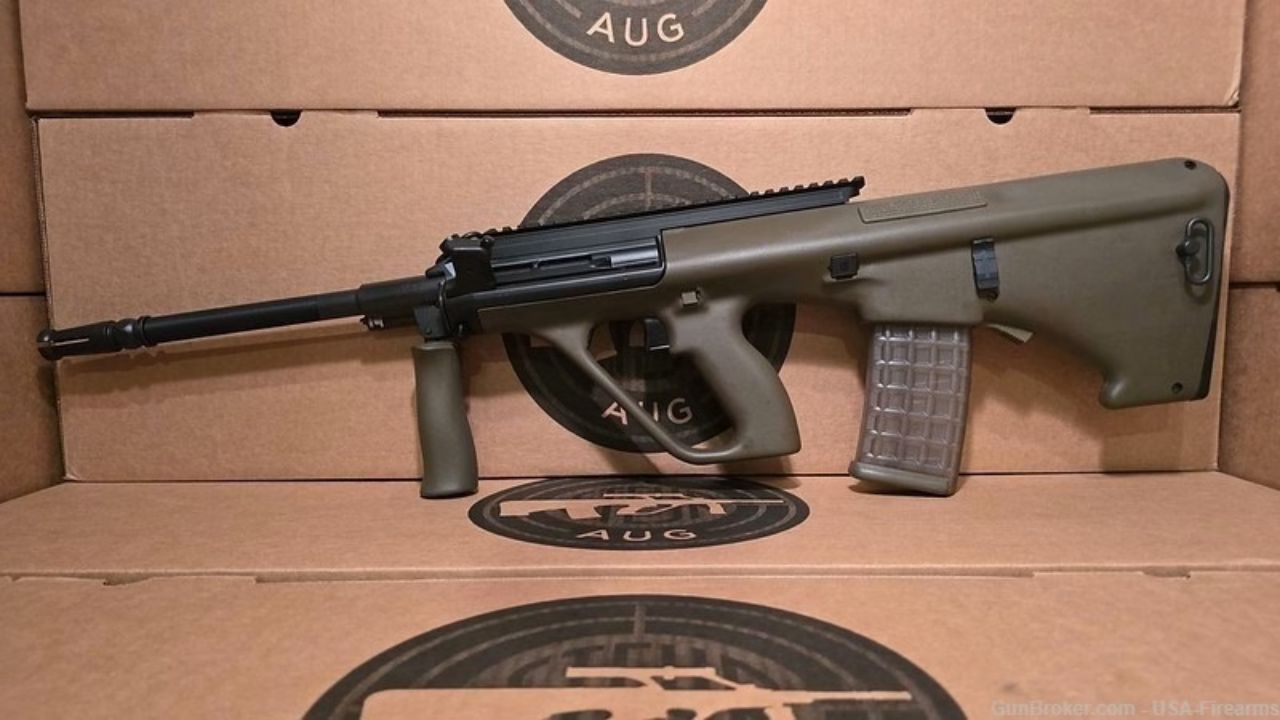
The Steyr AUG became expensive because it remains one of the few bullpups that actually built a long, serious reputation. It looked futuristic decades ago, and somehow it still looks modern. More important, it has real military history, compact handling, and a design that stands apart from the AR-heavy rifle market.
The AUG is not for everyone. The trigger is different, the manual of arms takes adjustment, and some shooters will always prefer conventional rifles. But the AUG’s appeal is real. It gives you a full-length barrel in a compact package, runs reliably, and has a unique identity that newer bullpups often struggle to match. Prices reflect scarcity and demand, but also the fact that the AUG is not just strange. It works.
Winchester Model 52
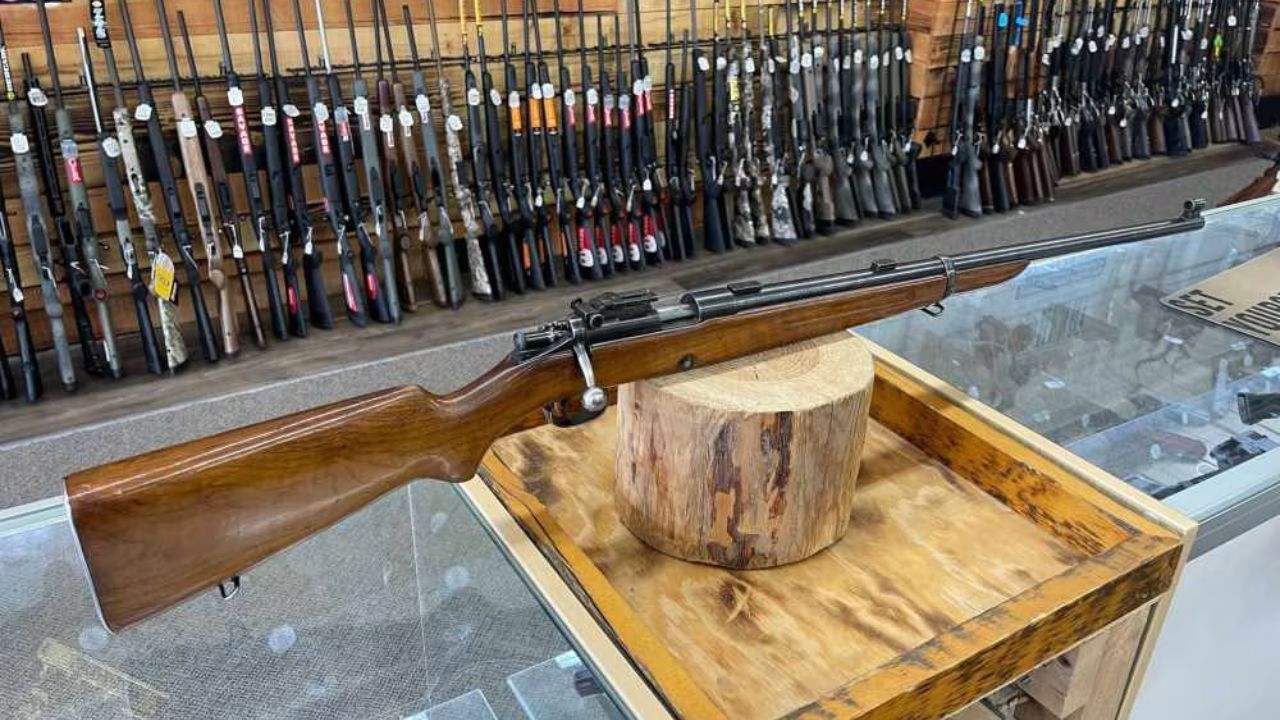
The Winchester Model 52 became expensive because serious rimfire rifles from that era have a quality modern shooters still respect. It was built as a target rifle, and Winchester put real effort into making it accurate, stable, and refined. The sporter versions are especially valuable, but even target models carry strong appeal.
A Model 52 feels like a .22 made for adults who cared deeply about shooting well. The trigger, action, barrel quality, and overall build are on a different level from most casual rimfires. As cheap .22 rifles flooded the market over the years, the Model 52 started standing even taller. It became expensive because it reminds shooters that rimfire rifles used to be built with real seriousness.
Benelli M1 Super 90

The Benelli M1 Super 90 became expensive because it earned a reputation as a hard-running inertia semi-auto before the market got crowded with newer options. It was lighter and simpler than many gas guns, and it proved itself in hunting, defensive, and competition circles. People who used them hard tended to respect them.
The M1 does kick more than softer gas-operated shotguns, but it also has a clean, purposeful feel. It runs well with the right loads, carries nicely, and does not feel overloaded with unnecessary parts. As later models came along, the M1 started looking even better to shooters who liked its simplicity. It became expensive because it was not just an older Benelli. It was one of the good ones.
Colt Woodsman
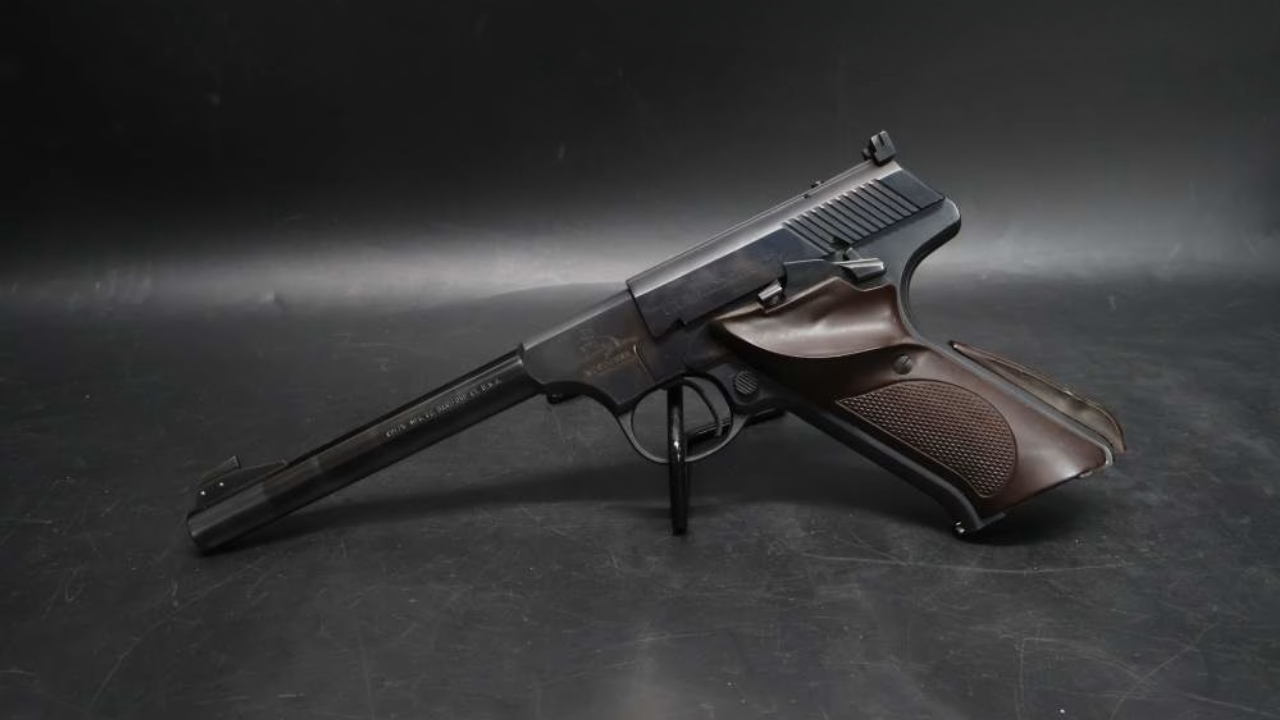
The Colt Woodsman became expensive because it offers a level of rimfire pistol quality that is hard to find now without paying premium money. It is slim, elegant, accurate, and beautifully made. For a long time, many were simply used as enjoyable .22 pistols. Now, clean examples get collector attention fast.
The Woodsman is not just desirable because it says Colt on the side. It shoots well. The grip angle, trigger, and balance make it one of the great classic rimfire pistols. Modern .22 handguns can be easier to mount optics on and cheaper to produce, but they rarely feel as graceful. The Woodsman became expensive because shooters eventually realized it was both a useful pistol and a piece of real craftsmanship.
FN FAL
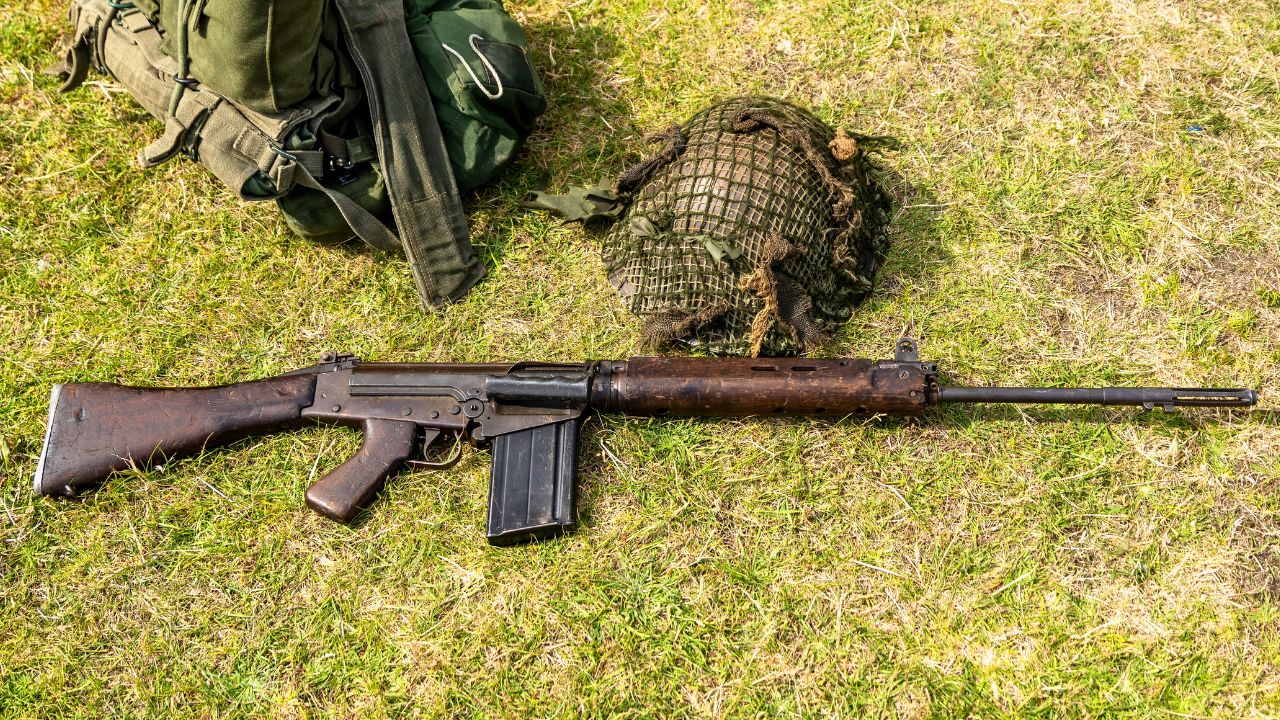
The FN FAL became expensive because classic battle rifles have only gotten more desirable, and the FAL has one of the strongest reputations of the group. Known as the “right arm of the free world,” it saw widespread service and built a serious following among shooters who appreciate .308 semi-autos with history.
A good FAL has presence. It’s not light, not cheap to feed, and not as easy to scope as modern rifles, but it feels rugged and proven. The adjustable gas system, strong construction, and military background give it credibility that newer rifles cannot simply claim. Prices rose because supply, import history, and demand all collided. But the respect is grounded in the rifle’s real service record.
Dakota Model 76

The Dakota Model 76 became expensive because it was built around classic rifle values that never really went out of style. Controlled-round feed, excellent stock work, strong metalwork, and careful craftsmanship gave it a reputation among hunters who wanted something better than ordinary production rifles.
This is the kind of rifle that feels expensive because you can see and feel where the money went. It’s not built around gimmicks or trendy features. It’s built around the idea that a hunting rifle should feed smoothly, handle naturally, and last for generations. The Model 76 became expensive because it served buyers who still cared about traditional quality. That kind of rifle never stays cheap once people understand it.
Like The Avid Outdoorsman’s content? Subscribe to our newsletter so you never miss an article.
Here’s more from us: