Photo credit: Tony Campbell/ShutterStock.com
A rifle can look great on a bench and still leave you shaking your head in the field. Paper doesn’t move. Paper doesn’t pump adrenaline through your veins. And paper doesn’t force you to contort your body into some awkward hillside shooting position when a buck finally steps out. Plenty of rifles print tidy groups when everything is controlled, yet fall apart the second you’re dealing with cold hands, uneven footing, or a shot angle you weren’t expecting.
These are the rifles hunters keep blaming themselves for—until they start noticing the same pattern year after year. They’re accurate enough in calm conditions, but they’re far less forgiving once season actually starts.
Remington Model 770
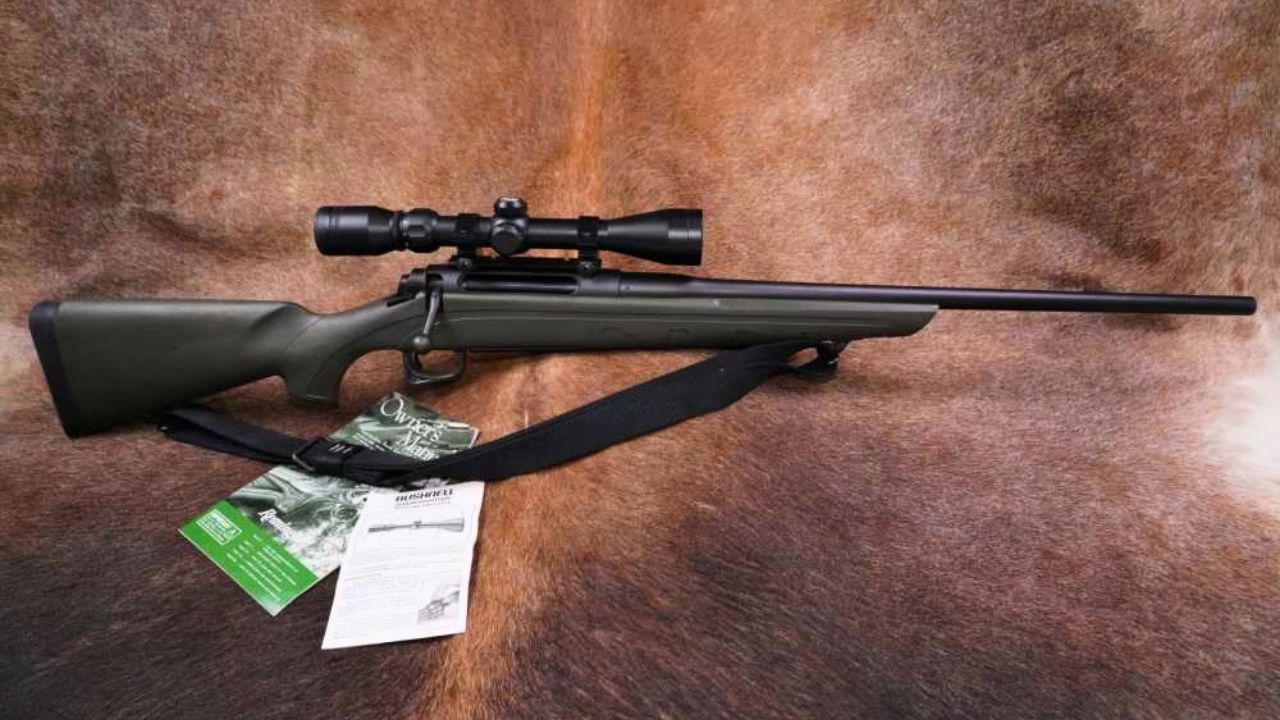
The 770 can shoot decent groups from a stable rest, but the moment you try to shoulder it under real field pressure, shortcomings show up fast. The stock flexes, the trigger feels inconsistent, and the bolt doesn’t cycle smoothly when you’re trying to reload without looking down.
Hunters often report clean bench sessions but wounded confidence once shots come from awkward angles. The rifle’s ergonomics make it tough to settle behind quickly, especially with gloves on. Add cold weather or a quick shot window, and it becomes a rifle that performs very differently than its target work suggests.
Mossberg Patriot Super Bantam

The Patriot Super Bantam is designed for smaller-framed shooters, but its lightweight build causes issues in the field. On the bench, recoil feels manageable. In the woods, the rifle jumps more than expected, especially with standard deer loads. That muzzle rise makes follow-through inconsistent and leads to pulled shots under stress.
The short stock feels fine until you’re twisted around a tree or trying to shoot downhill. That reduced length of pull can make the sight picture unstable, and clean misses become surprisingly common even for experienced hunters who normally shoot well.
Ruger American Compact
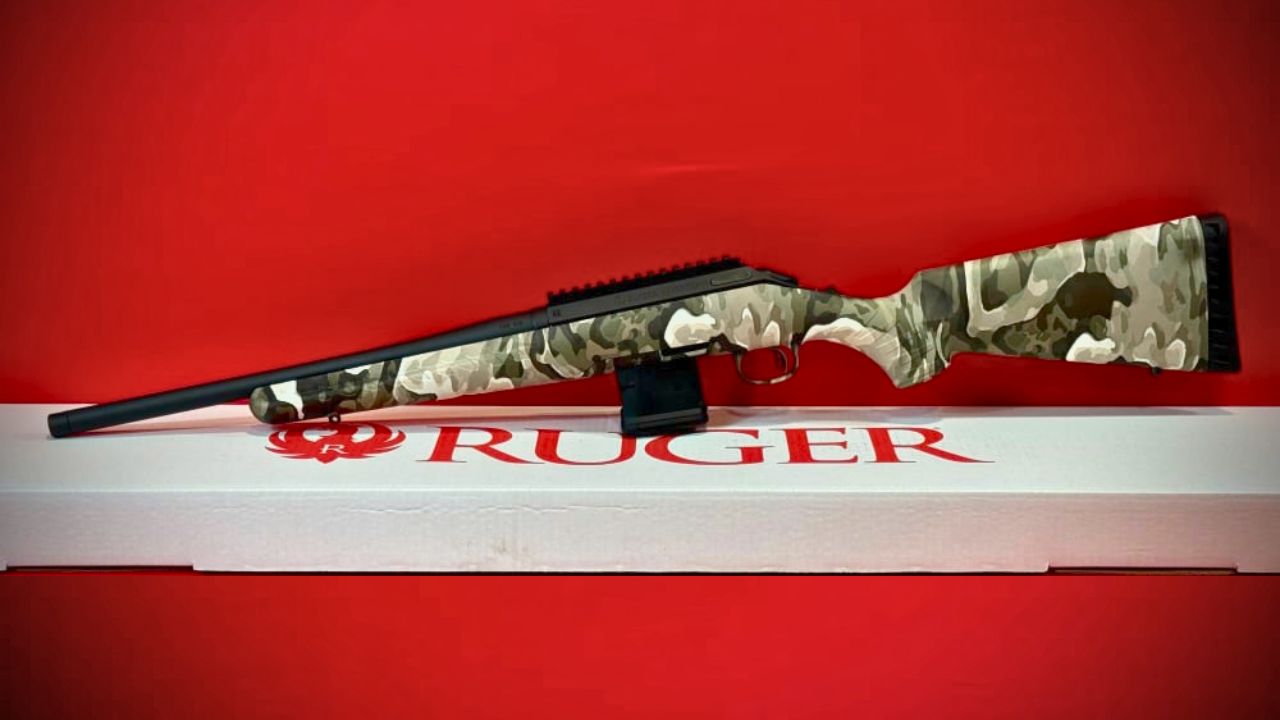
The American Compact prints nice groups, but real-world shooting exposes its limits. The lightweight synthetic stock flexes under pressure, especially when braced against a tree or pack. That small amount of movement shifts point of impact enough to matter at typical deer ranges.
Fast shooting positions—kneeling, seated, offhand—feel less controlled than they should. The trigger is good, but the rifle doesn’t settle easily, and hunters often find themselves rushing the shot because the sight picture never fully stops wobbling. On paper it behaves; in the woods it gets twitchy.
Savage Axis (First Generation)

The original Axis tends to surprise people on the bench with respectable groups, but the thin, whippy barrel loses consistency once it warms up. In field conditions, where you may take a quick follow-up or settle on an uneven rest, the point of impact shifts more easily than you’d expect.
The tupperware-style stock also collapses under sling pressure, which changes barrel harmonics. You won’t notice that on a sandbag, but wrap it around a tree or rest it on a fence post and the miss makes more sense. It’s a rifle that demands ideal conditions—something you rarely get when there’s a buck in front of you.
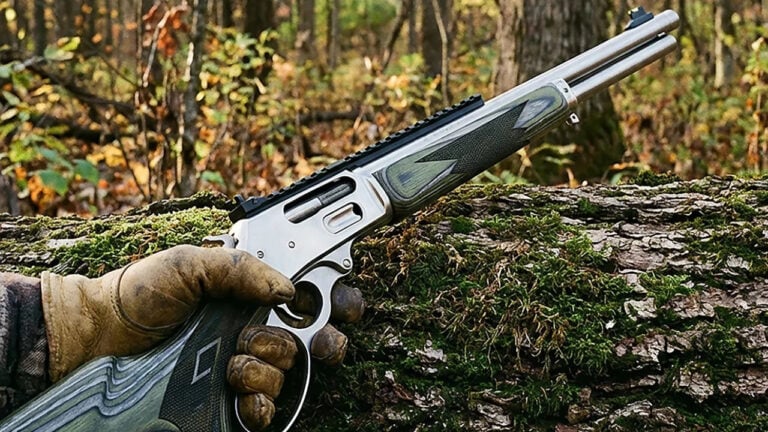
Marlin 336C with Factory Sights

The 336C is legendary in the deer woods, but the factory sights hold it back for many shooters. On paper at 50 yards, they’re fine. In the field, where lighting changes and deer don’t stand broadside forever, that semi-buckhorn rear makes precise holds difficult.
The rifle shoulders well, but the sight picture tends to wash out in low light, leading to high or low misses. Hunters who switch to a peep or scope often wonder why they didn’t sooner—it’s not the rifle that was off, but the old-school irons making clean shots tougher than they should be.
Winchester Model 70 Featherweight

The Featherweight lives up to its name—maybe too well. Its light barrel heats quickly and can start stringing shots, something you’ll never notice on a slow bench session but definitely can when you’re hunting in cold wind.
The rifle points beautifully, yet that same lightness makes it harder to anchor when you’re braced against a tree or kneeling. The muzzle moves more than you expect, and hunters who shoot fine from a rest often struggle to hold steady enough in fast field positions to maintain accuracy.
Tikka T3 Lite

The T3 Lite is smooth, reliable, and accurate on paper, but its lightweight build makes it unforgiving in offhand or hurried shots. Even with Tikka’s excellent barrels, the rifle can feel too lively when you’re trying to settle your crosshairs on a moving deer.
Wind pushes the rifle around easily, and recoil—though not heavy—moves the gun just enough to cause poor follow-through. Bench groups impress, but many hunters discover that tight clusters don’t always translate to clean field hits unless they’re shooting from a perfect rest.
Thompson/Center Compass

The Compass prints respectable groups, but its field performance often dips due to the low-quality stock. That flexible forend shifts point of impact anytime pressure changes—rest it on a branch one way and a rock another, and you’ll see flyers that would never appear on a bench.
The trigger has improved, but it still lacks the consistency needed for shot angles that don’t let you set up perfectly. It’s a rifle that rewards ideal positions but stumbles when you’re forced to shoot quickly in real terrain.
Henry Single-Shot .30-30
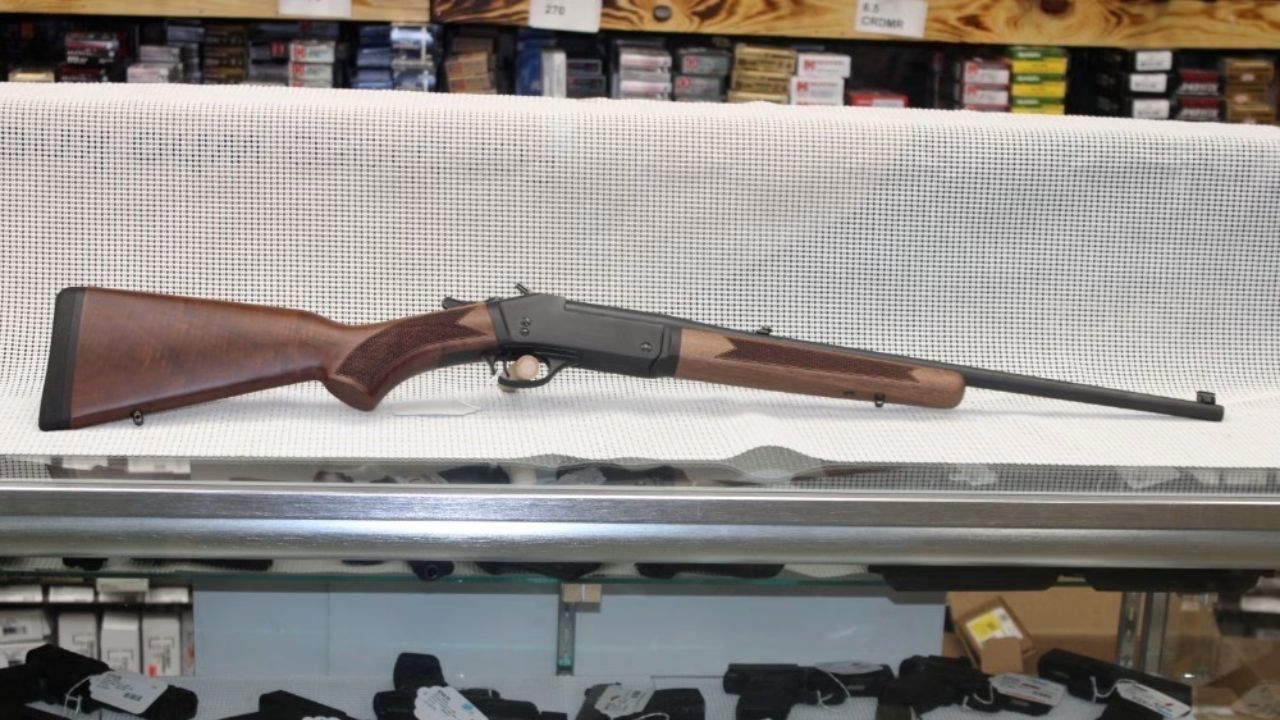
The Henry Single-Shot in .30-30 is a nostalgic and accurate rifle, but follow-up opportunity is limited and the break-action profile doesn’t always give you the most stable shooting position. On a bench, it’s simple and precise. In the field, slight shifts in grip or shoulder pressure can move impacts.
Shot timing becomes critical with no magazine to work with, and hunters often rush the shot more than they should. Clean misses happen not from lack of accuracy, but because the rifle demands perfectly controlled fundamentals at the moment of truth.
Weatherby Vanguard Weatherguard

The Vanguard line is solid, but the Weatherguard’s weight distribution makes it nose-heavy for some shooters. On the bench, that added mass keeps it steady. In the field, especially in quick setups, that front weight exaggerates movement.
This leads to rushed shots when attempting to settle the reticle quickly. Hunters who normally shoot confidently from awkward angles sometimes find this model surprisingly difficult to steady—enough to turn a perfect paper shooter into a rifle that misses more deer than you’d expect.
Rossi RB Series
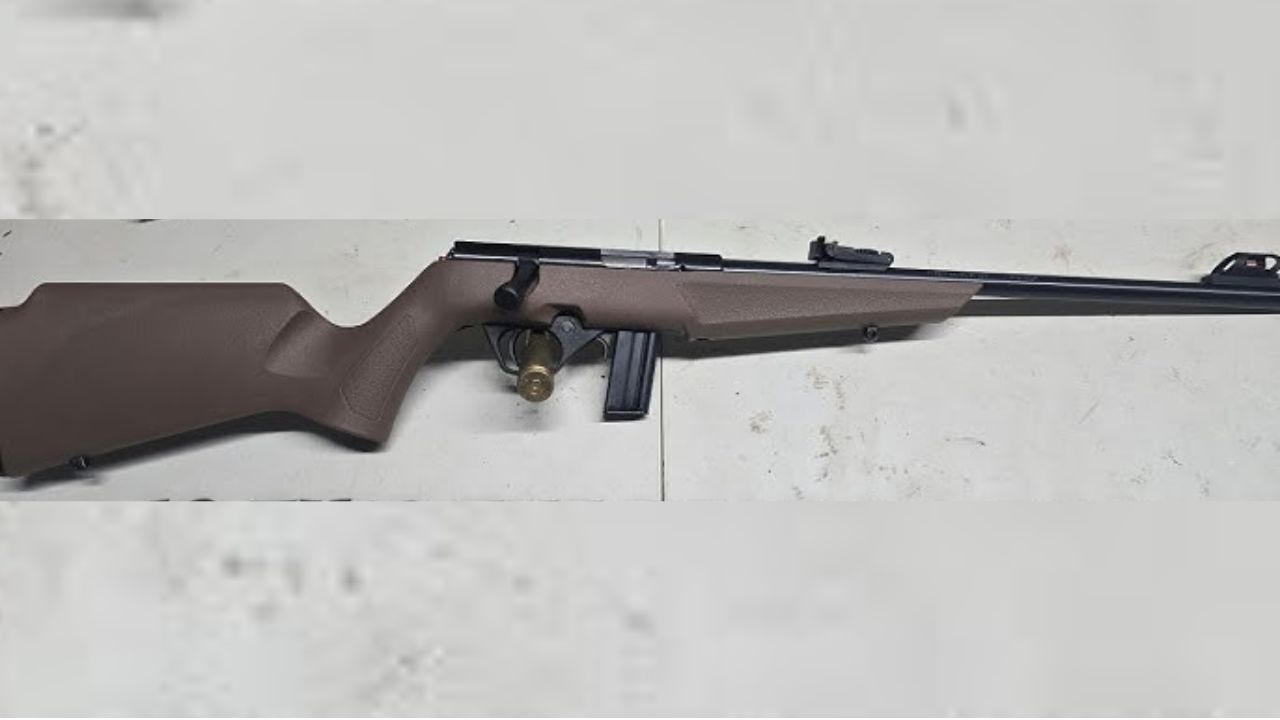
The RB bolt guns shoot fine off sandbags but struggle when used in fast or uneven field positions. The economy-grade stocks flex, the triggers feel unpredictable under stress, and the barrels aren’t known for consistency after the first couple shots.
You can sight them in cleanly at the range, but once you’re cold, winded, or shooting from a weird angle, flyers become common. These rifles appeal to budget-minded hunters, but their real-world accuracy doesn’t always track with their range performance.
Browning AB3 Hunter
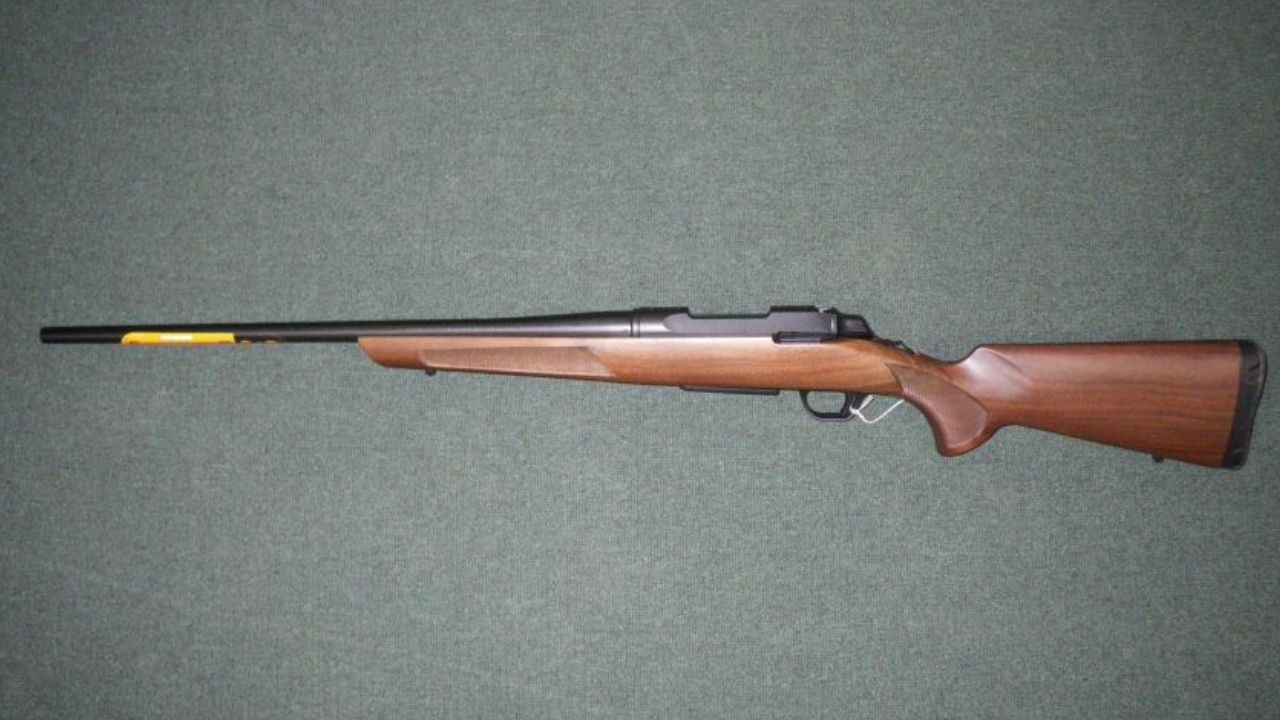
The AB3 Hunter looks refined and shoots decent groups, yet struggles with consistency in real hunting positions. The stock geometry doesn’t fit everyone well, and that slightly awkward feel often leads to rushed shots or inconsistent cheek weld.
On a perfectly stable rest, the rifle behaves. On a hillside or from a cramped blind window, its point of impact tends to shift enough to cause clean misses. Hunters often find themselves overcorrecting or fighting the stock instead of settling naturally behind it.
Remington 783 Compact
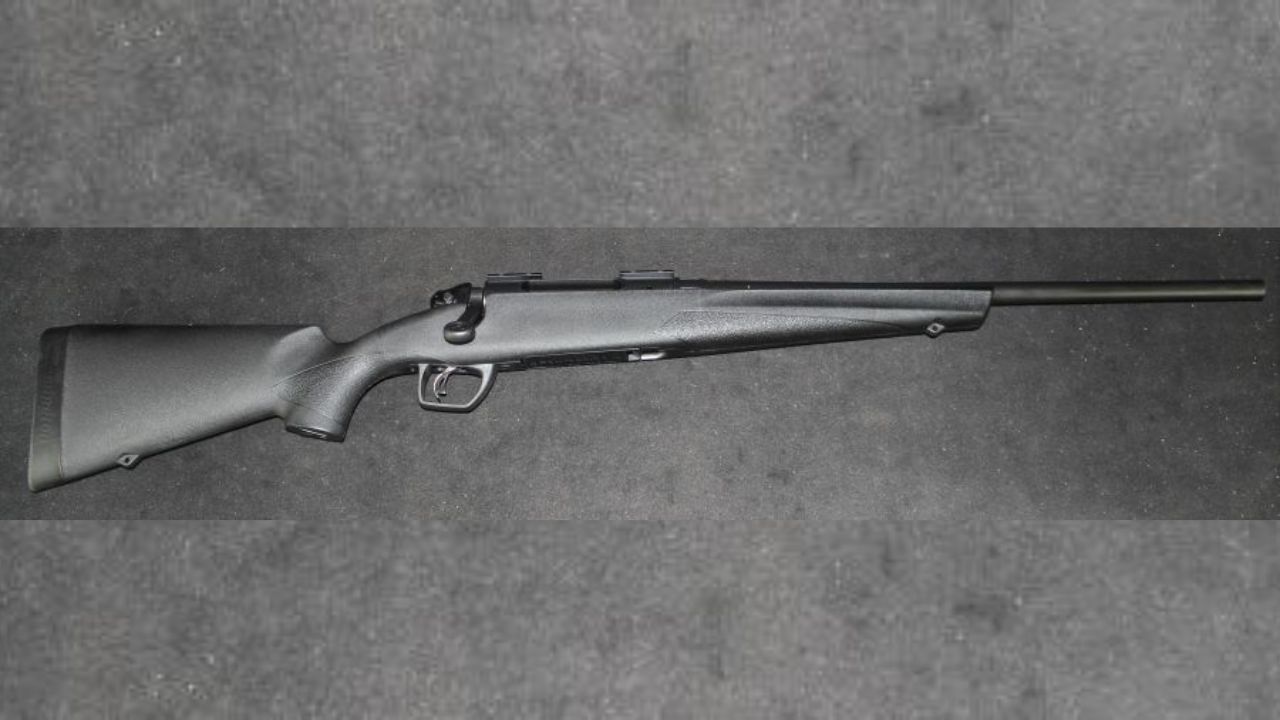
The 783 Compact is capable of accuracy on paper, but the compact design introduces challenges when shooting at longer ranges or from odd angles. The short length of pull can throw off your shoulder placement in heavy clothing, causing shots to leave the barrel inconsistently.
At the bench, the rifle stays controlled. In real terrain, especially during cold-season hunts, it becomes unpredictable. Hunters often discover that their zero doesn’t feel as “true” once adrenaline turns everything into a rushed setup.
Ruger M77 Ultralight

The Ultralight is a mountain hunter’s friend, but it’s notorious for being twitchy under field conditions. Lightweight rifles exaggerate movement, and the M77 Ultralight offers little margin for error when you’re breathing hard or shooting uphill.
It groups respectably from a rest, yet many hunters miss cleanly when forced to shoot quickly. That shaky sight picture combined with the rifle’s lively recoil impulse makes it a tough performer when the moment isn’t perfect.
Savage 110 Hog Hunter (Short-Barrel Models)
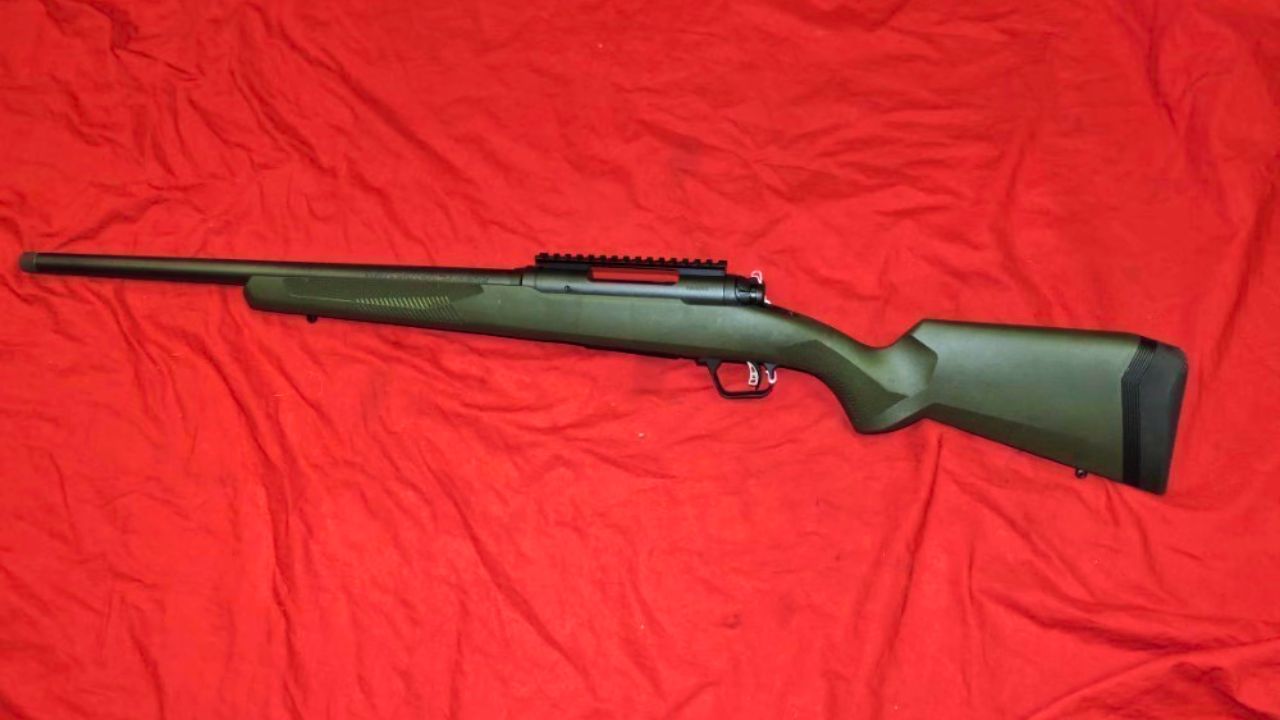
The Hog Hunter’s short-barrel versions shoot surprisingly well at the range, but real-world deer hunting exposes the limits of reduced velocity and heavy front weight. On the bench, it’s steady. In the field, the rifle feels front-heavy and slow to settle.
That awkward balance often leads to poor follow-through or uneven holds, especially when you’re twisted around a tree or shooting off sticks. Many hunters report paper precision that never fully translates to clean, confident field hits.
Like The Avid Outdoorsman’s content? Subscribe to our newsletter so you never miss an article.
Here’s more from us: