Photo credit: Iraqveteran8888/Youtube
Some older rifles feel like they were built with a little extra stubbornness in them. They may not be the lightest, prettiest, or most refined rifles around, but when you pick one up, work the action, and look at how they’ve held up after decades of use, it’s hard not to respect them.
A tough rifle doesn’t have to be fancy. It needs to survive bad weather, rough hands, truck rides, long seasons, and owners who didn’t always treat it gently. These older rifles still feel tougher than they probably should, and that’s exactly why people keep paying attention to them.
Enfield No. 4 Mk I

The Enfield No. 4 Mk I feels like a rifle built for a hard life because that’s exactly what it was. It wasn’t designed around delicate handling or perfect range-bench manners. It was made as a military rifle that could function in mud, cold, rain, and miserable conditions where a rifle had to work whether the soldier felt good or not.
What still stands out is how fast and rugged the action feels. The rear-locking bolt may not look modern, but it cycles quickly, and the ten-round magazine gave it real practical firepower for its era. A lot of surplus rifles feel like historical pieces first and shooters second. The No. 4 still feels like something you could drag through a wet field and expect to keep working. That kind of toughness doesn’t age badly.
Ruger M77

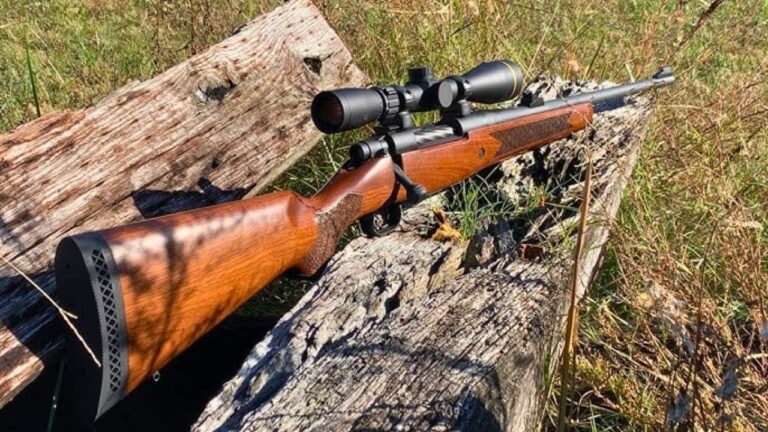
The older Ruger M77 has always had a solid, almost overbuilt personality. It doesn’t feel like a rifle made to shave every ounce or win over someone comparing spec sheets at the counter. It feels like a hunting rifle built for people who might actually knock it around in the field.
The tang-safety models especially have a loyal following because they combine classic looks with a strong action and practical handling. Triggers could vary, and not every rifle was a one-hole machine, but plenty of them were dependable hunting tools. The M77’s toughness shows up in the way it carries wear. Scratches and dings rarely make one look ruined. They just make it look like it has been doing rifle work for years.
Winchester Model 1917
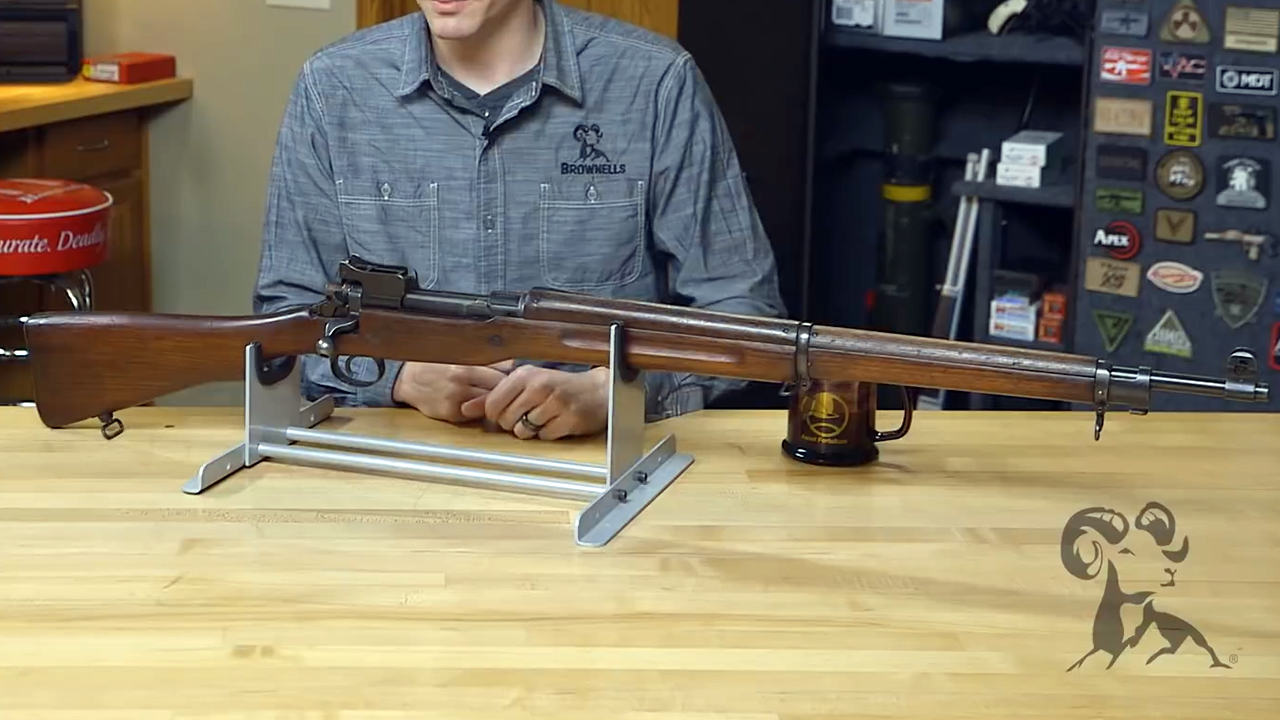
The Winchester-made Model 1917 is a big, strong rifle with military bones that still feel serious more than a century later. Built from the Pattern 1914 Enfield design and chambered in .30-06 for U.S. service, the Model 1917 has an action that became respected by hunters, gunsmiths, and custom rifle builders for good reason.
It is not a lightweight rifle, and nobody should pretend it carries like a modern mountain gun. But that weight and strength are part of why it still feels so tough. Many were sporterized into hunting rifles, sometimes beautifully and sometimes badly. A good one still has that stout, confident feel. It’s the kind of rifle that reminds you older military actions were often built with a margin of strength modern budget rifles rarely show.
Remington Model 760 Gamemaster
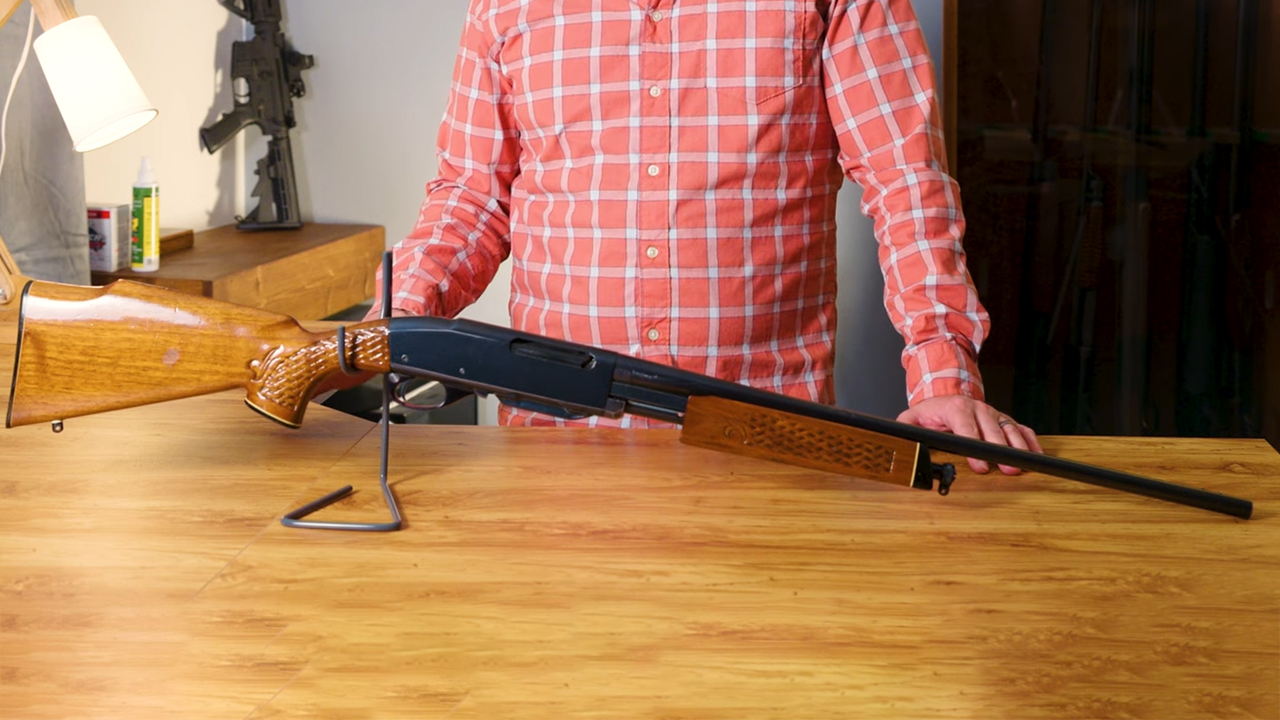
The Remington Model 760 Gamemaster is tougher than some people expect because pump-action centerfire rifles are easy to underestimate. If you’re used to bolt guns, the 760 can seem like an odd regional deer rifle. But in the woods where it built its reputation, it earned respect by working season after season.
The 760 gives hunters fast follow-up shots, serious chamberings, and familiar pump handling in a package that could handle real use. A lot of them rode in trucks, got carried through deer drives, and lived hard lives without falling apart. They’re not benchrest rifles, and condition matters on any used one. But a well-kept Gamemaster still feels like a rifle built for working hunters instead of safe queens.
Marlin 1895
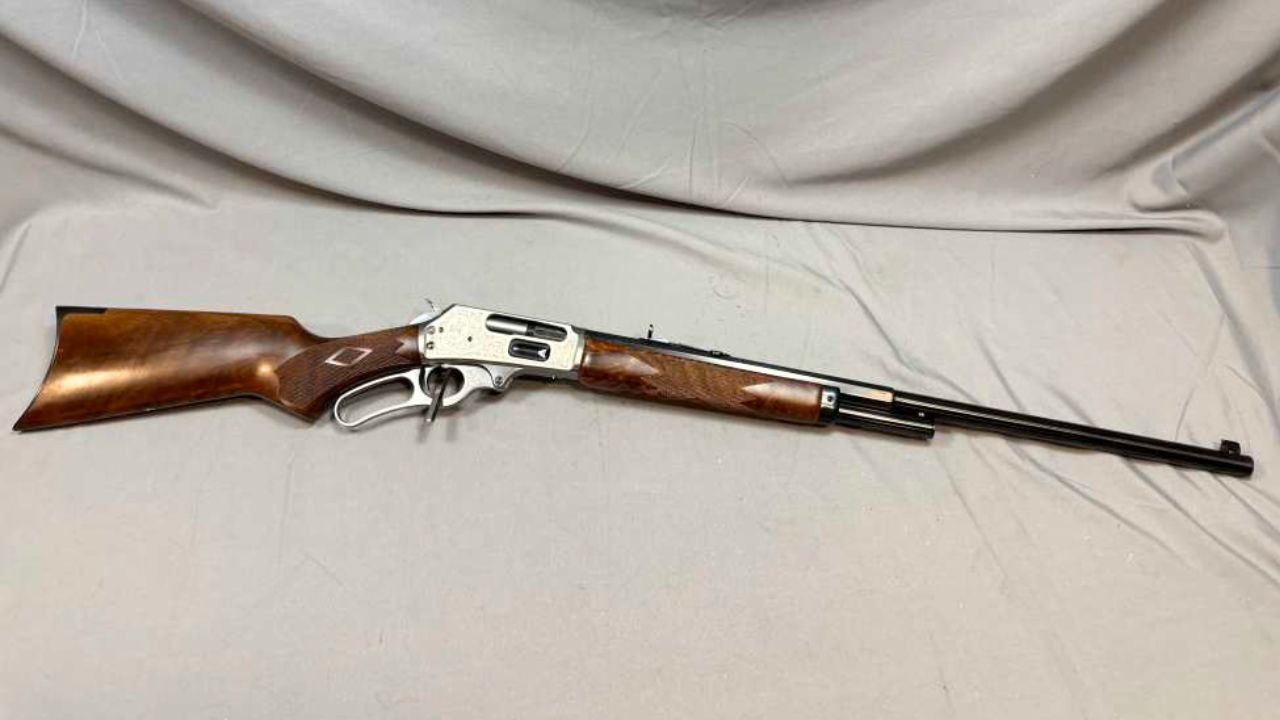
The Marlin 1895 has always had a tough-gun feel because it pairs lever-action handling with big-bore authority. Older examples, especially pre-Remington and well-made JM-marked rifles, have become especially respected because they feel solid, simple, and ready for hard use in close country.
A .45-70 lever gun is not delicate by nature. The 1895 carries shorter than its power suggests, cycles quickly, and gives hunters a lot of confidence in thick cover. It has been used for hogs, black bear, big woods deer, and defensive carry in rough country. It’s not a long-range rifle, but it doesn’t have to be. It feels tough because everything about it points toward one purpose: carrying hard and hitting harder.
Savage Model 99

The Savage Model 99 doesn’t always look rugged in the same way a military rifle does, but it’s tougher than its sleek profile suggests. It brought lever-action handling into a more modern hunting role, with a strong action and magazine system that allowed pointed bullets in many versions. That gave hunters more cartridge flexibility than traditional lever guns.
The 99’s toughness is in the way so many of them kept hunting for decades. These rifles went into deer camps, got carried through brush, rode in scabbards, and still maintained enough accuracy and function to remain trusted. They have more mechanical complexity than a basic bolt gun, so abused examples need careful inspection. But a good 99 still feels like one of the smartest, strongest sporting lever rifles ever built.
Mauser 98 Sporter
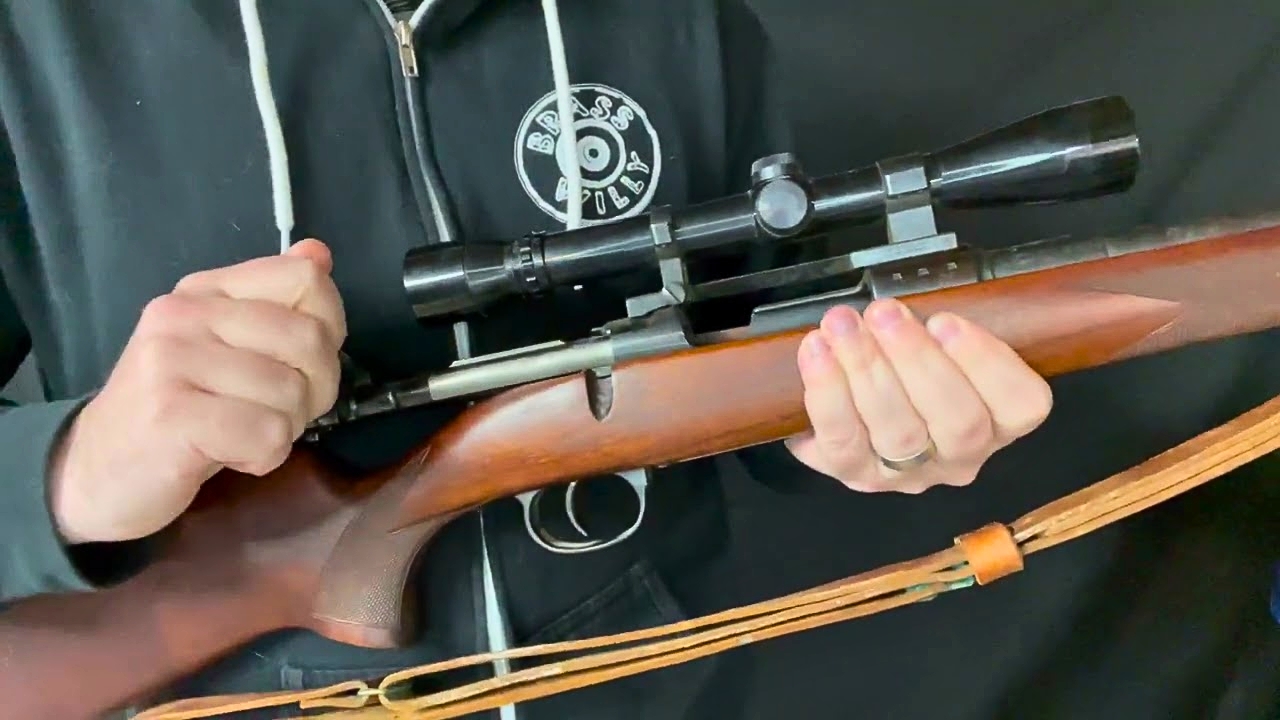
A Mauser 98 sporter can feel tougher than a lot of modern rifles before you even fire it. The action’s reputation was built on military service, and when converted into hunting rifles, it gave sportsmen controlled-round feed, a huge claw extractor, and a strong, dependable platform that could handle rough conditions.
Not every sporterized Mauser is equal. Some were carefully built by excellent gunsmiths, while others were chopped up in garages. But the action itself is the reason these rifles still matter. A good Mauser sporter feeds with authority and feels like it was designed around reliability first. Modern rifles may beat it on weight and sometimes accuracy, but few make you feel as confident when conditions get ugly.
Browning BLR Steel Receiver

The older steel-receiver Browning BLR rifles have a toughness that doesn’t always come through in photos. They look like sleek lever guns, but they are built around a geared action and rotating bolt that lets them handle modern high-pressure cartridges with pointed bullets. That alone separates them from more traditional lever-actions.
The steel-receiver versions feel especially solid. They’re not featherweights, but they balance well and carry a sense of strength that hunters notice. Chamberings like .308 Winchester, .358 Winchester, and .243 Winchester gave them real hunting versatility. The BLR is more mechanically complex than a standard lever gun, but when cared for properly, it feels like a rifle built to do work most lever-actions can’t handle.
Finnish M39 Mosin-Nagant
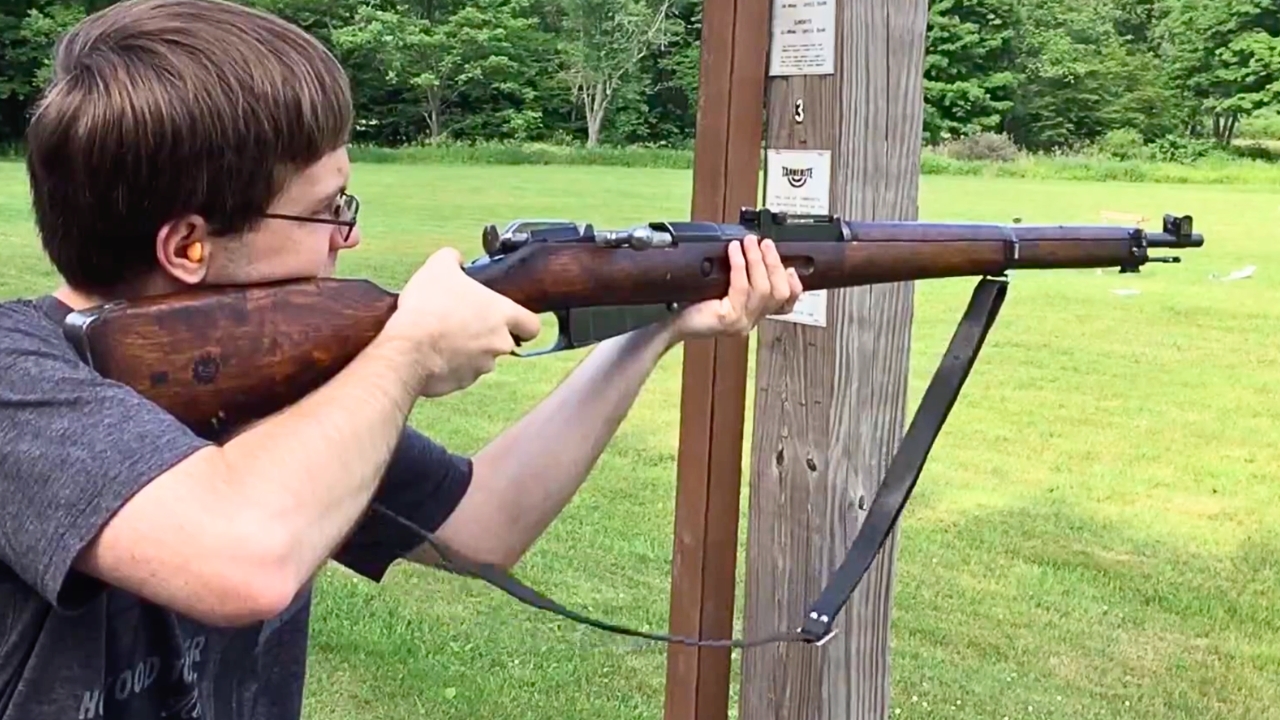
The Finnish M39 is what happens when a rough military design gets rebuilt by people who cared deeply about accuracy and field performance. Based on the Mosin-Nagant action but upgraded with better barrels, stocks, sights, and overall workmanship, the M39 feels much better than many people expect from a Mosin-family rifle.
It is heavy, long, and not remotely modern. But it feels tough in the best old-world military way. The Finns built these rifles for brutal conditions, and that shows. Many still shoot surprisingly well, especially compared with more ordinary surplus Mosins. It’s not the smoothest rifle in the world, but it has a stubborn reliability and cold-weather credibility that makes a lot of newer rifles feel a little soft.
Winchester Model 88
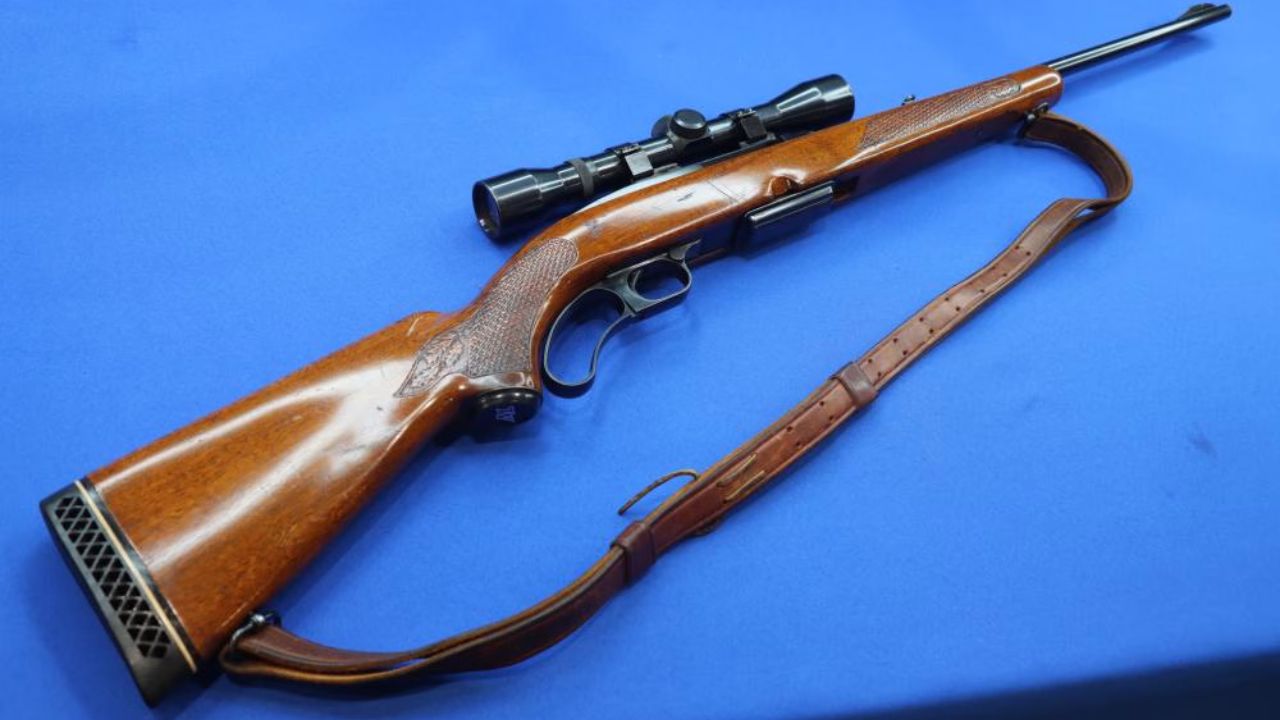
The Winchester Model 88 is tougher than its refined sporting-rifle look might suggest. It combined lever-action speed with a rotating bolt and detachable magazine, allowing it to handle modern pointed-bullet cartridges. That made it a very different animal from traditional tube-fed lever guns.
The Model 88 feels like Winchester tried to build a modern deer rifle without giving up lever-action handling. It has more moving parts than a bolt gun, so condition matters, but a good one feels strong and purposeful. Hunters used them hard in chamberings like .308 Winchester and .243 Winchester, and many still shoot well today. It’s one of those rifles that looks classy but was built to work.
Remington Model 721
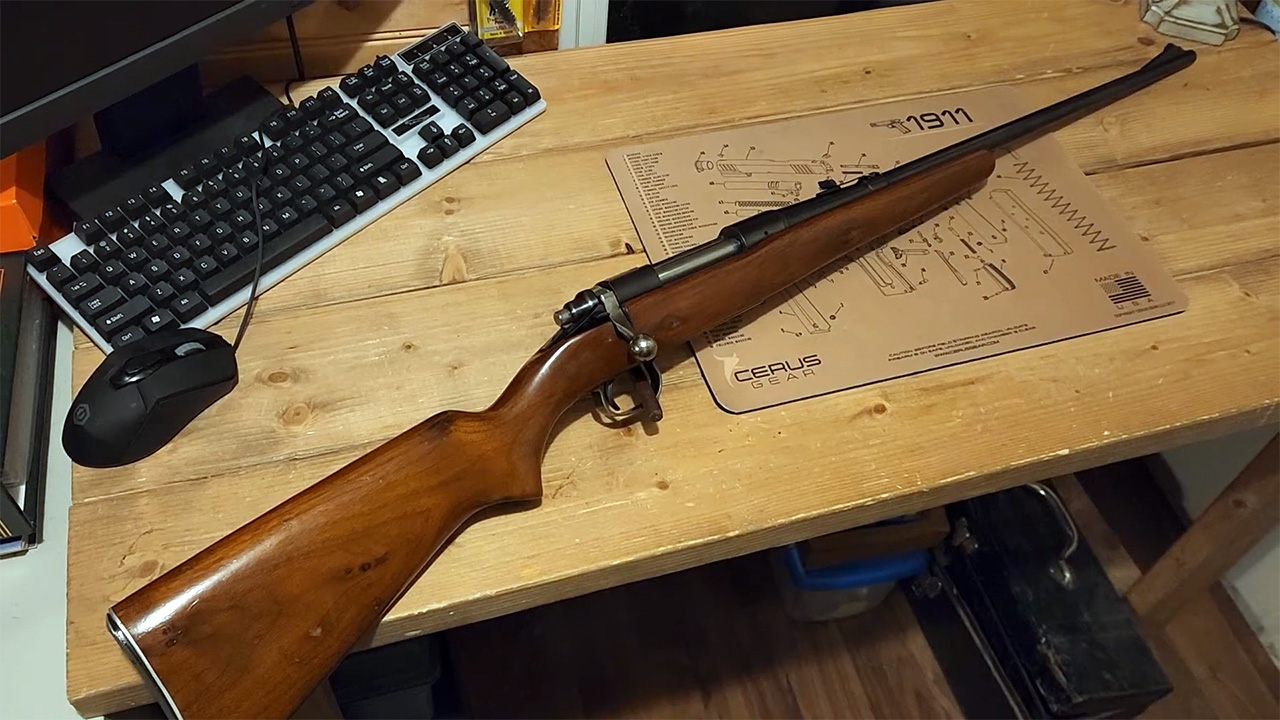
The Remington Model 721 may not have the charm of a polished walnut classic, but it has honest strength. It was built after World War II as a practical bolt-action hunting rifle, and its design helped lead into the Model 700. The 721 was plain, but plain in a way that feels sturdy.
These rifles were chambered in serious hunting rounds and carried by people who needed function more than flash. The action is strong, the rifles often shoot well, and the overall feel is more durable than stylish. Compared with some modern budget rifles, the 721 feels like it came from a time when even plain rifles were expected to last. That makes it easier to respect today than it may have been when it was common.
Springfield 1903A3

The Springfield 1903A3 is another older military rifle that still feels tougher than many modern shooters expect. It simplified some parts of the earlier 1903 design for wartime production, but it still kept the strength and utility that made the rifle respected. Chambered in .30-06, it remains a serious piece of American rifle history.
The 1903A3’s aperture sights are a major strength, and the action feels solid in a way that speaks to its military purpose. Many were sporterized, some were preserved, and others lived rough lives. A good one still feels like a rifle built for more than casual range use. It may be old, but it doesn’t feel fragile. It feels like it has already outlasted more than most modern rifles ever will.
CZ 550 Safari Magnum

The CZ 550 Safari Magnum is not as old as some rifles here, but it belongs because it already feels like a throwback to tougher rifle-making. Built around a Mauser-style controlled-round-feed action and chambered for dangerous-game cartridges, it has the kind of strength hunters want when things can bite, stomp, or charge back.
It is heavy, and that is part of the point. The weight helps with recoil and gives the rifle a planted feel. The big extractor, strong action, and practical stock design made it respected among hunters who wanted serious power without jumping into custom-rifle money. The CZ 550 Safari Magnum feels tougher than most modern rifles because it was built around real consequences, not casual deer-stand marketing.
Marlin 336

The Marlin 336 has lived so many hard lives in deer camps that its toughness is almost easy to overlook. It’s a lever-action .30-30 that spent decades riding in trucks, leaning in corners, crossing creeks, and getting pulled into stands before daylight. That kind of ordinary use is exactly what proves a rifle.
The 336’s side-ejecting receiver, solid top, and simple lever-action design made it practical for hunters who wanted a scope-friendly woods rifle. It doesn’t have long-range glamour, but it handles real hunting conditions well. A beat-up 336 often still has plenty of life left if the bore and action are sound. It’s tough in the way a farm truck is tough: not fancy, but hard to kill.
Ruger No. 1
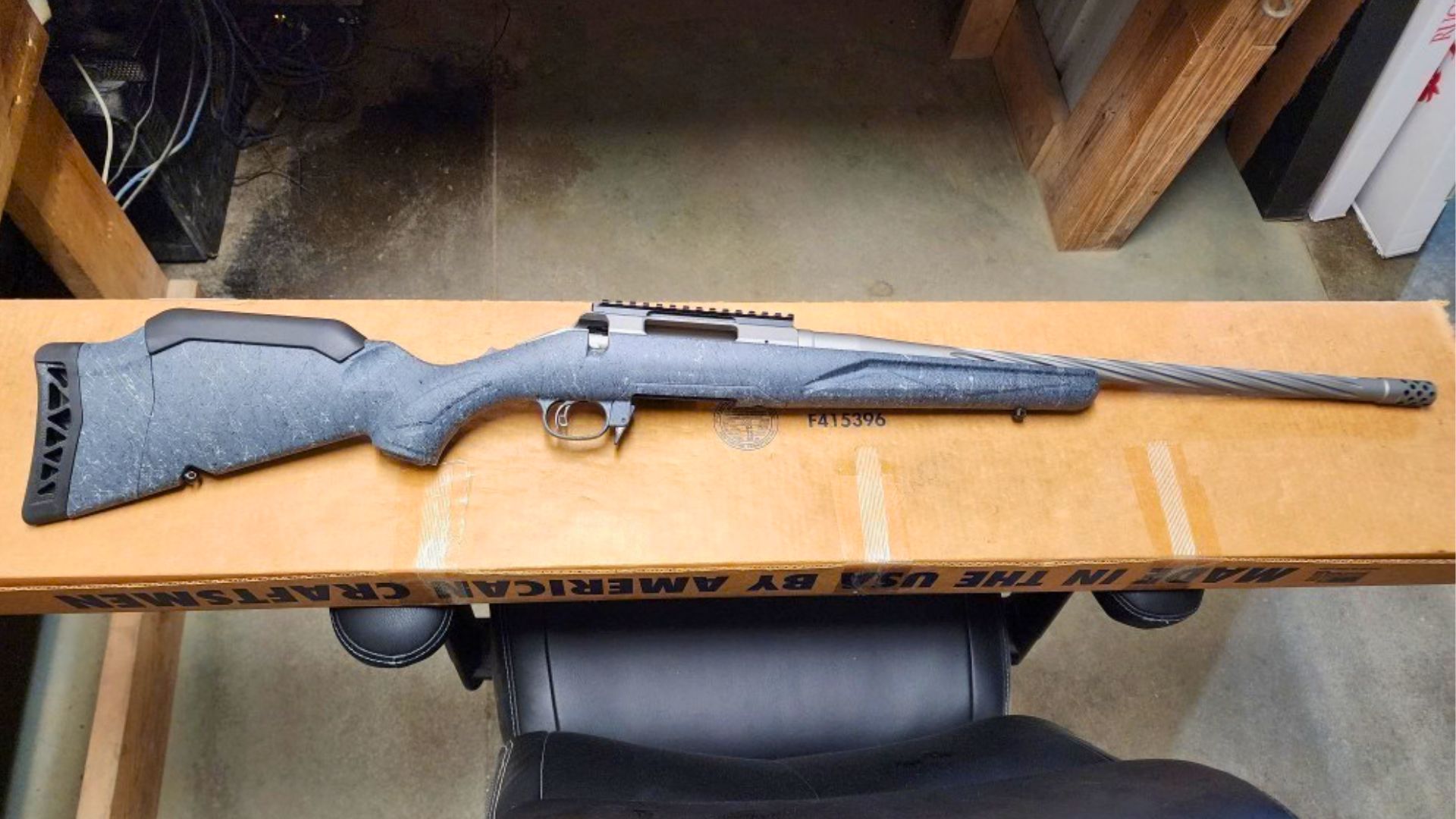
The Ruger No. 1 feels tougher than a single-shot rifle probably has any right to feel. Its falling-block action is strong, compact, and clean, giving shooters a rifle that can handle a wide variety of cartridges in a shorter overall package than many bolt-actions with the same barrel length.
The No. 1 isn’t for everyone because it forces a slower, more deliberate style of shooting. But the action itself has a serious, overbuilt feel. In hard-kicking chamberings, it feels like a compact block of steel and walnut built around one good shot. The design has elegance, but it also has strength. That combination is why the No. 1 still earns respect from hunters who understand it.
Like The Avid Outdoorsman’s content? Subscribe to our newsletter so you never miss an article.
Here’s more from us: