
Photo credit: TFB TV/YouTube
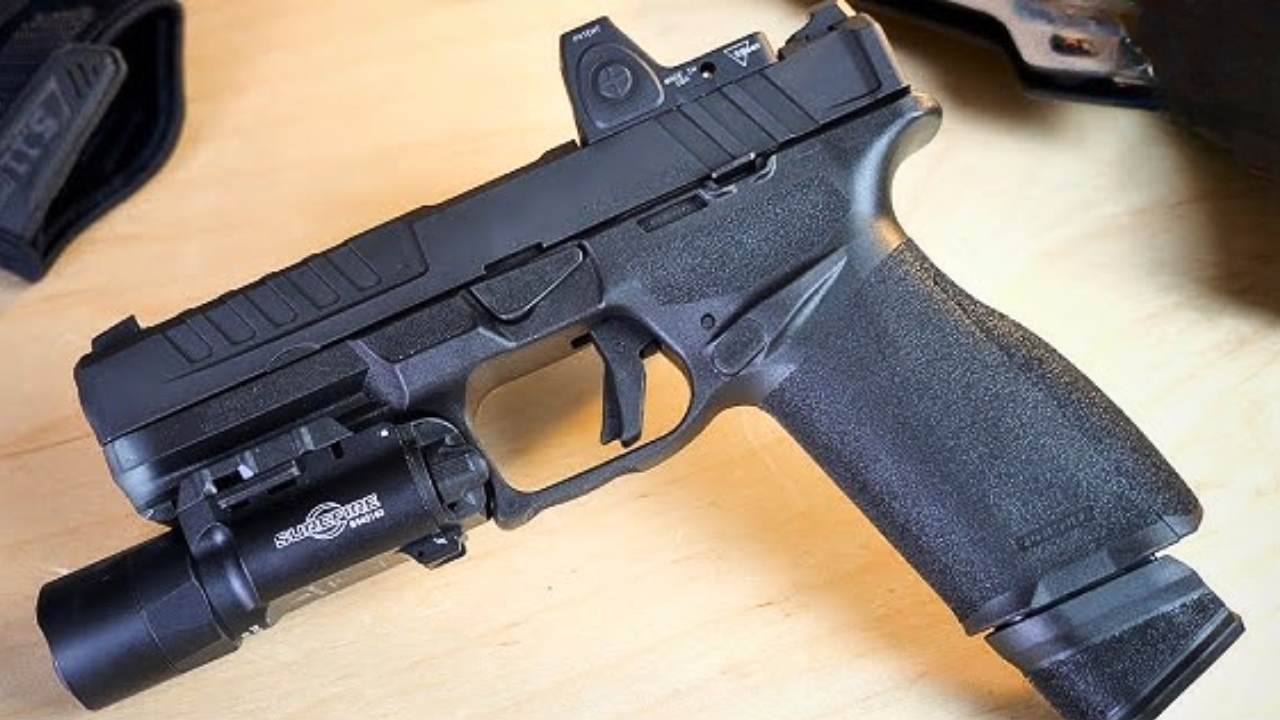
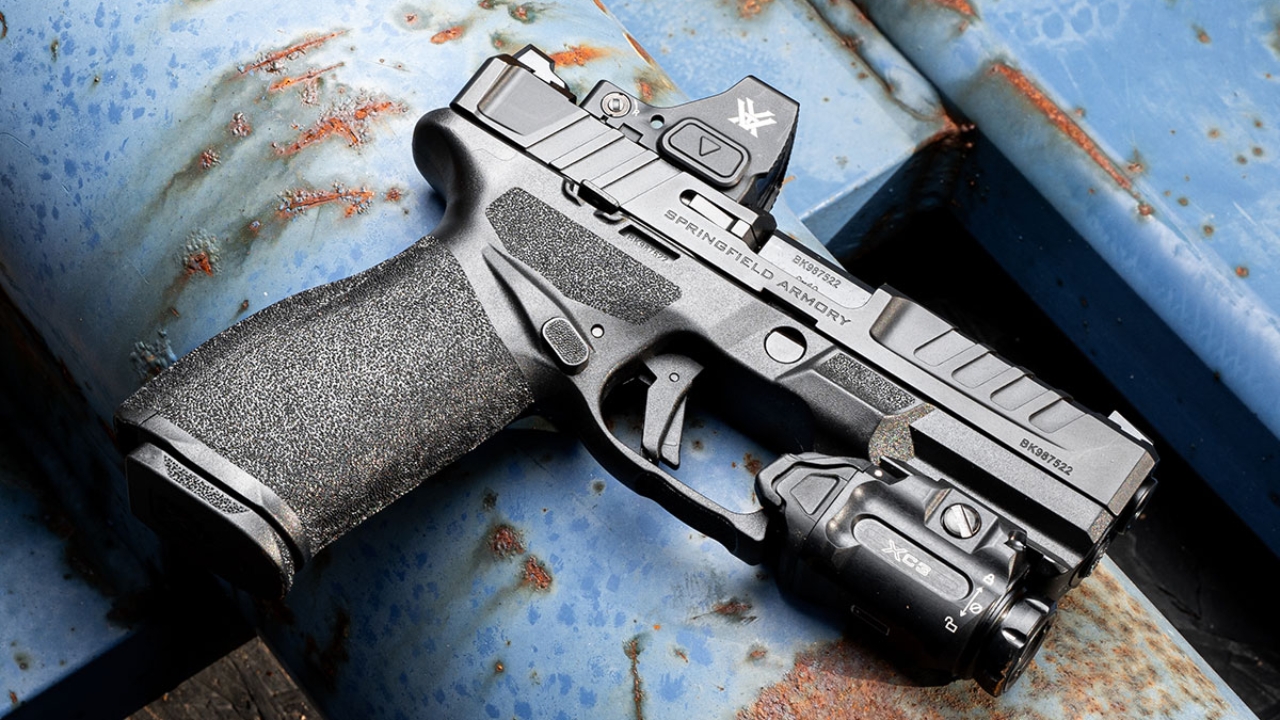
The Springfield Echelon is one of those pistols that landed with a very specific kind of buzz. It was not just “Springfield’s new striker-fired gun.” It was a full-size, duty-grade 9 mm built around a new serialized chassis, a new optics-mounting system, and a fully ambidextrous control layout. Springfield launched it on July 12, 2023, and both Springfield’s own materials and early industry coverage framed it as a major departure from the company’s earlier polymer pistol lineup.
What makes the Echelon especially interesting is that Springfield did not pitch it around just one gimmick. The company tied the gun’s identity to two big ideas at once: the modular Central Operating Group (COG) chassis and the Variable Interface System (VIS) for red-dot mounting. Springfield’s own press materials and later award announcements kept returning to those same two features, which tells you exactly what the company thinks sets the pistol apart.
1. The Echelon launched in 2023

The Echelon officially hit the market in July 2023. American Rifleman said Springfield unveiled the pistol on July 12, 2023, and Shooting Illustrated’s first-look coverage also pegged the release to that same summer launch window.
That timing matters because Springfield was not just refreshing an older polymer design. The company was launching an all-new duty pistol into a market already crowded with mature striker-fired options, which meant the Echelon had to show up with something genuinely different. That last point is an inference based on the way the launch coverage stresses the design as a “huge departure” and “unlike anything” Springfield had offered before.
2. The serialized part is the Central Operating Group, or COG

Springfield’s award announcement says the Echelon is built around the patent-pending Central Operating Group (COG), describing it as an entirely self-contained and serialized stainless-steel chassis.
That matters because the Echelon is not serialized in the old “polymer frame is the gun” way most shooters expect. Springfield built the pistol around a removable core, which immediately made the platform feel more modular and more future-proof. That second sentence is an inference grounded in Springfield’s description of the COG as self-contained and transferable between grip modules.
3. Springfield says the COG can be moved between grip modules in seconds
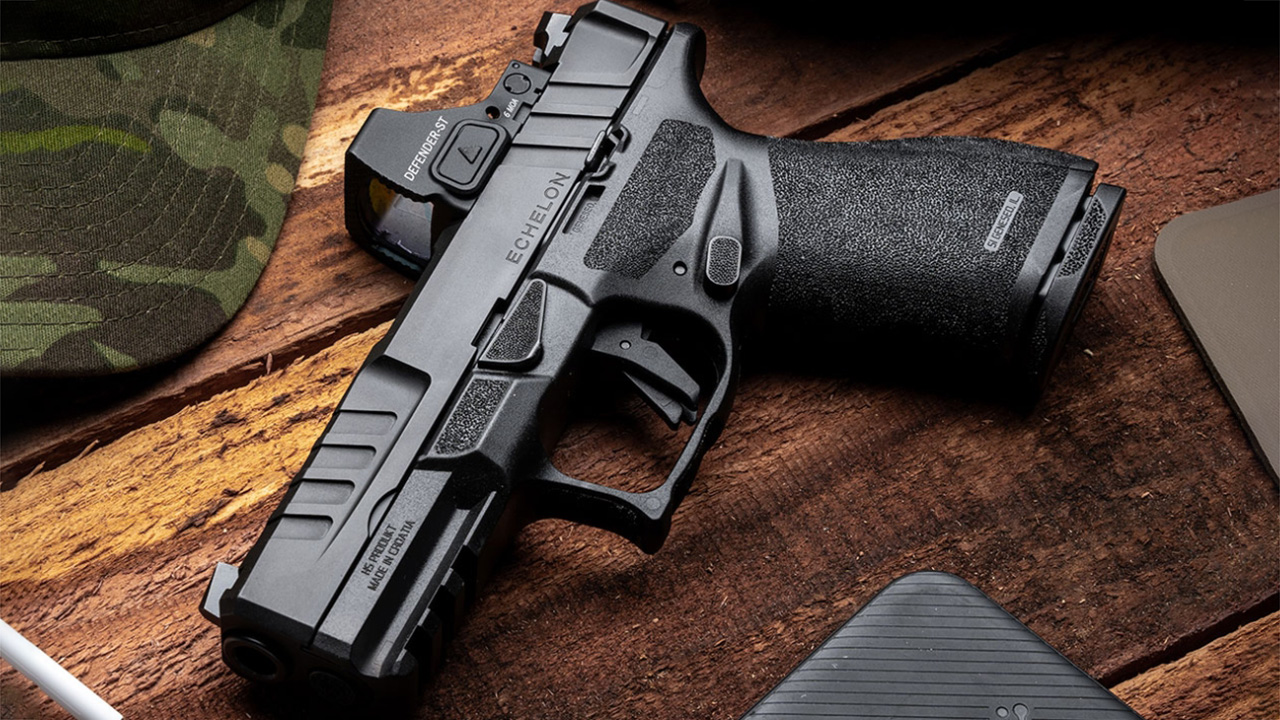
Springfield’s October 2023 award release says the modular COG can be moved between available grip modules in seconds.
That is a big deal because it means Springfield was not just using the chassis idea for manufacturing convenience. The company was clearly presenting it as part of the user-facing flexibility of the system too. That interpretation is an inference, but it follows directly from Springfield emphasizing transfer between grip modules as a feature rather than a hidden internal detail.
4. The VIS optics system is one of the pistol’s biggest signature features
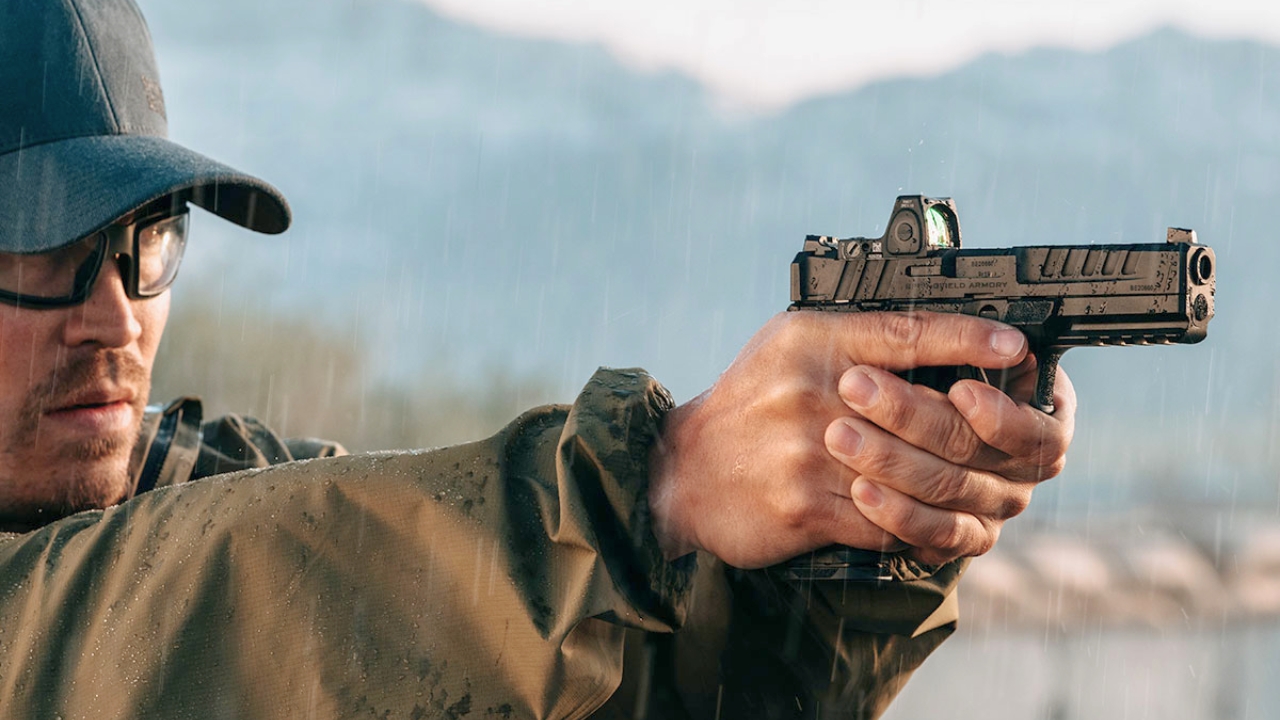
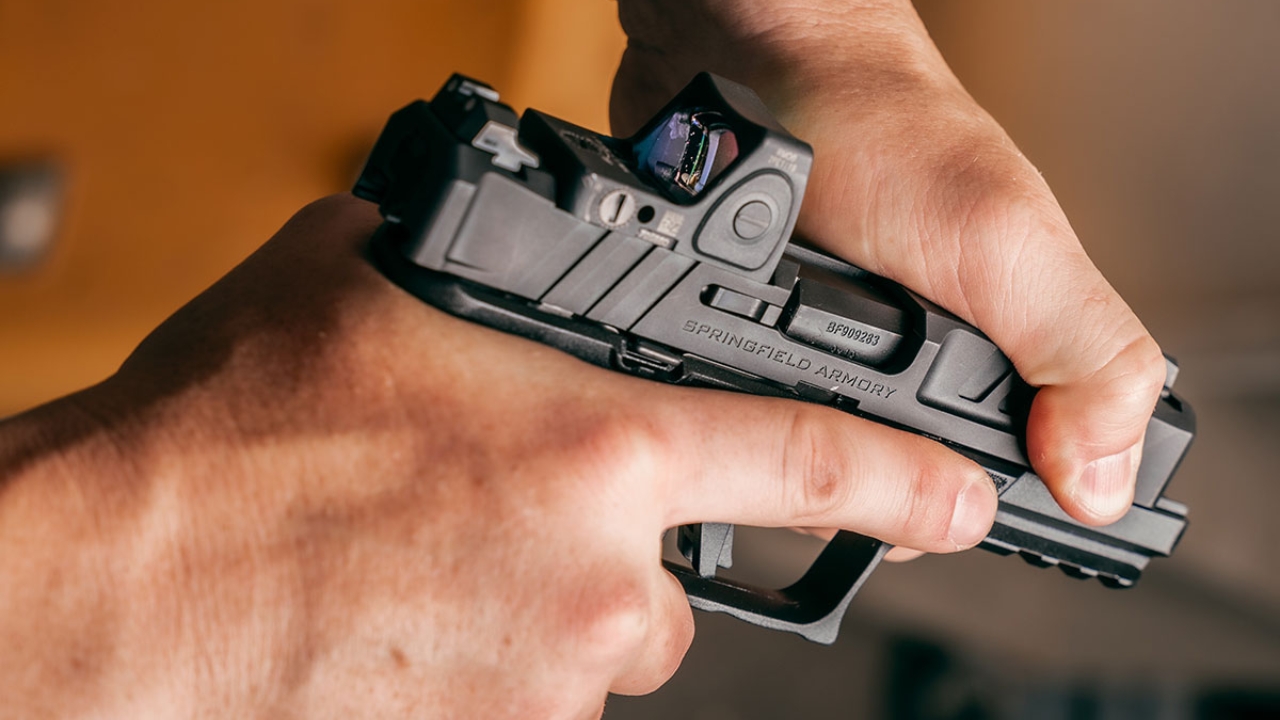
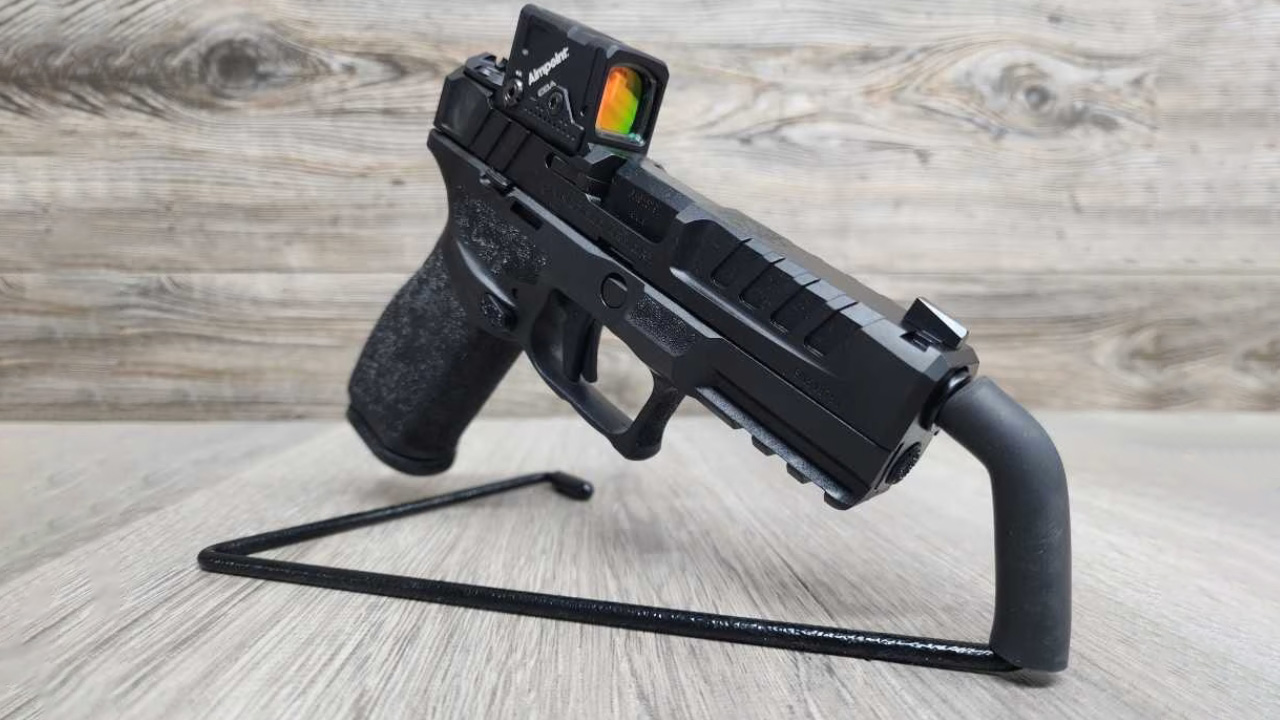
Springfield and outside reviewers keep coming back to the Variable Interface System (VIS). American Rifleman’s early Echelon coverage says the VIS allows direct mounting of many popular optics, while Springfield’s own award release says the system uses self-locking pins as part of a very adaptable optics-mounting setup.
That matters because the Echelon was not simply “optic-ready” in the usual modern-pistol sense. Springfield was trying to make optics mounting one of the reasons to buy the gun, not just a box that had to be checked. That conclusion is an inference grounded in how heavily the VIS is emphasized across launch and award materials.
5. The VIS system uses plates and pins, not just the usual simple cut

American Rifleman’s 2025 review explains that the VIS uses two plates and a series of pins to anchor different red-dot footprints, and the 2023 feature says the system can use one of two adapter plates or different sets of pins to fit a wide variety of optics.
That is one of the easiest things to miss if you only glance at the pistol. The Echelon’s optics setup is not just another MOS-style clone or a one-footprint cut. Springfield built a more involved system specifically to widen compatibility. That last point is an inference based on the way American Rifleman describes the multiple plates and pin arrangements.
6. Springfield said the VIS could direct-mount more than 30 popular optics
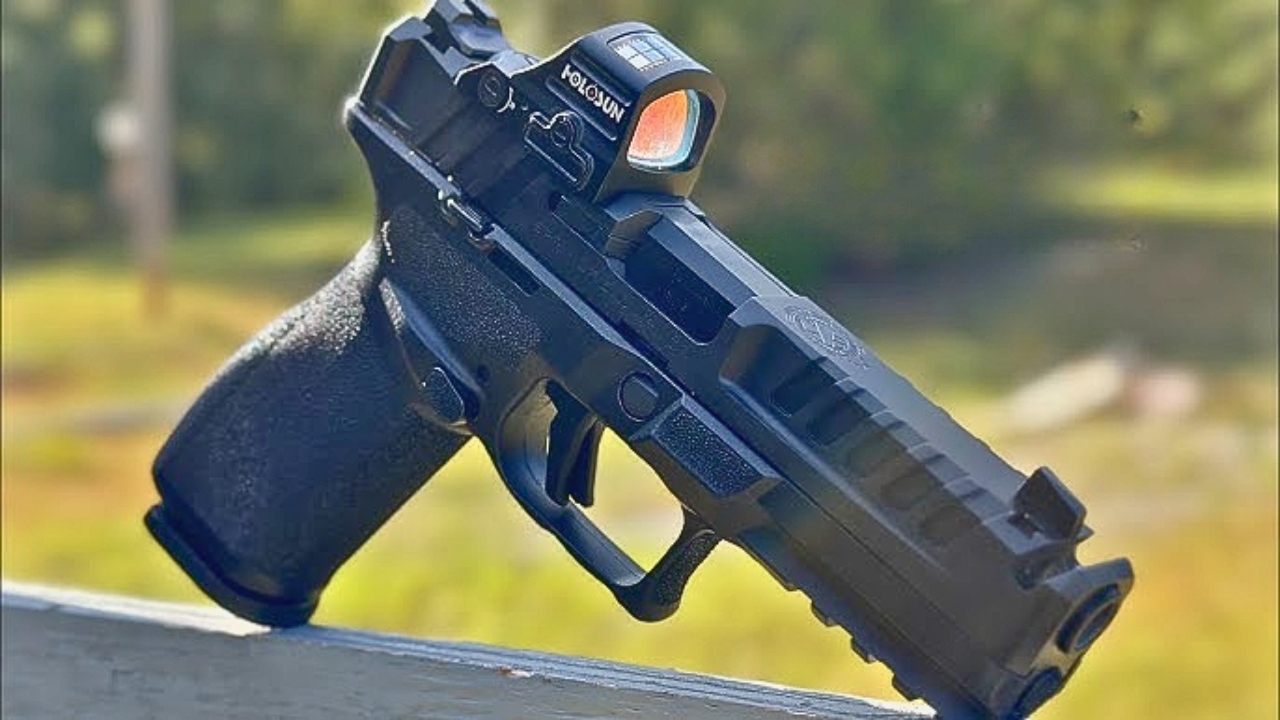
Springfield’s September 2023 press release about The Armory Life issue says the Echelon’s VIS allows direct mounting of more than 30 of the most popular red-dot optics.
That is a pretty aggressive compatibility claim, and it helps explain why the VIS got so much attention so quickly. A lot of buyers were tired of fragmented pistol-optic standards, and Springfield clearly wanted the Echelon to feel like a cleaner answer to that mess. That second sentence is an inference grounded in the way the company marketed the optics system.
7. The original Echelon was a full-size 9 mm duty pistol
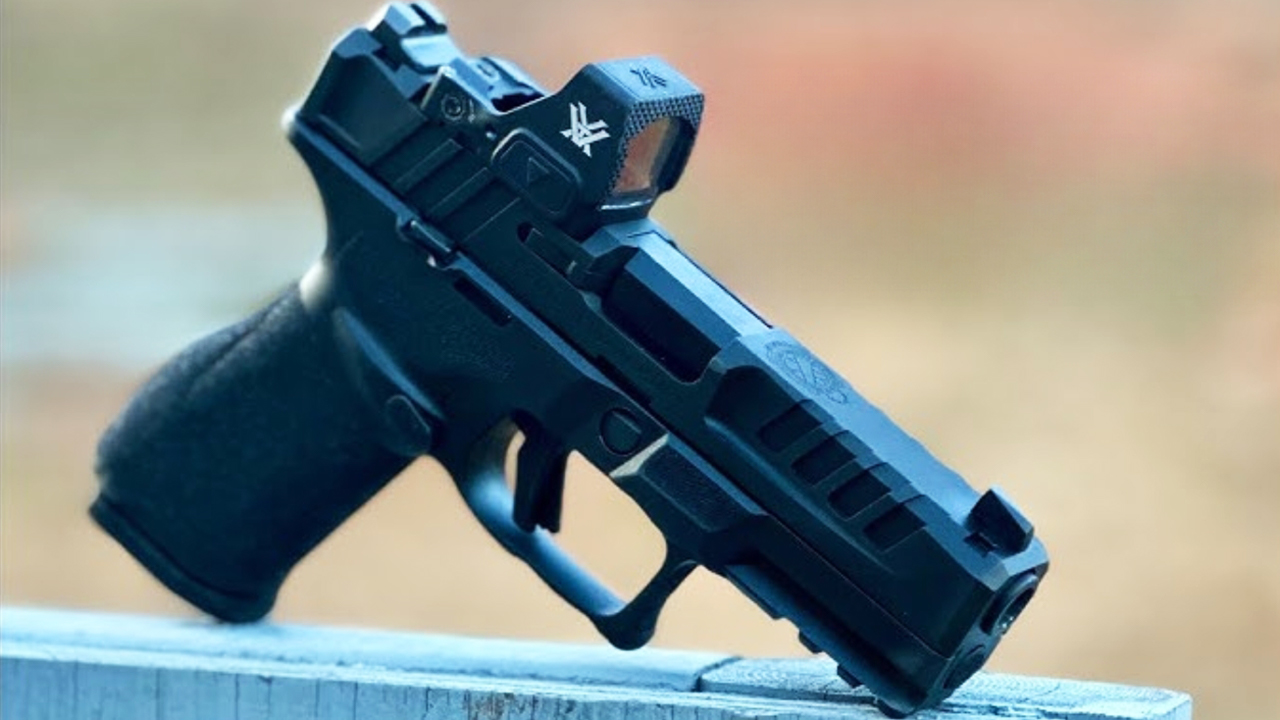
Shooting Illustrated’s first-shots piece says the pistol was designed as a full-size, completely ambidextrous 9 mm handgun, and American Rifleman’s early coverage gave dimensions of just under 7.5 inches overall with a 4.5-inch hammer-forged steel barrel.
That matters because Springfield was not starting small and building upward. The Echelon entered the market first as a duty-size service pistol, which makes the later compact branches easier to understand as offshoots rather than the main identity of the line. That conclusion is an inference grounded in the original full-size launch description and later compact coverage.
8. It shipped with 17-round flush-fit magazines in the original full-size form
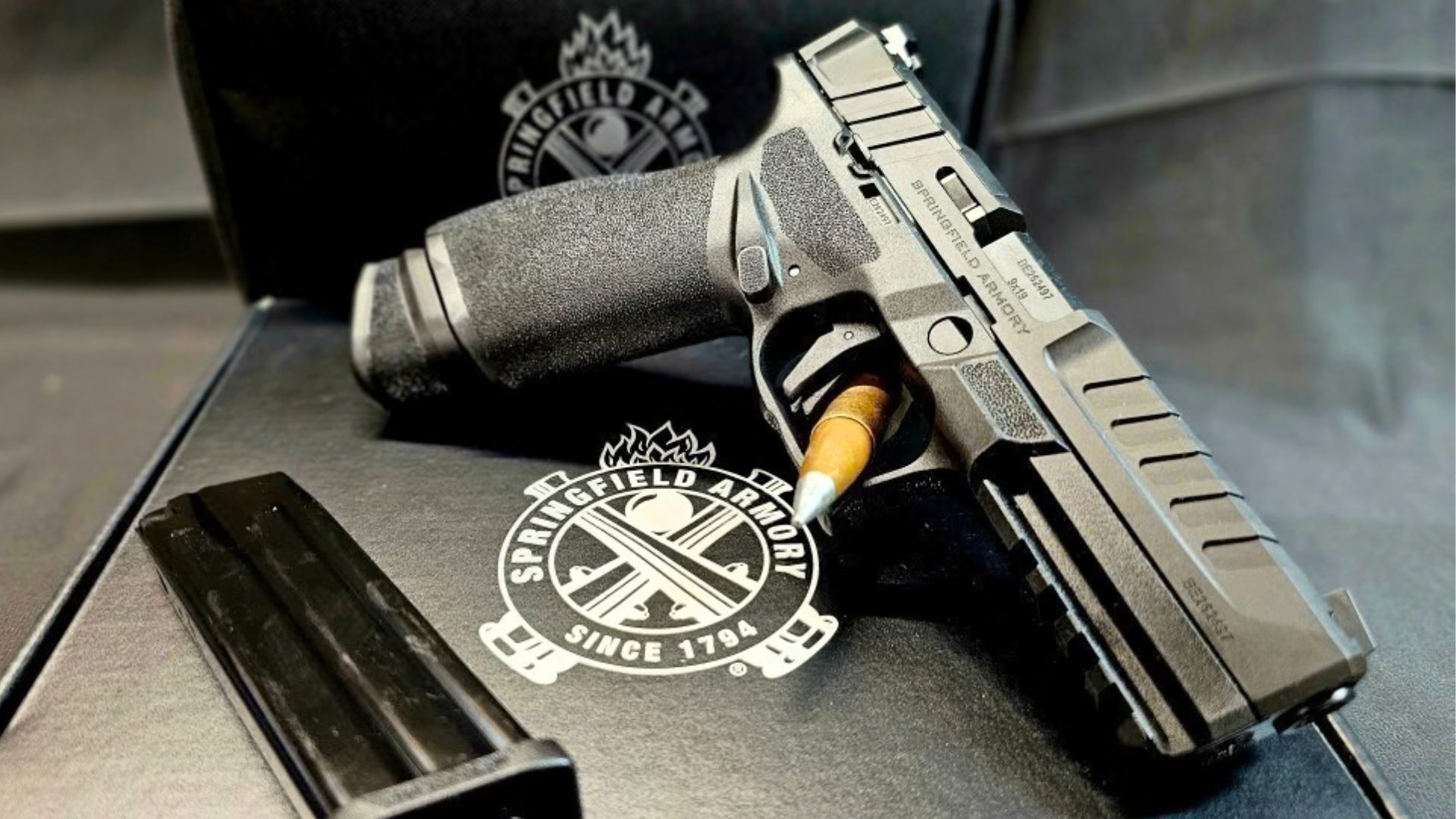
American Rifleman’s July 2023 “Gun of the Week” says the full-size Echelon used a 17-round flush-fit magazine.
That is worth noticing because Springfield clearly wanted the Echelon to compete in the standard modern duty-pistol capacity class right out of the gate. The company was not giving up anything obvious on paper while trying to sell buyers on the new optics and chassis ideas. That interpretation is an inference based on the duty-size format and 17-round spec.
9. The controls are fully ambidextrous

Springfield’s October 2023 press release says all controls, from the slide lock lever to the magazine release, are fully ambidextrous, and Shooting Illustrated’s early coverage also described the pistol as completely ambidextrous.
That matters because the Echelon was built to feel like a true duty-grade service pistol, not just a consumer range gun with a few premium touches. Fully ambidextrous controls fit that role perfectly. That conclusion is an inference grounded in the model’s full-size launch positioning and control layout.
10. The original barrel is hammer-forged

American Rifleman’s 2023 “Gun of the Week” says the Echelon uses a 4.5-inch hammer-forged steel barrel.
That is one of those details that reinforces the pistol’s “serious service gun” identity. Springfield was not pitching the Echelon as a stripped-down optics host. It was pairing the modular and optics story with the kind of barrel and size specs buyers expect from a duty pistol. That interpretation is an inference grounded in the full-size barrel description and overall launch framing.
11. The sight system stood out early too
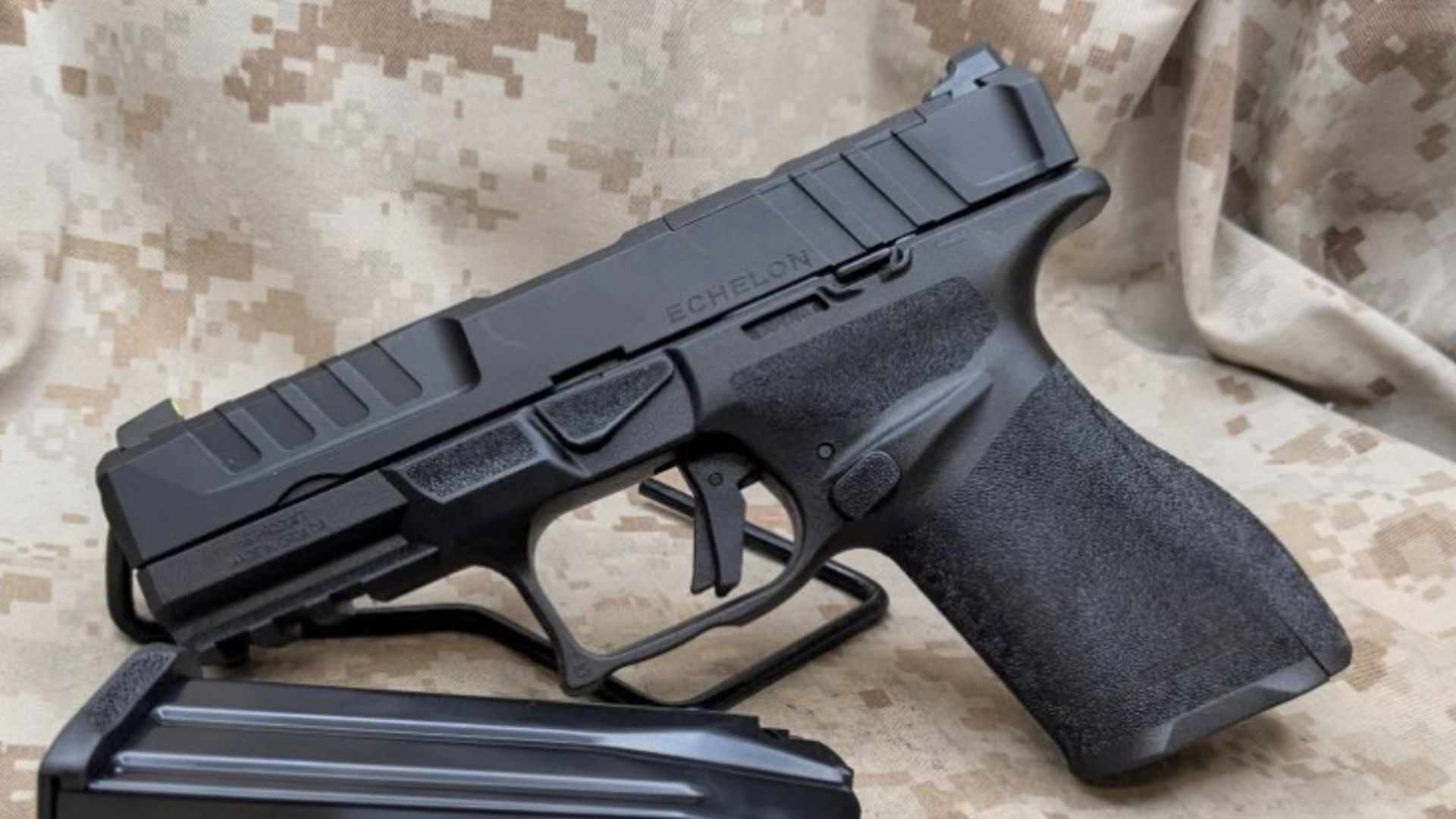
American Rifleman’s early test said the pistol came with a dovetailed Tactical Rack U-Dot rear and tritium-dot front sight system, and the review praised the “ball-and-basket” sight picture as both fast and precise enough for longer-range work.
That matters because the Echelon was not designed around optics only. Springfield clearly expected many buyers to use the gun with irons for at least part of its life, and it treated the factory sight system seriously. That conclusion is an inference based on the attention paid to the sights in the early evaluation.
12. Early long-form testing was very positive
Shooting Illustrated’s December 2023 2,000-round test said the pistol had already gone through an initial 750-round review and then continued through more use without drama or malfunctions, despite only light, casual cleaning.
That is important because a pistol with this many “new system” talking points could have easily built a reputation as clever but finicky. Instead, at least in that extended test, the Echelon came off as both innovative and dependable. That second sentence is an inference grounded in the 2,000-round-test summary.
13. The pistol picked up early award recognition
Springfield’s November 2023 press release says the Echelon won the NASGW-POMA 2023 Best New Handgun award, and another Springfield release says it was named Guns & Ammo Handgun of the Year.
That matters because the Echelon did not just get curiosity coverage. It got pretty immediate industry recognition, which suggests the design made a stronger impression than the average annual striker-fired launch. That impression is an inference based on the award momentum Springfield highlighted.
14. Springfield quickly expanded the line after launch
By 2024 and 2025, the Echelon family had already expanded beyond the original full-size pistol. Shooting Illustrated covered a manual-safety variant in 2024, and American Rifleman’s 2025 coverage says the Echelon 4.0 compact model had already been introduced in 2024 before the later 4.0C Comp arrived.
That tells you the Echelon was not treated like a one-year experiment. Springfield moved quickly to turn it into a real pistol family, which is usually a strong sign that the platform landed well. That second sentence is an inference grounded in the rapid expansion.
15. The Echelon was Springfield’s attempt to reset its whole striker-fired identity
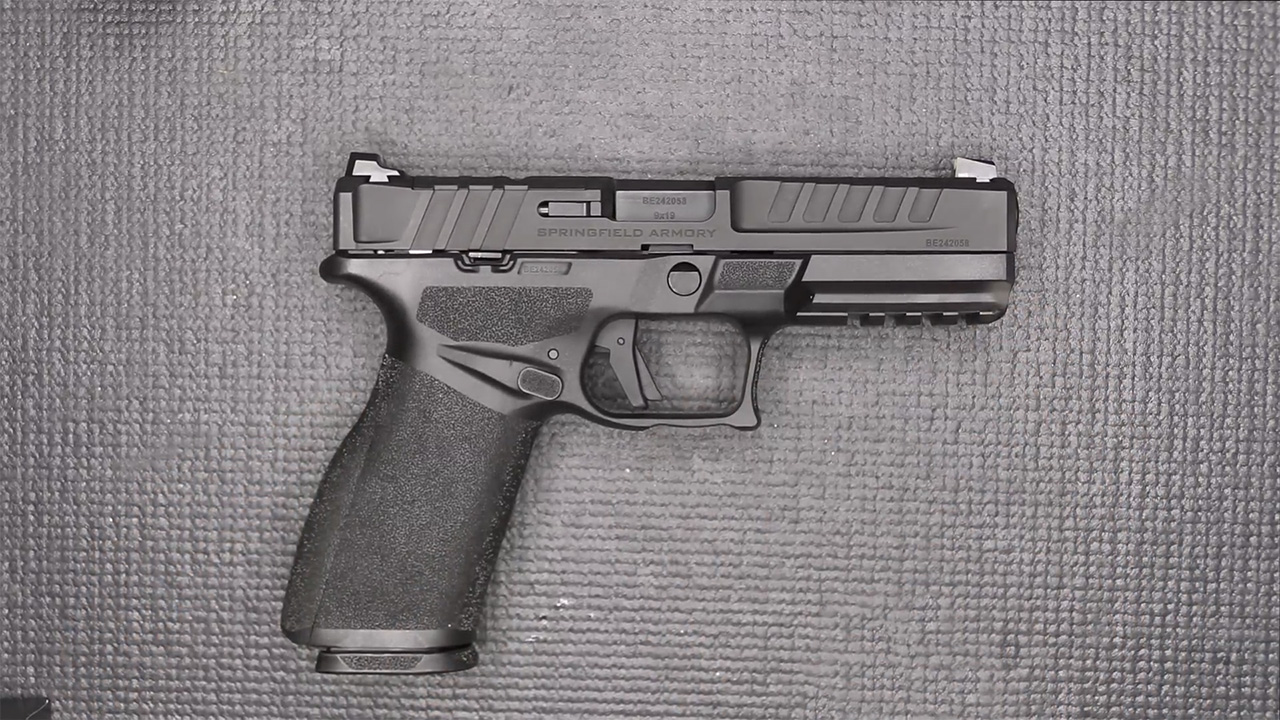
The most interesting thing about the Echelon is that Springfield did not market it as a small update to an older pattern. From launch coverage through later award releases, the company treated it as a full-size, fully ambidextrous duty pistol built around an all-new COG chassis and a distinctive VIS optics system.
That is why the Echelon got attention so quickly. It was not just another polymer 9 mm. It was Springfield trying to plant a new flag in the modern duty-pistol space — and for a lot of shooters, it looked like a serious try.
Like The Avid Outdoorsman’s content? Be sure to follow us.
Here’s more from us:


