Photo credit: Savage Arms
A lot of “budget rifles shoot fine” talk falls apart when you start chasing consistency instead of a lucky three-shot group. The good news is most affordable hunting rifles aren’t cursed. They’re usually held back by one weak link—something that flexes, shifts, or makes you fight the gun instead of shooting it. Fix that one thing and the rifle often settles down fast.
I’m not talking about full custom builds or dumping money into parts until you could’ve bought a nicer rifle. I mean one smart swap that solves a common problem: a mushy trigger that makes you yank shots, a flimsy stock that touches the barrel under pressure, or bargain mounting hardware that won’t hold a scope still. Do one of these changes, confirm your action screw torque, and you’ll be shocked how many “cheap” rifles start printing like they mean it.
Savage Axis

The Axis gets blamed for a lot of things that are really trigger problems. The rifle often has a perfectly serviceable barrel and action, but a gritty, heavy pull makes you snatch shots and call it “inaccurate.” Swap the trigger for a better unit and you’ll usually see groups tighten immediately because you can actually break the shot clean.
What makes this a smart one-part fix is how direct the payoff is. The rifle doesn’t magically become a benchrest gun, but it becomes easier to shoot well from hunting positions. That matters more than tiny paper groups. A cleaner break and more predictable pull lets you stay on the sight picture instead of wrestling the trigger. If you want a budget deer rifle that feels more confident in your hands, this is one of the best upgrades per dollar.
Ruger American

The Ruger American often shoots better than it feels, and the weak link is usually the factory stock. Many examples are accurate, but the stock can flex enough that it changes how the rifle rides bags, bipods, or a hard rest. Swap to a stiffer aftermarket stock and you’ll usually see the rifle settle down, especially as you vary shooting positions.
The best part is consistency. A rigid stock helps keep the barrel truly free and keeps your point of impact from changing when you load into a sling or press into a tree rail. That’s real hunting accuracy, not just range accuracy. You’re not trying to make it fancy. You’re trying to stop the rifle from moving around underneath you. Do that, and the American usually starts shooting like it’s in a higher price class.
Remington 783

A lot of “my 783 won’t group” stories end up being a scope-mounting issue. The rifle itself often shoots acceptably with hunting ammo, but the factory base setup isn’t always the strongest link. Swap the scope base for a quality one-piece rail and you eliminate a common source of wandering zero and inconsistent groups.
This isn’t glamorous, but it’s the kind of fix that makes a rifle feel trustworthy. A solid rail gives your rings a stable foundation and reduces the chance that recoil and vibration are slowly shifting something. When your scope is truly locked down, you can evaluate the rifle honestly instead of chasing a moving target. Most hunters don’t need a fancy build. They need a rifle that holds zero and repeats. A better base is a simple way to get there.
Mossberg Patriot

The Patriot can be a surprisingly decent shooter, but the factory trigger is often what keeps people from seeing it. If the pull feels heavy, creepy, or inconsistent, it makes you slap shots and blame the rifle. Swap in an improved trigger unit and you’ll usually tighten groups because your break becomes predictable.
The real advantage is how it changes your confidence in the field. A cleaner trigger lets you press straight back and stay on target instead of timing the shot like you’re defusing a bomb. It also makes practice more productive, because you’re learning fundamentals instead of fighting the rifle. This isn’t about making it a target gun. It’s about making it easier to shoot like a grown-up from a cold position, in hunting clothes, when you’ve got one chance. One part, big difference.
Thompson/Center Compass

The Compass often shoots well enough to hunt, but a lot of setups get sabotaged by bargain rings. Swap the scope rings for quality steel rings and you remove one of the most common causes of “mystery flyers” and shifting zero on budget rifles. If the optic isn’t held consistently, you’ll never know what the rifle can really do.
This is the kind of upgrade that doesn’t feel exciting until it saves your season. Better rings clamp evenly, resist recoil, and keep the scope from rotating or creeping under use. That matters if you’re riding in trucks, banging through brush, or shooting from awkward rests. Once the scope is truly stable, you can focus on ammo selection and fundamentals instead of second-guessing your gear. It’s one part you’ll never regret buying once.
Winchester XPR
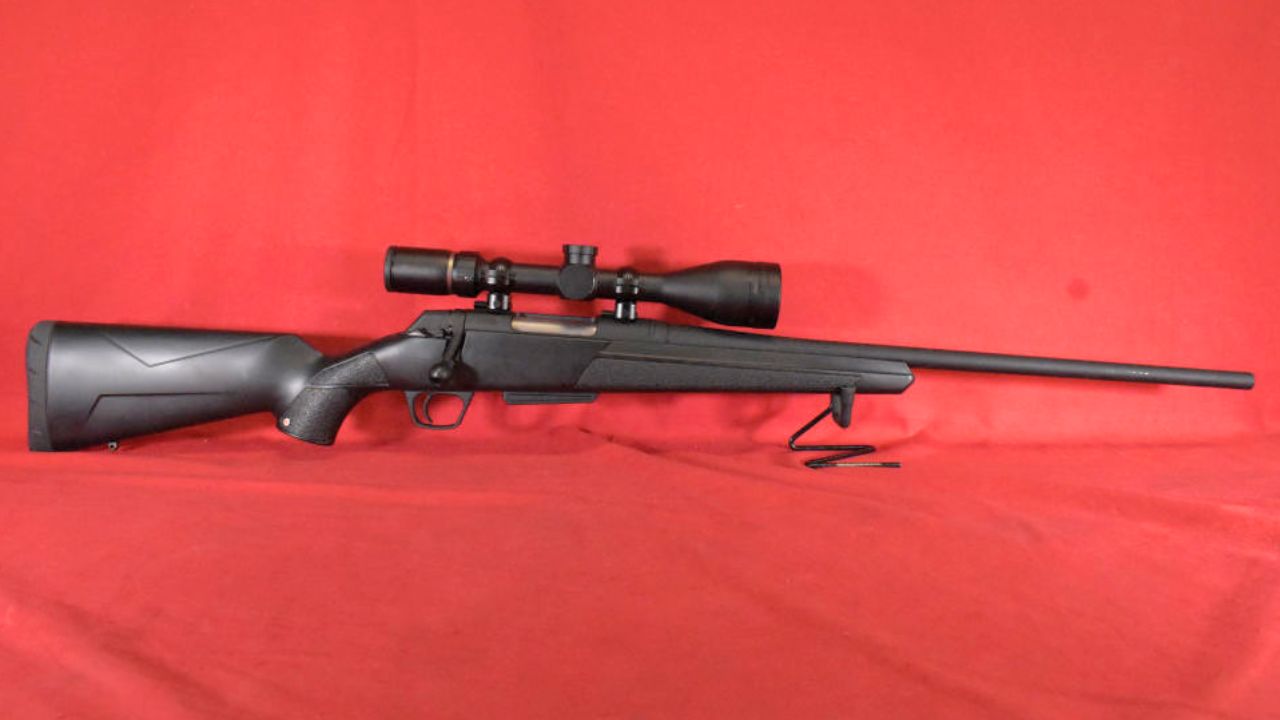
The XPR is often a solid shooter, but it doesn’t benefit from cheap mounting hardware. Swap the scope rings for a quality set and you’ll usually see immediate improvement in consistency, especially if you’ve been chasing a zero that never seems to stay put. A rifle can’t shoot straight if the optic is shifting a hair every trip.
This matters because hunting rifles live hard lives. Temperature swings, vehicle rides, and quick bumps against stands and rails all test your setup. Strong rings keep the scope planted and reduce stress on the tube, which helps maintain alignment. Once you eliminate that variable, many XPRs show you they were never the problem. They just needed the scope to stay where you put it. It’s a boring fix that produces real confidence.
CVA Cascade

The Cascade has earned a reputation for shooting well for the money, but a lot of rifles still suffer from the same old problem: a weak scope base setup. Swap to a quality one-piece rail and you create a more rigid foundation, which helps keep your optic stable through recoil and real hunting abuse.
This is a one-part change that protects everything else you’ve done right. If your rifle shoots a decent group but the point of impact drifts, it’s often because something in the mounting stack is moving. A solid rail reduces flex, increases contact area, and gives your rings a consistent platform. Once that’s handled, you can evaluate loads honestly and stop chasing your tail. It’s the kind of upgrade that makes a budget rifle feel more dependable without changing the rifle’s personality.
Ruger American Ranch
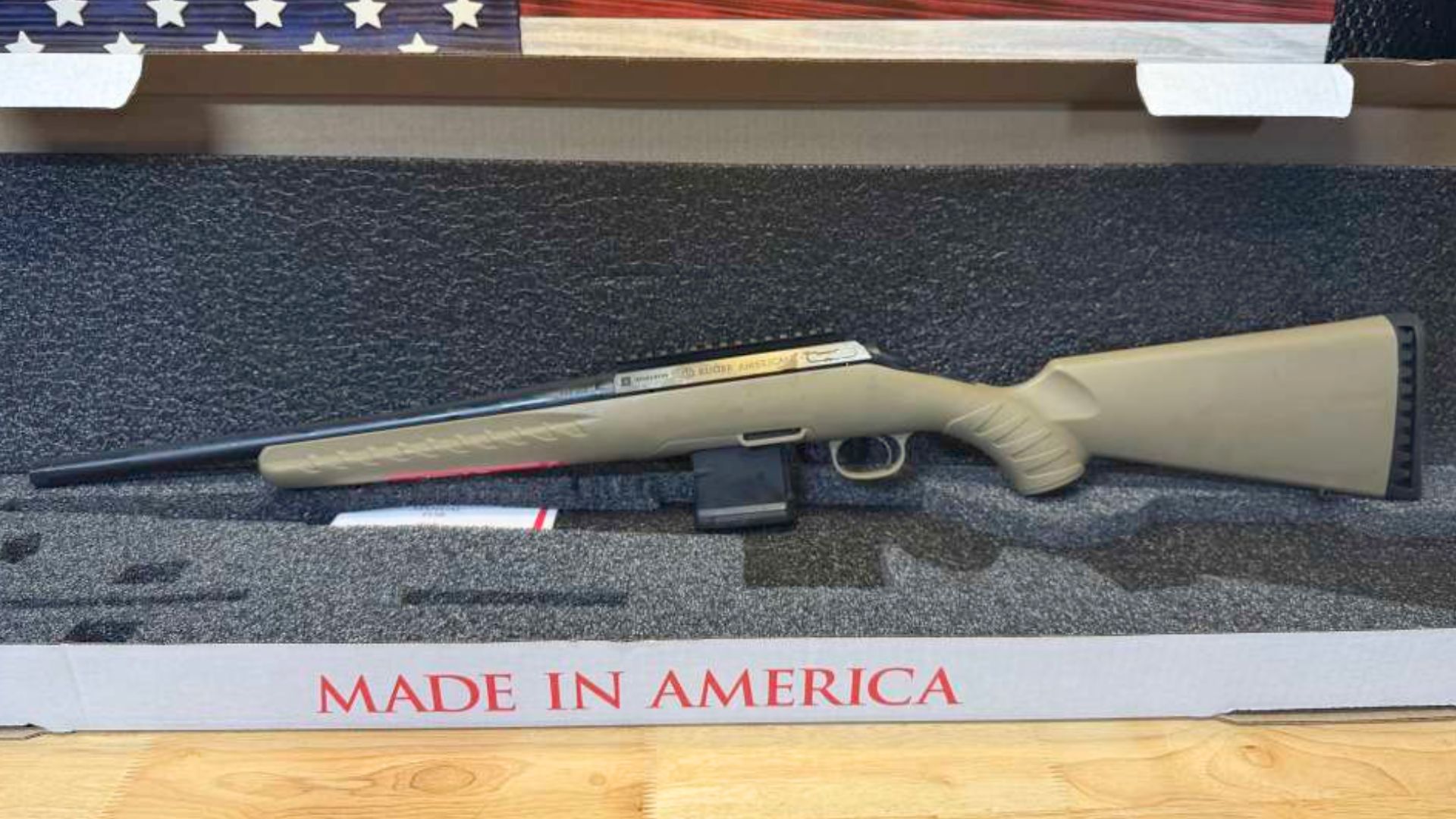
The American Ranch is handy and often accurate, but the weak link for some shooters is the factory magazine setup. Swap to a better magazine option that feeds more consistently, and you’ll often see accuracy improve in a practical sense—because the rifle stops getting disrupted by feeding hiccups and bolt drag that mess with your rhythm.
This isn’t about tiny group measurement. It’s about real shooting. If the rifle feeds smoothly, you stay behind the gun, you don’t break position, and your follow-up shot actually lands where your first one did. A magazine that presents rounds consistently also reduces the chance of bullet tips getting dinged or set back, which can affect consistency with some ammo. One good mag can turn the Ranch into a rifle you trust more, because the whole system starts running cleaner.
Stevens 334

The 334 is a newer budget rifle that can shoot, but the factory stock is often where consistency gets lost. Swap to a stiffer aftermarket stock and you’ll usually see a more repeatable point of impact, especially if you shoot off bags, bipods, or a hard rest. Flex is the silent killer of “budget accuracy.”
A rigid stock keeps the barrel free, keeps the action from shifting under recoil, and helps the rifle ride the same way every time. That matters for deer rifles because you don’t always shoot from perfect positions. You might be braced on a blind rail, wrapped in a sling, or twisted around a tree. If the stock changes shape under pressure, your zero becomes a suggestion. Fix the stiffness and the rifle often starts behaving like a much more expensive setup.
Marlin X7
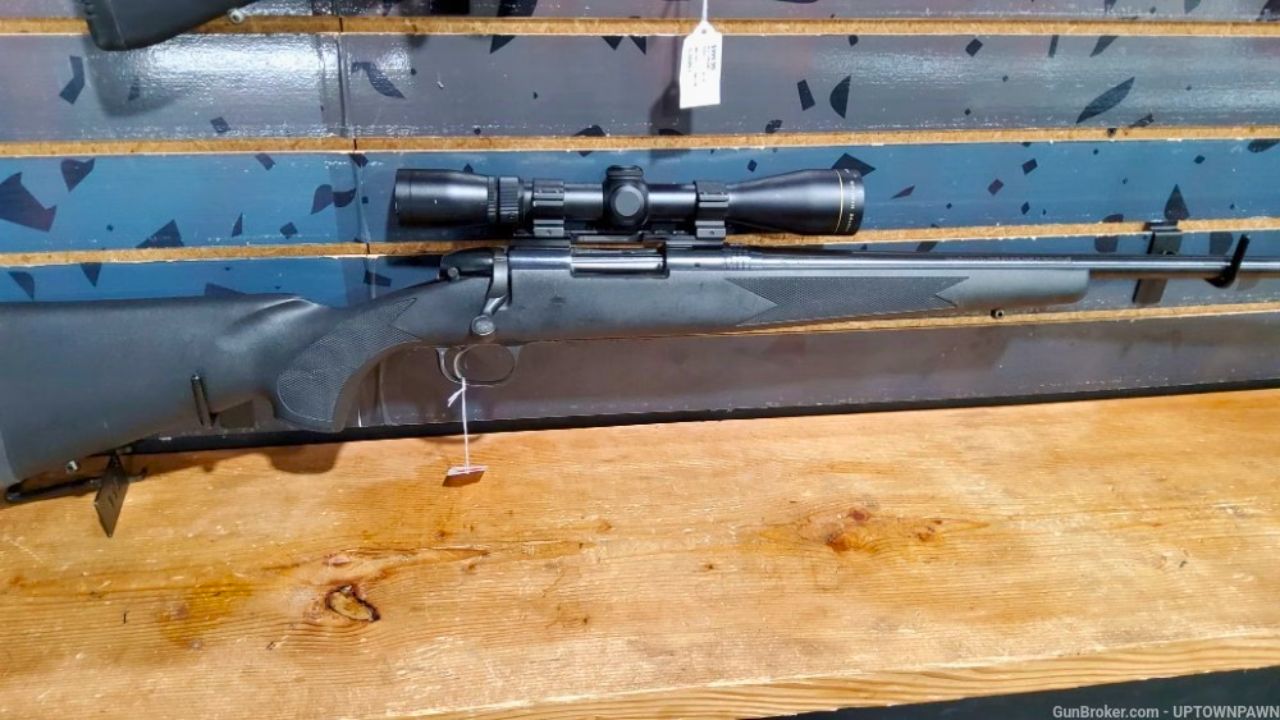
A lot of Marlin X7 rifles are better than their reputation, and the biggest limiter is often the trigger feel. Swap in a better trigger setup and you’ll usually see a noticeable improvement because you stop yanking shots at the break. The barrel and action can be perfectly capable, but a bad trigger makes the rifle feel inconsistent.
What makes this a smart one-part fix is how it affects real hunting shots. You’re rarely shooting from a perfect benchrest position in the woods. You’re shooting cold, maybe rushed, maybe through a narrow lane. A clean trigger reduces the chance you slap the shot. That translates into tighter practical groups and more confident shot placement. If you’ve got an X7 that “almost” shoots the way you want, a trigger swap is often the difference between frustration and trust.
Howa 1500

The Howa 1500 action is solid, but many budget configurations are held back by flexible stocks. Swap the stock for something stiffer and you’ll often see the rifle become more consistent across shooting positions. It’s not that the rifle can’t shoot—it’s that the platform under it is changing under pressure.
This is where hunters feel the difference. A stiffer stock helps the rifle track straight in recoil, keeps the barrel from picking up contact points, and makes sling tension less likely to shift your point of aim. Once the rifle sits in a stable foundation, you get a setup that shoots the same on the bench as it does off sticks. That’s the real goal. If you want a Howa that feels like it moved up a tier without changing the action, the stock swap is the cleanest one-part upgrade.
Weatherby Vanguard

The Vanguard is usually a dependable shooter, but inconsistent groups and wandering zero often trace back to scope mounting. Swap the rings for a quality set and you take a major variable off the table. It’s amazing how many “rifle problems” disappear when the optic is truly locked down.
A hunting rifle gets bumped, carried, and exposed to weather. Cheap rings can shift, loosen, or clamp unevenly, and that can cause subtle movement that looks like ammo inconsistency. Better rings hold torque, clamp evenly, and keep your scope from creeping under recoil. Once that’s handled, the Vanguard tends to show its strengths: steady lockup, repeatable accuracy, and a feel that stays predictable in the field. It’s one part that protects every other choice you’ve made with that rifle.
Ruger American Predator

The American Predator often has the accuracy, but it can be held back by the factory stock flex—especially when you’re shooting off a bipod or loading into a rest. Swap the stock for a stiffer one and you’ll usually see the barrel stay free and the groups stay more centered as the rifle heats and as your shooting pressure changes.
This is one of those upgrades that helps everywhere, not just on paper. A stiff stock makes your cheek weld more repeatable, keeps your action stable, and reduces the “why did that one go there?” moments. In the deer woods, you might be shooting off a stand rail, a pack, or a fence post. If the stock flexes differently each time, the rifle can’t stay consistent. Give the Predator a solid foundation and it often turns into a very serious budget hunting rifle.
CVA Scout (single-shot)

Single-shots can shoot extremely well, but a lot of real-world issues come from optics mounting on compact rifles. Swap the scope base for a quality rail and you often fix the most common problem: a wandering zero caused by a base that isn’t as rigid as it should be. With a single-shot, you’re usually running a lighter, handier setup that gets carried and bumped more.
Once the optic stays put, the Scout often shows what it can do. These rifles can be surprisingly accurate, and the simple action eliminates feeding variables. The key is making sure the scope is stable so you’re not chasing impact shifts that have nothing to do with the barrel. If you like a budget hunting rifle that’s straightforward and dependable, a one-piece rail is a smart one-part upgrade that makes the whole system feel more trustworthy.
Rossi Rio Bravo

A .22 lever gun isn’t a big-game rifle, but it’s a hunting tool for small game, pests, and constant practice—and budget lever guns often benefit from one change: the sights. Swap the factory sights for a better set and you’ll usually shoot straighter immediately, because your sight picture becomes clearer and more repeatable.
This is a practical upgrade, not a cosmetic one. A better front sight or a quality rear sight helps you center up the same way every time, especially in poor light. That makes a budget lever gun feel more accurate because you can actually aim precisely. When you’re hunting squirrels or rabbits, precision matters, and the ability to place a shot cleanly matters more than raw power. A simple sight swap can turn a “fun gun” into a legitimate little hunting rifle you’ll use constantly—and it will make your bigger rifles feel easier to shoot too.
Like The Avid Outdoorsman’s content? Subscribe to our newsletter so you never miss an article.
Here’s more from us: