Photo credit: GunBroker
The Glock 34 is one of those pistols that a lot of shooters recognize as “the long Glock,” but that short description really undersells what it is. The G34 was developed as a competition-oriented version of the Glock 17, with a longer slide and barrel, a longer sight radius, and factory touches aimed at match use instead of plain duty carry. Reference history says it first appeared in 1998, and even Glock’s Gen5 rollout coverage through American Rifleman shows the model staying tied closely to competition and optics-ready shooting as the line evolved.
What makes the G34 especially interesting is that it has managed to stay relevant across multiple eras of handgun shooting. It started as a practical action-pistol gun, then adapted into the red-dot era with MOS versions, and it still gets talked about as one of Glock’s most competition-friendly factory pistols. America’s 1st Freedom said the Gen5 G34 remains “utterly sublime” thanks to its competition-oriented setup, longer sight radius, and Marksman barrel.
1. The Glock 34 was introduced in 1998

A lot of shooters think of the G34 as a newer model because they mostly hear about the Gen5 MOS version, but the design itself goes back much farther. Reference history says the Glock 34 was first produced in 1998 as a competition version of the Glock 17.
That timing matters because it shows the G34 was built around competition needs long before slide-mounted optics became common. It was already meant to be the “race-ready without going full custom” Glock back in the late 1990s.
2. It was created specifically as a competition version of the Glock 17
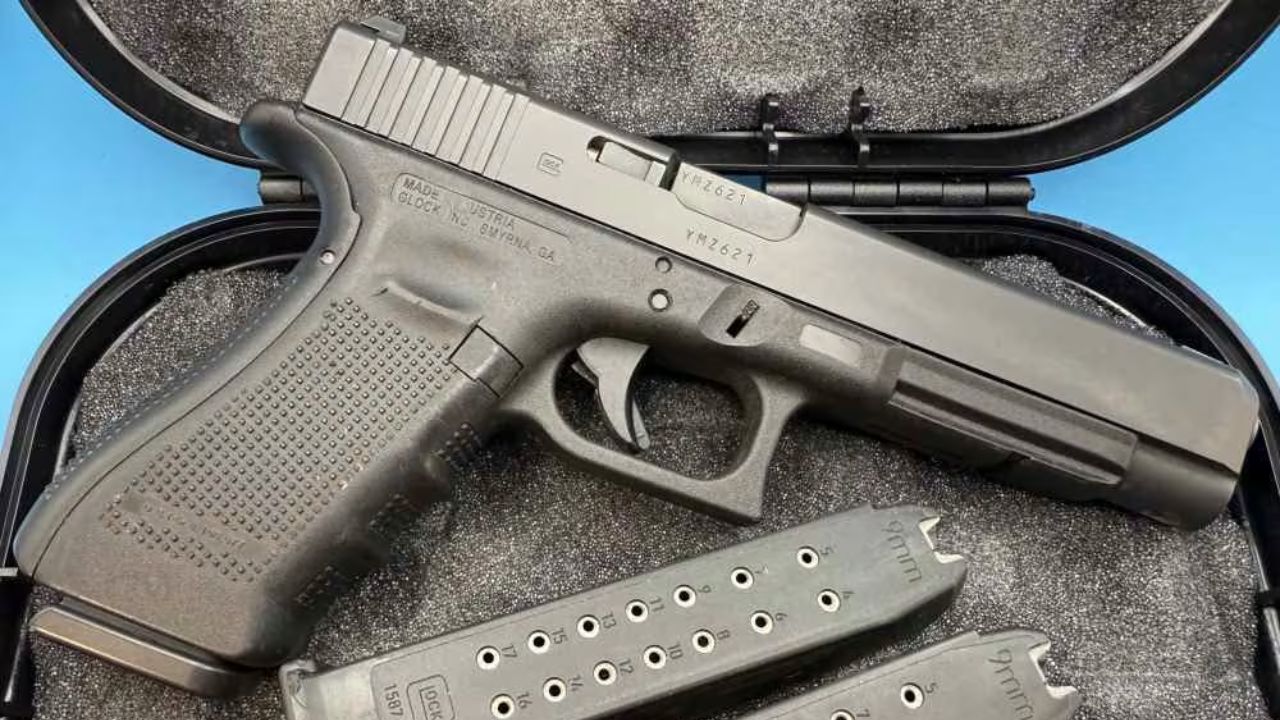
This is the core of the whole model. Reference history describes the G34 as a competition version of the Glock 17, not just a longer variant for novelty’s sake.
That matters because it explains almost every major difference between the two guns. The G34 was not built to replace the G17 for general service use. It was built to give shooters advantages in action-pistol sports.
3. It was made shorter than the Glock 17L on purpose

A lot of shooters assume Glock simply stretched the G17 into a longer gun and called it done. But reference history says the G34 is similar to the Glock 17L, just slightly shorter, specifically to meet maximum size requirements for many sanctioned action-pistol sports.
That is one of the clearest signs the G34 was built with rulebooks in mind. Glock was not guessing at what competitors might want. It was deliberately aiming the pistol at divisions and match standards shooters actually cared about.
4. The barrel and slide are about 21 mm longer than a Glock 17
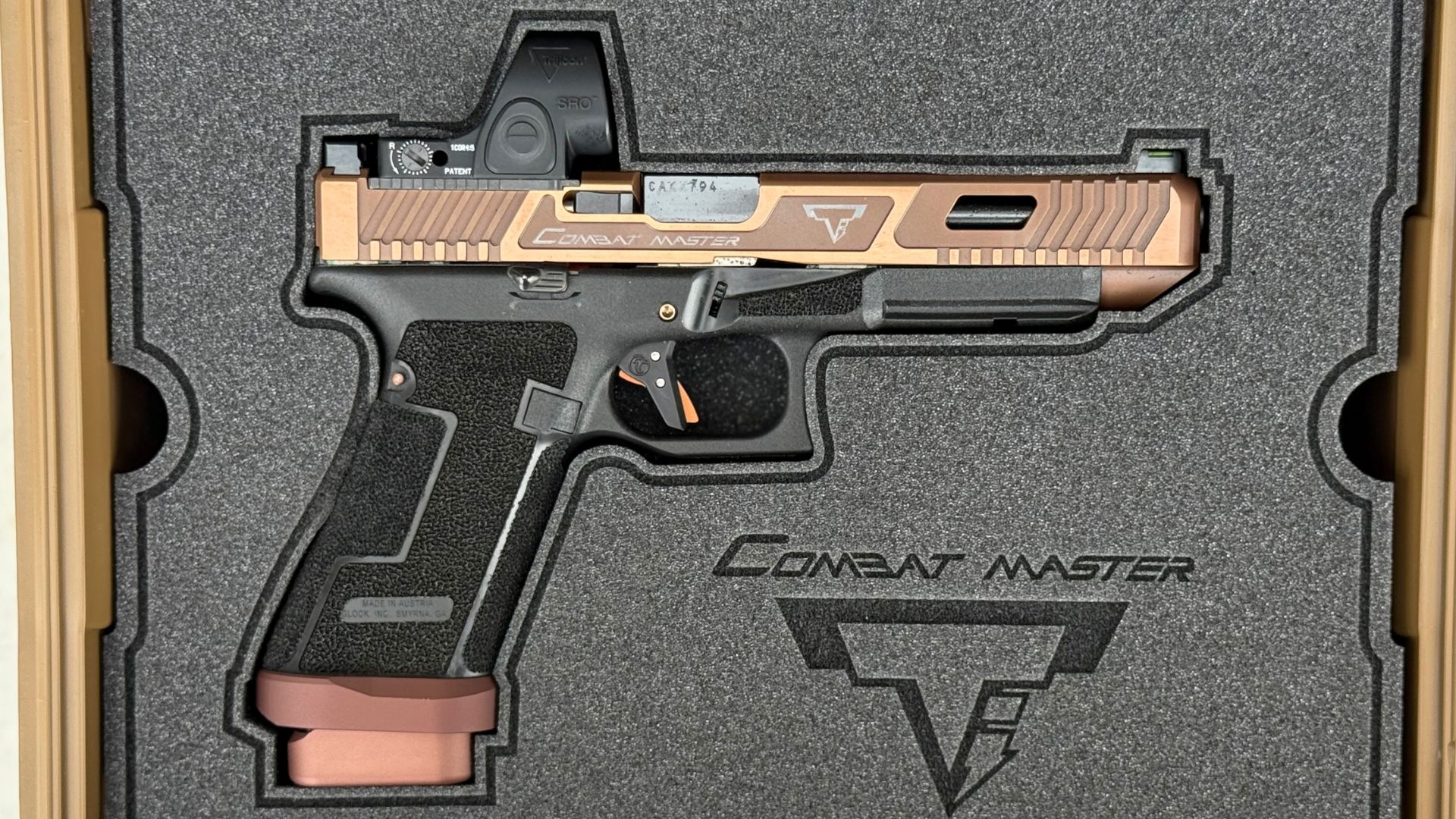
The G34’s extra length is not subtle. Reference history says that compared with the Glock 17, the G34 features a barrel and slide that are 21 mm longer.
That extra length is a big part of why the pistol feels different in use. It gives the shooter a longer sight radius and changes the way the gun balances and tracks. Those are meaningful advantages in competition shooting.
5. The slide is cut out to reduce weight

One of the most distinctive visual details on the G34 is the cutout on top of the slide. Reference history says Glock milled out the top and part of the inside of the slide to reduce front-end weight, improve balance, and lower overall slide weight.
That is not just a cosmetic flourish. Glock was tuning how the gun cycles and feels in the hand. It is one of the most obvious clues that the G34 was engineered as a purpose-built competition pistol.
6. It came with an extended magazine release and slide stop

The G34 was built to be easier to run fast. Reference history says it has an extended magazine release and extended slide stop lever compared with the standard Glock 17.
Those little changes matter more than people think. On a competition pistol, small control differences can make reloads and manipulations feel noticeably faster and easier. Glock understood that and baked it in from the start.
7. It originally shipped with an adjustable rear sight

Reference history says the G34 originally included an adjustable rear sight.
That is another strong clue about the gun’s intended role. Adjustable sights are not what most companies prioritize on a plain service pistol. They make much more sense on a pistol built for target work and action shooting.
8. The trigger setup was lighter and more competition-oriented
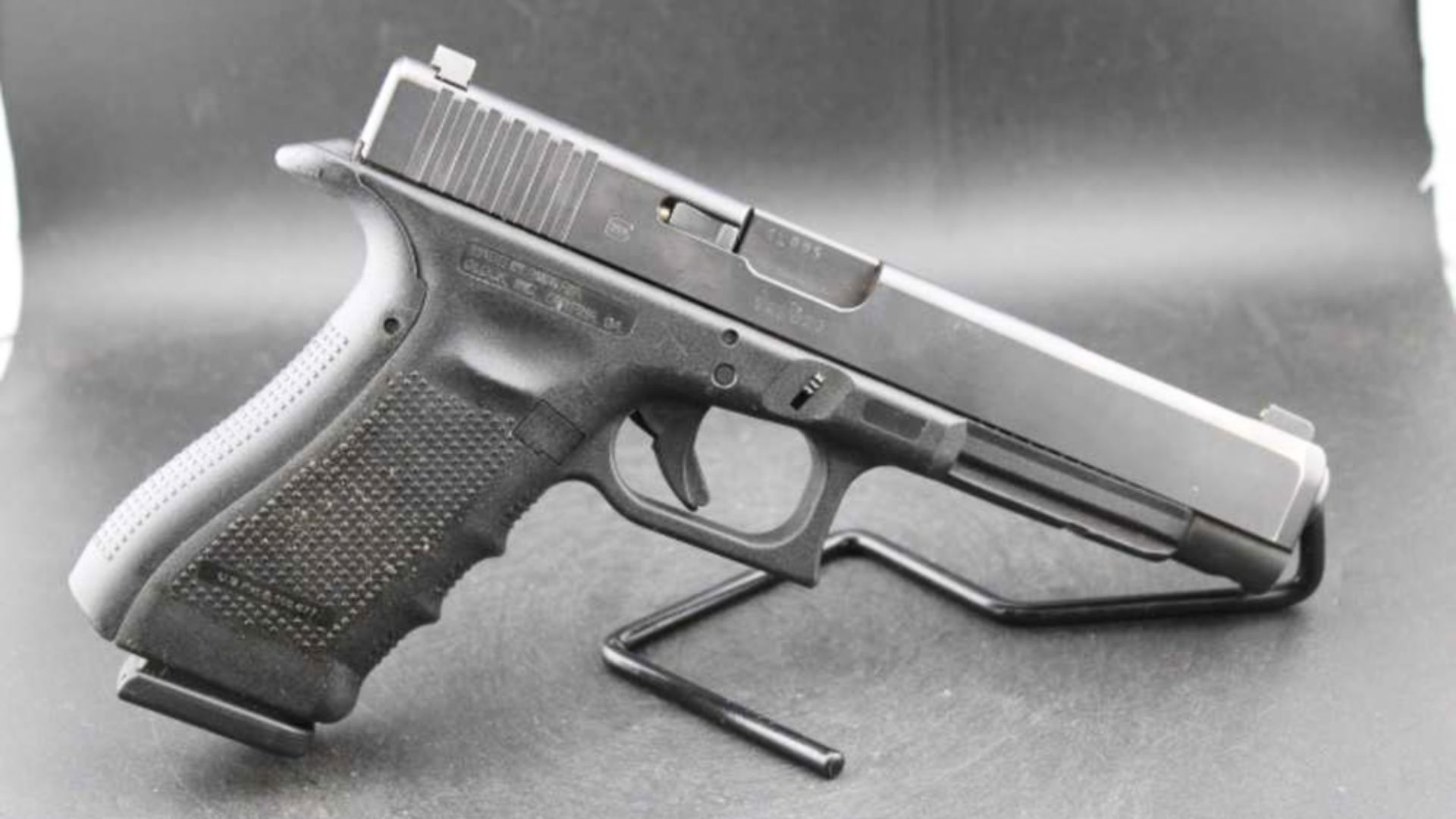
Reference history says the Glock 34 used a 20 N trigger pull, and America’s 1st Freedom specifically called out the competition lockwork on the Gen5 G34, including the “minus” connector and shorter trigger reset.
That lighter, cleaner setup is a big reason the G34 earned such a strong following with practical shooters. It gave buyers a pistol that already felt more tuned than a standard Glock without forcing them into immediate aftermarket work.
9. It can use Glock 17 magazines

A lot of shooters know this one in practice, but it is still worth calling out. Reference history says the G34 can accept any magazine the Glock 17 can accept.
That kind of compatibility is a big part of what made the pistol practical. Glock gave shooters a more competition-friendly slide and barrel arrangement without isolating the model from the broader Glock 17 ecosystem.
10. The Gen5 Glock 34 came to market as an MOS gun

The Gen5 era changed the Glock 34 story in an important way. American Rifleman’s 2018 coverage says Glock added the Model 34 MOS to the Gen5 family, increasing the number of Gen5 9 mm pistols to four at that time.
That matters because it shows Glock understood exactly where competition shooting was going. By the Gen5 period, optics were no longer a fringe add-on, and Glock made sure the G34 stayed relevant in that environment.
11. The G34 became a strong fit for Carry Optics
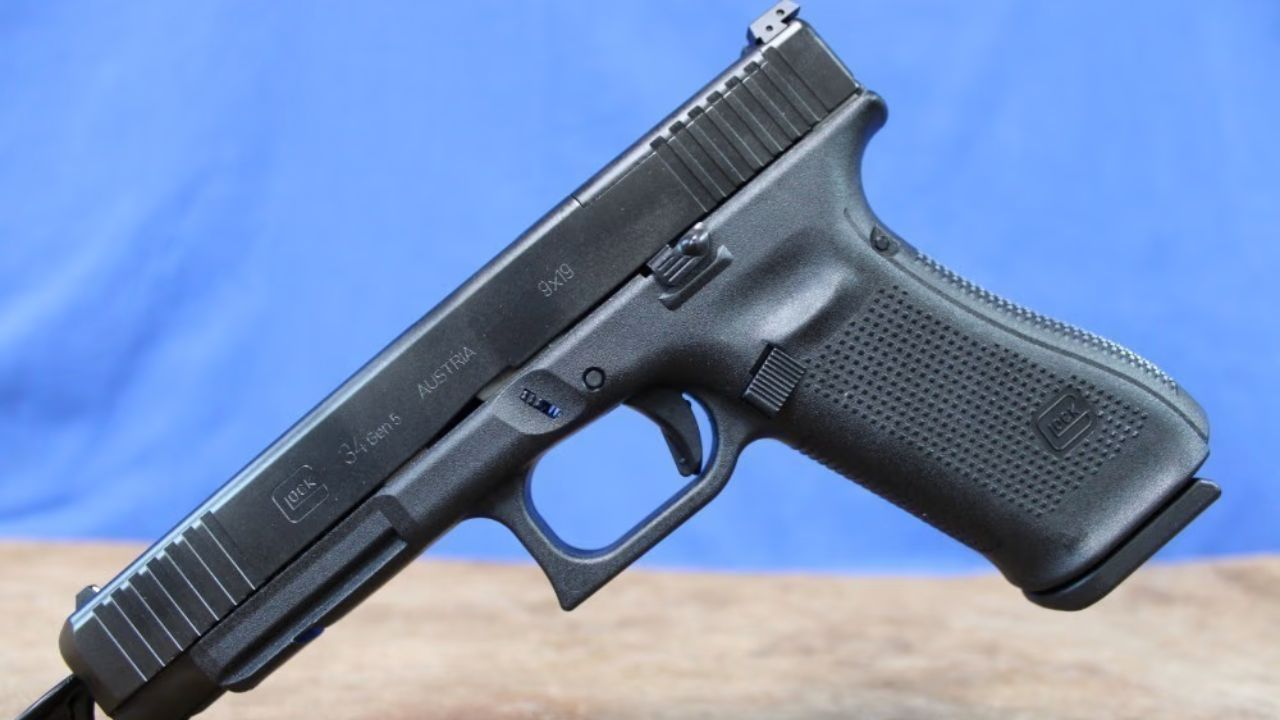
When the Gen5 MOS version arrived, it landed right into the rise of optics-equipped competition pistols. Shooting Sports USA’s 2018 review said the Glock G34 Gen5 MOS was a great choice for Carry Optics division and more than suitable for Production division as well.
That is a pretty big statement, and it helps explain why the G34 stayed important instead of getting left behind by newer models. It moved naturally into the red-dot era without losing the strengths that made it appealing in iron-sight competition first.
12. The Gen5 G34 got the Glock Marksman Barrel

America’s 1st Freedom says the Gen5 G34 pairs its competition setup with the Glock Marksman Barrel.
That matters because the G34 has always leaned on practical accuracy as part of its appeal. A long-slide competition pistol lives and dies by how easy it is to shoot well, and Glock clearly wanted the Gen5 version to reinforce that reputation.
13. It is one of Glock’s clearest “purpose models”
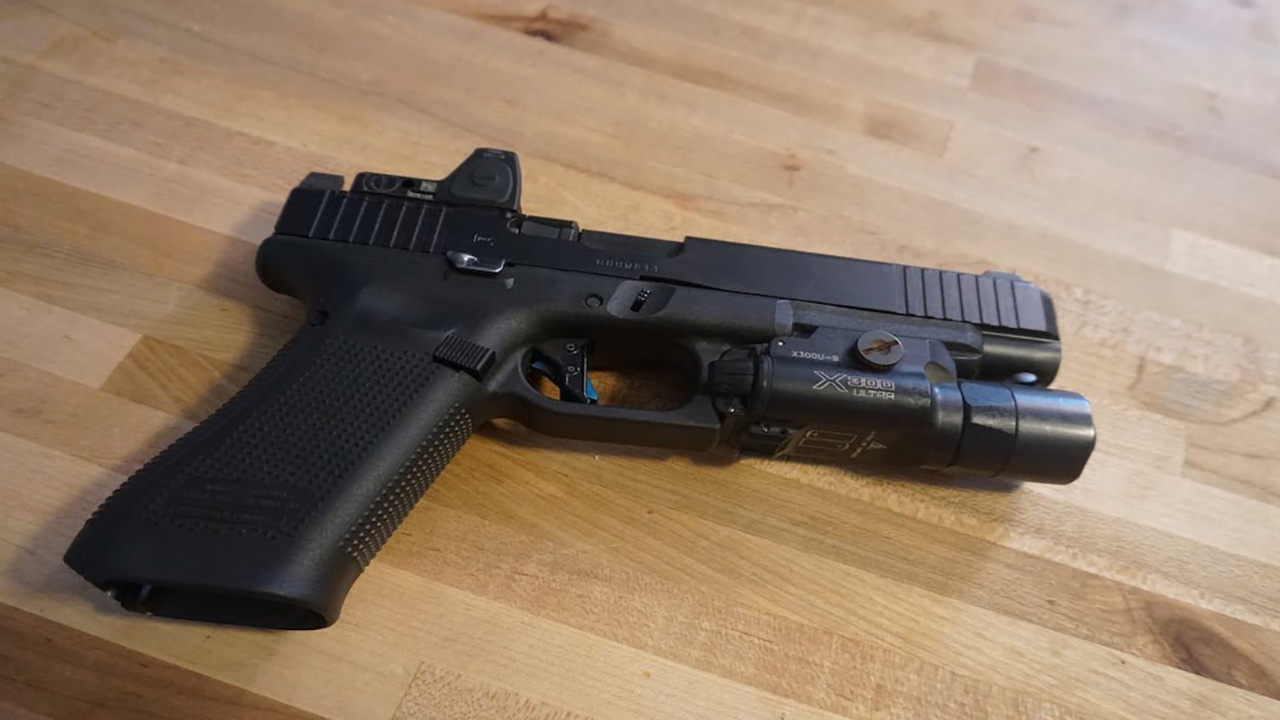
A lot of Glock pistols can do several jobs reasonably well, but the G34 is one of the clearest examples of Glock building a pistol around a particular purpose first. The historical description as a competition Glock, the longer dimensions, the slide cut, the extended controls, and the MOS-ready Gen5 direction all point the same way.
That is a big part of why the G34 has held onto such a distinct identity inside the Glock lineup. It does not feel like just another size option. It feels like “the match Glock.”
14. The G34 stayed relevant because it balanced match performance with factory simplicity
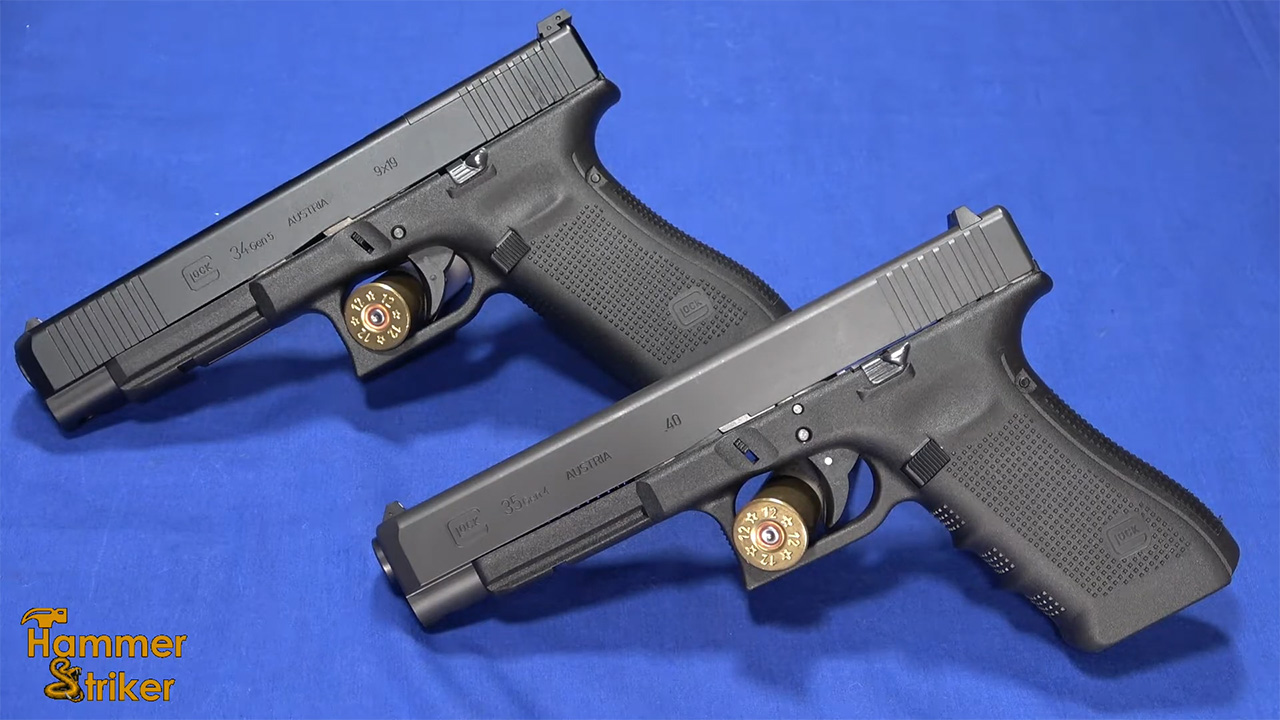
One of the reasons shooters keep coming back to the G34 is that it gives a lot of competition value without demanding a custom-pistol budget or a full aftermarket rebuild. America’s 1st Freedom described it as having two outstanding pistols in one, with red-dot potential and strong competition performance straight from the factory.
That is a big reason the gun stayed important for so long. It was not the most exotic option. It was the practical option that still shot above its weight.
15. The biggest surprise is how long the Glock 34 has stayed at the center of practical shooting
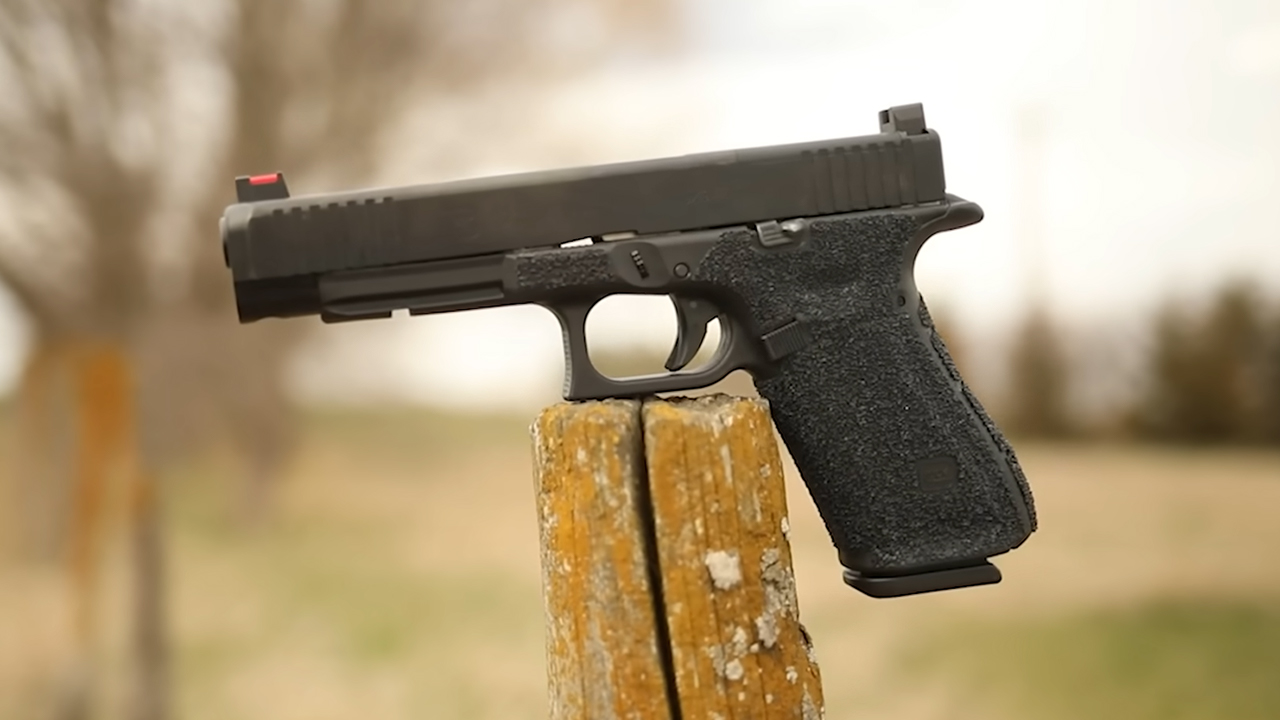
The most interesting thing about the G34 may be that it never really stopped mattering. Introduced in 1998 as a competition version of the Glock 17, it evolved into a Gen5 MOS pistol that still fits the needs of modern Carry Optics and practical shooting nearly three decades later.
That is not something every “competition model” manages. A lot of them age out once the market changes. The Glock 34 adapted well enough that it still feels like a natural choice for the job it was built to do.
Like The Avid Outdoorsman’s content? Be sure to follow us.
Here’s more from us: