Photo credit: GunBroker
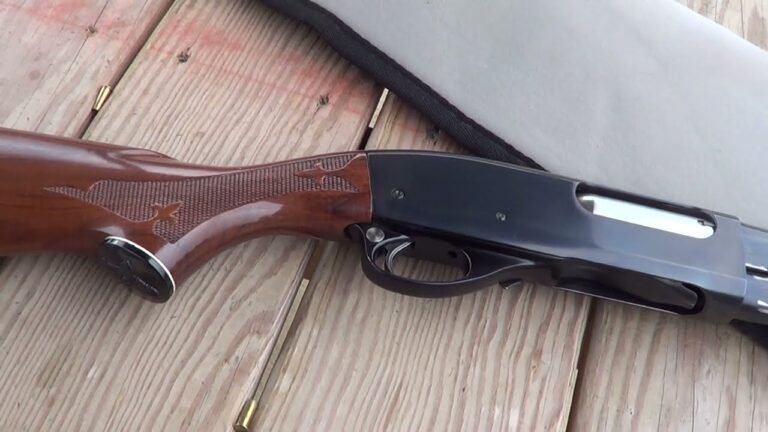
The Winchester Model 70 is one of those rifles that almost anybody who cares about bolt guns has heard called “The Rifleman’s Rifle.” That nickname is not just fan talk. Winchester’s own current materials still use it, and both American Hunter and American Rifleman treat the Model 70 as one of the most important sporting bolt-actions ever made. It first reached the market in 1936, grew out of the earlier Model 54, and over time became one of the defining American hunting rifles.
What makes the Model 70 especially interesting is that it is not really one rifle in the simple sense. Shooters have lived through pre-war, pre-’64, push-feed, New Haven Classic, and South Carolina-era versions, and that is a big reason Model 70 conversations get so heated. American Rifleman explicitly says shooters have experienced five distinct generations of the rifle, while Winchester’s own timeline and current pages show how strongly the gun’s identity is tied to the return of the pre-’64-style controlled-feed action in modern production.
1. The first production Model 70s trace to 1936, but development started earlier
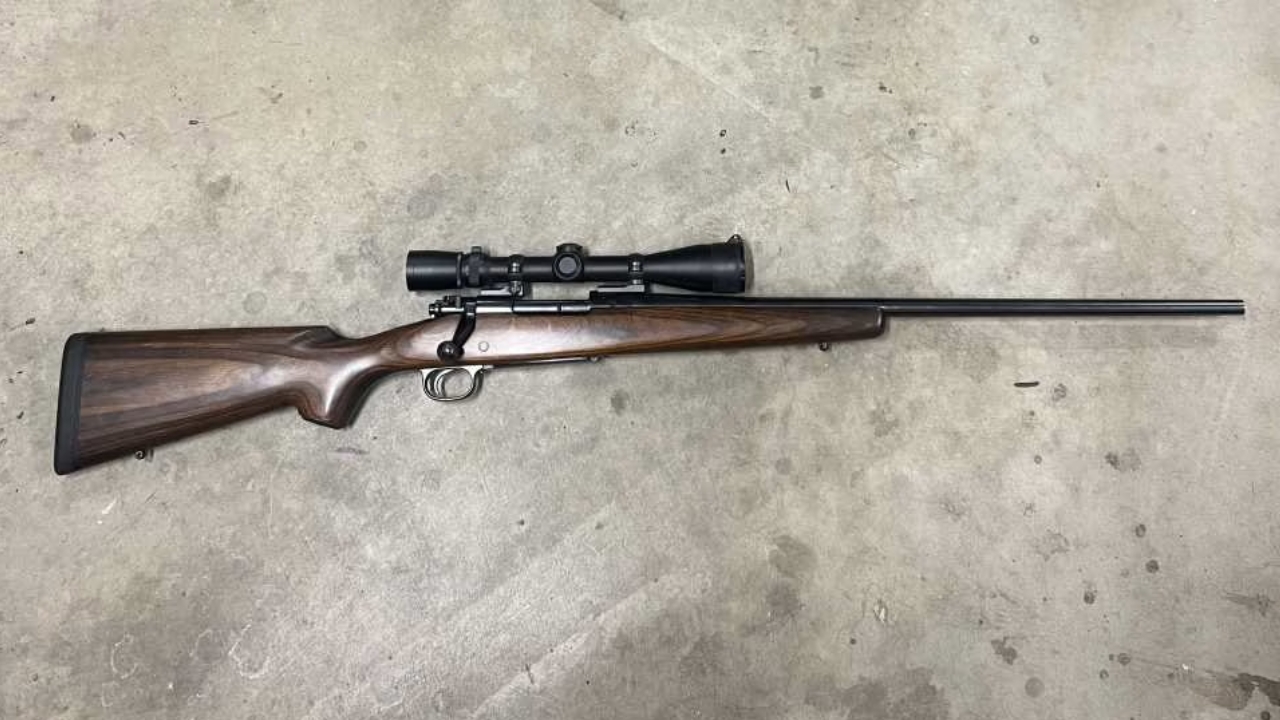
American Rifleman says the first Model 70 rifles began to emerge from Winchester’s workrooms in 1935, with first production guns warehoused in 1936 and deliveries to the trade beginning in 1937. Winchester’s own current pages, meanwhile, present 1936 as the start of the rifle’s story.
That timing matters because it shows the Model 70 did not appear out of nowhere. It was the result of Winchester taking the earlier sporting-bolt-action idea seriously and refining it into something much better. That development arc is an inference from the 1935–1937 emergence described by American Rifleman and Winchester’s 1936 framing.
2. It grew out of the Winchester Model 54

American Rifleman’s 2022 history says Winchester developed the Model 54 in the 1920s as a sporting rifle, but it still carried some issues from its earlier military-inspired roots. The Model 70 was the refined next step.
That matters because the Model 70 was not Winchester’s first try at a sporting bolt action. It was the rifle that fixed enough of the Model 54’s shortcomings to become the legendary one. That conclusion is an inference grounded in American Rifleman’s description of the Model 54’s limitations and the Model 70’s rise.
3. “The Rifleman’s Rifle” is not a modern nickname
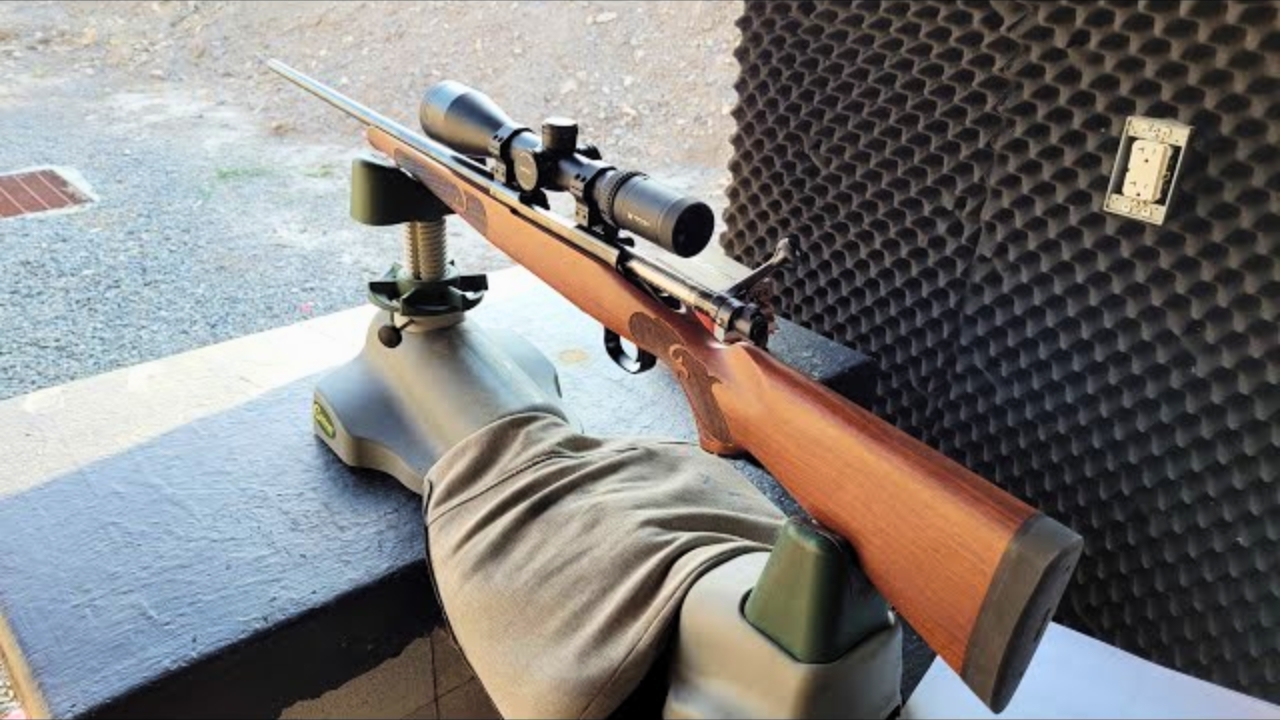
Winchester’s current owner’s manual calls the Model 70 “truly the ‘Rifleman’s Rifle,’” and American Hunter’s 2020 piece treats that title as long established rather than something invented recently.
That nickname stuck because the Model 70 became the bolt gun a lot of serious hunters and shooters measured others against. That second point is an inference, but it follows directly from the way both Winchester and American Hunter present the rifle’s reputation.
4. The pre-’64 rifles became famous enough to create their own category
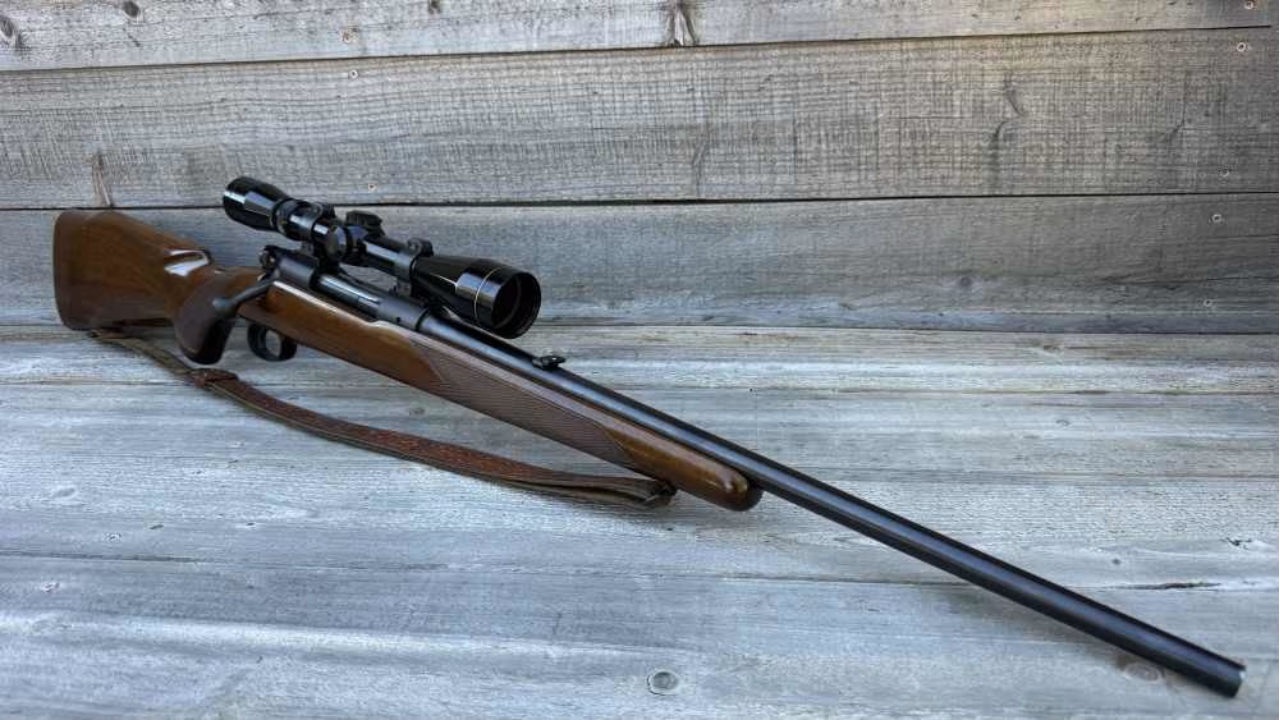
Winchester’s official historical timeline says the original Model 70 was discontinued in 1963 and that rifles before this date became known as pre-’64 Model 70s.
That is a huge deal because not many rifles become so culturally significant that a production cutoff turns into a whole collector category. The Model 70 did. That collector-significance point is an inference grounded in Winchester’s own timeline language.
5. 1964 is one of the most important dates in Model 70 history

Winchester’s timeline says the new Model 70 was introduced in 1964, and American Hunter notes that the rifle has gone through changes “not all for the better,” which is a clear nod to how controversial the 1964 redesign became. American Hunter’s older “A Classic Advanced” piece also says the year 1964 became inseparable from the Model 70 story.
That matters because the Model 70’s story is not just about success. It is also about how deeply shooters cared when Winchester changed something they loved. That reaction is an inference, but it is strongly supported by the way these sources frame 1964 as a turning point.
6. There have been five major generations of Model 70s

American Rifleman’s 2009 piece says shooters have now experienced five distinct generations of Model 70s: pre-war, pre-’64, push-feed, New Haven Classic, and South Carolina’s variation on the Classic theme.
That is a useful fact because it explains why Model 70 arguments can feel like people are talking about totally different rifles under the same name. In a lot of ways, they are. That interpretation is an inference, but it is grounded directly in American Rifleman’s five-generation framework.
7. The pre-’64 controlled-round-feed action is still central to the rifle’s identity

Winchester’s current product overview and owner’s manual both emphasize the pre-’64-style controlled-round-feed bolt with claw extractor as one of the Model 70’s defining traits.
That matters because the modern Model 70 is not trying to distance itself from the pre-’64 legend. Winchester is leaning directly into it. That strategic identity point is an inference grounded in how prominently the company still markets the pre-’64 feed system today.
8. The claw extractor is one of the rifle’s most load-bearing features
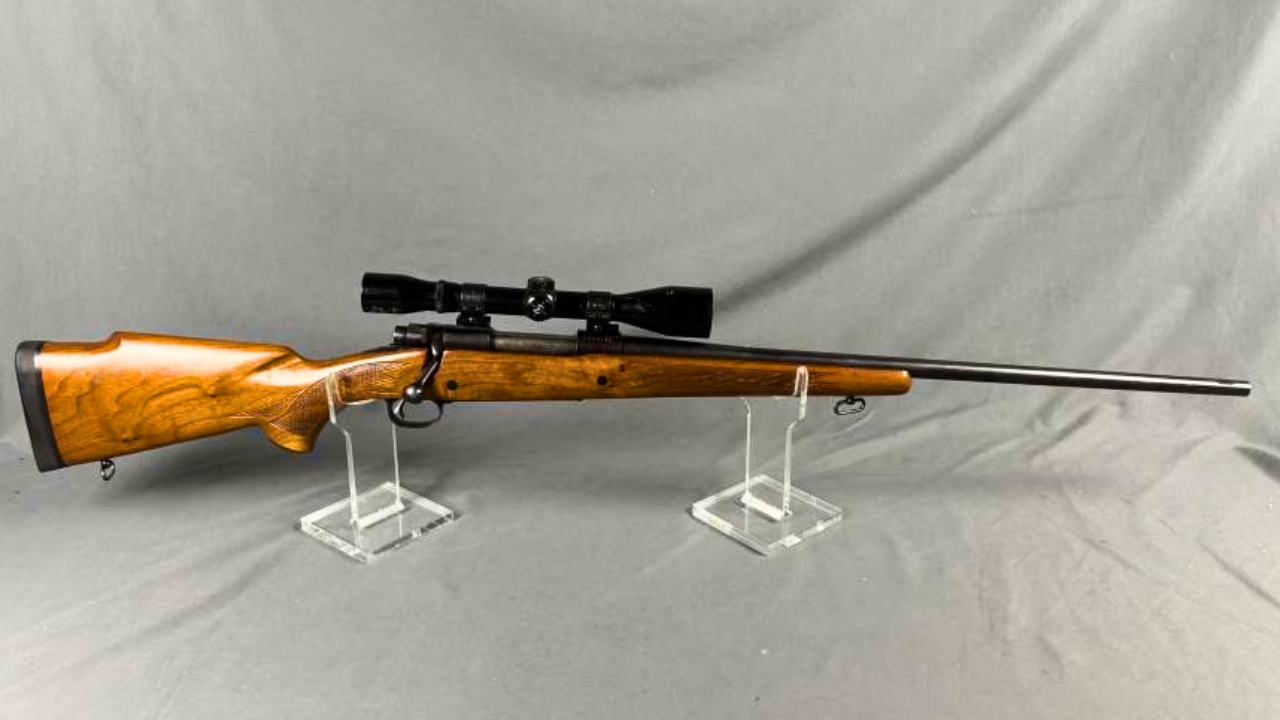
Winchester’s current overview calls out the pre-’64-style controlled-round-feed action with claw extractor and says it fully controls the cartridge from magazine to chamber to ejection.
That feature matters because it is one of the biggest reasons dangerous-game hunters and traditionalists have stayed so loyal to the Model 70 pattern. That broader loyalty point is an inference, but it follows from Winchester putting such emphasis on cartridge control and the Model 70’s long-standing reputation.
9. The pre-’64 action returned to general production in 1992

Winchester’s official historical timeline says the pre-’64 Model 70 action returned to general production in 1992.
That is a major moment because it shows Winchester understood how much the older action style still mattered to buyers. The company did not just preserve the name; it brought back one of the features people cared most about. That significance is an inference grounded in the 1992 timeline entry.
10. The current rifles also use the M.O.A. trigger system

Winchester’s current Model 70 pages highlight the M.O.A. Trigger System right alongside the pre-’64-style controlled-feed action.
That matters because the modern Model 70 is not simply an exercise in nostalgia. Winchester is combining the old action identity with newer trigger features to keep the rifle competitive in the current hunting-rifle market. That synthesis is an inference grounded in the current feature stack Winchester promotes.
11. The Model 70 had real U.S. Marine Corps use
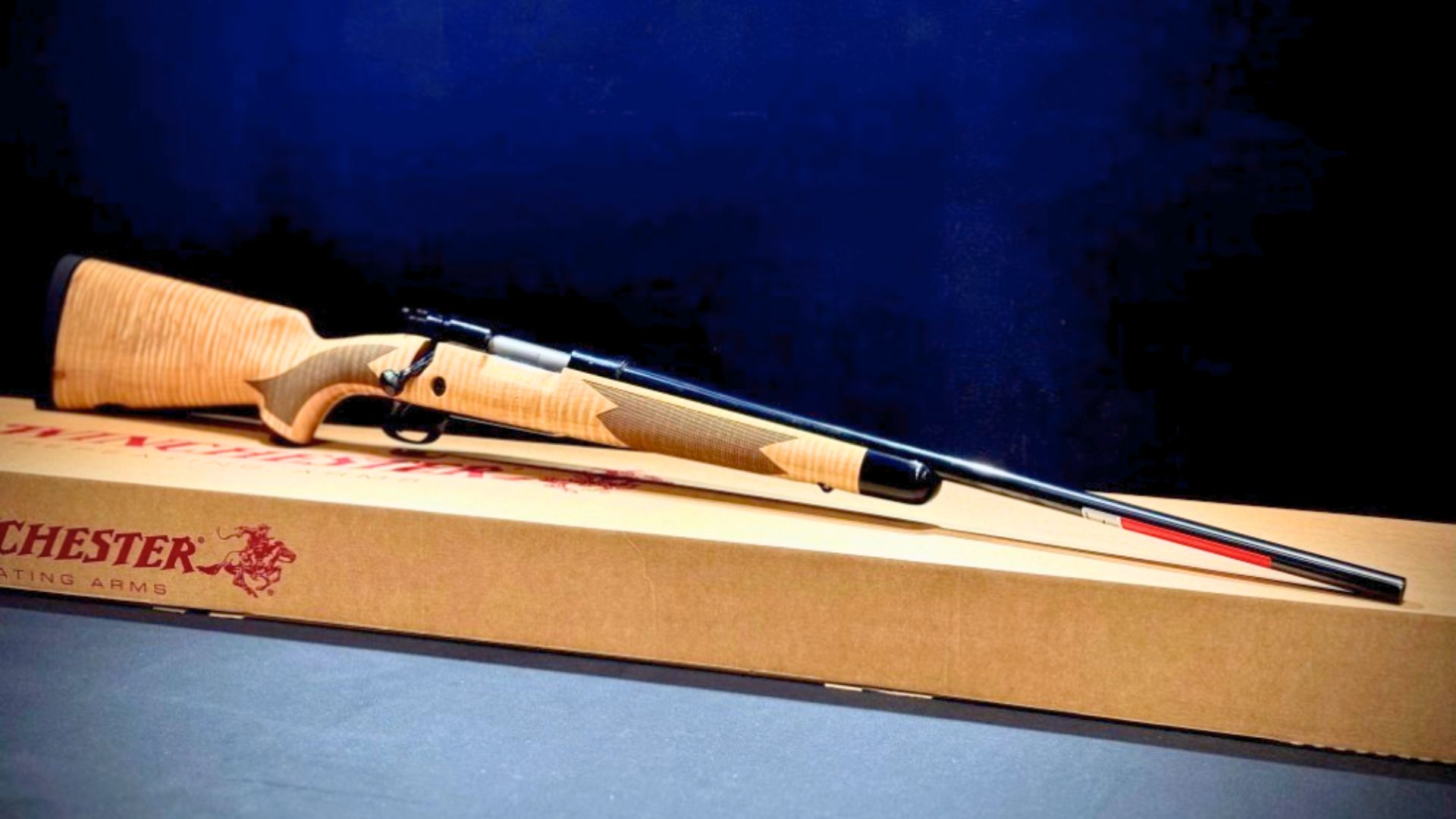
The standard reference history says the U.S. Marine Corps purchased 373 Model 70 rifles in May 1942 and that many saw training and some field use in the Pacific, with some later rebuilt and fitted with Unertl scopes.
That is a pretty fascinating detail because most people think of the Model 70 strictly as a sporting rifle. Its military history is not as broad as some dedicated service rifles, but it is real.
12. The rifle’s reputation survived multiple manufacturing eras

American Hunter says the Model 70 has gone through changes, “not all for the better,” yet still calls it Winchester’s flagship rifle and treats its longevity as exceptional.
That is one of the most impressive things about the Model 70. A lot of classic rifles lose their identity once ownership, factories, or action details change. The Model 70 took some hits, but it never lost its place in the conversation. That durability-of-reputation point is an inference grounded in the source’s emphasis on longevity despite controversy.
13. Modern Model 70 fans are really inheriting several overlapping traditions

Between pre-war, pre-’64, push-feed, Classic, and South Carolina/FN-era rifles, today’s Model 70 buyer is stepping into a much more layered history than the name alone suggests. That is straight out of American Rifleman’s generational breakdown plus Winchester’s own timeline.
That matters because “Model 70” is as much a family of related reputations as it is one rifle. That interpretation is an inference, but it is the clearest read of the sources.
14. The current Model 70 is still one of Winchester’s core flagship rifles

Winchester’s current site presents the Model 70 as a legendary bolt-action sporting rifle that has been a favorite for over 80 years, and the product line remains a major active category in the company’s current rifle offerings.
That is important because some classic names stay alive only as nostalgia products. The Model 70 still functions as a living flagship. That second sentence is an inference grounded in Winchester’s active product emphasis and lineup placement.
15. The Model 70’s legend comes from both design and survival
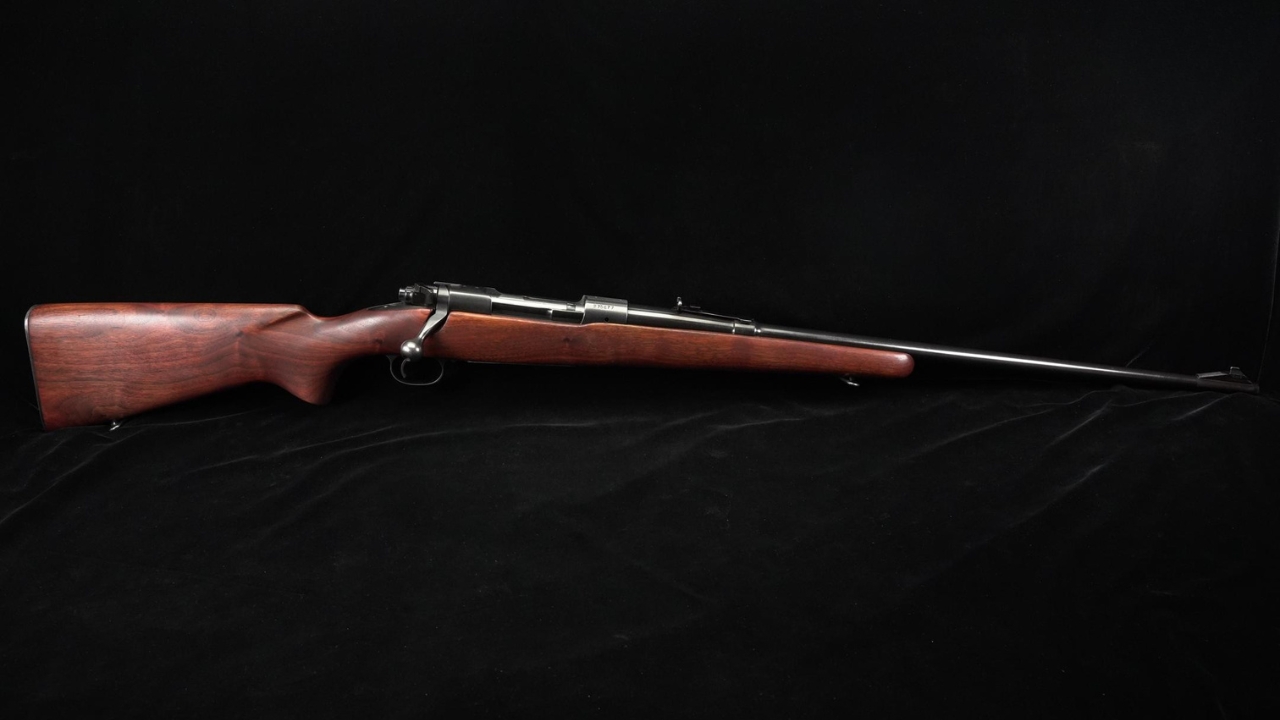
The most interesting thing about the Model 70 is not just that it was good in 1936. It is that the rifle survived redesign controversy, factory-era changes, shifting hunting trends, and still emerged with its pre-’64-style controlled-feed identity restored and actively marketed today. Winchester, American Hunter, and American Rifleman all point to that long arc in different ways.
That is why the Model 70 still matters so much. It did not just become famous once. It stayed famous through change, and that is much harder.
Like The Avid Outdoorsman’s content? Be sure to follow us.
Here’s more from us: