Photo credit: Guns International
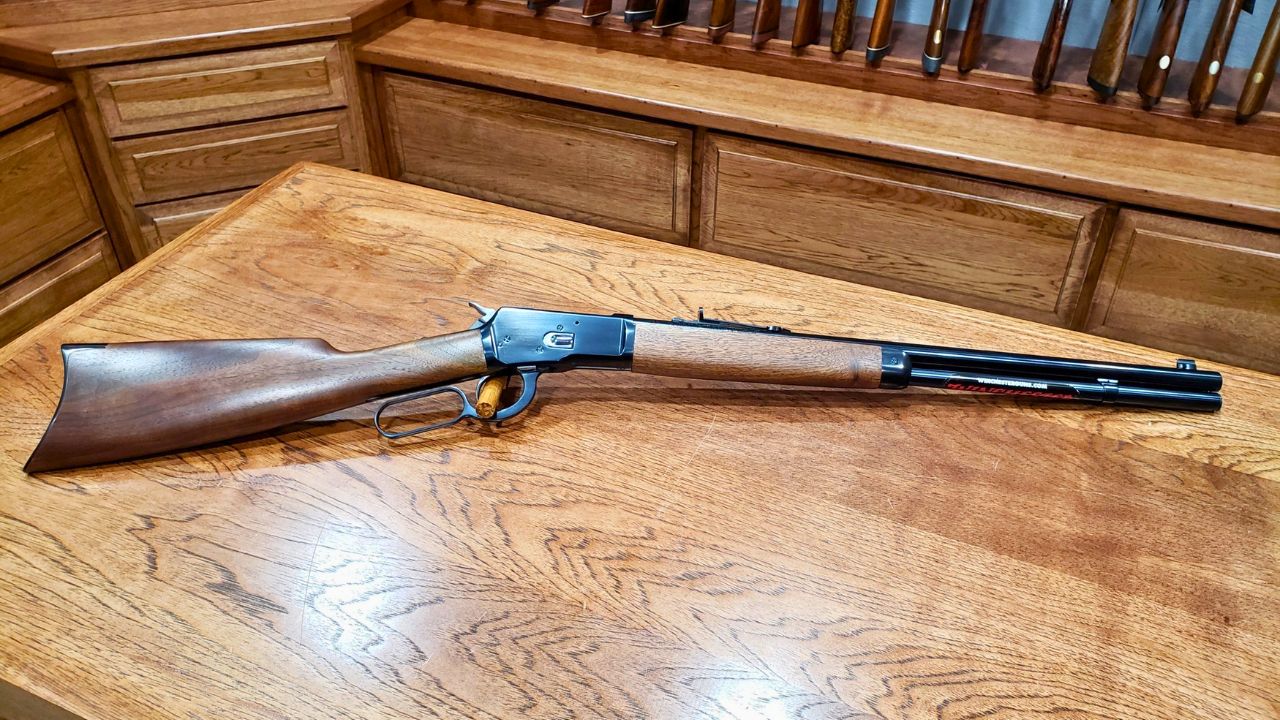
The Winchester 1892 is one of those rifles that a lot of shooters know by reputation, but not everybody realizes how big a step it was for Winchester. It was introduced in 1892, designed by John Moses Browning, and built as a lighter, handier lever gun for pistol-class cartridges like the .44-40, .38-40, .32-20 and .25-20. Winchester’s own Browning history says it was a lighter version of the Model 1886, and American Hunter notes that more than a million were made between 1892 and 1941.
What makes the 1892 especially interesting is that it ended up living two lives at once. First, it was a genuinely important late-19th-century lever action. Later, it became one of the most recognizable “Hollywood West” rifles ever made. Winchester’s 125th-anniversary piece even calls it the iconic lever-action of the silver screen and television.
1. It was designed by John Moses Browning

The Model 1892 was a John Browning design, and Winchester’s own history puts it squarely among the major Winchester rifles Browning created.
That matters because the 1892 was not just another Winchester model in a long list. It came from the same designer who reshaped the company’s strongest and most famous lever-action era.
2. It was basically a smaller, lighter Model 1886
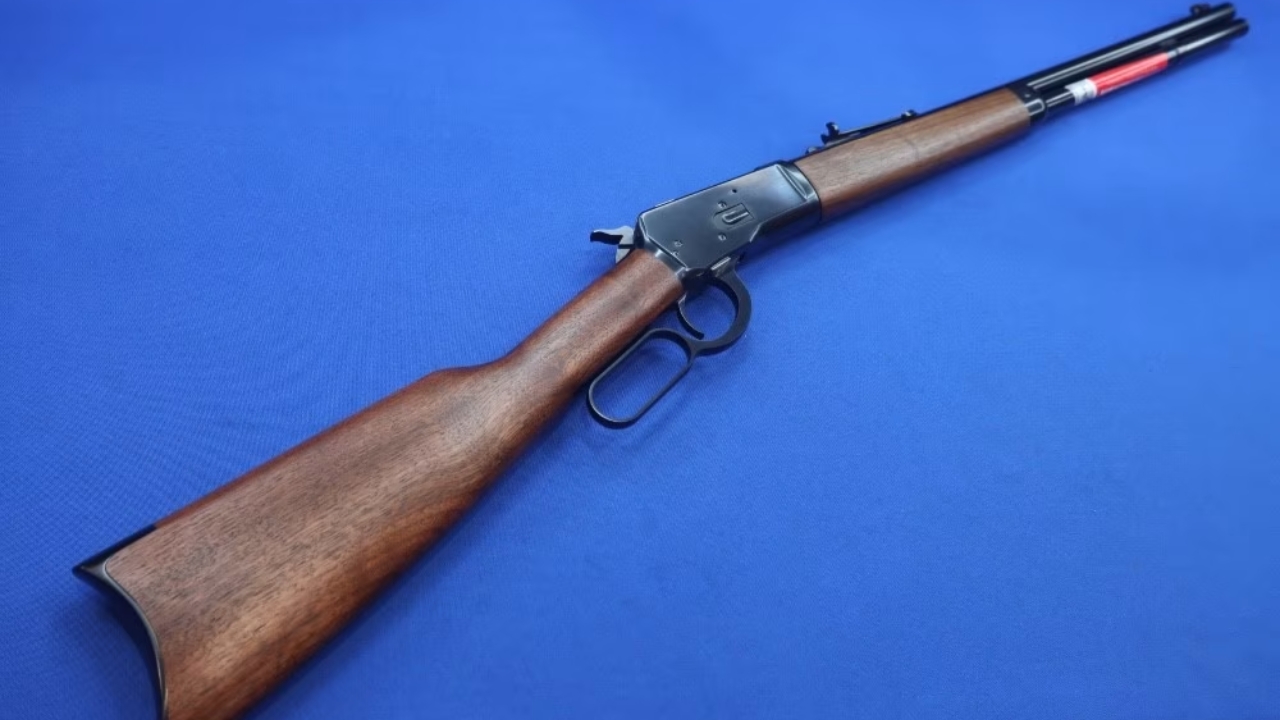
Winchester says Browning’s Model 1892 was his lighter version of the Model 1886, intended for smaller cartridges, and American Rifleman similarly describes it as a scaled-down, simplified version of the 1886.
That is one of the most important facts about the rifle, because it explains both the strength of the action and the role it was meant to fill. The 1892 was not trying to replace the big-bore 1886. It was trying to do the same basic job in a lighter package for revolver cartridges.
3. It was introduced in 1892 and originally ran until 1941

The model was introduced in 1892 and Winchester ended original production in 1941, according to the reference history and American Hunter’s Gun of the Week summary.
That long original run tells you the rifle was far more than a short-lived frontier piece. It stayed useful well into the 20th century.
4. More than a million original rifles were made
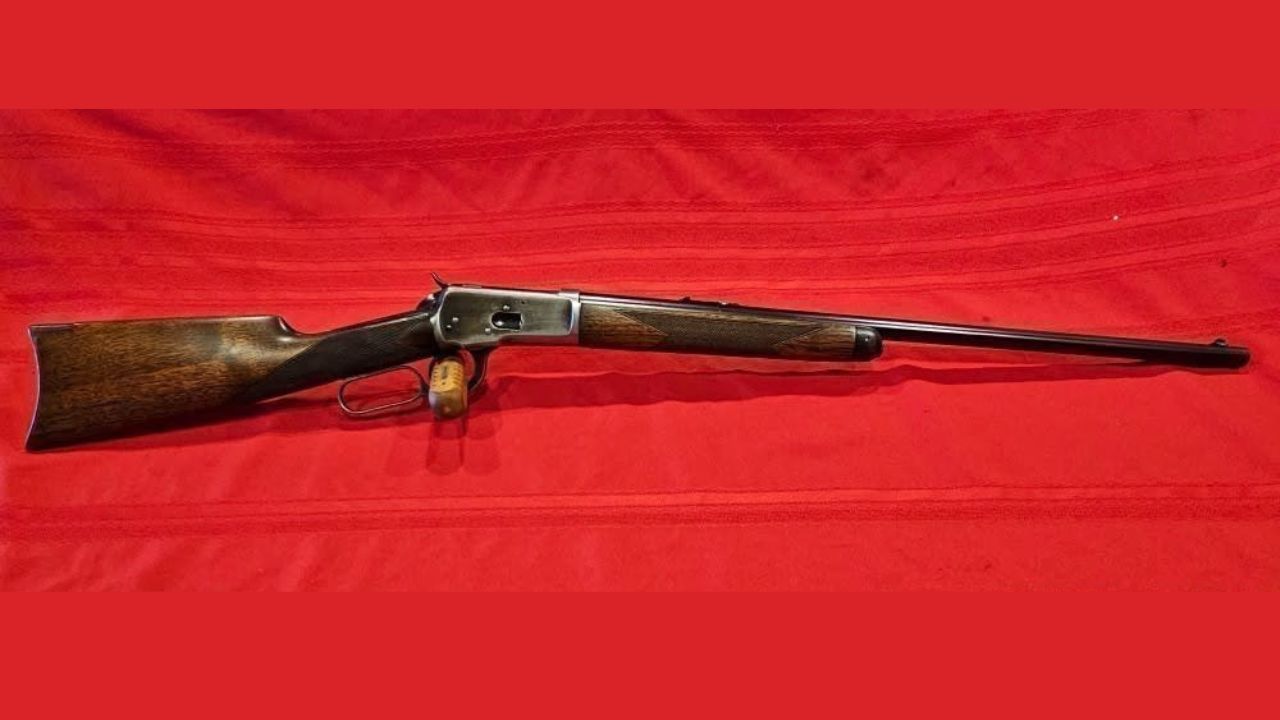
American Hunter says more than a million Model 1892s were made between 1892 and 1941, and the Winchester Collector site gives a specific total of 1,004,675.
That is a huge production number for a rifle people often think of as just an old cowboy collectible. The 1892 was a genuinely major commercial success.
5. It was built for pistol cartridges, not full-power rifle rounds
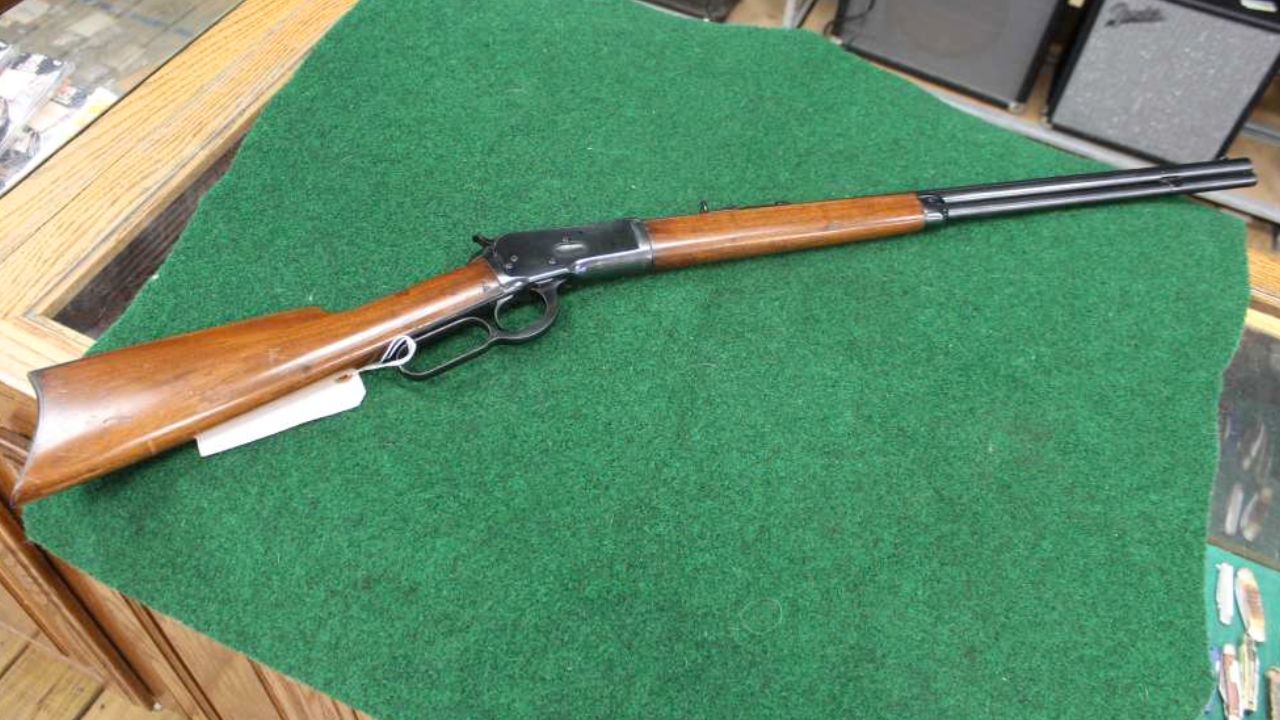
Winchester’s Browning article says the 1892 was chambered for smaller cartridges like the .44-40 and .25-20, and the reference history adds .38-40 and .32-20 to the usual list.
That matters because the Model 1892 was not a .30-30-class deer rifle in the Model 94 sense. It was a fast-handling lever gun built around the cartridges people were already using in handguns and saddle carbines.
6. It came in more than just rifle form
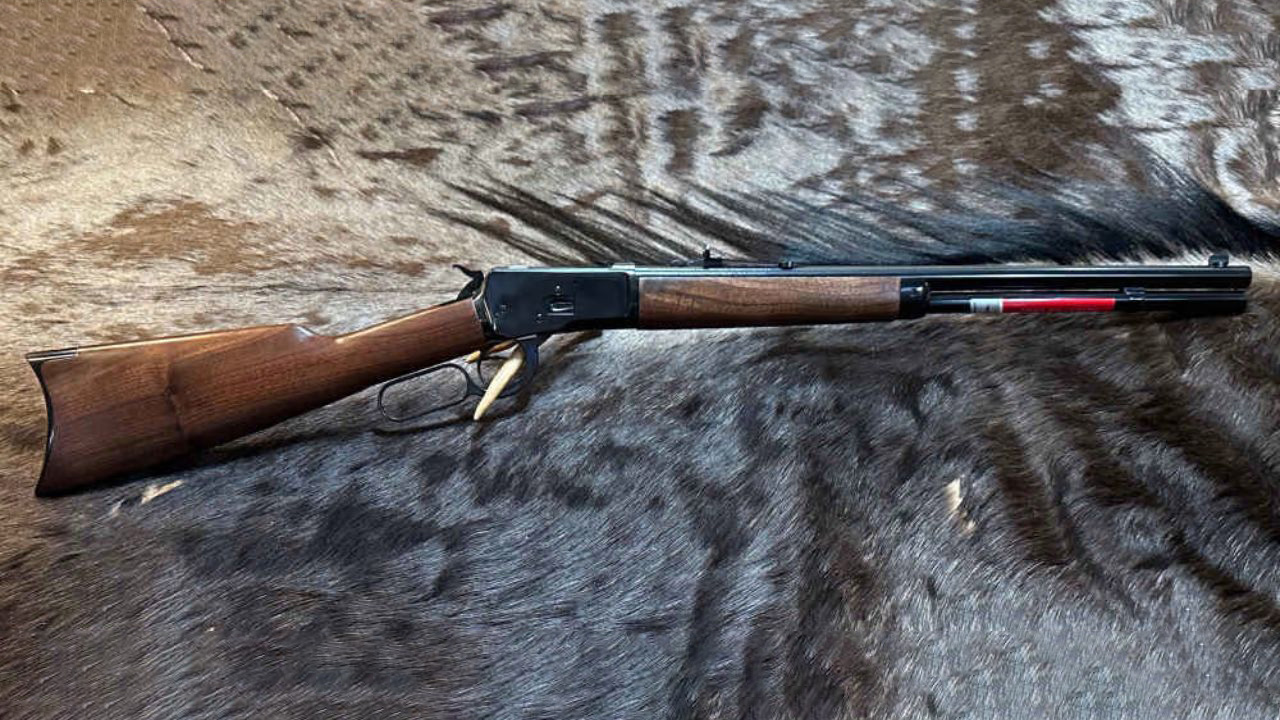
The Winchester Collector site says the 1892 was offered in rifle, carbine, and musket configurations.
That broader set of configurations helps explain why the gun found such a wide audience. Winchester was not selling one fixed pattern. It was selling a family of handy lever guns for different users and preferences.
7. The musket version is surprisingly rare
The Winchester Collector site says only 574 muskets were produced out of the total run.
That is a tiny number compared with the overall production total, which is why musket-format 1892s get special attention from collectors. That collector-interest point is an inference, but it follows directly from the very low production figure.
8. It was offered in both solid-frame and takedown versions
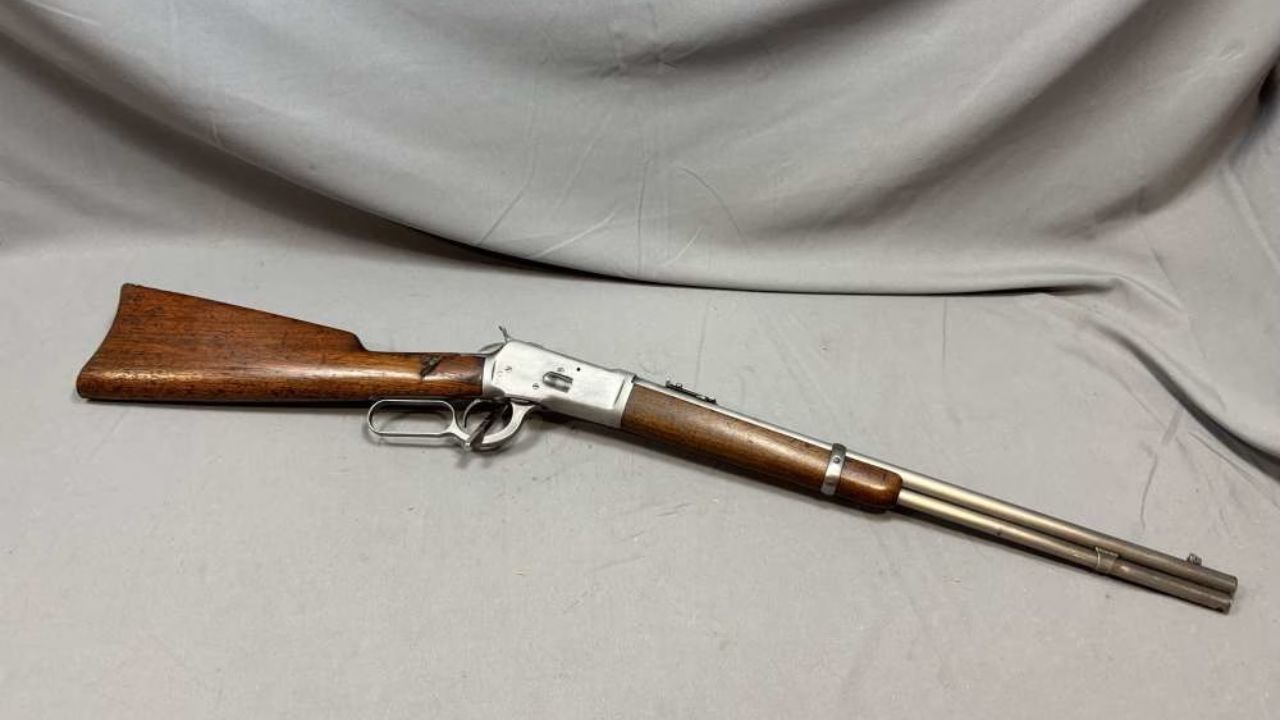
The Winchester Collector site says the Model 1892 was made in both solid and takedown variations.
That is a useful detail because takedown rifles were a practical feature, not just a curiosity. They made transport and storage easier, which was a real selling point in the period. That practical-use point is an inference grounded in the takedown feature itself.
9. Saddle-ring carbines were a big part of the 1892’s identity
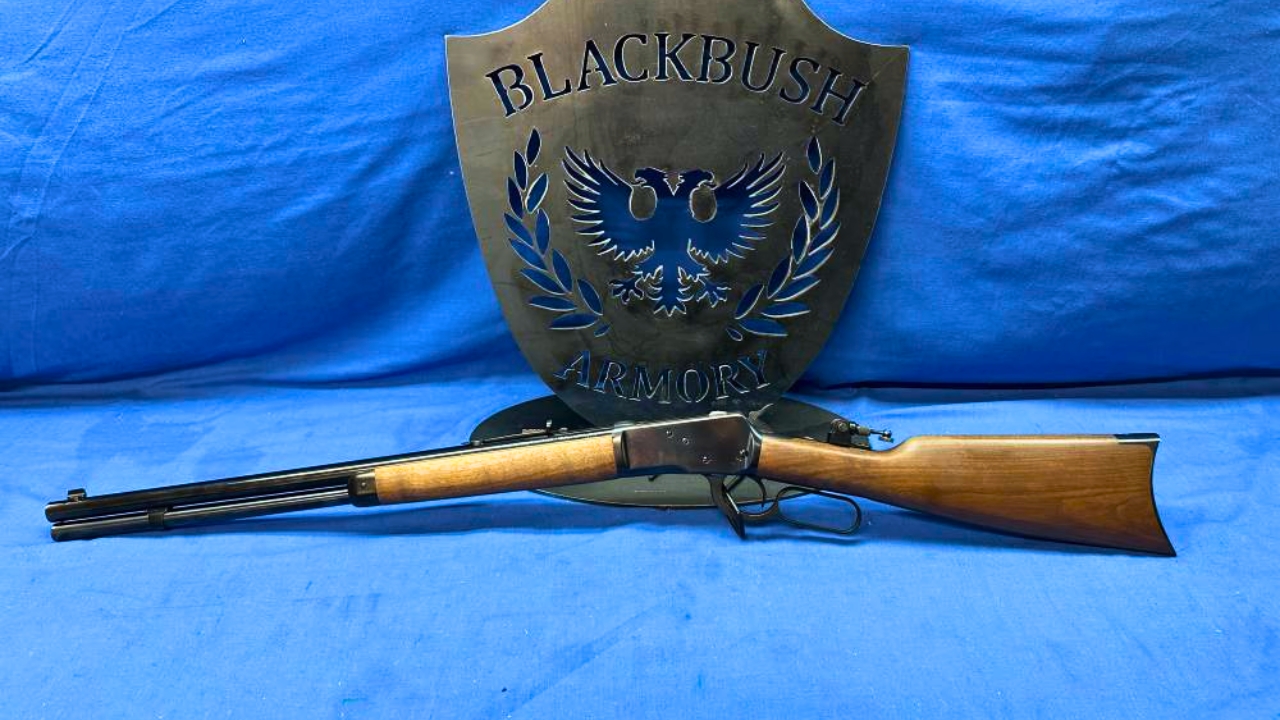
The NRA Museum highlights a Winchester Model 1892 lever-action carbine, and Guns Magazine notes that Winchester eventually dropped saddle rings in 1927 as automobiles made them less relevant.
That tells you how closely the 1892 was tied to horse-era utility. The saddle ring was not just decorative on these guns. It came out of a specific way people actually carried carbines.
10. It became one of the most famous rifles in Western movies and TV
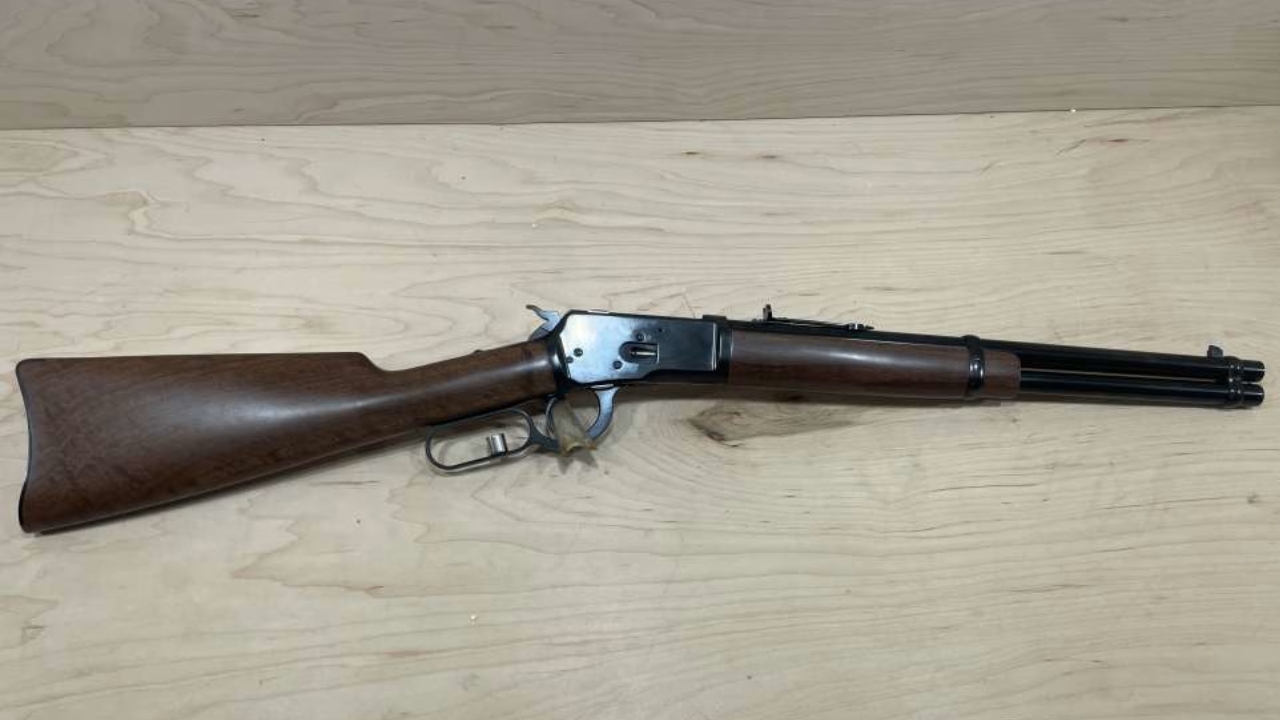
Winchester’s 125th-anniversary article says the 1892 became the iconic lever-action of the silver screen and television.
That is a huge part of why the rifle feels so familiar even to people who do not know much gun history. The 1892 survived culturally because Hollywood kept putting it in front of audiences long after the real frontier era was over. That second sentence is an inference grounded in Winchester’s own “silver screen and television” framing.
11. The Rifleman’s gun was a modified 1892
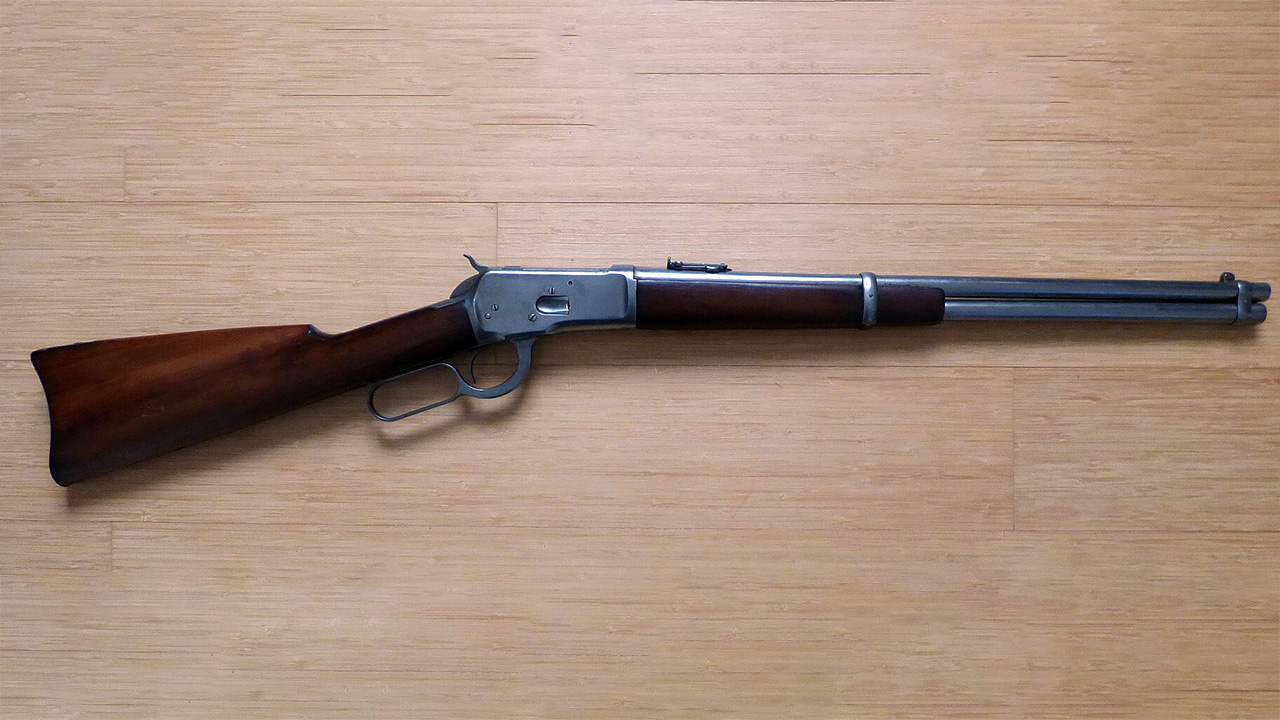
The reference history says the rifle used in The Rifleman was a modified Winchester 1892 with an oversized loop and a trigger-trip screw for rapid fire.
That little pop-culture fact matters because it ties one of the most famous TV rifles in history directly back to the Model 1892.
12. John Wayne is strongly tied to the 1892 too
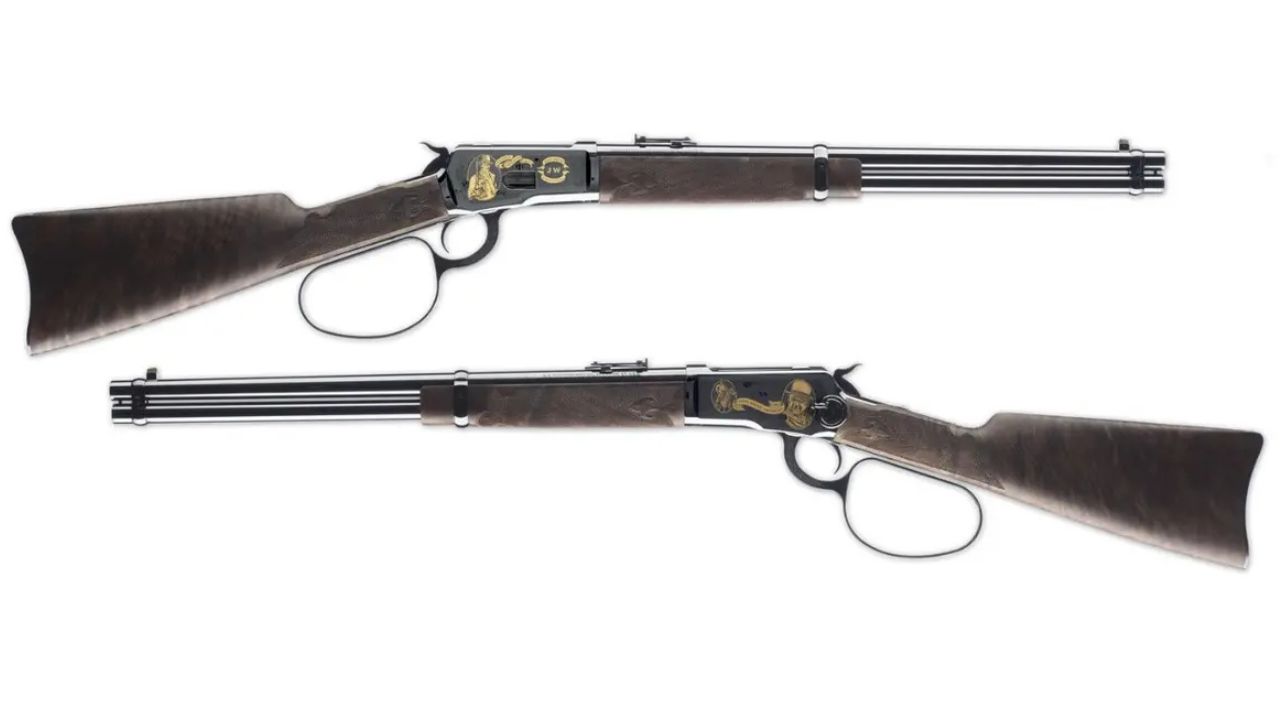
The same reference history notes that the large-loop 1892 is also associated with John Wayne, who used a .44-40 version in many films.
That is another big reason the rifle’s image outlasted its original production life. The 1892 was not just historically successful. It stayed alive through movie mythology. That second sentence is an inference grounded in the repeated film association.
13. Winchester later brought it back in limited modern runs
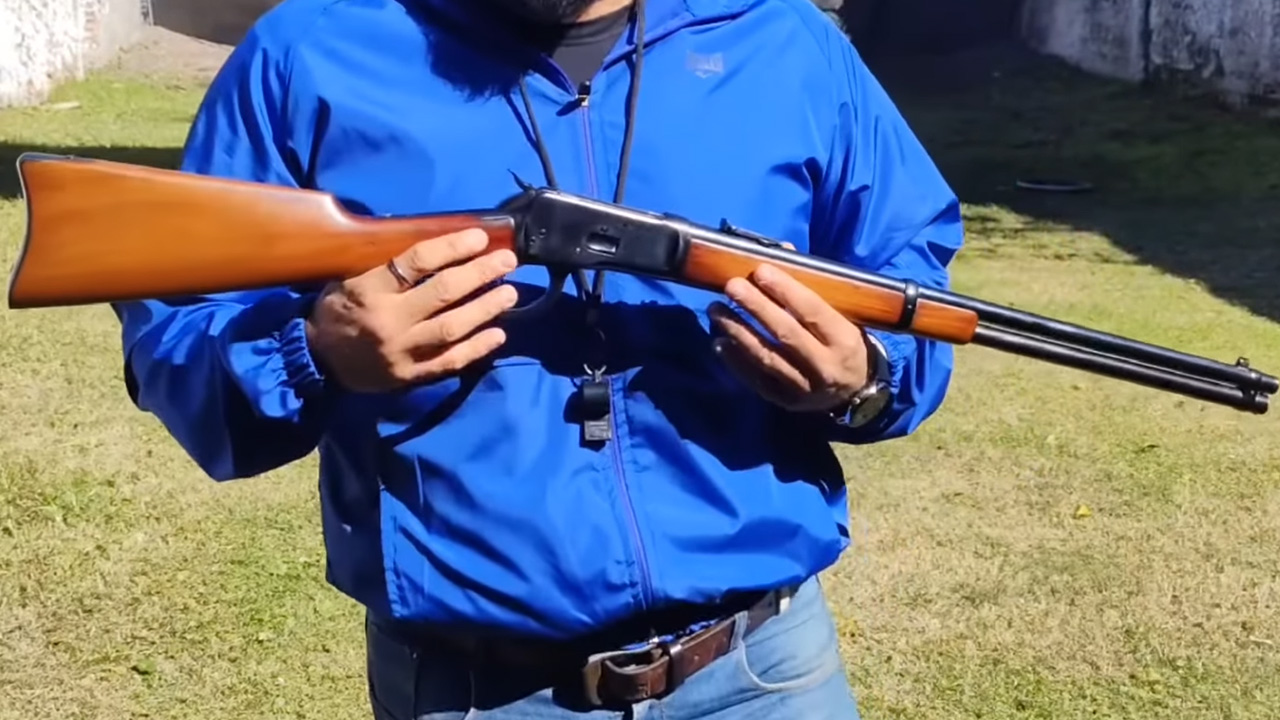
The reference history says Winchester produced limited numbers of the Model 1892 in 1997, then later issued John Wayne anniversary guns and other modern versions.
That matters because Winchester clearly knew the 1892 still had enough pull to support revival runs long after original production ended.
14. Modern copies have kept the design alive almost continuously
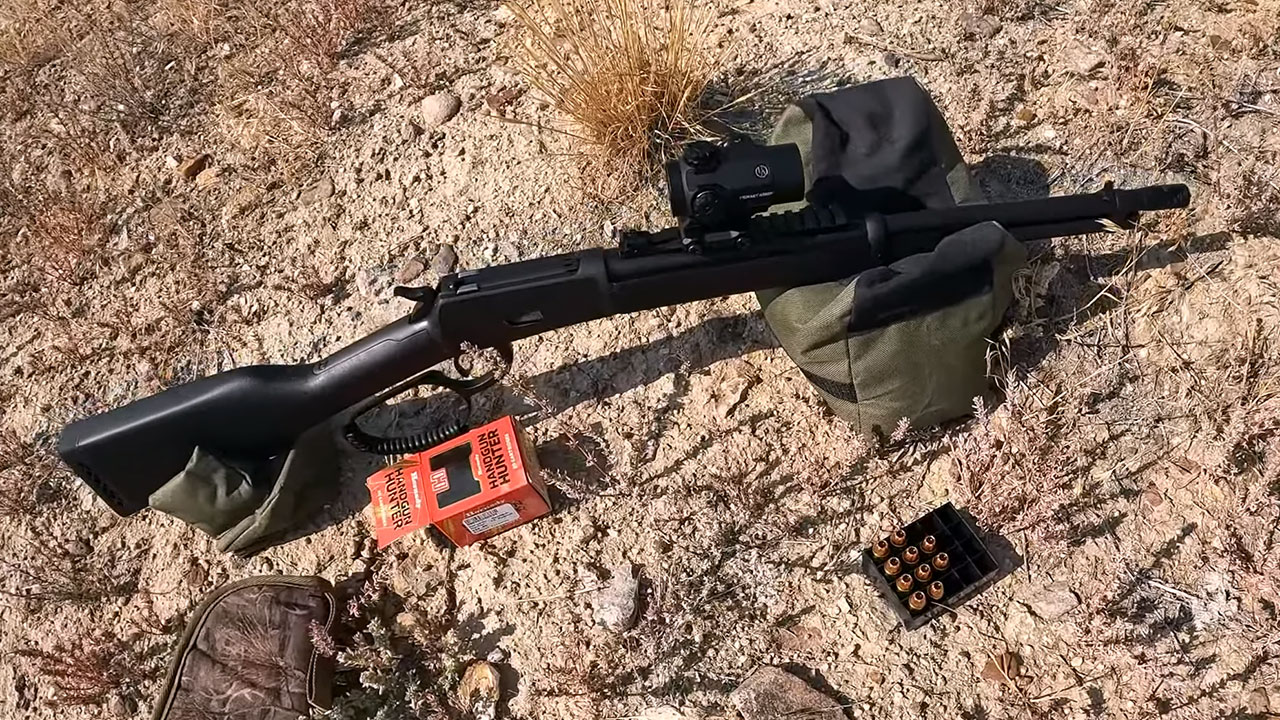
The reference history says that even after original Winchester production ended in 1941, makers such as Browning, Chiappa, and Rossi continued producing versions of the 1892, so the design has remained available in one form or another almost continuously.
That is a pretty strong sign of how durable the design is. Plenty of old lever guns are admired; fewer stay in actual production through reproductions and revivals for that long. That second sentence is an inference grounded in the near-continuous production note.
15. Its biggest legacy is that it perfected the “handy pistol-cartridge lever gun” idea
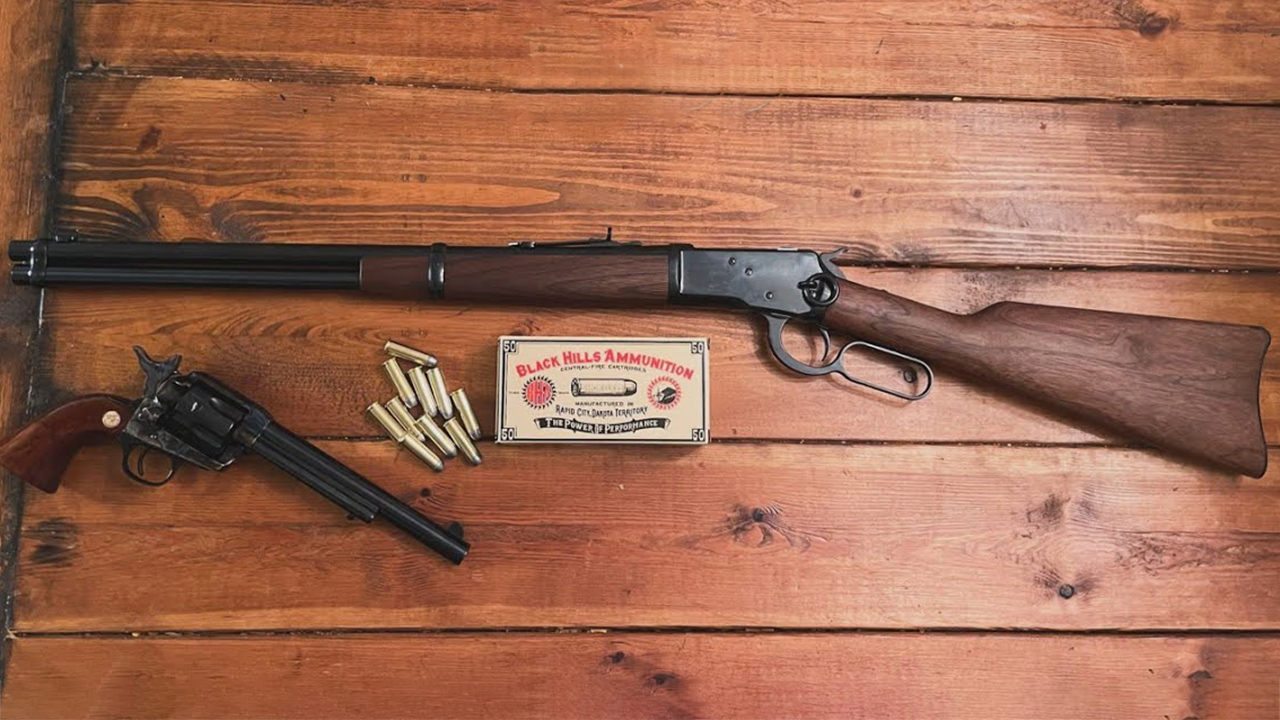
Winchester’s own Browning history, American Hunter, and the Winchester Collector description all point in the same direction: the 1892 was compact, light, strong, smooth, and chambered for the smaller cartridges people actually carried on the frontier and beyond.
That is probably the most important thing about the Winchester 1892. It was not just another lever action. It became the classic trim, fast, easy-carry lever gun by which a lot of later pistol-caliber carbines are still judged. That last point is an inference, but it is the clearest reading of why the rifle keeps getting revived and remembered.
Like The Avid Outdoorsman’s content? Be sure to follow us.
Here’s more from us: