Photo credit: All Outdoors/YouTube
Some revolvers never really stopped being useful. They just got drowned out for a while by the constant flood of new semi-autos, optics-ready carry guns, and high-capacity everything. But when you step back and look at what still works in real life, a good revolver can still fill a role better than people like to admit. They are simple to understand, easy to maintain, and in the right setup they still make a lot of practical sense for carry, trail use, home defense, hunting, and plain old range time.
That does not mean every wheelgun deserves a spot in your safe. Some are too heavy for the job, some are too expensive for what you get, and some only make sense if you already love revolvers. But there are still plenty that earn their keep without needing nostalgia to prop them up. These are the revolvers that still hold up today for reasons you can actually feel once you put rounds through them.
Smith & Wesson Model 686

The Model 686 still makes sense because it does almost everything a .357 revolver is supposed to do without making you fight the gun. It has the weight to soak up recoil, the sight picture to shoot well, and the kind of balance that helps you settle in fast whether you are running .38 Specials or full-house magnums. A lot of revolvers sound good on paper, but the 686 usually feels right as soon as you pick it up.
It is also one of the easiest revolvers to recommend to someone who wants one gun for range use, home defense, and general ownership. It is not tiny, and it is not cheap, but it is dependable, shootable, and supported by a huge aftermarket. That matters today. If you want a revolver that still works as a serious all-arounder, this one remains near the top.
Ruger GP100

The GP100 still earns respect because it is built like it expects to get used hard. This is not the revolver you buy because it is sleek or refined. You buy it because it handles recoil well, keeps running, and has a reputation for taking a steady diet of magnum loads without feeling like it is being pushed past its comfort zone. That still matters for shooters who want a working gun instead of a safe ornament.
What keeps the GP100 relevant now is that it bridges old-school toughness with modern practicality. It can ride in a truck, work as a nightstand gun, serve as a woods sidearm, and still be pleasant enough at the range that you actually want to train with it. A lot of firearms try to fill multiple jobs and end up mediocre. The GP100 usually avoids that problem.
Ruger LCR
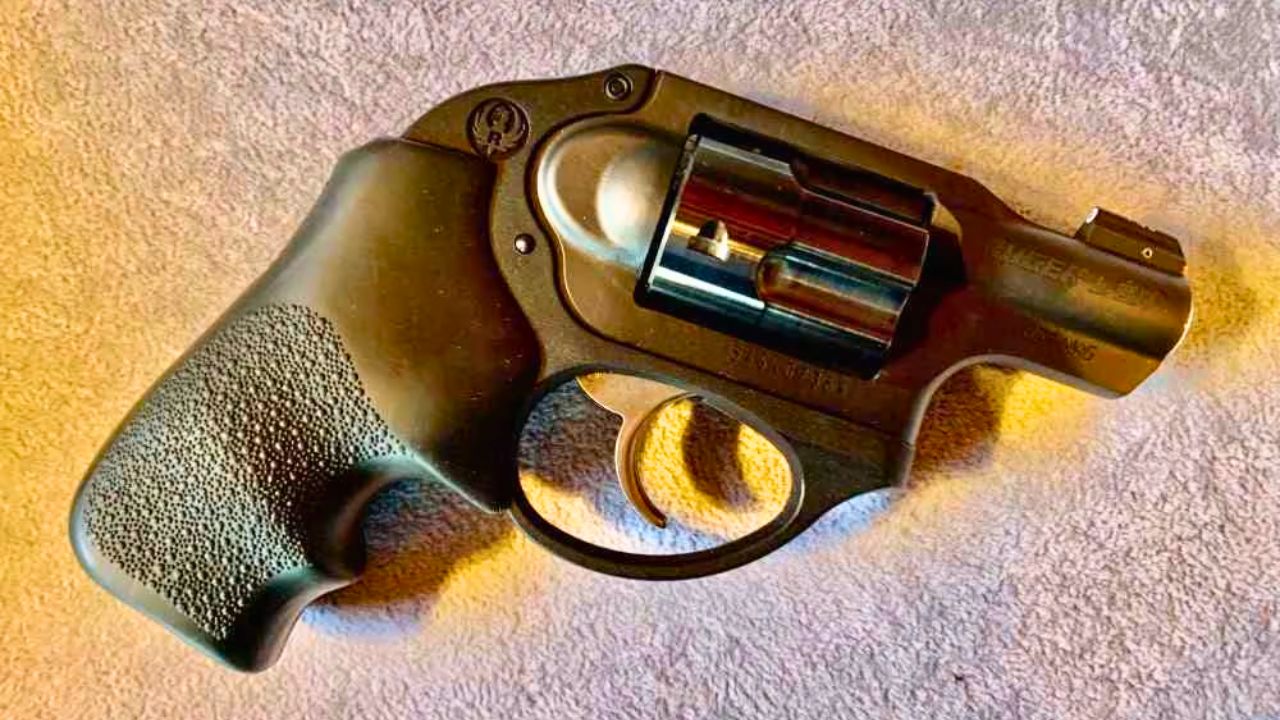
The LCR still makes a lot of sense because it addresses the one thing many small revolvers struggle with: shootability. Lightweight carry revolvers are often miserable to practice with, which becomes a real problem if the gun is supposed to be part of your daily routine. The LCR has a genuinely good trigger for the class, and that alone makes it easier to use well than a lot of people expect from a snub-nose.
It also fits the real-world role of a deep-concealment or pocket revolver better than many older designs. It is light, snag-free, and simple to carry when a bigger gun starts getting left behind. That is why it still matters. A carry gun only helps if you will actually keep it on you, and the LCR has a way of sticking around in people’s pockets for years.
Smith & Wesson 442

The 442 still makes sense because it sticks to the basics and does not pretend to be anything else. It is light, hammerless, and easy to conceal, which is exactly why so many people still keep one around. This is not the revolver you buy to impress anybody at the range. It is the one you buy because it disappears in a pocket holster and works in a hurry without much drama.
In a world full of bigger micro-compacts with better capacity, the 442 still keeps its place by being dead simple. There is no manual safety, no slide to rack, and no magazine to worry about. That is not the answer for everyone, but for people who want a grab-and-go revolver they can carry in hot weather, on quick errands, or as a backup, it still holds real value.
Kimber K6s

The Kimber K6s still matters because it proved that a small carry revolver did not have to feel crude. A lot of compact wheelguns get by on utility alone, but the K6s brought a better trigger, solid sights, and a more refined feel without giving up concealability. That combination helped it stand out, and it still does. It feels like a revolver made for modern expectations instead of one copied from decades-old habits.
It also makes sense because six rounds in a compact .357 package is still a strong selling point. That extra round matters more in a small revolver than some people want to admit. Add in solid ergonomics and good carry manners, and the K6s keeps earning space in the conversation. It is not the cheapest route into a snub revolver, but it gives you reasons to spend the extra money.
Colt Python

The Python still makes sense today, but not only because of the name. The modern version brought back a revolver people genuinely want to shoot, not just stare at. It has a strong trigger, very good sights, and the kind of accuracy that reminds you why full-size .357 revolvers still have a place. When you are shooting double action and the gun feels smooth instead of stubborn, the appeal becomes pretty obvious.
It also works because it sits at the line between serious shooter and pride-of-ownership gun. Some revolvers are purely practical, and some are mostly for collecting. The Python manages to do both jobs better than most. It is expensive, sure, but if you want a revolver that can serve as a range gun, defensive option, and heirloom-level piece at the same time, it still makes a strong case.
Colt King Cobra

The King Cobra still makes sense because it gives you a stout .357 platform with Colt appeal in a package that feels made to be used. It may not carry the same aura as the Python, but that can actually make it easier to appreciate. You are less likely to baby it, and that is a good thing. A revolver like this should be shot, carried in the woods, and worked from the holster.
It also fills a practical niche for people who want something durable and controllable without stepping into truly oversized territory. The King Cobra has enough heft to tame magnum loads, but it does not feel like a dedicated hunting revolver. That makes it useful for range work, trail carry, and even home defense. It is one of those revolvers that still makes sense because it has not gotten too specialized.
Smith & Wesson Model 66

The Model 66 still works today because it offers something a lot of shooters still want: a .357 revolver that carries easier than a full underlug brute but still shoots well enough to matter. It has that classic K-frame feel that many people connect with right away. It points naturally, carries better than heavier L-frames, and with the right loads it remains a very capable defensive and field revolver.
That balance is what keeps it relevant. Not every revolver needs to be built for endless hot magnum punishment. Plenty of people mainly run .38s, midrange .357s, or just want a sidearm that is pleasant enough to actually use. The Model 66 still fits that lane well. It is trim enough to feel lively, but substantial enough to remind you it is still a serious gun.
Ruger SP101

The SP101 still makes a lot of sense because it solves a common snub-revolver problem by being heavy enough to control. Lightweight carry guns have their place, but they can be rough on the shooter. The SP101 gives you a more solid platform in a compact frame, which makes practice less punishing and follow-up shots more realistic. That added weight is not glamorous, but it helps where it counts.
It is also one of the better choices for someone who wants a small revolver that can handle real use over time. The SP101 has long been known for strength, and that still matters for shooters who want to mix carry, trail duty, and regular range work. It is not the easiest pocket gun, but for belt carry or coat-pocket duty, it still has a very practical footprint.
Taurus 856 Defender

The Taurus 856 Defender still makes sense because it gives budget-minded shooters a revolver with features they actually want instead of a stripped-down afterthought. You get six rounds, usable sights, and manageable dimensions in a package that does not demand premium money. For a lot of people, that matters more than brand prestige. They want something affordable that still feels like it was built with real defensive use in mind.
It stays relevant because not everyone shopping for a revolver is chasing collector value or polished fit and finish. Some people need a carry gun, a truck gun, or a home-defense option that does not crush the budget. The 856 Defender fills that role better than many cheap revolvers used to. It is not perfect, but it makes practical sense in a way entry-level revolvers often fail to do.
Charter Arms Bulldog
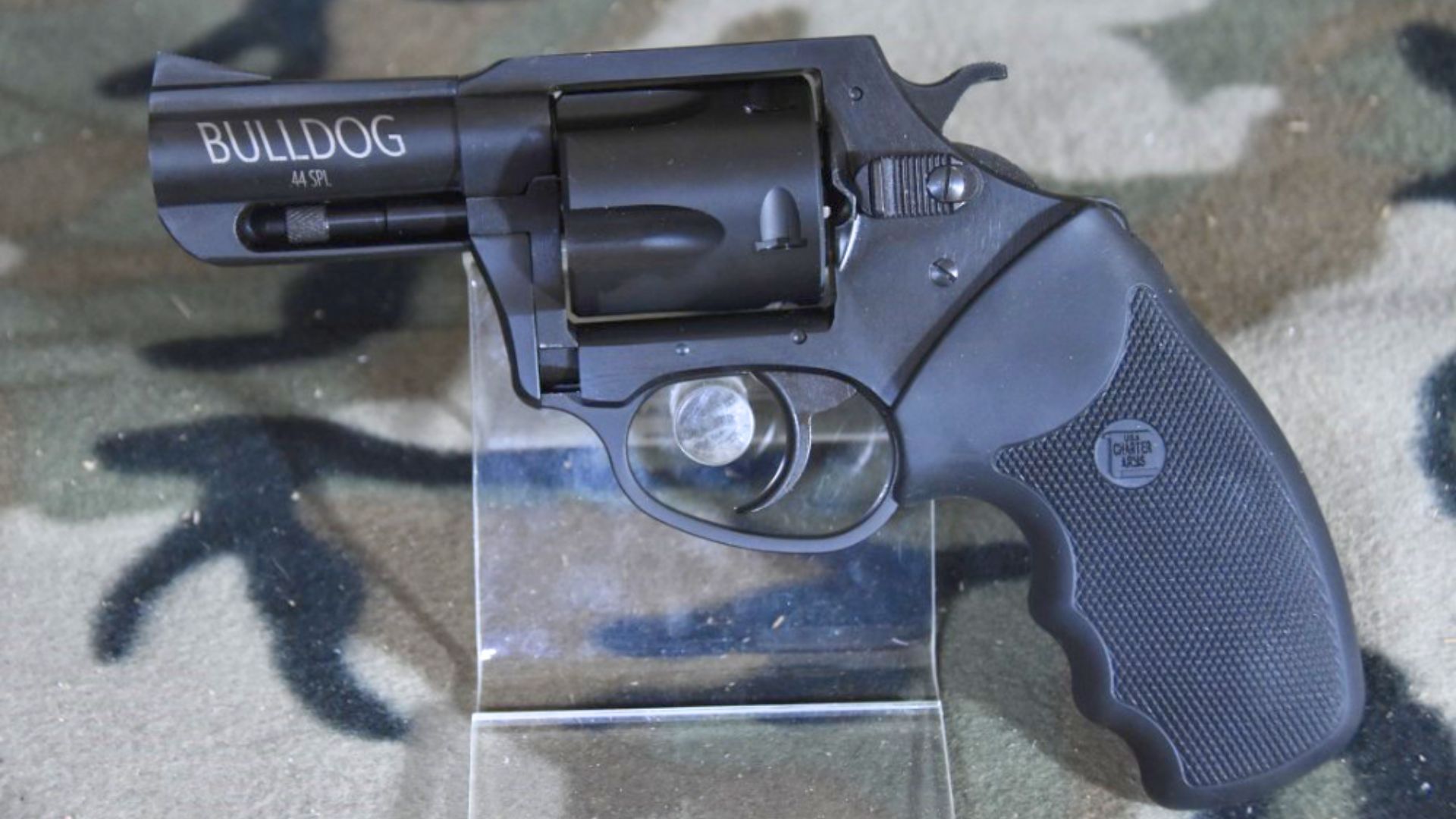
The Bulldog still makes sense because big-bore carry revolvers have never completely lost their appeal. A compact .44 Special is a very specific thing, but it still answers a question some shooters keep asking: can I carry a revolver with real punch in a package that is not oversized? The Bulldog says yes, and it has been saying it for a long time. That alone keeps it interesting.
What keeps it relevant is that it is not trying to be everything. It is not a range toy for high-volume shooting, and it is not a hunting revolver. It is a straightforward defensive revolver with a heavier caliber and a compact frame. That role still exists. For people who understand its limits and like what .44 Special offers, the Bulldog remains a gun that still makes practical sense.
Smith & Wesson 629

The 629 still matters because there are still plenty of places where a powerful revolver is more than a novelty. In bear country, deep woods, or while hunting, a .44 Magnum revolver continues to offer a level of authority that smaller handguns do not. The 629 gives you that capability in a proven platform with broad support and solid shootability. It is not subtle, but it is honest about what it is for.
It also remains useful because it can do more than people think if you load it smart. Full magnums are there when you want them, but lighter .44 Special or moderate magnum loads make it far more manageable than its reputation suggests. That flexibility keeps it from becoming a one-note gun. For woods carry, handgun hunting, or defense against large animals, the 629 still has a clear purpose.
Ruger Super Redhawk

The Super Redhawk still makes sense because heavy-duty revolvers still have jobs that compact carry guns cannot fill. This is not a revolver for casual waistband carry or quick trips to the store. It is a tool for hunting, backcountry protection, and shooters who want a platform that can handle powerful loads and optics without feeling like it is near the edge. In that world, it still makes a lot of practical sense.
Its strength is that it does not pretend to be elegant. The Super Redhawk is bulky, but that bulk buys stability, durability, and versatility. It handles serious cartridges well, and it remains one of the better options for people who want a revolver set up for scoped hunting or hard-use field carry. Plenty of guns look better in photos. Fewer hold up as well when the work gets real.
Ruger Blackhawk
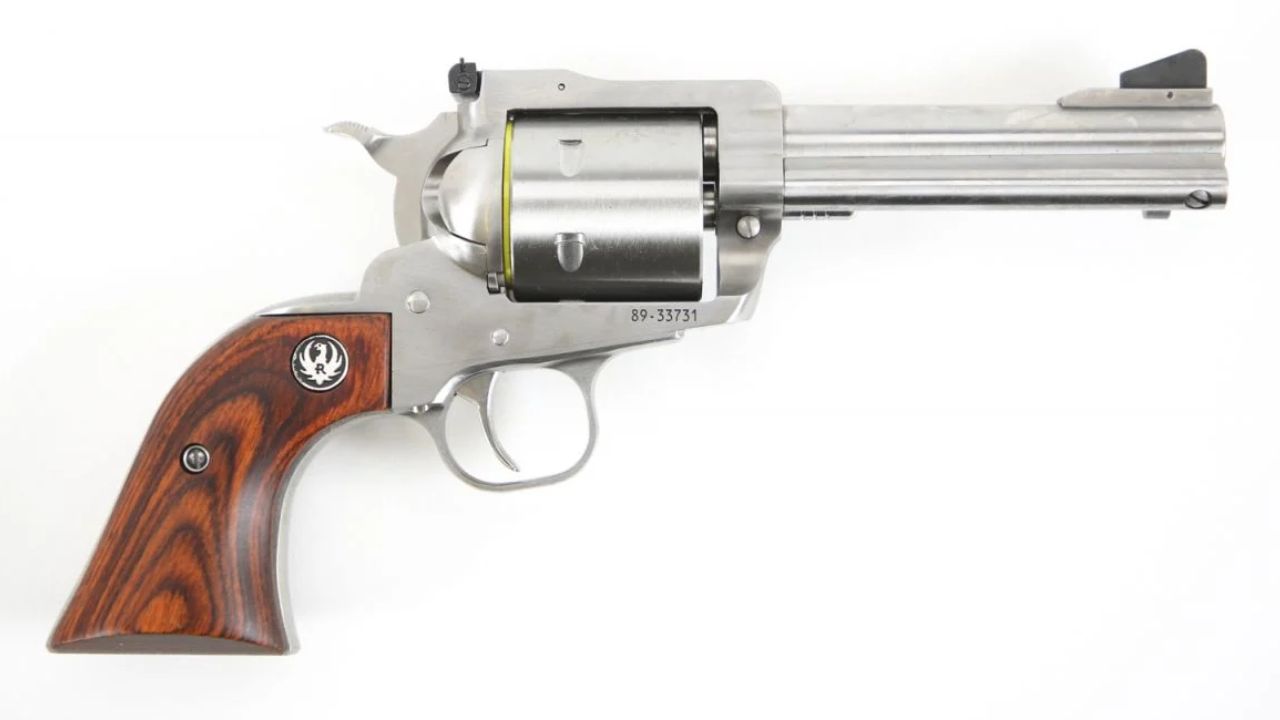
The Blackhawk still matters because single-action revolvers are not outdated if the job actually suits them. For hunting, field carry, and recreational shooting, the Blackhawk still offers strength, simplicity, and caliber flexibility in a package that has proven itself for decades. It is slower to run than a double-action revolver, sure, but that does not erase what it does well. Some roles still reward deliberate shooting.
It stays relevant because it gives you a durable, accurate revolver that can handle serious loads and still feel satisfying every time you cock the hammer. There is a reason shooters keep buying them. The Blackhawk is not built around nostalgia alone. It is built around a design that still works for people who spend time outdoors, handload, or want a revolver that feels like it was made to last.
Smith & Wesson 617
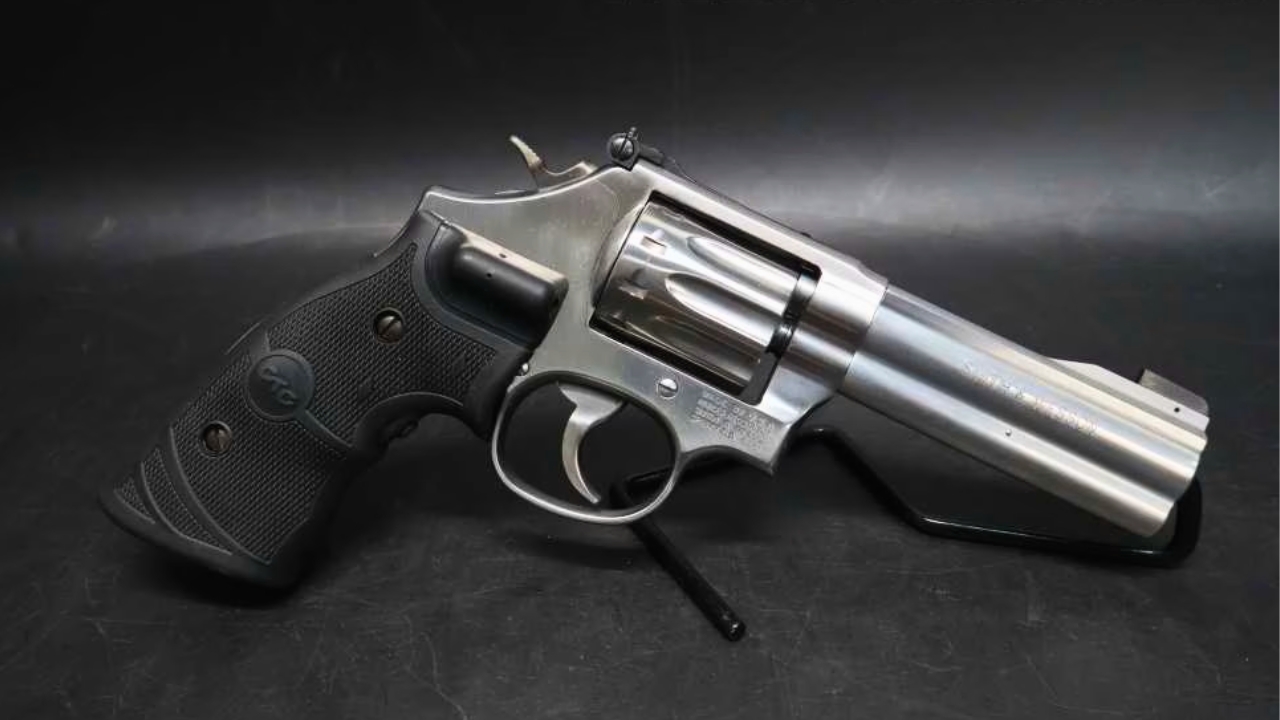
The 617 still makes a lot of sense because a good .22 revolver is still one of the smartest training tools you can own. You get revolver handling, double-action trigger work, and cheap shooting in a package that actually encourages range time. That is hard to beat. A lot of shooters spend big money chasing improvement while skipping the kind of repetition that really sharpens fundamentals. The 617 makes that repetition easy.
It also remains useful because it is simply fun to shoot, and fun matters more than some people admit. Guns that are pleasant, accurate, and affordable to feed tend to get used more. That means more practice and better habits. Whether you are introducing a new shooter to revolvers or keeping your own trigger control honest, the 617 still earns its place without needing any special excuse.
Like The Avid Outdoorsman’s content? Subscribe to our newsletter so you never miss an article.
Here’s more from us: