Photo credit: Steyr Arms USA
Some rifles make you wonder why people keep throwing money at upgrades before they even shoot the gun. New stocks, bottom metal, triggers, rails, coatings, and barrel swaps can all have their place, but not every rifle needs to become a project. Sometimes the better move is buying something that already does the important work well enough.
That is where these rifles stand out. They may not all be fancy, rare, or built like customs, but they remind you that accuracy, reliability, handling, and field confidence matter more than a parts list. When a rifle shoots well and fits its job from the start, expensive upgrades start feeling a lot less necessary.
Tikka T3x Hunter
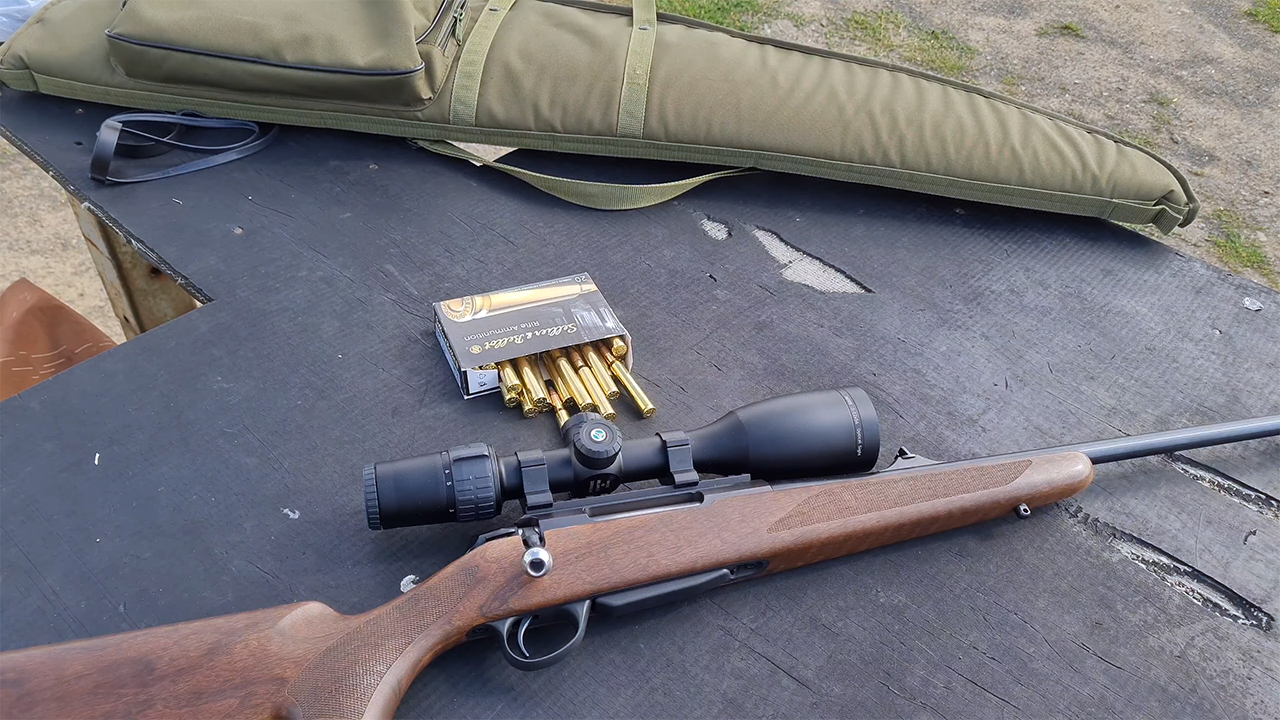
The Tikka T3x Hunter makes expensive upgrades feel pointless because it already does the basic hunting-rifle job extremely well. The action is smooth, the trigger is clean, and most examples shoot better than many hunters can hold from field positions.
You can dress one up if you want, but you do not have to. Mount good glass, find a load it likes, and go hunt. The walnut stock gives it a more traditional feel than the synthetic models, but the performance is still pure Tikka. For a hunter who wants accuracy without turning the rifle into a project, this one makes a strong case.
Bergara B-14 Hunter

The Bergara B-14 Hunter is one of those rifles that can make a buyer question why they were shopping custom parts in the first place. It gives you a solid action, a good barrel reputation, and dependable hunting accuracy right out of the box.
The rifle is not trying to be flashy. It is a straightforward bolt gun that usually shoots well and feels more refined than its price suggests. Plenty of hunters could spend more chasing tiny improvements and never notice the difference in the woods. If your goal is a practical deer, elk, or general big-game rifle, the B-14 Hunter already covers a lot of ground.
Howa 1500 Hogue

The Howa 1500 Hogue has been making budget-minded rifle buyers look smart for years. The action is strong, the barrels are usually solid, and the rifle has a reputation for honest accuracy without premium pricing.
The Hogue stock is not everyone’s favorite, but for a working rifle, it does the job. You can upgrade the stock later, but many hunters never need to. The rifle feeds, shoots, and handles normal hunting use without making a big fuss. When a basic factory rifle already gives you that kind of confidence, throwing a pile of money at upgrades starts feeling optional instead of necessary.
Ruger Hawkeye Standard
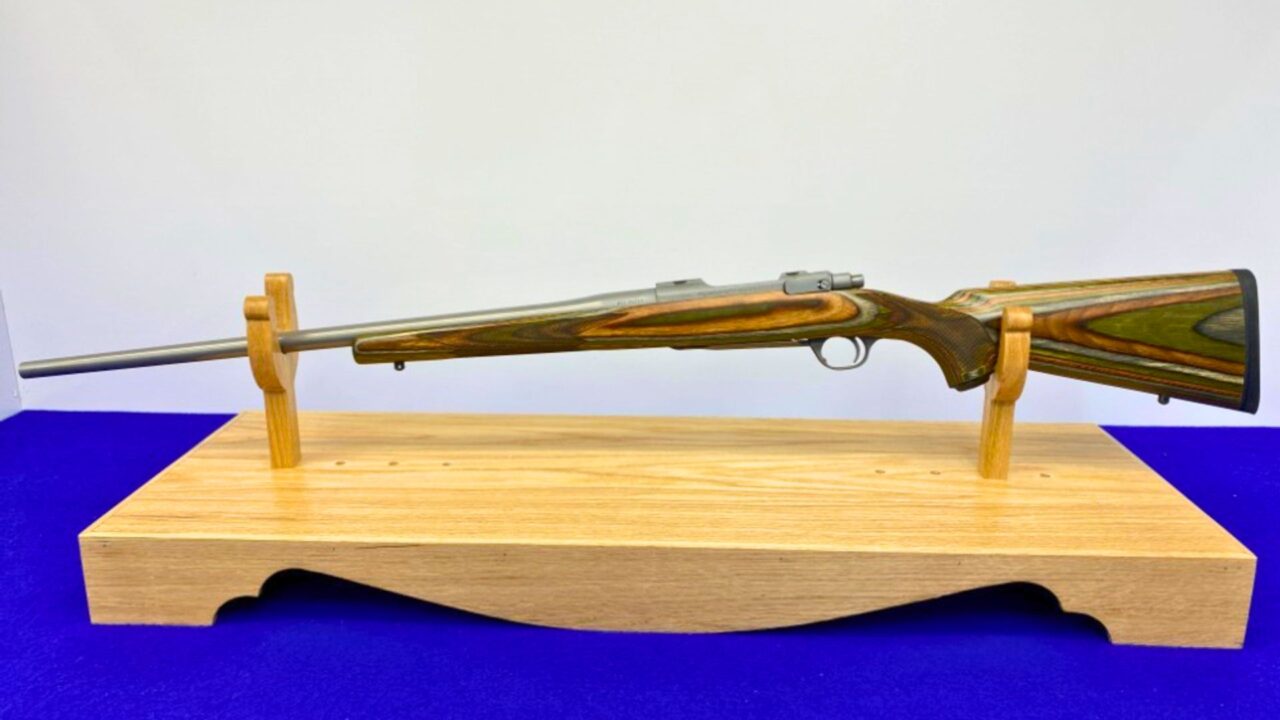
The Ruger Hawkeye Standard makes expensive upgrades feel pointless for hunters who value ruggedness over trend chasing. It gives you controlled-round feed, a strong action, a dependable safety, and the kind of field confidence that does not come from a catalog full of accessories.
It may not be the lightest rifle or the slickest bench gun, but it feels built for real hunting. That matters when weather gets ugly and the rifle gets bumped around. A lot of upgrades are meant to make rifles feel tougher or more serious. The Hawkeye already has that attitude baked in.
Winchester Model 70 Sporter
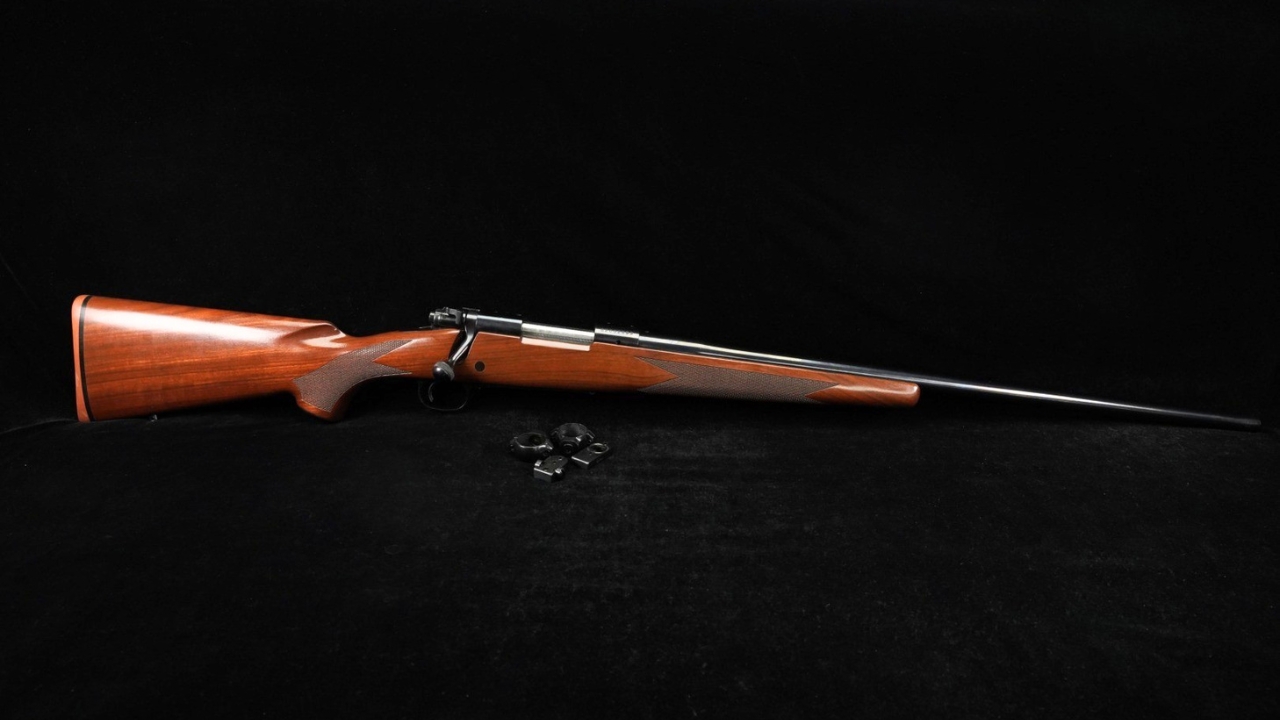
The Winchester Model 70 Sporter is the kind of rifle that reminds you not every hunting gun needs to be modernized. Controlled-round feed, classic stock lines, good balance, and a proven action give it a complete feel from the start.
Some owners swap stocks, triggers, or bottom metal on rifles trying to make them feel more serious. The Model 70 Sporter already feels serious in a traditional way. It carries well, shoulders naturally, and gives hunters plenty of confidence inside real-world hunting distances. If you appreciate a rifle that feels finished when you buy it, this one makes upgrades seem less urgent.
Savage 110 Apex Hunter XP

The Savage 110 Apex Hunter XP makes sense for buyers who want a rifle package that can hunt without immediately becoming a parts project. It comes with useful adjustability, a dependable AccuTrigger, and factory scope options that get newer hunters into the field quickly.
Is the included optic the best glass in the world? No. But the point is value and function. The rifle itself gives you enough accuracy and fit adjustment to handle normal hunting. A buyer can upgrade glass later if needed, but the base gun does not demand immediate fixing. That makes it a smarter buy than people sometimes admit.
Sauer 100 Classic
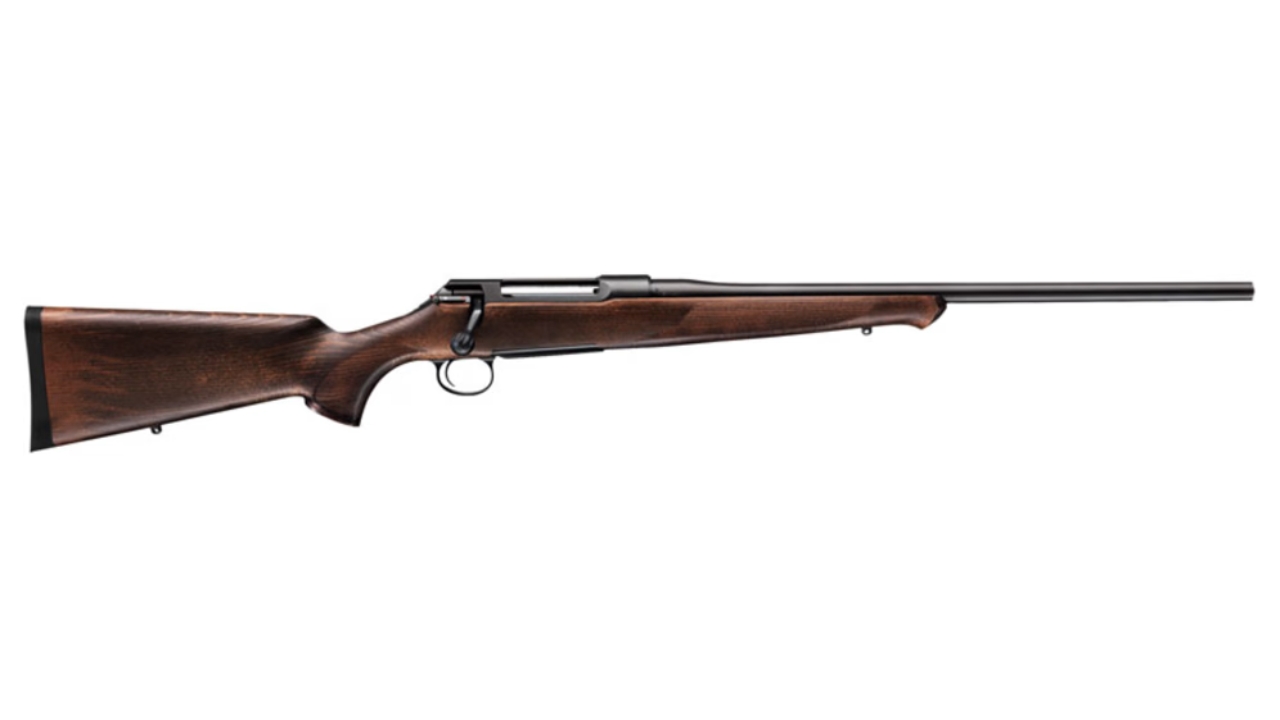
The Sauer 100 Classic makes expensive upgrades feel pointless because its strength is not in flashy features. It is in the way the rifle handles, feeds, and carries itself like a clean European hunting rifle.
The action feels smooth, the trigger is crisp, and the rifle usually delivers the kind of accuracy hunters need without much drama. You do not buy it to bolt on every accessory possible. You buy it because it already feels properly sorted. For hunters tired of rifles that need work before they feel complete, the Sauer 100 Classic is easy to appreciate.
CZ 557 American

The CZ 557 American is one of those rifles that feels more complete than people expect. It has a solid push-feed action, a good single-stage trigger, and classic hunting-rifle proportions that make it easy to shoot from practical positions.
The 557 never got the same constant attention as some other bolt guns, but it did not need much to be useful. A good one with decent glass can handle deer, hogs, and general big-game work without demanding upgrades. The stock feels right, the rifle points naturally, and the action has a sturdy feel. Sometimes that is enough.
Weatherby Vanguard Sporter

The Weatherby Vanguard Sporter makes expensive upgrades feel pointless because it gives buyers accuracy and good looks without Mark V money. The Howa-built action underneath has a strong reputation, and the rifle usually shoots well enough to satisfy serious hunters.
The Sporter version adds walnut and a more classic feel, which makes it seem less like another plastic-stocked utility gun. You can spend more for lighter weight or fancier materials, but that does not automatically make you more effective in the deer stand. A Vanguard that groups well and fits you right is already a very capable hunting rifle.
Browning X-Bolt Hunter

The Browning X-Bolt Hunter is a good reminder that refinement can matter more than aftermarket tinkering. The bolt throw is short, the magazine system is practical, and the trigger is good enough that most hunters do not need to mess with it.
It also carries that Browning polish without turning into a rifle you are scared to hunt with. The wood-stocked Hunter model feels traditional, but the action and magazine design keep it current. For a lot of hunters, this is the kind of rifle you buy, scope, sight in, and leave alone. That is not boring. That is smart.
Mauser M18

The Mauser M18 makes expensive upgrades feel pointless by being honest about what it is. It is not a luxury rifle, but it gives hunters a dependable action, practical stock, good accuracy potential, and a respected name without trying to look fancier than it is.
That kind of plain usefulness ages well. You can carry it in bad weather, use it hard, and not feel like every scratch is a crisis. The rifle is simple enough to trust but better than its modest appearance suggests. If a hunting rifle already shoots and functions well, spending more money chasing status does not always get you much.
Franchi Momentum Varmint Elite
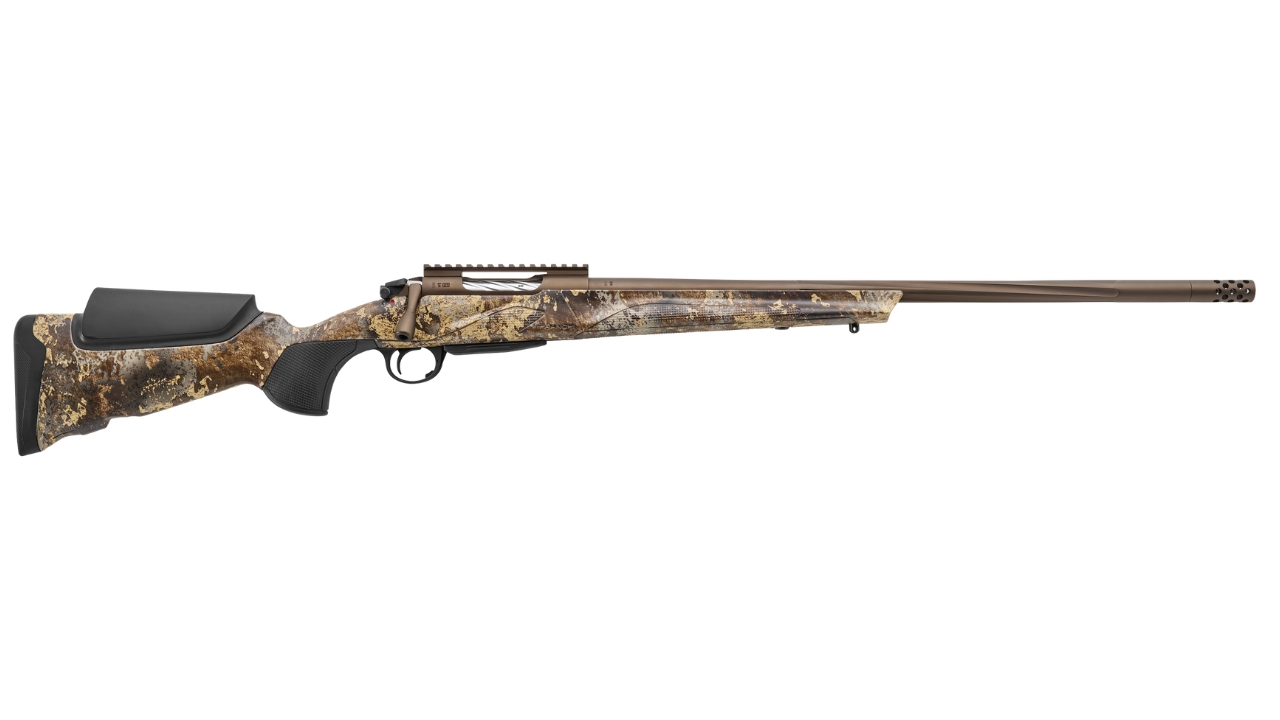
The Franchi Momentum Varmint Elite makes upgrades feel less necessary because it already comes ready for the kind of supported shooting varmint and predator hunters care about. The heavier barrel, adjustable stock features, and threaded muzzle give it real usefulness from the start.
It is not the lightest rifle to haul all day, but that is not the point. This is a rifle for steady shots, calling setups, range work, and longer sits where weight is less of a problem. Instead of buying a basic rifle and slowly turning it into a heavier precision setup, this one starts closer to where many shooters end up anyway.
Mossberg MVP Predator
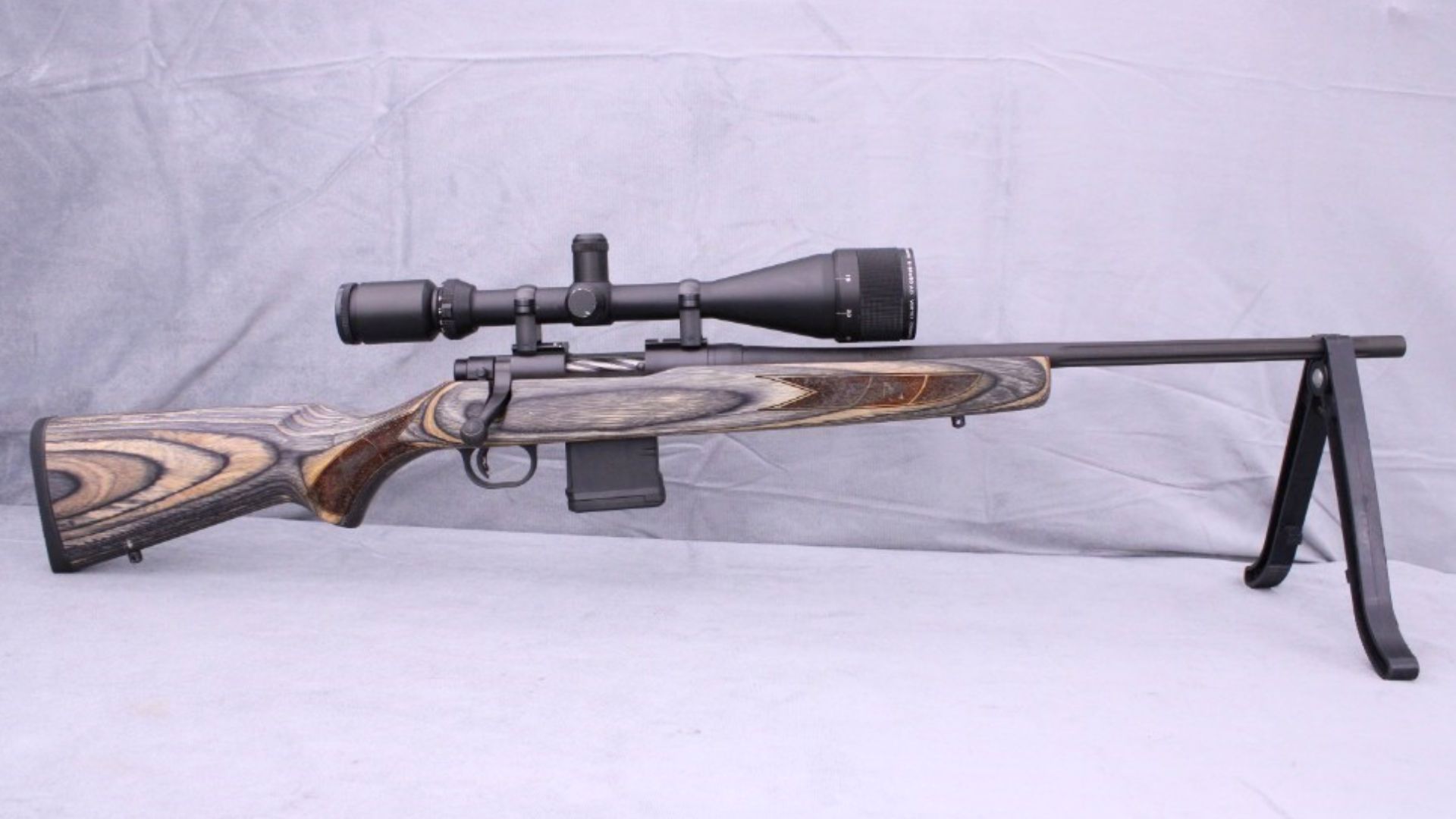
The Mossberg MVP Predator can make expensive upgrades feel pointless for shooters who understand its role. It is a compact, practical bolt rifle with useful magazine compatibility and chamberings that make sense for coyotes, hogs, and range use.
The appeal is not luxury. It is flexibility. A rifle that can use common magazines and still shoot well enough for field work already brings something useful to the table. Some buyers spend a lot trying to build a handy utility rifle from scratch. The MVP Predator already fills that lane without pretending to be a high-end precision gun.
Steyr Pro Hunter
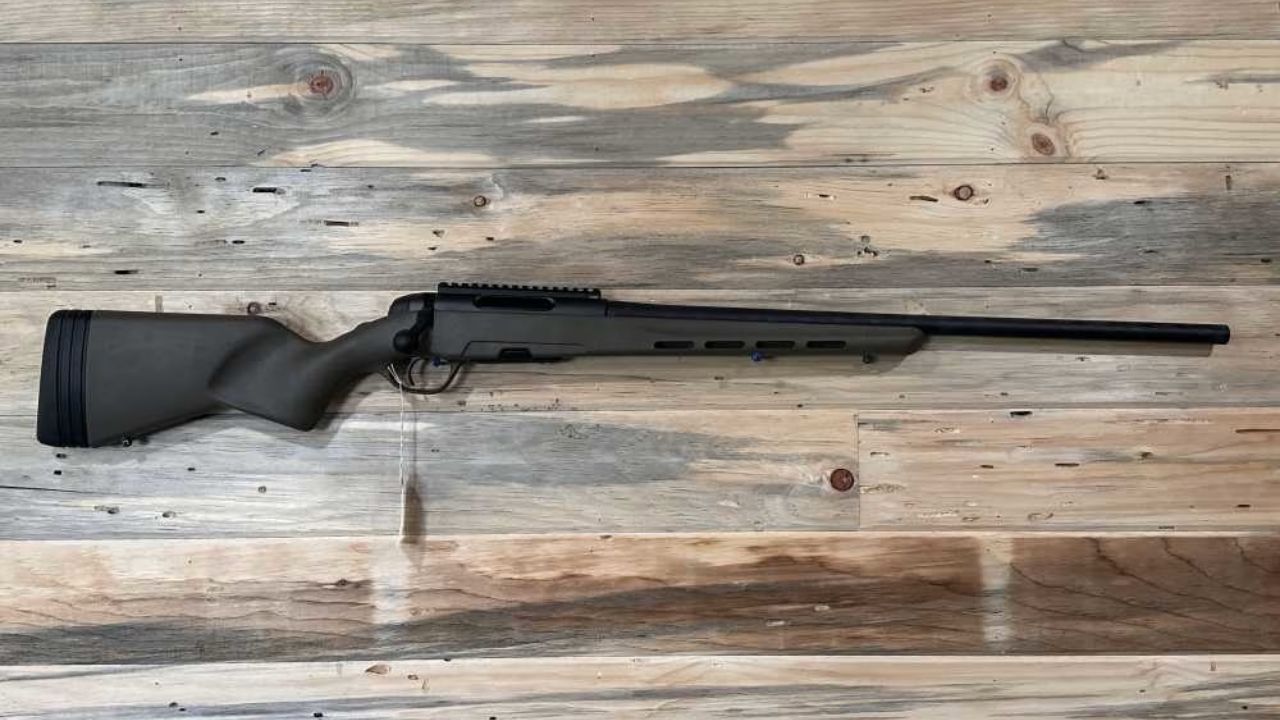
The Steyr Pro Hunter is not always the first rifle people mention, but it has a way of making upgrades feel unnecessary once you use it. The action is smooth, the safety system is different but practical, and the rifle has a solid, serious feel.
It also tends to shoot well without needing much attention. The synthetic stock may not win beauty contests, but it handles field use and keeps the rifle practical. Some hunters spend money trying to make ordinary rifles feel more refined. The Pro Hunter already feels like a finished European hunting tool, even if it never became the loudest name in camp.
Thompson/Center Icon

The Thompson/Center Icon was one of those rifles that deserved more attention than it got. It had a smooth action, good accuracy potential, and better build quality than many buyers expected from a company better known for other firearm types.
That is why it makes expensive upgrades feel pointless. A good Icon already has the kind of fit, finish, and shooting ability people often try to buy their way into later. It was not around forever, which makes clean examples more interesting now. If you have one that shoots well, there is not much reason to start changing everything. It was a better rifle than the market fully appreciated.
Like The Avid Outdoorsman’s content? Subscribe to our newsletter so you never miss an article.
Here’s more from us: