Photo credit: Savage Arms
Some rifles hit hard on both ends, and you feel it the moment you settle behind them. Power has its place, but when a rifle throws more punishment into your shoulder than accuracy onto a target, it stops being a tool and starts being a chore. You know the type—lightweight frames paired with heavy calibers, poorly designed stocks, or recoil systems that don’t tame anything. These rifles leave you flinching long before you ever get a clean shot off. If you’ve ever walked away from the bench rubbing your arm instead of admiring your group, you’ve met one of these rifles.
Ruger No. 1 in .458 Win. Mag.
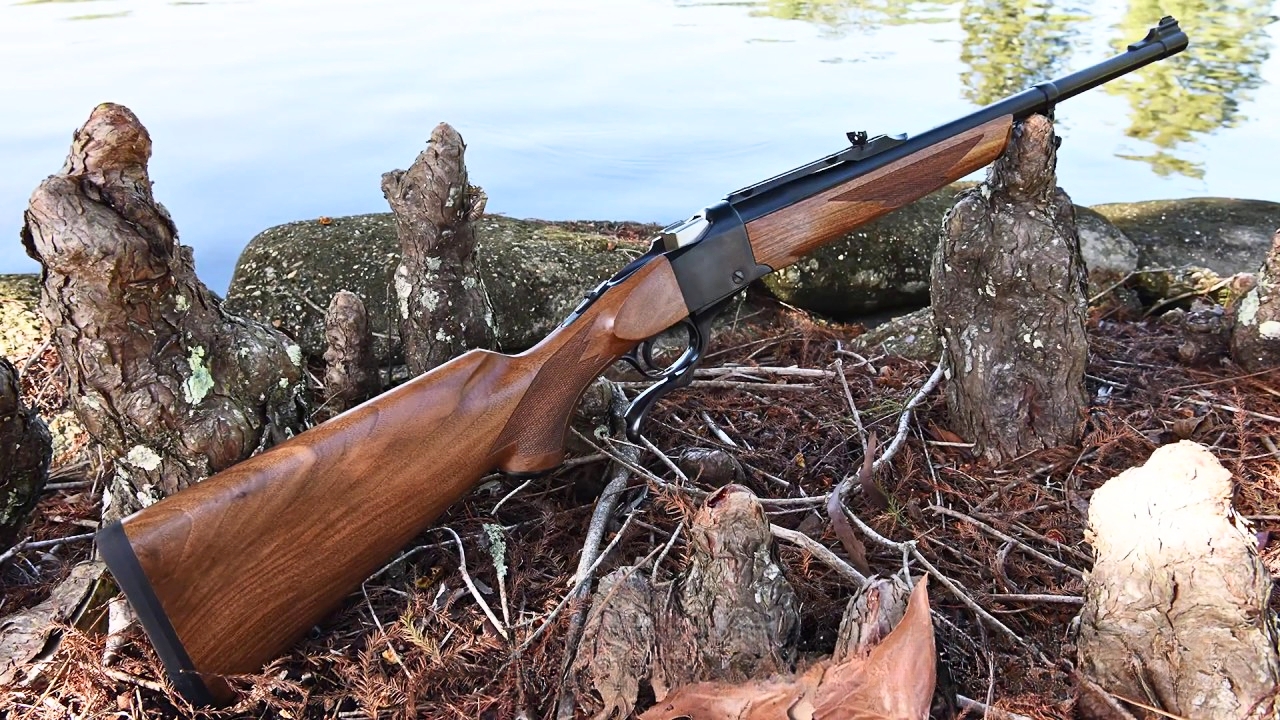
The Ruger No. 1 is a classic, but chamber it in .458 Win. Mag. and the recoil becomes something most shooters won’t forget. With a single-shot design and relatively light build for the caliber, the rifle delivers a fierce push that often feels more like a shove. The straight stock doesn’t help absorb the force, especially during extended range time.
Many hunters who tried this configuration loved the accuracy but quickly realized the recoil punished them more than anything downrange. Even seasoned shooters often limit themselves to a handful of rounds before calling it a day.
Winchester Model 70 in .375 H&H Featherweight
The Model 70 is legendary, but the Featherweight version in .375 H&H takes recoil to a level that surprises even longtime hunters. The lighter platform amplifies the cartridge’s power, turning what’s normally a manageable round into a shoulder-thumping experience.
You can make the shot, but you’ll feel it. The rifle tends to climb hard under recoil, making follow-up shots slower and less controlled. It’s accurate and beautifully built, yet many shooters eventually trade it for a heavier version that’s easier to live with.
Remington 7600 in .35 Whelen
The Remington 7600 handles well, but in .35 Whelen, its pump-action design and light weight make recoil sharper than most expect. Without the mass of a heavier bolt gun to soak up force, the rifle snaps back quickly, and the narrow buttpad doesn’t soften much of it.
Even shooters who appreciate the quick cycling find themselves hesitating to run long practice strings. The accuracy is respectable, but the recoil makes refining it more difficult. Many hunters keep the caliber but move to a different platform for comfort.
CVA Scout in .450 Bushmaster
The single-shot CVA Scout is popular for straight-wall states, but its light frame paired with .450 Bushmaster is a rough combination. The gun kicks hard from the bench, and the recoil impulse feels abrupt compared to heavier bolt-action options.
Shooters who like the simplicity and price often struggle with the discomfort. Even with a fairly soft recoil pad, the lightweight build simply doesn’t tame the cartridge. It’s accurate enough for hunting ranges, but most owners admit they avoid long range sessions.
Savage 110 Ultralite in .300 WSM
The Savage 110 Ultralite is a mountain rifle, and while the weight savings pay off during long climbs, they work against you when shooting a .300 WSM. The recoil is stiff and comes fast, pushing many shooters into developing a flinch sooner than they expect.
The rifle carries beautifully, but that comfort disappears the moment you pull the trigger. You can still get the performance the cartridge is known for, yet doing so repeatedly in practice requires discipline and a tough shoulder.
Marlin 1895G Guide Gun in .45-70 (hot loads)
The Marlin 1895G is a favorite among big woods hunters, but run heavy .45-70 loads through the short-barreled Guide Gun and it becomes a beast. The recoil is sharp, and the steel buttplate on older versions doesn’t soften anything.
The rifle remains dependable and effective, but it’s not something most shooters want to practice with endlessly. Many owners switch to moderate loads for training and save the heavy hitters for real hunts.
Browning BAR Mark II in .338 Win. Mag.
The Browning BAR’s semi-auto action tames recoil in milder calibers, but in .338 Win. Mag., the rifle still hits back harder than many expect. The weight helps, but not enough to make extended sessions enjoyable.
Accuracy remains solid, and the platform is well built, yet even experienced shooters acknowledge the fatigue sets in quickly. Many end up wishing they’d gone with a bolt gun that distributes the recoil differently.
Weatherby Vanguard Synthetic in .300 Weatherby Mag.
Weatherby cartridges are known for power, and pairing one with a light synthetic stock in the Vanguard line amplifies the recoil. The rifle pushes back with authority, and the muzzle jump makes quick follow-ups difficult.
Even with its strong accuracy potential, shooters often struggle to stay consistent once fatigue sets in. Many owners who love the caliber eventually move to heavier stocks that better control the punch.
Henry Single Shot in .308 Win.
While .308 isn’t typically known as a punishing round, the Henry Single Shot’s lightweight build and straight-line stock geometry make recoil surprisingly sharp. The lack of weight means the rifle moves quickly under firing, and the narrow pad transfers more energy than you’d expect.
It’s accurate and simple, but many shooters report that longer sessions turn uncomfortable fast. Hunters love it for its utility, but few want to spend an afternoon dialing in loads.
Mossberg Patriot Super Bantam in .30-06
The Patriot Super Bantam is built small and light, and that’s great for carrying—but not for taming a .30-06. Even though the recoil is manageable for a shot or two, repeated fire becomes tough on the shoulder.
New shooters often find the recoil overwhelming, and even seasoned hunters note the rifle feels livelier than most .30-06 platforms. It performs well enough, yet the comfort simply isn’t there for extended practice.
Tikka T3 Lite in .300 Win. Mag.
The Tikka T3 Lite is known for accuracy, but in .300 Win. Mag., it becomes one of the hardest-kicking rifles in its class. The lightweight design produces a quick, violent recoil impulse, and shooters often struggle to stay locked in for tight groups.
It’s a great hunting rifle for carrying, but most owners limit their trigger time to what’s absolutely necessary. Many eventually upgrade to a heavier stock or brake to make it usable long-term.
Ruger American Compact in 7mm-08
The Ruger American Compact handles extremely well, yet the short, light design makes recoil snappier than expected with 7mm-08. While the caliber isn’t harsh in most platforms, this rifle magnifies the impulse.
Shooters who buy it for younger hunters often find the recoil discourages good fundamentals. It’s reliable and accurate for hunting, but it’s not the most comfortable platform for extended practice.
Remington 700 SPS in .300 Rem. Ultra Mag
The .300 RUM is powerful, and the SPS’s synthetic stock does little to soften the blow. The rifle kicks straight back with authority, and many shooters struggle maintaining control during longer sessions.
Accuracy is there, but it comes at a physical cost. The recoil is punishing enough that many owners handload lighter rounds or add brakes just to make the rifle manageable.
Savage Axis XP Compact in .270 Win.
The Savage Axis XP Compact is lightweight and budget-friendly, but in .270 Win., the recoil feels sharper than expected. The thin buttpad and light profile push all the force straight into the shoulder.
You can still get usable hunting accuracy, yet the rifle’s comfort drops quickly as round counts rise. Many shooters eventually adopt aftermarket pads or move to a heavier platform.
Thompson/Center Venture in .338 Federal
The Venture is accurate and dependable, but in .338 Federal, the recoil comes fast and hard. The rifle isn’t heavy enough to tame the cartridge fully, and the result is a push that becomes uncomfortable quickly.
Shooters who love the cartridge often still move to heavier rifles that make practice more realistic. The Venture works in the field, but it’s far from enjoyable on the bench.
Like The Avid Outdoorsman’s content? Be sure to follow us.
Here’s more from us: