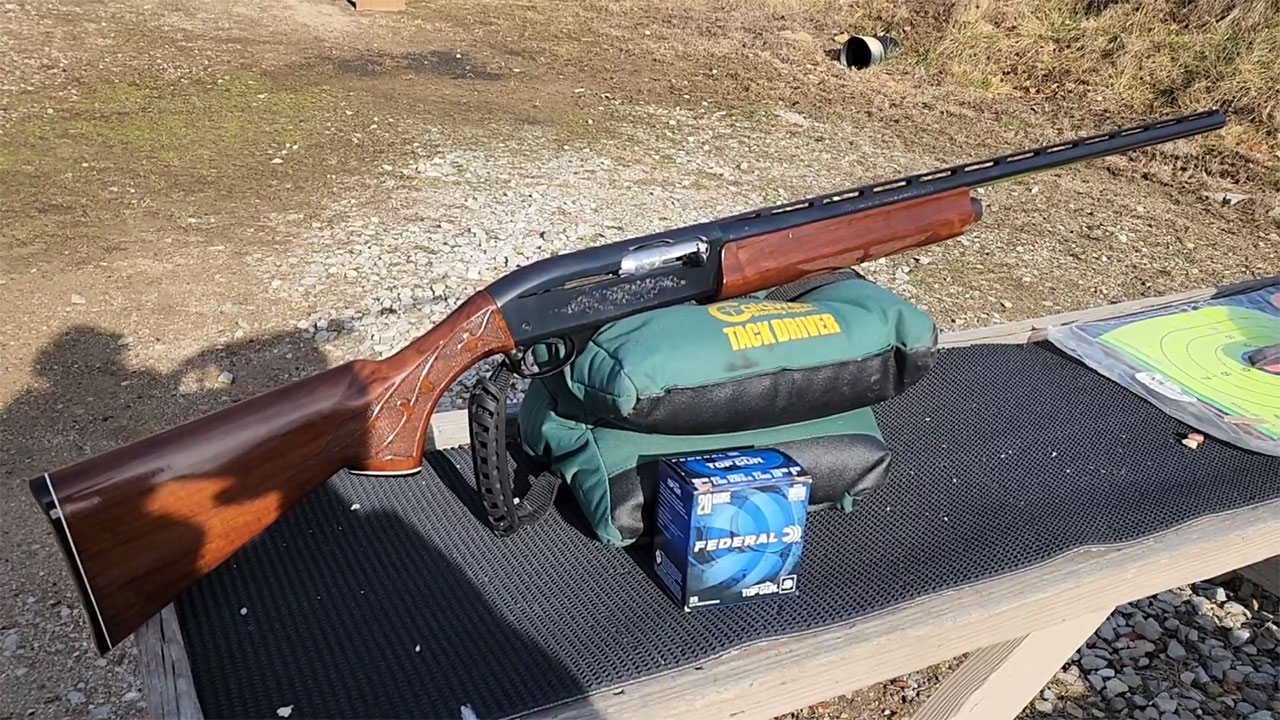
Photo credit: Buckeye Ballistics/Youtube
Old-school gun buyers get called stubborn, but a lot of them were really just practical. They cared about actions that fed cleanly, shotguns that pointed naturally, revolvers with good triggers, rifles that carried well, and guns that could be maintained without a pile of special parts. That kind of thinking can look boring when the market is busy chasing optics cuts, chassis stocks, carbon fiber, and every new carry trend.
Then time has a way of proving what matters. A firearm that feels good, runs well, and keeps doing its job does not stop being useful because something newer shows up. Some older designs kept earning trust while flashier guns came and went. These firearms made old-school buyers look right all along.
Marlin 1894C
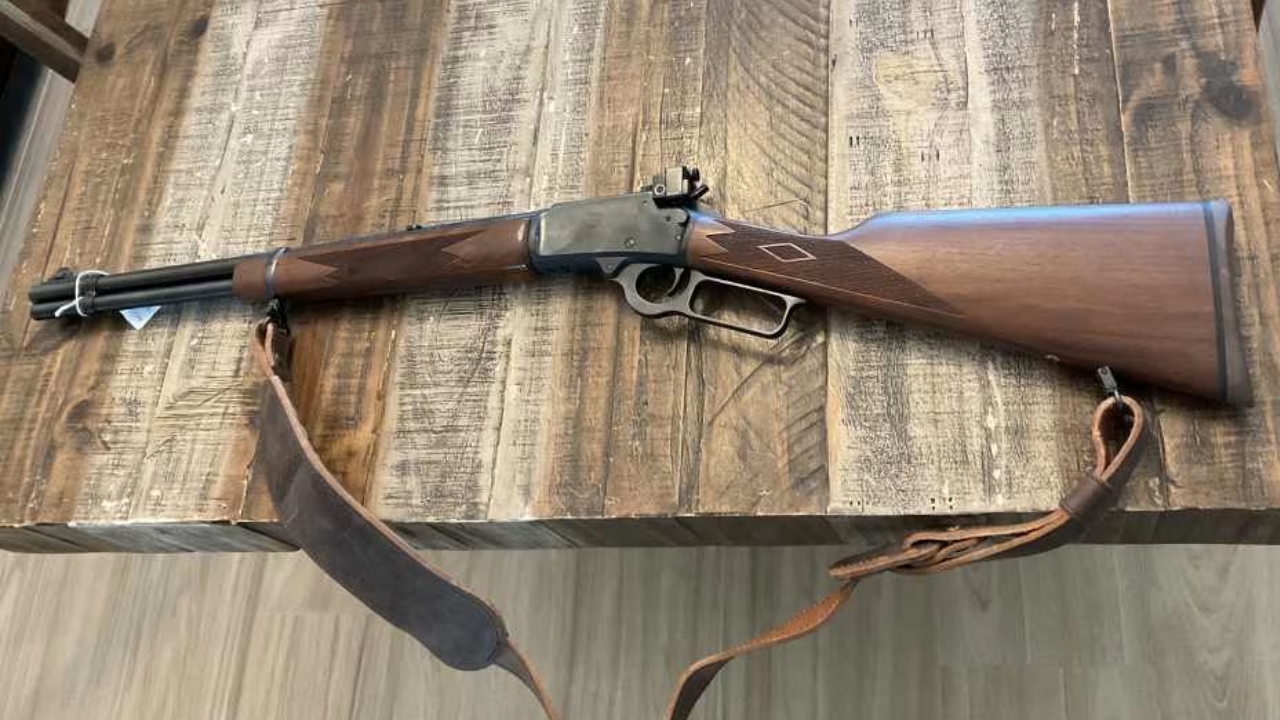
The Marlin 1894C made old-school buyers look smart because it never needed to be complicated. A .357 Magnum lever gun that also runs .38 Special gives you cheap practice, light recoil, and enough usefulness for small game, property work, and short-range hunting.
For years, some people treated pistol-caliber lever guns like fun little extras instead of serious keepers. That changed once prices climbed and buyers started wanting handy rifles again. The 1894C showed that a light, simple carbine with common ammunition could stay useful long after newer tactical-looking options lost their shine.
Smith & Wesson Model 15
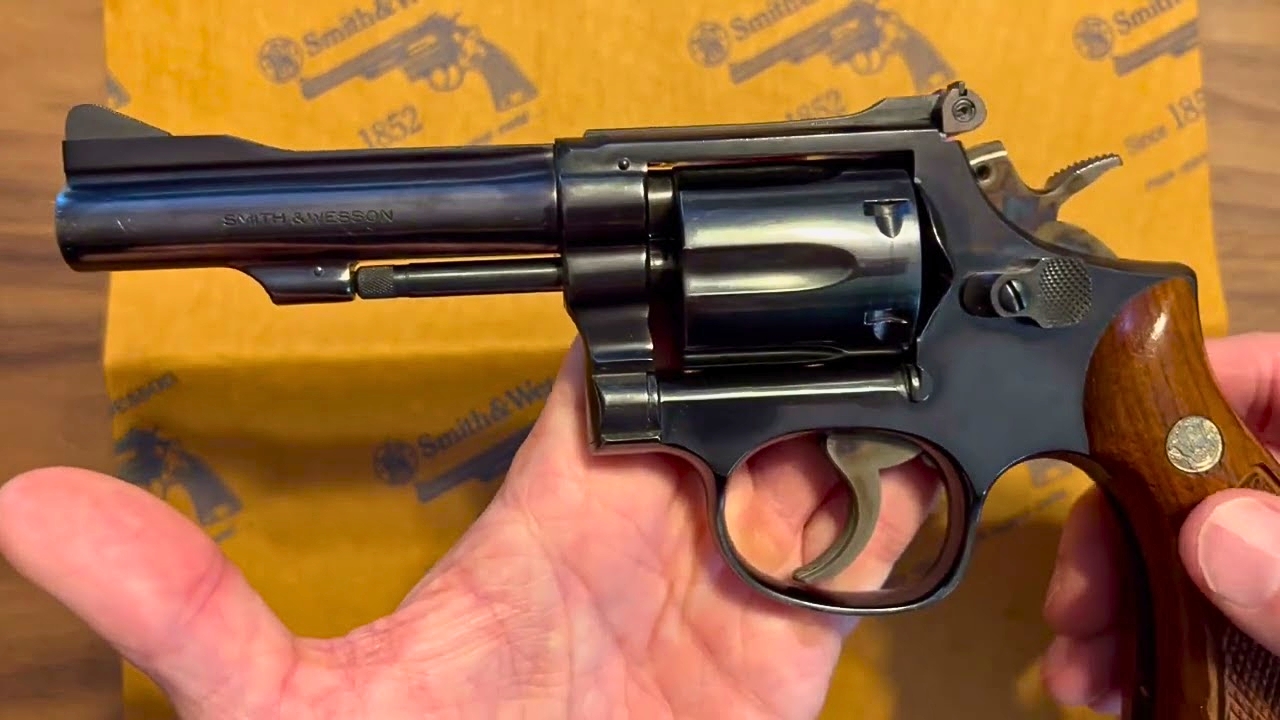
The Smith & Wesson Model 15 looked plain beside magnum revolvers and modern defensive pistols. Fixed power, six rounds, .38 Special, and target sights did not seem exciting to buyers chasing bigger numbers.
But old-school shooters knew the Model 15 was a shooter’s revolver. The trigger, balance, and accuracy made it excellent for training and range work. It taught double-action control without punishing recoil, and it felt steady in the hand. A lot of modern pistols hold more rounds, but few teach trigger discipline as honestly as a good K-frame Smith.
Winchester Model 12
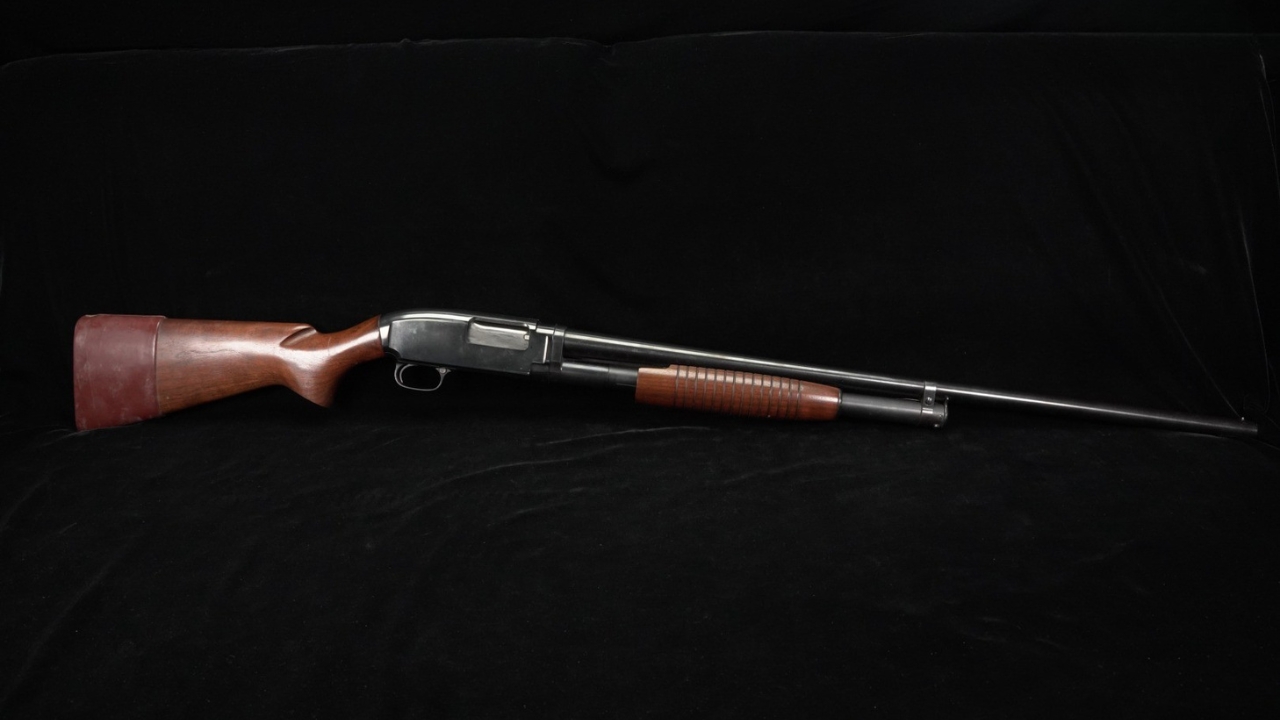
The Winchester Model 12 proved old-school shotgun buyers were right about smooth actions and good balance. It was not covered in rails, oversized controls, or modern coatings, but it handled like a shotgun should.
A good Model 12 cycles with a slickness many newer pumps struggle to match. It points naturally, carries well, and feels built from a time when pump guns were expected to last. Hunters who trusted them for birds, clays, and general field use were not being nostalgic. They knew a shotgun that fits and runs smoothly is hard to beat.
Ruger M77 Tang Safety

The Ruger M77 Tang Safety made old-school rifle buyers look smart because it blended rugged construction with practical hunting manners. The tang safety was easy to use, the rifle felt solid, and the action had the kind of field confidence hunters appreciated.
It was never the lightest or flashiest bolt gun, but it was built for real use. Hunters who kept them understood that a rifle does not need to be trendy to be trusted. A good M77 that shoots well, carries well, and survives rough seasons still makes plenty of modern rifles feel less settled.
Browning Auto-5 Light Twelve
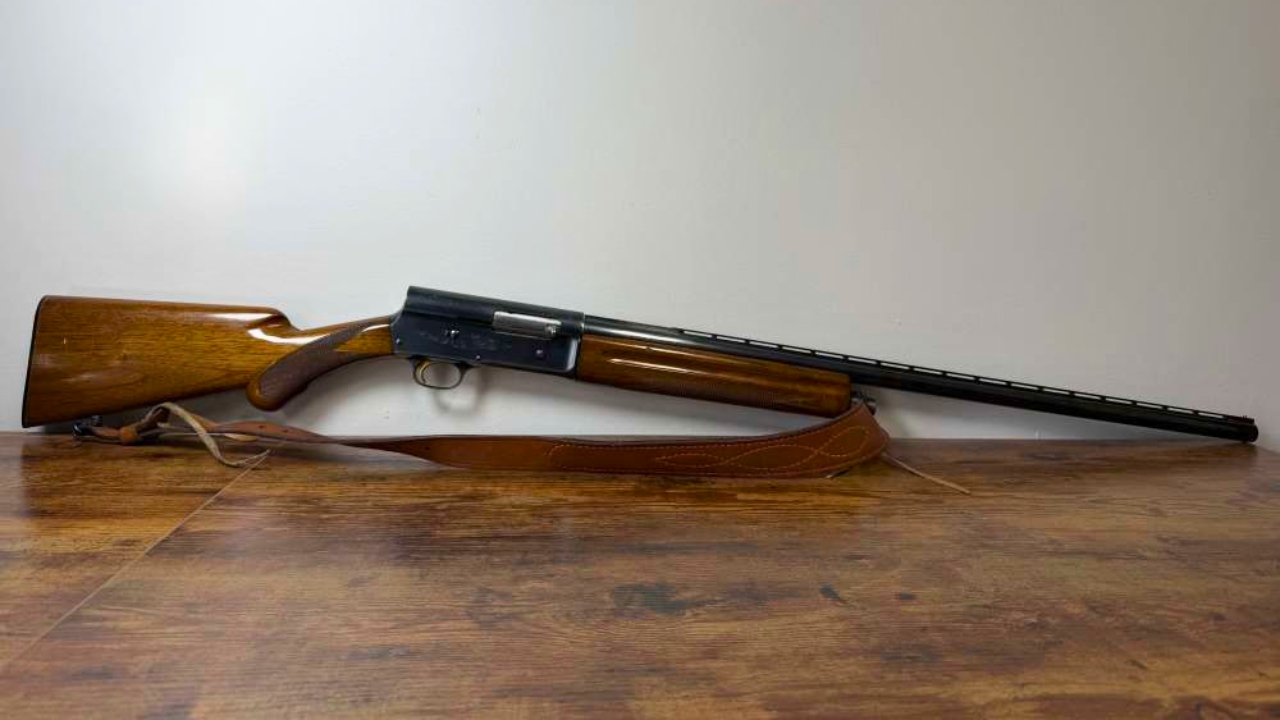
The Browning Auto-5 Light Twelve made old-school buyers look right because it showed how much design, handling, and confidence matter in a shotgun. The humpback receiver looked odd to some people, but experienced hunters knew exactly why it stayed loved.
The sighting plane, balance, and long-recoil action gave the Auto-5 its own rhythm. It was not the softest or simplest semi-auto ever made, but a well-maintained one could hunt for generations. Old-school buyers did not keep them because they were trendy. They kept them because they worked, and because few shotguns felt the same.
Colt Official Police
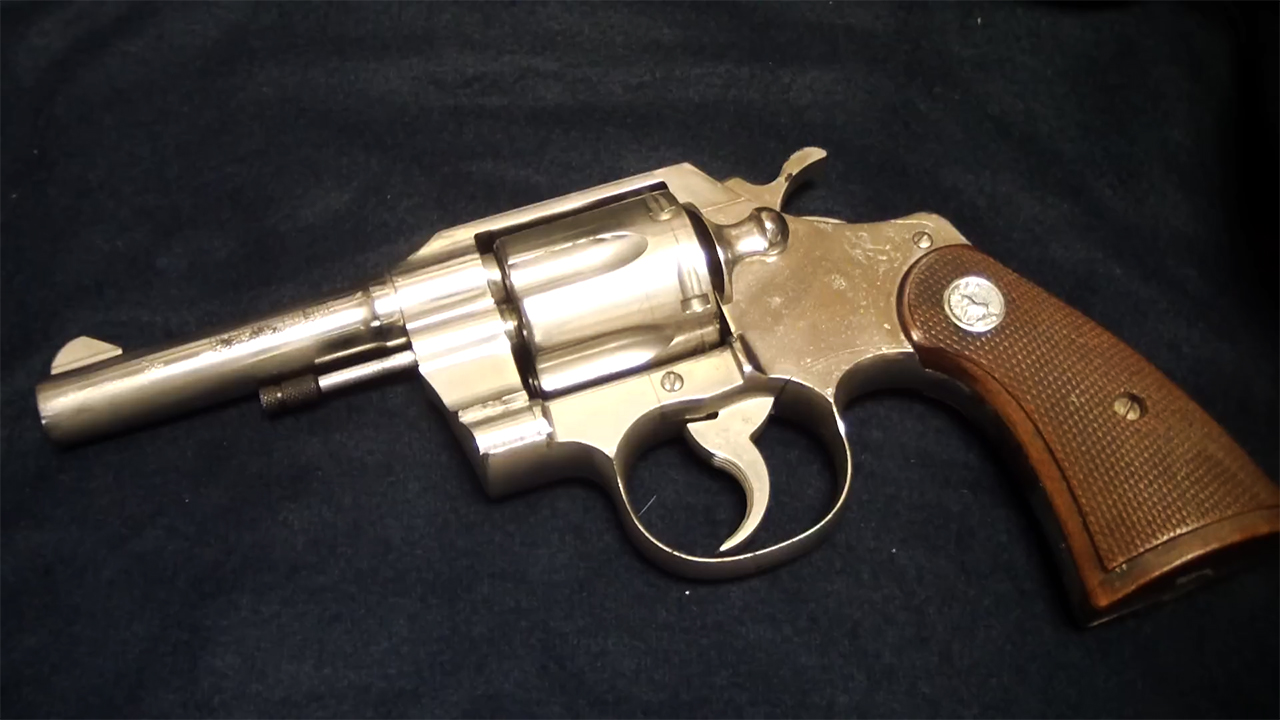
The Colt Official Police was a working revolver, not a showpiece. That is exactly why old-school buyers respected it. It carried Colt quality into a practical service gun that police officers, guards, and regular shooters used hard.
Its .38 Special chambering, solid frame, and good trigger made it more capable than modern buyers sometimes assume. It was not built around flash. It was built around steady use and confidence. People who dismissed old service revolvers missed the point. A good Official Police still shows why dependable wheelguns earned so much trust.
Remington Model 722
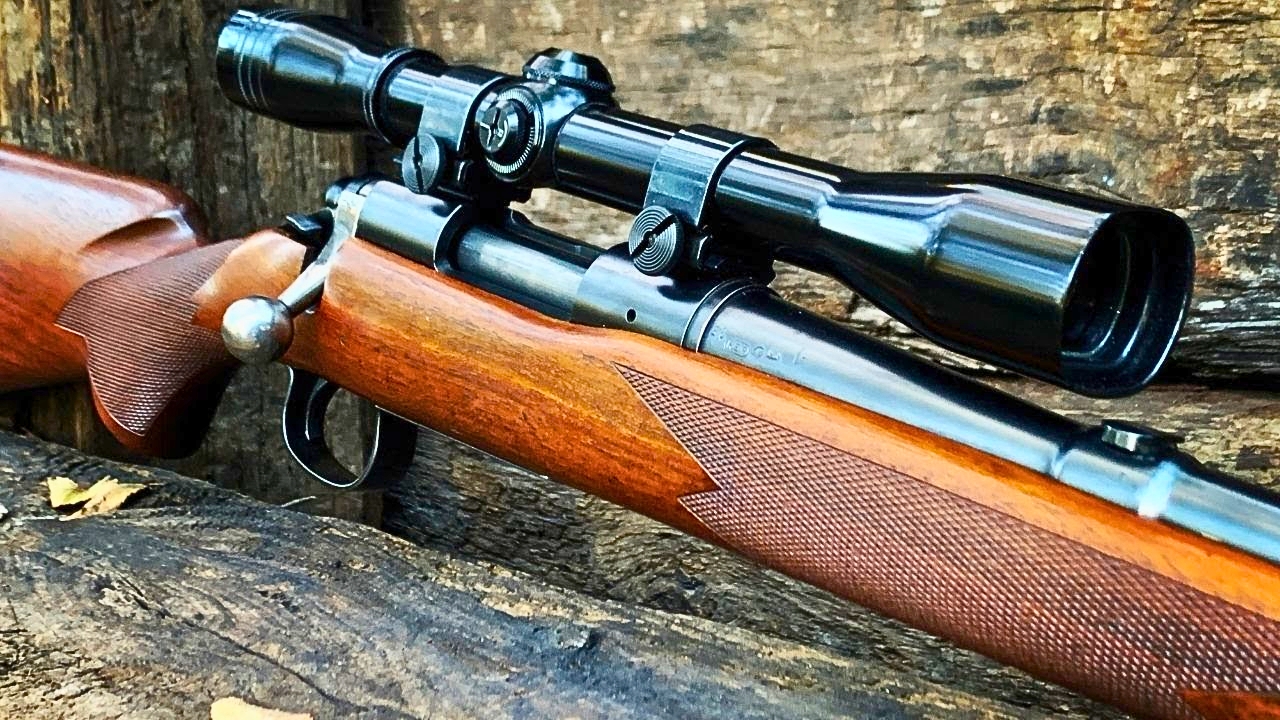
The Remington Model 722 made old-school rifle buyers look smart because it was plain, accurate, and honest. It did not have the style of older walnut classics or the fame of the later Model 700, but it could flat-out shoot.
Hunters and varmint shooters who understood the 722 knew it was more than a budget-looking bolt gun. The action was strong, the rifle was practical, and many examples delivered excellent accuracy. It proved that a working rifle did not need fancy trim to be worth keeping. Performance was the selling point, even if the rifle looked quiet doing it.
Beretta 84 Cheetah

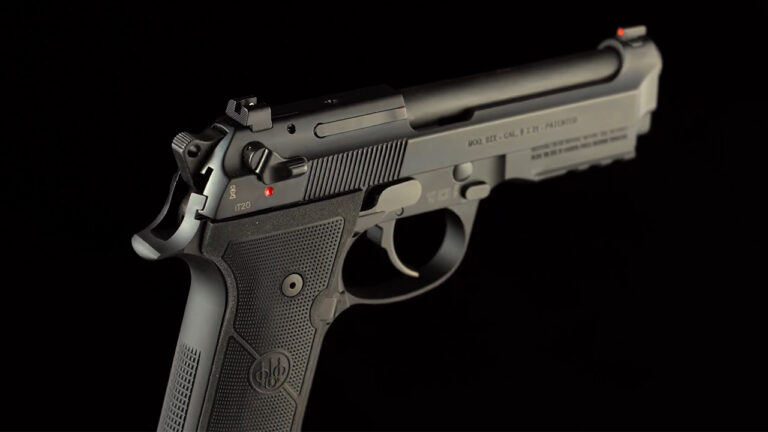
The Beretta 84 Cheetah made old-school handgun buyers look right because it reminded everyone that shootability matters. Modern pocket pistols are smaller and lighter, but many are also harder to shoot well.
The 84 Cheetah gives you a metal frame, excellent grip shape, mild recoil, and real capacity for a .380. It feels like a proper pistol instead of a tiny compromise. Old-school buyers who liked small Berettas were not ignoring modern specs. They understood that a carry-sized gun you can actually shoot confidently has value beyond raw caliber arguments.
Savage Model 99

The Savage Model 99 proved old-school hunters were not wrong for trusting clever mechanical design. It gave lever-action handling with a rotary magazine and the ability to use pointed bullets in serious hunting cartridges.
That made it far more advanced than people sometimes remember. While many lever guns stayed tied to tube-magazine limitations, the Model 99 gave hunters speed, balance, and better cartridge options. Old-school buyers who held onto them understood what newer buyers later realized: it was not just a classic lever gun. It was a smart hunting rifle that aged extremely well.
Ithaca Model 37 Featherlight
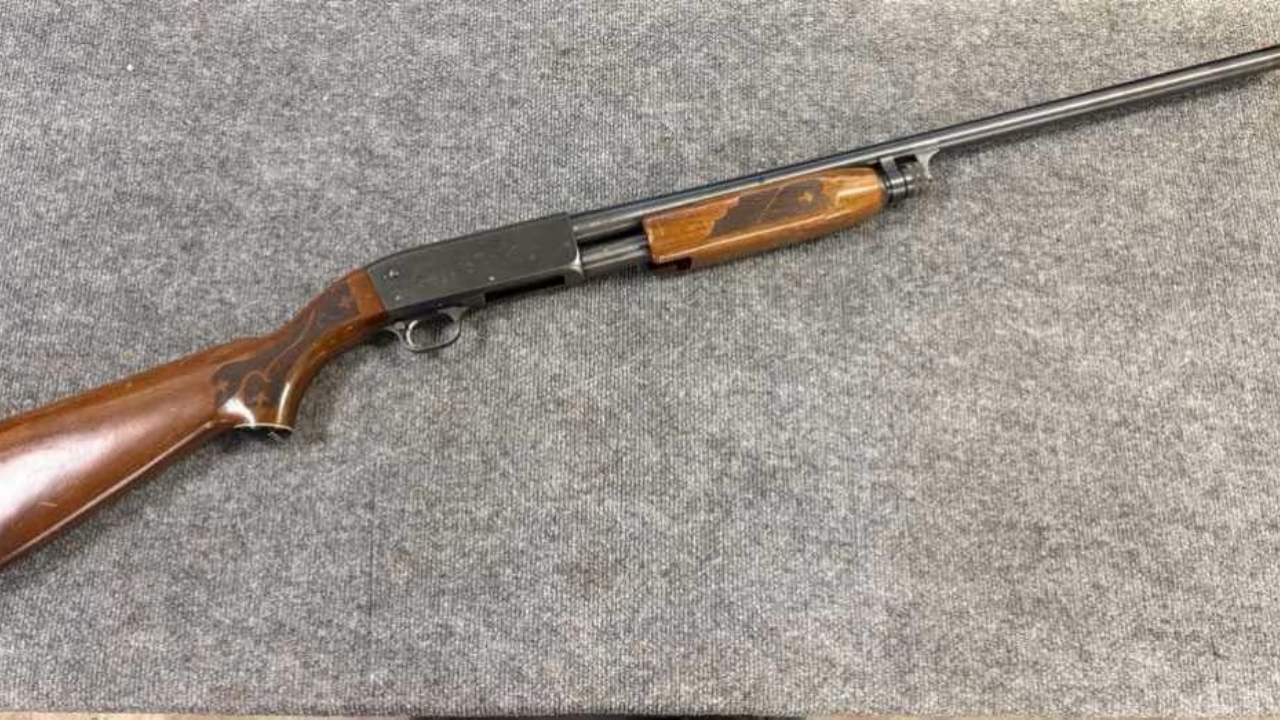
The Ithaca Model 37 Featherlight made old-school shotgun buyers look right because it showed how good a pump gun can feel when it is built well. The bottom-eject design, smooth action, and light handling made it stand apart from heavier, rougher pumps.
It was especially friendly for left-handed shooters, but that was not its only strength. The Model 37 carried beautifully in the field and pointed fast on birds. Old-school hunters liked it because it worked with them instead of against them. A shotgun does not need much when the action is slick and the balance is right.
Ruger Security-Six
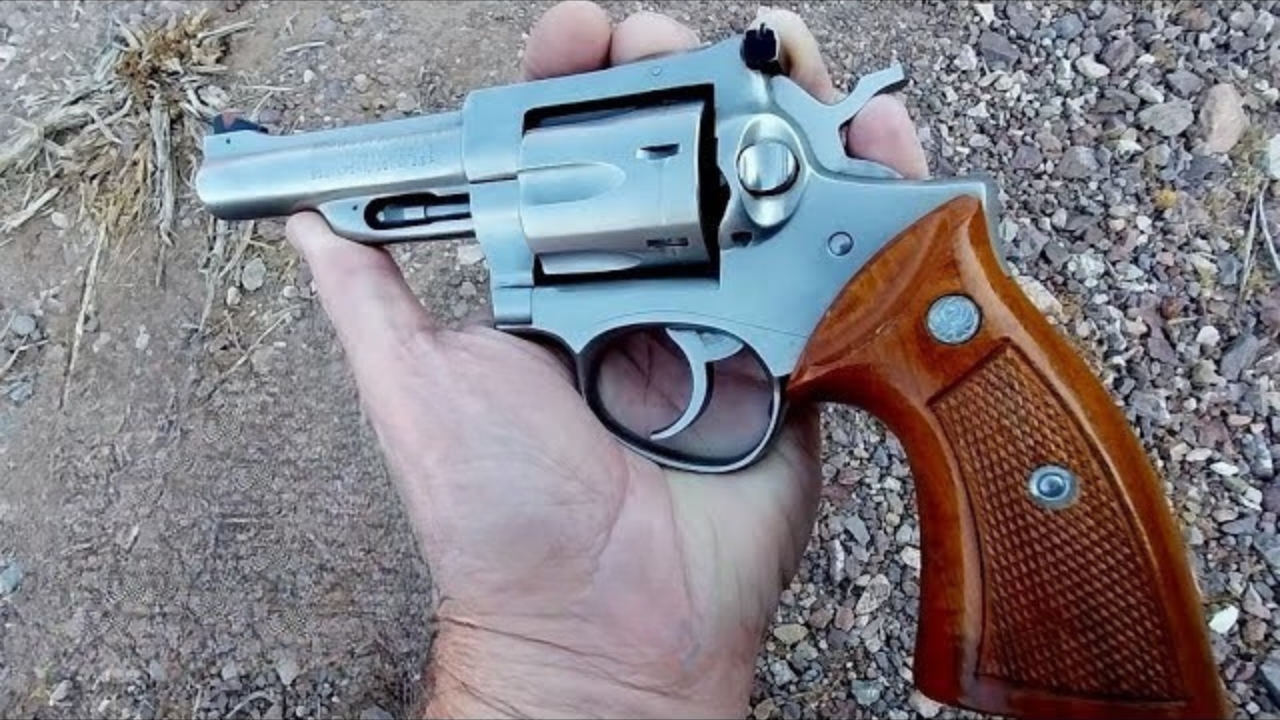
The Ruger Security-Six made old-school buyers look smart because it was a practical .357 revolver built for use, not admiration. It lacked the polish of some competitors, but it had strength, simplicity, and a size that made sense.
It could handle regular magnum shooting better than many lighter revolvers and still carry easier than oversized wheelguns. Buyers who kept them understood that a working revolver should be tough first. As clean examples got harder to find, more people realized the Security-Six was not a cheap substitute. It was a very good revolver with its own identity.
Remington 1100 LT-20
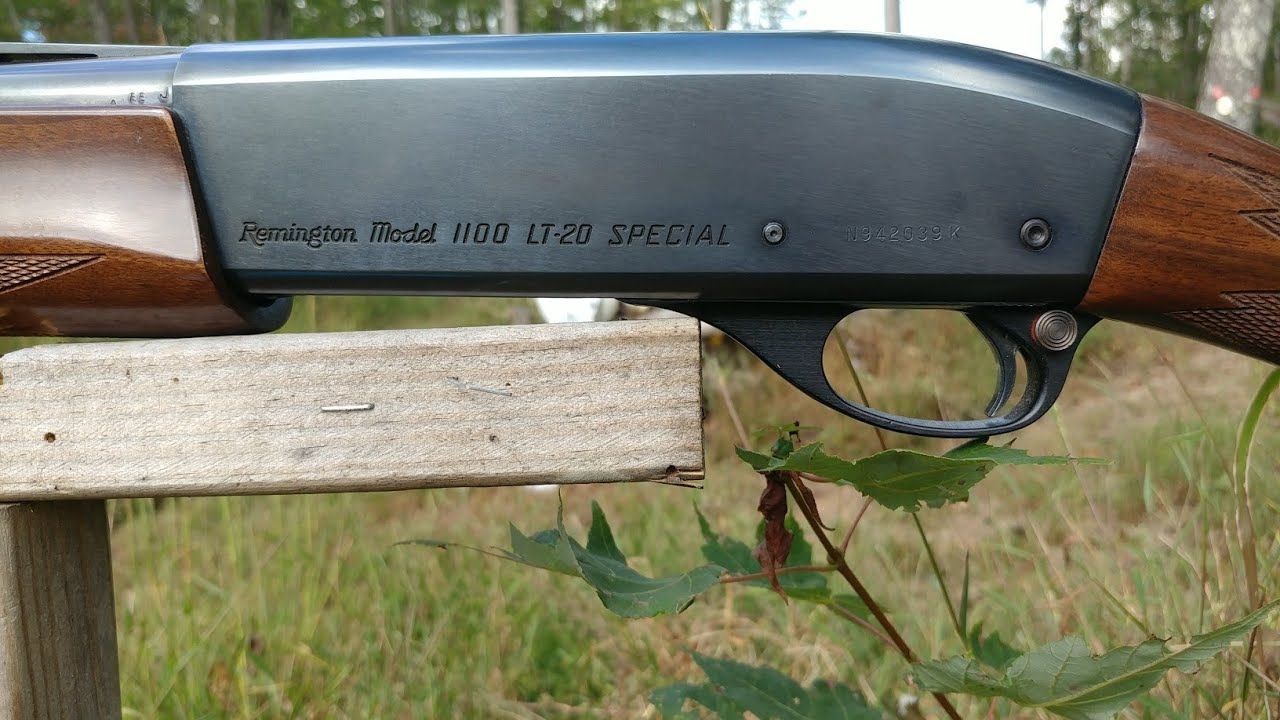
The Remington 1100 LT-20 made old-school shotgun buyers look right because it proved a soft-shooting 20 gauge could be more useful than people gave it credit for. It was light enough for the field, smooth enough for clays, and gentle enough for long shooting days.
A good LT-20 has a balance that keeps hunters coming back. It handles doves, quail, rabbits, and informal clay shooting without beating up the shooter. Modern shotguns may be lighter or easier to clean, but the 1100’s gas system and handling still feel special. Old-school buyers knew comfort helps people shoot better.
Weatherby Mark V

The Weatherby Mark V made old-school buyers look right because it was built around strength, speed, and confidence. The action was designed for high-pressure Weatherby cartridges, and the rifle carried a sense of purpose that still stands out.
Some modern hunters moved toward lighter, plainer rifles, and that is fair. But the Mark V was never trying to be ordinary. It gave buyers a premium hunting rifle with real identity, fast cartridges, and a reputation for serious big-game use. Old-school Weatherby fans were not just buying shine. They were buying a rifle built for hard-hitting performance.
Walther PPK/S

The Walther PPK/S made old-school handgun buyers look right because it proved a pistol could be compact, classy, and shootable without being disposable. It is heavier than modern pocket guns, and it does not win any capacity contest.
Still, it has a feel that many tiny polymer pistols lack. The fixed barrel helps accuracy, the metal frame gives it weight, and the slim profile makes it easy to carry. It is not perfect, especially with snappier loads, but old-school buyers understood its appeal. Some guns stay desirable because they feel like real machines, not temporary products.
Marlin 336
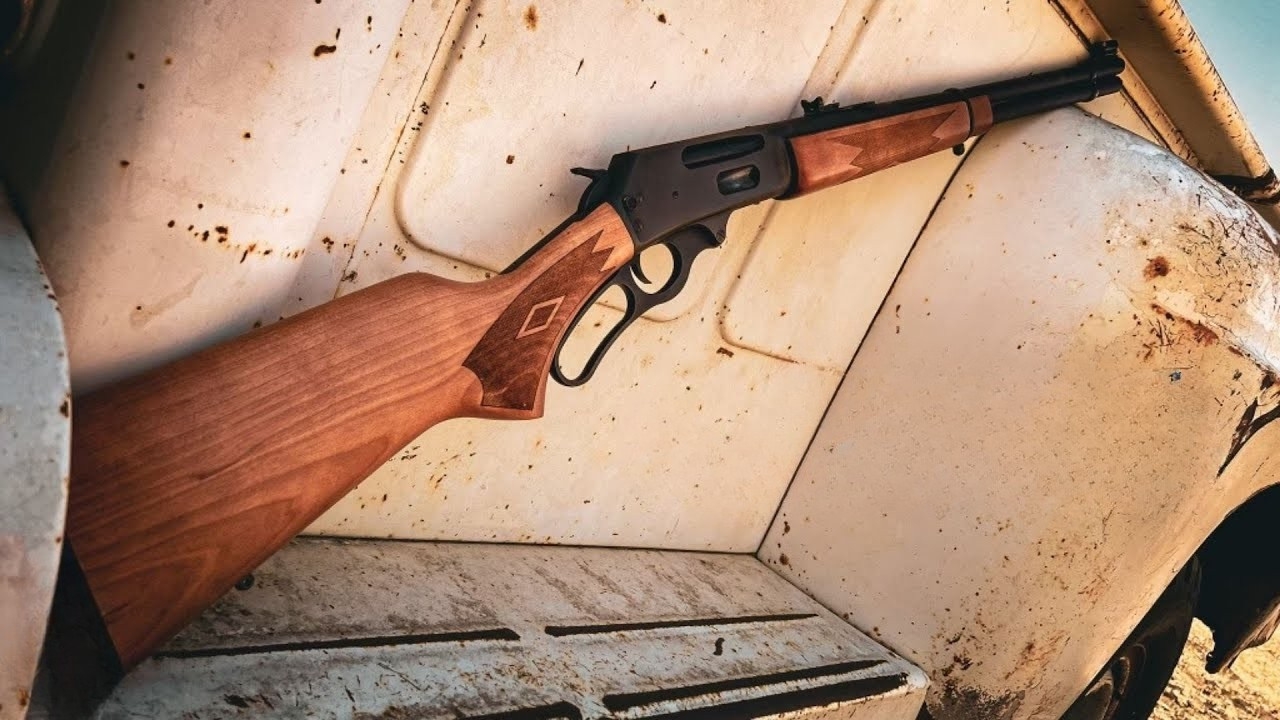
The Marlin 336 made old-school hunters look right because it kept doing its job while the rifle market kept reinventing itself. Newer deer rifles offered flatter trajectories, detachable magazines, and long-range features, but the 336 never needed to be that kind of gun.
In thick woods and normal deer country, a .30-30 lever action still makes sense. It carries easily, points fast, and gives quick follow-up shots without much fuss. Old-school buyers knew most hunters did not need a rifle built for 600 yards. They needed one that worked inside the ranges where deer actually appeared.
Like The Avid Outdoorsman’s content? Subscribe to our newsletter so you never miss an article.
Here’s more from us: