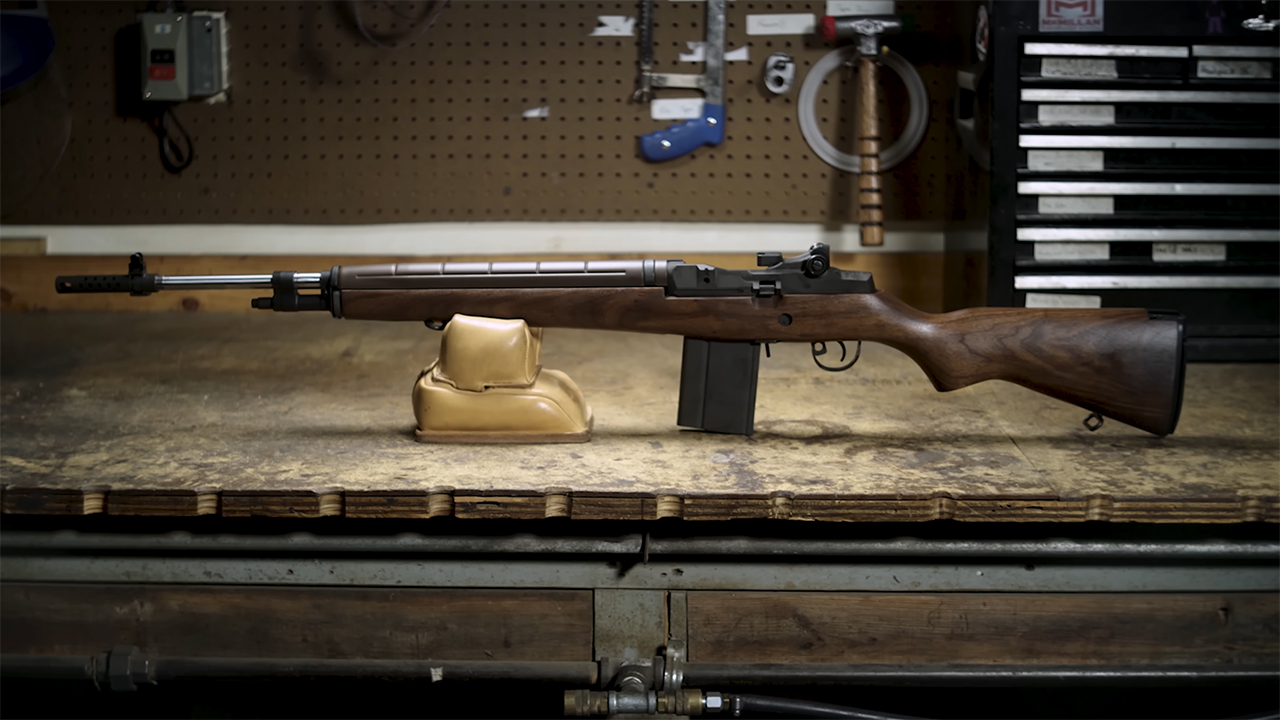
Photo credit: SPRINGFIELD ARMORY/Youtube
Some rifle calibers become popular because they are new. They get magazine covers, podcast arguments, YouTube tests, and long-range charts that make everything older sound outdated. That excitement is not always wrong. New cartridges can be excellent.
But old-timers tend to be harder to impress.
They have seen trendy rounds come and go. They have watched deer, elk, hogs, varmints, and predators fall to cartridges that were already doing the job before the internet started ranking everything. These are the rifle calibers that still make experienced hunters nod because they have earned their place the slow way: in the field.
.30-06 Springfield

The .30-06 Springfield may be the ultimate old-timer approval cartridge. It has been around for more than a century, and hunters are still using it because it keeps solving problems without much drama. It may not be the newest, flattest, or trendiest cartridge in the rack, but it has never needed to be.
The appeal is range. Not extreme long range, but useful range in the practical sense. A .30-06 can handle deer, hogs, black bear, elk, moose, and plenty of other game with the right bullet. Ammunition is widely available, bullet weights are flexible, and recoil is manageable for many adult shooters in a properly weighted rifle. Old-timers respect it because it does not need a sales pitch. It has been filling freezers longer than most modern cartridges have existed.
.270 Winchester

The .270 Winchester has a way of making older hunters smile because it represents a classic idea of a deer and sheep rifle: flat-shooting, hard-hitting enough, and not punishing to carry or shoot. It has been praised for generations, and much of that praise still holds up.
A .270 with a good 130- or 150-grain bullet is still an excellent choice for whitetails, mule deer, pronghorn, sheep, and similar game. It shoots flatter than many older woods cartridges and recoils less than heavier .30-caliber options. Some modern long-range shooters may prefer cartridges with heavier high-BC bullets, but that does not erase what the .270 does well. Old-timers nod because they know a hunter with a .270 and good judgment is not undergunned for much of North American hunting.
.30-30 Winchester
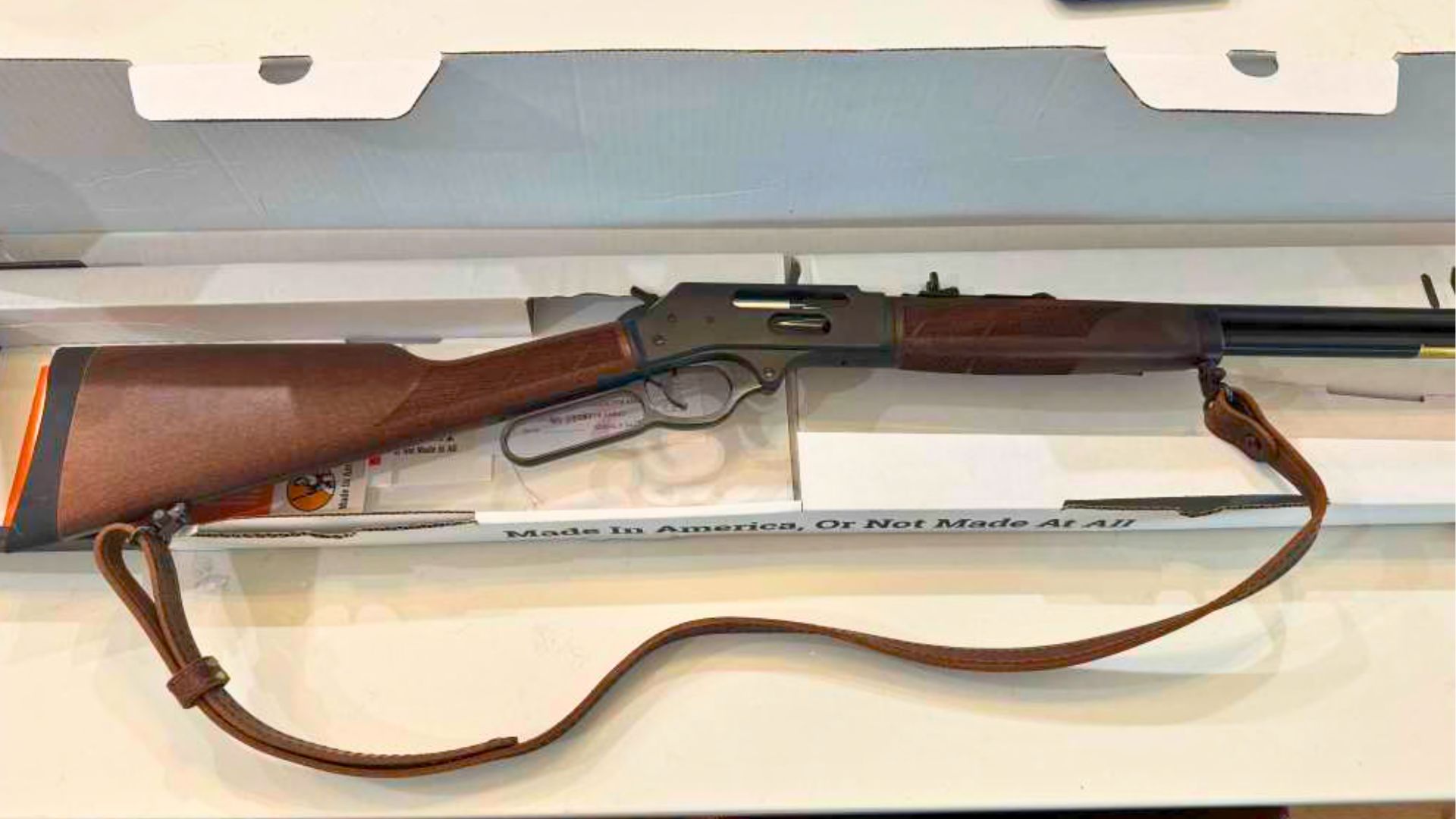
The .30-30 Winchester gets respect because it never pretended to be something it was not. It is not a long-range cartridge. It is not a magnum. It is not built for impressing people with ballistic tables. It is a close- to moderate-range deer cartridge that works beautifully in handy lever-action rifles.
That honesty is why old-timers still respect it. A .30-30 in a Winchester 94 or Marlin 336 carries well, points quickly, and does exactly what it is supposed to do inside normal woods ranges. It has taken an enormous amount of deer because it matches the way many people actually hunt: timber, brush, stands, short lanes, and careful shots. Trends come and go, but the .30-30 still gets the nod because it is field-proven in the most literal sense.
.243 Winchester
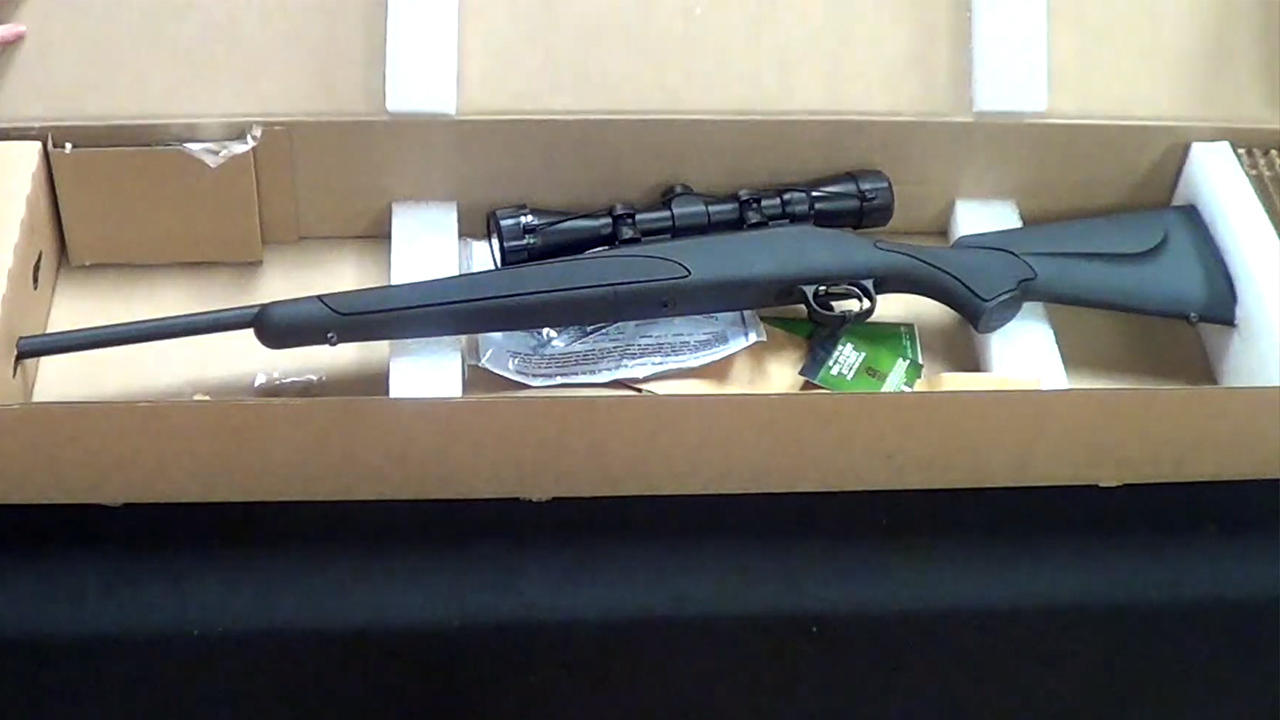
The .243 Winchester earns old-timer respect when it is used with the right bullets and realistic expectations. It became a favorite because it is mild, accurate, and versatile enough to handle varmints and deer-sized game in many places. It is also one of the cartridges that helped countless young hunters learn without getting punished by recoil.
Experienced hunters appreciate that. A .243 is not a magic round, and it does not forgive poor bullet choice or sloppy shot placement. But with proper deer bullets, it can be extremely effective on whitetails and similar game. For coyotes, varmints, and range practice, it is also easy to like. Old-timers nod at the .243 because they have seen what happens when a hunter shoots a mild rifle well instead of flinching behind something bigger.
.308 Winchester
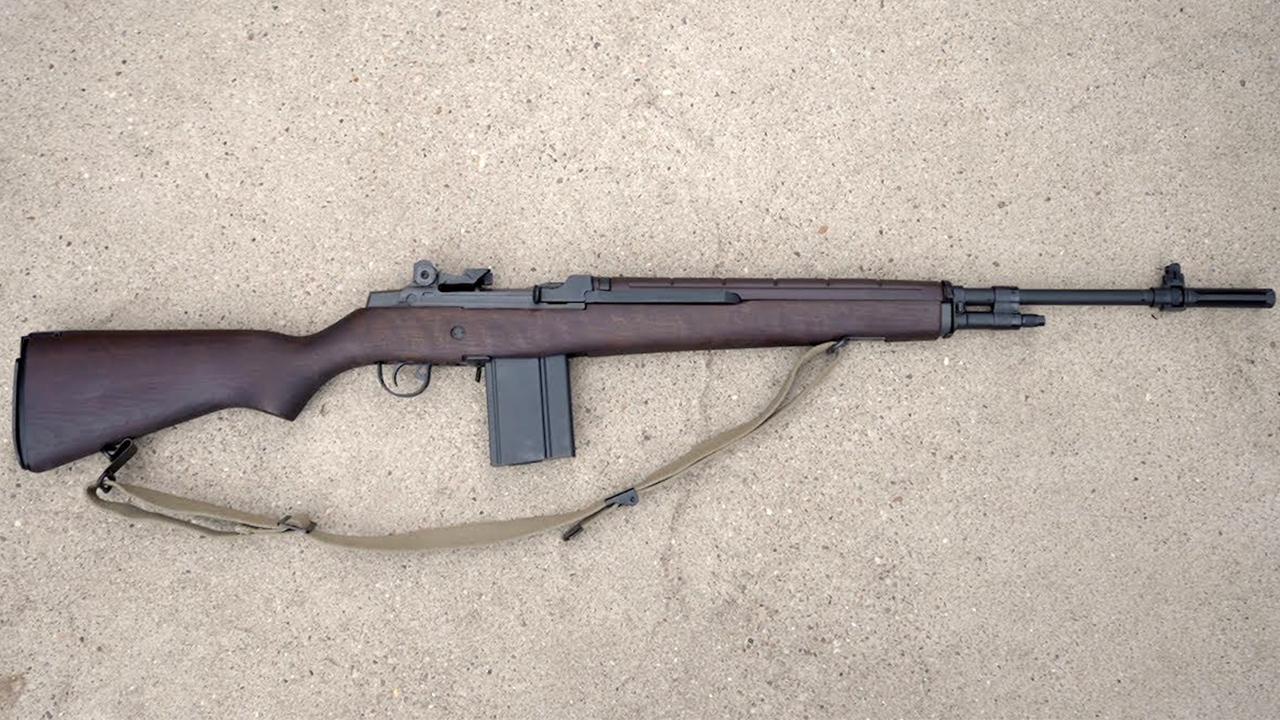
The .308 Winchester still earns respect because it is practical almost to the point of being boring. It does not have the romance of older hunting rounds or the sleek marketing of newer precision cartridges. It just works.
That is enough. The .308 is accurate, efficient, widely available, and useful in bolt-actions, semi-autos, and compact hunting rifles. It can handle deer, hogs, black bear, elk with proper bullets and good judgment, and plenty of general big-game roles. Recoil is usually easier to manage than .30-06 in similar rifles, and ammunition options are everywhere. Old-timers appreciate cartridges that do not make ownership complicated. The .308 is one of those cartridges.
7mm Remington Magnum

The 7mm Remington Magnum still gets an approving nod because it became popular for a reason. It offers flat trajectory, strong downrange performance, and enough power for a wide range of big-game hunting without jumping all the way into the harshest magnum territory.
Hunters have used it successfully on mule deer, elk, sheep, antelope, and other game for decades. It can be more rifle than a whitetail hunter needs in thick woods, but in open country it makes sense. The 7mm bullet selection has always been a strength, and the cartridge gives hunters reach without feeling as excessive as some larger magnums. Old-timers respect it because it was one of the first magnums many regular hunters actually adopted and kept using.
.35 Remington

The .35 Remington earns a special kind of respect from hunters who understand woods rifles. It is not fast, flashy, or especially common on every shelf anymore. But in a Marlin 336 or similar rifle, it has long been loved as a close-range deer, black bear, and hog cartridge.
The appeal is simple: a heavier bullet at moderate speed that hits with authority inside its lane. The .35 Remington is not meant for beanfield distances or long mountain shots. It is a timber cartridge, and old-timers tend to respect cartridges that know their job. Ammunition availability can be a drawback now, but the people who love it usually really love it. It still gets the nod because it has the kind of honest thump that does not need hype.
.257 Roberts
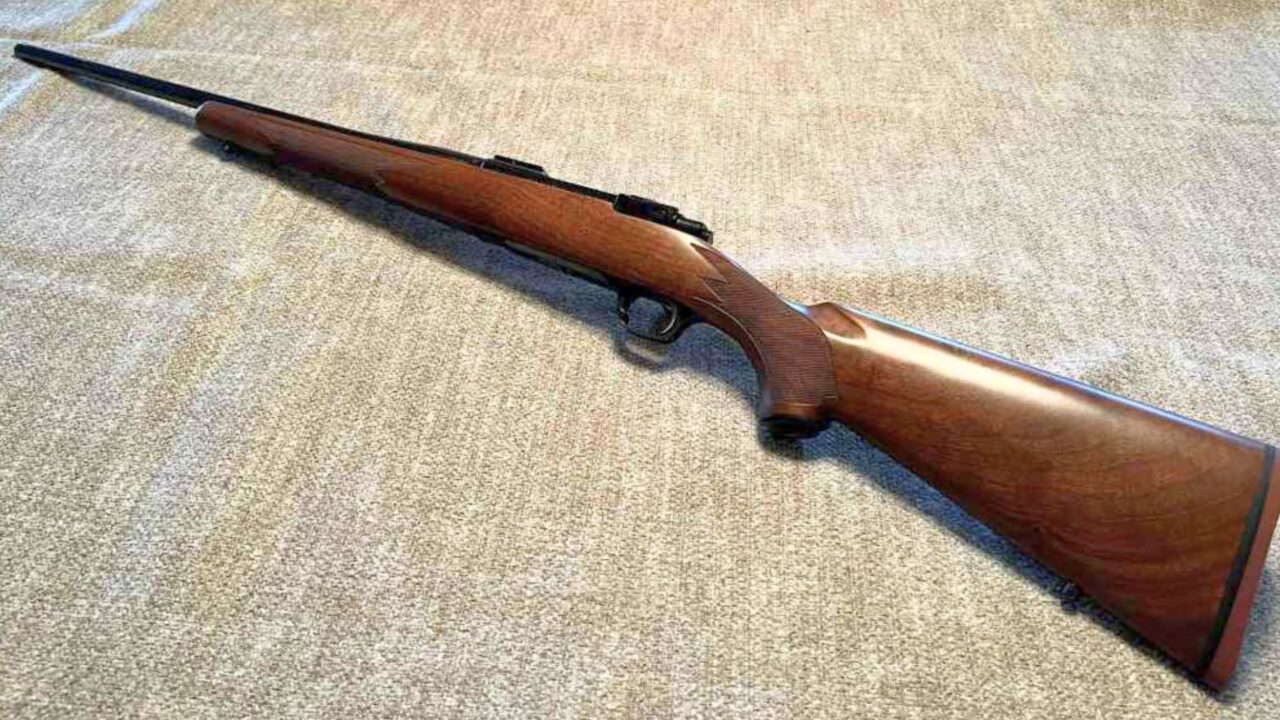
The .257 Roberts is one of those cartridges that makes experienced riflemen get a little sentimental. It is mild, accurate, efficient, and elegant in a way that newer cartridges sometimes are not. It never became as dominant as some of the bigger names, but it built a loyal following.
For deer, pronghorn, varmints, and lighter big-game roles, the Roberts can be wonderful. It gives more reach and authority than many people expect while keeping recoil very manageable. It is especially appealing to hunters who appreciate careful shot placement and classic rifles. Modern cartridges may beat it on factory support or long-range marketing, but the .257 Roberts still gets respect because it feels like a gentleman’s hunting round. Quiet, capable, and easy to like.
.22-250 Remington
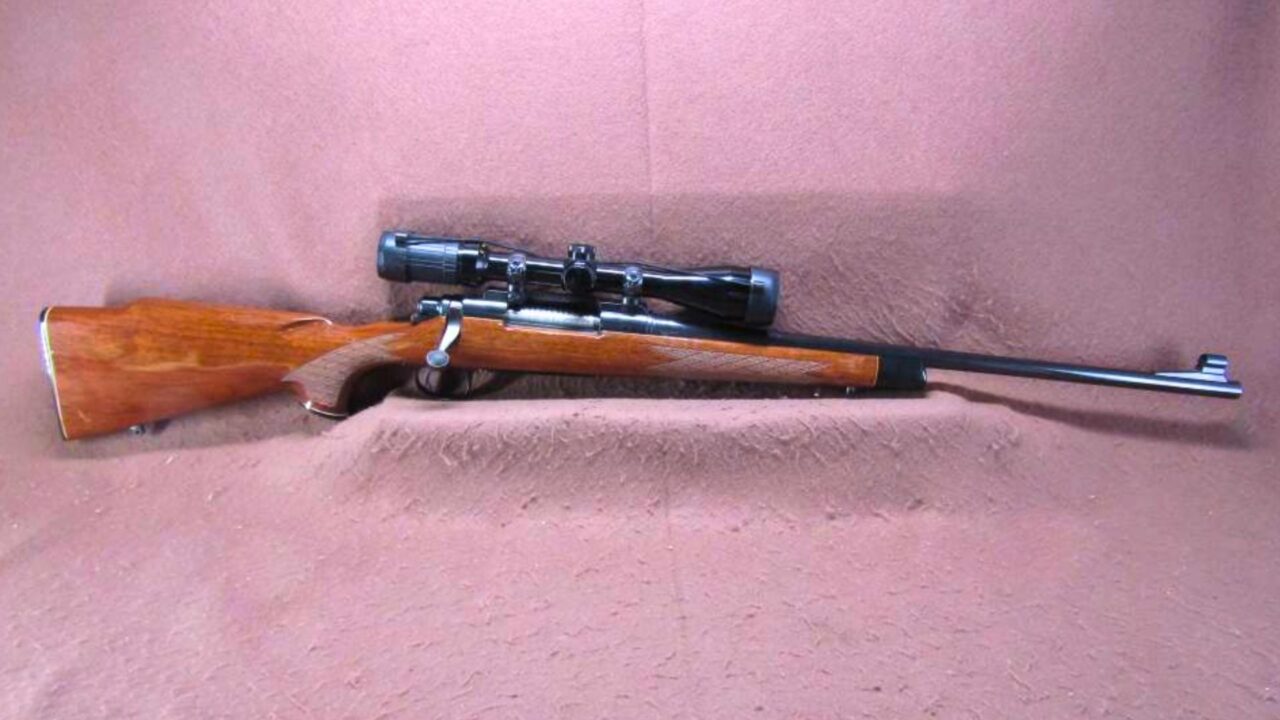
The .22-250 Remington makes old-timers nod when the subject turns to varmints and predators. It is fast, flat, and explosive on the right targets, with a reputation built on prairie dogs, coyotes, foxes, and long days behind a varmint rifle.
It is not a do-everything big-game cartridge, and experienced hunters know that. Its strength is speed and precision on smaller targets. For varmint shooters, the .22-250 offers performance that still feels exciting even after all these years. It shoots flatter than .223 Remington and hits harder at distance, while still being familiar and widely understood. Old-timers respect it because they remember when a good .22-250 was the hot rod of the varmint world, and it still drives like one.
.300 Winchester Magnum
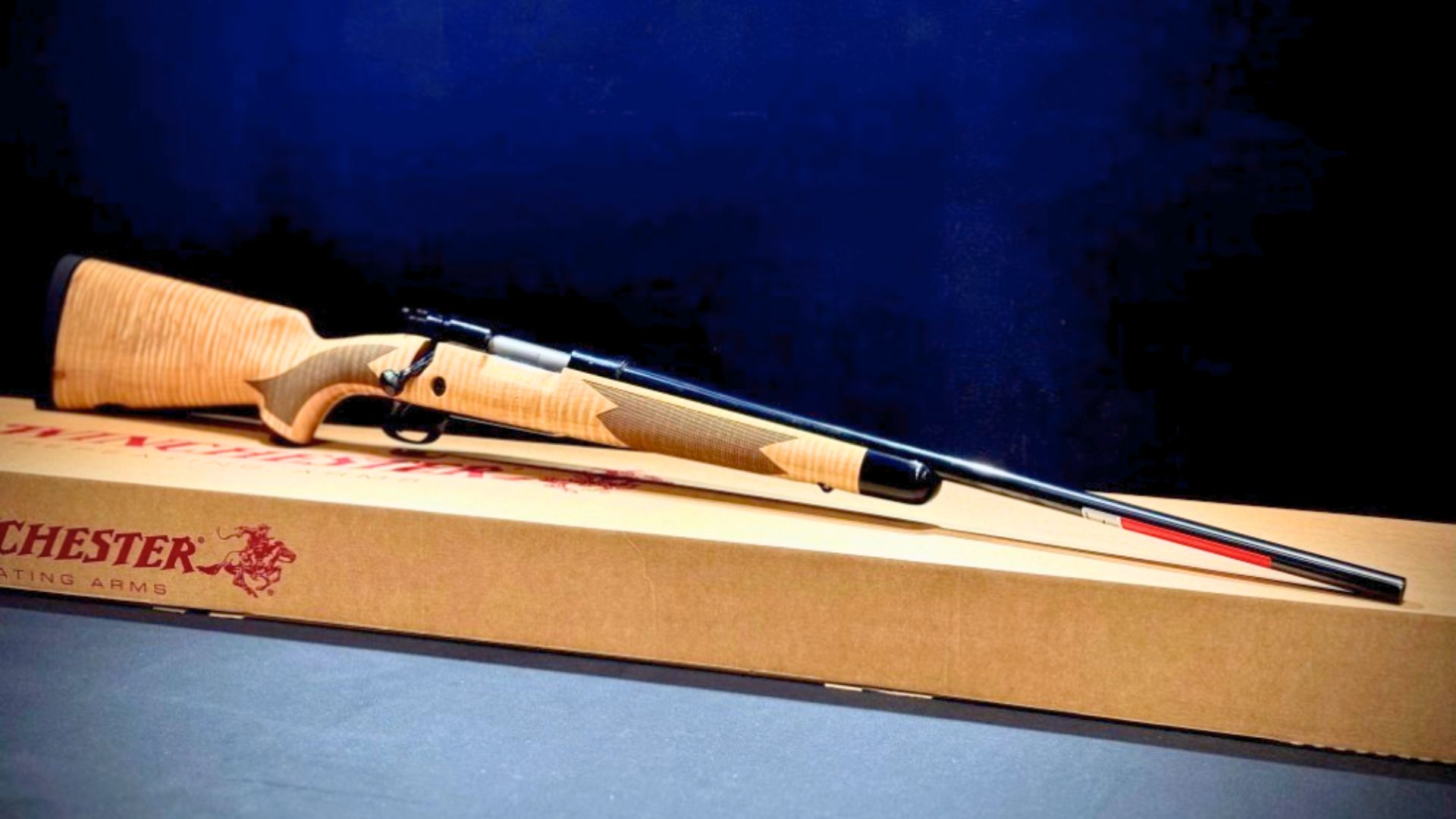
The .300 Winchester Magnum still earns respect because it has done serious hunting work for a long time. It is powerful, versatile, and widely supported. For elk, moose, mule deer, sheep, and long open-country hunts, it remains one of the most trusted magnum choices.
It is not for everyone. Recoil can be stout, especially in lighter rifles, and many deer hunters do not need that much cartridge. But old-timers know the .300 Win. Mag. has real capability when the shooter can handle it. Ammunition is common for a magnum, bullet weights are flexible, and the cartridge has a long record of success. It gets the nod because it is not just a loud magnum with a famous name. It has earned that name in the field.
.22 Long Rifle
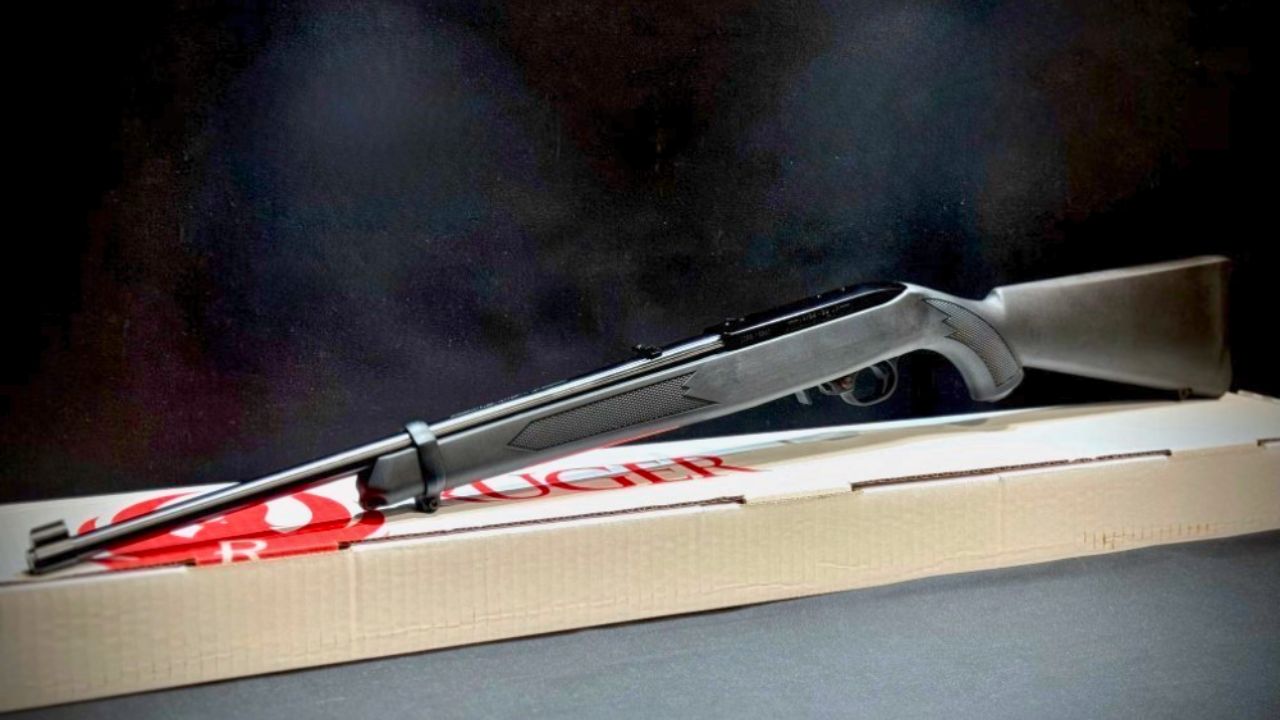
The .22 Long Rifle may not be a centerfire hunting cartridge, but it belongs in this conversation because old-timers respect it deeply. It is the cartridge that teaches shooting, fills small-game bags, controls pests where legal, and keeps people practicing without spending a fortune.
A .22 LR rifle does not impress anyone with power, but it builds skill better than almost anything else. Squirrels, rabbits, tin cans, paper targets, and quiet afternoons have made it part of shooting culture for generations. Old-timers nod at .22 LR because they know marksmanship usually starts there. The cartridge may be small, but its place in the gun world is enormous.
.280 Remington

The .280 Remington has always been one of those cartridges that knowledgeable hunters respect, even if the broader market never loved it as much as it deserved. It sits in a sweet place between the .270 Winchester and .30-06 Springfield, using 7mm bullets with excellent hunting potential.
The .280 can handle deer, elk, pronghorn, sheep, and similar game with the right bullets. It shoots flat enough for open country, recoils reasonably, and offers more bullet-weight flexibility than many casual hunters realize. The cartridge suffered from timing and marketing more than performance. Old-timers nod at the .280 because they know it is one of those rounds that did not need to be popular to be good.
.222 Remington

The .222 Remington is a cartridge that still makes older varmint shooters smile. Before the .223 Remington took over so much of the small centerfire conversation, the .222 had a reputation for excellent accuracy and mild manners. It was a favorite for varmints, benchrest, and precision-minded shooters.
Today, it is not as common, and factory ammunition is not as convenient as .223. But the respect remains. The .222 is quiet compared with bigger varmint rounds, easy on barrels, pleasant to shoot, and famously accurate in good rifles. Old-timers nod because they remember when it was the accuracy standard everyone else had to answer to. Some cartridges lose popularity without losing class.
6.5×55 Swedish Mauser
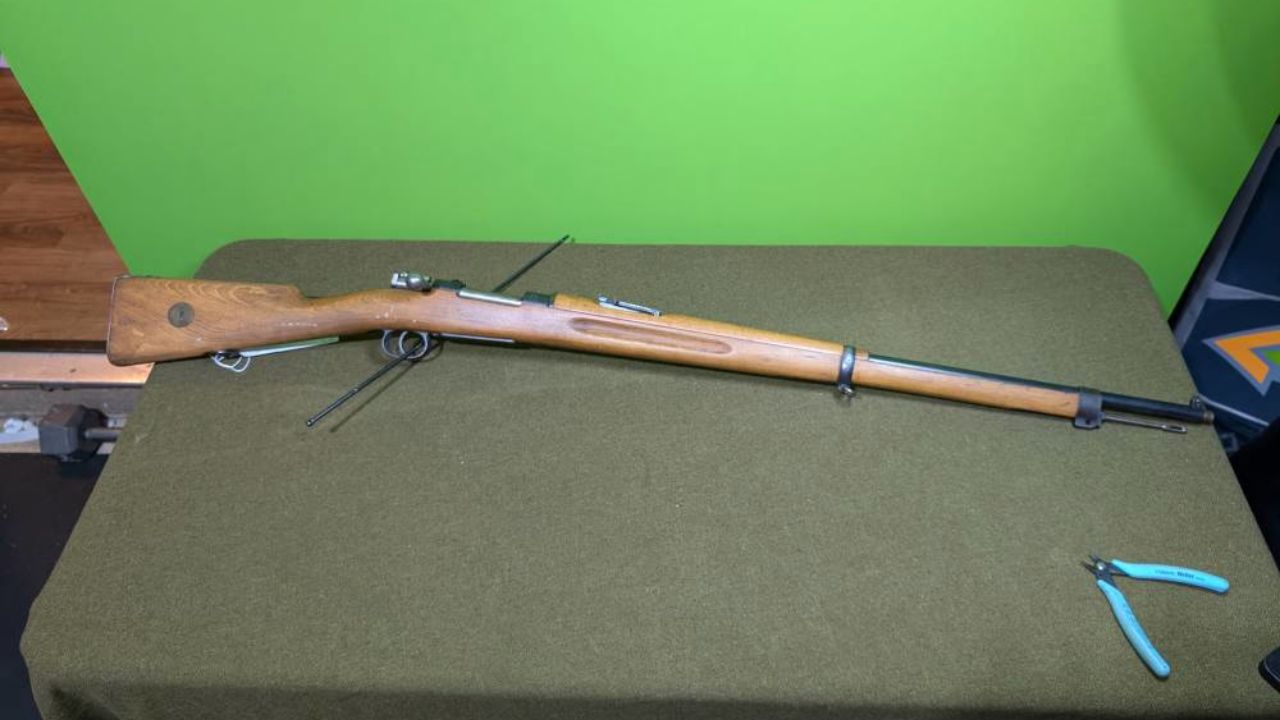
The 6.5×55 Swedish Mauser has earned long-term respect because it was doing the efficient 6.5mm thing long before modern shooters acted like they discovered it. It offers mild recoil, excellent sectional density, and real hunting performance when loaded appropriately in suitable rifles.
In Europe, it has a long record on game far larger than many Americans would expect from such a mild-feeling cartridge. In the U.S., it became beloved by handloaders, military-surplus fans, and hunters who appreciated its balance. The 6.5 Creedmoor may have made 6.5mm bullets trendy here, but old-timers know the Swede had already proven the idea. It gets the nod because it is smooth, capable, and quietly excellent.
.45-70 Government

The .45-70 Government gets respect because it refuses to die. It is old, slow by modern rifle standards, and limited in range compared with newer cartridges. Yet it remains loved because it does something very specific extremely well: heavy bullets at moderate distances with authority.
In the right rifle and with the right load, the .45-70 can handle deer, hogs, black bear, bison, and other large game where legal and appropriate. It is especially at home in lever-actions and single-shots. Recoil varies widely depending on load, and trajectory demands respect. But old-timers nod because they know the cartridge has history and substance. It is not modern, but it still works when used honestly.
Like The Avid Outdoorsman’s content? Subscribe to our newsletter so you never miss an article.
Here’s more from us: