Photo credit: The Pennsylvania Patriot/Youtube
Some rifles never looked expensive enough to make people brag. They were bought because they were practical, available, accurate enough, or simply what a hunter could afford at the time. Then years passed, prices climbed, budget rifles got cheaper-feeling in the wrong places, and those old “good enough” rifles started looking a whole lot smarter.
A rifle doesn’t have to be rare or fancy to feel right. Sometimes the ones that surprise you most are the rifles that shoot clean, carry well, and keep doing their job long after their original price tag should’ve stopped mattering.
Stevens Model 200
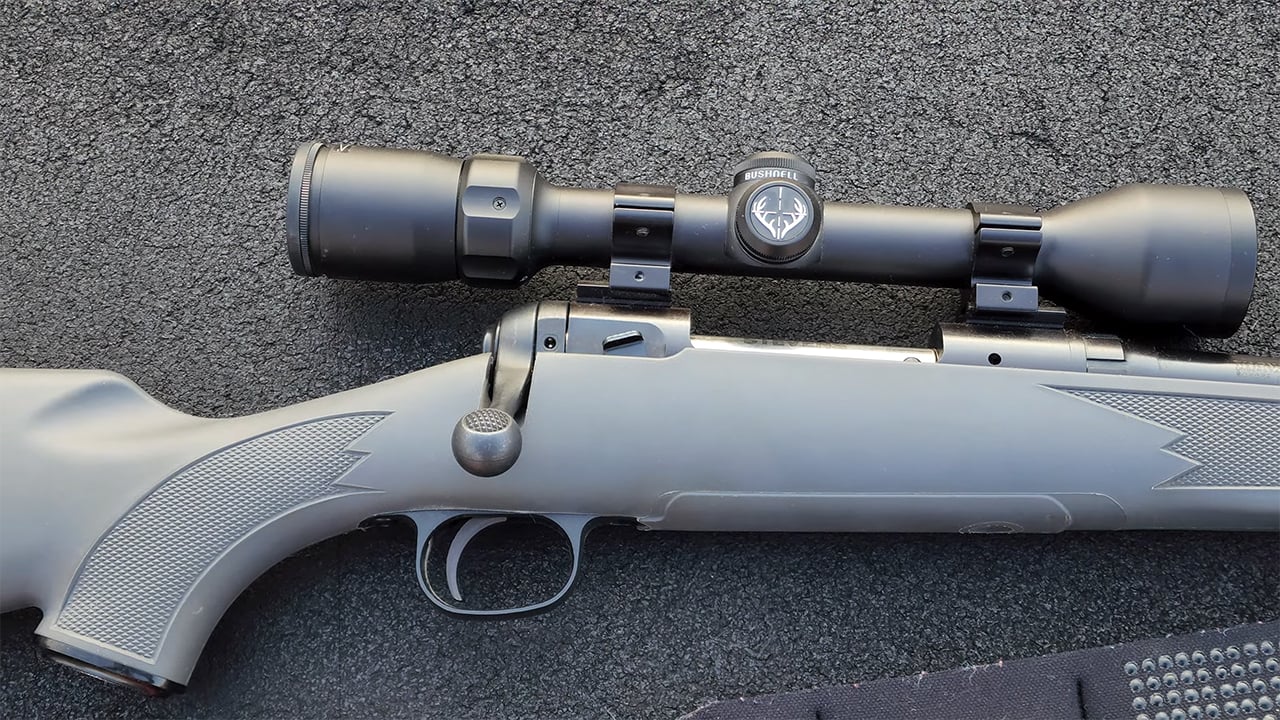
The Stevens Model 200 was never dressed up to impress anybody. It was basically a no-frills bolt-action built around the Savage 110 family, with a plain synthetic stock and a very basic look. A lot of people bought them because they were affordable, not because they thought they were getting some future favorite.
Then they shot them. That’s where the Model 200 earned respect. The rifle had the bones of a proven Savage action, and plenty of them delivered accuracy well above what the price suggested. The trigger wasn’t fancy, and the stock wasn’t beautiful, but the rifle worked. For hunters who cared more about groups and dead deer than glossy finish, the Stevens 200 was a smarter buy than it looked.
Howa 1500
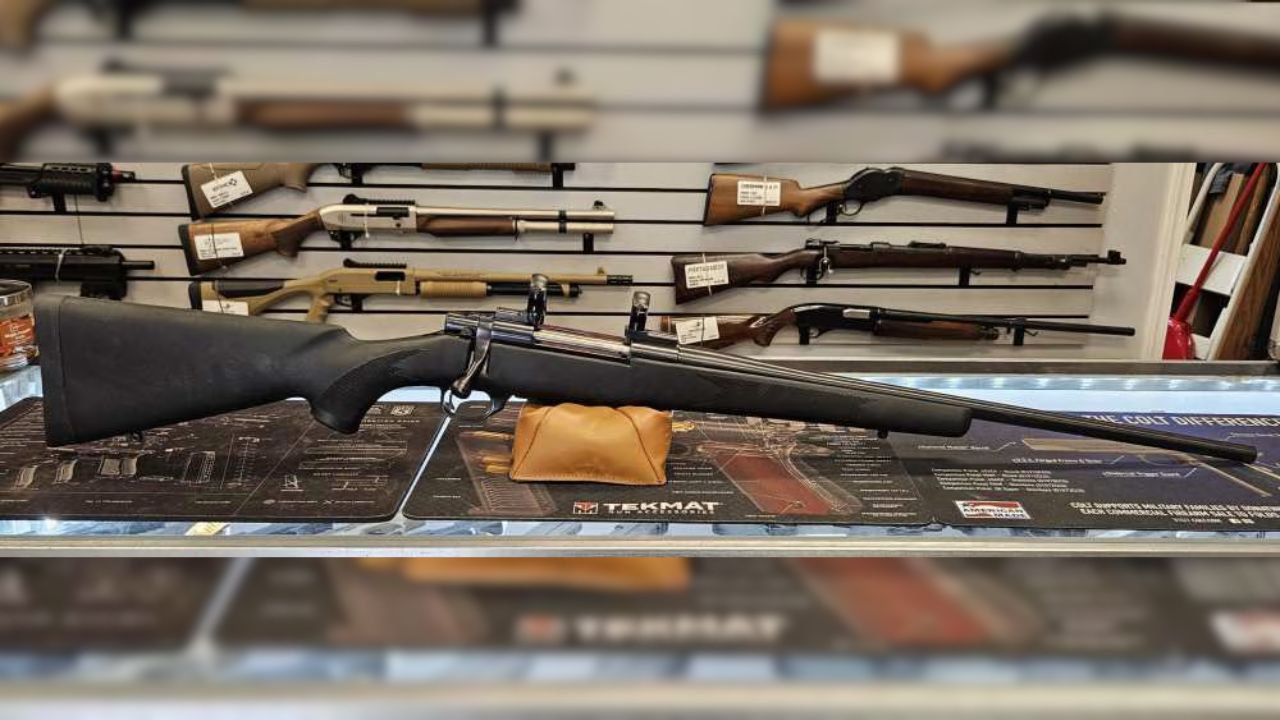
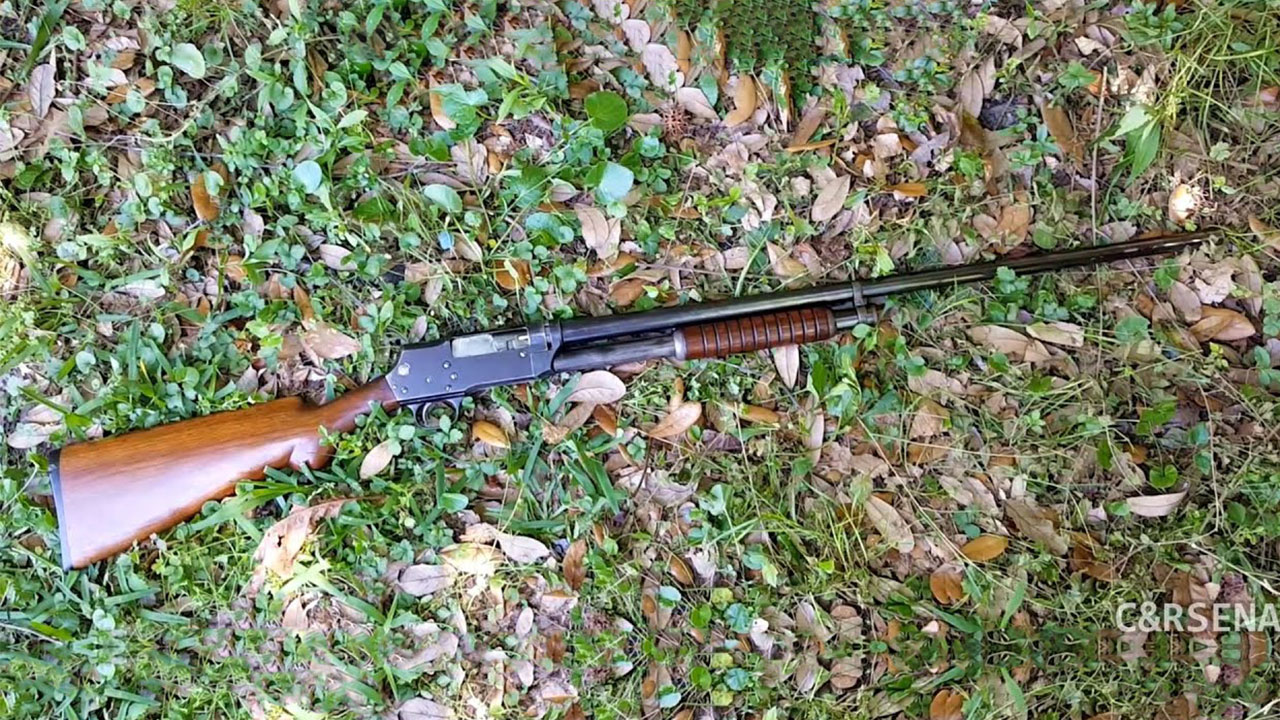
The Howa 1500 has always had more quality in it than some buyers expected. It didn’t carry the same household-name pull as a Remington 700 or Winchester Model 70, but the action was strong, smooth enough, and built with real care. For years, it was one of those rifles people bought on value and later realized they had gotten more rifle than they paid for.
The appeal is in the way the Howa feels solid without being overpriced. The bolt runs with confidence, the receiver is sturdy, and many of them shoot very well with factory ammunition. It doesn’t feel like a disposable budget rifle. It feels like a working bolt gun that can be kept, modified, hunted hard, and trusted for years.
Ruger American Rifle
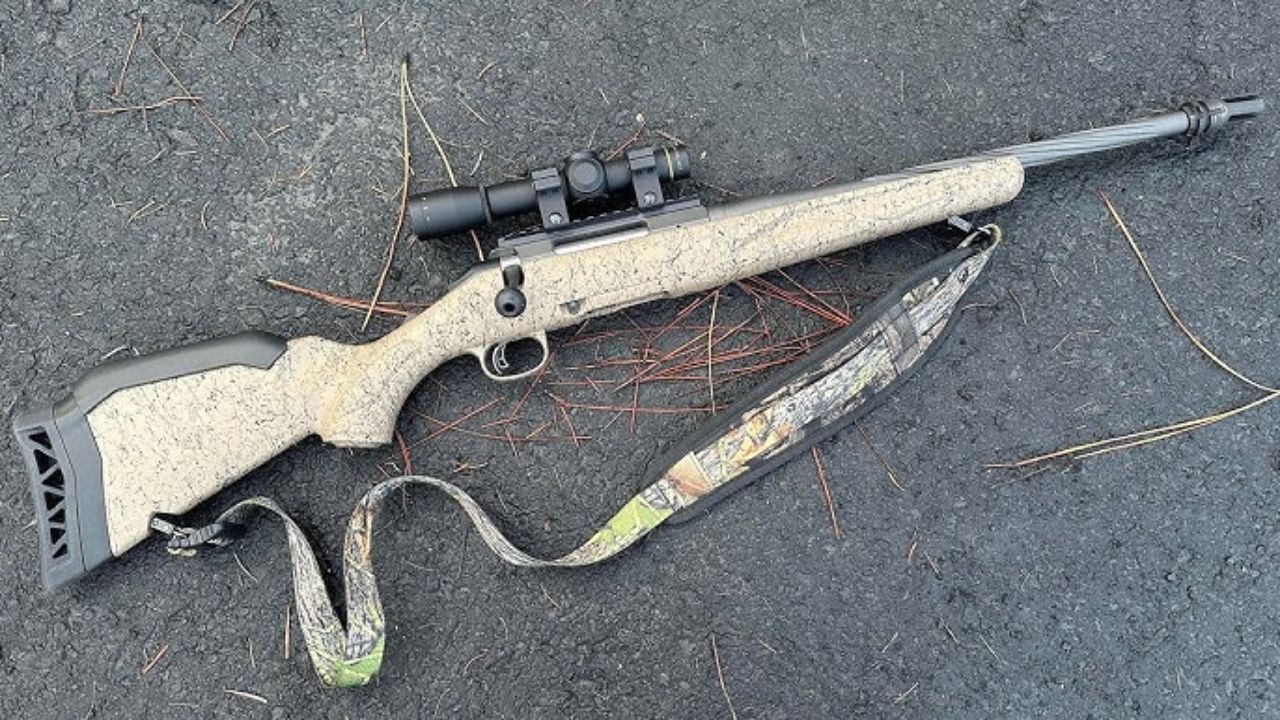
The Ruger American Rifle came in at a price that made some shooters suspicious. Lightweight synthetic stock, simple finish, and a budget-friendly name can make a rifle seem cheap before anyone gives it a fair shot. But the American proved pretty quickly that it was not some throwaway deer rifle.
The Marksman Adjustable trigger, reliable rotary magazine, and surprising accuracy made it a strong value from the start. It may not have the polish of older walnut-stocked rifles, but it puts bullets where they need to go. Plenty of hunters have carried one through rough weather, banged it around in stands and trucks, and watched it keep shooting. For the money, that rifle has embarrassed more expensive setups than people like to admit.
Thompson/Center Venture
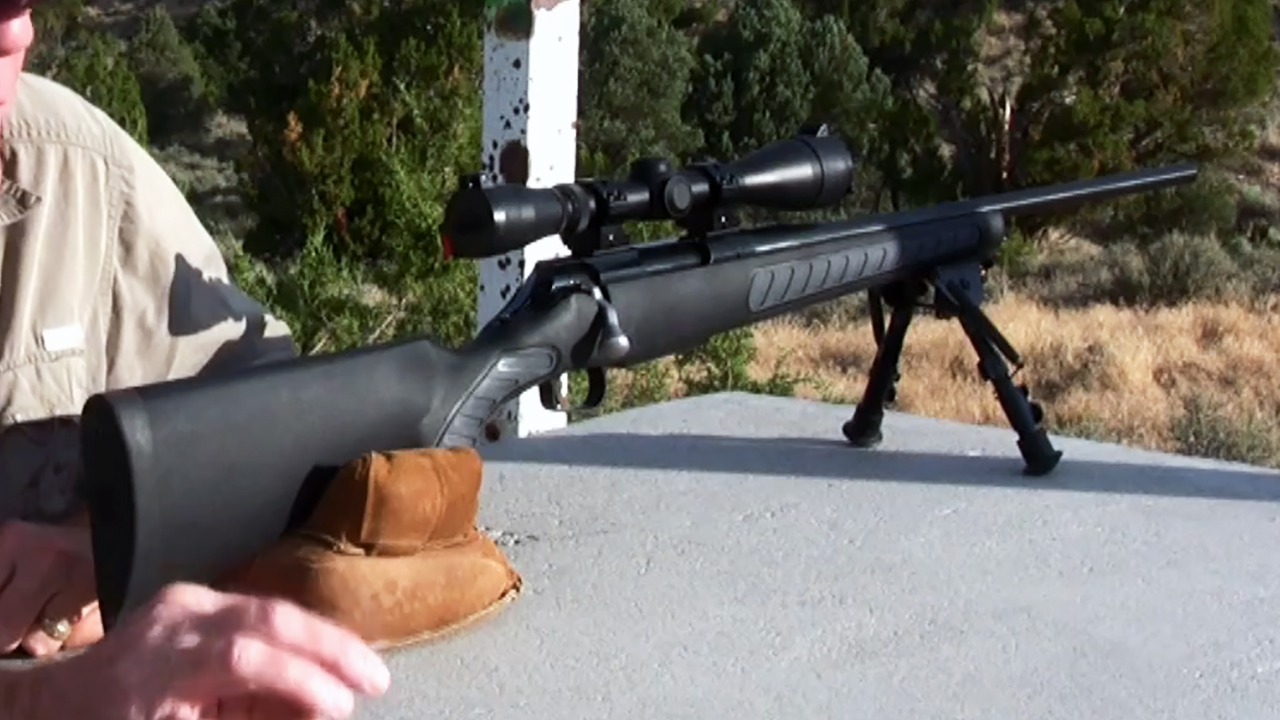
The Thompson/Center Venture never became the most talked-about bolt gun, but it gave hunters a lot for the price. It had a decent trigger, solid accuracy, and a practical hunting layout that didn’t require much fuss. For a rifle that often sat below bigger-name competitors on the rack, it performed better than many expected.
The Venture’s biggest strength was that it simply did what a hunting rifle was supposed to do. It carried well enough, shot well enough, and didn’t make the owner feel like they had to replace half the rifle to trust it. Now that Thompson/Center’s rifle lineup has shifted so much over the years, the Venture feels like one of those practical buys people didn’t appreciate enough when it was easy to find.
Marlin XL7
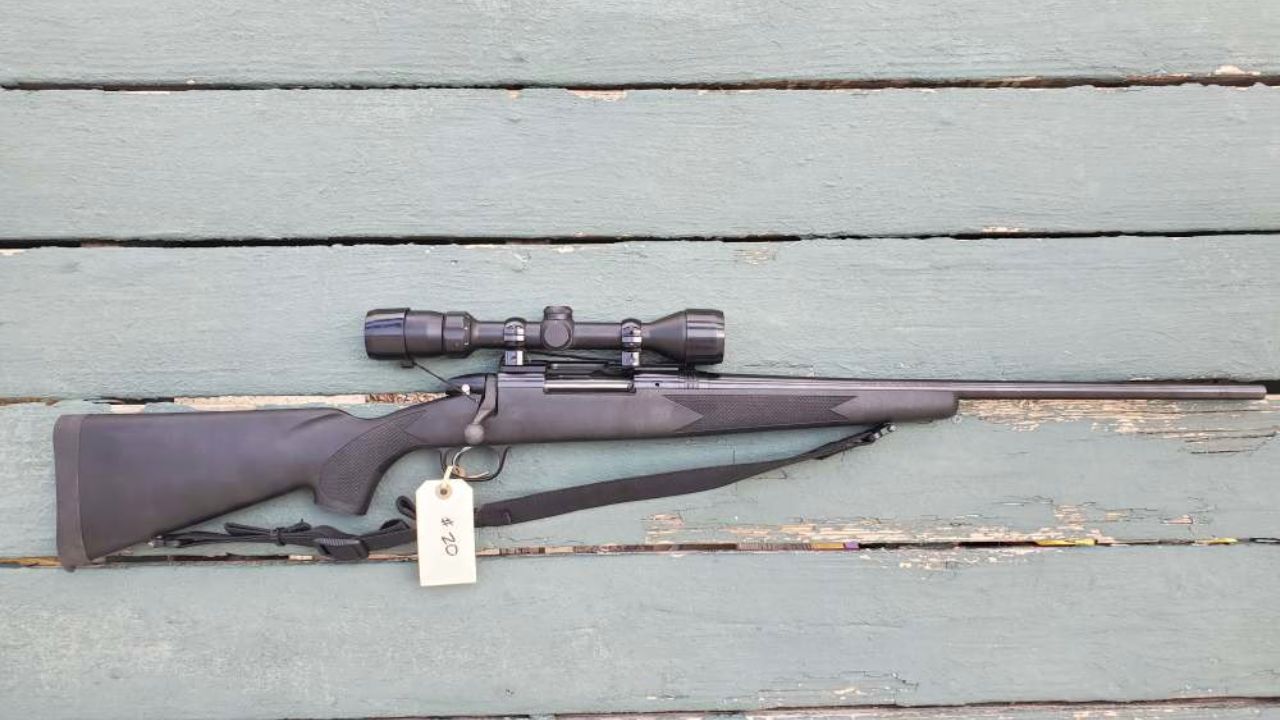
The Marlin XL7 was one of the better affordable bolt-action surprises of its time. It wasn’t flashy, and it didn’t have decades of bolt-rifle tradition behind it like some competitors. But Marlin put together a rifle that gave hunters a lot of useful features without pushing the price too high.
The Pro-Fire trigger, good accuracy potential, and simple hunting layout made the XL7 feel like more rifle than buyers expected. It never got the long market life it probably deserved, which makes clean examples more interesting now. Owners who bought one cheap often found out they had a rifle that shot straight and handled hunting season without complaint. That’s more than some higher-priced rifles can honestly claim.
Mossberg Patriot

The Mossberg Patriot gets overlooked because Mossberg is still better known for shotguns than bolt-action rifles. That reputation makes some hunters walk right past it. But the Patriot has built a solid following by giving buyers a good-looking, useful rifle without charging like it’s trying to be a custom gun.
The Patriot has been offered in a wide spread of chamberings and stock options, and many of them shoot better than expected for the price. The trigger is usable, the rifle carries well, and the overall package makes sense for hunters who want value without feeling like they bought the cheapest thing available. It may not be perfect, but it has done a good job proving that practical rifles still matter.
Savage Axis II

The original Axis had its share of rough edges, but the Axis II helped fix the biggest complaint by bringing in the AccuTrigger. That made a major difference. Suddenly, an affordable rifle that already had decent accuracy potential became much easier to shoot well.
The Axis II still feels like a budget rifle in some places, especially the stock, but the results are hard to argue with. Many hunters have bought one as a first rifle, truck rifle, or backup rifle and ended up trusting it more than expected. It’s light, simple, and usually accurate enough to make expensive rifles uncomfortable. At its price, that’s exactly what a working hunting rifle should do.
CVA Cascade

The CVA Cascade surprised a lot of rifle buyers because many still thought of CVA mainly as a muzzleloader company. Then the Cascade showed up as a centerfire bolt-action with a good feature set, practical weight, threaded barrel, and accuracy that made people pay attention.
For the price, the Cascade feels like CVA understood what modern hunters actually wanted. It isn’t overloaded with gimmicks, but it gives you a lot of useful details out of the box. The bolt feels decent, the stock is practical, and the rifle has proven itself as a good field option in common hunting chamberings. It’s one of those newer rifles that made people rethink what an affordable hunting rifle could be.
Tikka T3x Lite

The Tikka T3x Lite is not always the cheapest rifle on the rack, but it still feels better than its price once you’ve used one hard. The action is the first thing most people notice. It’s slick in a way many rifles at similar prices are not. That matters when you’re working the bolt from an awkward position or trying to stay on an animal after the first shot.
The accuracy reputation is the other reason the T3x Lite keeps earning respect. Many of them shoot factory ammo extremely well with very little load chasing. The rifle is light enough to carry all day, but still built around a smooth, confidence-inspiring action. It may look plain, but it performs like a rifle that should cost more.
Weatherby Vanguard Series 2

The Weatherby Vanguard Series 2 has always sat in a good spot for hunters who want real rifle quality without Mark V pricing. It doesn’t have the fancy Weatherby nameplate feel that some buyers chase, but it gives you a strong action, good accuracy expectations, and a rifle that feels more substantial than many budget options.
The Series 2 trigger and accuracy guarantee helped it stand out, but the rifle’s real value shows up in the field. It feels steady, not flimsy. It handles recoil well in common hunting cartridges, and it gives hunters confidence without demanding a premium-rifle budget. For anyone tired of ultralight rifles that feel hollow, the Vanguard Series 2 still makes a lot of sense.
Remington 783

The Remington 783 took plenty of criticism because it showed up during a rough era for Remington. Some shooters dismissed it quickly because it wasn’t a Model 700 and didn’t try to be one. But judged on its own, the 783 gave budget-minded hunters a rifle that often shot better than its reputation suggested.
The barrel nut system, decent trigger, and practical design helped the 783 deliver accuracy without a big price. The stock and finish were clearly budget-grade, but the rifle could perform. A lot of hunters bought one expecting basic function and found out it could put meat in the freezer year after year. It may never be beloved like older Remingtons, but it deserves more credit than it usually gets.
Winchester XPR

The Winchester XPR had a hard job from the start because people naturally compared it to the Model 70. That’s not really fair. The XPR was built as a modern value rifle, not a classic controlled-round-feed hunting rifle. Once you judge it that way, it starts looking better.
The XPR offers good accuracy, a strong-feeling action, and a practical hunting setup at a reasonable price. It doesn’t have walnut-and-blue-steel romance, but it does have the kind of function most hunters actually need. The trigger is clean enough, the stock options are useful, and the rifle can take rough weather without making owners nervous. For the money, it gives Winchester fans a dependable tool instead of just a cheaper name.
Bergara B-14 Hunter

The Bergara B-14 Hunter costs more than the lowest-end rifles, but it still feels like a strong value because of the barrel quality and overall execution. Bergara built its reputation on barrels, and the B-14 line brought that accuracy-minded approach into a hunting rifle that regular buyers could actually reach.
The B-14 Hunter feels like a step above many mid-priced rifles. The action has a familiar Remington 700-style footprint, the trigger is good, and the rifle usually shoots with the kind of consistency hunters notice fast. It’s not overly fancy, but it feels carefully put together. For buyers who want accuracy without jumping into high-dollar territory, the B-14 Hunter still feels better than the price suggests.
CZ 527

The CZ 527 was one of those small-action rifles that never felt like a cheap little gun. In chamberings like .223 Remington, 7.62×39, and .204 Ruger, it gave shooters a handy, well-built bolt rifle with real character. It had a mini-Mauser-style action, detachable magazine, and that old-world CZ feel that stood apart from most budget rifles.
Now that the 527 is gone from regular production, people appreciate it even more. It was compact without feeling flimsy, accurate without being fussy, and interesting without trying too hard. Owners who bought one when prices were reasonable often look pretty smart now. It’s a perfect example of a rifle that felt better than its price tag and became harder to replace once the market moved on.
Henry Single Shot Rifle
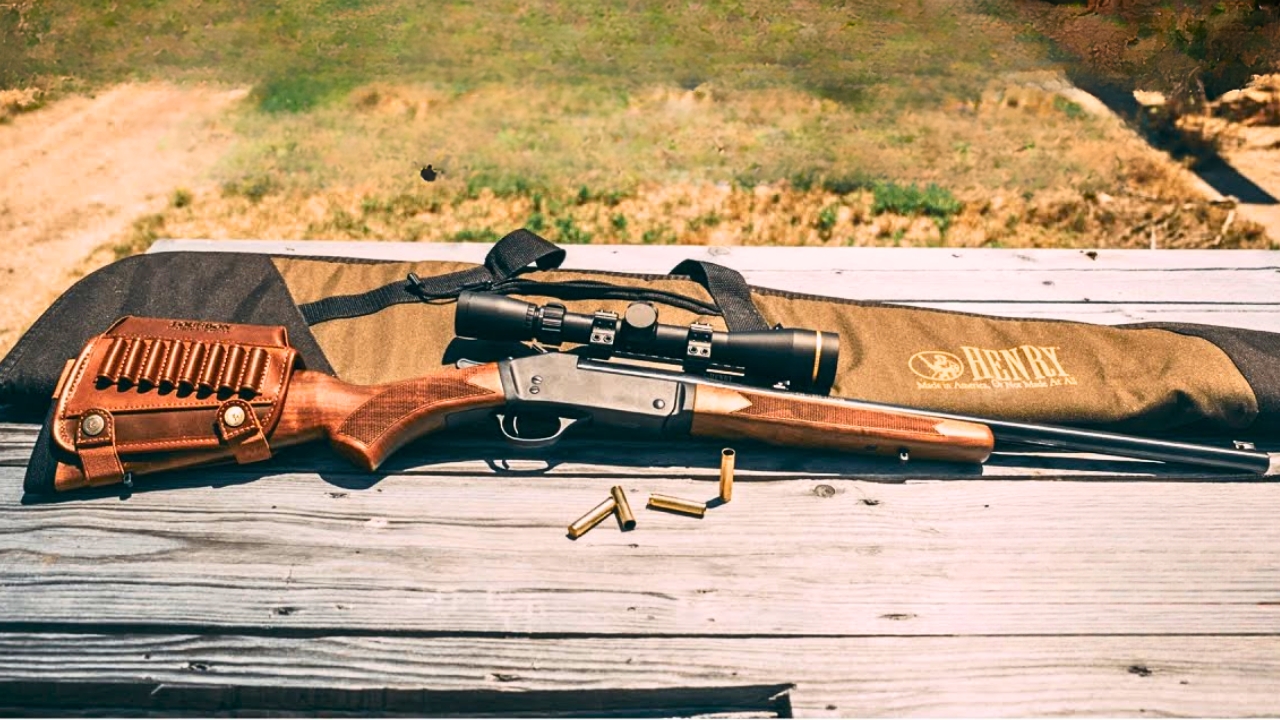
The Henry Single Shot Rifle looks simple because it is simple. One shot, break-action design, exposed hammer, and no complicated magazine system to worry about. Some hunters overlook it because they want repeaters, but the Henry has a clean honesty to it that makes the price feel fair and sometimes better than fair.
It’s a good rifle for hunters who care about making one careful shot. The design is compact, easy to carry, and available in useful chamberings for deer, predators, and general field use. It also has more personality than a lot of entry-level bolt guns. The Henry Single Shot won’t be for everyone, but for someone who likes simple rifles that feel solid, it delivers more satisfaction than the price might suggest.
Like The Avid Outdoorsman’s content? Subscribe to our newsletter so you never miss an article.
Here’s more from us: