Photo credit: Gun Talk Media/YouTube
A lot of shooters go through the same cycle with revolvers. They start out respecting them, drift away once higher-capacity semi-autos take over their attention, and eventually decide wheelguns are mostly nostalgia now. Then they pick up the right one again. Maybe it is the way it balances. Maybe it is the trigger once they stop fighting it. Maybe it is the blunt honesty of a revolver that does exactly what it was built to do without asking for much in return. That is usually when the old opinions start changing.
The truth is, a good revolver has a way of winning people back because it offers something many modern pistols do not. It feels deliberate. It slows you down in the right ways, rewards clean shooting, and often carries with more comfort than people remember. These are the revolvers that keep pulling former doubters back in, one range trip or one carry day at a time.
Smith & Wesson 642

The Smith & Wesson 642 wins people back because it reminds you what “practical” really means in a carry gun. It is light, snag-free, and easy to drop into a pocket holster or tuck into a simple concealed-carry setup without turning your whole day into a wardrobe problem. A lot of shooters walk away from revolvers because they think they are too limited to bother with. Then they spend time with a 642 and remember that convenience matters more than a lot of people admit.
The other thing that brings people around is how honest it is. The gun does not flatter you. It asks for real trigger control and a real grip, but once you learn it, it starts feeling like one of the easiest guns in the world to simply have with you. And that is the whole point. A gun you carry constantly keeps earning respect.
Smith & Wesson 638

The 638 wins over former revolver skeptics because it offers the same easy-carry J-frame appeal as the 642, but with a little more flexibility. The shrouded hammer keeps it mostly snag-free while still giving you the option to thumb-cock it if you want a more precise single-action shot. That small detail matters more than many shooters expect, especially for people who like options but do not want a fully exposed hammer hanging up on clothing.
A lot of semi-auto loyalists pick one up expecting it to feel dated, then realize it still fits real life extremely well. It carries easily, disappears under normal clothes, and gives you the kind of simple, trustworthy manual of arms that grows on you fast. It is not trying to be modern in the trendy sense. It is trying to be useful. That is why so many shooters end up warming back up to it.
Smith & Wesson 640

The 640 tends to win people back because it takes the J-frame formula and makes it feel more serious in the hand. The extra weight compared with the Airweight guns changes the shooting experience in a big way. Recoil feels more controlled, the gun stays more planted, and suddenly the little revolver that once felt too sharp now feels much more manageable. For a lot of people, that is the difference between tolerating a revolver and actually enjoying one.
It also helps that the 640 feels like a gun built to stay with you. It is compact enough to conceal well but solid enough to encourage real practice. That balance matters. Many former revolver owners drifted away because they got tired of lightweight guns that were easy to carry and annoying to shoot. The 640 solves that problem well enough to remind you why a well-chosen snubnose still makes a lot of sense.
Smith & Wesson 686

The 686 keeps winning people back because it shows them what a revolver feels like when weight, balance, and control all line up. Plenty of shooters walk away from wheelguns after spending too much time with small, sharp-kicking snubs. Then they fire a 686 and remember that a good medium-large frame revolver can be one of the most satisfying handguns you will ever shoot. The gun settles in the hand, tracks well, and makes .357 Magnum feel much more civilized than many people remember.
It also brings back confidence because it rewards good shooting without feeling fussy. The double-action trigger can be excellent, the sights are usable, and the gun has enough mass to keep range sessions enjoyable. A lot of people think they are done with revolvers until they spend time with one that actually reminds them how good a revolver can feel when it is sized right.
Smith & Wesson Model 19 Carry Comp
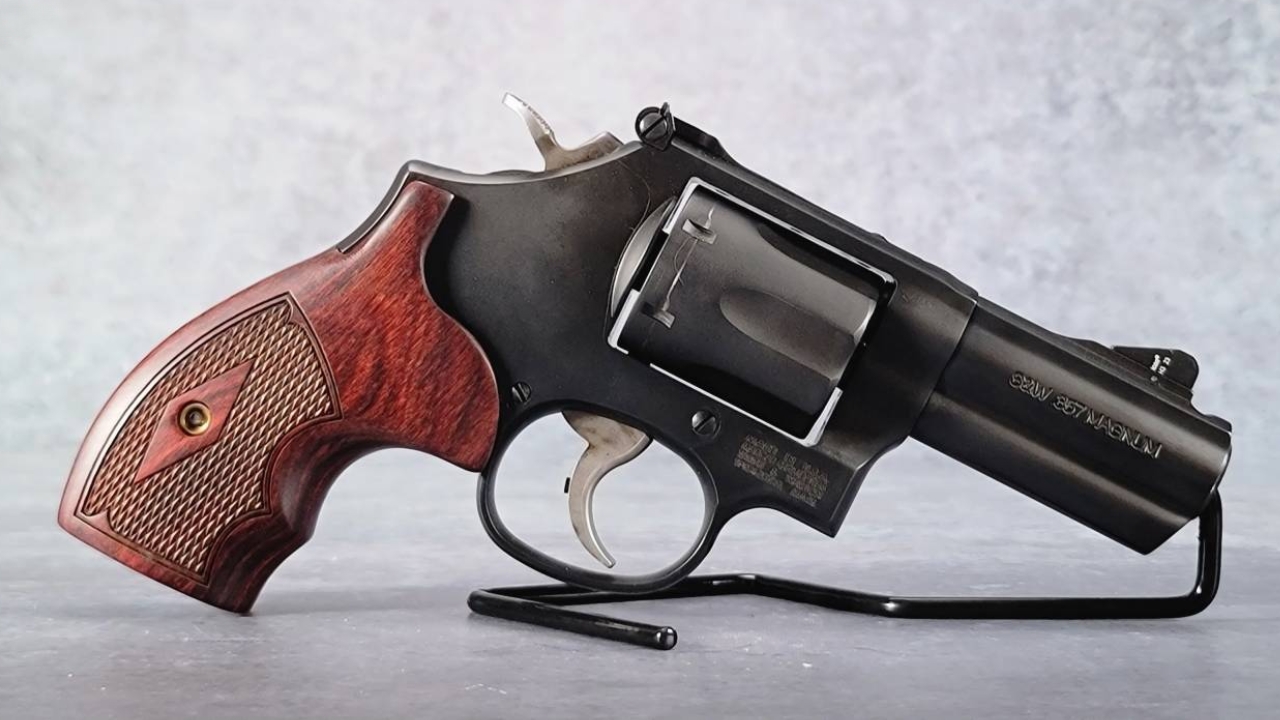
The Model 19 Carry Comp wins people over because it feels like a revolver built for shooters who want the classic appeal without pretending the last fifty years never happened. You get K-frame handling, .357 capability, and a carry-friendly profile, but with a setup that makes the gun a little easier to live with in modern use. That is a strong combination for someone who thought revolvers had become more romance than reality.
What brings former skeptics back is how balanced it feels. It carries better than a bulkier duty revolver, shoots better than a featherweight snub, and still gives you that unmistakable revolver rhythm that many people forgot they enjoyed. It has enough old-school feel to scratch the itch and enough practical sense to stay relevant. For many shooters, that is exactly the kind of revolver that reopens the whole category.
Ruger LCR .38 Special
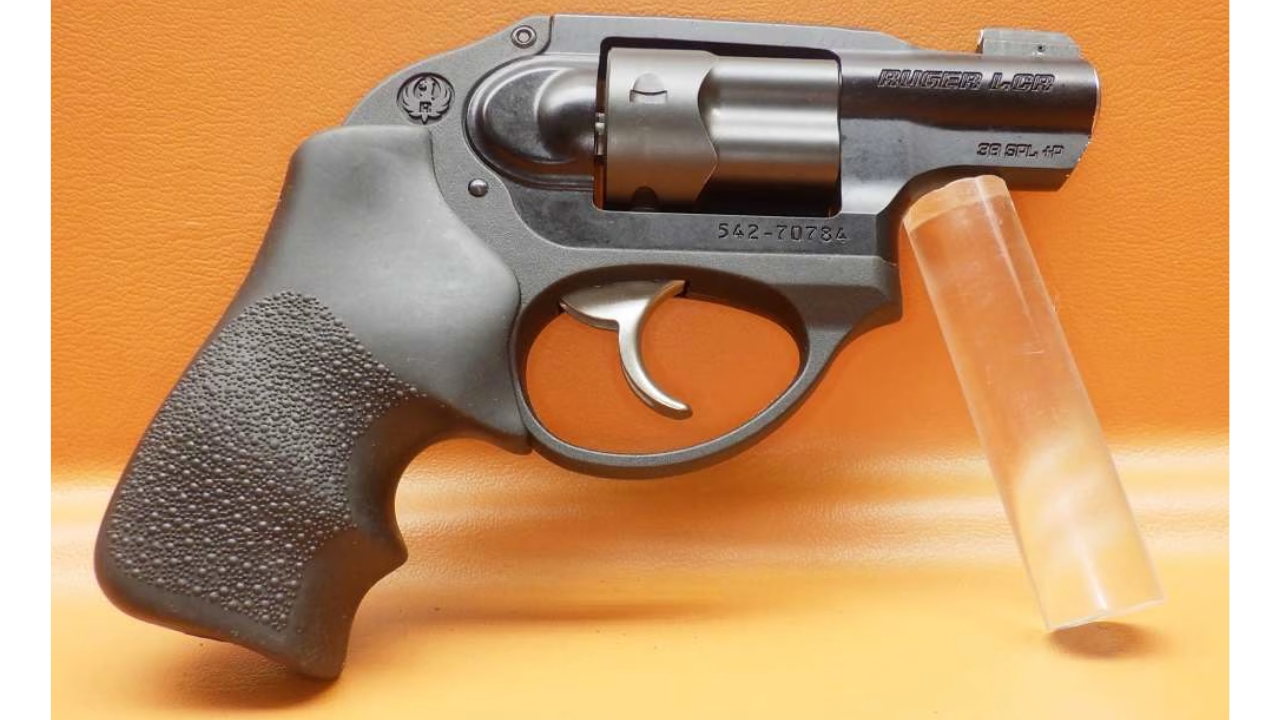
The Ruger LCR in .38 Special wins people back because it proves a small revolver does not have to feel crude or punishing to be useful. The trigger is one of the biggest reasons. For a lot of shooters who gave up on small revolvers years ago, the LCR feels noticeably smoother and easier to manage than the rougher double-action pulls they remember fighting. That changes the whole experience.
Once that trigger starts making sense, the rest of the gun starts making sense too. It is light enough to carry easily, compact enough to fit real concealed-carry needs, and built around a practical cartridge that remains easy to live with. It is not a range toy pretending to be a carry gun. It is a carry gun that still gives you enough shootability to want practice. That is exactly the kind of revolver that wins back former holdouts.
Ruger LCRx 3″

The LCRx 3-inch turns a lot of former revolver doubters around because it lands in a sweet spot many people forgot existed. It keeps the light, practical feel of the LCR family, but the longer barrel and fuller grip make it much easier to shoot well than the shortest snubs. That extra sight radius and added control go a long way toward making the gun feel like a serious all-around revolver instead of a pure compromise.
That matters for shooters who walked away from revolvers because they got tired of giving up too much just to carry one. The 3-inch LCRx gives some of that back. It is still trim enough to carry well, but it becomes far more enjoyable on the range and far less frustrating under speed. For a lot of people, it is the revolver that reminds them they did not really stop liking wheelguns. They only stopped liking the wrong ones.
Ruger SP101 3″

The 3-inch SP101 wins people back because it feels built around durability and control in a way many small revolvers no longer do. It is compact, but it is not too light for its own good. That extra steel changes everything. Recoil is more manageable, the gun feels more stable, and the whole package encourages practice instead of punishing it. That alone makes it a strong comeback revolver for former skeptics.
The 3-inch format helps even more. You get better sights, more useful balance, and a revolver that feels equally comfortable as a carry piece, trail gun, or general defensive handgun. It does not try to be the absolute smallest or the absolute softest. It tries to be solid and practical, and it succeeds. That is why so many people who thought revolvers were no longer worth the trouble end up changing their mind after real time with an SP101.
Ruger GP100

The GP100 wins people back because it feels like a revolver built with zero apologies. It is strong, steady, and the kind of gun that makes you understand immediately why so many experienced shooters still trust a full-size wheelgun. For anyone who drifted away from revolvers because they got frustrated with tiny frames and harsh recoil, the GP100 is often the cure. It makes .357 Magnum feel usable again and .38 Special feel almost easy.
It also earns loyalty because it is so straightforward. The gun is built to take use, built to keep going, and built to reward shooters who actually spend time mastering a double-action trigger. A lot of former revolver fans rediscover the category through this gun because it reminds them that shooting a good revolver is not a burden. It is one of the most satisfying ways to spend time on a range.
Colt Cobra

The Colt Cobra wins people back because it gives them a modern snubnose that still feels like it has a little personality. It is compact, carries easily, and gives you six rounds in a size where many buyers expect five. That may sound like a small thing, but it matters to people who moved away from revolvers because they felt the format was all compromise and no upside. The Cobra brings some of that confidence back.
What really helps is that it tends to feel sensible. It is not oversized, not too heavy, and not trying too hard to be flashy. It fits the role many people actually need: a carry revolver that is easy to live with and easy to understand. For former revolver owners who miss the simplicity but not the old frustrations, the Cobra often feels like the gun that makes the platform click again.
Colt King Cobra Carry

The King Cobra Carry wins people back because it gives them a carry revolver that feels more substantial without becoming a brick. A lot of shooters leave revolvers behind after dealing with tiny frames that are easy to conceal but unpleasant to shoot. The King Cobra Carry pushes back against that experience. It gives you a stronger grip, more confidence under recoil, and the kind of shooting comfort that reminds you why a slightly larger revolver can be worth the extra effort.
It also helps that the gun feels purposeful. It is not only a nostalgic play. It feels like something built for modern carry-minded shooters who still appreciate the revolver’s strengths. That combination matters. It gives you classic mechanics with a more practical, confidence-building feel. For someone who thought revolvers were all awkward tradeoffs, the King Cobra Carry often feels like a much better answer than they expected.
Kimber K6s Stainless

The Kimber K6s Stainless wins people back because it does something many shooters did not expect from a compact revolver: it feels refined without becoming fragile or fussy. The six-shot cylinder in a compact frame gets attention right away, but what really changes minds is how the gun feels in the hand. It is compact enough to conceal and still substantial enough to shoot better than many buyers expect from a small defensive revolver.
That is the formula that hooks people. They come in thinking revolvers are outdated, low-capacity holdovers, and then they handle a K6s and realize the platform can still feel relevant, well-made, and genuinely practical. It carries well, shoots more comfortably than many older snubs, and gives you enough capacity to make former semi-auto loyalists pause. That is usually all it takes for the platform to start making sense again.
Kimber K6s DASA 3″
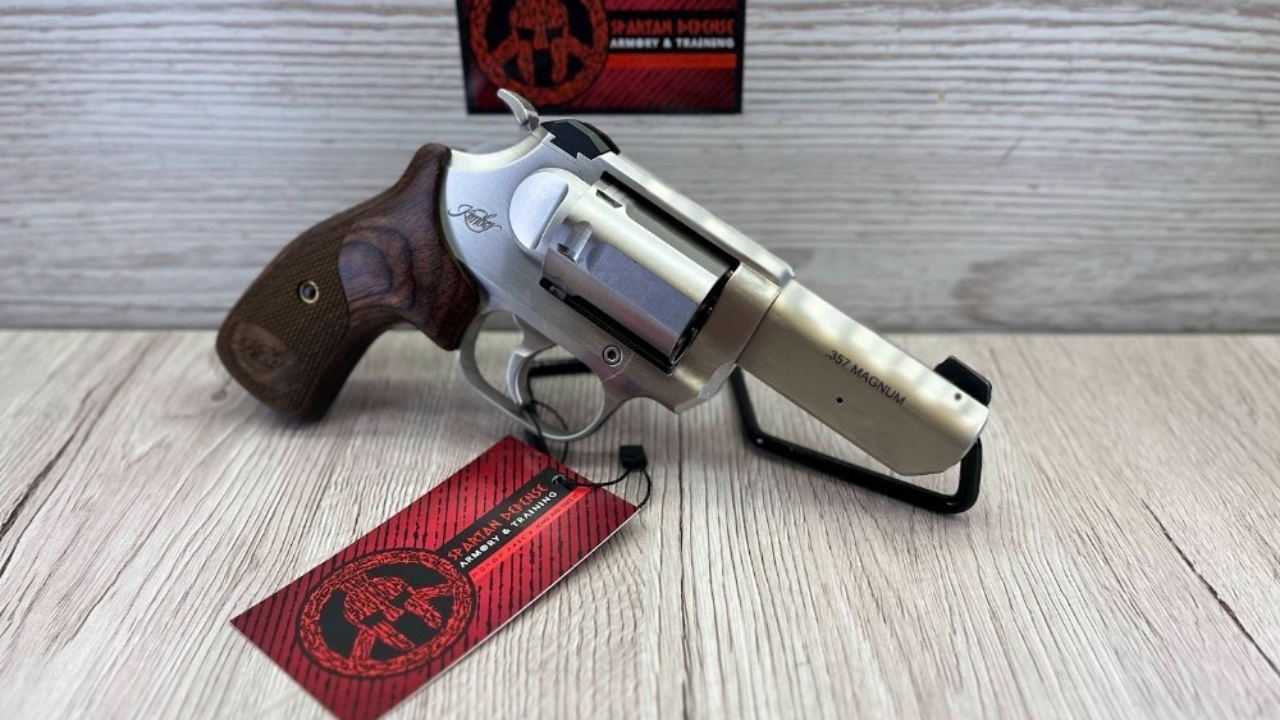
The 3-inch K6s DASA wins people over because it offers one of the most sensible middle grounds in the compact revolver world. It is easier to shoot well than the shortest snubs, still compact enough to conceal with real effort, and gives you a little more control without drifting into service-revolver bulk. For many former revolver owners, that balance is exactly what they were missing the first time around.
The double-action/single-action setup also changes the experience for shooters who like having options. Some people never stopped appreciating a smooth double-action trigger, and others rediscover the appeal once they get a revolver that is comfortable enough to practice with. The 3-inch K6s makes that easy. It feels more like a real all-purpose handgun and less like a tiny emergency tool. That is a big reason it keeps pulling people back into the revolver camp.
Colt Python 3″
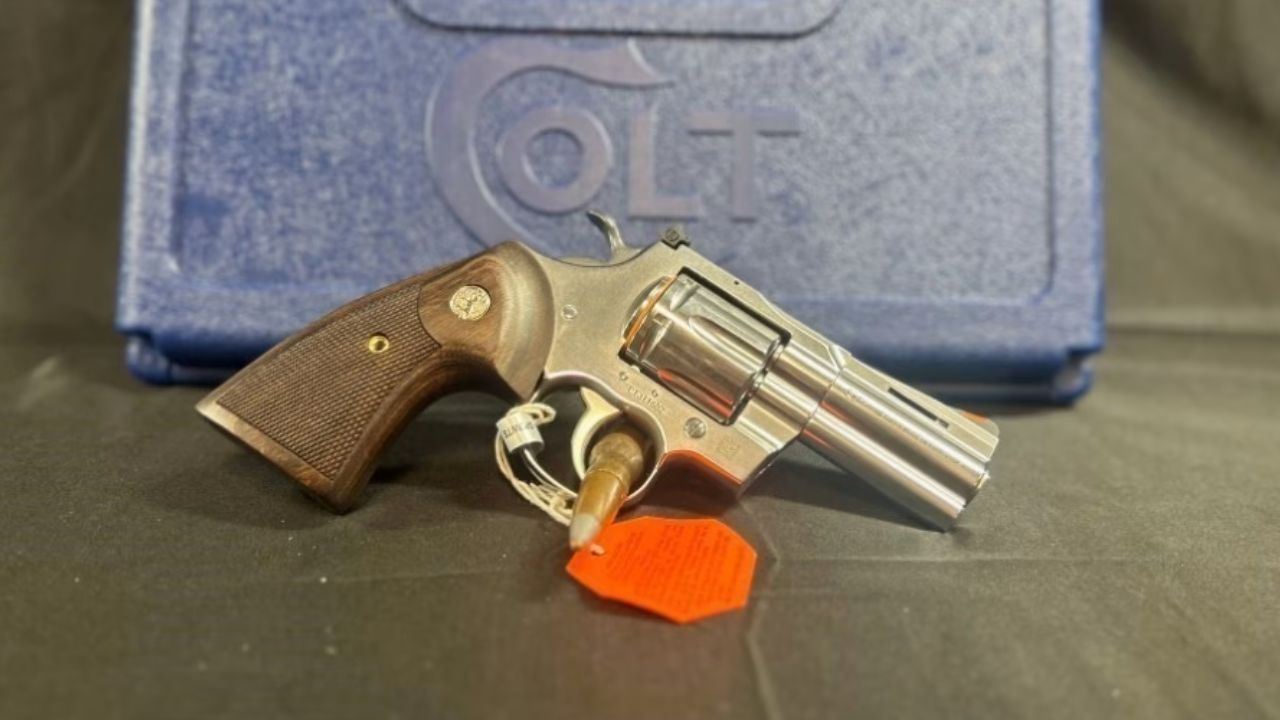
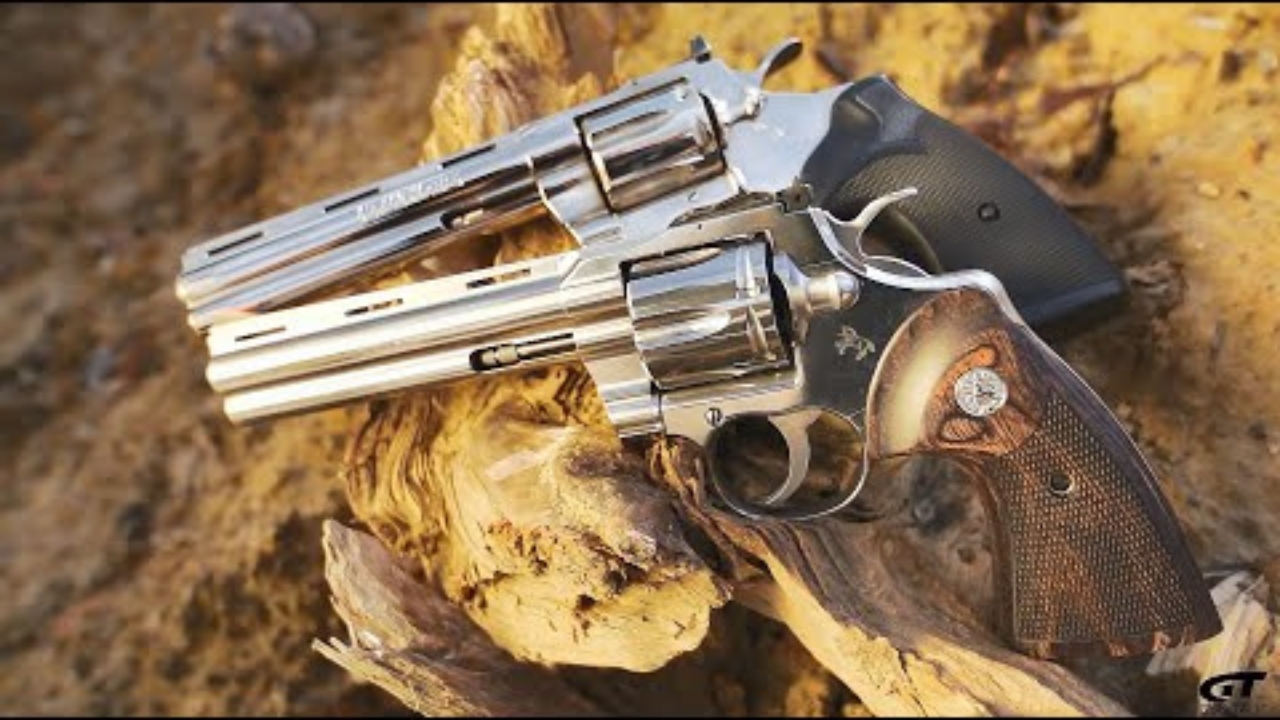
The 3-inch Python wins over former doubters because it combines prestige with real usability. A lot of people first notice it because it is a Python, and that name still carries plenty of weight. But what keeps them interested is that the shorter version feels more practical than the longer, more range-oriented revolvers many buyers associate with the name. It is easier to carry, quicker in the hand, and still gives you the smoothness and quality people hoped for.
That matters because many shooters are not trying to buy a showpiece. They want a revolver that feels special and still makes sense. The 3-inch Python does that well enough to make a lot of former revolver skeptics rethink the whole category. It proves that a premium revolver can still be a useful revolver, and once that clicks, the format starts looking a lot less like nostalgia and a lot more like a deliberate choice.
Smith & Wesson Model 66 Combat Magnum
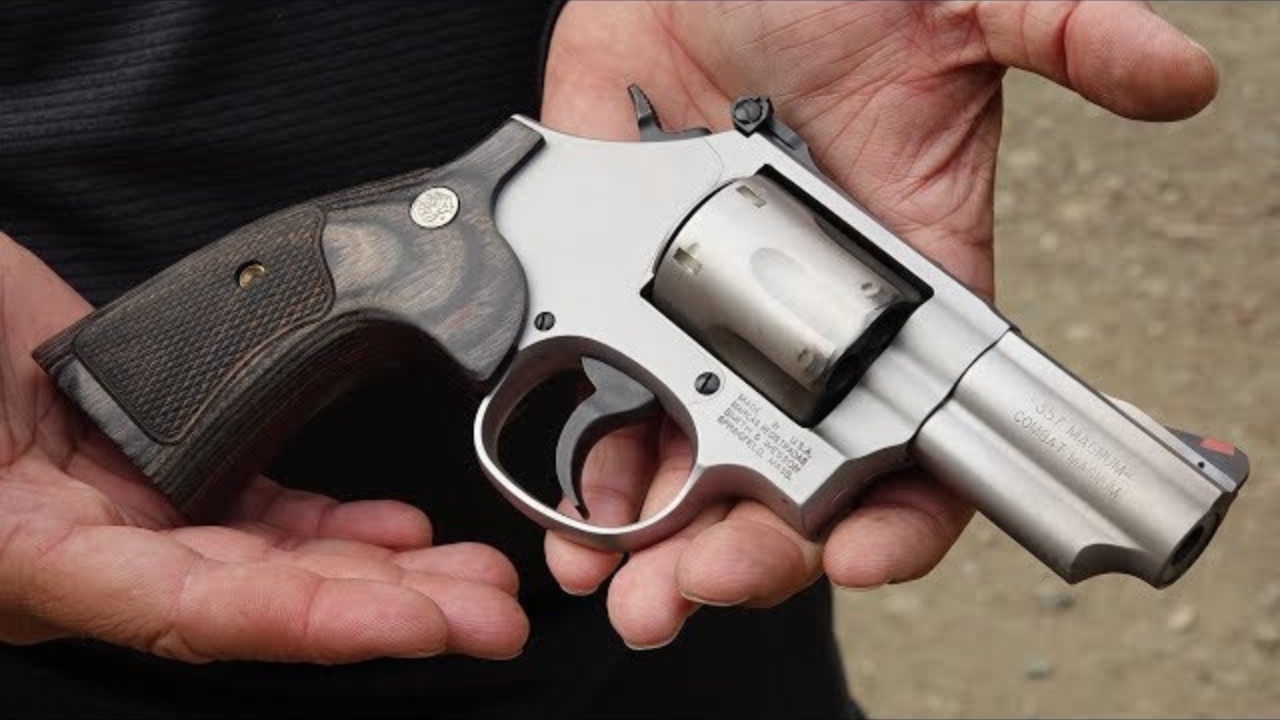
The Model 66 Combat Magnum wins people back because it sits right in that zone where shootability, carry comfort, and classic revolver feel all meet. It is not as bulky as larger frame magnums, and it is not as punishing as the lighter small guns that drove many shooters away. That makes it a very easy revolver to appreciate once you spend real time with one. It feels lively, balanced, and genuinely useful.
For many people, it becomes the revolver that reminds them the K-frame formula was popular for good reason. You can carry it with the right setup, train with it without dreading recoil, and still have enough power and confidence to take the gun seriously. That combination is why so many former semi-auto-only shooters end up warming back up to the platform. The Model 66 makes revolvers feel practical again, not merely sentimental.
Ruger Blackhawk Convertible
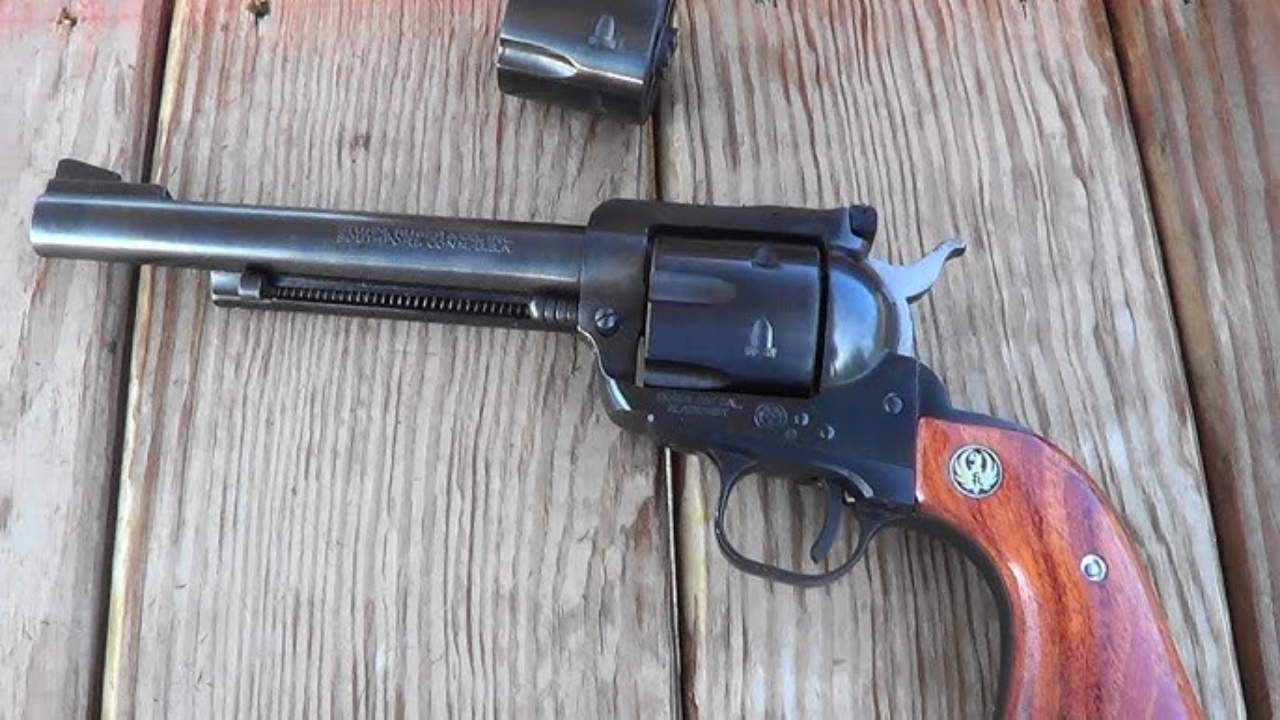
The Blackhawk Convertible wins people over in a different way. It is not a concealed-carry revolver, and it is not trying to be. What it does is remind shooters how much fun and usefulness a good single-action revolver can still offer. A lot of people think they are done with revolvers because they are only thinking in defensive terms. Then they spend time with a Blackhawk, swap cylinders, shoot both cartridges, and remember that handguns are also supposed to be enjoyable.
That versatility matters. The convertible setup gives you flexibility, the single-action format slows you down in a good way, and the whole gun makes range time feel intentional again. It rewards careful shooting and gives you a very different pace from the usual magazine-fed routine. For plenty of shooters, that is exactly what brings revolvers back into their life. They thought they were done with wheelguns. They were really only done with forgetting why they liked them.
Like The Avid Outdoorsman’s content? Subscribe to our newsletter so you never miss an article.
Here’s more from us: