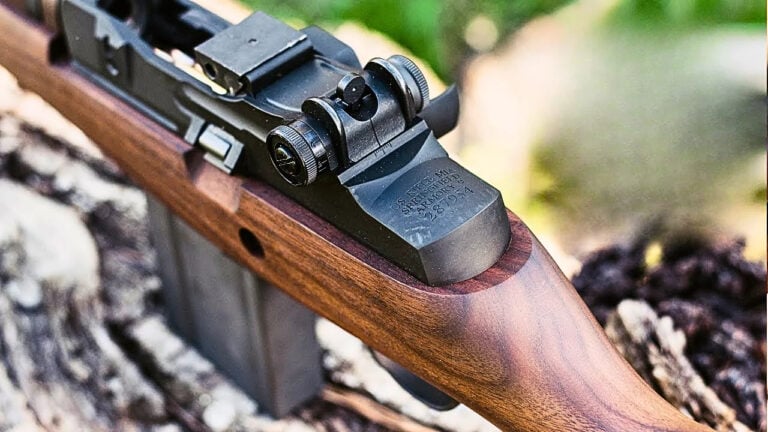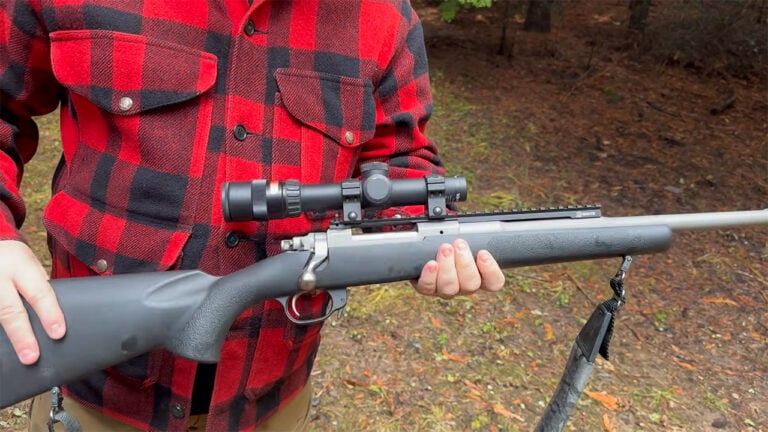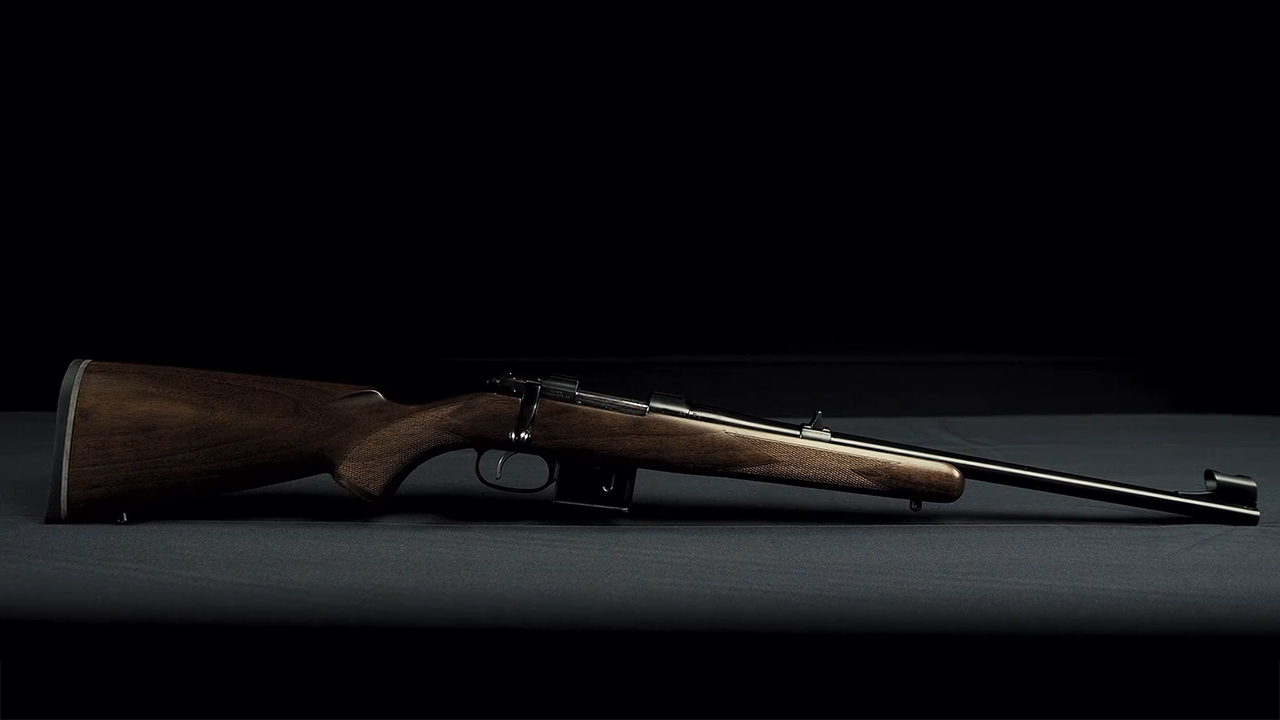
Photo credit: czusafirearms/Youtube
Every gun owner has had that moment where a trade starts sounding tempting. A rifle sits too long, something newer catches your eye, or a shop offer seems decent enough to consider. In the moment, it feels practical. If the rifle isn’t being used constantly, why not move it along?
Then a few years pass, and the market reminds you what you almost gave up. Maybe prices climbed. Maybe production stopped. Maybe the rifle filled a role nothing else quite handled. These are the rifles that make owners glad they ignored the trade counter and kept them right where they belonged.
Marlin 336
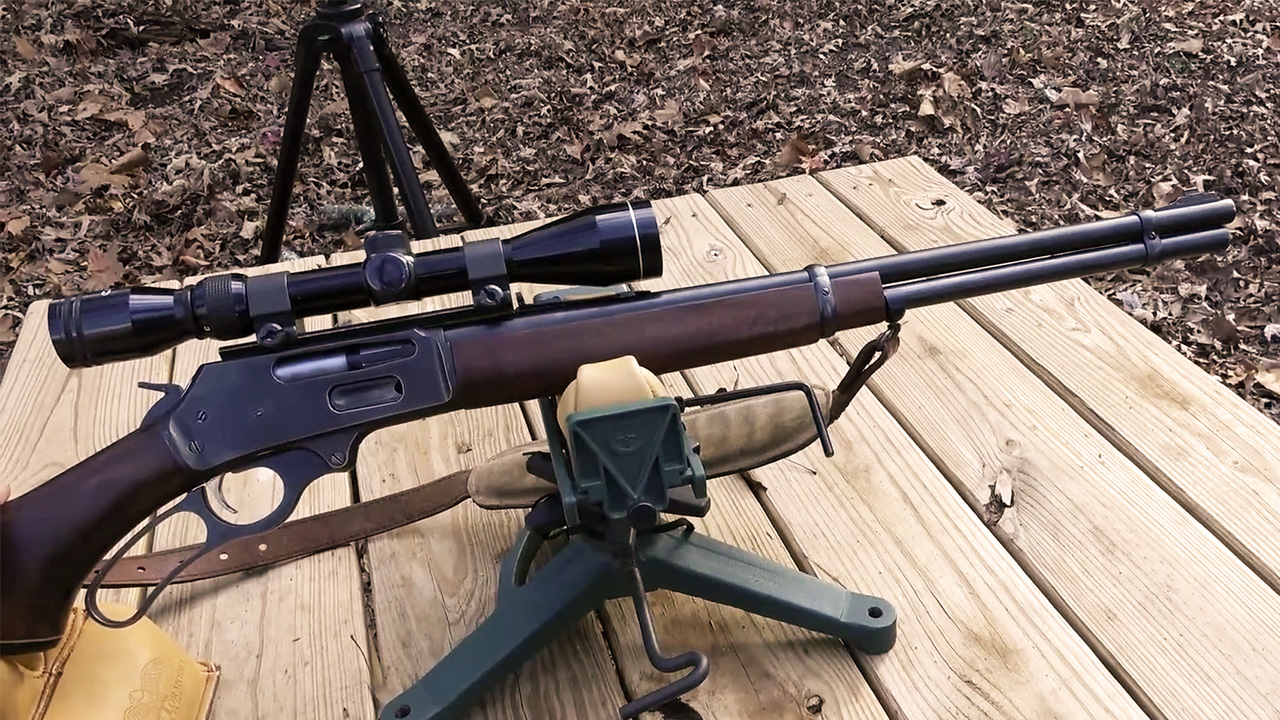
The Marlin 336 is the kind of rifle plenty of owners are glad they never traded away. For years, a .30-30 lever gun looked ordinary because it was ordinary. It showed up in deer camps, closets, pawn shops, and truck racks all over the country. That made it easy to assume another one would always be easy to find.
Now clean older Marlins, especially JM-stamped rifles, are not something most hunters casually let go. The 336 still carries well, shoulders fast, and fits real deer woods better than plenty of newer rifles built for longer shots most hunters never take. It is not flashy, and that has always been part of the appeal. Owners who kept a good one usually know they made the right call every deer season.
Remington Model Seven
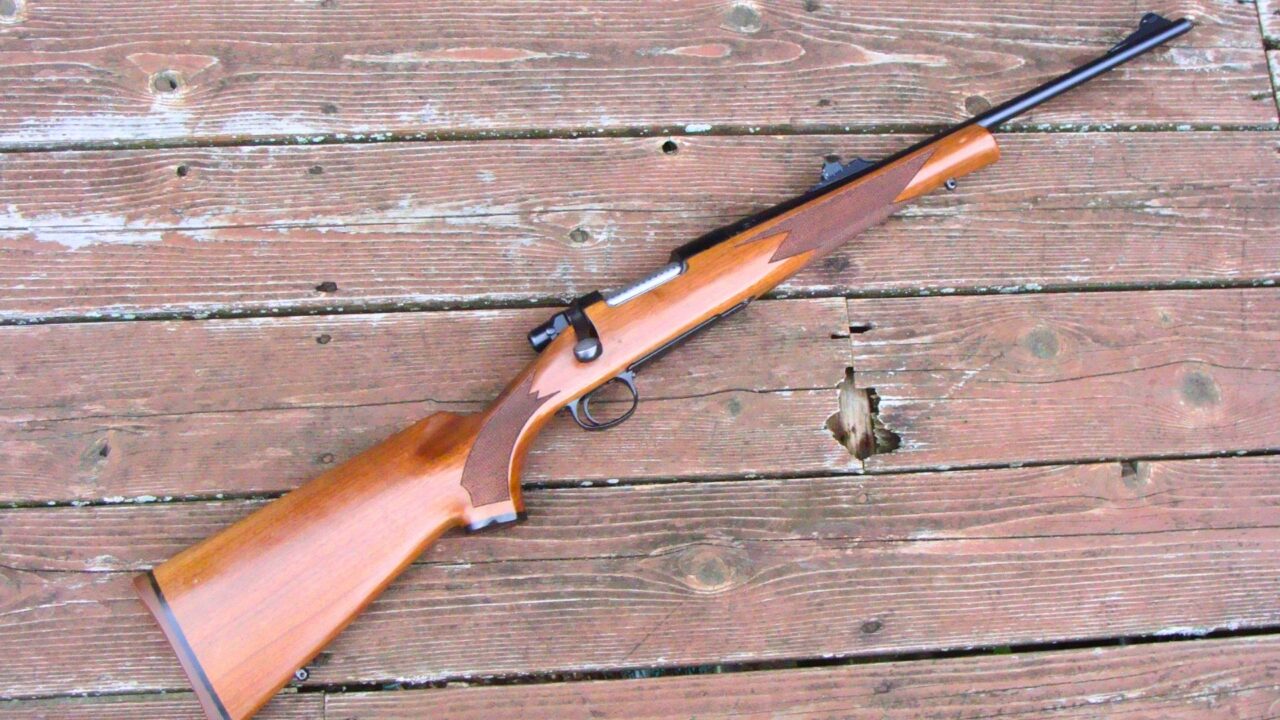
The Remington Model Seven can be easy to underestimate until you spend time in tight blinds, thick timber, or brushy deer country. It looks like a compact version of a familiar bolt-action, and that makes some people think it is less useful than a full-size rifle. Owners who held onto theirs often learned the opposite.
The Model Seven is short, handy, and quick to shoulder without feeling like a cheap youth rifle. In chamberings like 7mm-08 Remington, .243 Winchester, and .308 Winchester, it gives hunters plenty of capability for deer and similar game without extra length. Clean examples are not as casual to replace as they once were. Anyone who almost traded one for a heavier full-size rifle is probably glad they didn’t.
Ruger No. 1
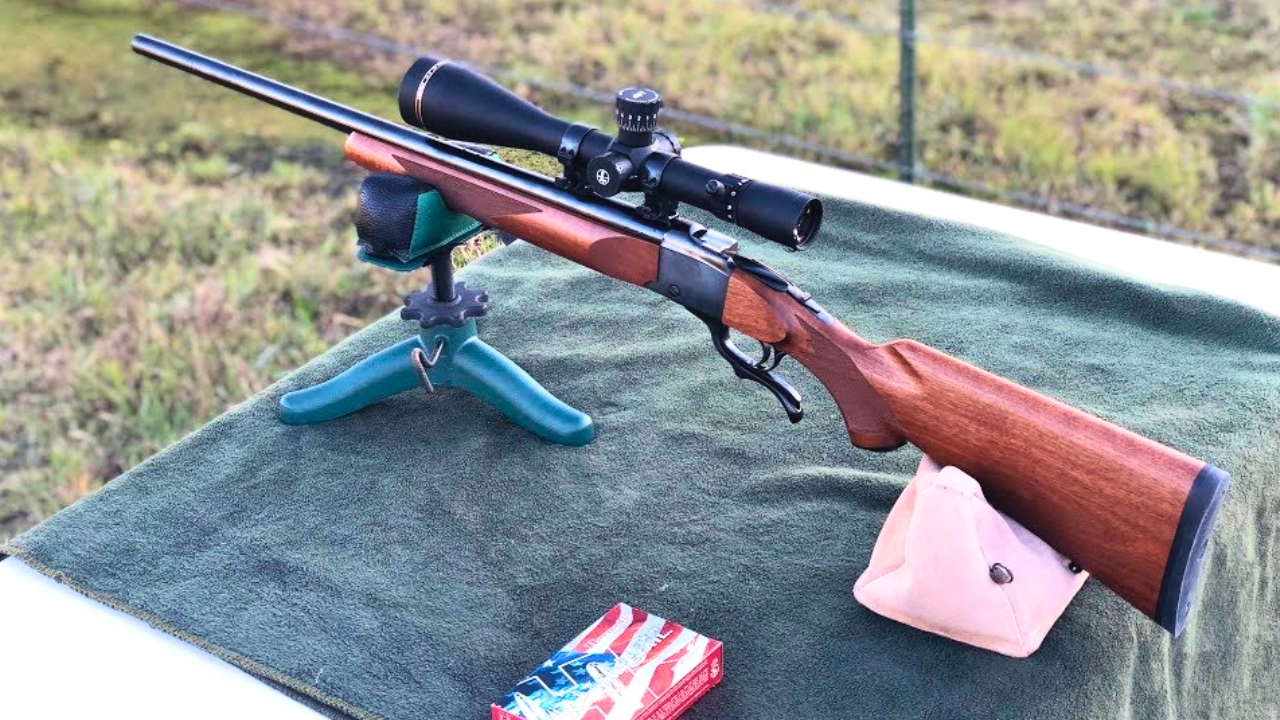
The Ruger No. 1 is exactly the kind of rifle someone might think about trading when practicality starts talking too loud. It is a single-shot in a world full of repeaters, and that can make it seem less useful than a bolt-action with a full magazine. But the owners who kept theirs usually understand what makes it special.
The No. 1 has strength, character, and a deliberate shooting feel most rifles don’t offer. It is compact for its barrel length and was chambered in enough interesting cartridges to make certain versions especially desirable. It is not ideal for every hunt, especially where fast follow-up shots matter, but that was never the whole point. Owners who resisted trading one off often ended up with a rifle that became harder to replace every year.
Savage Model 99

The Savage Model 99 is a rifle owners are often relieved they kept because it does not feel like anything else. It gives lever-action handling with cartridge capability that traditional tube-fed lever guns could not match, especially in rotary-magazine versions. For a long time, some people treated them like ordinary old deer rifles.
That view has changed. A clean Model 99 in .300 Savage, .250-3000 Savage, .308 Winchester, or other desirable chamberings can be a very satisfying rifle to own. It carries well, points naturally, and has a mechanical personality that modern rifles rarely duplicate. Repairs and condition matter more than with simpler designs, which makes a good one even more worth keeping. Trading one away can leave a hole that a basic bolt-action will not fill.
Winchester Model 70 Classic Stainless
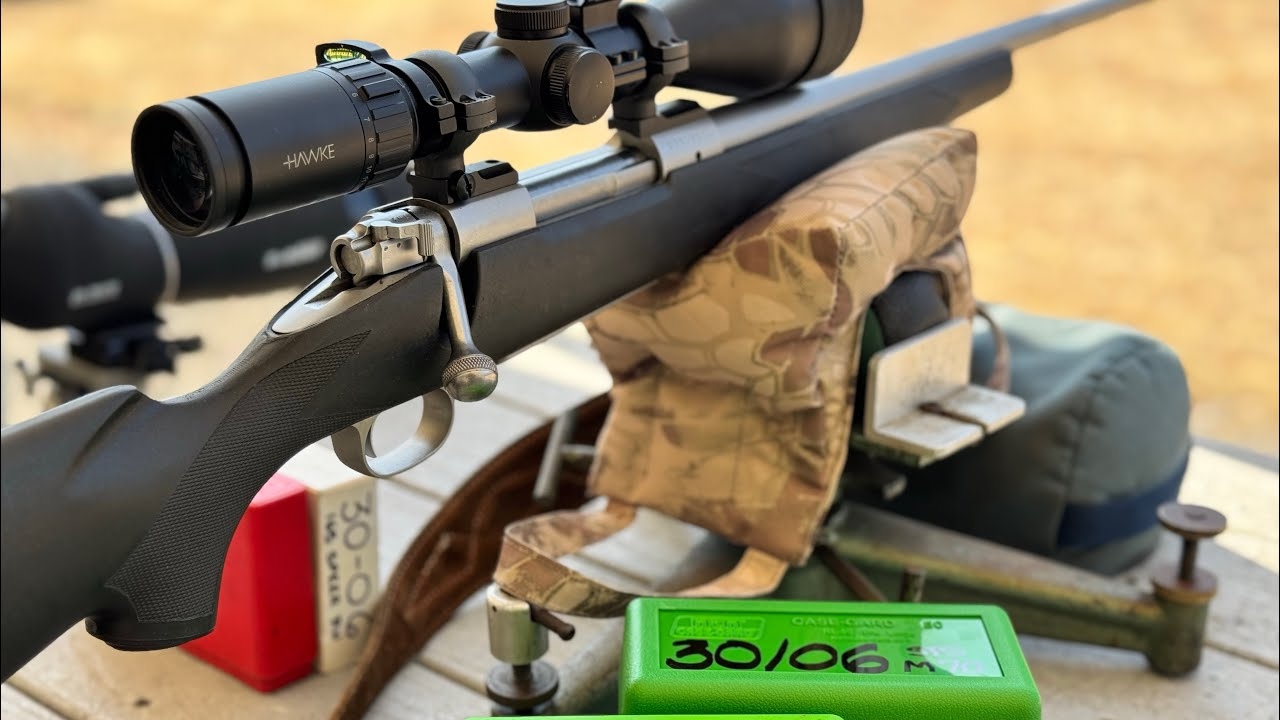
The Winchester Model 70 Classic Stainless makes owners glad they kept it because it combines old-school confidence with real field practicality. Controlled-round feed, stainless construction, a synthetic stock, and the Model 70’s three-position safety all add up to a rifle that feels serious in rough hunting conditions.
At one time, it may have looked like a nice but replaceable stainless hunting rifle. Now controlled-round-feed Classic models have more interest, especially in clean condition and desirable chamberings. It still belongs in the field, but it is also the kind of rifle owners think twice about letting go. A newer rifle may be lighter or cheaper, but it may not inspire the same confidence. Keeping one usually looks smarter with time.
Browning BLR Lightweight
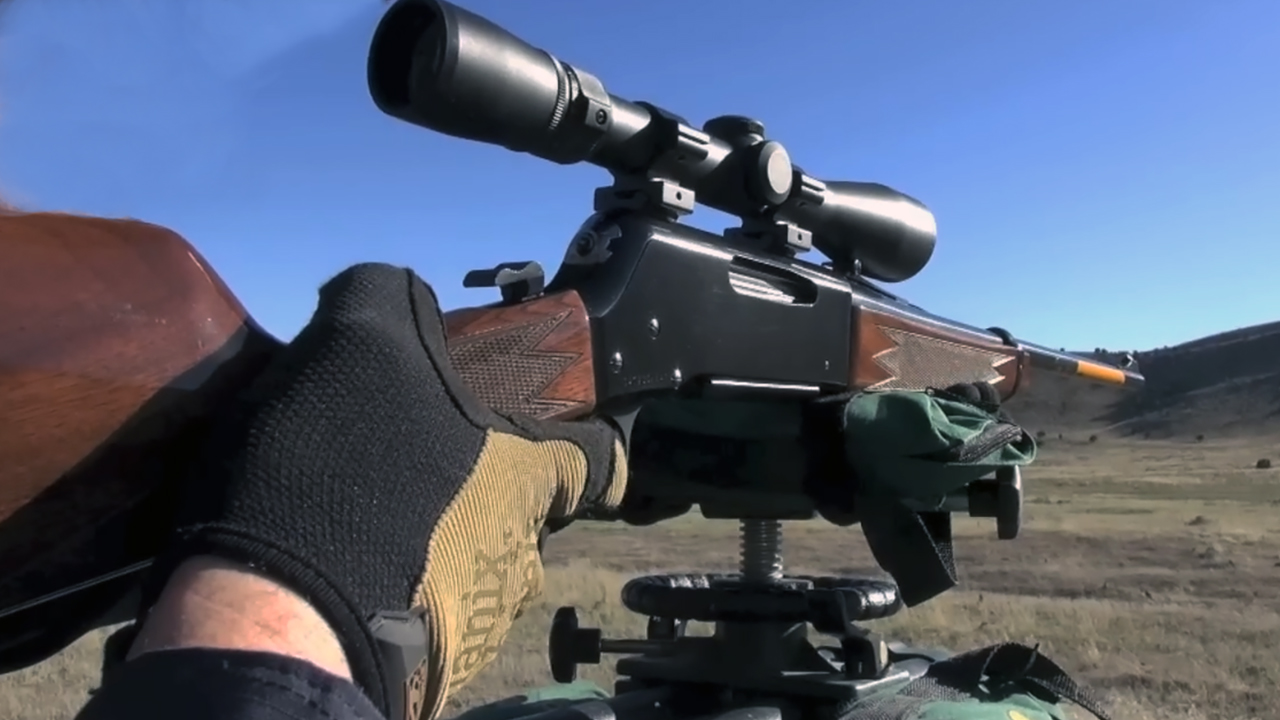
The Browning BLR Lightweight is one of those rifles owners are glad they kept because replacing the role is harder than it first seems. It gives lever-action speed with modern cartridge options thanks to its rotating bolt and detachable magazine. That makes it different from both classic lever guns and standard bolt-actions.
In chamberings like .308 Winchester, .243 Winchester, and 7mm-08 Remington depending on model, the BLR works well in mixed terrain where a hunter may need quick handling and more reach. It is more mechanically complex than traditional lever-actions, so a good one is worth holding onto. Owners who almost traded one for a plain bolt gun usually realize later that the bolt gun may shoot fine, but it does not handle like the BLR.
Winchester Model 9422
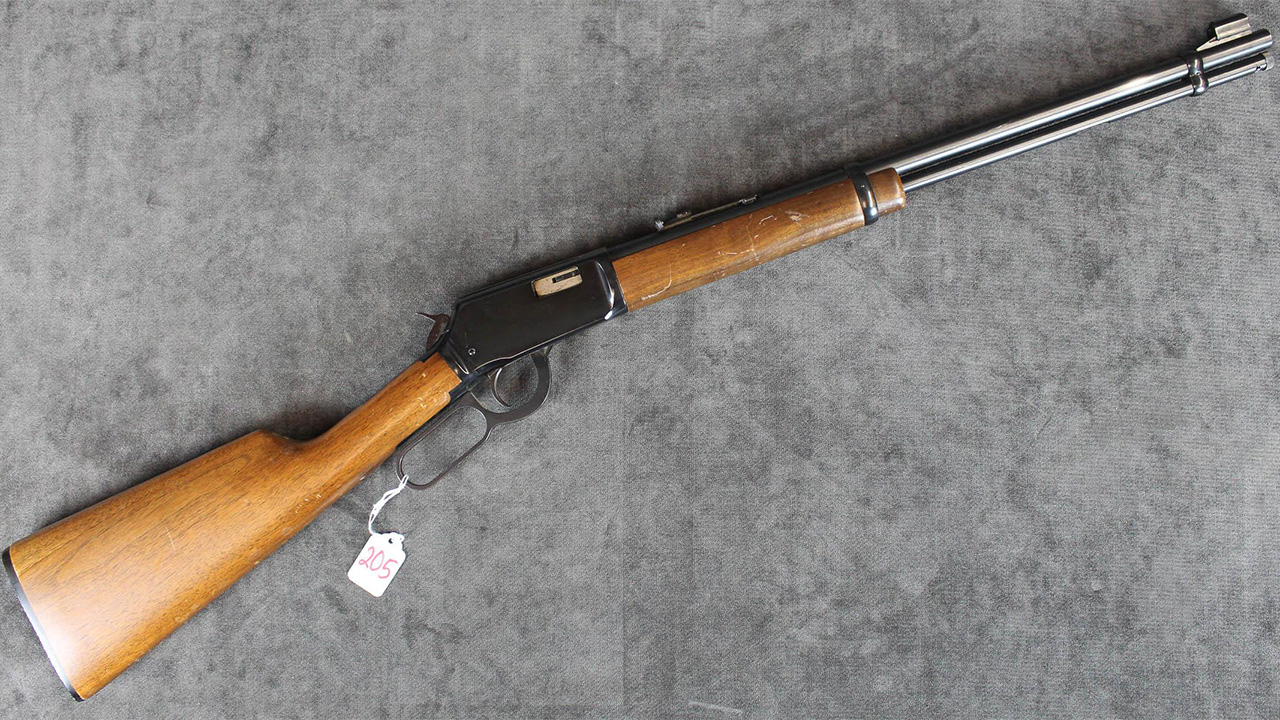
The Winchester Model 9422 is a rimfire that proves “just a .22” can be a terrible way to think. Plenty of owners probably considered trading one at some point because it wasn’t a big-game rifle or defensive gun. It was a smooth little lever-action for plinking, small game, and teaching new shooters.
That is exactly why it became worth keeping. The 9422 has quality, charm, and a shooting experience that many cheaper rimfires cannot match. It feels like a real rifle, not a disposable trainer. With clean examples getting harder to find, owners who kept theirs usually have no regrets. It may not be the most powerful rifle in the safe, but it might be one of the hardest to replace.
CZ 527 Carbine

The CZ 527 Carbine is a rifle owners are glad they didn’t trade because it became more appreciated after it disappeared. Its mini-Mauser-style action, compact size, and chamberings like .223 Remington or 7.62×39 made it a little unusual while it was still available. That oddness made some people overlook it.
Now it is the main reason owners hang on. The 527 Carbine is handy, accurate enough for real use, and full of character. It works for predators, range shooting, ranch carry, and small-to-medium game where legal and appropriate. Modern compact bolt-actions exist, but they don’t always offer the same feel. Owners who kept one usually understand that it fills a very specific space, and specific spaces are hard to replace.
Ruger 77/44
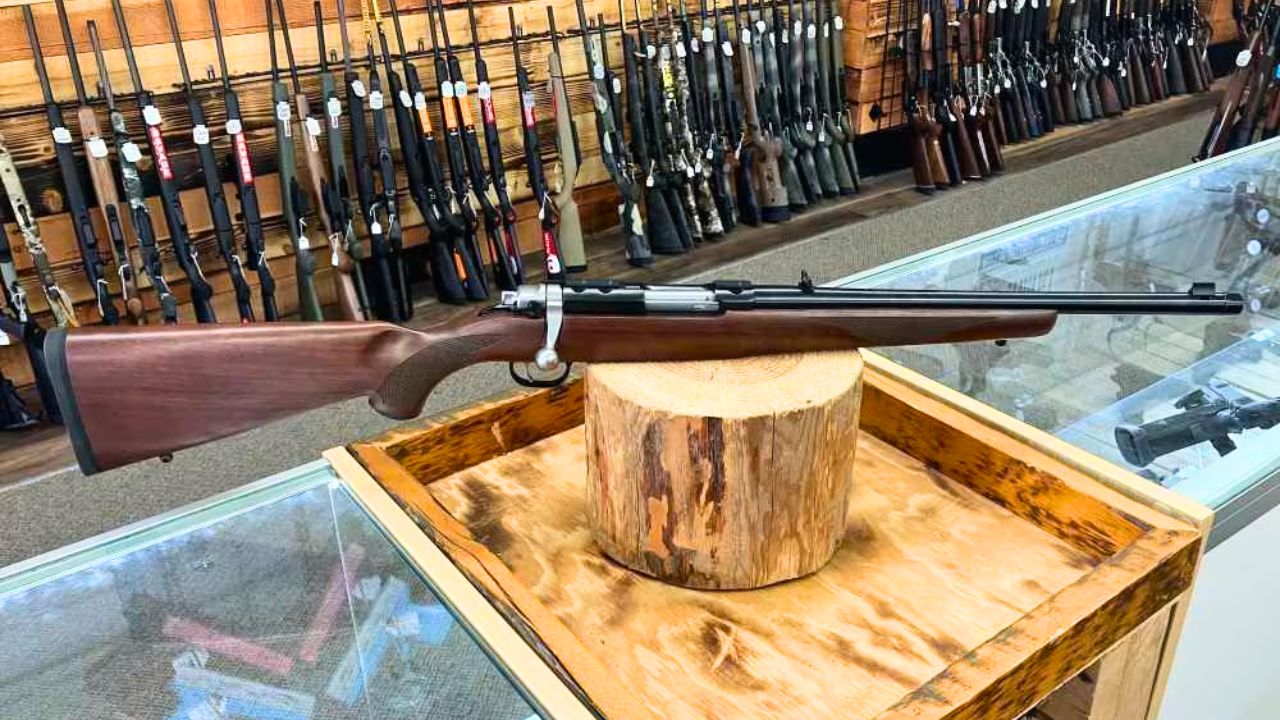
The Ruger 77/44 can look like a niche rifle until someone actually needs what it does. A bolt-action .44 Magnum is not a long-range tool, and it will not impress hunters who only think in flat-shooting centerfire terms. That made it easy for some owners to consider trading off.
The ones who kept it often ended up glad they did. The 77/44 is compact, simple, and useful for thick-cover hunting, hogs, deer at sensible ranges where legal, and rural property work. The rotary magazine keeps it tidy, while the bolt action makes it straightforward. It fills a short-range role without the weight or length of bigger rifles. Once availability tightened, keeping one started looking less like stubbornness and more like good judgment.
Remington 7600 Carbine

The Remington 7600 Carbine is a rifle owners are often glad they didn’t let go, especially in places where pump rifles make sense. To hunters who grew up with pump shotguns, the 7600 feels natural. The carbine version is quick, handy, and well-suited to thick woods or deer-drive country.
It is not a precision bench rifle, and judging it that way misses the point. The 7600 shines when shots happen fast and the hunter knows how to run the action without thinking. Chamberings like .308 Winchester, .30-06 Springfield, and others give it real deer-rifle capability. Clean carbines have become more desirable because fast-handling woods rifles are not as common as they should be. Owners who kept theirs usually know exactly why.
Marlin 1894C
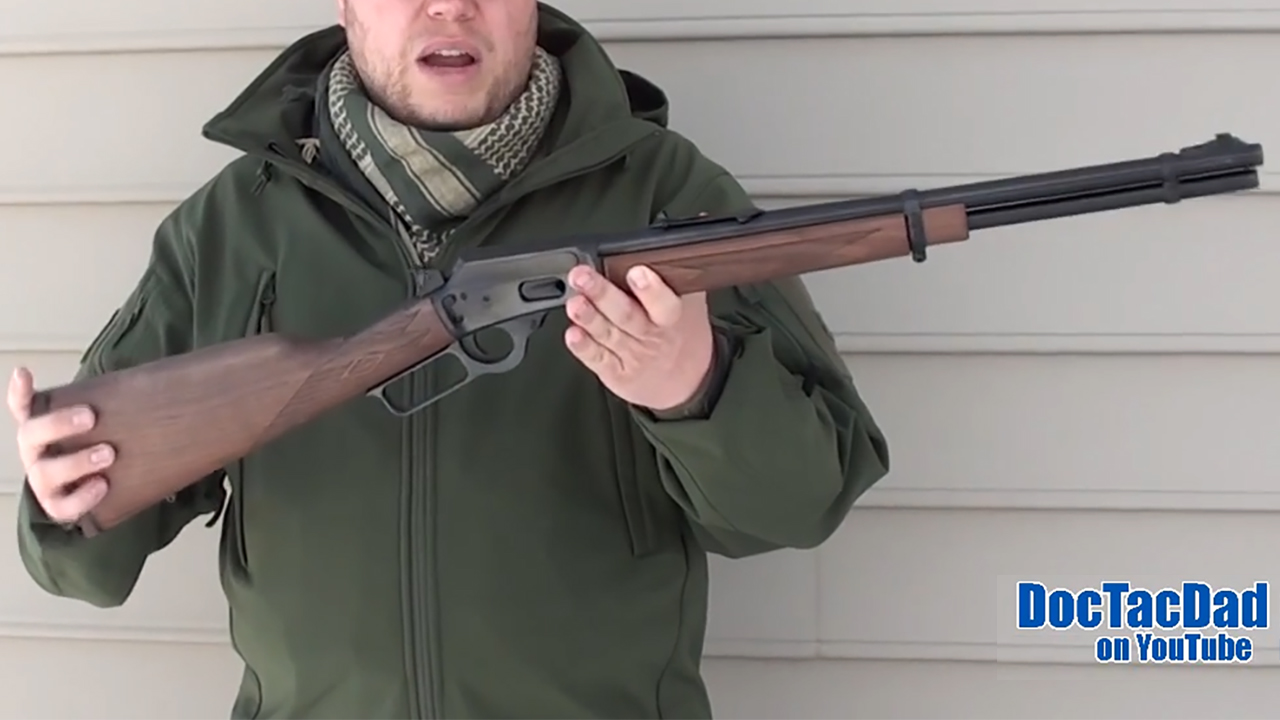
The Marlin 1894C makes owners glad they held on because a .357 lever gun is far more useful than it looks at first. It can run .38 Special for easy practice and .357 Magnum for field use where legal and appropriate. It’s light, handy, and fun without being useless.
That combination has become much harder to replace casually. Older Marlins gained more attention, and clean 1894C rifles are not always easy to find at comfortable prices. A rifle like this works around rural property, in thick cover, and on relaxed range days. Owners who thought about trading one for something more powerful often learned there are plenty of powerful rifles, but not many that are this pleasant and useful.
Sako L579 Forester

The Sako L579 Forester is the kind of rifle owners are glad they kept because older Sako quality has aged beautifully. At one time, it may have looked like a nice used sporter among many. Now, hunters who care about rifle feel often recognize the smooth action, good trigger, and careful build quality.
The Forester has a balanced medium-action feel that works well in chamberings like .243 Winchester and .308 Winchester. It is not the kind of rifle most owners want to beat up in rough weather, but it remains a wonderful hunting rifle when cared for properly. A modern budget rifle may shoot well, but it usually won’t feel like an old Sako. Owners who kept theirs avoided a regret that can be expensive to fix.
Browning A-Bolt Micro Hunter

The Browning A-Bolt Micro Hunter is easy to appreciate after compact rifles start feeling cheap or crude. Many smaller rifles are built like youth models or temporary starters. The Micro Hunter had Browning’s smoother action feel, short bolt lift, and practical magazine system in a more compact package.
That makes it useful for smaller-framed hunters, tight blinds, thick woods, and anyone who doesn’t want extra rifle length. It doesn’t feel like a toy, and that matters. Owners who almost traded one away may be glad they didn’t once they realize compact rifles with real polish are not everywhere. A full-size rifle can replace the caliber, but it won’t replace the way the Micro Hunter handles.
Weatherby Vanguard Series 2

The Weatherby Vanguard Series 2 is a rifle owners are glad they kept because it often shoots better than its plain looks suggest. It does not have Mark V prestige, and basic synthetic versions can seem ordinary. That makes it a rifle someone might trade when something prettier shows up.
But the Vanguard’s Howa-built action, improved trigger, and strong accuracy reputation make it worth holding onto. It may be heavier than some rifles, but that weight can help with recoil and steadiness. For stand hunting, range work, deer, hogs, and larger game in suitable chamberings, it gives a lot of confidence for the money. Owners who kept one that shoots well usually realize there is no good reason to start over.
Thompson/Center Icon
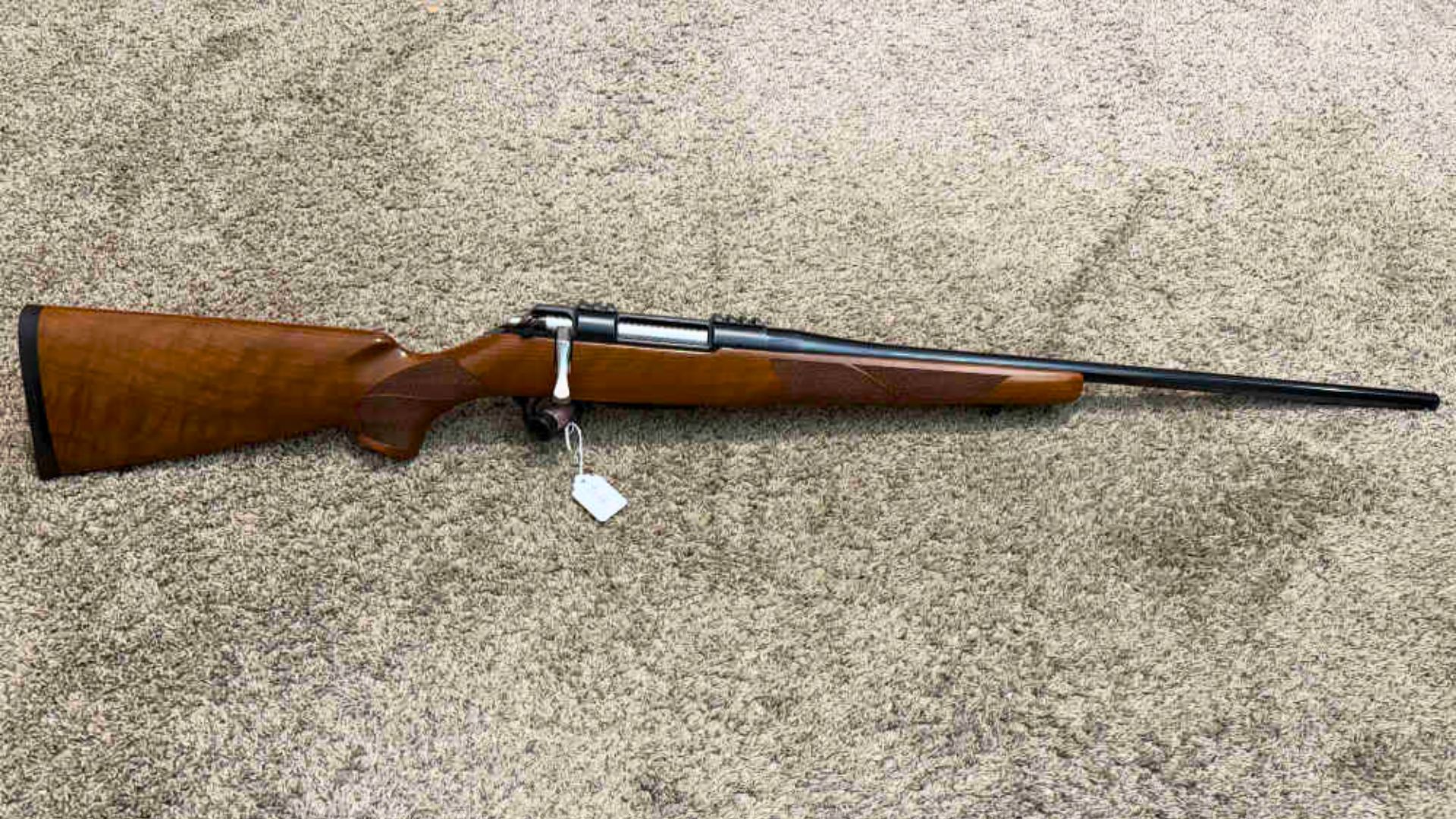
The Thompson/Center Icon is a rifle owners are glad they kept because it never got the attention it deserved while it was available. Thompson/Center was better known for single-shots and muzzleloaders, so some buyers did not take the Icon seriously enough as a bolt-action rifle.
That was their loss. The Icon had a smooth action, good accuracy reputation, and a more refined feel than many expected. It felt like the company was trying to build something thoughtful rather than another generic hunting rifle. Since it didn’t stay around forever, good examples became more interesting after the fact. Owners do need to think about parts support, but as a rifle, the Icon is one of those “I’m glad I kept it” guns that aged better than the market gave it credit for.
Like The Avid Outdoorsman’s content? Subscribe to our newsletter so you never miss an article.
Here’s more from us: