Photo credit: Dmitri T/Shutterstock.com
Some handguns don’t need optics cuts, comps, or the latest texture pattern to stay relevant. They aged well because the core design is solid: reliable lockup, durable parts, practical ergonomics, and a history of being carried and shot by people who weren’t trying to look cool on the internet.
This list isn’t “old is always better.” It’s the sidearms that still make sense today because they keep performing, they’re still supported with parts and magazines, and they’ve proven themselves across decades of real use.
Glock 17

The Glock 17 aged well because it’s simple and predictable. It feeds, extracts, and runs in conditions that would make more “refined” guns start acting weird. That’s why it became a baseline for duty pistols and stayed there.
Even now, plenty of modern guns are basically chasing what the G17 already did: reliable striker operation, easy maintenance, and a platform that keeps working with minimal fuss. For a gun that’s been around this long, it still feels very current.
Glock 19

The Glock 19 aged well because the size is right. It’s large enough to shoot well and small enough to conceal for a lot of people. That formula hasn’t changed, and it’s why so many new pistols keep landing right in the same footprint.
It also benefits from unmatched support. Mags, parts, sights, holsters—everything is solved. That matters long-term, because a pistol that’s easy to keep running stays relevant even when trends change.
Beretta 92FS

The 92FS aged well because it’s smooth, reliable, and easy to shoot accurately. The weight and cycling feel help keep recoil manageable, so shooters often stay on target better than they do with smaller, snappier pistols.
Even with modern compacts everywhere, the 92 still makes sense for home defense, duty-style use, and range practice. If you can conceal it, it can still be a very steady carry gun too. The design didn’t get outdated—it just stayed big.
SIG Sauer P226

The P226 aged well because it was built as a true service pistol. It’s durable, stable in the hand, and tends to keep running with high round counts when maintained the way any serious handgun should be.
Modern striker guns are lighter and simpler, but the P226 still delivers that “solid, predictable, accurate” feel a lot of shooters trust. For many people, that confidence is worth sticking with an older design.
SIG Sauer P229

The P229 aged well because it’s essentially a more carryable version of the same SIG formula. It still feels sturdy, it shoots well, and it holds up over time, which is why it stayed popular with people who actually carry and train.
It’s heavier than many modern options, but that weight can be a benefit when you’re shooting fast. A pistol that helps you stay controlled and accurate tends to earn long-term loyalty.
Heckler & Koch USP
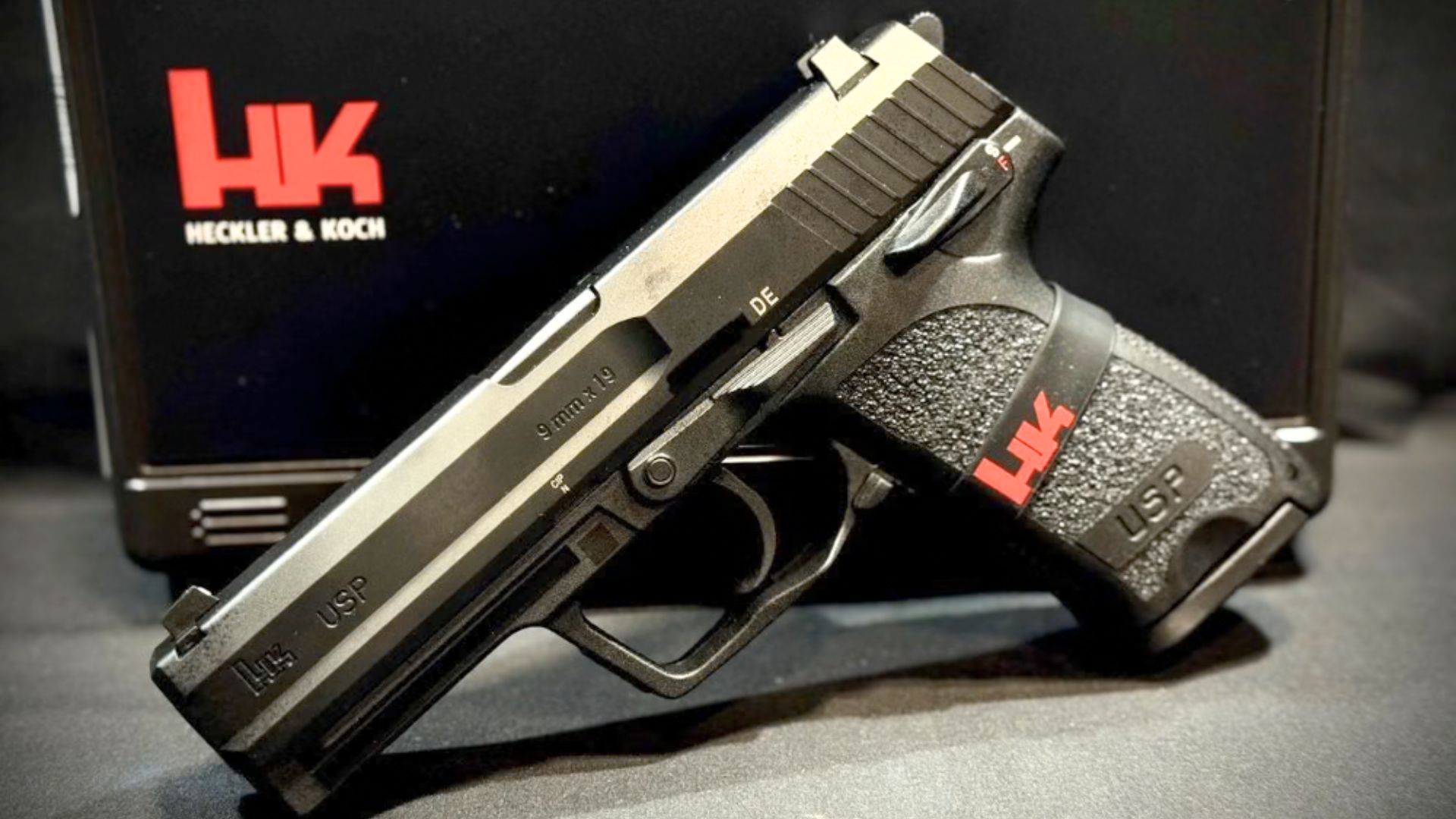
The USP aged well because it’s famously overbuilt. It was designed to survive hard use, and that ruggedness shows. It’s the kind of gun that still feels like it has “extra” durability baked into it.
It’s not the lightest or the most modern-feeling trigger in the world, but the core reliability and toughness are exactly why it continues to be respected. If you want a pistol that feels like it can take a beating, the USP still fits.
Heckler & Koch P30

The P30 aged well because it’s durable and ergonomic in a way a lot of newer pistols still struggle to match. The grip design helps many shooters get consistent hand placement, and that consistency shows up as better shooting.
It’s also a pistol people tend to keep. You don’t see a ton of “I hated it after two weeks” stories. Once owners get familiar with it, it becomes a long-term sidearm, and that’s a big sign a design aged well.
CZ 75B

The CZ 75B aged well because it’s shootable. The weight and balance make it easy to control, and it points naturally for a lot of shooters. Modern guns may be lighter, but lighter isn’t always better when you’re trying to stay accurate under speed.
It’s also a design with a long history and wide support. Parts, mags, and upgrades are easy to find. If a pistol still has strong support decades later, it stays relevant.
CZ P-01
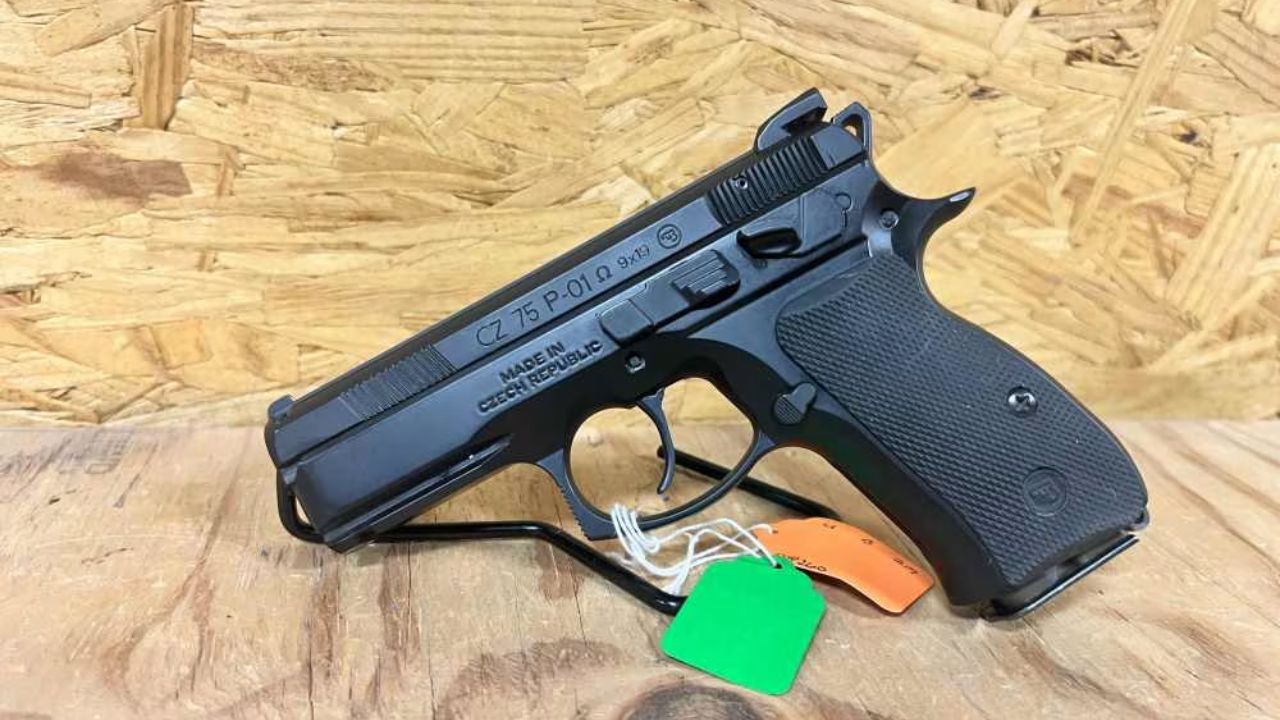
The P-01 aged well because it took the CZ 75 concept and made it more practical to carry. It still shoots like a bigger gun, it feels stable, and it holds a reputation for being dependable.
A lot of modern micro guns are easy to conceal but harder to shoot well. The P-01 is the opposite: slightly bigger to carry, but noticeably easier to run accurately. That trade still makes sense today.
Browning Hi-Power
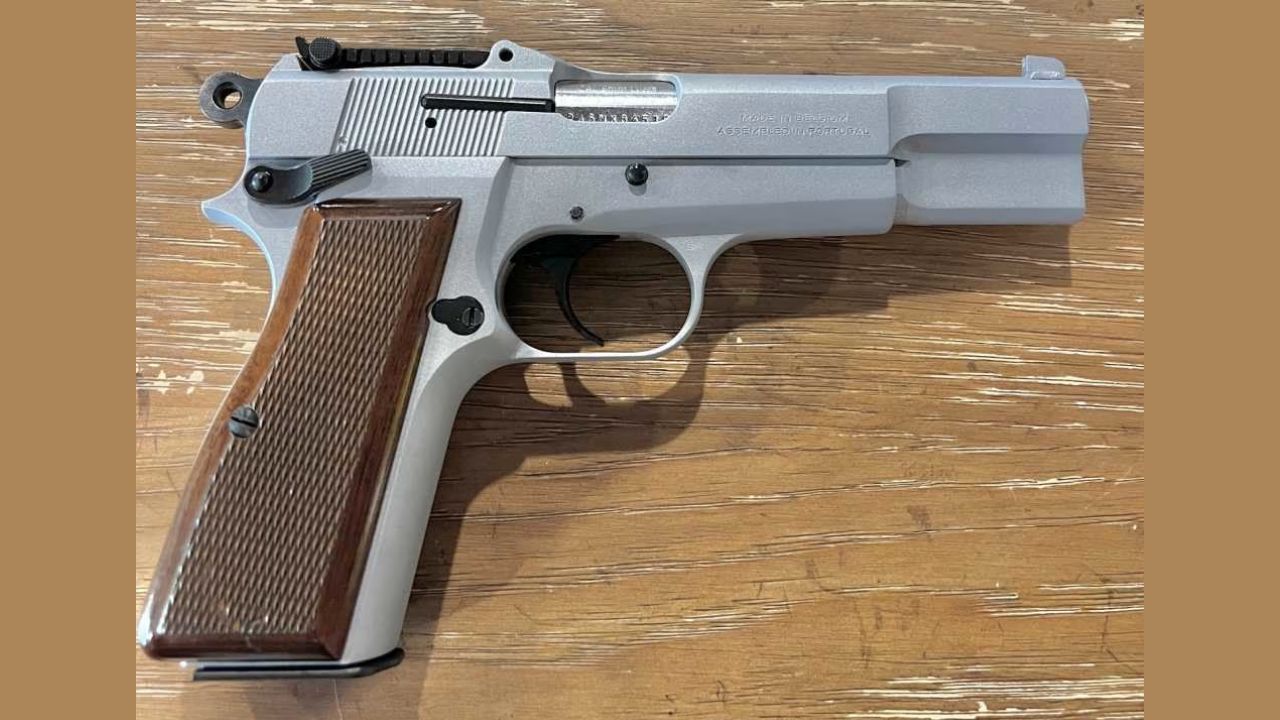
The Hi-Power aged well because the grip and pointing characteristics are still excellent. Even people who don’t normally love older designs often pick one up and immediately understand why it was so widely carried.
Modern pistols beat it in capacity and features, but the Hi-Power’s core strengths—feel, balance, shootability—still hold up. With quality magazines and proper maintenance, it remains a very capable sidearm.
Colt Government Model 1911 (5-inch)

The full-size 1911 aged better than most “mini 1911” attempts because the original format is more forgiving. The 5-inch gun tends to run more reliably, the sight radius helps accuracy, and the platform is easy to shoot well when built correctly.
The big thing is quality. A good 1911 is a joy to shoot and can be very dependable. A bad one is a headache. But the 5-inch Government model design itself has absolutely held up.
Smith & Wesson Model 19
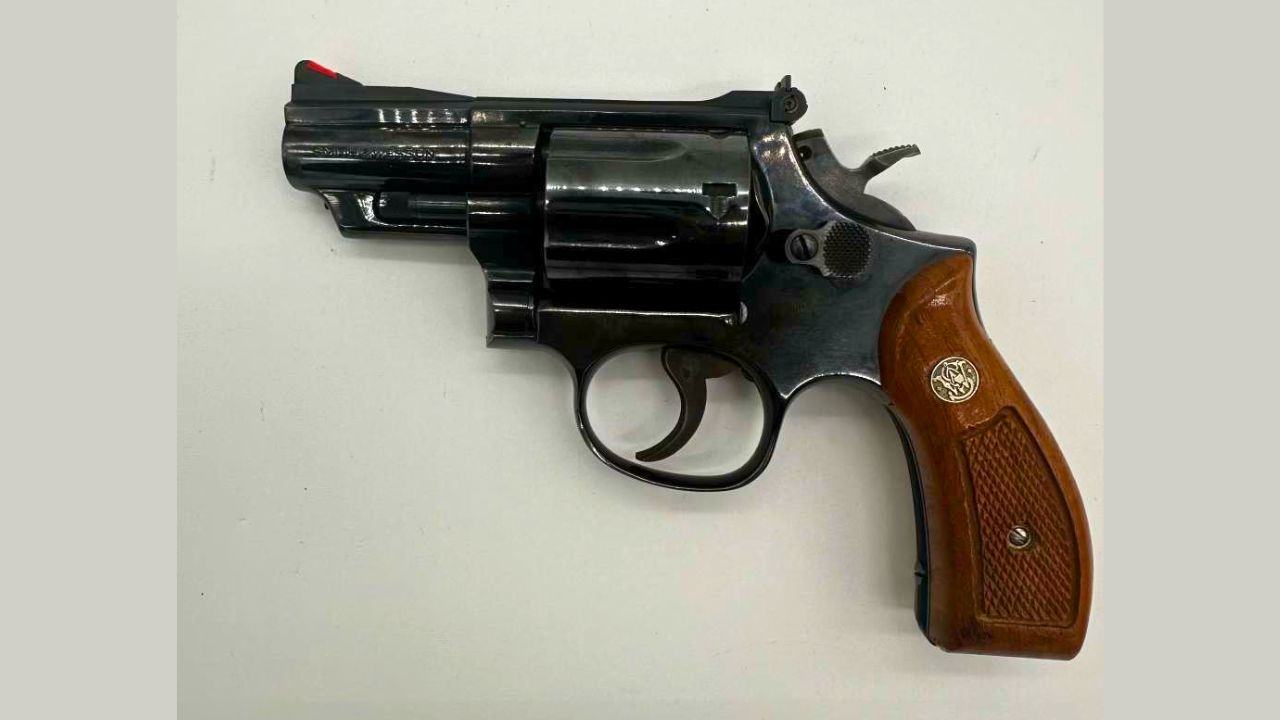
The Model 19 aged well because it hits a practical balance in the revolver world. It’s not a massive brick like some hunting revolvers, but it’s still substantial enough to shoot well, especially compared to tiny lightweight snubs.
Revolvers aren’t the dominant carry choice now, but a good Model 19 is still a serious sidearm. It’s accurate, dependable in the revolver sense, and it carries the kind of simplicity that a lot of people still value.
Ruger GP100
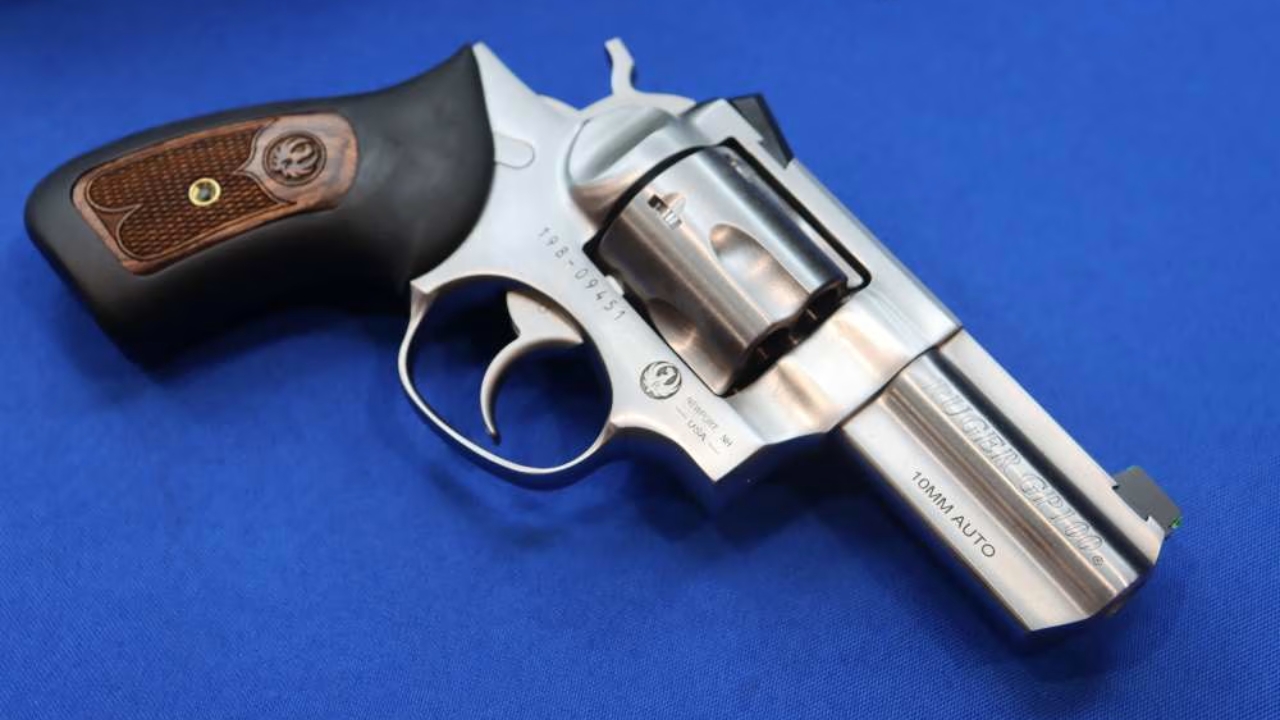
The GP100 aged well because it’s built to last. It’s one of those revolvers that can take regular shooting without feeling like it’s going to loosen up easily. That durability keeps it relevant for woods carry and property use.
Modern designs can be lighter and more specialized, but the GP100 remains a “buy once, keep forever” revolver for a lot of people. When a gun earns that reputation, it stays valuable.
Walther PPK / PPK/S
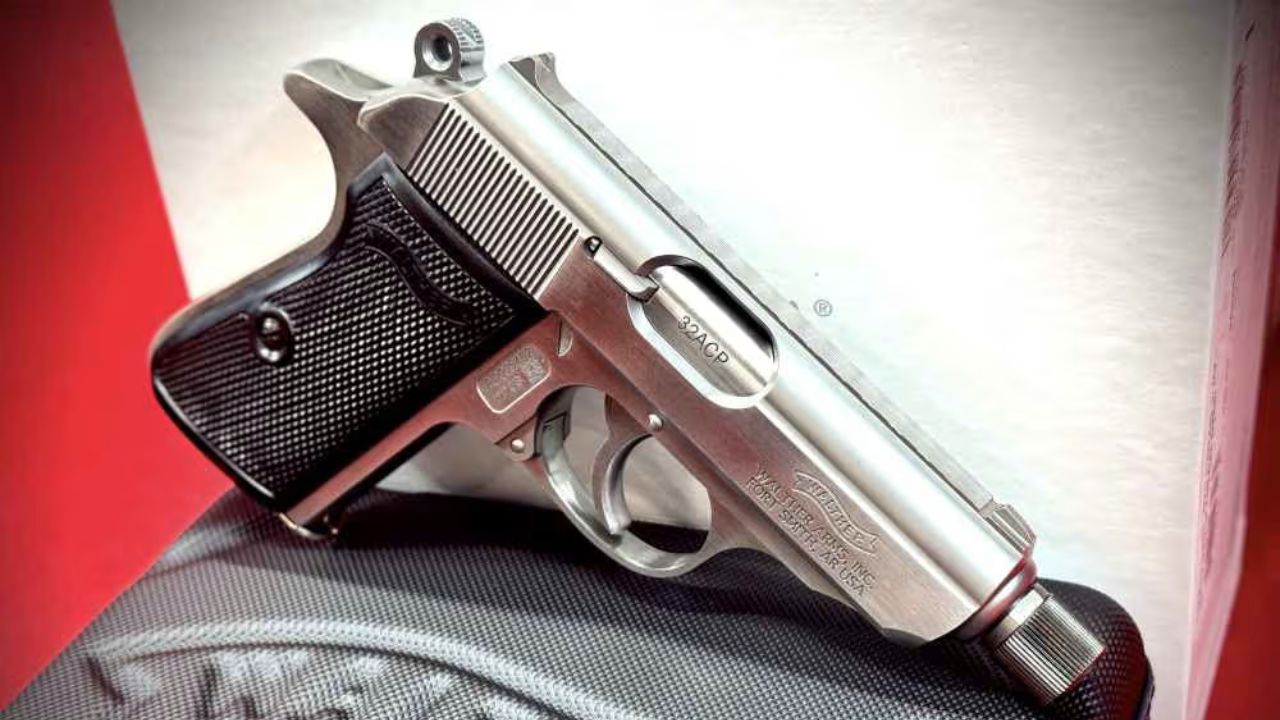
The PPK aged well because it still does what it was designed to do: be slim and concealable. Modern guns are usually better shooters, but many are thicker or less elegant to carry in certain setups.
The PPK isn’t the easiest pistol to run hard, and it’s not a top pick for beginners. But as a classic concealment sidearm with a long history, it has stayed relevant in a way many old pocket pistols haven’t.
Beretta 84 (Cheetah)

The Beretta 84 aged well because it’s one of the more shootable .380s ever made. The size and weight make it comfortable compared to tiny modern .380s, and the quality of the build shows.
It’s a great example of an older design that still offers a real advantage: it’s pleasant to shoot, easy to control, and practical to carry for people who like the .380 role. That combination still works today.
Like The Avid Outdoorsman’s content? Be sure to follow us.
Here’s more from us: