Photo credit: Academy Sports
Some hunting rifles are bought for a season. Others become part of the family. They ride in the same truck every November, lean against the same cabin wall, and collect scratches tied to hunts nobody forgets. Eventually, the rifle matters for more than its cartridge, accuracy, or resale value. It becomes connected to the person who carried it.
The best rifles to pass down are not always rare or expensive. They are dependable, familiar, and built well enough to survive decades of honest use. A few are classics that have already moved through several generations. Others are newer rifles with the durability and usefulness to become tomorrow’s family guns. These 20 models have the kind of staying power that keeps them in deer camps long after newer rifles come and go.
Winchester Model 70
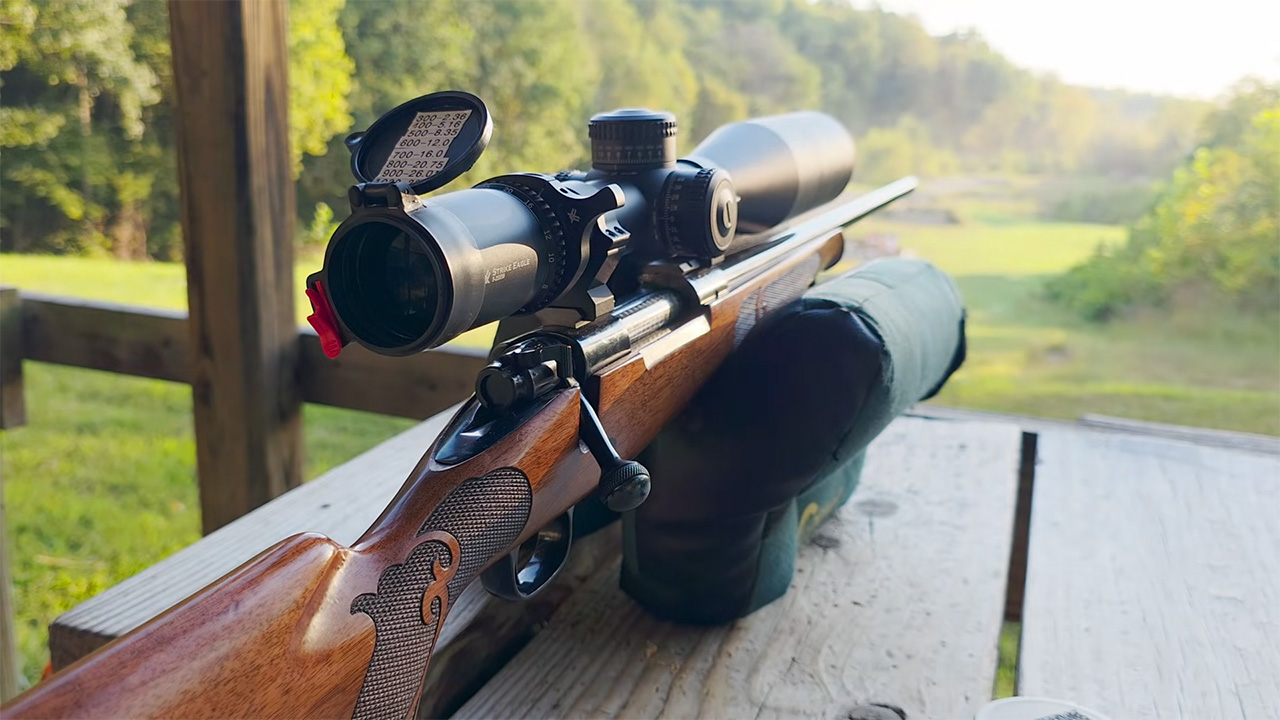
The Winchester Model 70 has been called the Rifleman’s Rifle for good reason. Its controlled-round-feed action, three-position safety, and strong hunting reputation made it one of the defining American bolt actions. Pre-1964 rifles are especially prized, but later controlled-feed versions also carry the handling and mechanical character hunters expect from the Model 70 name.
This is the kind of rifle that gains value through use rather than losing all of it. A worn stock can mark years of climbing into stands, crossing fences, and carrying through wet timber. The action remains familiar, and common chamberings such as .270 Winchester, .30-06 Springfield, and .308 Winchester ensure the rifle will remain useful. A child inheriting a Model 70 receives more than an old gun. They receive a rifle with a clear place in American hunting history and enough practical ability to keep using it.
Remington Model 700 BDL
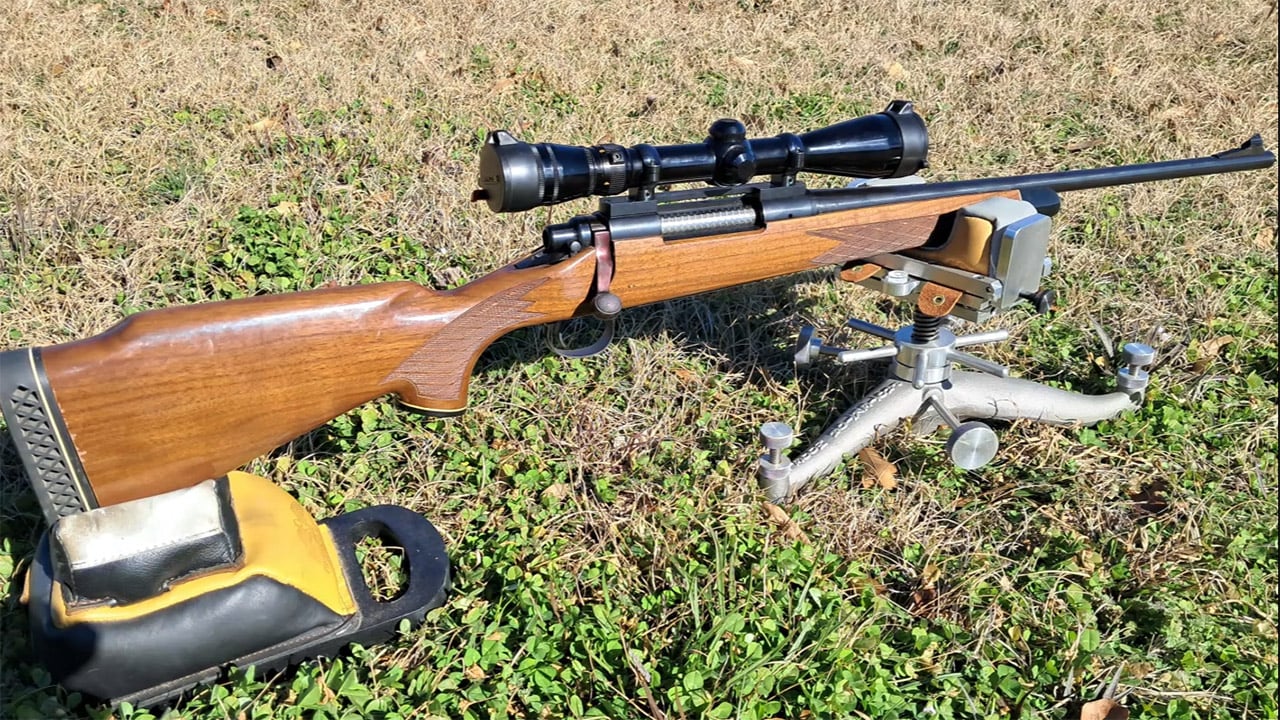
The Remington Model 700 BDL became a fixture in deer camps because it combined accuracy, attractive walnut, and a smooth action at a price ordinary hunters could once afford. Its glossy stock, hinged floorplate, and traditional lines made it feel like a rifle worth taking care of without making it too delicate for field use.
Older BDL rifles are especially likely to become family guns because so many were purchased as a hunter’s first serious centerfire rifle. The Model 700 action also has enormous parts and gunsmith support, making repairs or restoration possible decades after purchase. Triggers, stocks, barrels, and mounts can all be replaced if needed, though many families prefer leaving an inherited rifle exactly as it was carried. A well-used BDL in .270, .30-06, or .243 often tells a longer hunting story than a nearly new rifle ever could.
Ruger M77 Mark II
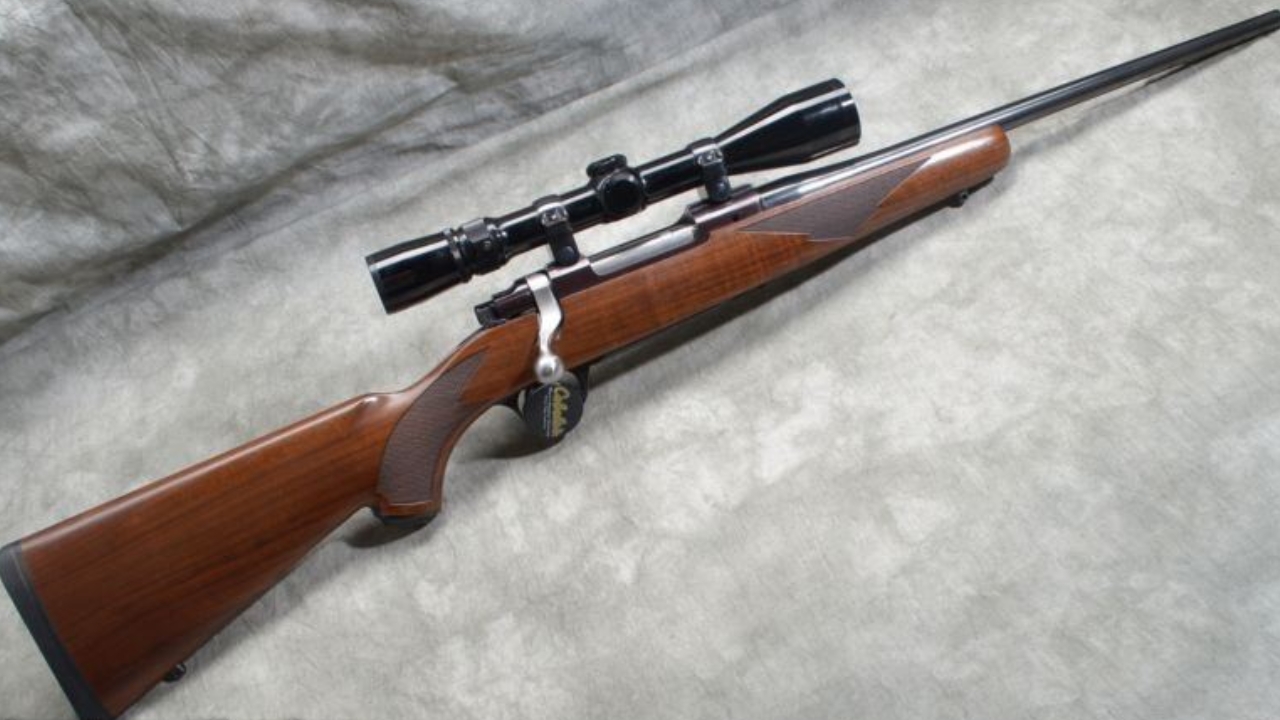
The Ruger M77 Mark II was designed more like a working hunting rifle than a lightweight marketing exercise. Its controlled-round-feed action, fixed ejector, integral scope bases, and three-position safety gave hunters a rifle built to survive weather, travel, and rough handling.
It may not have the slickest bolt or lightest trigger in factory form, but it has the kind of strength families trust over time. Stainless and synthetic versions are particularly well suited to hunters who spend seasons in wet, muddy, or humid conditions. Wood-stocked models develop the dents and worn checkering that make an inherited rifle feel personal. A child receiving an M77 Mark II is getting a rifle unlikely to be worn out by normal hunting use and capable of handling nearly any North American game with the right chambering.
Browning X-Bolt

The Browning X-Bolt is newer than many traditional heirloom rifles, but it has the build quality and field performance to become one. Its smooth bolt, rotary magazine, adjustable trigger, and well-shaped stock make it easy to shoot accurately without extensive modification.
Browning offers the X-Bolt in enough chamberings and configurations to suit nearly every kind of hunter. Walnut-stocked Medallion and Hunter models have the appearance many people expect from a rifle meant to stay in the family, while stainless and synthetic versions may survive harder use with less concern. The X-Bolt does not yet have the generations of history attached to a Model 70 or Model 700, but every heirloom starts as a new rifle. A dependable X-Bolt carried for the next 30 years could easily become the gun someone’s children argue over.
Tikka T3x Hunter
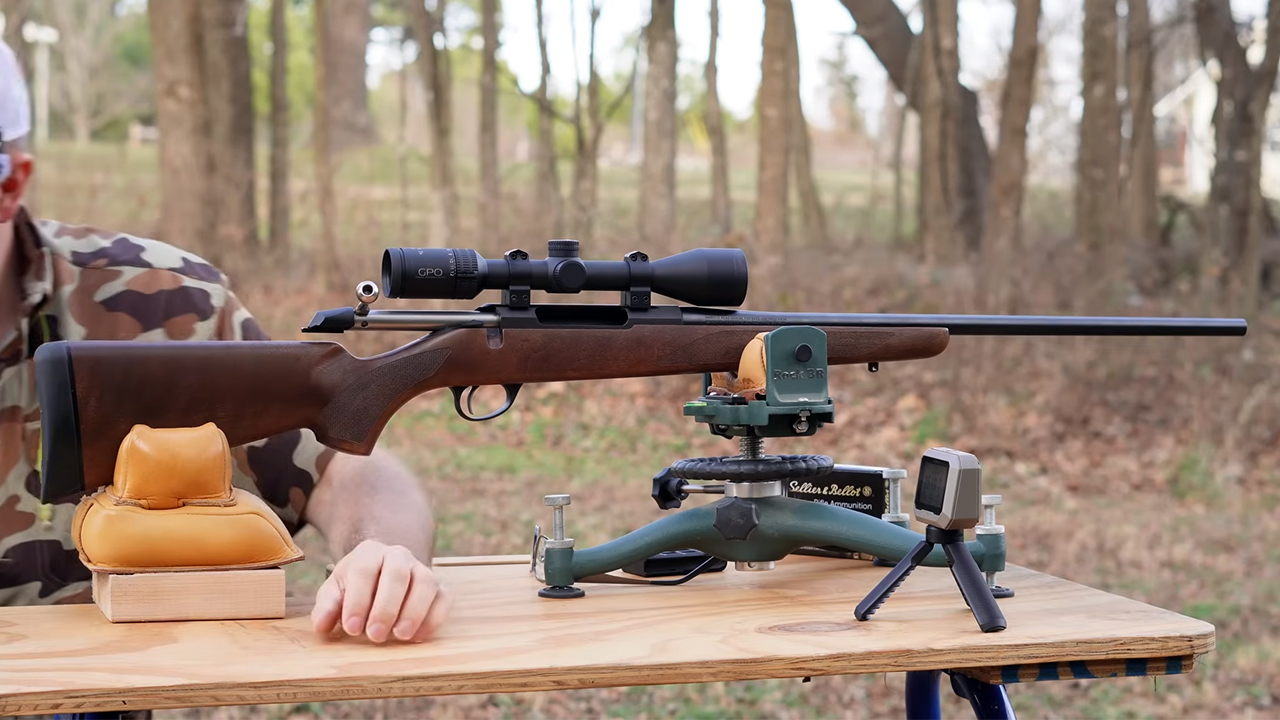
The Tikka T3x Hunter combines modern accuracy with the traditional look of a walnut-stocked hunting rifle. Its action is famously smooth, the trigger is excellent from the factory, and many examples shoot tight groups without requiring bedding work or aftermarket parts.
That reliability is what makes it a strong candidate for family use. A hunter can buy one, sight it in, and spend years focusing on the hunt rather than fixing the rifle. The detachable magazine and lightweight construction make it practical, while the walnut stock gives it more warmth than the typical black synthetic rifle. Tikka rifles may not carry the same American nostalgia as Winchester or Remington, but younger hunters are likely to view them differently. The T3x could become one of the defining inherited rifles of the current generation.
Sako 85

The Sako 85 is the kind of rifle hunters buy when they want something refined enough to keep for life. Its action, trigger, machining, and stock fit stand above ordinary production rifles, but it remains built for real hunting rather than display.
A Sako often becomes a family rifle because owners are reluctant to sell one after experiencing how smoothly it feeds and how consistently it shoots. The price encourages people to care for it, but the rifle is durable enough to earn honest wear. Chamberings range from mild deer rounds to powerful cartridges for moose, elk, and dangerous game. A child inheriting a Sako 85 is receiving both a premium firearm and a reminder that the original owner valued quality enough to buy one rifle intended to last.
Savage Model 99
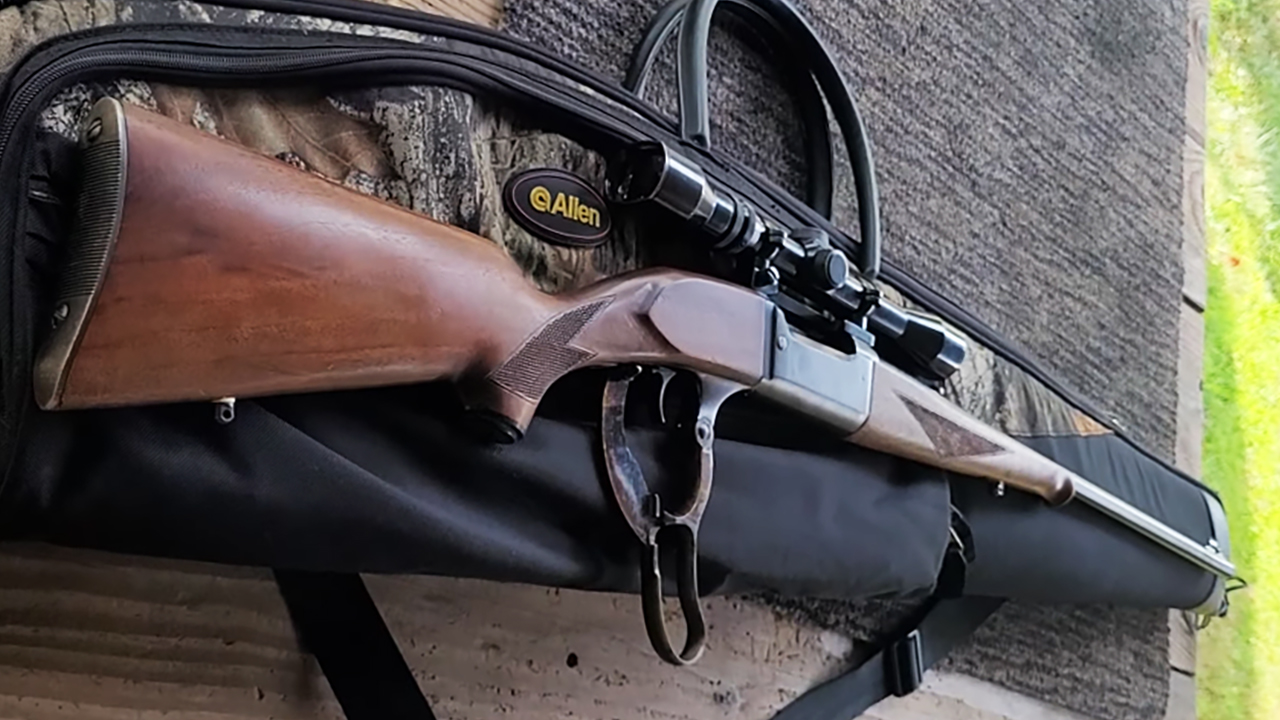
The Savage Model 99 has already spent generations moving through hunting families. Its rotary magazine allowed the use of pointed bullets, while the hammerless lever-action design gave it a smooth profile and better cartridge flexibility than many traditional lever guns.
Chamberings such as .300 Savage, .250-3000 Savage, .308 Winchester, and .358 Winchester made the rifle useful for everything from whitetails to larger North American game. Production ended because it became too expensive to manufacture, not because the design stopped working. That makes surviving rifles increasingly meaningful. A Model 99 passed down today carries both family history and the memory of a rifle type manufacturers no longer build. It is useful enough to hunt with and special enough to protect.
Winchester Model 94
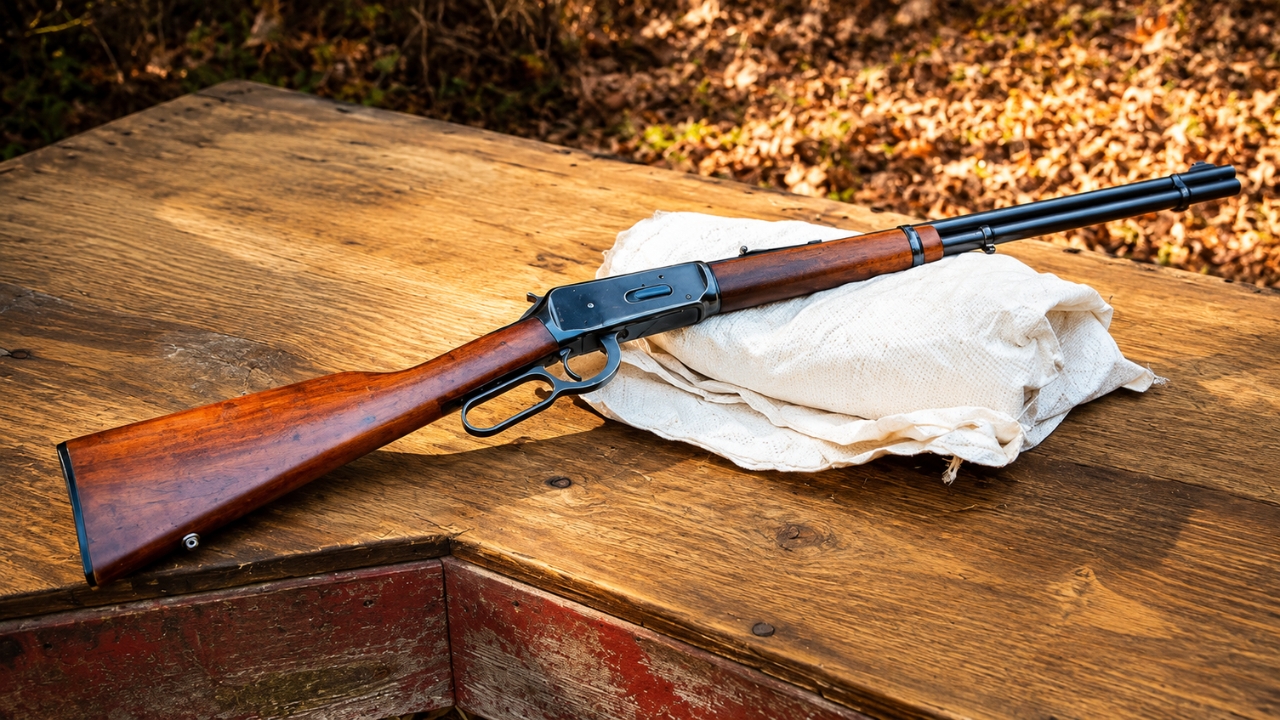
The Winchester Model 94 may be the most likely rifle in America to have already passed through several generations. Its slim receiver, light weight, and fast lever action made it ideal for hunting deer in woods, hills, and brush.
Most examples are chambered in .30-30 Winchester, a cartridge that remains effective at the distances where millions of whitetails are taken. The Model 94 is easy to carry, quick to shoulder, and simple enough for a young hunter to understand with proper supervision. Pre-1964 examples attract collectors, but later rifles can carry just as much family meaning. A worn Model 94 often comes with stories about first deer, missed opportunities, and hunts with relatives who are no longer around. That history matters more than its production date.
Marlin 336
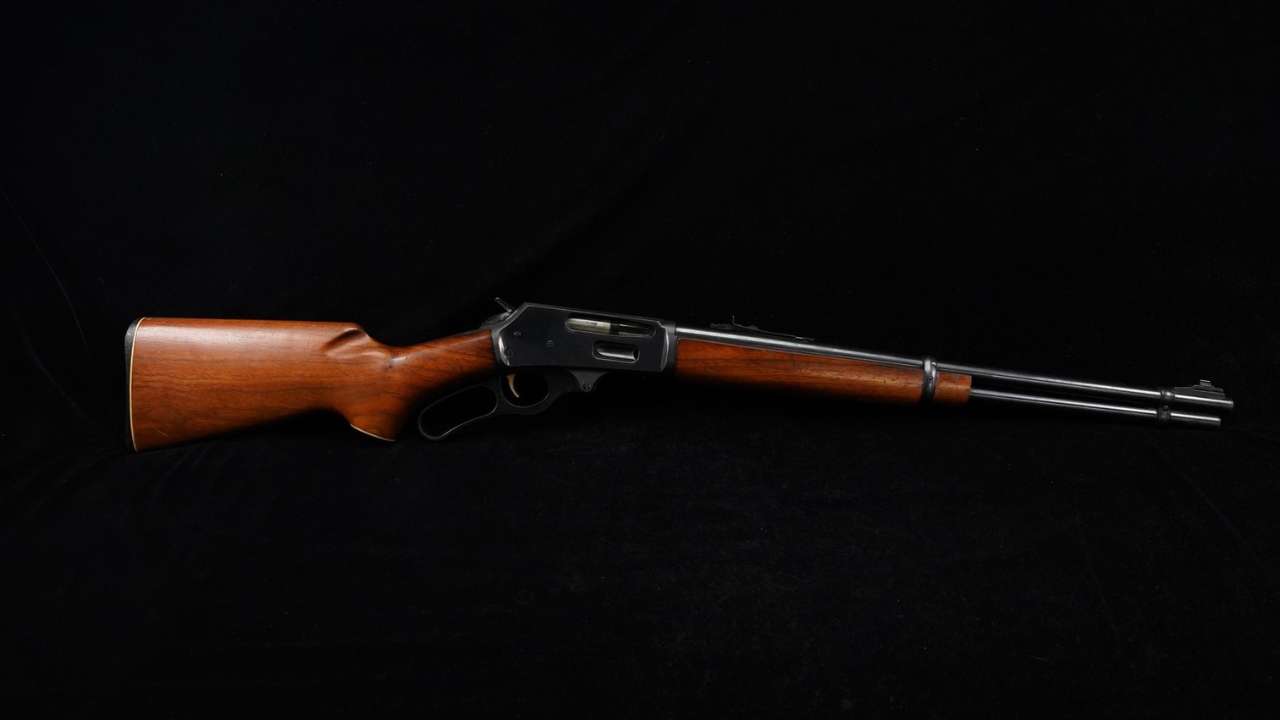
The Marlin 336 became one of the great American deer rifles because it combined lever-action speed with a solid-top receiver that made scope mounting easy. Its side-ejection system gave it a practical advantage over older top-eject designs, especially as scopes became normal equipment in deer country.
The .30-30 version remains the classic, though rifles in .35 Remington have a particularly loyal following. Older Marlins built before ownership and production changes are already becoming family treasures, while current Ruger-made examples may begin their own long histories. The 336 is sturdy, easy to carry, and powerful enough for the conditions where most eastern deer are hunted. It is also familiar. Children who grow up seeing one in the gun cabinet often know exactly which rifle they hope will someday become theirs.
Marlin Model 1895

The Marlin Model 1895 gives families a lever-action rifle with more power and presence than the typical .30-30. Chambered primarily in .45-70 Government, it is capable of handling deer, black bear, elk, and other large game at close and moderate distances.
Its large receiver, heavy barrel, and substantial cartridge make it memorable to shoot. It may not be the ideal first centerfire rifle for a young hunter, but it can become a prized field gun once they are ready for the recoil. Guide Guns, Trappers, and traditional walnut-stocked models each appeal to different hunters. An 1895 often becomes associated with a particular place or kind of hunt, especially thick timber or bear country. That specialized history can make it even more meaningful when passed down.
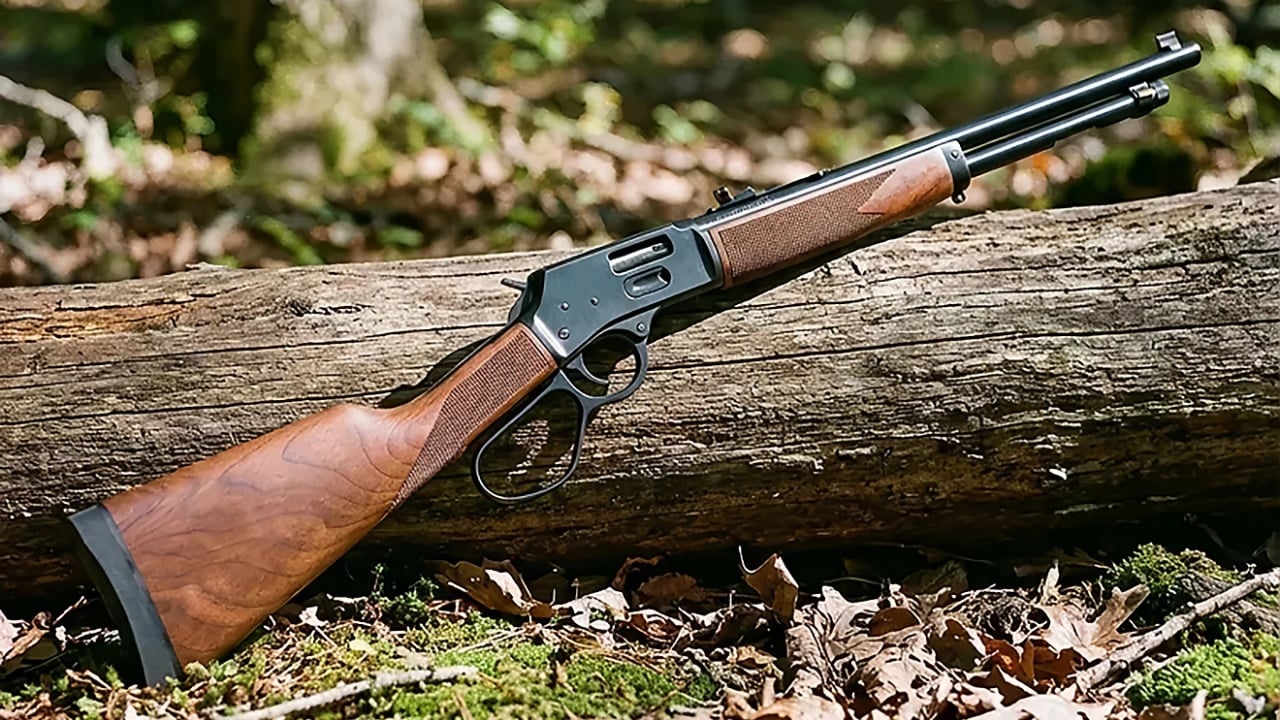
Henry Big Boy
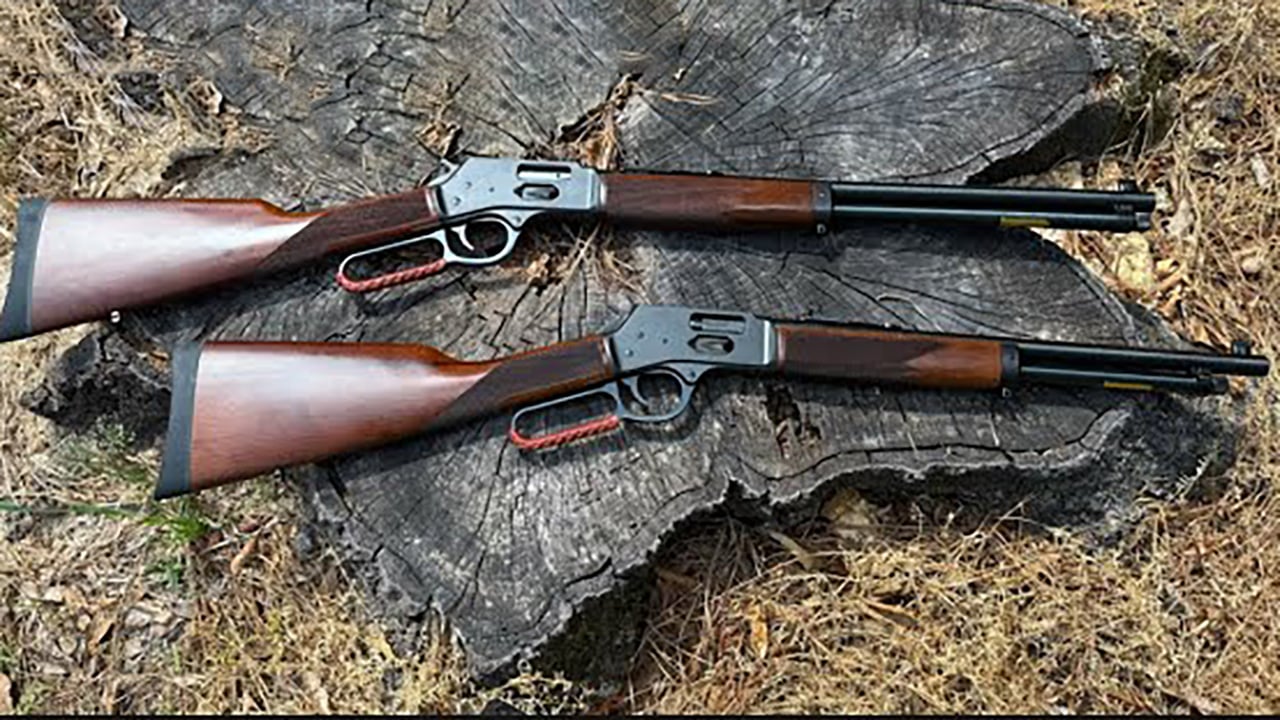
The Henry Big Boy blends classic lever-action styling with modern production and popular revolver cartridges. Chamberings such as .357 Magnum, .44 Magnum, and .45 Colt make it useful for deer hunting where legal, ranch work, recreational shooting, and general field carry.
Its brass or steel receiver gives the rifle a distinctive appearance, and the smooth action helps make it enjoyable even outside hunting season. A .357 Magnum Big Boy can also fire mild .38 Special ammunition, giving younger shooters a gentle way to become familiar with the rifle before moving to full-power hunting loads. Henry rifles often become family guns because they look traditional, feel substantial, and are enjoyable enough to shoot regularly. A rifle used often is far more likely to collect the memories that make someone want to keep it.
Browning BLR

The Browning BLR offers lever-action handling with the ability to use powerful modern cartridges and pointed bullets. Its rotating bolt and detachable box magazine allow chamberings such as .308 Winchester, .30-06 Springfield, .270 Winchester, and several magnums.
That gives families a lever gun capable of handling longer shots and larger game than most traditional tube-fed rifles. The BLR is also relatively light and easy to carry, making it useful in mountains, timber, or mixed terrain. Its action is mechanically more complicated than a Winchester 94, so owners tend to take care of it rather than treating it as a rough utility rifle. A well-maintained BLR can remain useful through several generations, especially in families that prefer lever actions but hunt in places where more cartridge reach matters.
Winchester Model 88
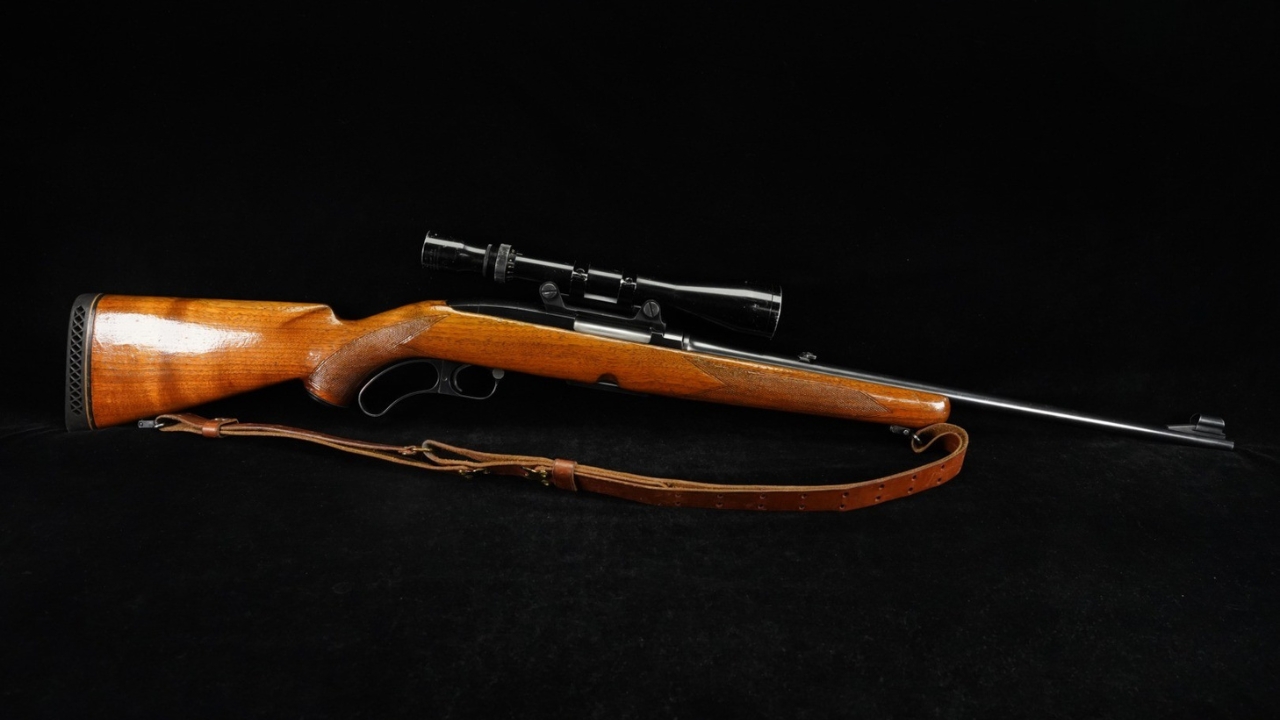
The Winchester Model 88 was one of the most forward-thinking hunting rifles of its time. It paired a lever action with a rotating bolt and detachable magazine, allowing it to fire modern cartridges such as .243 Winchester, .308 Winchester, and .358 Winchester.
Its sleek receiver and one-piece stock gave it a look unlike traditional lever rifles. It handled quickly but still offered the accuracy and ballistic reach expected from a bolt-action cartridge. The Model 88 is no longer made, and repair parts can be difficult to find, so families who own one tend to hold onto it. Passing one down preserves a rifle that cannot be easily replaced with a current production equivalent. It also gives the next generation something more interesting than another ordinary bolt gun.
Remington Model 7600

The Remington Model 7600 became a deer-camp favorite in regions where hunters valued fast follow-up shots and familiar pump-action handling. Shooters who grew up with pump shotguns often found the 7600 natural to operate, especially in thick woods or when deer moved quickly through narrow openings.
Chamberings such as .30-06, .270 Winchester, and .308 Winchester gave the rifle enough power for nearly any deer-hunting situation. The detachable magazine made unloading easy, while the compact carbine versions carried particularly well. Production changes and declining availability have increased interest in older rifles. A 7600 passed down through a family often carries a strong regional identity, especially in Pennsylvania and other parts of the Northeast. It is not just a hunting rifle there. It is part of how generations learned to hunt.
Remington Model 742 Woodsmaster

The Remington Model 742 Woodsmaster gave deer hunters a semi-automatic rifle with the appearance of a traditional sporting arm. It was especially popular in thick woods, where quick follow-up shots and fast handling mattered more than tiny groups at long range.
The Model 742 requires more careful maintenance than a bolt action, and worn receiver rails can eventually create reliability problems. That means condition matters greatly when one is passed down. Even with those concerns, many families remain attached to them because they were used during decades of successful hunts. An inherited Woodsmaster may not be the rifle a gunsmith recommends for unlimited shooting, but it can still carry enormous sentimental value. Sometimes the rifle stays in the family because of who carried it, not because it was mechanically perfect.
Browning BAR
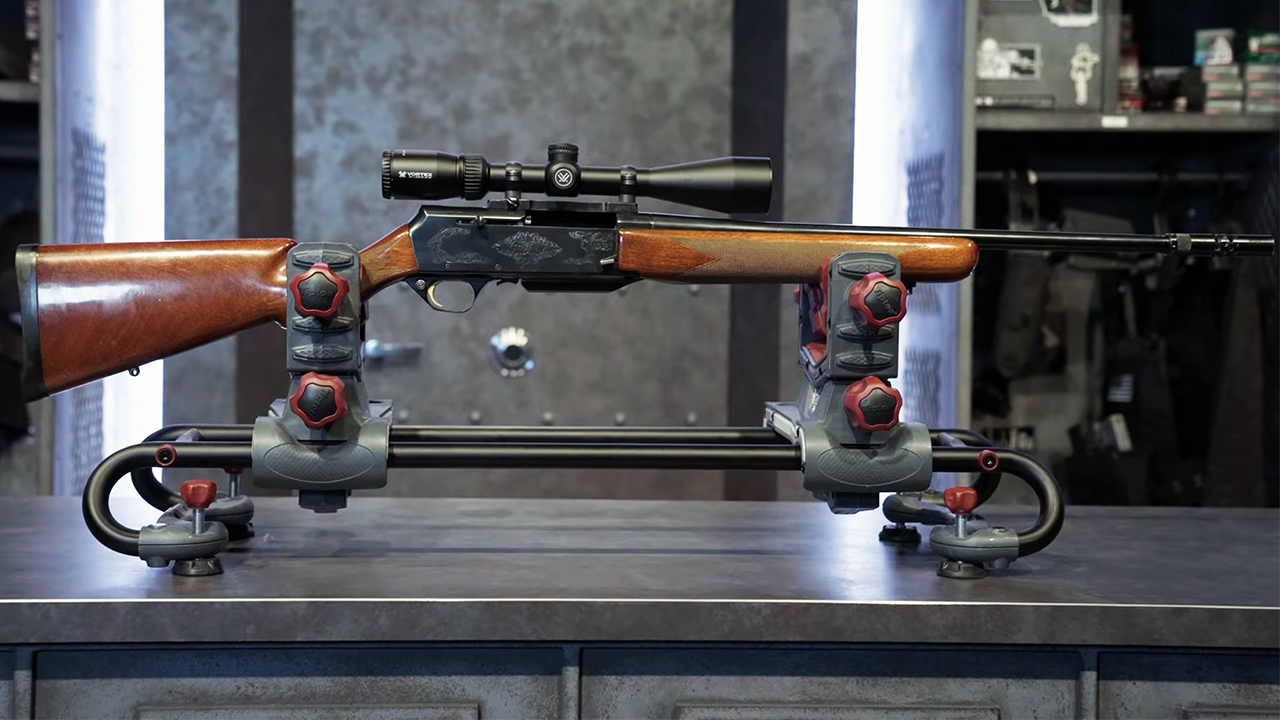
The Browning BAR has remained one of the most respected semi-automatic hunting rifles because it combines quick follow-up shots with chamberings powerful enough for deer, elk, and other large game. Unlike military-style semi-automatics, it retains the lines and handling of a traditional sporting rifle.
Walnut-stocked Safari and Grade models are especially likely to become heirlooms. Their engraving, polished metal, and strong construction give them the appearance of rifles intended to last. The gas system helps reduce felt recoil, making powerful cartridges more manageable for some hunters. Maintenance is more involved than with a bolt action, but a properly cared-for BAR can serve for decades. Families who hunt from stands or in heavy cover often keep them because they work and because newer semi-automatics rarely look as dignified.
Weatherby Mark V
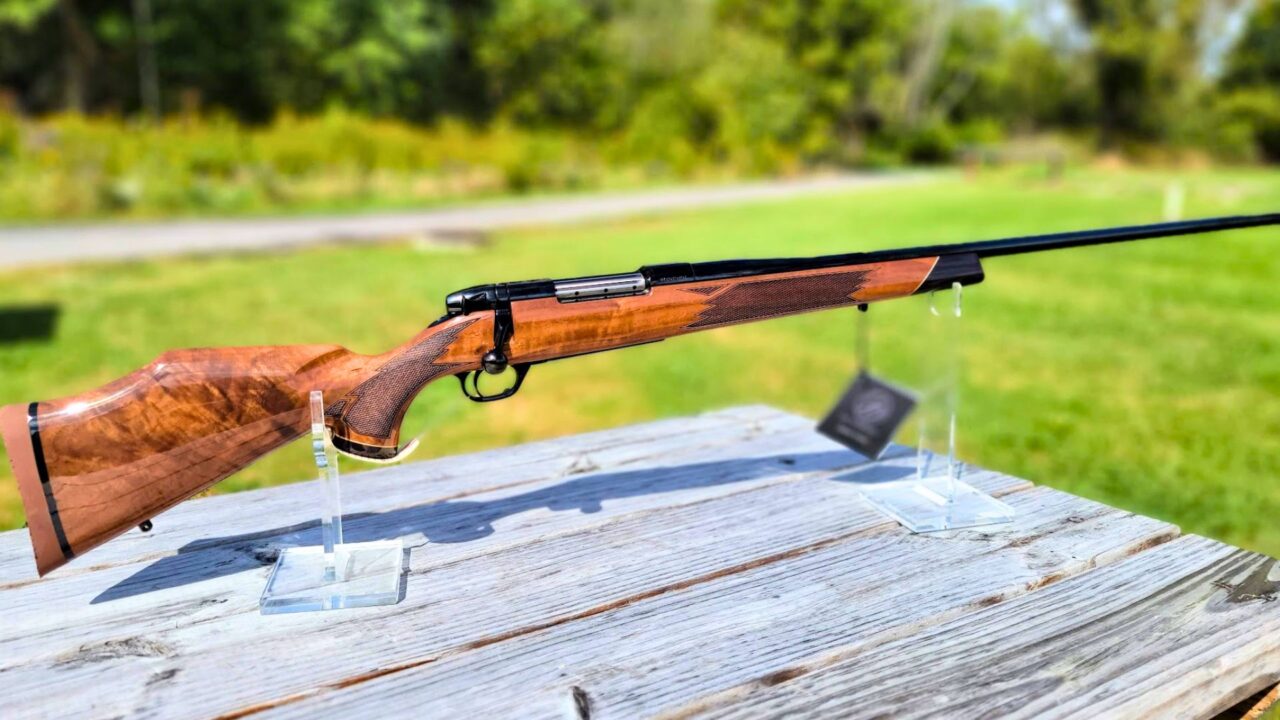
The Weatherby Mark V became associated with speed, power, and ambitious big-game hunting. Its strong multi-lug action was designed to handle Weatherby’s high-velocity cartridges, while its distinctive stock shape and polished finish gave it an appearance unlike more conservative hunting rifles.
A Mark V often marks a significant purchase in a hunter’s life. It may have been bought for a western elk trip, a once-in-a-lifetime hunt, or simply because the owner had always wanted one. That story adds to its value when passed down. The rifle can handle cartridges ranging from standard deer rounds to powerful magnums, though ammunition cost and recoil vary greatly. A well-kept Mark V is the kind of rifle that can remind future generations not only of the hunts taken, but of the ambitions the original owner carried.
Ruger No. 1
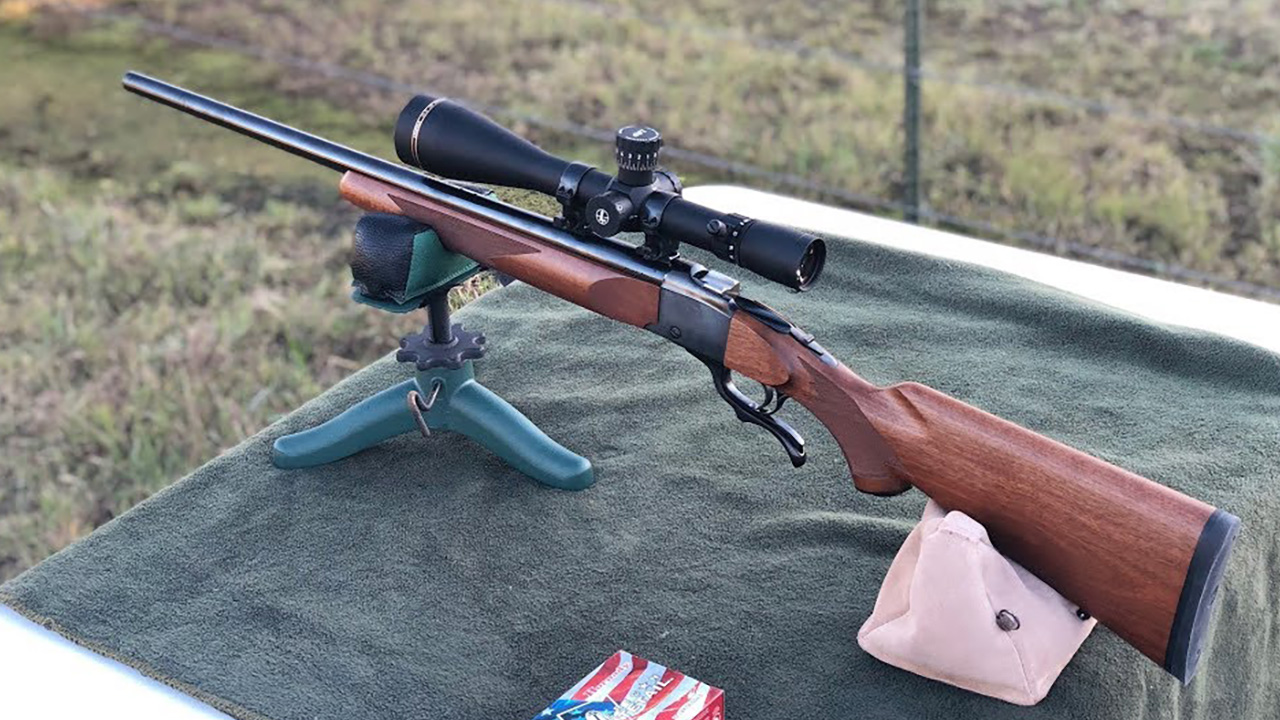
The Ruger No. 1 is a single-shot rifle built for hunters who value deliberate shooting, strength, and traditional appearance. Its falling-block action is compact and exceptionally strong, allowing a full-length barrel without making the rifle excessively long.
Because it holds only one round, the No. 1 encourages careful shot placement and confidence in the first opportunity. That makes it particularly meaningful as a rifle passed to a younger hunter once they have developed the discipline to use it well. Ruger has offered the No. 1 in an enormous range of chamberings, from small varmint rounds to dangerous-game cartridges. Limited runs and unusual configurations can also become collectible. More importantly, the rifle’s quality and simplicity give it the durability to remain functional long after more complicated designs need replacement parts.
Mannlicher-Schoenauer Model 1952

The Mannlicher-Schoenauer Model 1952 represents a level of European sporting-rifle craftsmanship rarely found in modern production guns. Its rotary magazine, butter-knife bolt handle, full-length stock options, and remarkably smooth action made it famous among hunters who valued handling and refinement.
These rifles were expensive even when new, and they were often carried on memorable hunts rather than used as basic utility guns. The action cycles with a smoothness difficult to explain until someone handles one. Parts and qualified repair work can be challenging, but well-kept examples tend to remain treasured rather than worn out. Passing one down gives the next generation a rifle from an era when sporting arms were built with extraordinary attention to detail. It may be too valuable for rough treatment, but it deserves to keep hunting.
Kimber Model 84M Classic

The Kimber Model 84M Classic was designed as a true lightweight action rather than a full-size receiver trimmed around a short cartridge. Chamberings such as .308 Winchester, 7mm-08 Remington, and .243 Winchester fit the rifle’s compact proportions particularly well.
Its walnut stock, controlled-round-feed action, and light carrying weight make it the kind of rifle hunters can use for decades without growing tired of it. Kimber rifle quality has generated mixed opinions across different periods, so individual examples should be judged on their own accuracy and function. A good 84M, however, has the feel of a semi-custom mountain rifle without the extreme cost. It is light enough for younger hunters, capable enough for experienced ones, and attractive enough to become a rifle the family wants to preserve.
Cooper Model 52
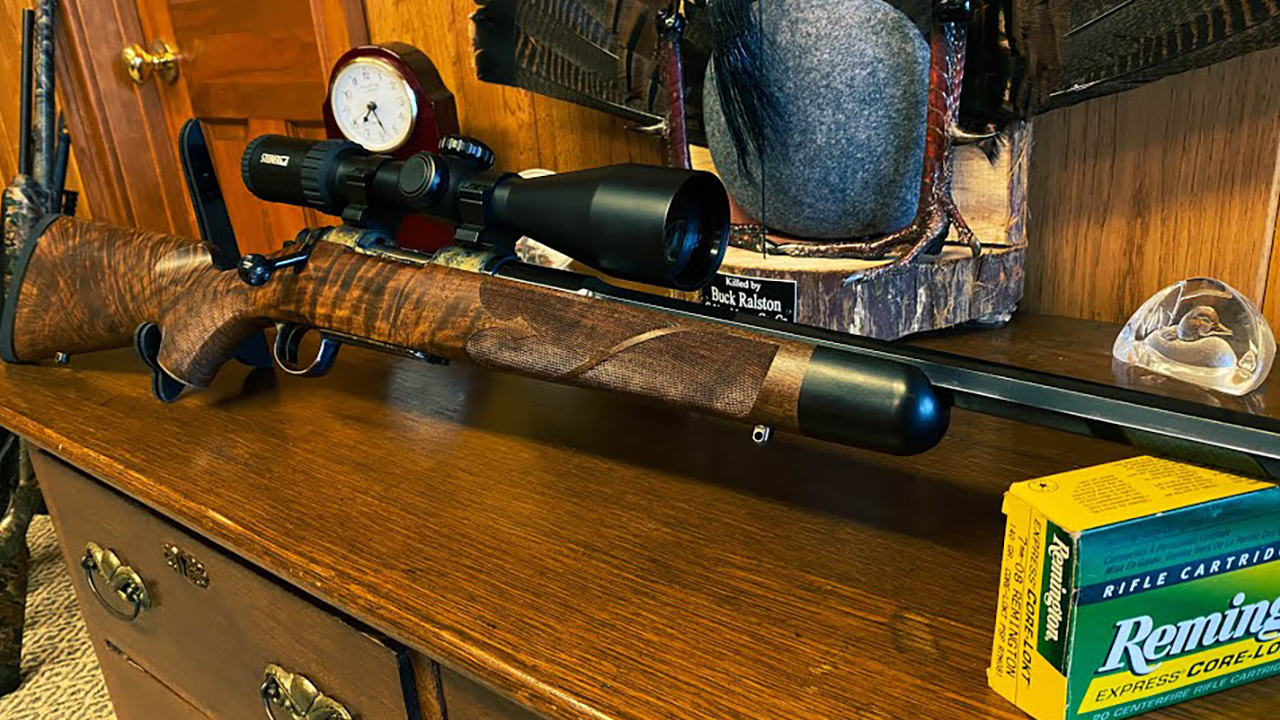
The Cooper Model 52 is a premium bolt-action hunting rifle built around accuracy, high-grade wood, and careful assembly. It is offered in full-size hunting cartridges and designed for buyers who want something more refined than an ordinary factory rifle.
Cooper rifles tend to become heirlooms because they are often purchased with that intention from the beginning. The stocks are too attractive to treat carelessly, but the rifles are accurate and capable enough that keeping them locked away would miss the point. An owner may use one for a lifetime of deer or elk hunts, then pass it down with decades of wear that make it more personal rather than less valuable. A child inheriting a Cooper receives a rifle that was never ordinary and is unlikely to become ordinary with age.
Like The Avid Outdoorsman’s content? Subscribe to our newsletter so you never miss an article.
Here’s more from us: