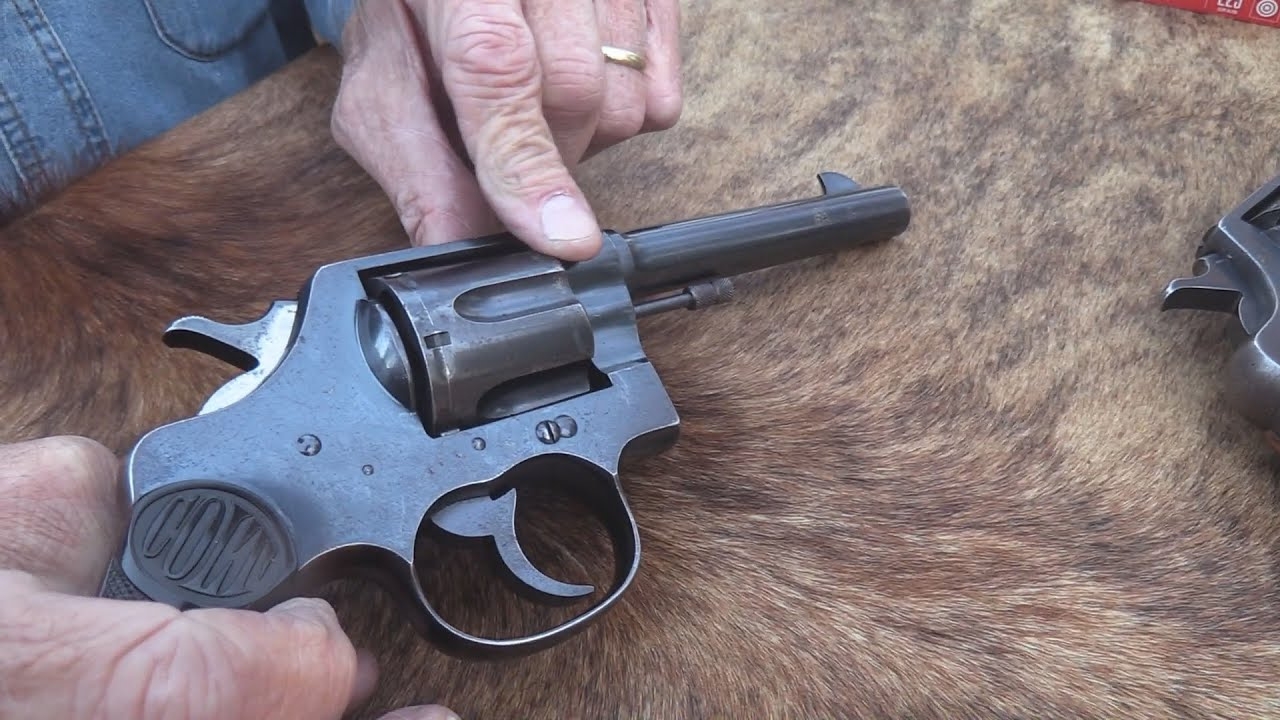
Photo credit: hickok45/YouTube
Some firearms stay common long enough to fool people. You see them at gun shows, in pawn shop racks, in old hunting camps, and in the backs of safes, so you stop treating them like anything that needs urgency. They become “later” guns. The problem is that later has a habit of showing up right after the supply gets thin, the cleaner examples dry up, and the prices start acting like the market knows something you ignored.
That is usually how regret starts. Not with a rare gun you never had a shot at, but with a familiar one you kept assuming would still be there next month. These are firearms that looked easy to find for years until buyers suddenly realized the easy part was over.
Smith & Wesson Model 28 Highway Patrolman

The Model 28 used to feel like the big, plain Smith revolver that would always be around if you ever decided you wanted an N-frame .357 without paying premium money. It lacked the polished look of the fancier models, so plenty of buyers treated it like the affordable, always-there way into serious old-school Smith wheelguns. That made it easy to admire without acting on.
Then people started wanting exactly that kind of revolver. Strong, honest, less delicate, and still very much a real N-frame magnum. Once cleaner examples began disappearing into collections and long-term ownership, the old “I’ll just get one later” mindset stopped looking very smart. The Highway Patrolman went from easy backup choice to something buyers suddenly had to chase.
Ruger Security-Six
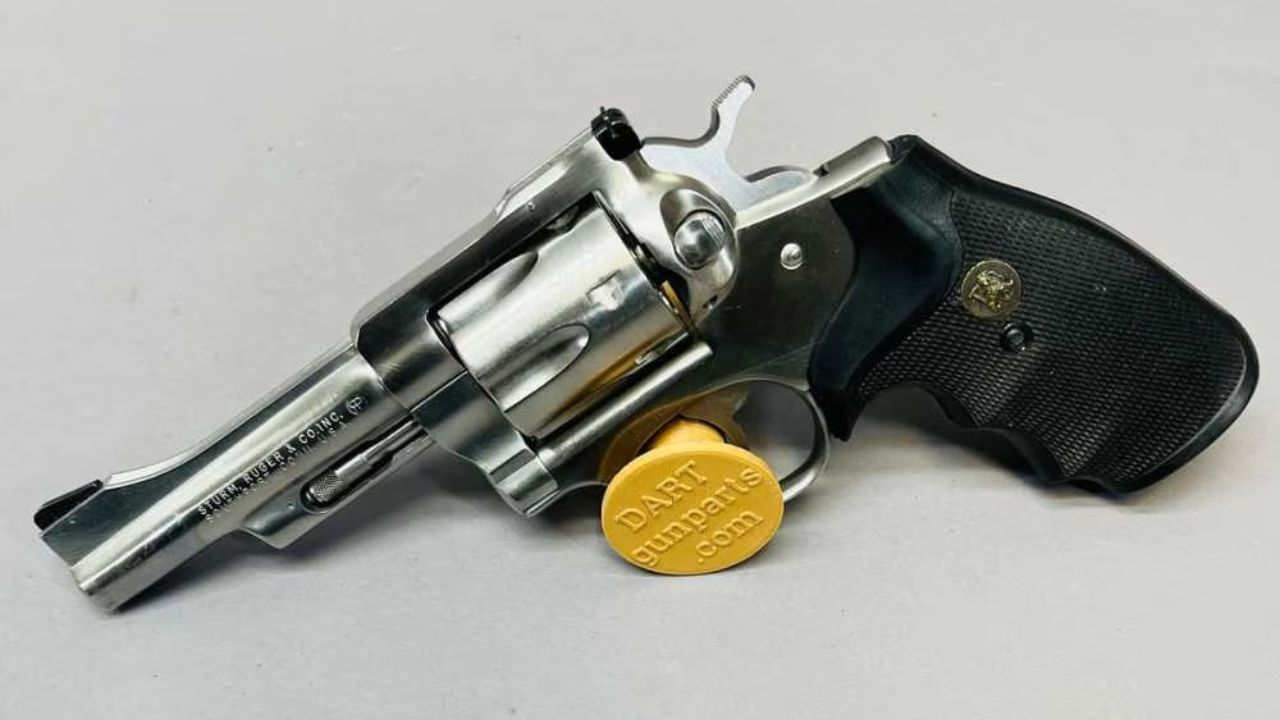
For a long time, the Security-Six was the revolver people respected without putting much urgency behind. It was sturdy, practical, and common enough in working-gun circles that many buyers assumed there would always be another one at the next shop or show. It did not have the glamour of certain Colts or the nostalgia pull of older Smiths, which made it feel safe to delay.
Then the market started getting sharper about older Ruger revolvers. People realized the Six series had real durability, real shootability, and a style of revolver design that was not coming back in the same way. Once that clicked, the Security-Six stopped feeling like an easy-find utility revolver and started feeling like one of those guns buyers wished they had picked up when nobody cared.
Browning BAR Safari Grade

The BAR Safari Grade stayed in circulation long enough that many hunters treated it like a rifle they could always circle back to. It had Browning quality, sure, but it also felt like a steady old hunting rifle rather than a closing window. Nice walnut-stock semi-auto deer rifles just seemed like part of the landscape for a long time.
Then better-condition rifles started settling into family ownership and staying there. That is when buyers figured out the difference between “I used to see those all the time” and “I can find a sharp one right now.” The BAR Safari Grade stopped being a casual future buy once hunters started realizing how few clean older examples were actually rotating back into the market.
Colt Official Police
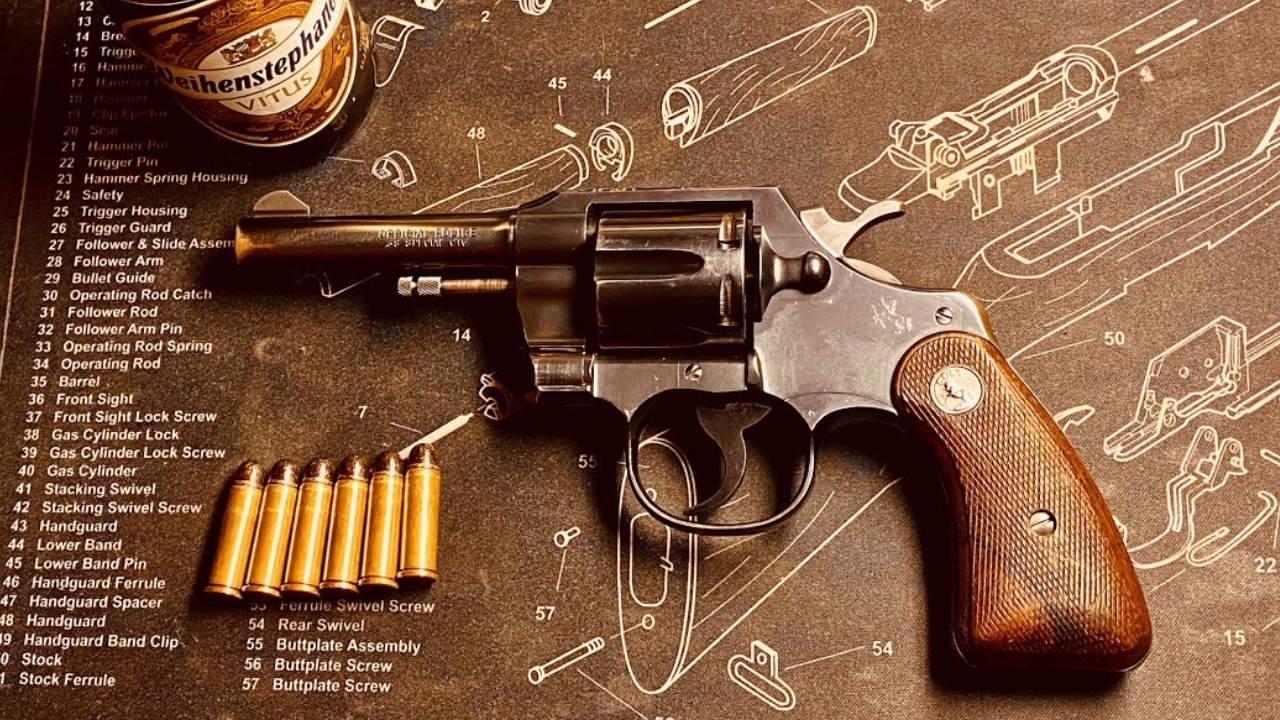
The Colt Official Police once felt like one of those revolvers that would never truly dry up. It was a classic service wheelgun, but not always the one buyers talked about first when they were daydreaming about older Colts. That made it easy to treat as a gun you could always come back for after chasing something more exciting.
That attitude changed the moment buyers started looking seriously for solid, original examples. The revolvers were no longer just floating around in the same loose way people remembered. Once older Colt double-actions got hotter across the board, even the less flashy models started getting pulled out of the casual pile. The Official Police quickly stopped feeling like the easy Colt.
Marlin 39A

The Marlin 39A spent years looking like a rifle that would always be available somewhere if you had enough patience. It was a respected .22 lever gun, but not always one buyers treated like an urgent target. A lot of people admired them, then moved on to centerfires or flashier purchases, assuming a nice 39A would still be waiting later.
Then later got expensive. The clean rifles were not nearly as loose in the market as memory suggested, and once more buyers started appreciating older rimfires built with real heft and quality, the 39A became much harder to buy casually. It had always been a serious rifle. Buyers just learned that a little too late.
SIG Sauer P225
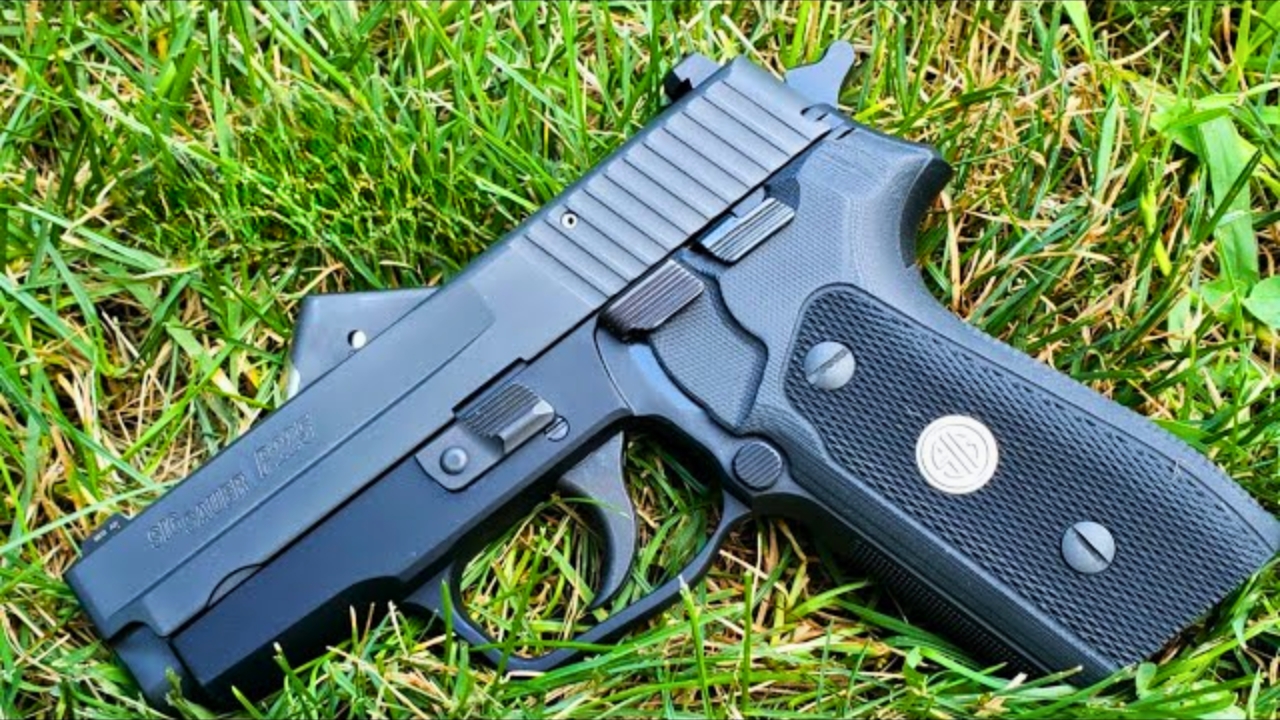
The original P225 had a long run as the sort of SIG people liked without feeling much pressure to buy. It was slim, classic, and easy to shoot, but many buyers still put it behind higher-capacity pistols or whatever newer SIG seemed more urgent at the time. That made the P225 feel like an easy later purchase.
Once older single-stack SIGs started getting looked at with more affection, the mood changed fast. Clean examples stopped feeling casual, and buyers realized the guns they had passed on as side options were no longer drifting through the market in friendly numbers. The P225 did not need hype to get harder to find. It only needed enough people to stop overlooking it all at once.
Winchester Model 70 Featherweight
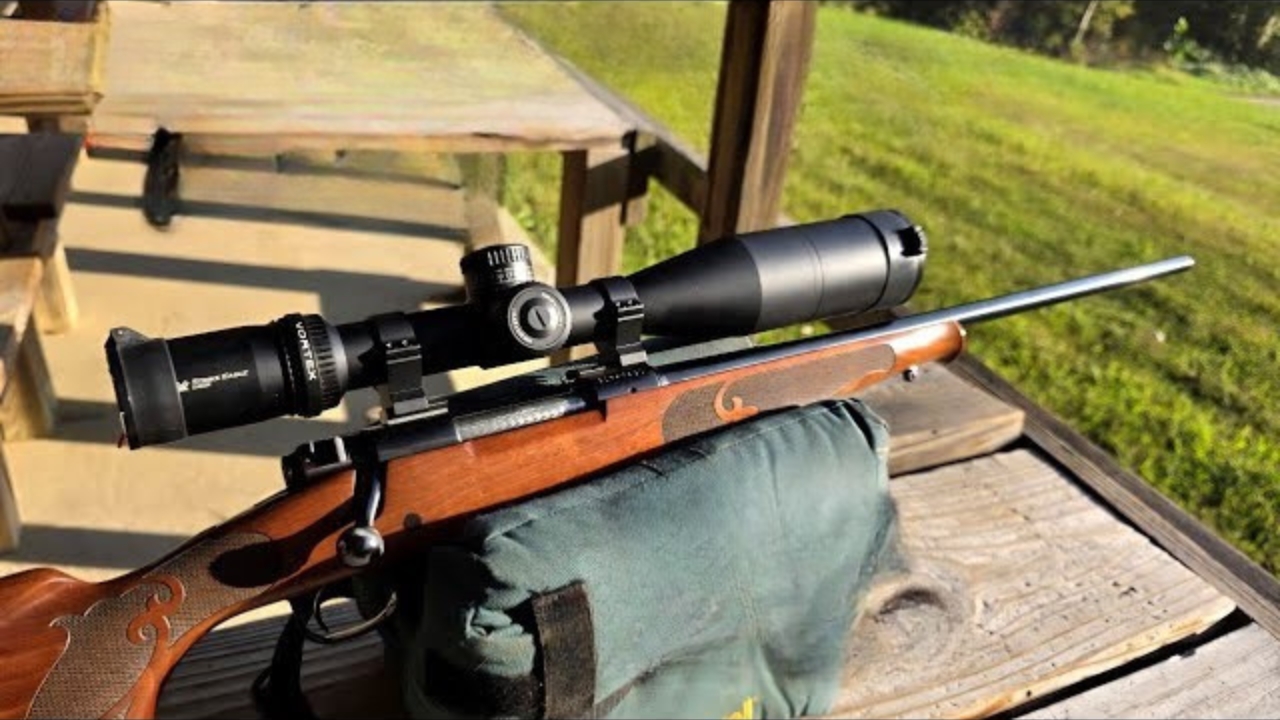
The Featherweight often felt too established to become difficult. It was a Winchester hunting rifle with real credibility, but it also seemed like the kind of gun there would always be some version of floating around if you decided you wanted one later. That kind of logic works until people start getting selective about era, condition, and chambering.
That is where the search gets harder. Buyers who once thought Featherweights were easy to bump into started realizing that finding a really nice one, especially in a desirable older configuration, was no longer casual at all. A rifle that felt familiar and safe to postpone suddenly started requiring actual effort and actual money.
Smith & Wesson Model 41
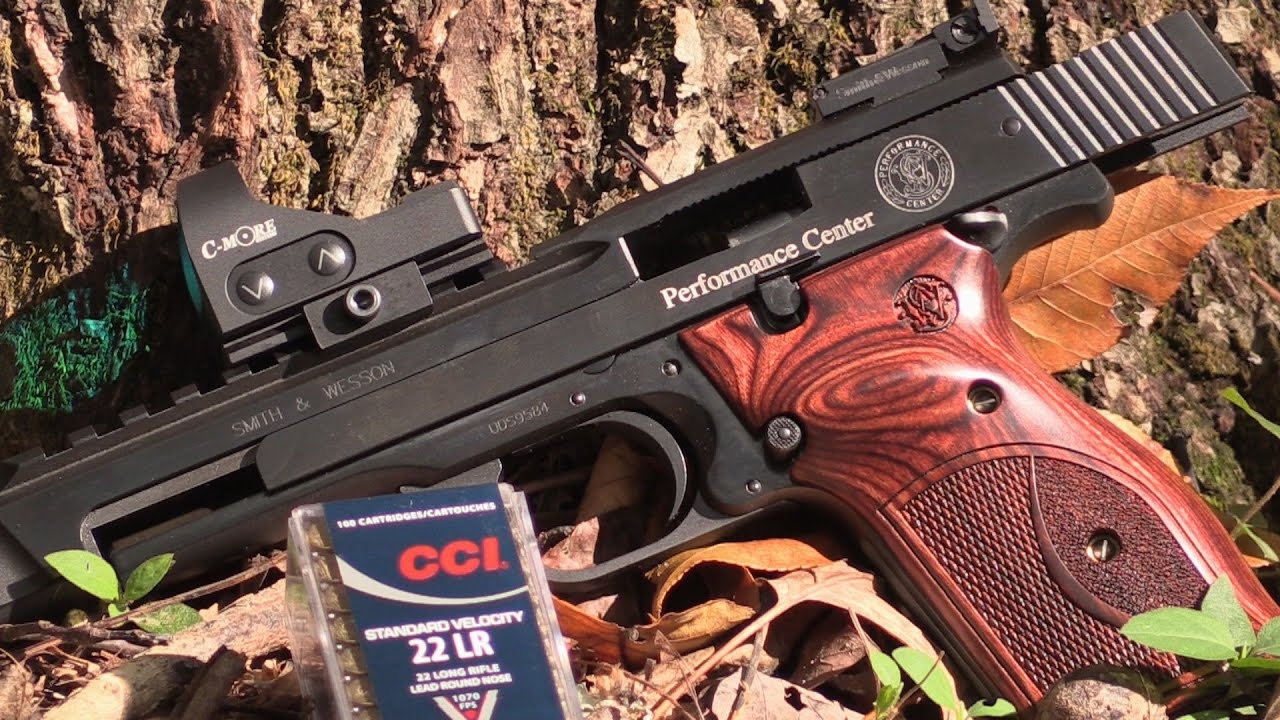
The Model 41 never felt cheap, but it did feel available for a long time. Buyers who appreciated target pistols often treated it like the nice rimfire they would eventually add when the time felt right. It was respected, but not always chased with urgency, partly because it seemed too established to ever become troublesome.
Then the better guns stopped sitting around. Once buyers started specifically looking for clean, older Model 41s, especially the ones that had not been heavily used or messed with, the market looked a lot thinner than expected. It is one thing to know a pistol exists. It is another thing to go find a sharp one when everybody else suddenly remembers it is worth owning.
Ruger Mini-14 GB and older ranch-era variants
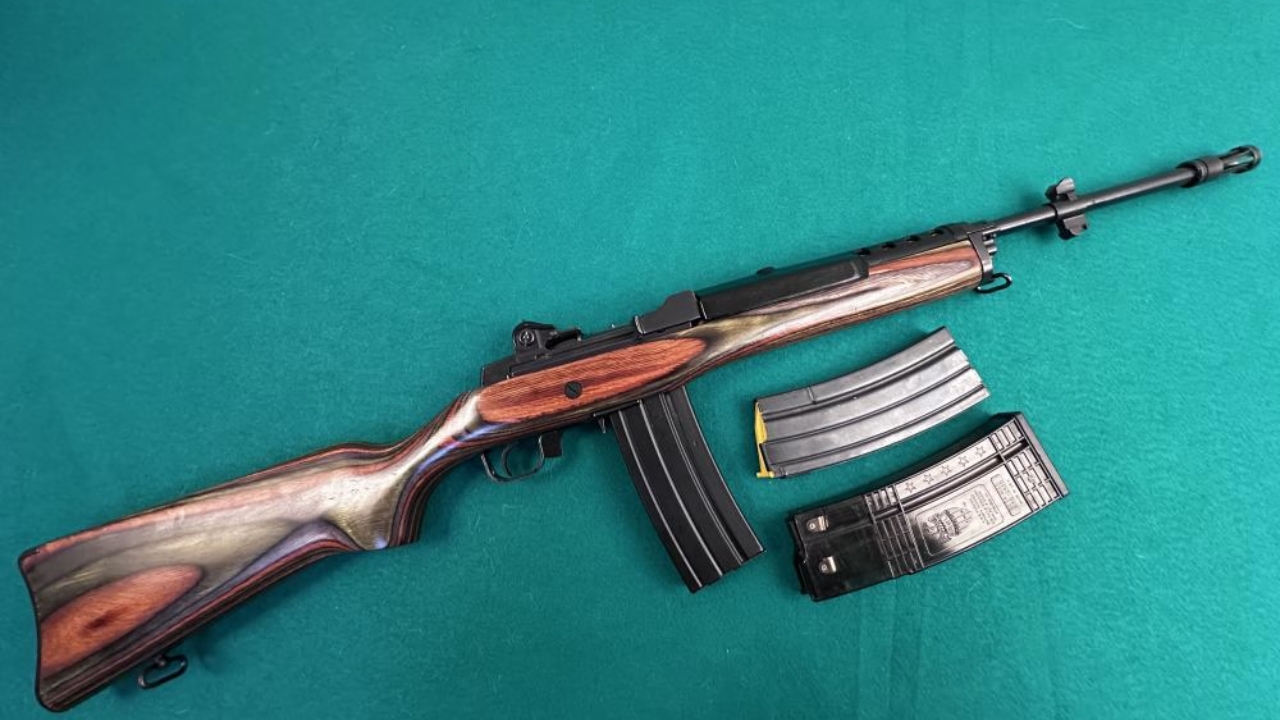
For years, many Mini-14s felt like rifles you could always pick up later if you really wanted one. That was especially true with older variants that had not yet been fully separated in buyers’ minds from the broader Mini family. They were familiar, practical, and easy to underestimate because they never quite disappeared from conversation.
Then buyers started getting more specific. Older configurations, cleaner condition, certain factory features, and pre-rush examples started getting hunted with much more intention. Once that happened, the idea that Minis were endlessly available stopped holding up. People who thought they could casually snag the right older Mini whenever they felt like it learned that the right ones were already getting scarce.
Beretta 81 Cheetah
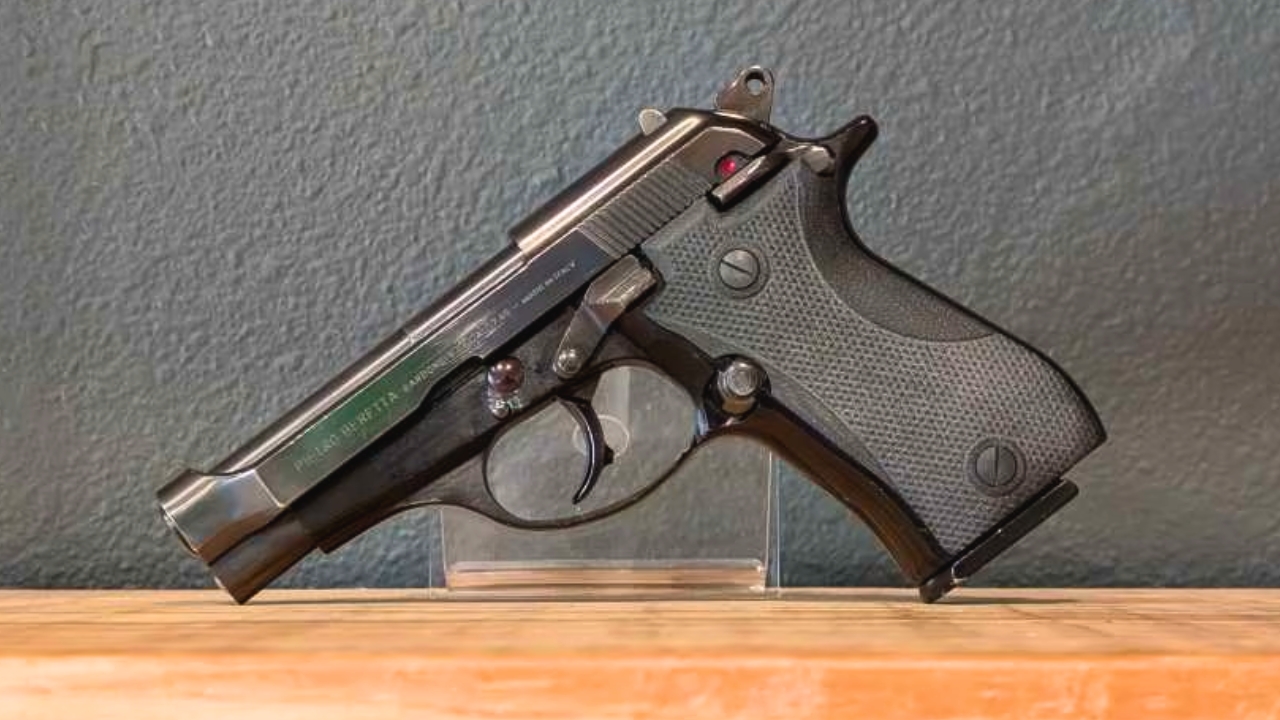
The Beretta 81 lived for years as one of those neat little surplus-adjacent or police-trade style pistols people found interesting without feeling pressure to own. It had charm, soft manners, and real quality, but many buyers still treated it like a curiosity that would remain easy to grab later because demand did not seem all that serious.
That only lasted until compact metal pistols started getting appreciated more broadly. Then the 81’s appeal became much more obvious. It was not just a cute older Beretta. It was a well-made pistol from a category that was not being replenished in any meaningful way. Once buyers realized that, the easy-find version of the story ended fast.
Remington Model Seven CDL and older walnut variants

The Model Seven in nicer older trim levels had a long run as the sort of short hunting rifle people liked but did not always prioritize. It seemed too practical and too familiar to create panic. If you wanted a compact walnut-stock Remington later, surely another would turn up. That is how a lot of buyers treated them.
Then cleaner rifles started staying put. Hunters who appreciated compact bolt guns were not quick to let good Model Sevens go, and once buyers started specifically hunting older walnut-stock versions, the field looked thinner than expected. The rifle had always been useful. The surprise was realizing how few nice ones were actually circulating when it was finally time to buy.
Colt New Service

The New Service used to feel like one of those big old Colts that would always be out there somewhere if a buyer ever got serious. It had history, size, and presence, but for a long time it was easier to admire than to prioritize. That made it feel available even when the better examples were quietly getting absorbed by collectors.
Then people actually started searching for one in good shape, with the right configuration and honest finish. That is when the illusion broke. Big-frame Colts do not have to be the loudest revolvers in the room to become difficult. They just have to stop returning to market in decent numbers, and that is exactly what happened.
Browning B-78
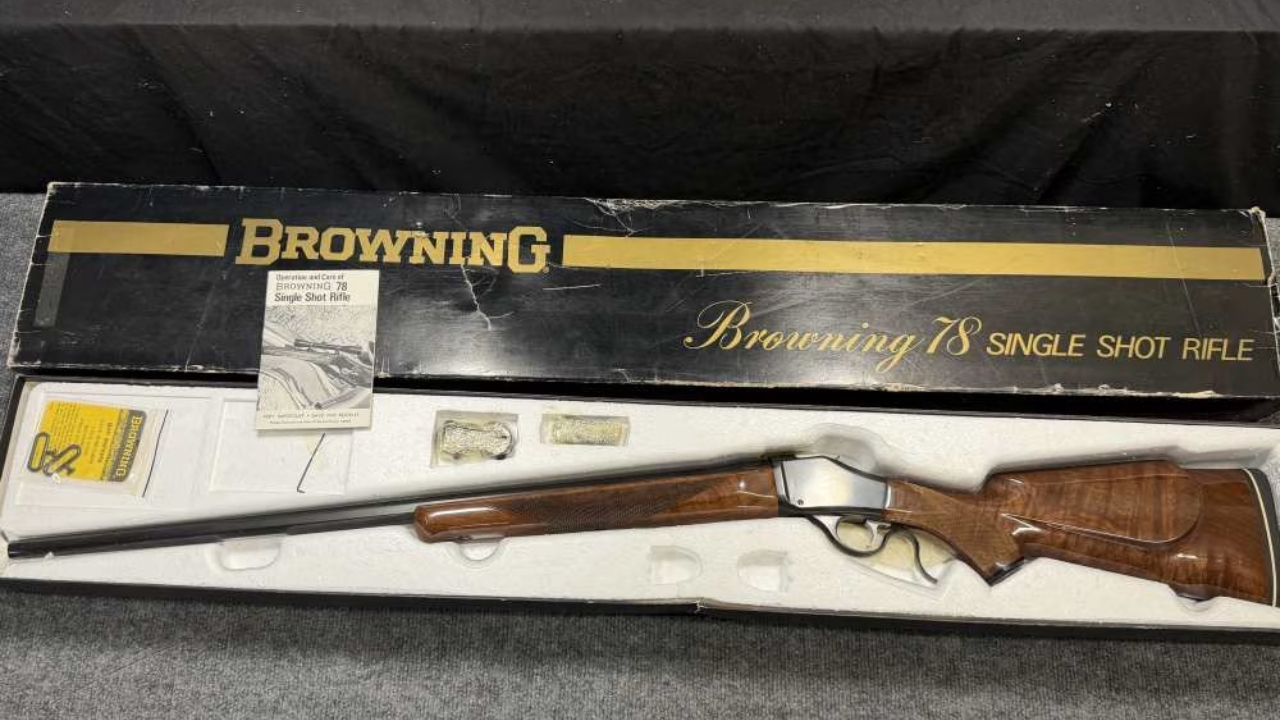
The B-78 spent years being the kind of single-shot rifle buyers appreciated from a distance. It had quality and character, but a lot of shooters still treated it like a niche piece they could always come back for if they ever got into elegant single-shots in a serious way. That meant admiration without urgency.
Once buyers started wanting them on purpose, the market felt much tighter. Nice B-78s were not just laying around waiting for casual interest anymore. The rifles that once seemed easy to stumble across in older collections or tucked away in gun shops stopped showing up so casually. That is how niche rifles become regrets.
Smith & Wesson 1076
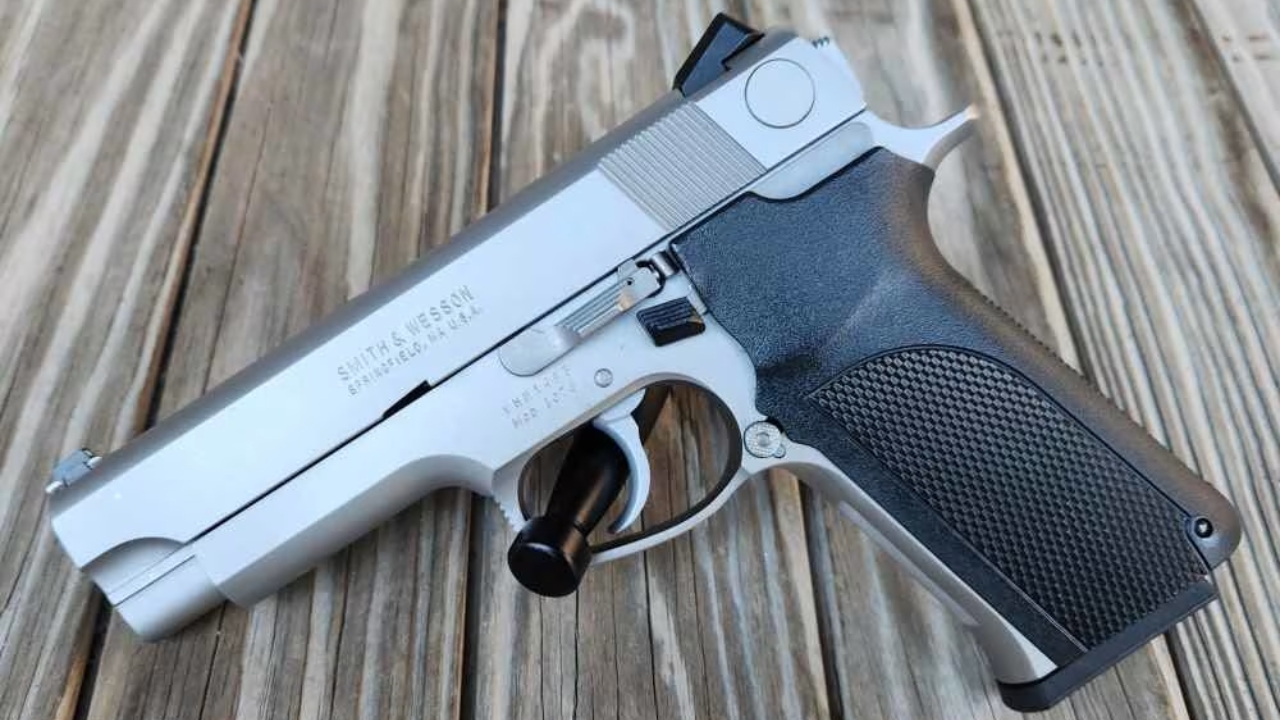
The 1076 was never a mainstream casual-buy pistol, but it still spent years feeling easier to find than it really was. It had a strong following among people who knew what it was, yet enough buyers kept it in the “maybe someday” pile because it was a 10mm Smith from an earlier era and not the hottest item in every shop case.
Then the 10mm market matured, older metal-frame autos got more respect, and the 1076 started looking like a much more finite opportunity. Buyers who had once treated it as a future curiosity suddenly found themselves searching harder and paying more. A pistol can look available for a long time right up until people decide they actually want one.
Savage 24

The Savage 24 had a long run as the combination gun people found interesting without worrying much about missing. It always felt like the sort of oddball utility firearm that would remain out there in enough numbers because it lived in a niche and appealed to a certain kind of practical shooter more than the broader market.
That changed once buyers started getting more intentional about specific variants, gauges, calibers, and condition. The loose, easy-find image of the Savage 24 did not hold up nearly as well under real searching. What had seemed like a steady background gun became one more case of “I used to see those everywhere” turning into “why is this suddenly hard to find?”
Heckler & Koch P2000

The P2000 spent years being overshadowed by louder HK names and more aggressively marketed carry pistols. That made it easy to assume there would always be plenty around if you ever decided you wanted one. It was respected, yes, but not with the kind of urgency buyers put behind the USP, P30, or whatever newer carry darling was getting the most attention.
Then people started missing exactly what the P2000 offered. A compact, capable HK that never needed hype to be good. Once demand sharpened among buyers who appreciated that balance, the “easy to find later” logic stopped holding up. The pistol had never been a bad option. It had just been underestimated long enough to fool people about supply.
Like The Avid Outdoorsman’s content? Be sure to follow us.
Here’s more from us: