Photo credit: William Booth/Shutterstock.com
Every state has somebody who’ll swear it’s “underrated,” so let’s get this out of the way up front: you can have a good hunt almost anywhere if you’ve got access, time, and local knowledge. What I’m talking about here is the working-class, DIY picture—especially for folks who rely on public land or can’t drop a pile of cash on leases. These are the states where public access is thin, rules are tight, or pressure is high enough that planning a hunt there feels more like a logistics project than a break from real life.
This isn’t about politics as much as practicality. License numbers, public acres per hunter, gun and ammo rules, draw systems, and plain old crowding all factor in. Some of these states still have great game numbers and plenty of private-land opportunity. But if you’re picking trips based on where your time and money go the farthest, these are the ones I’d be least excited to circle on the map.
California
California sits at the bottom of the pile for hunters per capita—around 0.7 paid license holders for every 100 residents, the lowest in the country. That tells you two things: hunting is a minority activity in a huge, crowded state, and a lot of the culture and policy doesn’t revolve around making your life easy as a hunter. Add long drives, complicated zones, fire closures, and urban sprawl squeezing access, and it can feel like you’re always working uphill just to find a clean chunk of huntable country.
There is good hunting: blacktails in rugged country, pigs, upland birds, waterfowl. But between strict gun laws, lead-free ammo requirements in many areas, and the sheer hassle of reaching productive ground, it’s not a state most traveling hunters are dying to burn vacation on when there are simpler options.
New Jersey

New Jersey actually has a surprising amount of public land on paper—over 750,000 acres open to hunting across WMAs, state parks, and forests. The problem is scale and pressure: you’re sharing small, chopped-up parcels in one of the most densely populated states in the country. On top of that, chunks of land are heavily restricted or permit-only, with some conservation properties allowing deer hunting but banning small game, turkey, or waterfowl entirely.
If you live there and you’ve got a dialed-in local routine, you can make it work. As an outsider trying to DIY it on public, it’s a lot of work for modest opportunity. Add in strict gun rules and the general anti-gun climate, and it’s a place most folks put in the “necessary if I live here, not a destination” category.
New York

New York has strong hunting tradition upstate, but it also layers on some regulations that can make life harder than it needs to be. Magazine and semi-auto limits for hunting mean you can’t just show up with your normal rifle setup—semi-autos used for hunting generally have to be limited to six rounds total unless they’re small-bore rimfires. Mix in a patchwork of local gun laws, especially downstate, and there’s more to keep straight than in most places.
There’s still plenty of public land in the Adirondacks and Catskills, but access doesn’t necessarily equal easy hunting. Thick cover, tough terrain, and big distances between pockets of game mean a lot of walking for a little action. If you’re local and grew up in that world, it’s normal. If you’re a traveling hunter picking states off a list, New York isn’t exactly low-friction.
Massachusetts
Massachusetts is one of the states running an assault-weapon style ban and other tight gun restrictions, and federal courts recently upheld that law. That doesn’t mean you can’t hunt there—it just limits what you can own and how you set up rifles in general, which matters to folks who use the same guns for multiple roles. On top of that, public land isn’t evenly spread, and you’re dealing with heavy population density and a lot of non-hunters in the woods.
Deer numbers can be good in spots, especially where bowhunting sneaks into suburban pockets. But between complex seasons, firearm rules, crowded open space, and a culture that isn’t exactly centered on hunting, the state ends up near the bottom of the list for guys looking for simple, wide-open opportunity.
Connecticut
Connecticut keeps showing up on “worst public hunting” lists thanks to limited public acres per hunter and heavy development. There are state forests and WMAs, but they’re small and heavily pressured, and a lot of them sit in the middle of busy areas. You’re thinking about parking, houses, and other users just as much as you’re thinking about wind and travel routes. The gun laws don’t help either—semi-auto and magazine restrictions add friction for anyone used to freer states.
Connecticut hunters make it work with archery, small game, and very targeted setups. But if you’re looking for a place to wander big country with a rifle and room to breathe, you’ll probably find yourself wondering why you didn’t drive a couple states over instead.
Rhode Island
Rhode Island is tiny, heavily developed, and not built around hunting in the first place. Public hunting land exists, but it’s limited and chopped into small pieces, with tight regulations and overlapping use from hikers, dog walkers, and everyone else who lives in a crowded state. On the firearm side, Rhode Island is part of the same legal neighborhood as Massachusetts—court rulings around magazine bans and “assault weapons” laws tend to move in step across New England.
If you’re a resident who has a couple of private permission spots, it can be okay. As a nonresident hoping to get lost in big country or run a simple gun loadout without reading a legal brief first, it’s hard to make a case that Rhode Island belongs anywhere near your top options.
Illinois
Illinois has some good deer hunting on private ground, but public opportunity and gun rules drag it down the list. It’s on the “worst states for public hunting” radar thanks to low public acres per hunter, meaning any decent spot gets crowded fast. On top of that, the state has layered in stricter gun regulations than most of the Midwest, which affects what you can own and how you configure rifles and magazines even outside the deer woods.
Most of the big-buck TV you see out of Illinois is high-dollar private land, not realistic DIY hunts. If you’re the average guy trying to hunt weekends on public or scrape together a budget trip, there are a lot of other Midwestern states that give you more ground, simpler rules, and less competition for the same money.
Indiana
Indiana looks decent at first glance, but once you dig into public access, it lands near the bottom for acres per hunter. It’s named in rankings of the worst states for public hunting, with limited state land and lots of pressure on what is available. That means crowded parking lots, heavily educated deer, and a lot of competition for a small number of good setups.
If you have family ground or leases, different story. For the DIY crowd, it’s a grind. You’re spending more time out-scouting people than game, and it’s tough to justify that when neighboring states offer more room to roam, better access programs, and similar whitetail quality.
Iowa
Iowa is the perfect example of “great deer state, rough DIY state.” On TV, it’s giant whitetails in rolling ag country. On the ground, it’s one of the worst states in the country for public acres per person—about 0.1 acre of public hunting land per resident, right there with Texas and Kansas. That means most of the real hunting happens behind locked gates on private farms and leases, not on open ground.
Nonresident tags are limited and expensive, and even if you draw, you’re competing with locals and outfitters for small public parcels and walk-in areas. You can absolutely kill a great deer there, but calling Iowa a “worst” state makes sense if you’re grading on access and practicality instead of just antler size.
Kansas
Kansas has strong game numbers and big-buck reputation, but from an access standpoint it’s rough. It shares that same statistic with Iowa and Texas: around 0.1 acre of public hunting land per resident. There is a walk-in program, but a lot of the good stuff gets pounded, and high demand has pushed more landowners toward leasing and outfitting instead of enrolling acreage for cheap tags.
For residents who grew up there and have relationships, it can be great. For the average outsider trying to string together a DIY trip without dropping serious money, the low public acreage and tag competition make it harder than plenty of other Plains states that have just as many deer and birds with more room to move.
Texas
Texas is the poster child for “amazing hunting, terrible if you need public land.” Only around 4% of the state is publicly owned, and roughly 1 million acres are actually open to hunting—that’s about 1% of the total land area. When you spread that over 30-plus million people and a huge hunting culture, those acres get swallowed up fast. Most opportunity lives behind locked gates on private ranches, leases, or paid day hunts.
If you can afford leases or you’re lucky enough to have family land, it’s a different world—deer, pigs, exotics, you name it. But if we’re talking strictly from a DIY public-land perspective, Texas is near the bottom. A nonresident on a budget is usually better off pointing their truck toward a Western state with a pile of federal land instead of hoping to find elbow room in Texas.
Florida
Ask around and you’ll hear Florida come up as one of the hardest deer and public-land states in the country. The terrain is thick, wet, and flat, and state WMAs can be a maze of rules and quota systems. Deer densities and antler quality are nothing like the Midwest, and hogs, pressure, and heat all work against you. Hunters who’ve done time on Florida public routinely describe it as some of the toughest hunting they’ve had, especially for whitetails.
There are bright spots—turkeys, hogs, some quota areas that produce good bucks—but they usually require years of local knowledge or luck in the draws. If you’re looking for a state where you can just throw a pin on the map, buy a tag, and have a reasonable chance on public, Florida wouldn’t be my first suggestion.
Hawaii
Hawaii technically has big game—feral pigs, axis deer, goats, mouflon—and each island has its own mix of opportunity. But less than 1% of the population holds a hunting license, and the total number of hunters is tiny compared to the mainland. Access is fragmented: some public areas, a lot of private holdings, and local systems that take real homework to navigate. Then you add the fact that travel costs dwarf the license price before you ever step into the field.
For locals who put in the time, hunting becomes part of the lifestyle and food culture. For a continental hunter looking at bang-for-the-buck, Hawaii’s a tough sell. Expensive flights, limited days, and learning a brand-new set of rules and terrain make it more of a once-in-a-lifetime curiosity than a go-to destination.
Washington

Washington looks great on a postcard, but for the average hunter it’s a mixed bag. It ranks near the bottom for hunters per capita—only about 2.2 license holders per 100 residents —and public land close to the population centers takes a beating. Western units can be thick, steep, and dominated by private timber ground with gated roads. Regulations, weapon restrictions by season, and constant changes keep you reading the pamphlet instead of just hunting.
There’s solid elk, deer, and bear hunting if you know where to look, but for nonresidents or newer hunters, the learning curve is steep. When you compare it to neighboring states with more straightforward access and similar game, Washington ends up feeling like more work than it’s worth for a lot of folks.
New Hampshire
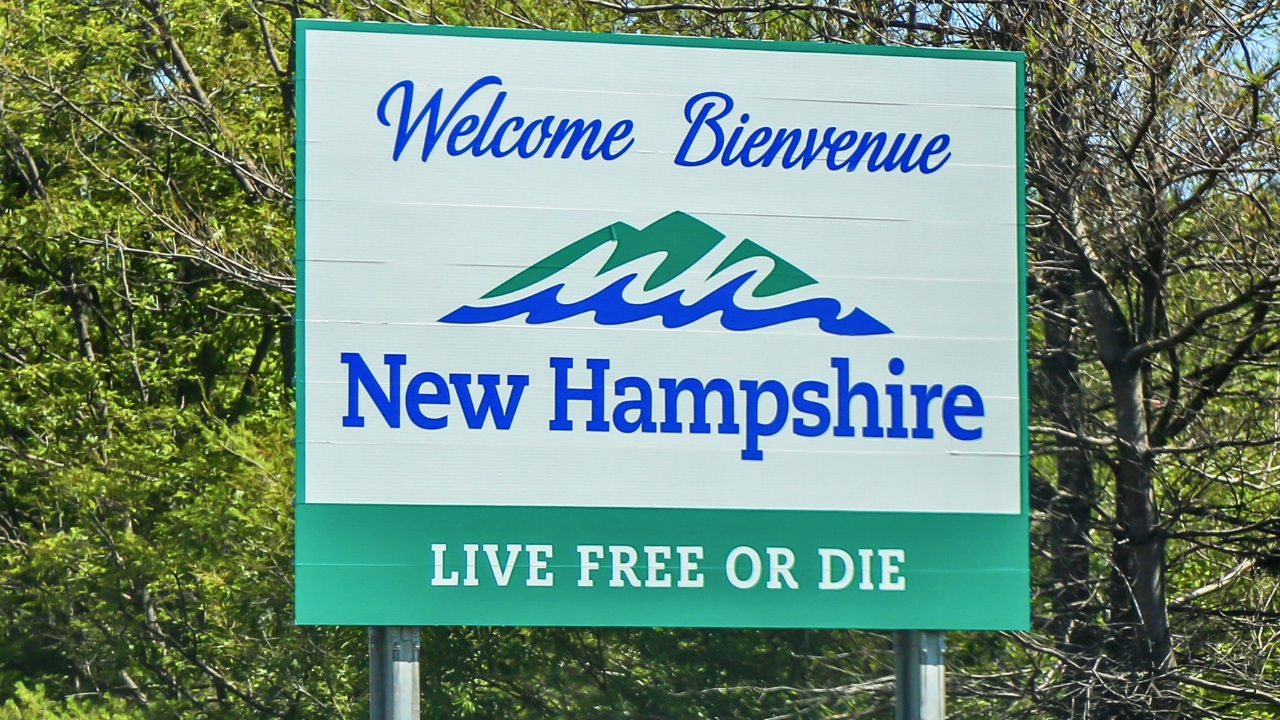
New Hampshire lands on “worst public hunting” lists because there’s relatively little public land per hunter, and a lot of what exists is patchy, rugged, or heavily pressured. Between posted timberlands, small state parcels, and a growing population using the same spaces for hiking and recreation, it’s easy to feel crowded even though you’re looking at mountains.
On the plus side, there is tradition here, and some private timber ground still allows access under posted rules. But if you’re grading on simple, abundant, DIY public opportunity, there are many states where the average guy with limited time can get more out of his tags and gas money than he’ll squeeze out of New Hampshire.
Like The Avid Outdoorsman’s content? Subscribe to our newsletter so you never miss an article.
Here’s more from us: