
Photo credit: Sapper Gentleman/YouTube
Modern carry pistols have done a lot right. They are lighter, flatter, easier to mount optics on, and usually hold more rounds than the old wheelguns people carried for decades. Still, capacity and accessory rails do not tell the whole story. A handgun also has to point naturally, fire reliably, handle real ammunition, and reward good trigger work.
That is where some old revolvers still make newer carry guns look a little less impressive. They may be heavier, slower to reload, and not as fashionable, but they were built around real-world use. A good revolver can still ride in a holster, sit in a nightstand, handle hard conditions, and teach a shooter more about clean hits than half the plastic carry guns in the case.
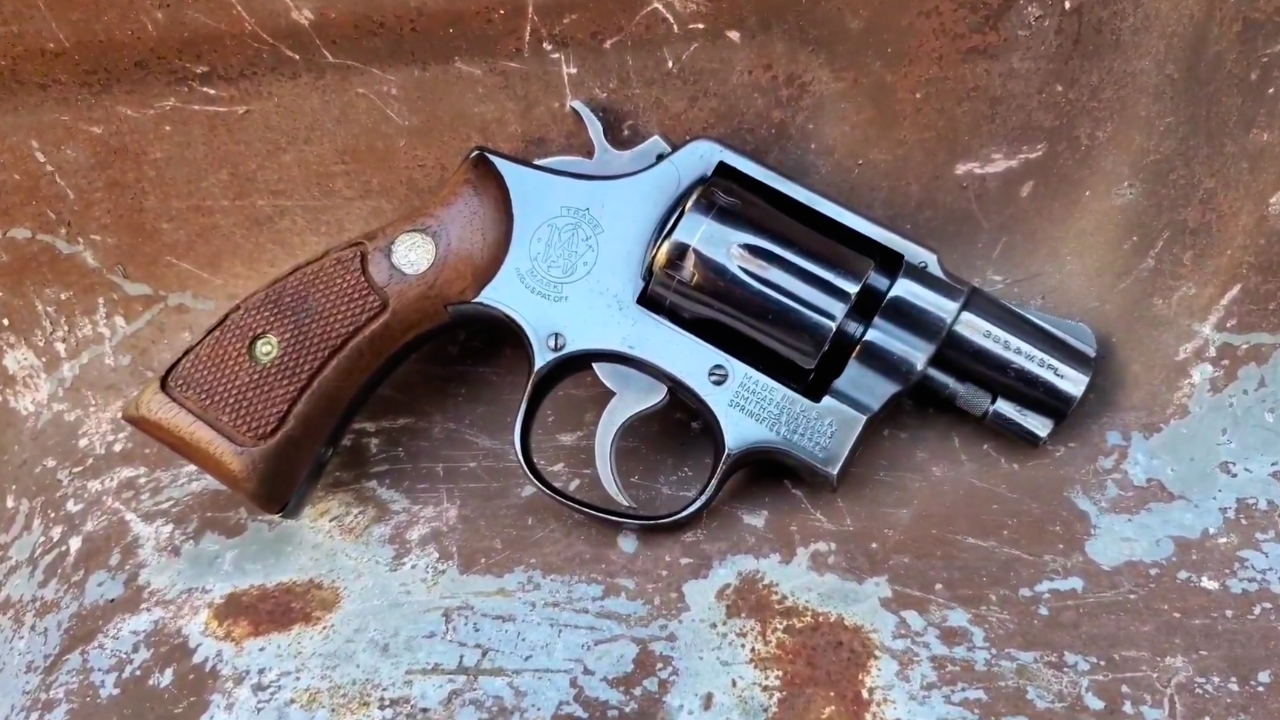
Smith & Wesson Model 36

The Smith & Wesson Model 36 is the old J-frame that still explains why small revolvers never really went away. It is not easy to shoot well, but it carries with a kind of simple confidence that many tiny semi-autos still chase.
You get five rounds of .38 Special, a real double-action trigger, and a frame size that disappears without feeling like a toy. The Model 36 punishes sloppy trigger control, but it also rewards practice fast. Plenty of newer carry guns are easier on paper. This little Chief’s Special still feels honest in the hand.
Colt Detective Special

The Colt Detective Special keeps embarrassing newer carry guns because it gives you six shots in a compact revolver package with more grip and balance than most people expect. It is small enough to carry, but it does not feel as cramped as many modern pocket pistols.
That extra round matters, but the real charm is how it handles. A good Detective Special points naturally and has an old Colt feel that modern budget carry guns cannot fake. It is not the easiest revolver to service today, so you do not abuse one blindly. Still, as a carry design, it aged better than plenty of newer ideas.
Smith & Wesson Model 60

The Smith & Wesson Model 60 took the J-frame idea and gave it stainless-steel toughness. That alone made it a favorite for people who carried in sweaty, wet, or rough conditions where blued finishes took a beating.
It is heavier than an Airweight, but that weight helps when you actually shoot it. The Model 60 gives you a little more control, especially with stronger .38 loads or .357 Magnum versions. Newer carry pistols may win on capacity, but this little stainless revolver wins points for being simple, durable, and easier to trust after years of hard carry.
Ruger SP101
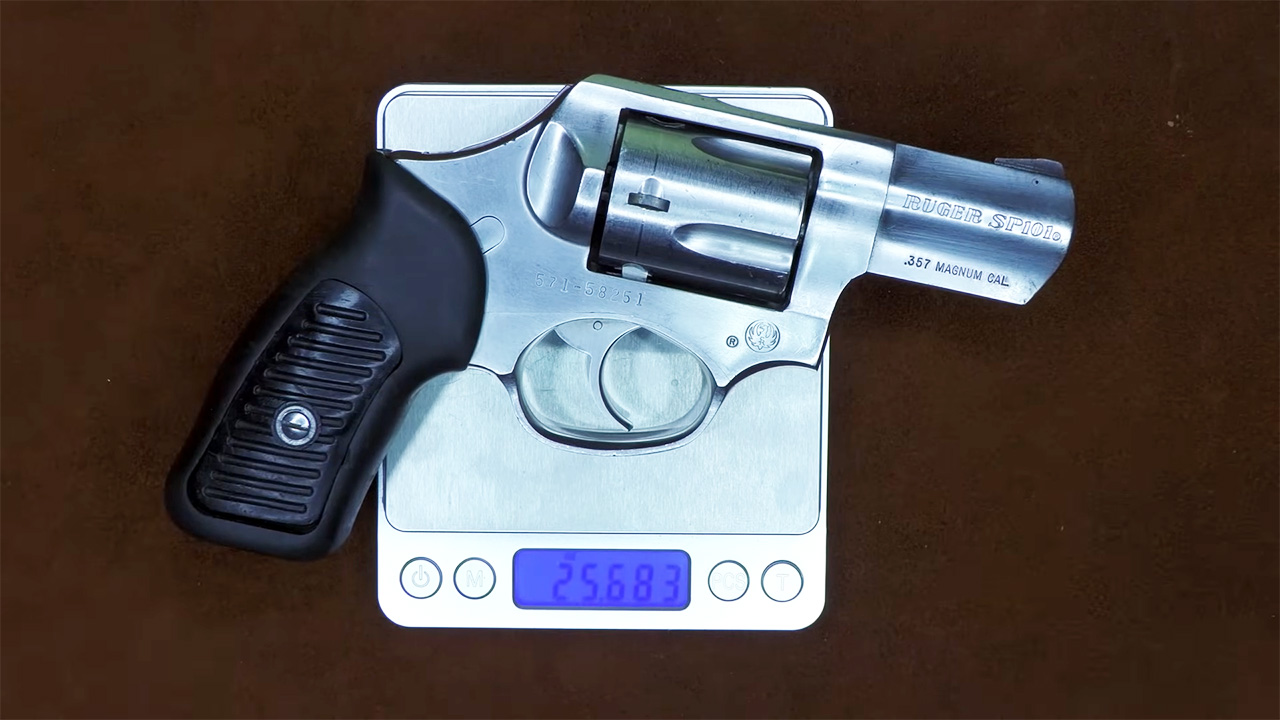
The Ruger SP101 is not a dainty carry revolver, and that is the whole point. It is heavier than many people want in a belt gun, but that weight brings strength and control that tiny polymer pistols often lack.
In .357 Magnum, the SP101 can be a handful, but it is built like it expects real use. With .38 Specials, it becomes very manageable and easy to live with. A lot of modern carry guns feel disposable after a few years. The SP101 feels like something you could drag through weather, sweat, and rough handling without wondering if it is up to it.
Smith & Wesson Model 19

The Smith & Wesson Model 19 was never a pocket gun, but as an old-school carry revolver, it still makes a strong argument. It gave shooters .357 Magnum capability in a K-frame package that carried easier than the larger N-frame magnums.
The beauty of the Model 19 is balance. It shoots .38 Specials beautifully, handles moderate magnum use, and points with the kind of natural feel many modern pistols struggle to match. You would not carry one because it is tiny. You would carry one because it is shootable, accurate, and built around making good hits instead of only saving ounces.
Colt Cobra
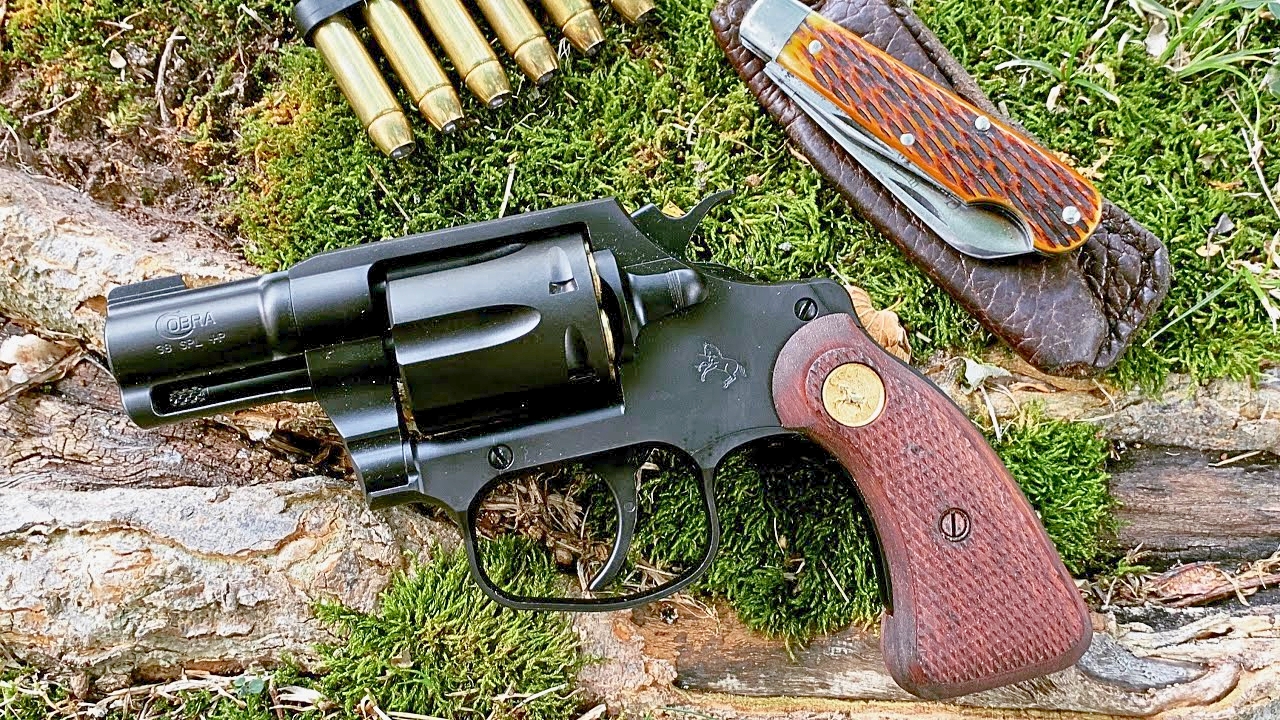
The original Colt Cobra gave carriers a lightweight six-shot revolver when many small wheelguns held only five. That alone made it stand out, but the Cobra also carried with a shape and feel that still works today.
Its aluminum frame kept weight down, while the Colt grip and cylinder size gave it real hand presence. It is not the revolver you run harsh magnum loads through, and old examples deserve some respect. But as a concealed carry gun, the Cobra still makes sense. Six shots of .38 Special in a light revolver is not suddenly useless because polymer guns got popular.
Smith & Wesson Model 10 Snubnose
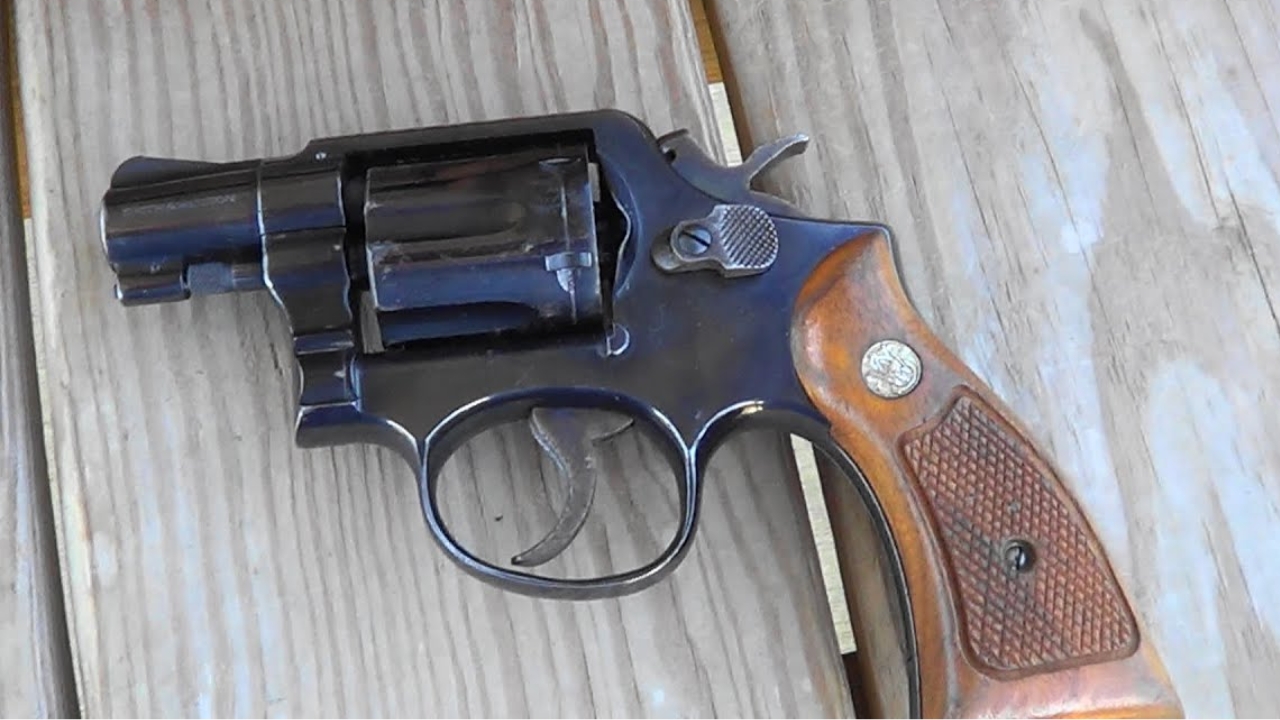
The Smith & Wesson Model 10 snubnose is plain, old, and still better than it looks. It is a K-frame .38 Special with fixed sights, a simple action, and enough weight to make shooting easier than it is with ultralight pocket guns.
That extra size makes it less convenient than a tiny micro-compact, but it also makes it more forgiving. The grip gives you room to work, the trigger teaches discipline, and standard .38 loads are easy to manage. It is the kind of revolver that reminds you carry guns should be shootable, not just small.
Ruger Speed-Six
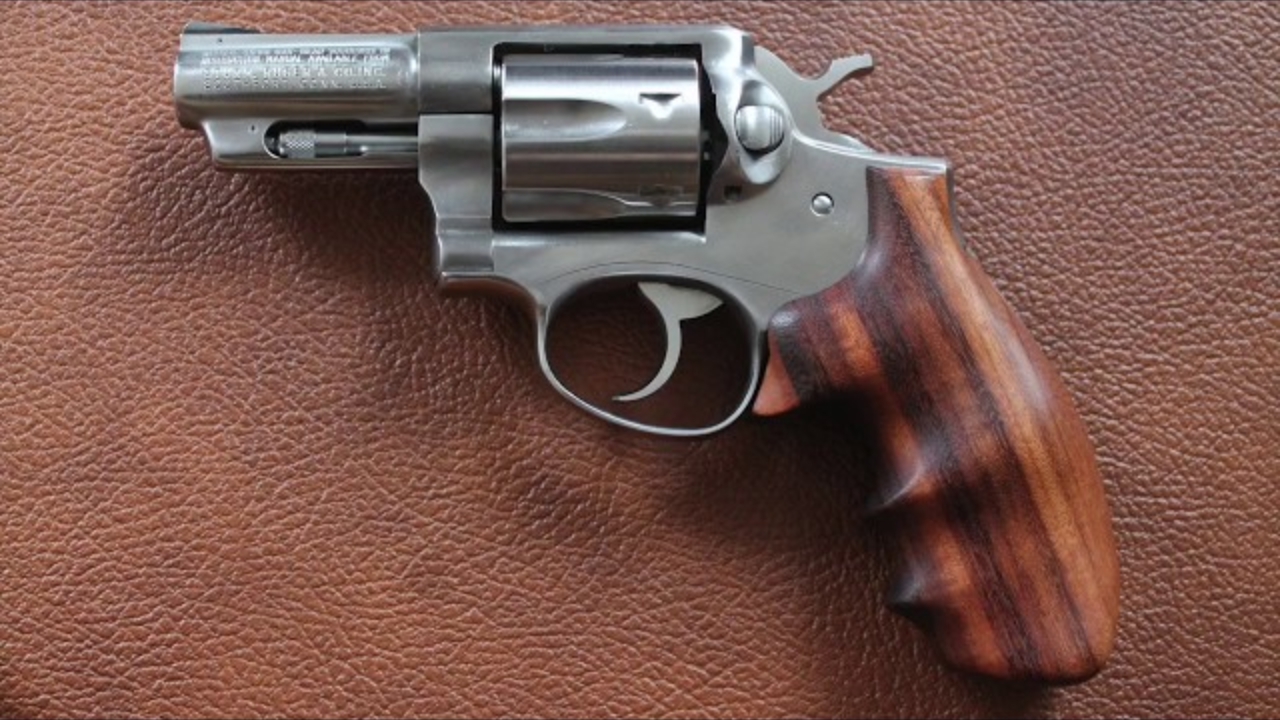
The Ruger Speed-Six never had the polish of some Smith & Wesson revolvers, but it had the toughness. It was a compact service revolver built for people who needed a handgun that could take use without needing constant babying.
As a carry revolver, it still has a lot going for it. The fixed sights are rugged, the frame is strong, and the size lands in a useful middle ground. It is not as easy to hide as a J-frame, but it shoots far better. Plenty of new carry guns feel fragile by comparison. The Speed-Six feels like it was built for work.
Smith & Wesson Model 640

The Smith & Wesson Model 640 is one of the better examples of why hammerless carry revolvers still matter. With its enclosed hammer, it draws cleanly from a pocket or coat without snagging, which is exactly what a deep-concealment revolver should do.
It is heavier than the lightweight J-frames, but that works in its favor when you fire it. The 640 feels more planted, especially with serious loads. New carry pistols may offer better capacity, but they can also be sensitive to grip, magazines, and ammunition. The 640 keeps things simple: press the trigger, get a shot.
Colt Agent

The Colt Agent was built for carry before “EDC” became a marketing term. It had the basic Detective Special layout with an alloy frame and shorter grip, making it easier to conceal while still keeping that six-shot Colt advantage.
It is not a revolver you treat like a range beater now. Older alloy-frame guns deserve careful use and sensible loads. But the carry logic still holds up. The Agent gave people more ammunition than a five-shot snub, less weight than an all-steel gun, and enough grip shape to stay usable. That is still a smart formula.
Smith & Wesson Model 15 Snubnose
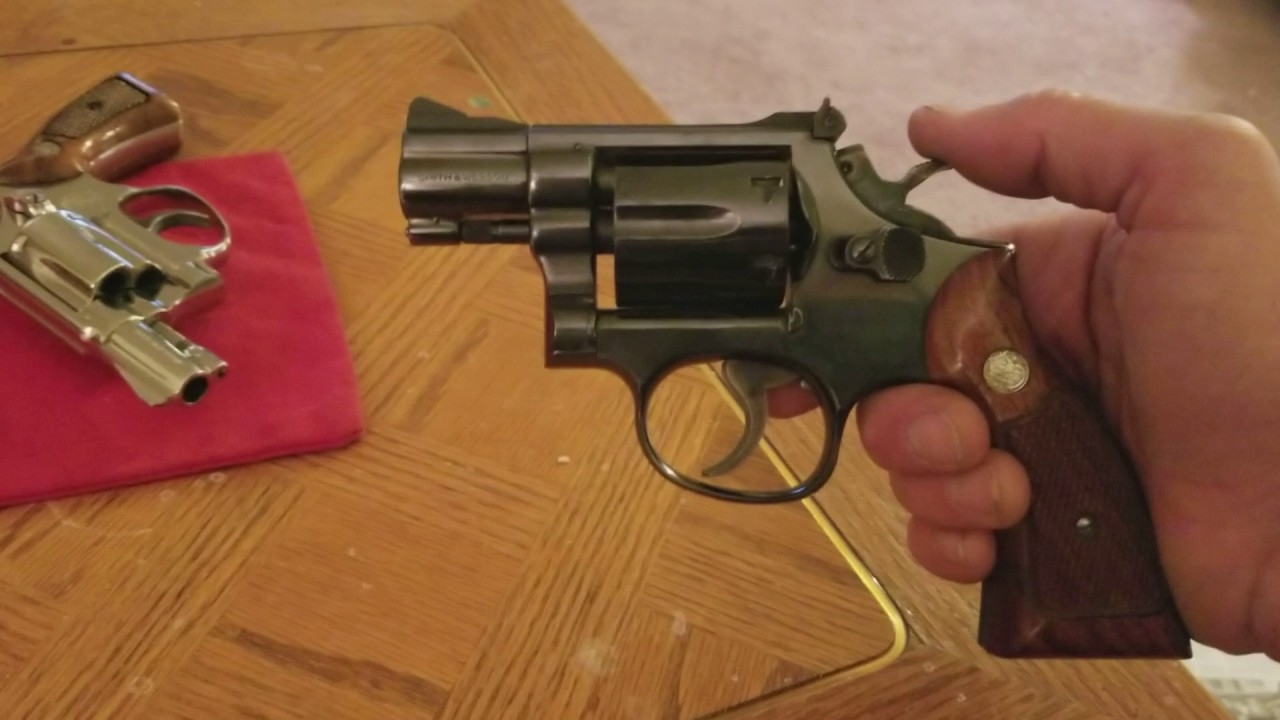
The Smith & Wesson Model 15 snubnose takes the K-frame carry idea and adds adjustable sights, which gives it more range and precision than many fixed-sight defensive revolvers. It was never meant to be the smallest handgun on the belt.
Its strength is shootability. A Model 15 snub gives you a great trigger, a real grip, and enough sight picture to make careful shots easier. Compared with some modern carry guns that feel built only for arm’s-length use, the Model 15 feels like a real shooter’s handgun. It may be old, but it does not feel crude.
Ruger LCR
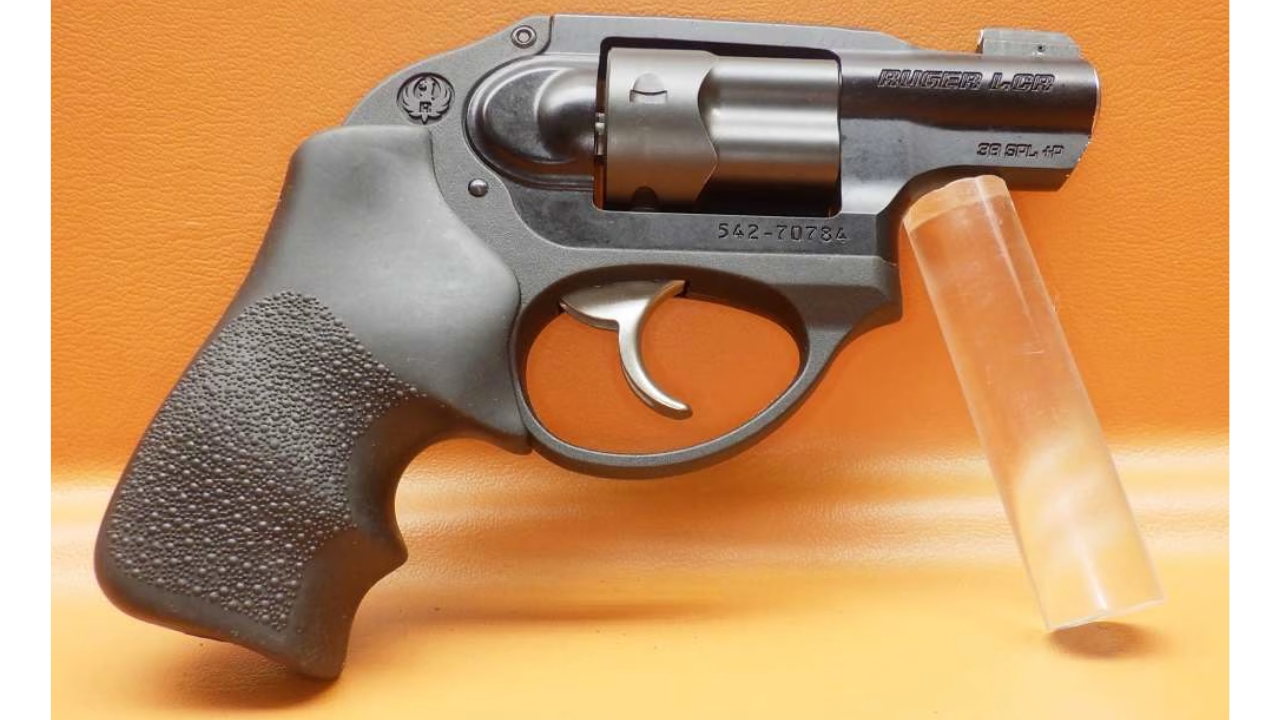
The Ruger LCR is newer than most revolvers here, but it belongs because it proves the old carry-revolver idea still works when done right. It is light, snag-resistant, and has one of the better factory double-action triggers in the small revolver world.
What embarrasses some modern carry pistols is how simple the LCR is to live with. No magazine concerns, no slide to short-stroke, and no tiny controls to fight under stress. It still takes skill, because lightweight snubs are not forgiving. But for pocket or backup carry, the LCR shows why revolvers never fully left the conversation.
Smith & Wesson Model 13
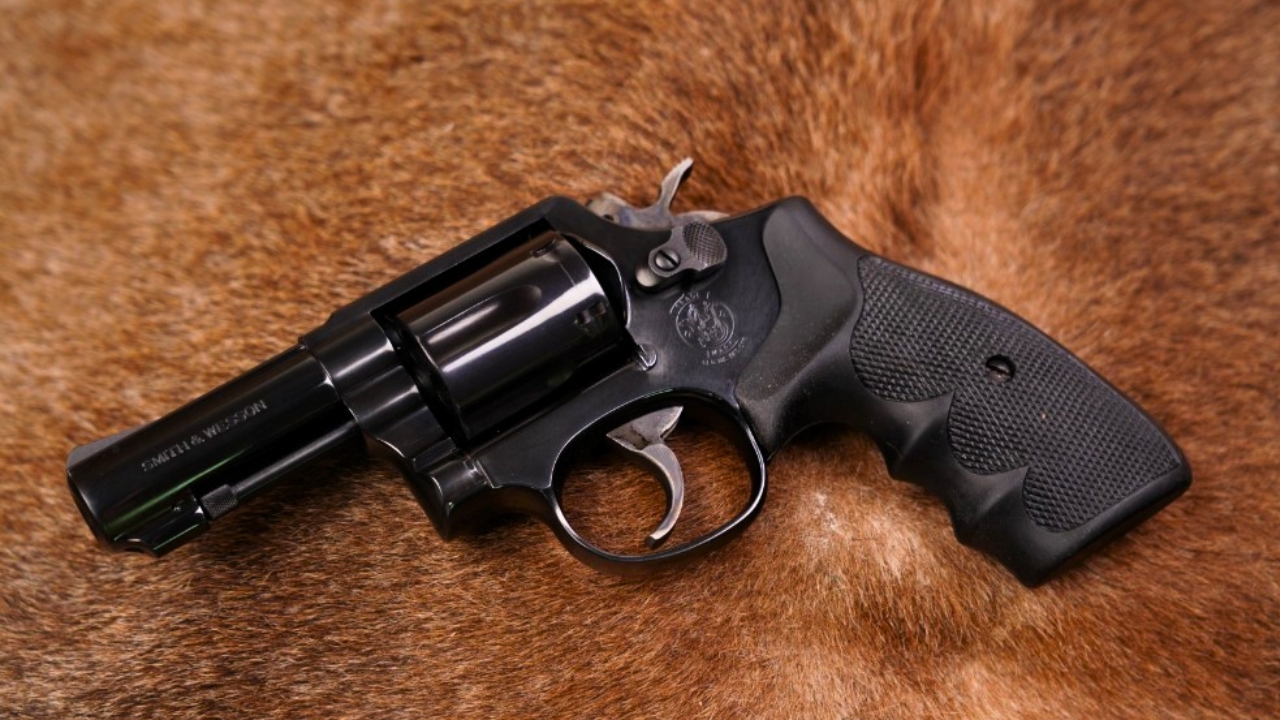
The Smith & Wesson Model 13 is the kind of revolver that makes modern carry guns look a little flimsy. It was a fixed-sight K-frame .357 Magnum built for hard use, and it carried that serious service-gun attitude without extra decoration.
It is bigger and heavier than what most people carry today, but that is also why it shoots so well. With .38 Specials, it is mild and accurate. With .357s, it has real authority if you can manage it. The Model 13 is not for pocket carry. It is for people who want a compact fighting revolver that feels like steel and purpose.
Colt Lawman Mk III
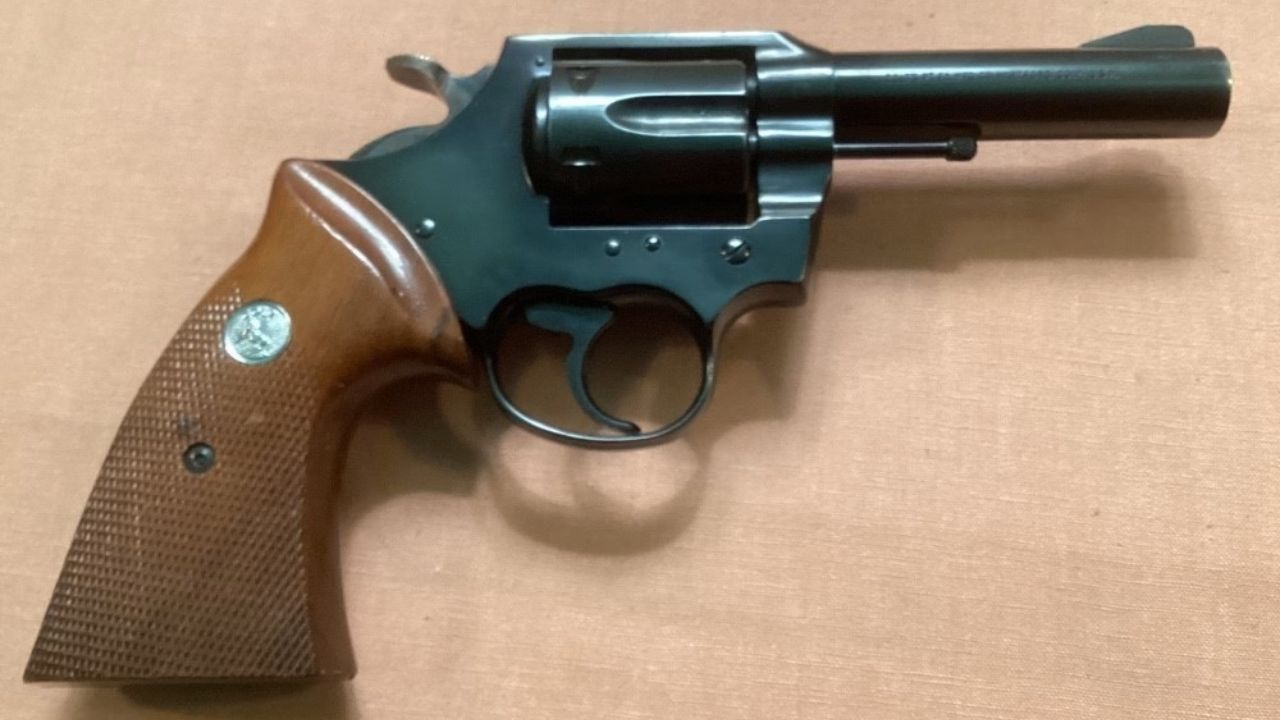
The Colt Lawman Mk III does not get talked about like the Python, but it was a serious revolver in its own right. It gave shooters a sturdy .357 Magnum with fixed sights and a more practical personality than Colt’s prettier showpieces.
As a carry or field revolver, the Lawman still makes sense for people who value strength and simplicity. It is not small by modern standards, but it handles real loads and shoots with confidence. A lot of today’s carry guns are easier to hide and easier to reload. The Lawman answers with durability, power, and a trigger system that rewards someone who actually practices.
Smith & Wesson Model 649

The Smith & Wesson Model 649 gives you the shrouded-hammer Bodyguard setup, which sits between exposed-hammer and fully enclosed-hammer designs. You can still cock it if you need a precise single-action shot, but the hammer is protected enough for smoother carry.
That combination still has appeal. The 649 carries well, handles pocket or belt use, and gives you a little more flexibility than a fully enclosed-hammer snub. It is not as light as some newer carry options, and five shots are still five shots. But when it comes to practical carry revolvers, the 649 keeps proving that smart old designs do not age out just because the market gets louder.
Like The Avid Outdoorsman’s content? Be sure to follow us.
Here’s more from us:


