Photo credit: travelarium.ph/Shutterstock.com
“Most dangerous” gets thrown around a lot, usually by people who only see a headline or one bad video. The truth is, any large dog with power, drive, and no structure can hurt somebody. These breeds make this list not because every dog is a problem, but because of a mix of size, bite strength, how they’ve been used, and how often they show up in serious-bite reports. None of this replaces training, socialization, and responsible ownership. It just explains why these names keep showing up when lawyers, insurers, and animal-control officers start comparing notes.
1. Pit bull–type dogs
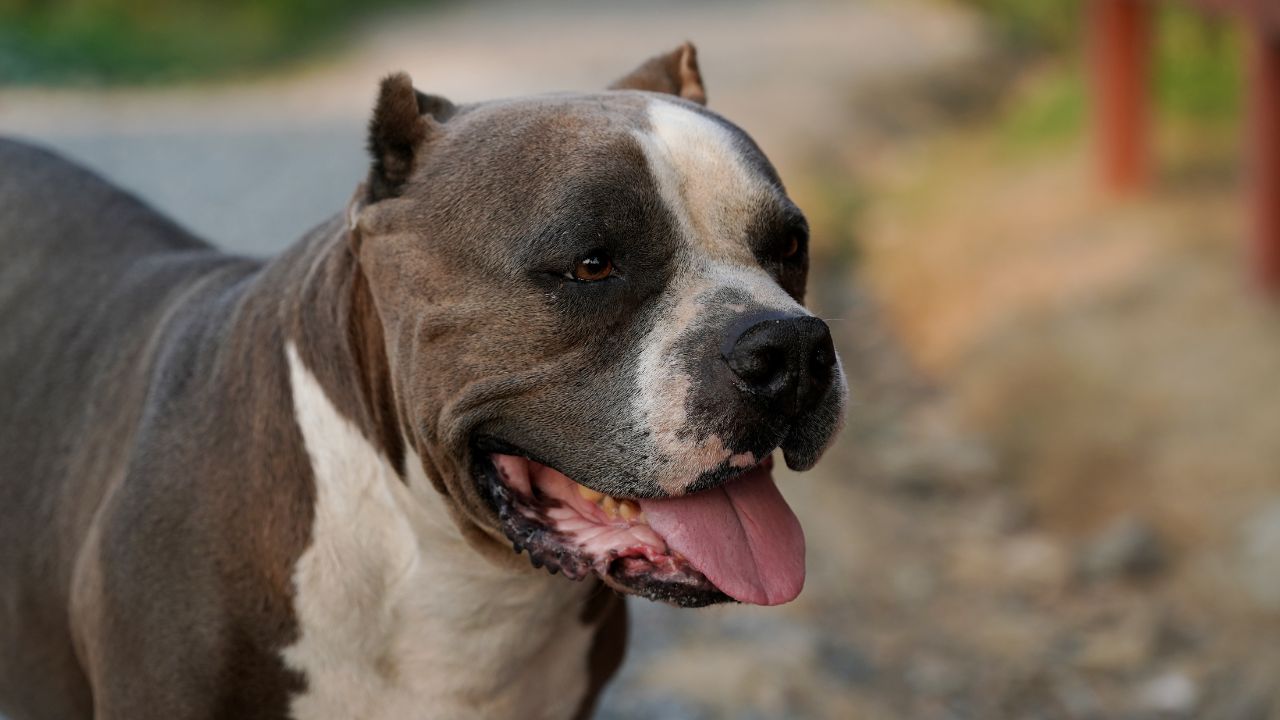
“Pit bull” isn’t one clean breed; it’s a loose bucket that can include American Pit Bull Terriers, American Staffordshire Terriers, mixes, and anything block-headed enough for someone to slap the label on. That’s part of the problem—every serious bite from a muscled, short-haired dog gets pinned on them. They were originally bred for strength and tenacity, which is why they can also be fantastic working and sport dogs in the right hands. The “most dangerous” label comes from two things: how much damage they can do if things go wrong, and how often they end up with owners who don’t respect that power or actively turn it toward trouble.
2. Rottweiler
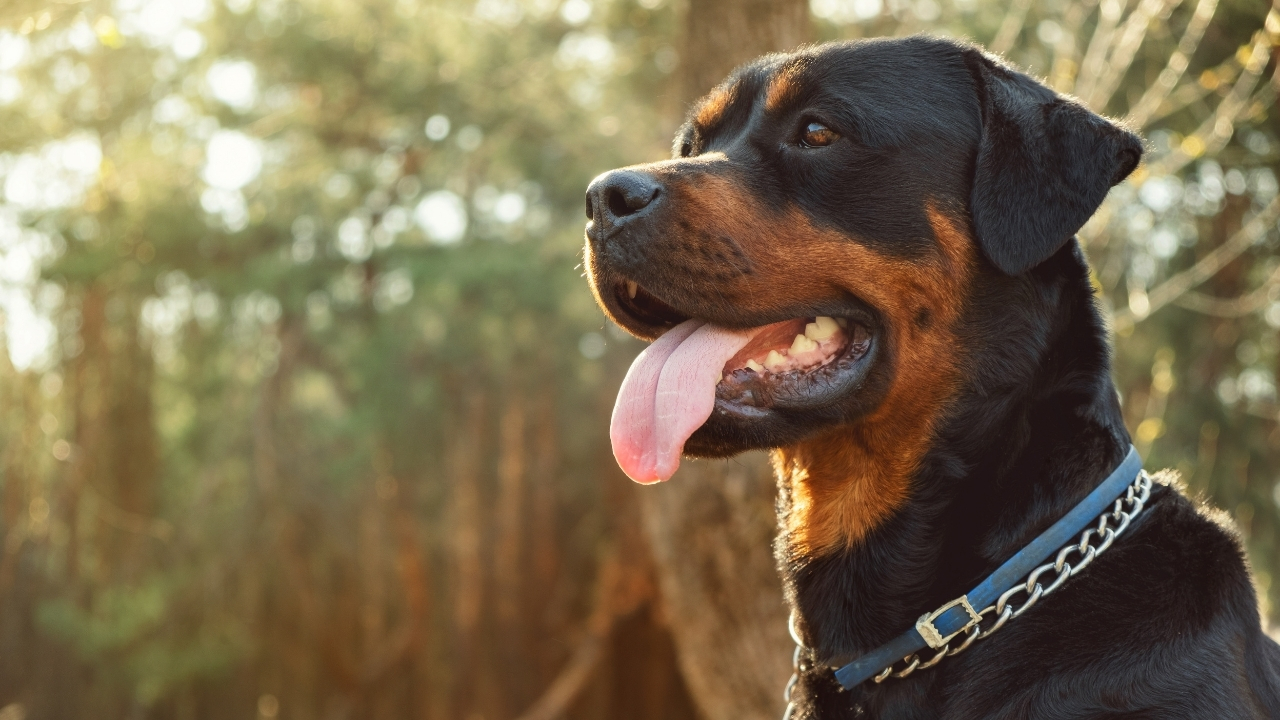
Rottweilers were built to move cattle and guard property, and they still carry that mix of muscle and territorial instinct. A stable, well-bred Rottweiler that’s trained and given structure is a confident, steady dog. The issues start when people treat them like oversized lapdogs and skip the groundwork. They’re strong enough to knock someone down without trying and serious enough that a defensive bite doesn’t stay “minor” for long. When things go sideways—a kid grabbing food, a stranger pushing through a gate, a dog fight that escalates—police and ER staff remember the Rottweilers because the injuries are big, not because the breed is automatically unhinged.
3. German Shepherd

German Shepherds are one of the most common working dogs on the planet for a reason: they’re smart, driven, and willing to engage when asked. The same traits that make them excellent police and military dogs can make them a handful in a pet home that doesn’t give them a job. A bored, under-socialized shepherd is quick to fixate and can tip into overprotective behavior around strangers, kids, or other dogs. When they bite, they tend to bite with intent, not just a warning nip. So they show up in “dangerous breed” discussions simply because they’re everywhere, and the bad ones hit harder than your average backyard mutt.
4. Doberman Pinscher

Dobermans were literally designed to protect a person who carried money, which is why they sit so close to their people and pay attention to everything in the room. That intense, one-person focus can be an asset in the right hands and a liability in the wrong ones. Poorly socialized Dobermans can see anyone outside the family as a threat, and their speed means they close distance fast once a decision is made. They’re not the crazed killers old movies made them look like, but they are serious dogs with a breed history built around guarding. Folks who grab them “because they look cool” are asking for trouble.
5. Cane Corso

Cane Corsos are big, imposing mastiff-type guardians bred to watch property and livestock. They’re not supposed to be friendly with everyone, and that’s exactly why some people buy them. A well-bred Corso with a capable owner can be level-headed and impressive. An under-bred, under-trained Corso in a crowded neighborhood is a headline waiting to happen. Their size means they can physically stop an adult, and their suspicion of strangers can turn into real aggression when nobody is steering the ship. This breed lands on “most dangerous” lists because when something goes wrong, it isn’t a warning bite—it’s a full-on reaction most people can’t physically control.
6. Presa Canario

Presa Canarios were developed as catch dogs for livestock and property guardians, which means they’re comfortable putting teeth into something and hanging on. That’s useful when you’re dealing with bulls or feral hogs; it’s a disaster when the target is a person. They’re not common compared to shepherds or pits, but when they do pop up in attack reports, the injuries are usually severe. Strong prey drive, territorial instincts, and serious power in the front end add up to a dog that absolutely cannot coast through life without structure. The “dangerous” reputation comes less from numbers and more from how bad it gets when one goes off the rails.
7. Akita

Akitas were bred in Japan as large-game hunting dogs and guardians. They tend to be independent, aloof with strangers, and not particularly interested in pleasing every random person who walks up. That doesn’t mean they’re monsters; it means they need owners who understand “I don’t care about this stranger” is baked in from the start. Dog aggression can also be an issue. When an Akita decides to enforce a boundary—over food, space, or its person—it does so with a lot of mass and a full mouth of teeth. They show up on “dangerous breed” lists because casual owners underestimate how little wiggle room they have for lazy training.
8. Chow Chow
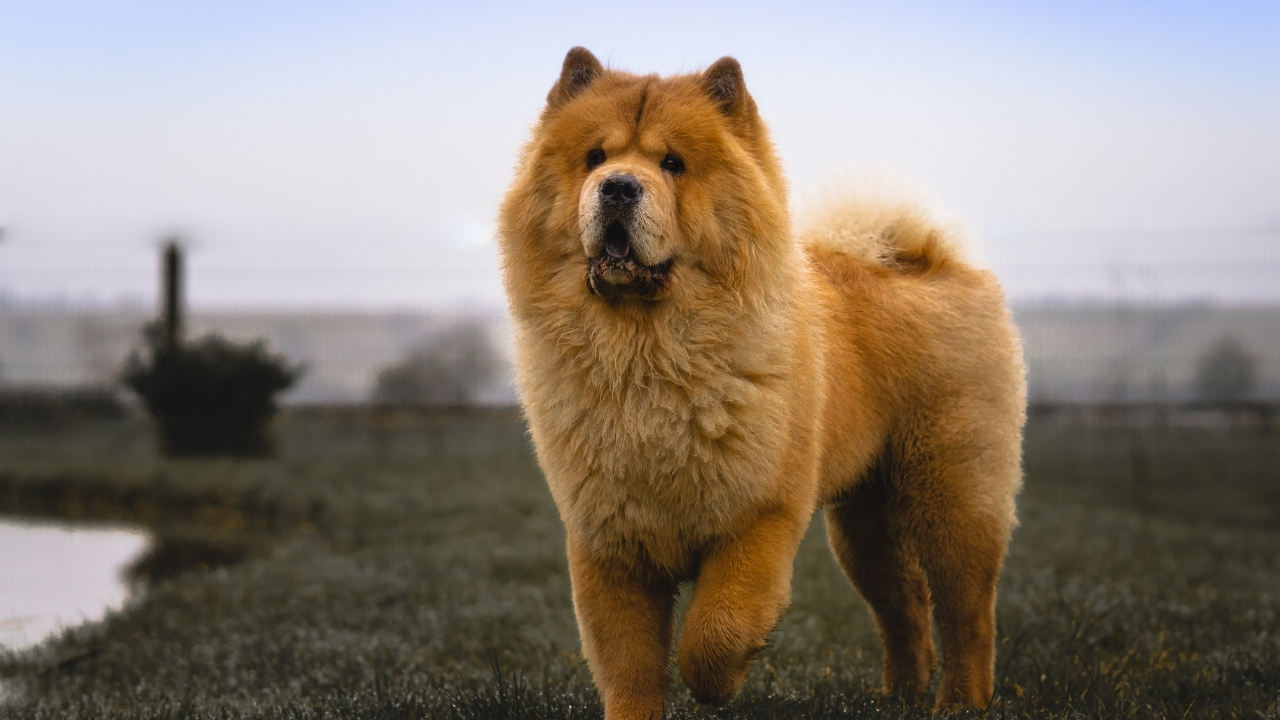
Chow Chows look like walking stuffed animals, which is half the problem. They’re actually ancient guardians with a streak of suspicion and some real backbone. Many of them don’t love being fussed over by strangers, and they can be prickly around kids who don’t read dog signals well. They’re not usually out looking for fights, but they also aren’t the type to roll over and accept rough handling. Grooming struggles, vet visits, and boundary-pushing guests can turn into bite situations when owners haven’t set rules early. The “dangerous” label mostly comes from people expecting a teddy bear temperament in a dog that was bred to watch gates and yards.
9. Bullmastiff

Bullmastiffs were designed to tackle and hold poachers, not nibble gently at ankles. They’re massive, strong, and naturally inclined to block and push when something doesn’t look right. Most have a calm, steady demeanor until they decide a line has been crossed, and then their response is physical by default. A poorly trained Bullmastiff doesn’t have to be truly aggressive to be dangerous; a playful body slam or “light” bite from a 130-pound dog can put someone on the ground fast. They end up on scary lists because of what they’re capable of from a standing start, not because every one is a ticking time bomb.
10. American Bulldog

American Bulldogs are another powerful working type originally built for farm work and catching livestock. They’re athletic, stubborn, and strong enough to drag an adult wherever they decide to go. A well-structured American Bulldog with good socialization can be a fantastic partner in rural life. But when people keep them in small spaces, skip obedience, and let them rehearse pushy behavior, they build a dog that assumes it can muscle through every situation. When that runs into a visiting kid, a delivery driver, or another dog, the outcome often lands in bite reports. The “dangerous” reputation is less about the breed and more about how often that story repeats.
11. Belgian Malinois

Belgian Malinois are the high-strung athletes of the working-dog world. They’re fast, smart, and built to go from zero to full engagement in a second, which is why special units love them. That same intensity turns into a big problem in a normal house. A bored Malinois will bite, herd, and grab anything that moves, especially kids and other pets. They’re not mean by default; they’re wired to use their mouths as tools. Put that into an apartment with no outlet and you’ve created your own problem. When they do bite in defense or over arousal, they bite hard and commit, which is why trainers warn they’re not a “starter” dog.
12. Siberian Husky

Huskies don’t usually make people’s mental list of “scary” dogs, but they show up in serious-bite stats more than you’d think for one reason: they’re fast, independent, and often under-controlled. A lot of bites involve kids, rough play, or resource guarding in homes that treated the dog like a cartoon sled dog instead of a working-bred animal. They’re not typically human-aggressive in the same way as some guarding breeds, but when they do snap, it’s with sharp, quick bites that can do real damage to faces and hands. The “dangerous” label here is more about mismatch—high-drive dog, low-structure home—than any built-in desire to attack people.
13. Alaskan Malamute

Alaskan Malamutes are big, powerful northern dogs bred to pull loads and survive rough conditions. Like Huskies, they’re often picked for looks and then dropped into suburban settings with little training. Malamutes can be pushy, stubborn, and strong-willed, especially with same-sex dogs. They’re not guard dogs by design, but they are fully capable of defending themselves or resources when they feel pressured. Because they’re large and heavily built, even a brief defensive bite can lead to stitches. They wind up on “most dangerous” lists not because there are millions of attacks, but because the gap between “goofy sled dog” and “serious problem” is smaller than casual owners expect.
14. Boxer

Boxers are usually goofballs, but they’re also strong, energetic dogs that tend to meet the world chest-first. That play style can turn into body slams, paw swats, and mouthy behavior if nobody channels it. Some lines carry more guarding instinct than people realize, and a Boxer that decides it needs to step in between its person and a stranger can do so with a lot of force. Most bites from Boxers happen in overstimulated situations—kids running, guests crowding, rough play that tipped too far. They land on lists mainly because of size and enthusiasm; when they make a mistake, it tends to leave marks.
15. American Staffordshire Terrier

American Staffordshire Terriers sit in that pit bull–type zone, but as a recognized breed they often have more predictable structure and temperament when bred responsibly. Still, they’re powerful, determined terriers with a strong grip and a lot of drive. Dog aggression can be an issue in some lines, and they’re often kept by people who like the tough image more than they respect the responsibility. When one of these dogs ends up in a poorly fenced yard, chained in a corner, or trained harshly, you get the kind of attack that fuels bans and insurance exclusions. In the hands of someone who actually trains, they’re different dogs entirely—but headlines rarely show that side.
Like The Avid Outdoorsman’s content? Subscribe to our newsletter so you never miss an article.
Here’s more from us: