Photo credit: Happy Lenses/Shutterstock.com
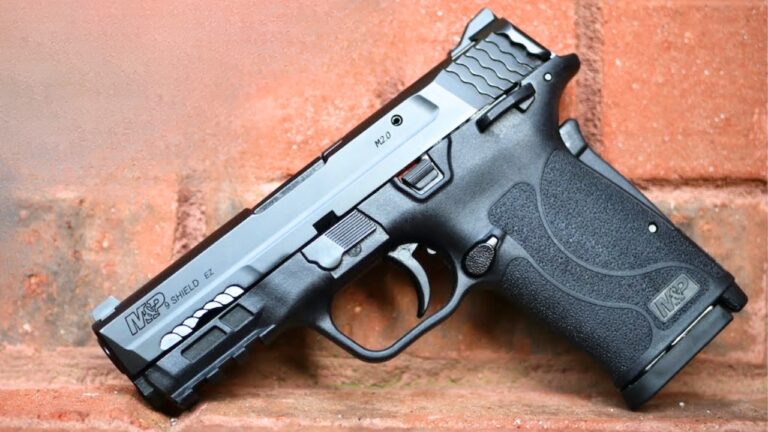
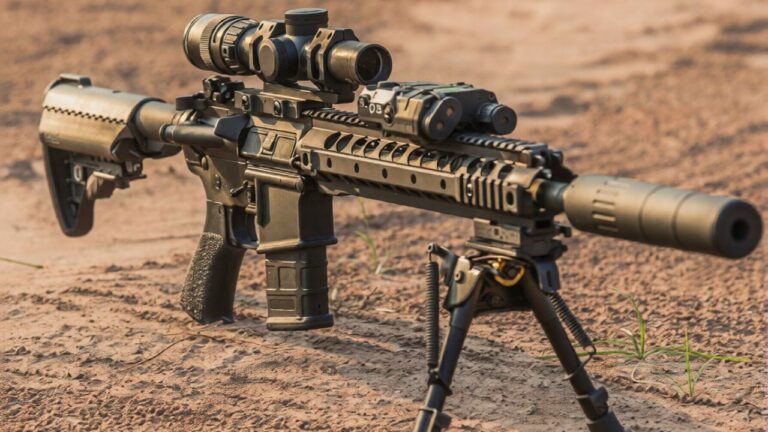
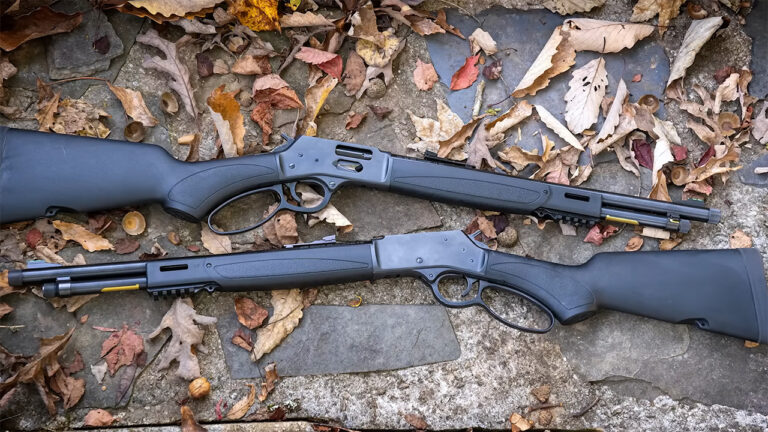
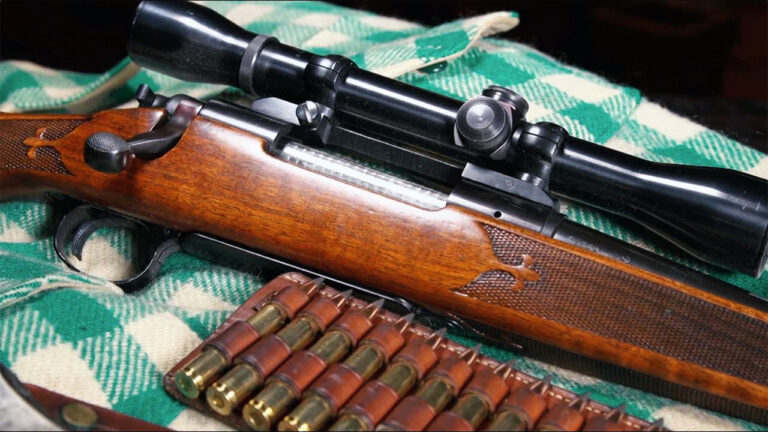
A pistol with a good reputation doesn’t magically stay that way forever. Most of the time when a “bombproof” handgun starts choking, it’s not because the brand suddenly forgot how to make guns—it’s because something in the setup, maintenance, or ammo chain changed and no one noticed. Guys blame the model, blame the manufacturer, or swear their sample “turned bad,” but if you slow down and walk through the usual suspects, you almost always find something simple: dry, filthy internals, beat-up mags, parts swaps that never got tested, or ammo that doesn’t match how the gun was built to run. The upside is that a lot of this is fixable at the kitchen table if you’re honest about what you’ve actually been doing to that pistol between range trips.
Neglected cleaning, dry rails, and grit in all the wrong places
Modern pistols will run dirty for a long time, but there’s a difference between “hasn’t been wiped down in a while” and “has several shooting seasons worth of carbon and pocket trash in the slide.” Once crud packs into the extractor claw, firing pin channel, and slide rails, you start seeing sluggish cycling, failures to go fully into battery, and random light strikes that feel like they came out of nowhere. Add in zero lube on high-friction spots and a gun that used to run anything suddenly feels ammo picky. The simple fix is the one most people avoid: field strip it, actually scrub the bearing surfaces and breech face, flush out the firing pin channel with a non-gumming cleaner, and put a very light film of oil where the slide and frame ride. A pistol doesn’t need to be dripping, but it does need more than wishful thinking.
Magazines: the weak link that causes most “gun” problems
If you only remember one thing about semi-auto reliability, make it this: the magazine is usually the problem. Bent feed lips, tired springs, cracked followers, and debris in the tube all show up as nosedives, bolt-over-base malfunctions, and random failures to feed that get blamed on the gun. A pistol that runs flawless on one mag and chokes every other round on another is telling you exactly where the issue lives. People drop mags in gravel, step on them in classes, leave them loaded for years with cheap springs, and then act surprised when everything goes sideways. The fix is boring but effective: number your mags, track which ones cause issues, replace springs or followers as wear shows up, and throw away the ones that keep giving you the same problem instead of letting them ride forever because they were expensive.
Ammo that doesn’t match the gun—or the shooter behind it
A lot of “reliability” complaints trace back to ammo the gun was never really happy with in the first place. Lightweight reduced-recoil loads in a stiff recoil-spring setup, weak range reloads, out-of-spec 9mm in a tight chamber, or hollowpoints with big, blunt noses that hang on feed ramps all create the same symptoms: short stroking, failures to feed, and inconsistent lockback. Add in a new shooter who’s barely holding the gun together and you get limp-wristing on top of marginal ammo, which makes even a good pistol look terrible. The way to untangle it is simple: test with known high-quality factory ammo first, lock your grip down, and see if the gun cleans up. If it runs fine on that but chokes on your bargain-bin reloads, the pistol isn’t unreliable; the fuel is.
Parts swaps, “upgrades,” and springs that throw the timing off
Plenty of reliable pistols get turned into problem children at the kitchen table with a punch and a few “upgrades.” Dropping in a lighter recoil spring, “match” striker, or bargain trigger kit without understanding how those parts affect timing is a good way to create failures you can’t diagnose later. The gun was built and tested around a specific spring weight and geometry; change those and you can get slides cycling too fast, strikers dragging, safeties half-working, and reset that doesn’t match the sear. The right way to approach mods is to change one thing at a time, test it hard, and keep your stock parts in a bag so you can roll back if reliability slips. If your pistol ran 100% before the parts binge and now it doesn’t, the odds that the gun “wore out” overnight are pretty low.
Shooter-induced issues and expectations that don’t match reality
The last category is the one nobody likes to admit: some “gun problems” are shooter problems or unrealistic expectations. Riding the slide stop with your thumb, breaking wrists on recoil, limp-wristing micro-compacts that are already on the edge, or failing to seat magazines fully under stress all show up as malfunctions that get blamed on the pistol. On top of that, people expect a tiny carry gun to handle filthy pockets, weak ammo, and a loose grip the same way a full-size duty pistol does. It won’t. The fix here is to be honest about how you actually hold and run the gun, run some slow-fire diagnostics with an experienced buddy watching your hands, and accept that smaller pistols demand tighter fundamentals. A “reliable” pistol can absolutely choke if you set it up wrong, feed it junk, and manhandle the controls—but that’s on the system, not the logo on the slide.
Like The Avid Outdoorsman’s content? Subscribe to our newsletter so you never miss an article.
Here’s more from us: