Photo credit: Wirestock Creators/Shutterstock.com
Bears sit high on the food chain, but they aren’t invincible. Size, weapons, numbers, and attitude all change how a showdown plays out. Some animals escape by being faster. Others bunch up, circle the wagons, or hit back hard enough that a bear decides the meal isn’t worth the risk. The point here isn’t fantasy cage matches. It’s a look at animals that have the physical tools and mindset to make a bear think twice, backed by real encounters, field reports, and what biologists see on carcasses and camera traps after the dust settles.
1. Moose

A full-grown moose is one of the few animals in bear country that can stare a big bruin in the face and not blink. Bulls can top 1,000 pounds with long legs, heavy shoulders, and a reputation for temper. Cows with calves are even more dangerous because they don’t bluff much. Bears do kill moose, especially calves, but you also see cases where a stomped, gored, or kicked bear walks—or limps—away from a bad choice. In thick willow or spruce, a moose that spins and drives those hooves can turn a predatory approach into a painful, maybe fatal, lesson.
2. American bison

On North American plains where grizzlies and bison overlap, the risk-reward math is rough for the bear. Adult bulls can run well over 1,500 pounds and hit like a truck with horns. Bears scavenge bison or pick off calves and weak animals, but going nose-to-nose with a healthy adult is a tall order. There are documented cases of bison flipping or goring grizzlies that pushed too hard. A bear might test the herd’s edge, but when a line of bison decides to move forward together, the smart move is backing off. Toughness here comes from mass, numbers, and the herd’s willingness to charge.
3. Musk ox
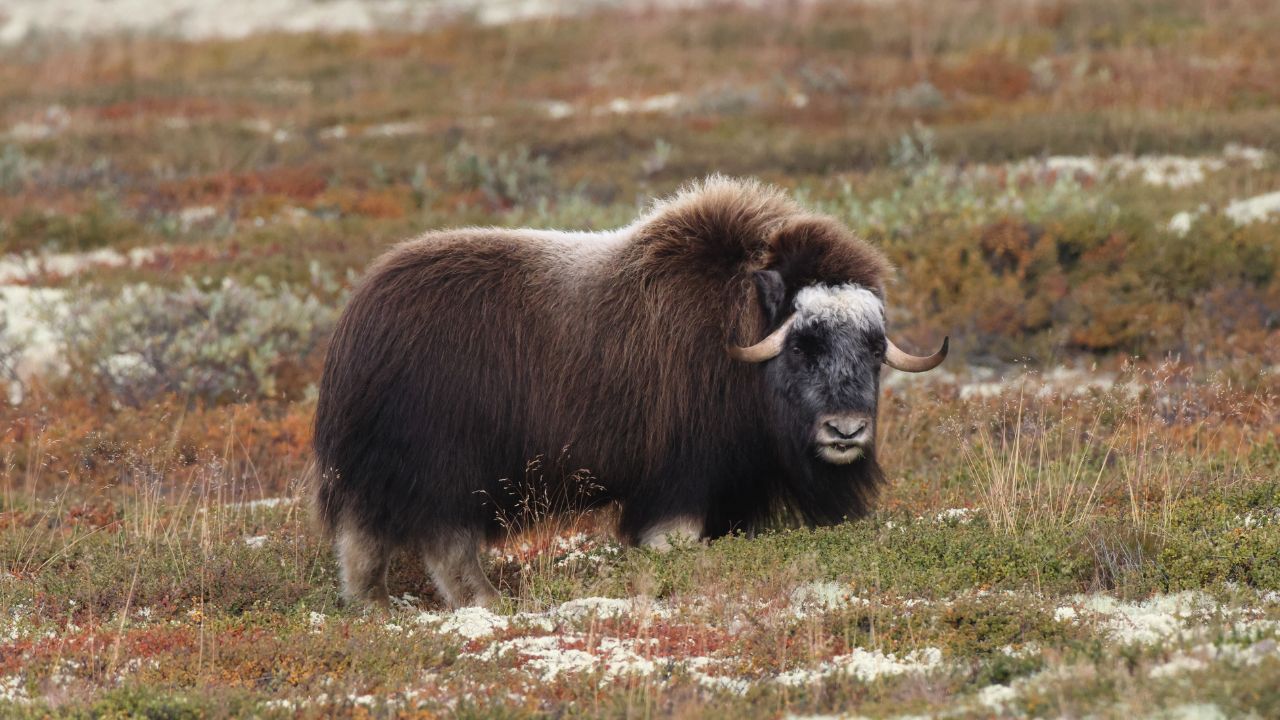
Musk ox might look shaggy and slow until something threatens their calves. Then they lock into a classic circle defense, horns out, with the little ones in the middle. Arctic bears will take calves and stragglers, but a tight, disciplined ring of adults is no easy nut to crack. Each animal packs a heavy skull and thick horn bases built for head-on collisions. A bear that rushes the wrong gap can catch a full-speed hit to the ribs or face. In open tundra, musk ox don’t always win, but they’re one of the few prey species that reliably meet a bear head-on instead of pure flight.
4. Caribou and reindeer

Caribou and reindeer don’t usually stand and trade blows with bears, but a big bull isn’t helpless. Antlers give them reach and stabbing power, and hooves can do real damage when they kick. Bears target calves and weak animals for a reason—they’re easier and safer. Field reports from the North include stories of caribou tangling with predators hard enough to leave deep slashes and broken bones behind. When a bull spins with its head low and antlers forward, a charging bear has to pick its angle carefully or risk eating tines instead of dinner. Most of the defense here comes from timing, speed, and a well-placed counter.
5. Elk (wapiti)

Elk sit in that middle tier where bears absolutely can kill them—but they can hurt bears, too. Big bulls carry heavy antlers and enough mass to drive a full-on charge through small trees. Grizzlies in the Rockies and Yellowstone do fine on calves and cows during calving season, yet you also see scarred bears that clearly got hooked at some point. On a tight ridge or in dark timber, a bull that spins and rushes can catch a bear with tines or hooves at close range. Bears prefer surprise and angles that limit that counterattack; when they misjudge it, elk aren’t shy about fighting back.
6. Wild boar and feral hogs

Wild boar and feral hogs are walking bundles of muscle, low center of gravity, and cutters built to slice. In Eurasia, brown bears and boar share ground; in North America, black bears bump into feral hogs more and more. Most of the time, bears pick off shoats and smaller pigs. But a big, tusky boar in thick brush can be a rough opponent. A charge from a hog isn’t pretty—just head, teeth, and shoulder power crashing straight through. A bear that underestimates that can take deep gashes to legs and belly, turning a quick meal into a fight it might walk away from bleeding.
7. Wolverines

Wolverines are pound-for-pound trouble. They’re nowhere near a bear’s size, but they bring claws, jaws, and a raw refusal to back off from carcasses. Field biologists and northern hunters both tell stories of wolverines squaring up to grizzlies over kills, forcing bears to work for every bite or give up entirely. Wolverines use speed, vicious targeting, and a willingness to latch on where it hurts to even the odds. They’re not “beating” healthy adult bears in a straight fight, but they are tough enough to make a big predator think twice about whether that old moose carcass is worth the hassle.
8. Wolf packs

A single wolf doesn’t want anything to do with a full-grown grizzly or big black bear. A pack is a different story. In both North America and Eurasia, wolves and bears interact around carcasses, kills, and den sites. Packs harass, circle, and test bears from multiple angles, nipping and darting until the bear decides to leave or catches one. Most of the time, wolves aim to drive the bear off food or away from pups, not kill it outright. But in numbers, they clearly have the confidence to stand their ground. A lone wolf loses the matchup; a coordinated pack can win the territory argument.
9. Siberian (Amur) tigers

In parts of Russia and Asia where brown bears and Siberian tigers share ground, you have documented cases of tigers killing bears—and bears killing tigers. These big cats bring speed, stealth, and a precision attack to the fight, going for the spine, neck, or throat. A healthy adult brown bear is a serious opponent, but tigers have been found feeding on bear carcasses they clearly killed. That doesn’t make tigers “bear-proof,” but it does put them in the tiny club of predators that can realistically take a bear down or at least stand toe-to-toe when cornered. For a bear, picking a fight with a prime tiger is a real gamble.
10. Other bears

Sometimes the only thing that truly scares a bear is another bear. Fights between brown bears, or between brown and polar bears, can be brutal—biting, wrestling, and slamming each other with full body weight. Territorial disputes, access to mates, and competition over carcasses all spark these clashes. A larger male can kill a smaller bear, but plenty of adults survive with busted teeth, scars, and torn ears that tell the story. There’s no backing off on species alone here; it comes down to size, age, and attitude. When both animals are built the same way, toughness is a straight comparison.
11. Dholes

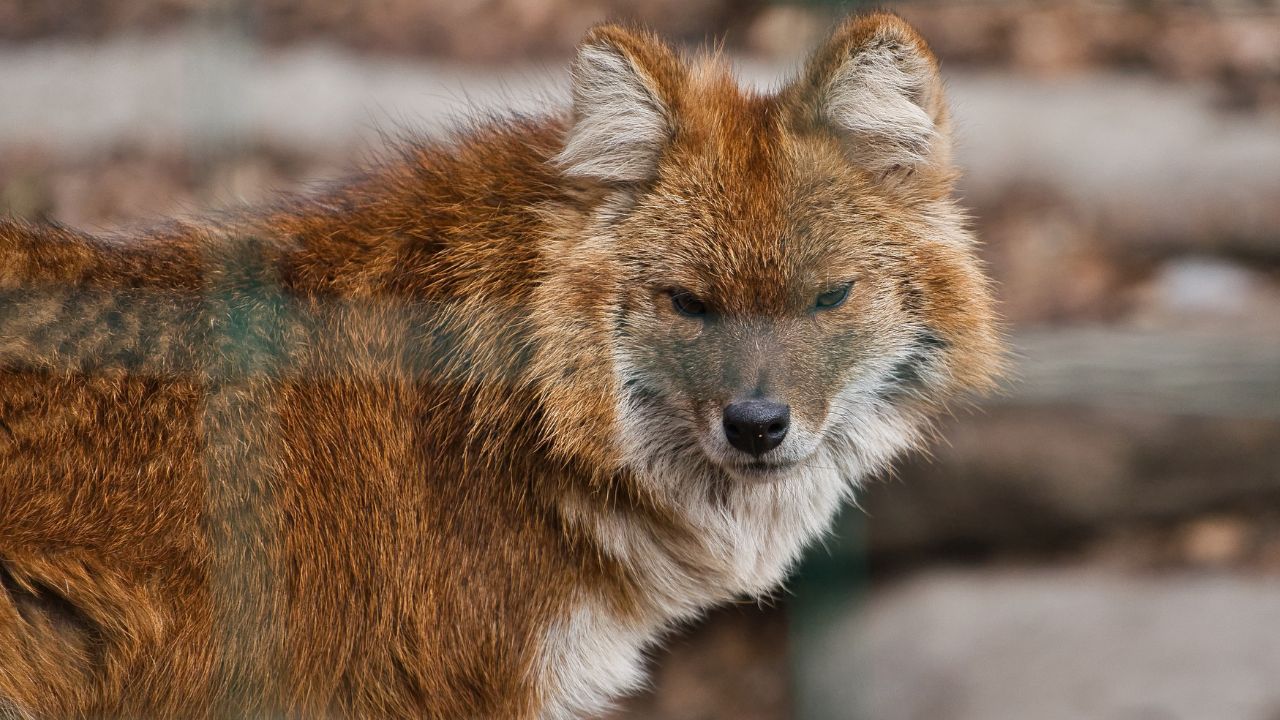
Dholes are wild dogs from Asia that hunt in tight, disciplined packs. They’ve been documented attacking Asiatic black bears and sloth bears, using numbers and harassment tactics to keep the bear from reaching cover while they target the hindquarters. It’s not a fair one-on-one; it’s a pack leaning on speed and coordination. Bears still kill dholes when they connect, but the fact that these medium-sized dogs are bold enough to go after them at all says plenty. When dholes commit, they’re fully ready to stand their ground as a unit, taking slashes and bites in exchange for wearing a bear down or driving it off.
12. Cape buffalo

Cape buffalo don’t share habitat with wild bears, but in terms of pure toughness, they absolutely belong on any “don’t mess with” list. Bulls can weigh more than 1,500 pounds, carry thick boss horns, and have a mean streak when threatened. Lions hunting buffalo routinely get gored, trampled, or killed when a herd spins and fights. Put a big bear into that scenario and it’s not walking through a herd without risk. The same traits that make buffalo feared in Africa—unpredictable charges, group defense, and serious horn power—would make them fully capable of standing their ground against a bear in any hypothetical meeting.
13. Rhinoceroses

Rhinos bring armor plating and a spear. In African and Asian habitats, they already face lions, crocodiles, and, in some cases, tigers. A rhino’s default setting is often “ignore,” but when pushed, they charge with enough force to flip vehicles and puncture thick hide. Big bears simply don’t exist in rhino country, but if they did, the matchup would not be one-sided. Any predator taking a run at a healthy adult rhino is gambling with its ribs and spine. The combination of mass, speed, and a horn that can lift another large mammal makes rhinos one of the few land animals that almost nothing wants to test.
14. Elephants

Elephants outsize bears by such a ridiculous margin that the idea of a bear trying to predate a healthy adult is basically fiction. Bulls and cows both have the power to stomp, shove, and gore anything that pushes too hard, and they back that up with serious social structure. Calves are defended by multiple adults, not just a single parent. Predators that live with elephants—lions and tigers—mostly target juveniles or weak animals and still get killed in return sometimes. A bear dropped into that equation would be a nuisance at best. Elephants don’t “fight fair,” they overwhelm with tons of body and a bad mood.
15. Hippos
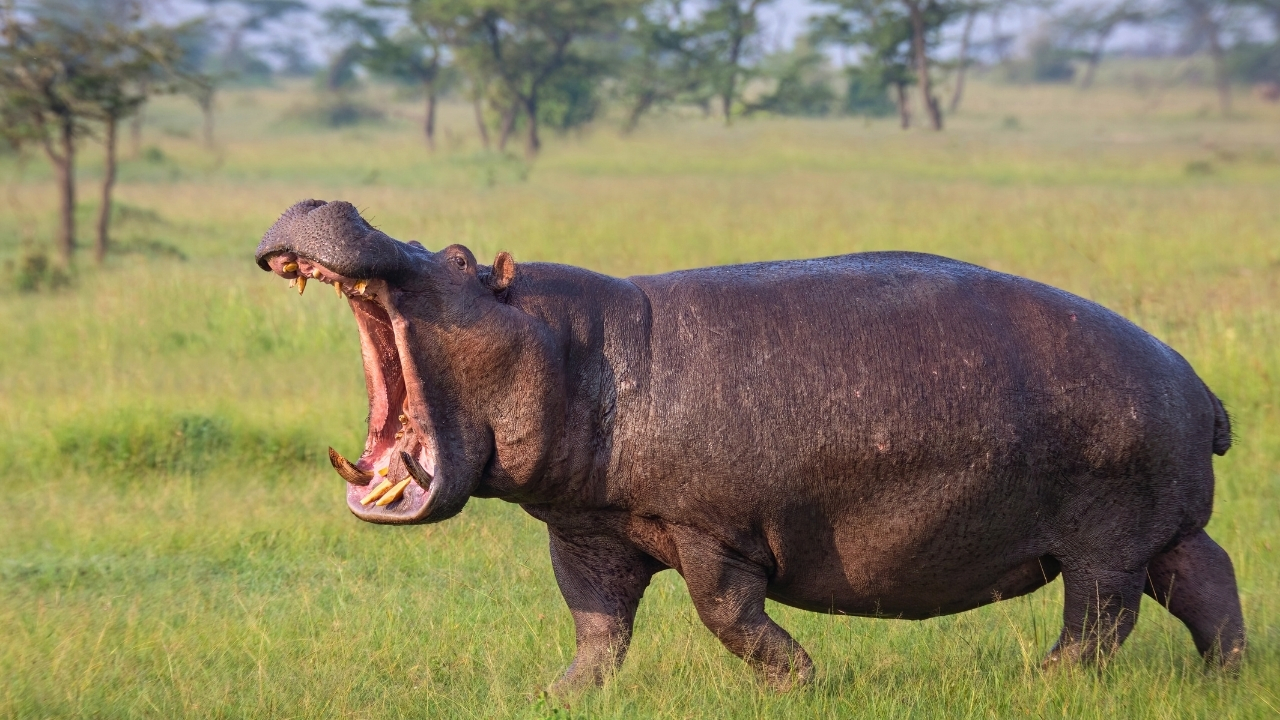
Hippos are one of the few animals that might make even a big coastal brown bear look twice. They aren’t predators in the classic sense, but they’re fast in the water, explosive on land, and pack jaws that can bite a person—or crocodile—in half. In African rivers and lakes, hippos routinely control space, forcing crocs and other animals to give them room. A bear would have nothing on their combination of size, mouth power, and “I own this channel” mindset. They already take on crocodiles without much hesitation. From a toughness standpoint, a focused hippo is about as bad a matchup as a bear could hope for.
Like The Avid Outdoorsman’s content? Subscribe to our newsletter so you never miss an article.
Here’s more from us: