Photo credit: VasiliyBudarin/ShutterStock.com
The AR-15 is one of the most talked-about rifles in America, which is exactly why so many basic facts about it get flattened into slogans. People think they know the whole story because they know the shape, the name, and the argument around it. But the actual history is more layered than that. The rifle started as an ArmaLite design tied to Eugene Stoner, moved into Colt production, overlapped directly with the early M16 story, and then grew into a huge civilian platform that is now less “one rifle” than an entire ecosystem. The NRA National Firearms Museum notes that Eugene Stoner developed the AR-15 at Fairchild’s ArmaLite division, and that ArmaLite licensed manufacturing rights to Colt in 1959.
That is part of what makes the AR-15 so interesting. A lot of the things people assume are obvious about it are either incomplete, outdated, or just plain wrong. Here are 15 surprising facts about the AR-15 that most casual shooters, and plenty of serious ones, do not always have straight.
1. “AR” does not stand for “assault rifle”

This is easily the most common misunderstanding around the rifle. “AR” refers to ArmaLite Rifle, not “assault rifle.” The National Firearms Museum’s history of the Colt AR-15 traces the design directly to ArmaLite, Fairchild’s small-arms division, which is where the AR designation came from in the first place.
That misunderstanding has hung around because the letters line up too neatly with what people already assume. But historically, the AR-15 name is a company-design lineage, not a category label. Once you know that, a lot of later confusion starts making more sense.
2. The AR-15 started before Colt got involved

A lot of people treat “Colt AR-15” like the rifle began at Colt. It did not. The design started at ArmaLite under Eugene Stoner, and only later did ArmaLite license manufacturing rights to Colt in 1959. The NRA National Firearms Museum is explicit on that point.
That matters because it reminds you the rifle’s roots are in ArmaLite’s design culture and Stoner’s engineering work, not simply Colt branding. Colt played a huge role in production, sales, and later public identity, but it did not originate the rifle from scratch.
3. The AR-15 and early M16 were originally the same basic rifle name

This surprises a lot of shooters. The National Firearms Museum notes that between 1958 and 1966, the select-fire rifles were known as AR-15s, and it was not until 1967 that the selective-fire rifles became known as the M16 while the semi-automatic rifles kept the AR-15 name.
That means the early history is messier than the neat modern split people imagine. Today, people treat AR-15 and M16 as completely different labels from the beginning, but historically the naming overlap was very real.
4. The first mass-produced AR-15 was the Colt Model 601
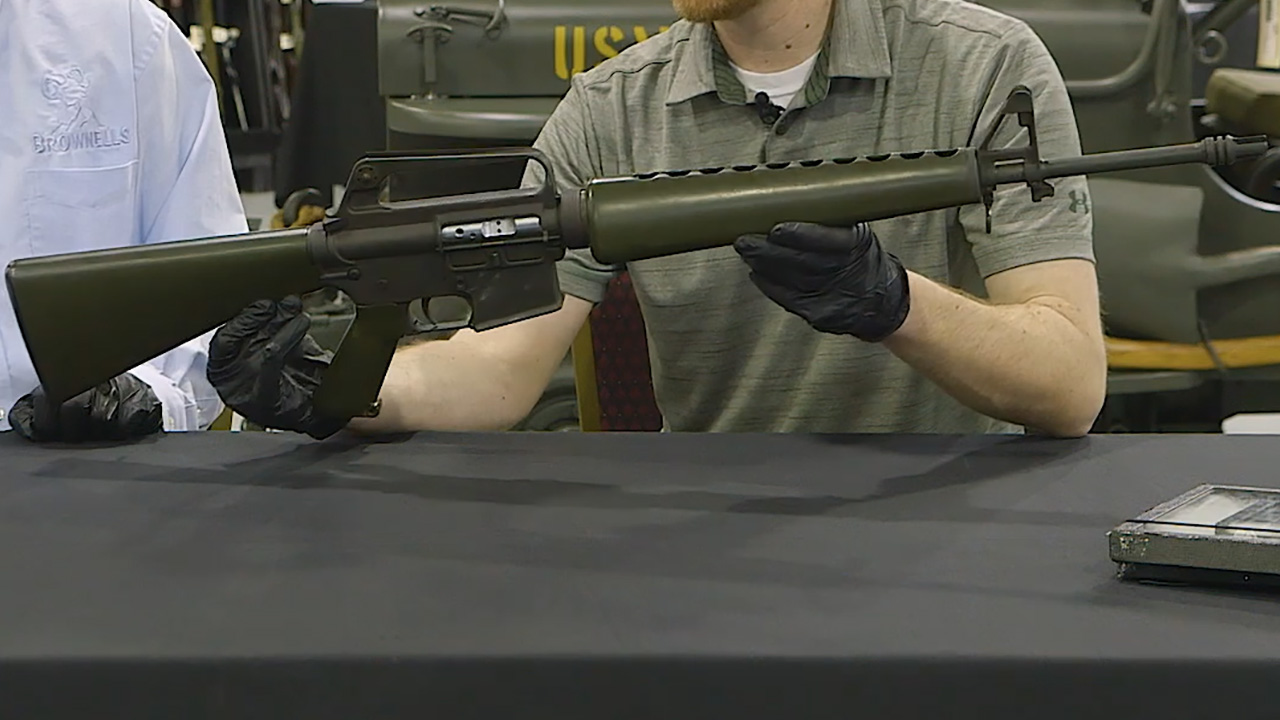
People often talk about “the original AR-15” without realizing there were developmental rifles before the first full production gun. American Rifleman notes that the Colt Model 601 was the first AR-15 to be mass-produced, with serial production beginning in December 1959 and continuing into 1963.
That is a useful fact because it separates prototype history from real production history. The rifle did not jump from sketchbook to standard pattern overnight. The early Colts were part of an evolving production story, not a perfectly frozen “original form.”
5. The AR-15 was part of the small-caliber, high-velocity rifle push

A lot of people think the AR-15 was just a lighter alternative dreamed up in isolation. American Rifleman’s Model 601 history says the design evolution gained traction in the spring of 1957 when Continental Army Command showed interest in a rifle chambered for a small caliber, high velocity cartridge.
That context matters because it explains why the rifle looked and behaved so differently from heavier battle rifles of the period. The AR-15 was part of a broader rethink about what an infantry rifle could be, especially in terms of recoil, controllability, and ammunition load.
6. The U.S. Air Force helped push the rifle forward early

The Army often gets treated as the entire early adoption story, but the Air Force mattered a lot. The National Firearms Museum says Gen. Curtis LeMay became interested in the rifle after a demonstration, and American Rifleman notes that the U.S. Air Force tested the ArmaLite AR-15 at Lackland Air Force Base in 1960 as a replacement for the .30 Carbine in Air Force service.
That is one of the more overlooked twists in the rifle’s rise. The AR-15 did not simply march into service through one straight Army procurement story. Different branches and personalities helped shape how quickly it got serious attention.
7. It was extremely light compared with the rifles it was up against

One reason the AR-15 made such an impression is that it cut weight dramatically. American Rifleman notes that the original AR-15 weighed less than 6 pounds without a magazine, while the M14 averaged about 9.2 pounds empty.
That kind of difference matters more than people sometimes admit. Weight affects how a rifle carries, how quickly it handles, and how much ammunition a soldier can realistically move with. The AR-15 was not just different in appearance. It was materially easier to carry.
8. The rifle’s materials were a big part of the shock value
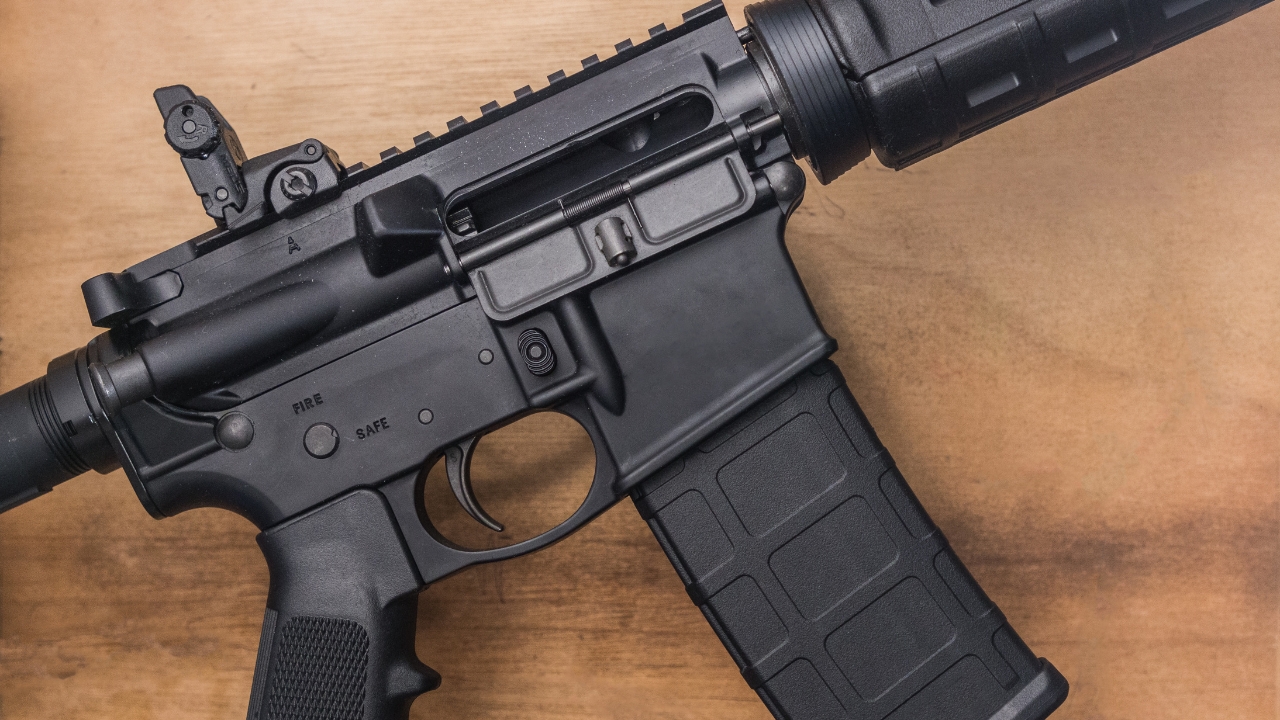
The AR-15 looked unusual partly because it used aluminum and synthetic materials at a time when many shooters still expected wood and steel. The National Firearms Museum’s AR-15 history points to lightweight aluminum receivers, straight-line fiberglass stocks, and modernized design thinking as part of ArmaLite’s identity from the start.
That is easy to overlook now because modern rifles are full of synthetics and alloys. Back then, though, the rifle did not just shoot differently. It looked like a break from older rifle assumptions, and that futuristic appearance became part of its identity immediately.
9. The original civilian and military stories were never as cleanly separated as people think
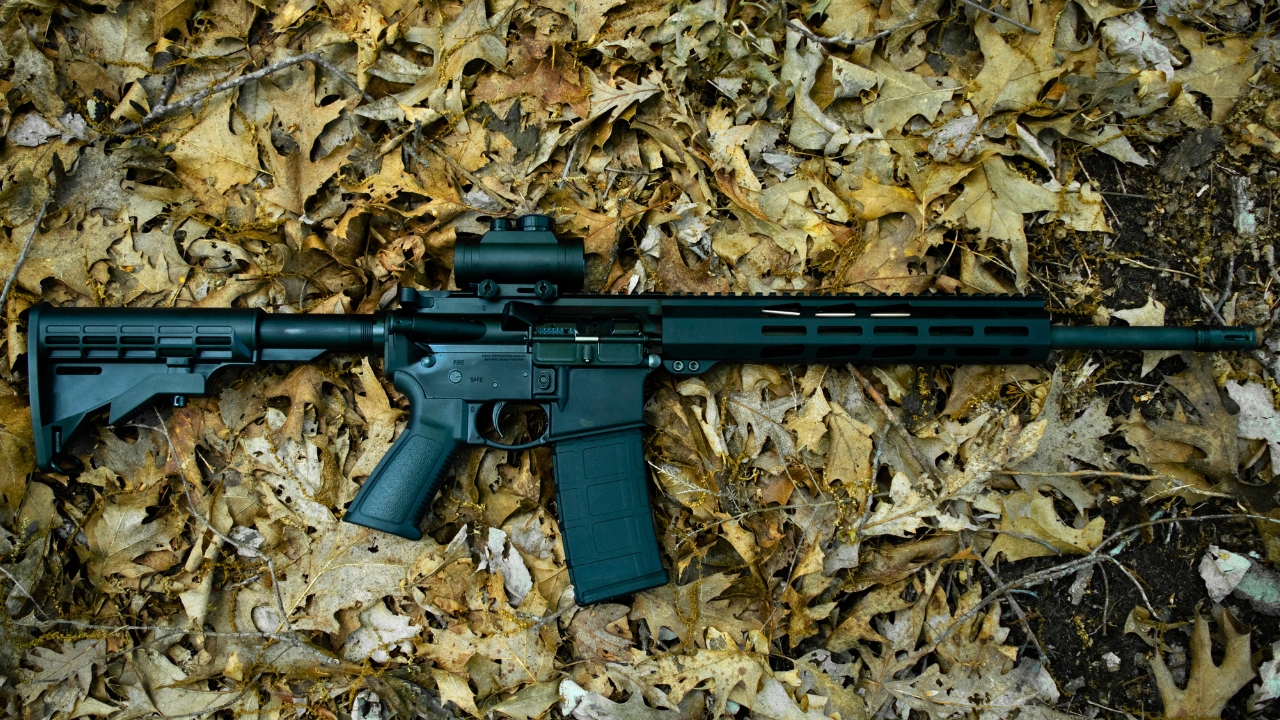
Modern debates often rely on a neat split: “military rifle” on one side, “civilian rifle” on the other. But the platform’s history is more tangled. American Rifleman notes that while the AR-15 was inspired by military requirements and later became a major service rifle pattern, it was also originally positioned as a sporting rifle for civilians before the government-contract story fully took off.
That does not erase the military side. It just means the rifle’s identity was never one-dimensional. The AR-15 was always sitting near the border between service concept, commercial product, and later American civilian icon.
10. “Carrying handle” sights were not just styling
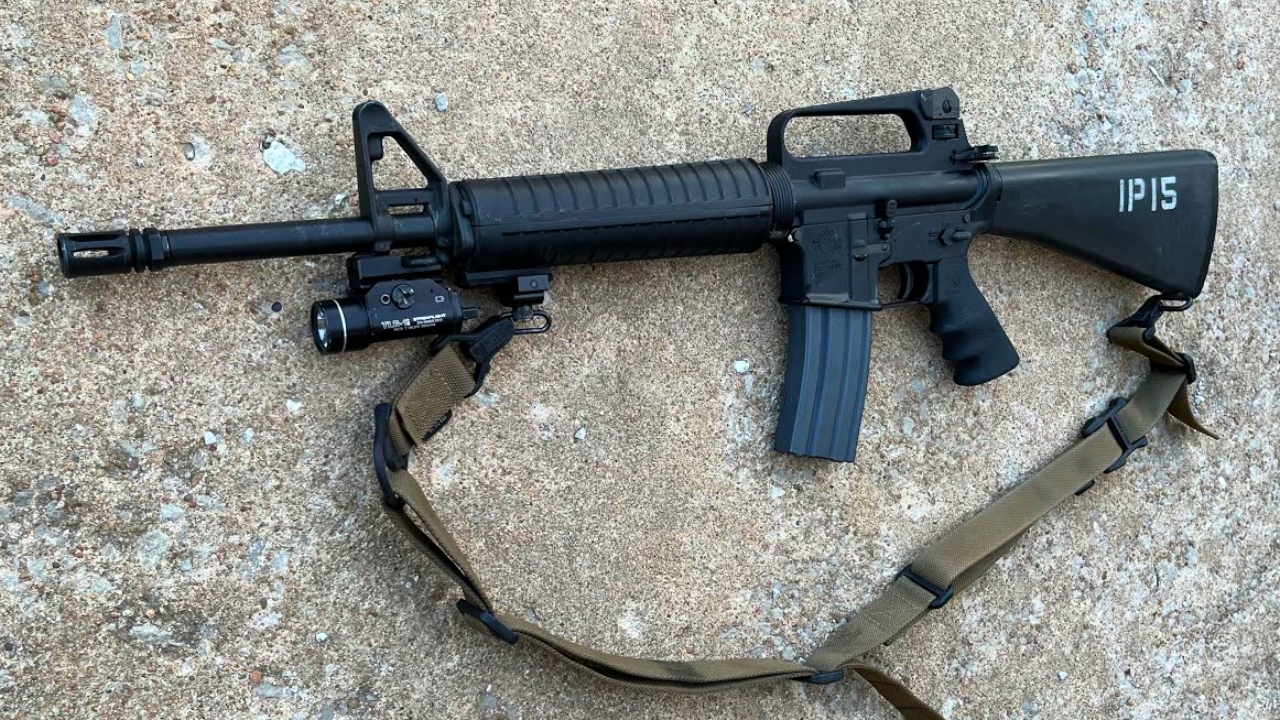
A lot of modern shooters see the original carry handle and think of it mainly as a retro visual feature. But the NRA Museum’s broader firearms overview notes the rear sight was mounted on the rifle’s distinctive integral carrying handle. That upper layout was a functional part of the design, not just a cosmetic flourish.
That design choice helped define the silhouette so strongly that the rifle became instantly recognizable even to non-gun people. The AR-15’s profile stuck because several design features worked together, and the carry handle was a major piece of that visual identity.
11. The AR-15 became influential partly because it was easy to manufacture at scale
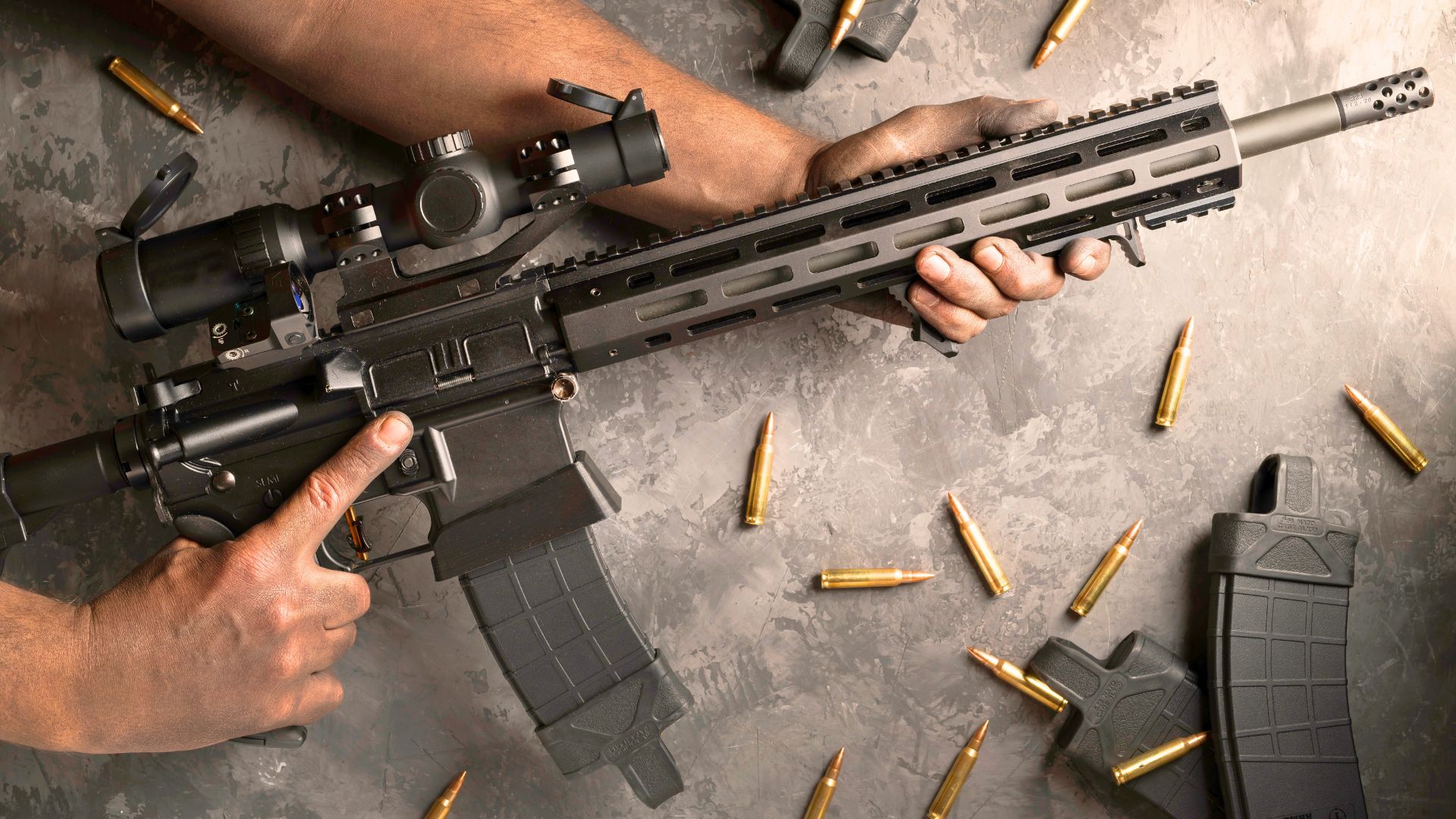
American Rifleman’s 1961 visit to Colt’s factory reported that AR-15 production was being carried out on conventional general-purpose machine tools with jigs and fixtures as needed, and that there appeared to be no special production problems in the operation.
That sounds like a dry manufacturing detail, but it is actually huge. A rifle can have a clever design and still fail if it becomes a nightmare to produce. The AR-15’s ability to move into real production without becoming a factory headache helped make it a much more serious contender.
12. The rifle’s influence is now bigger than one model or company

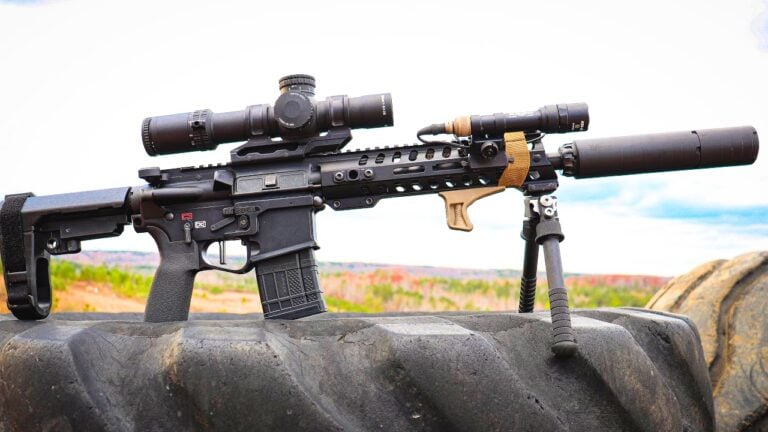
The original AR-15 story is rooted in ArmaLite, Colt, and Eugene Stoner, but the platform long ago outgrew any single manufacturer’s identity. The design’s modularity and familiarity turned it into a reference point for the entire modern sporting-rifle market. Even American Rifleman’s current AR-15 basics coverage treats the platform as a broad category of use and handling rather than one narrowly defined legacy product.
That is one of the most surprising things about the AR-15 if you step back from the politics for a minute. It is not just a rifle anymore. It is a design language. Once that happened, the original gun stopped being the whole story.
13. The rifle’s civilian footprint in America is enormous
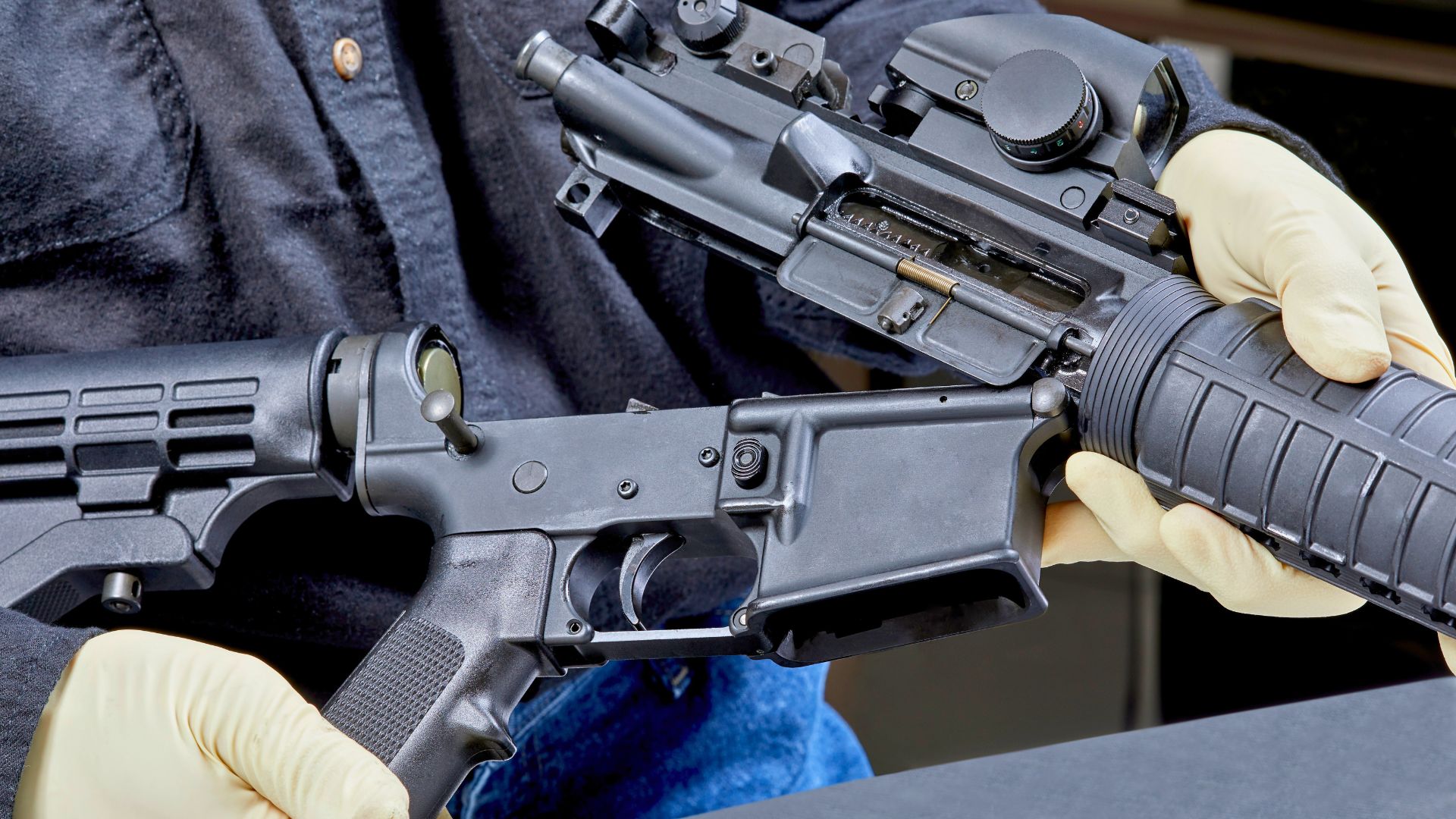
However people feel about the platform, its scale in American ownership is impossible to ignore. In January 2026, American Rifleman cited attorney Stephen Halbrook’s book and wrote that Americans collectively own more than 44 million AR-15s and similarly configured semi-automatic rifles.
That number is surprising even to many gun owners. It helps explain why the AR-15 is not just a niche enthusiast rifle or a police-only concept. It became one of the defining civilian rifles in the country.
14. The term “assault weapon” is far newer than the rifle itself

The same 2026 American Rifleman piece notes that the term “assault weapon” did not even exist until 1989, despite how often it gets treated like a technical label tied to the rifle from the beginning.
That is worth knowing because it helps separate historical rifle development from later political language. Whatever someone’s policy views are, the terminology many people now assume is timeless is actually a much later overlay on a rifle design that predates it by decades.
15. The AR-15 stuck around because it proved unusually adaptable

The simplest surprising fact about the AR-15 may be this: it did not survive because of one feature. It survived because it could keep changing. American Rifleman’s home-defense piece points to the platform’s versatility from close-range use out to 300 yards, and that is really the story in miniature. The rifle kept finding new roles.
That adaptability is why the AR-15 never stayed frozen as just an early-1960s rifle story. It became a military ancestor, a civilian sporting platform, a home-defense option, a competition gun, and a modular standard all at once. A lot of rifles have history. The AR-15 has history and staying power, which is why people are still arguing about it like it just arrived yesterday.
Like The Avid Outdoorsman’s content? Subscribe to our newsletter so you never miss an article.
Here’s more from us: