Photo credit: Dennis Pritchard Outdoors/YouTube
Some rifles spend years sitting in plain sight. They are affordable, common enough that nobody feels rushed, and easy to treat like something you can always pick up later. Then later shows up, and the price has doubled, the clean examples are gone, and the same rifle people once passed over starts getting talked about like a minor treasure. That is how a lot of shooters end up kicking themselves.
The frustrating part is that most of these rifles were never secret collector pieces. They were hunting guns, truck guns, military surplus rifles, or plain good shooters people took for granted. Then production stopped, nostalgia hit, imports dried up, or an entire category got hot. Suddenly the smart buy from ten years ago turns into the rifle everybody wishes they had grabbed when the shelves were still full and the prices still felt normal.
Marlin 1895 Guide Gun

The Marlin 1895 Guide Gun used to be the kind of rifle people bought because they wanted a handy .45-70, not because they thought they were making some brilliant long-term move. It was respected, practical, and easy to justify if you liked lever guns and wanted something with real thump in thick cover. For a while, you could still find them without feeling like you had to sprint for your wallet.
Then lever-gun demand went wild, .45-70 kept getting more popular, and Marlin availability turned into its own mess. That changed everything. Now a lot of shooters look back and realize they should have bought one when it was still a working rifle with a working-man price, not a fever-dream purchase that makes you stop and stare at the tag.
Winchester 9422
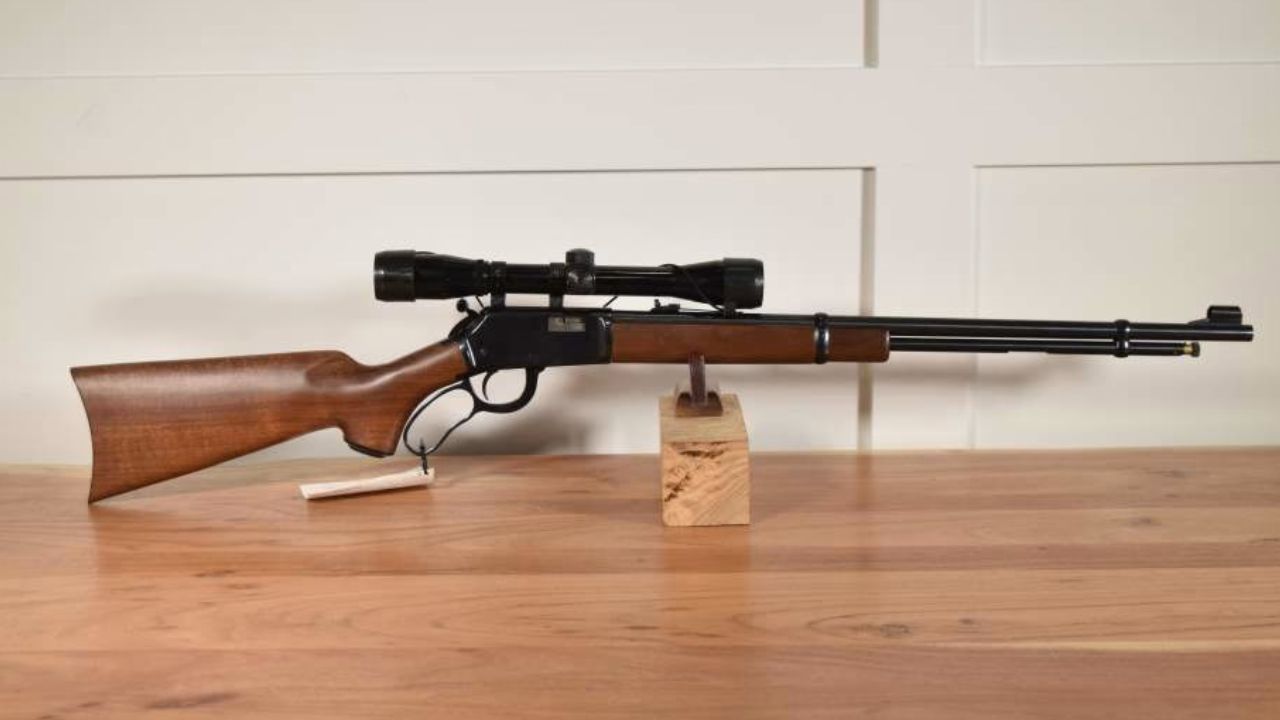
The Winchester 9422 spent years living in that dangerous category of being obviously nice but still easy to put off. It was more expensive than a lot of .22s, sure, but not so expensive that people treated it like something scarce or urgent. It was just a really well-liked rimfire lever gun with the Winchester name on it and a level of quality people assumed would always be around somewhere.
That assumption aged badly. Once clean 9422s started drying up, the market changed fast. A lot of shooters who once shrugged and said they would pick one up later now realize later came with a much higher price. It is one of the clearest examples of a rifle people admired casually until the market forced them to admire it from a distance.
Ruger No. 1

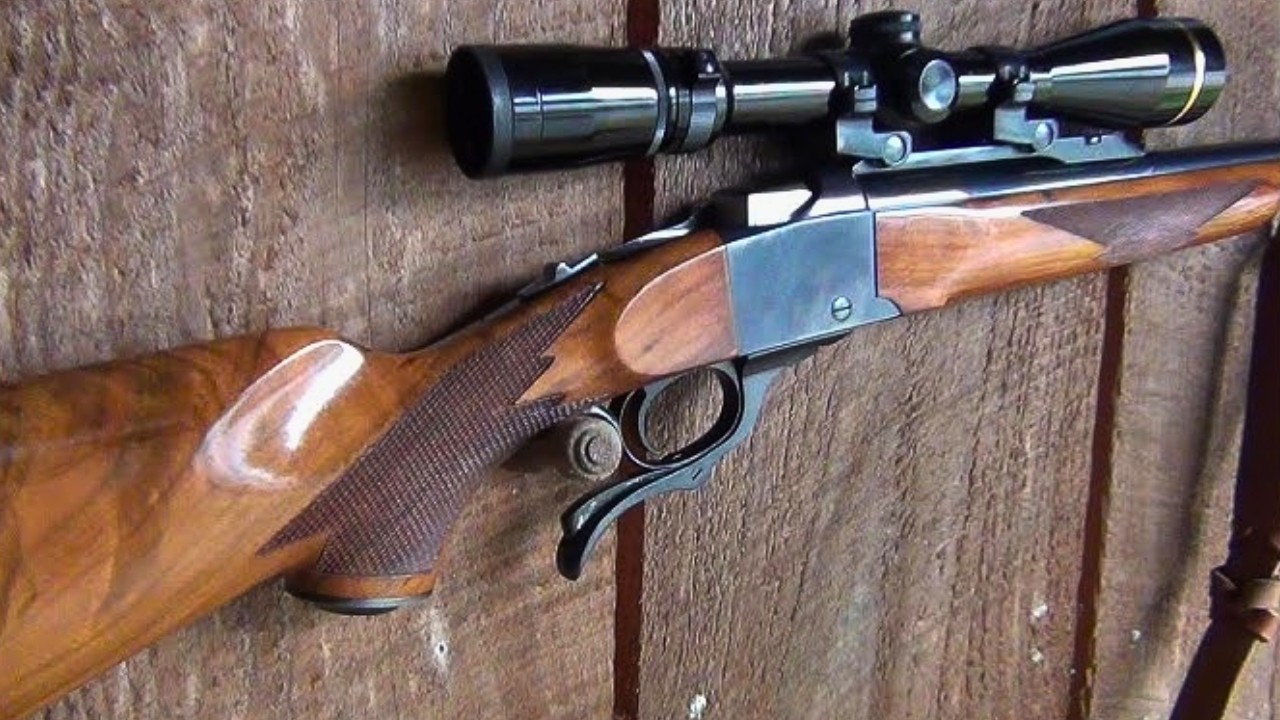
The Ruger No. 1 always had style, but there was a time when you could still find them at prices that felt more like a thoughtful splurge than a painful commitment. Plenty of shooters liked them, respected them, and told themselves they would eventually own one. That was easy to say when there were still enough around and enough chamberings floating around to make the search feel relaxed.
Now a lot of those same shooters wish they had stopped admiring and started buying. Nice No. 1s in desirable chamberings do not create the same easy opportunities they once did. The rifle still has the same single-shot charm and class it always had. The difference is that the market finally caught up to the fact that people actually wanted them all along.
Savage 99
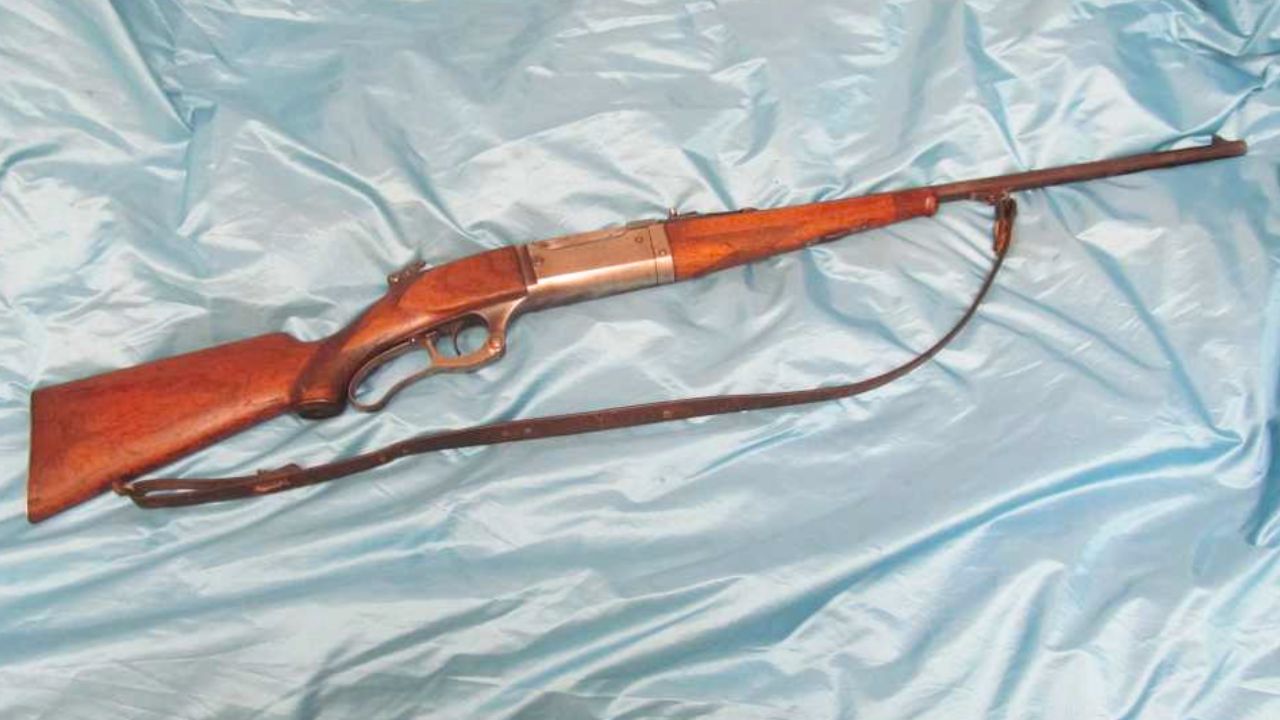
The Savage 99 is one of those rifles that knowledgeable people respected for years without the broader market fully losing its mind over it. That made it easy to delay buying one. A lot of shooters told themselves the old rotary-magazine deer rifle would always be out there at a reasonable price, especially in common hunting chamberings and ordinary field-worn condition.
Then the supply of decent originals kept shrinking, and the collector crowd started taking a harder look. What used to be an interesting old hunting rifle turned into a rifle many buyers now hesitate over because prices are no longer casual. That is why so many people wish they had bought a 99 when it still felt like a smart old-gun pickup instead of a rifle you have to justify to your checking account.
Pre-64 Winchester Model 70

There was a time when pre-64 Winchester Model 70 rifles were already respected but had not yet reached the level of financial intimidation they carry now. Yes, serious shooters knew what they were, but there were still years when a buyer could find one, study it, and actually make a move without feeling like he was entering a collector auction by accident.
Those days are what haunt people now. The phrase “pre-64” has become a full-blown pricing engine, and even fairly ordinary examples can carry a premium that scares off buyers who would have gladly grabbed one years ago. A lot of shooters should have bought one when it still felt like owning a classic rifle. Now it often feels like negotiating with history itself.
Marlin 336

The Marlin 336 was once just a normal answer to normal deer hunting. It was common, practical, and easy to find in used racks without anybody acting like it was a financial event. That is part of why so many people let them slide past. They were so familiar that buyers assumed there would always be another one, and probably cheaper too.
Then lever-action mania hit hard and never really cooled off the way some people expected. Suddenly plain old 336s started wearing price tags that made longtime hunters laugh in disbelief. If a shooter wanted a good woods rifle with real history and real usefulness, the smart move would have been buying one back when nobody felt the need to treat every nice 336 like a limited-edition asset.
Ruger Deerfield Carbine

The Ruger Deerfield Carbine never had the broad mainstream hype of some other rifles, which is exactly why a lot of people missed their chance. It was handy, different, and had a loyal following among hunters who wanted a compact autoloader with more punch than a rimfire or a little ranch rifle. For a long time, it stayed in that oddball category where people noticed it but did not feel pressured by it.
That changed once the supply stayed limited and buyers started realizing there was not much else quite like it. What had once looked like a quirky, affordable used-gun choice started turning into a harder rifle to find at a reasonable number. A lot of people should have trusted their first instinct and bought one when it still felt like a clever side purchase instead of a harder-to-justify hunt.
Browning BLR
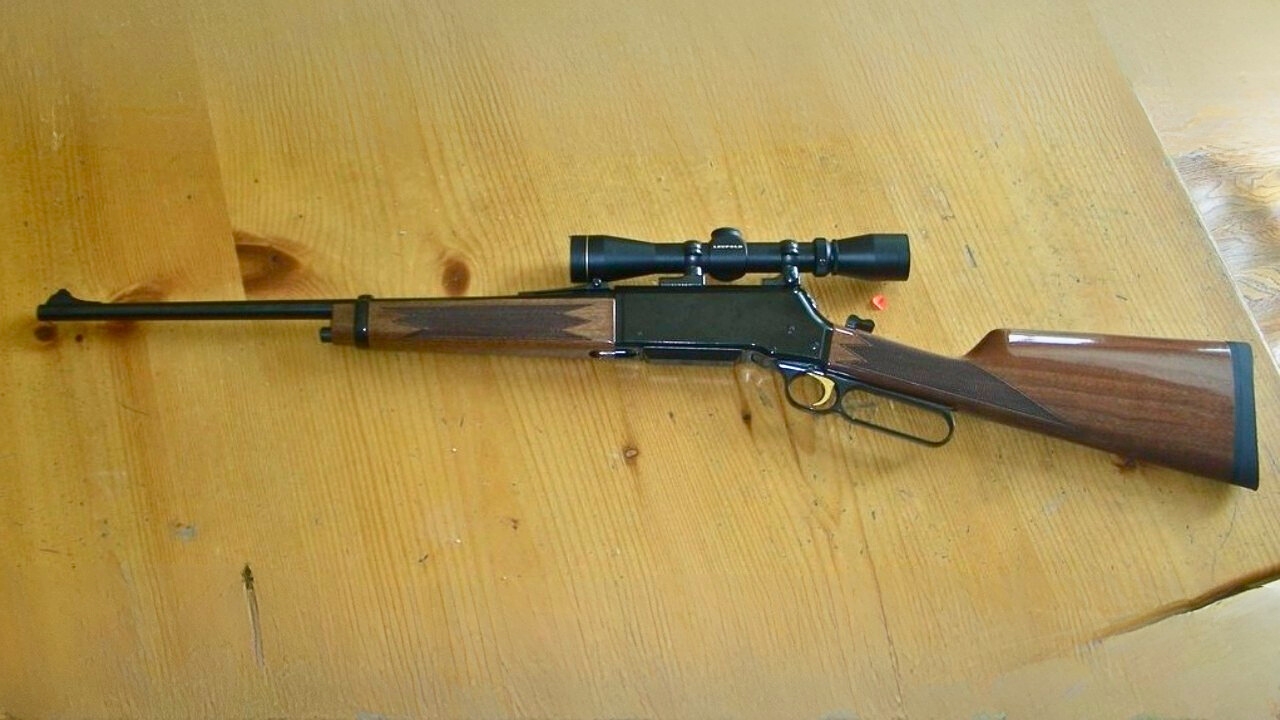
The Browning BLR spent a long time being appreciated without ever quite getting panic-bought. People knew it was a good rifle. They liked the fact that it brought lever-gun handling together with modern cartridges. But because it never lived in the bargain-bin world, a lot of shooters kept telling themselves they would eventually get around to buying one when the timing felt better.
That kind of delay gets expensive. Nice BLRs have not become easier to find or friendlier to the wallet, and older examples in the right chamberings tend to get snapped up quickly. It is one of those rifles that made sense years ago, still makes sense now, and somehow still managed to get more expensive while people were pretending there was no rush.
Remington Nylon 66

The Remington Nylon 66 used to be one of those rifles people thought of as fun, different, and maybe a little nostalgic, but not necessarily something to buy before the market caught on. That kept them in reach for a long time. Families used them, plinked with them, and treated them like practical rimfires with a bit of personality rather than rising-value collectibles.
Then buyers started realizing those “just fun old .22s” were not staying cheap or common in clean shape. Nostalgia, condition, and plain scarcity did what they always do. Now a lot of shooters wish they had grabbed a nice Nylon 66 when it still felt like a harmless purchase instead of one more rifle that quietly climbed out of reach while everyone was looking at something else.
Winchester 88

The Winchester 88 was always a little more interesting than the average used-rack lever gun, but there was a long period when you could still find one without the whole room acting like it was a major event. That made it easy to admire and postpone. Plenty of buyers recognized the box magazine, the sleek profile, and the modern-for-its-time appeal, but still assumed a better deal would come along later.
That later never got kinder. As more shooters and collectors started appreciating what the 88 was, prices moved in the wrong direction for anybody who waited. It is exactly the kind of rifle people should have bought when it was still viewed as a cool old Winchester instead of a rifle that makes you calculate whether nostalgia is really worth this month’s electric bill.
Ruger Mini-14 GB and older variants

There was a time when older Mini-14 variants, especially the more desirable ones, lived in the shadow of other rifles that got far more attention. That kept them from feeling urgent. Buyers knew the Mini had its fans, but plenty of shooters treated it like something they could circle back to whenever the mood hit, especially if they wanted one mostly for the look and the old-school ranch-rifle feel.
That changed once the right versions got harder to locate and the market started separating the interesting Minis from the plain ones. Suddenly factory folders, GB rifles, and cleaner early guns were not the easy buy they once were. A lot of people should have bought those rifles when they still felt like fun side projects and not like collector-adjacent purchases with rising-entry fees.
Tikka T3 Forest and older Tikka wood-stock rifles
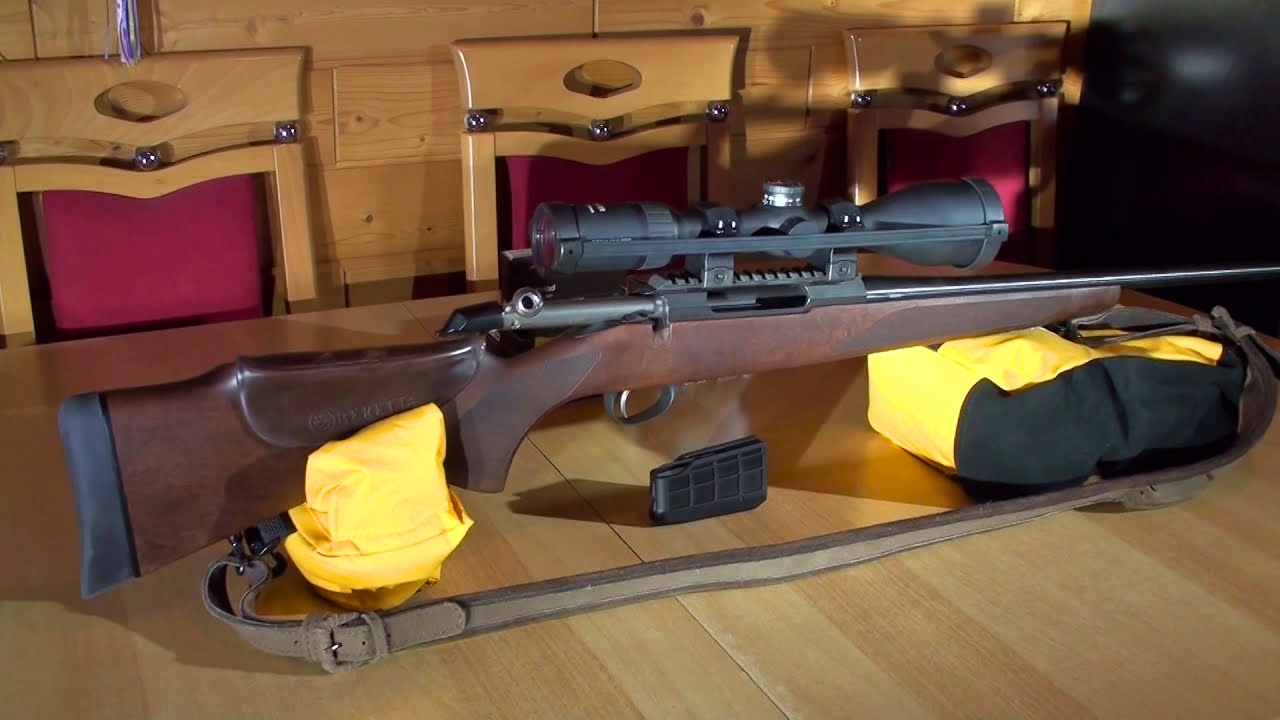
Older wood-stock Tikkas spent years being underrated because so many buyers still mentally sorted Tikka into the “great shooter, plain rifle” category. That made it easy to overlook some very good hunting rifles while they were still sitting at sensible prices. Shooters who knew how well Tikkas shot liked them, but not everybody was rushing to pay attention to the nicer older wood-stock models.
That was a mistake. Once buyers started connecting Tikka accuracy with older rifle quality and more attractive classic styling, the prices stopped being so casual. A lot of shooters should have grabbed those rifles before the used market started treating them like something special. They were always good rifles. It just took the broader market a while to realize it.
SKS Rifles
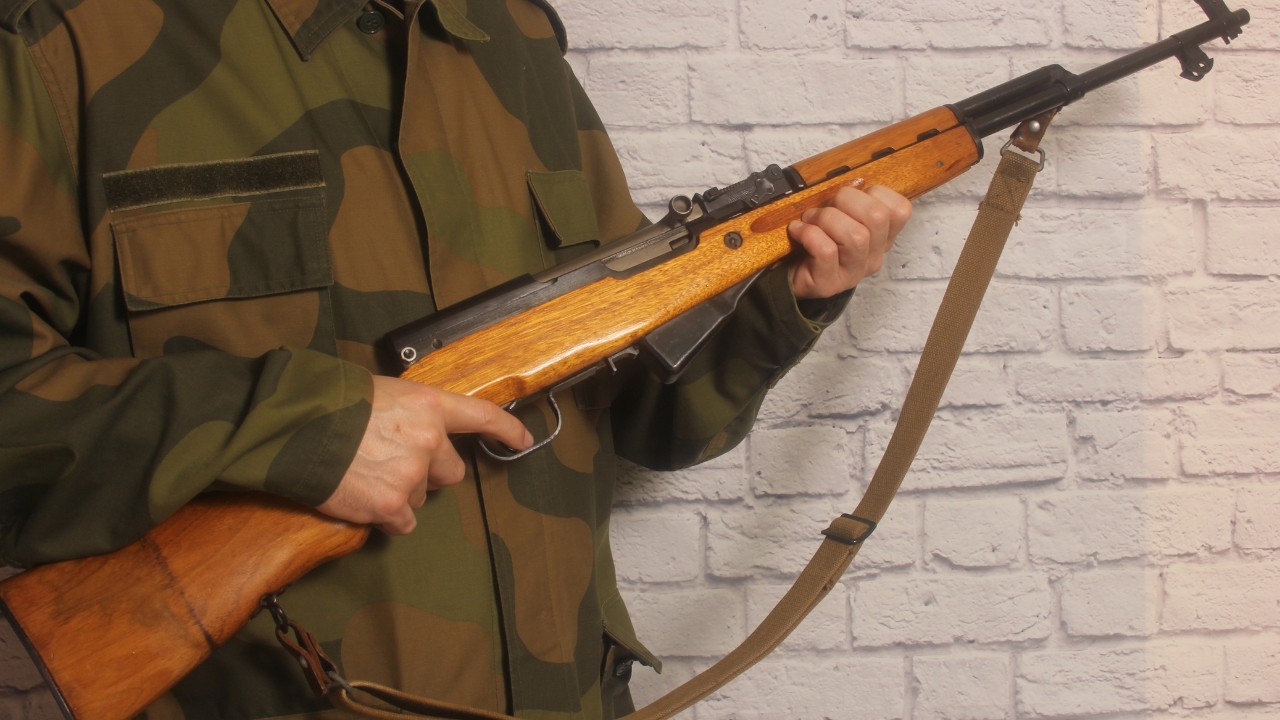
The SKS may be one of the most painful examples on the whole list because they were once so common and so cheap that people treated them almost like background noise. They were the rifles you meant to buy one day, maybe after grabbing something more exciting first. They felt permanent. They felt replaceable. And that is exactly what made so many people delay.
Now a lot of those same people stare at current prices and wonder why they did not buy two or three back when crates of them were showing up everywhere. The SKS was never glamorous, but it was reliable, useful, and historically interesting enough to age into a much more expensive rifle. That lesson got taught the hard way to a lot of shooters who waited too long.
Swiss K31

The Swiss K31 used to be one of the smartest-surplus bargains in the country. Shooters who knew what they were looking at could get an accurate, straight-pulling military rifle with real quality behind it for money that felt almost silly. But because they came from the surplus world, many buyers assumed that supply would stay comfortable for a long time and that picking one up later would be easy.
That logic failed the way it usually does with good surplus rifles. The supply tightened, the reputation spread, and the bargain disappeared. A lot of shooters absolutely should have bought a K31 when it still felt like the sort of rifle you grabbed because it was too good a deal to ignore. Now it is more often the rifle people talk about wistfully while pretending they are not annoyed with themselves.
Browning BAR Safari

The Browning BAR Safari always had the Browning name and plenty of appeal for hunters who wanted a refined autoloading rifle, but there was a time when buyers could still find them without feeling like every example had become a premium object. That made them easy to admire and delay, especially for people who liked the idea of a nice hunting autoloader but did not yet feel any urgency.
Now that older BAR rifles in good shape are drawing stronger money, that delay looks a lot less wise. Hunters who should have bought one when they were easier to find at humane prices now have to decide whether they still want it badly enough to pay the nostalgia tax. That is usually how these things go. The rifle does not get better. It just gets harder to buy without grumbling.
Colt Light Rifle
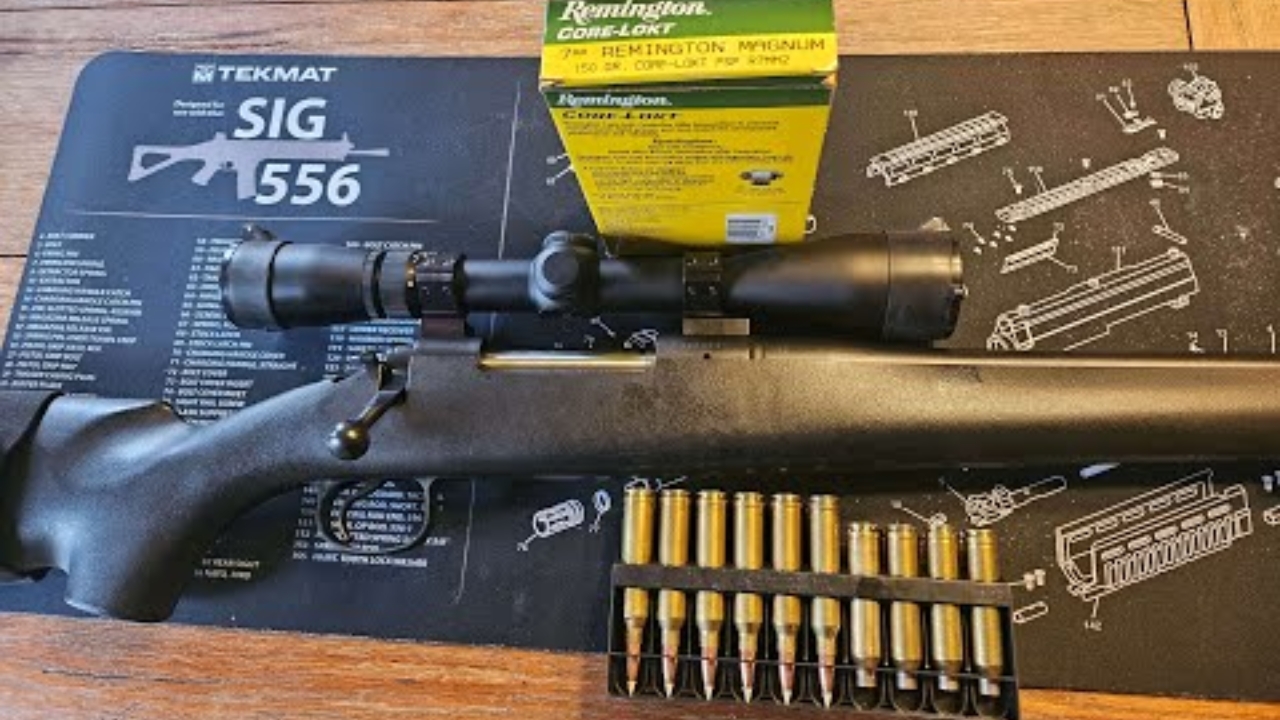
The Colt Light Rifle is a good example of a gun that got easier to appreciate after it was already less easy to buy. For years it sat in that strange category of being a decent, interesting rifle without a huge crowd beating the doors down for it. That made it easy to ignore. Buyers assumed the market would keep shrugging at it, which meant there was no reason to rush.
Then more shooters started noticing what it was, and the pool of clean rifles did what older rifle pools always do: it shrank. It is not the most famous name on this list, but it is absolutely one of those rifles people should have bought when the broader market still treated it like a curiosity instead of a rifle that now requires more patience and more money to bring home.
Like The Avid Outdoorsman’s content? Subscribe to our newsletter so you never miss an article.
Here’s more from us: