Photo credit: Atlantist Studio/Shutterstock.com
A lot of caliber talk still gets stuck in old arguments. People see a smaller bullet, a lower energy number, or a cartridge that never became the cool pick online, and they write it off before they ever look at how it actually performs from real carry guns with modern ammo. That is where things get interesting. The FBI’s long-cited benchmark for handgun bullet performance has been 12 to 18 inches of penetration, and once you start looking at how certain “underpowered” rounds behave in gel, short barrels, and real carry setups, a few calibers that get dismissed fast start making a lot more sense. None of that means they beat everything else or that shot placement suddenly stops mattering. It just means some rounds people love to mock have a stronger case than they get credit for.
.380 ACP
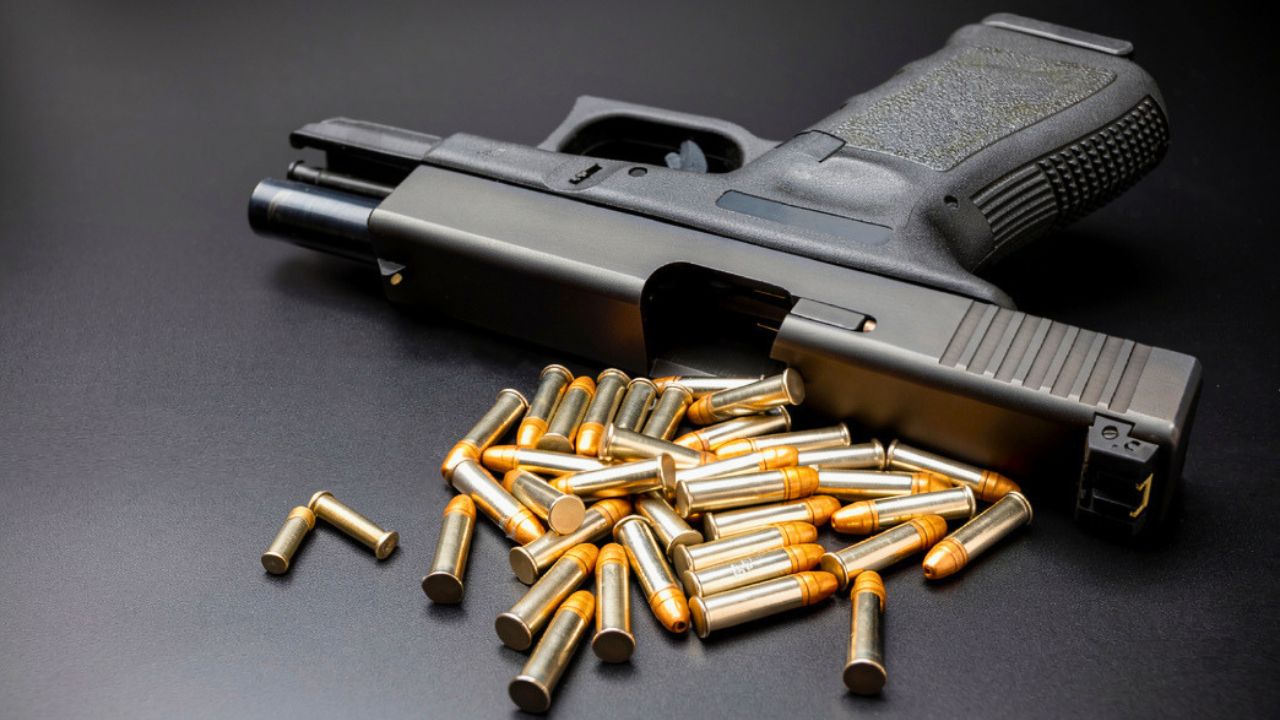
.380 ACP is probably the easiest example because people have been calling it too weak for years, yet it refuses to disappear. Part of that is simple concealment reality. Guns chambered in .380 are often easier to carry, and a pistol that is actually on you matters more than a more powerful one left in the truck or nightstand. The bigger reason, though, is that modern load design gave the caliber a real second life. Lucky Gunner’s gelatin testing has shown that some .380 defensive loads from short-barreled pistols can hit the FBI’s minimum 12-inch penetration mark, even if the margin is not as wide as it is with stronger service calibers. That does not make .380 equal to 9mm, and nobody serious should pretend it does. But it does mean the old blanket claim that .380 is automatically useless no longer holds up. In a small gun with the right load, it can do the job a whole lot better than its critics want to admit.
.32 H&R Magnum
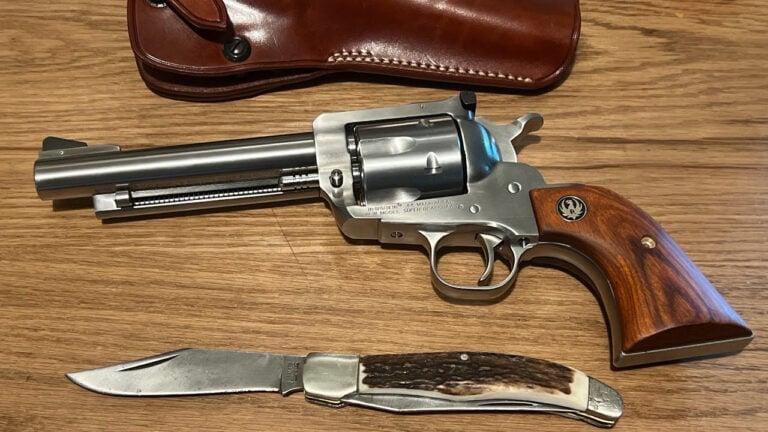
.32 H&R Magnum still feels like one of those cartridges people only remember when they stumble across an old revolver thread, but it hangs around for a reason. Federal still loads it for personal defense, including an 85-grain Hydra-Shok Deep offering rated at 1,025 feet per second, which tells you the cartridge is not just some forgotten relic kept alive by handloaders and nostalgia. The appeal is not brute force. It is manageable recoil, decent velocity, and the fact that small-frame revolvers chambered for the .32 family can give shooters another path besides the usual snub-nose .38 debate. Lucky Gunner’s pocket-pistol testing also noted that the .32 family can deliver respectable penetration with far less recoil than many .38 Special loads. That matters more than a lot of caliber arguments admit, especially for shooters who are slower to recover from sharp recoil or who simply shoot lighter-recoiling revolvers more accurately under pressure. A cartridge does not have to be flashy to be effective, and .32 H&R Magnum is one of the better examples of that truth.
.327 Federal Magnum
.327 Federal Magnum gets the opposite treatment from .32 H&R. Instead of being dismissed as old and mild, it gets dismissed because most people never bothered to understand where it fits. On paper, it can look like an oddball answer to a question nobody asked. In practice, it gives revolver shooters a fast, high-pressure cartridge with real defensive potential and the added benefit of fitting six rounds in some revolvers that only hold five in .38 or .357. Speer still markets a 100-grain Gold Dot load at 1,500 feet per second, and Lucky Gunner’s testing found the two most common defensive .327 loads were legitimate performers, even while noting that recoil and blast out of a snub can be rough. That is the tradeoff. This is not a soft-shooting beginner round. But if someone wants magnum-level seriousness in a small revolver and is willing to practice enough to control it, .327 Federal is not some novelty cartridge. It is a real option that has more going for it than many shooters assume the first time they see the caliber stamped on a barrel.
30 Super Carry
30 Super Carry is still fighting the uphill battle every newer cartridge faces, and a lot of shooters already decided it was dead the second it failed to knock 9mm off the throne. That misses the point of the round. Federal’s pitch from the start was not that it would outmuscle 9mm. It was that it could get close to 9mm defensive performance while using a narrower .312-inch bullet that allows two to three additional rounds in some comparably sized handguns. Federal also published FBI-style gel numbers showing its 100-grain HST meeting the 12-inch minimum in bare gel and exceeding it through heavy clothing, while generating muzzle energy in the same general neighborhood as 9mm and well above .380 Auto. That does not mean every shooter should switch, and the limited pistol ecosystem has clearly held it back. But the round itself is more credible than the jokes suggest. If capacity, concealment, and controllability matter to a carrier, 30 Super Carry has a stronger real-world argument than internet chatter would have you believe.
.38 Special +P
.38 Special is not obscure, but it still gets written off in weird ways because it has been around so long that people confuse “old” with “outdated.” That is a mistake, especially with +P defensive loads. Lucky Gunner’s revolver testing found that while some .38 loads fall short and some expand too little or too much, there are +P options that perform well enough to stay in the conversation, particularly for people carrying small revolvers. The caliber’s staying power is not about nostalgia. It is about the fact that a simple, reliable revolver loaded with decent ammunition is still a serious defensive tool, and a lot of shooters can run one with more confidence than a lightweight magnum setup. .38 Special +P also lives in that practical middle ground where recoil, penetration, blast, and controllability can make more sense for regular people than hotter rounds that look better in a comment section than they do in a pocket holster. It may not impress the guy who judges everything by muzzle energy screenshots, but it keeps proving that paper specs never tell the whole story.
Why these calibers keep hanging around
The real lesson is that handguns are compromises from the start, which is exactly why caliber arguments never seem to die. A round can be slower, smaller, or less fashionable and still make sense because recoil is lighter, guns are easier to conceal, capacity is better, or practical accuracy goes up in real hands. That does not erase the advantages of mainstream heavy hitters, and it definitely does not mean all small cartridges are secretly equal. It means the calibers that “look weak on paper” often survive because they solve real problems for real shooters. The internet loves simple winners and losers, but the better question is usually whether a cartridge gives you acceptable terminal performance in a gun you will actually carry and shoot well. Once you look at it that way, some of the rounds people laugh off start looking a lot less weak and a lot more useful.
Like The Avid Outdoorsman’s content? Subscribe to our newsletter so you never miss an article.
Here’s more from us: