Photo credit: TFB TV/YouTube
The Colt Single Action Army is one of the few handguns that escaped the gun world and became part of American folklore. Most people know it as the Peacemaker, the Colt .45, or the “gun that won the West,” but the real story is richer than the nickname pile suggests. Colt says it introduced the Single Action Army in 1873, and the NRA Museum notes that the first major production run lasted from 1872/1873 into 1940, before later generations resumed production.
That long life is part of what makes the gun so interesting. The SAA was a military revolver, a frontier gun, a civilian sidearm, a Hollywood icon, and eventually a collector obsession, all while staying recognizably the same six-shot single-action revolver. Here are 15 surprising facts about the Colt Single Action Army that most people do not really hear laid out straight.
1. It was introduced in 1873, but production had already started in 1872

People usually tie the gun entirely to 1873 because that is the model year everyone remembers. But the NRA Museum says first-generation manufacture ran from 1872 through 1940, while Colt’s own timeline anchors the revolver’s introduction in 1873.
That sounds like a small detail, but it matters for understanding how the gun moved from development into official introduction. The “1873” name is correct, but the production story starts just a hair earlier than casual gun lore usually admits.
2. It was built first as a military revolver, not just a cowboy sidearm
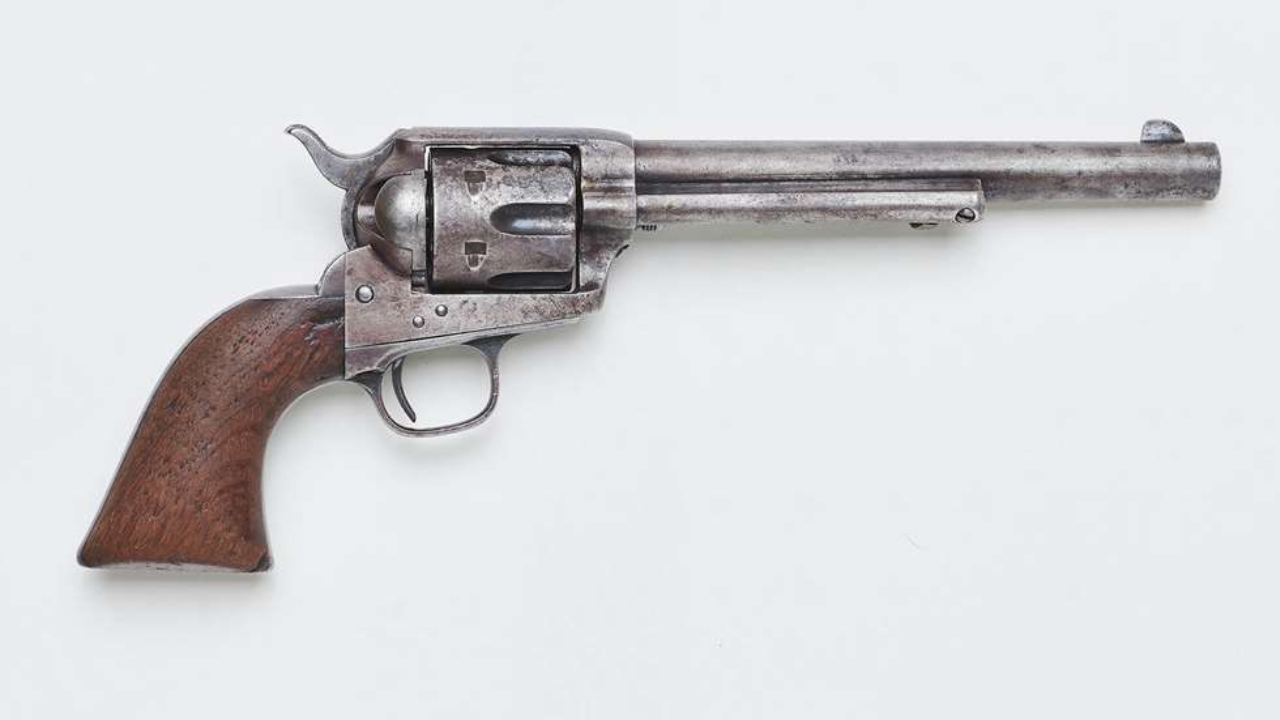
A lot of people think of the SAA mainly as a frontier civilian gun, but American Rifleman says it was initially developed as a dedicated sidearm for the U.S. military, and Colt’s timeline says the U.S. government adopted it as the standard military service revolver.
That matters because the revolver’s legend is so tied to civilian western mythology that people forget the Army was central to the gun’s early identity. The frontier image came fast, but military adoption was there at the beginning.
3. Colt delivered over 30,000 of them to the U.S. government

Colt’s official timeline says it delivered more than 30,000 Single Action Army revolvers to the U.S. government between 1873 and 1891.
That is a bigger number than many casual fans expect. The SAA was not just symbolically tied to U.S. military service. It was issued in real volume and became part of actual Army sidearm history.
4. “Peacemaker” is only one of several historic nicknames
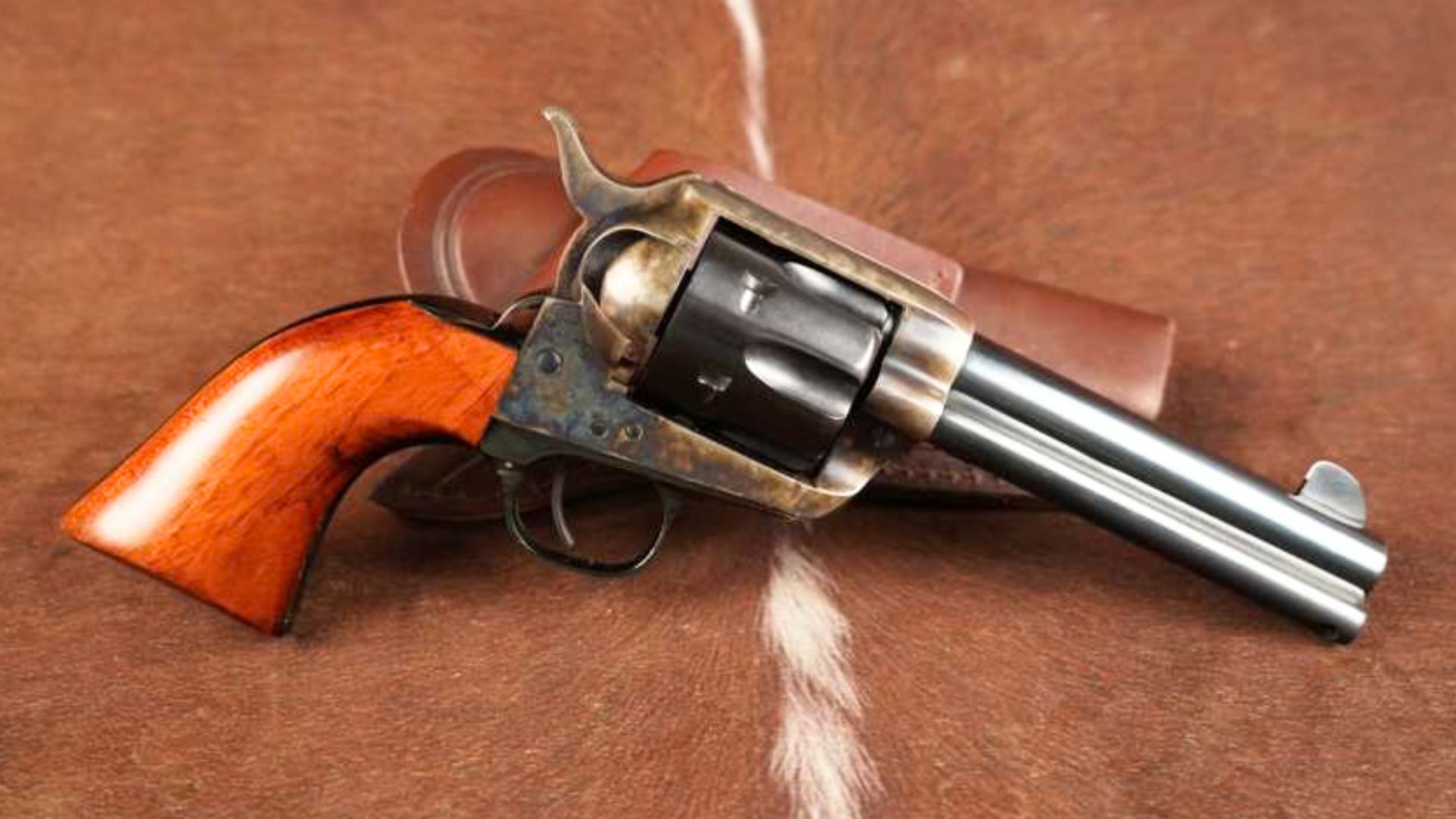
The SAA did not live under just one name. Colt’s timeline says it was also known as the Peacemaker, Colt .45, and the “gun that won the West.” American Rifleman’s look-back piece also notes the revolver is often called Model P in collector circles.
That mix of names tells you how broad the gun’s cultural footprint became. Military users, civilians, collectors, and later pop culture all ended up putting a different label on basically the same revolver.
5. The first generation lasted an incredibly long time

The NRA Museum says first-generation SAA production ran all the way to 1940. That is a remarkably long production life for a revolver introduced in the early 1870s.
That long run matters because it helps explain why the gun shows up in so many different historical settings. It was not just an “Old West” revolver in a narrow sense. It remained a real Colt product far beyond the frontier years.
6. There are three major production generations, not just “old” and “new”

The NRA Museum breaks the SAA into First Generation (through 1940), Second Generation (1956–1976), and Third Generation (1976–present).
That is one of the most useful collector facts about the gun. When people talk about a Colt Single Action Army, they are not always talking about the same production era, and those eras matter a lot in value, parts, markings, and desirability.
7. Colt stopped making it for years and then brought it back

A lot of iconic guns stay in production continuously. The SAA did not. The NRA Museum says production stopped in 1940 and resumed in 1956.
That gap is a big part of the gun’s mystique. It means later Colt SAAs were not just another year-to-year continuation. Their return was already a kind of resurrection of an American classic.
8. Second Generation guns were close enough to First Generation guns to share parts
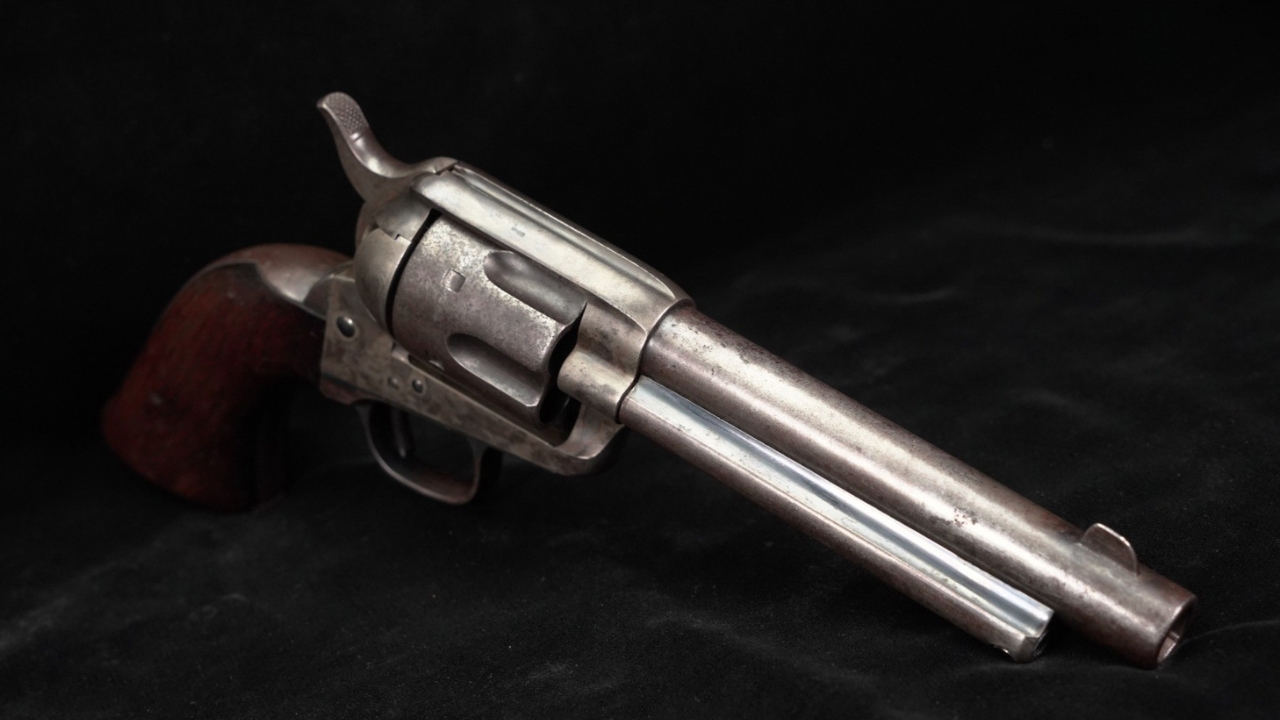
American Rifleman’s piece on Second Generation SAAs says they were produced on much of the original machinery and that parts were interchangeable with first-generation guns for all practical purposes.
That is a very big deal in collector and shooter terms. It shows Colt was not just cashing in on the old name. It was making a very serious attempt to continue the original gun’s form and function.
9. The revolver came in more than just .45 Colt
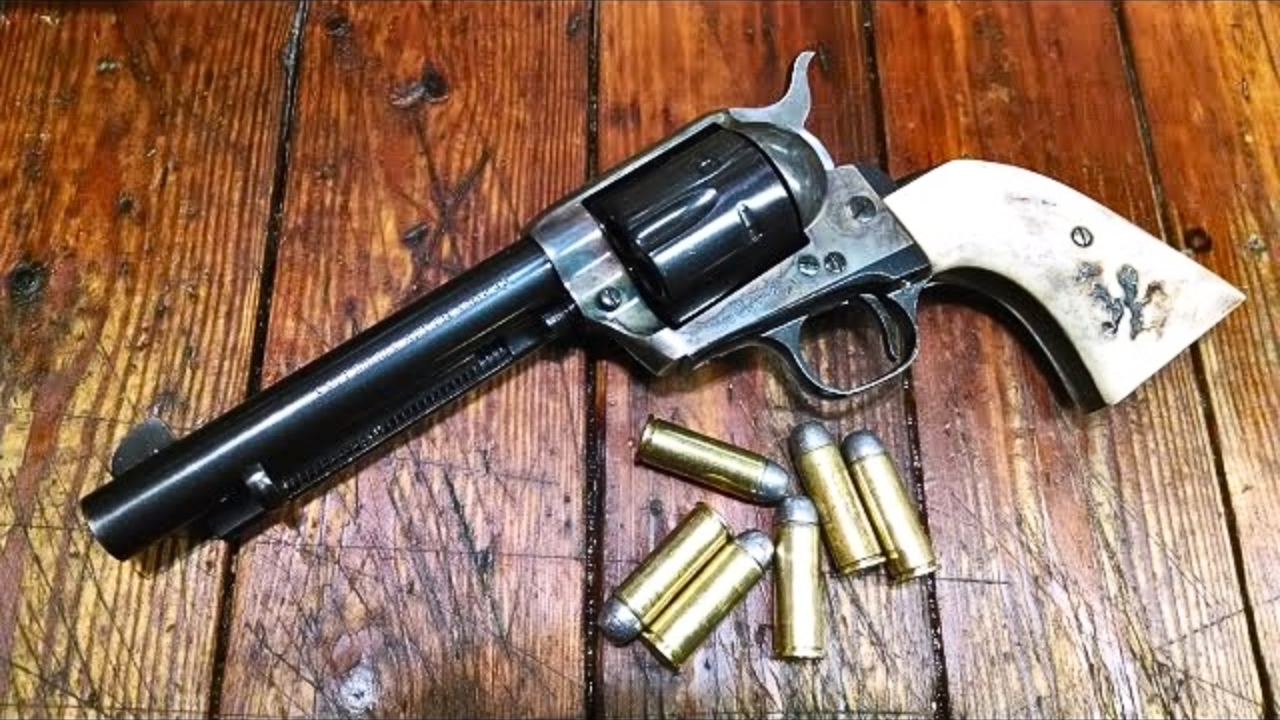
The SAA is so tightly tied to .45 Colt that people often forget it also appeared in other famous chamberings. Even recent American Rifleman collector coverage highlights examples in .44-40 Winchester, which was one of the major alternate chamberings tied to the gun’s frontier and sporting life.
That broader chambering history mattered on the frontier because it let shooters match sidearm and rifle ammunition in some cases. The gun’s identity was built around .45 Colt, but its real-world use was more varied than the stereotype suggests.
10. It was available with a detachable buttstock in rare carbine-style form
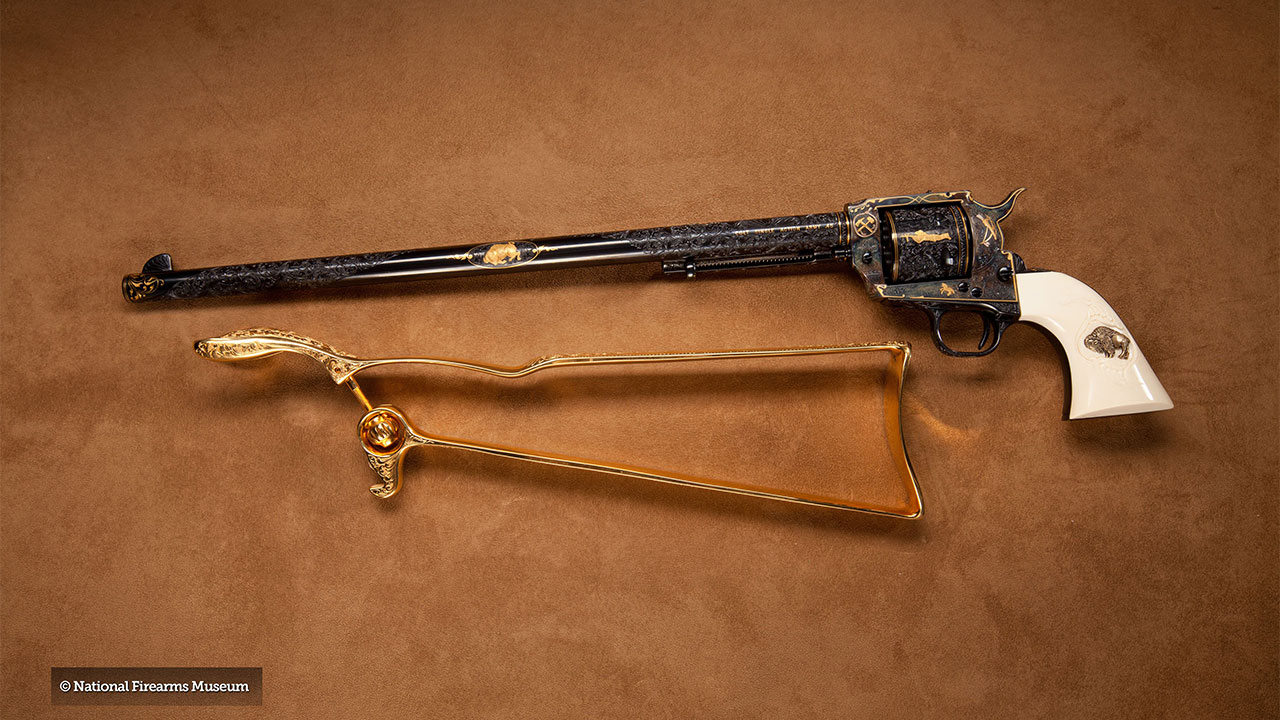
The NRA Museum shows a rare Colt Single Action Army fitted with a detachable skeleton buttstock, essentially turning it into a revolving-pistol carbine configuration.
That is one of those details that surprises even people who like old Colts. The SAA was not just sold in the plain holster-gun form most people picture. Colt and the market around it experimented with more unusual formats too.
11. Colt is still trading on the exact same basic gun 150 years later
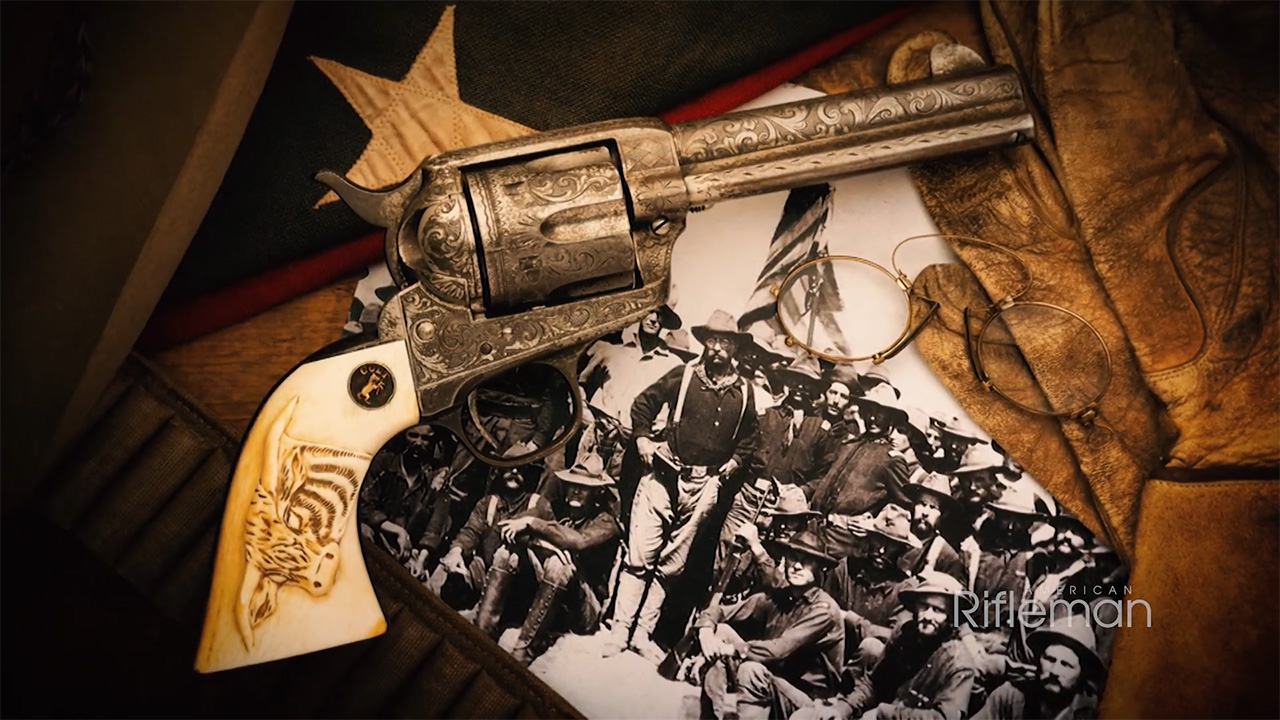
NRA Family’s 2024 piece on the revolver’s 150th anniversary points out something pretty amazing: you can still go to the same company that made the SAA 150 years ago and buy essentially the same gun.
Very few firearm designs can say that honestly. Plenty are copied, commemorated, or modernized beyond recognition. The SAA remained enough itself that Colt can still sell continuity as part of the product.
12. It became Colt’s defining revolver more than almost anything else

American Rifleman’s 2016 look-back says the Model 1873 Single Action Army is the one gun that defined Colt for some 144 years. That is saying a lot for a company that also made the 1911, Python, Detective Special, and countless others.
That helps explain why the SAA’s shadow is so long. It is not just an important revolver. It is one of the main revolvers people think of when they think “Colt,” full stop.
13. The SAA’s collector appeal is strong in every generation
American Rifleman’s Second Generation collecting piece says Single Action Army revolvers, regardless of when they were made, remain one of the top collecting categories in the gun world.
That matters because it shows the SAA is not only prized in its original frontier-era form. Later generations have their own serious collector following too, which is unusual for a design this old.
14. It became a symbol of the American West partly after the West itself had already changed

American Rifleman’s 2023 anniversary piece says the SAA became iconic as one of the tools that “tamed the frontier,” but its long production run also meant its symbolic life kept growing even after the actual frontier period had passed.
That is one of the more interesting truths about the gun. The SAA was a real 19th-century revolver, but its largest mythic life was built through later nostalgia, western fiction, collecting, and cinema as much as through the original frontier itself.
15. Its biggest surprise may be that it never really stopped being current
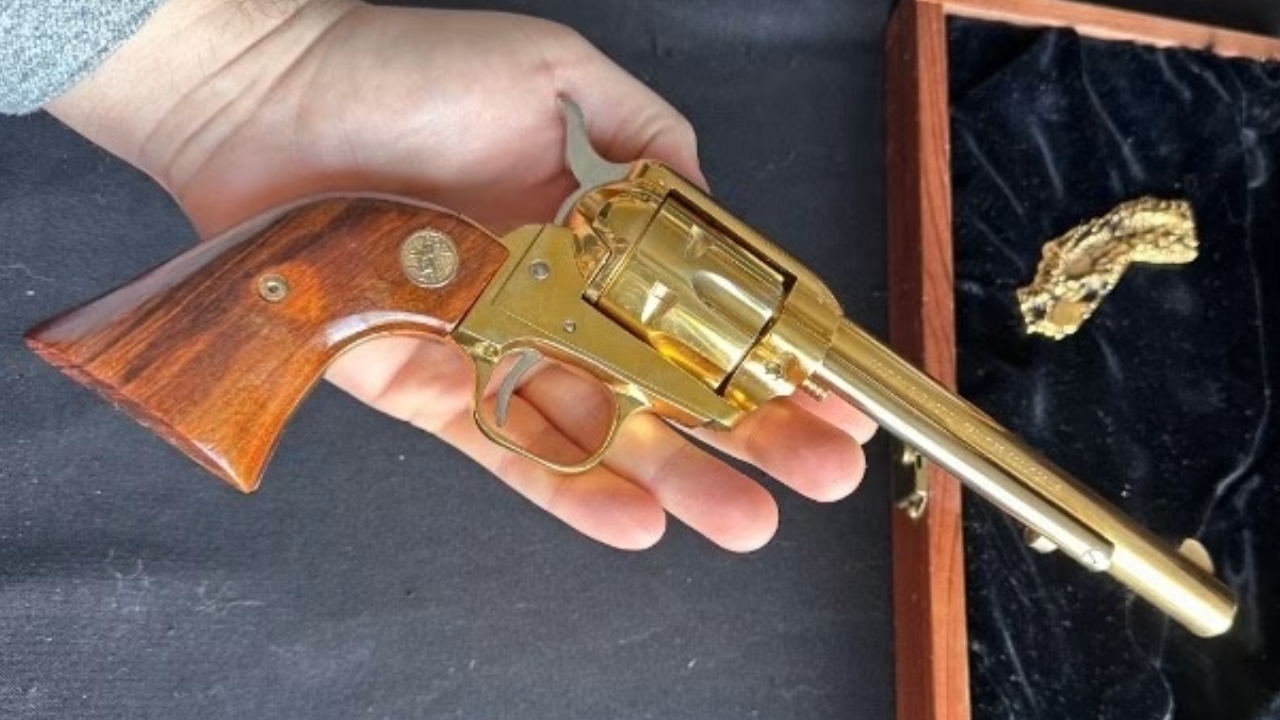
For a revolver introduced in 1873, the SAA is weirdly alive. Colt still builds it. Collectors still chase every generation. Museums still center it in American West displays. And gun people still argue over barrel lengths, calibers, finishes, and eras like the design only just became important.
That is probably the most surprising fact of all. The Colt Single Action Army is not just a relic people remember fondly. It is one of the rare firearms that stayed historically important, commercially relevant, and culturally recognizable across a century and a half.
Like The Avid Outdoorsman’s content? Be sure to follow us.
Here’s more from us: