Photo credit: hippo939/YouTube
A lot of guns get missed for the same reason they later become painful to buy. They sat around long enough to feel normal. They were not the loudest thing in the case, not the hottest topic on forums, and not the gun buyers felt they needed to rush out and grab before the weekend was over. That made them easy to push into the “later” category, which is where a lot of expensive regret gets born.
Then later stopped cooperating. Production ended, imports dried up, cleaner examples disappeared into private collections, or the wider market finally woke up to what the gun had quietly been all along. That is when people stop calling them ordinary and start calling every shop they know. These are the guns plenty of buyers overlooked until replacing one stopped being simple.
Smith & Wesson 4516
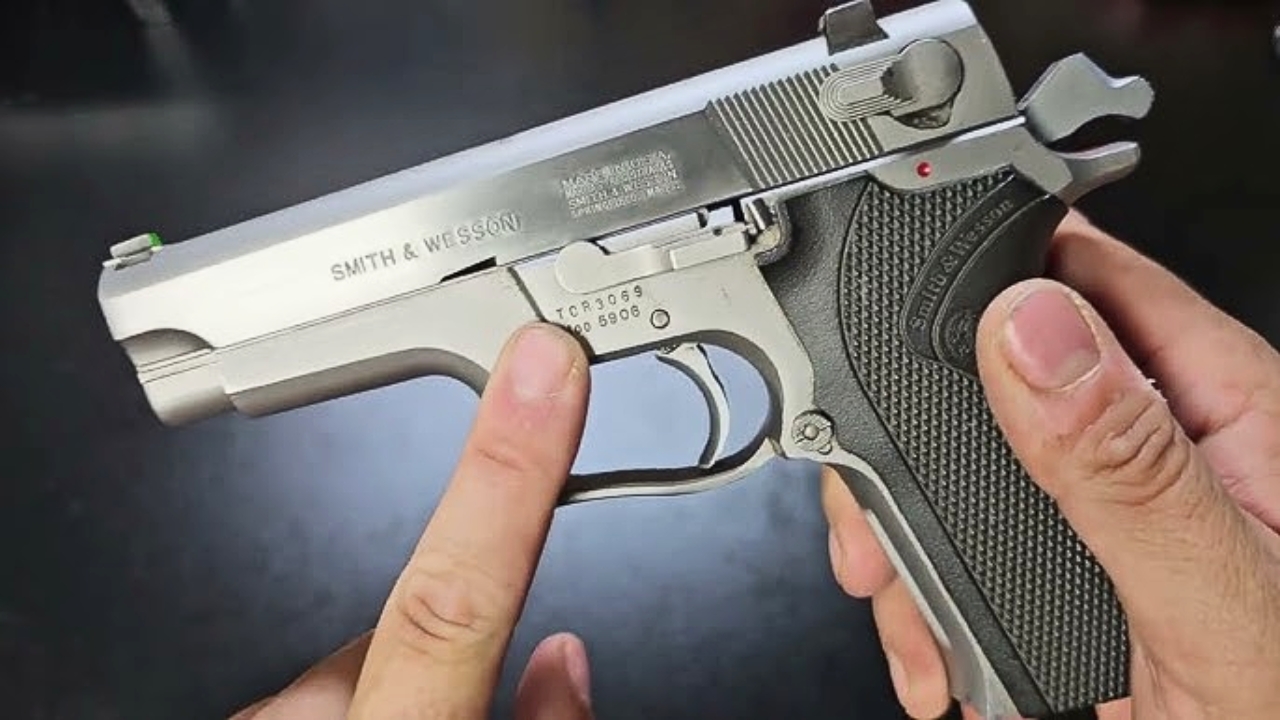
The 4516 spent years looking like a compact stainless .45 from a chapter most buyers thought the market had already moved past. It was heavy, plain, and not especially fashionable once lighter carry pistols started taking over more of the conversation. A lot of shooters respected it, but not with urgency. It felt like the sort of pistol you could always come back for if you ever decided you wanted an older Smith carry gun with real substance.
Then those older Smith autos started getting harder to track down in the condition people actually wanted. The 4516 suddenly looked a lot smarter in hindsight. It was compact, durable, and built like a serious sidearm instead of a short-term product. Buyers who once treated it like a safe future purchase found out future purchases get expensive fast when the good ones stop floating around.
Ruger Old Army
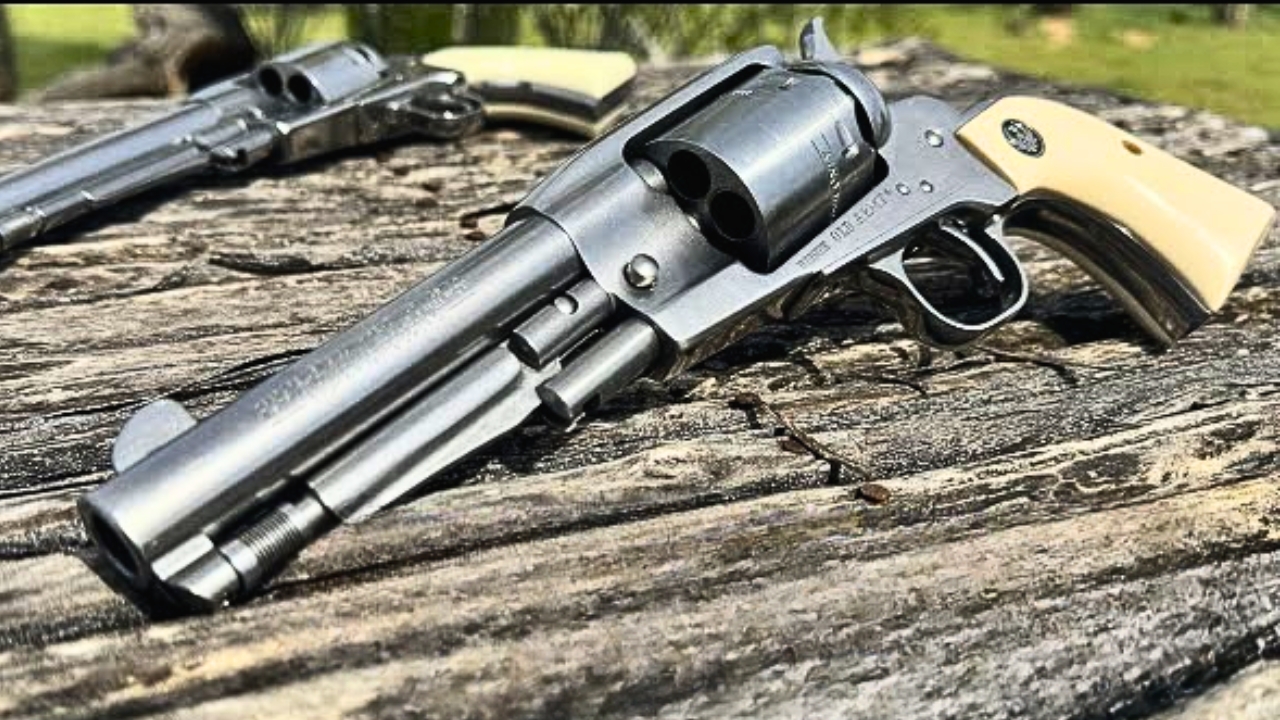
The Ruger Old Army lived in a strange space for years. Black-powder shooters respected it, but the broader gun market often treated it like a niche curiosity rather than a must-own Ruger. That kept urgency low. Plenty of buyers figured they could always pick one up later if they ever got more interested in percussion revolvers or just wanted one because it was such a well-made oddball in the catalog.
Then later got harder. Once production was gone and the market started realizing how strong, shootable, and well-regarded the Old Army really was, the easy-find phase disappeared. A lot of shooters had assumed it would stay available simply because it had always felt slightly outside the collector spotlight. That is exactly why they got caught flat-footed when it stopped being easy to replace.
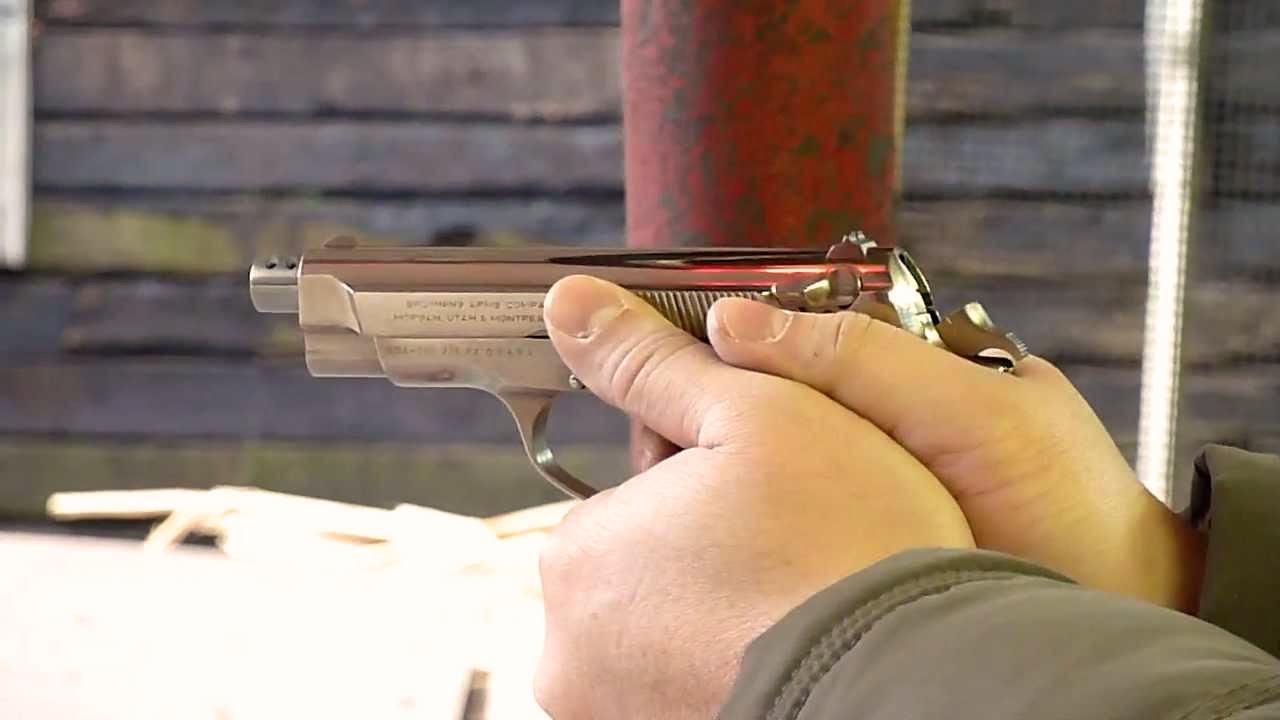
Browning BDA 380

The Browning BDA 380 used to feel like the kind of pistol people admired without ever feeling much pressure to buy. It had quality, style, and a certain old-school appeal, but it was easy to leave in the “one day” category because it never seemed especially urgent. To many buyers, it was just a classy little .380 tied to another era of handgun taste, which made it feel more optional than scarce.
Then the market started missing metal-frame compact pistols with actual personality. The BDA 380 changed from a neat old Browning into a gun people specifically went looking for. That is when many found out how few really nice ones were still moving around casually. It had been easy to overlook only because too many people assumed someone else would always be ready to sell one.
Remington 600 Mohawk

The 600 Mohawk spent years sitting in the shadow of prettier and more talked-about bolt guns. It looked a little odd, carried a workmanlike reputation, and never seemed like the kind of rifle buyers needed to scramble after. That made it easy to delay. Hunters saw it as a practical short rifle from a finished chapter, not as something that would become annoying to track down later.
Then enough shooters started appreciating exactly what made it different. The compact size, the handy feel, and the unusual place it held in Remington history all started mattering more. Once that happened, rifles people once brushed off as plain or quirky stopped hanging around in the same casual way. The 600 Mohawk became one more reminder that ugly-duckling rifles can get expensive once the market catches up.
Beretta 70S
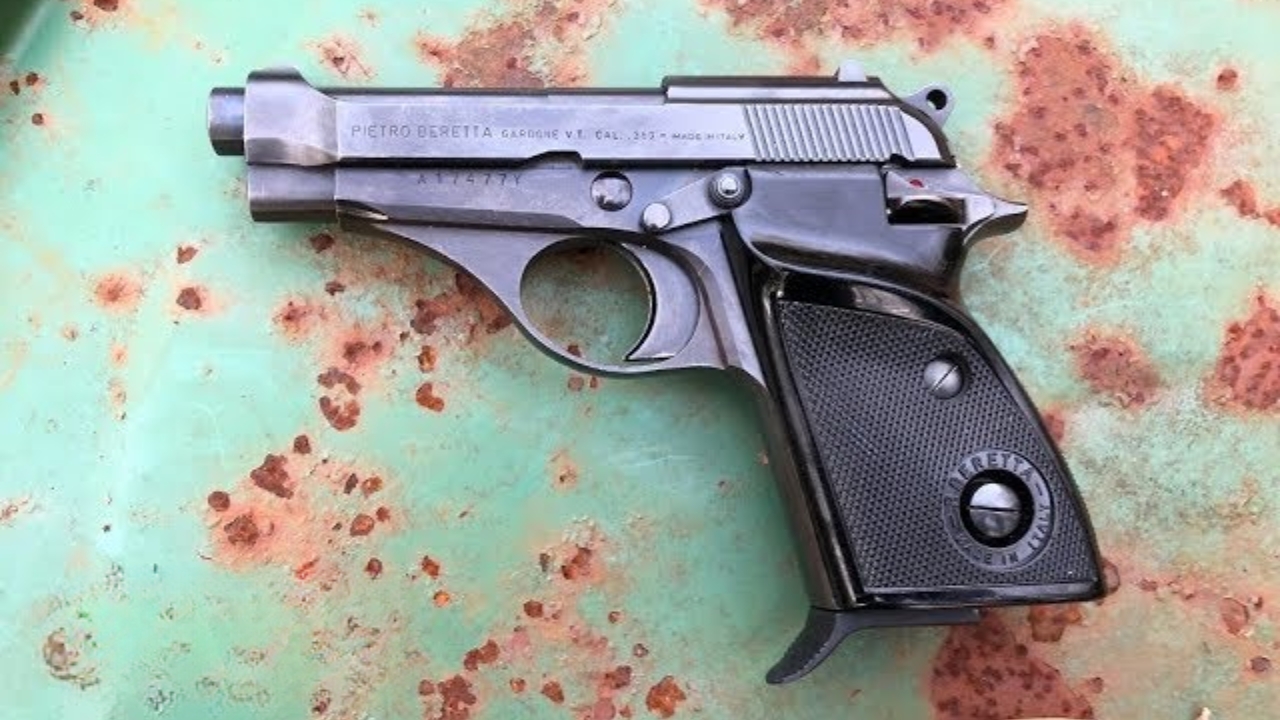
The Beretta 70S used to be the sort of little pistol people thought would always be around if they ever wanted one. It was charming, well made, and tied to a whole category of older European pistols buyers often admired from a distance. That admiration rarely turned into urgency, though. Most people treated it like a pleasant side path rather than something they needed to prioritize over more obvious purchases.
That changed when compact metal pistols started looking smarter than many of the newer guns that replaced them. The 70S stopped being just a neat old Beretta and started becoming the specific gun people wanted. Once that happens, supply tightens fast. Buyers who once treated it like something easy to grab later started finding out later had become a much smaller market than memory suggested.
Winchester 100 in .284 Winchester
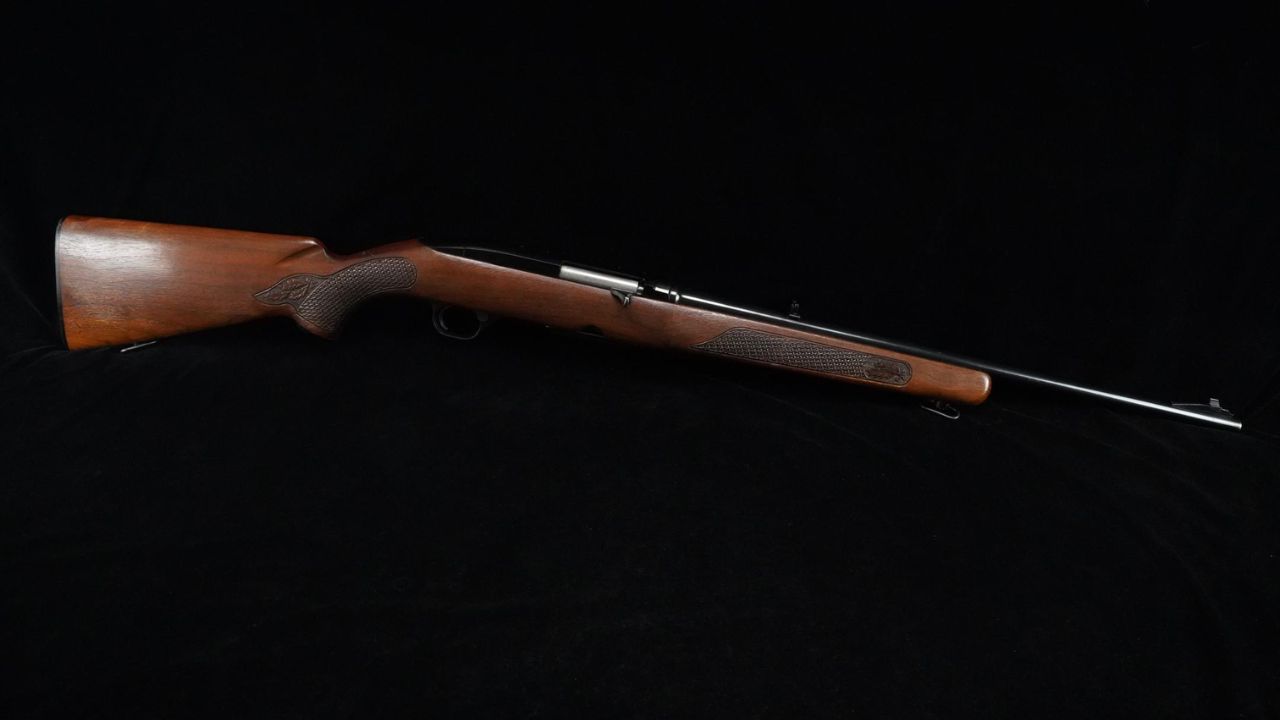
The Model 100 already had a habit of being underestimated, but the .284 Winchester chambering took that to another level. Many buyers either did not pay much attention to it or assumed it would always remain one of those interesting but not especially urgent older Winchester combinations. That made it easy to leave behind. It looked like something you could study later, not something you had to buy when it showed up.
Then the usual story took over. Specific chamberings got harder to find, cleaner rifles stopped coming back into circulation, and buyers started realizing how little room for hesitation there really was. The .284 version went from niche old deer rifle to something a lot more deliberate buyers were actively hunting. Once a rifle becomes specific enough to matter, easy replacement usually disappears in a hurry.
Colt Government Model in 9mm
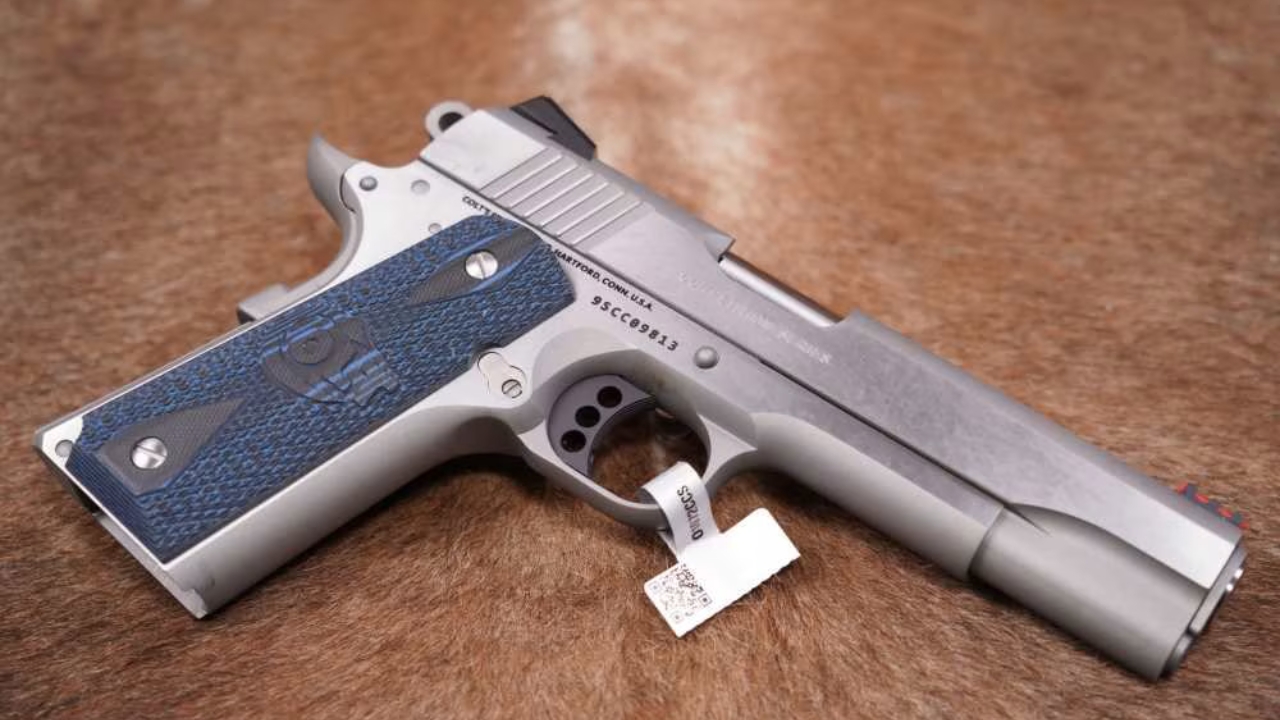
For a long time, a 9mm Government Model from Colt sat in that dangerous middle ground where it was respected but not chased nearly hard enough. Plenty of buyers wanted a .45 first, others wanted something smaller for carry, and many simply assumed the 9mm versions would always be there if they ever got curious about a softer-shooting Colt built on the classic frame. That assumption kept a lot of people from acting.
Then older Colts started drawing sharper attention across the board, and those 9mm Government Models stopped feeling like side-note guns. Buyers realized they offered real shootability, Colt appeal, and a different kind of 1911 ownership experience than the usual .45 conversation. By the time more people caught on, they were no longer nearly as casual to find as they once seemed.
Marlin 1894C
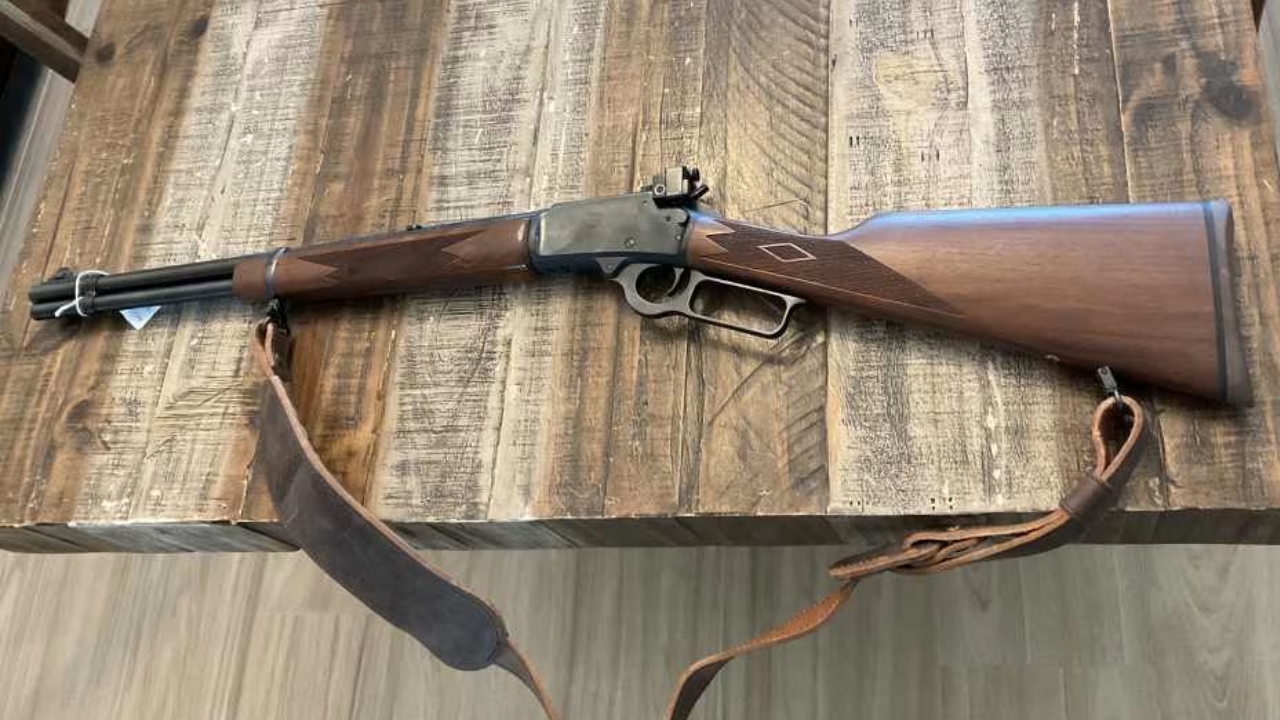
The 1894C used to feel like one of those lever guns that would always be floating around in the background. It was useful, easy to like, and chambered in a way that made a lot of practical sense, but it still never felt urgent to the average buyer. Plenty of shooters figured they could always pick one up later if they ever decided they wanted a handy pistol-caliber carbine with real field and range appeal.
Then pistol-caliber lever guns got hotter, Marlin production became a more complicated story, and the 1894C stopped feeling like a casual future purchase. Clean examples began moving differently, and the same buyers who once shrugged at them started looking harder. A rifle that had seemed easy to overlook suddenly looked very expensive to replace, which is usually when people finally admit they misread it.
Smith & Wesson 1006
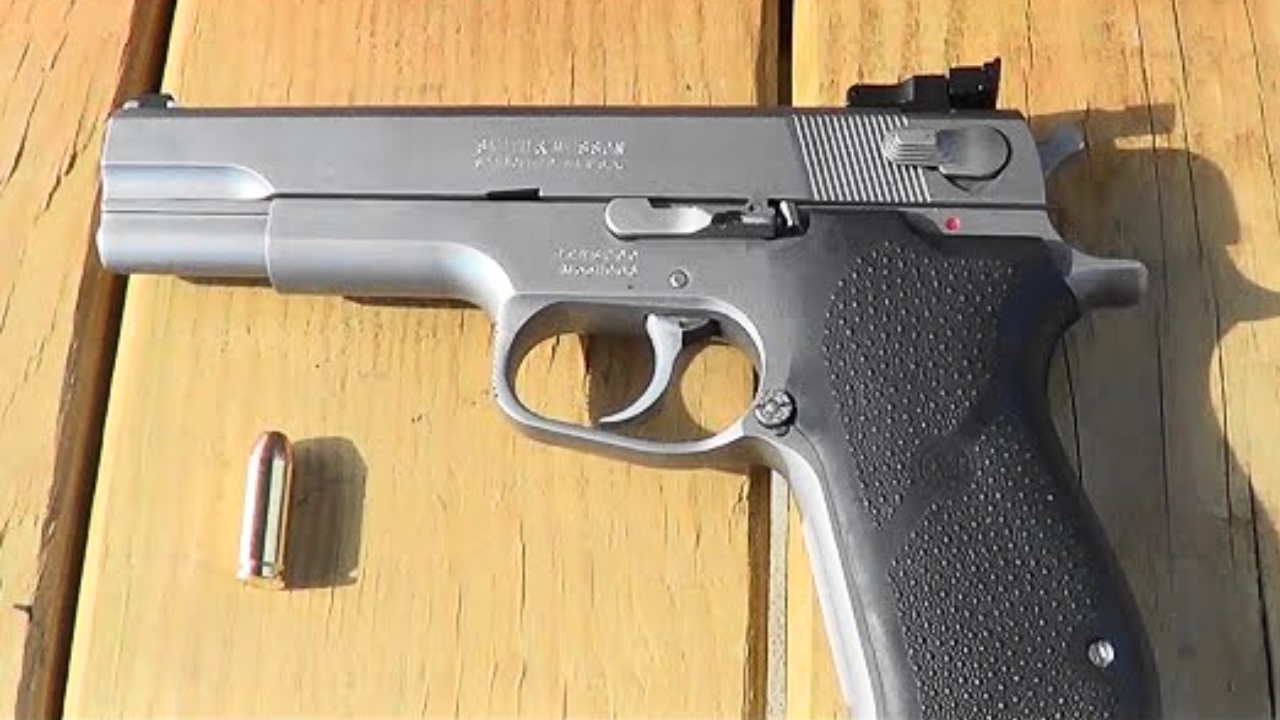
The 1006 spent years being treated like a big old 10mm for serious Smith fans rather than a gun mainstream buyers needed to take seriously. It was overbuilt in the best sense, but that same bulk helped keep it from feeling urgent. A lot of buyers assumed it would remain one of those older powerhouse autos you could circle back for if you ever got deeper into 10mm or older metal service pistols.
Then the 10mm market matured, older third-generation Smiths got more respect, and the 1006 looked a lot less optional. Buyers started realizing how few of them were really moving in strong condition and how hard it was to find another once you had let a good one get away. The pistol did not change. The market just stopped treating it like an oversized leftover and started treating it like the serious gun it had always been.
Ruger 77/22 All-Weather
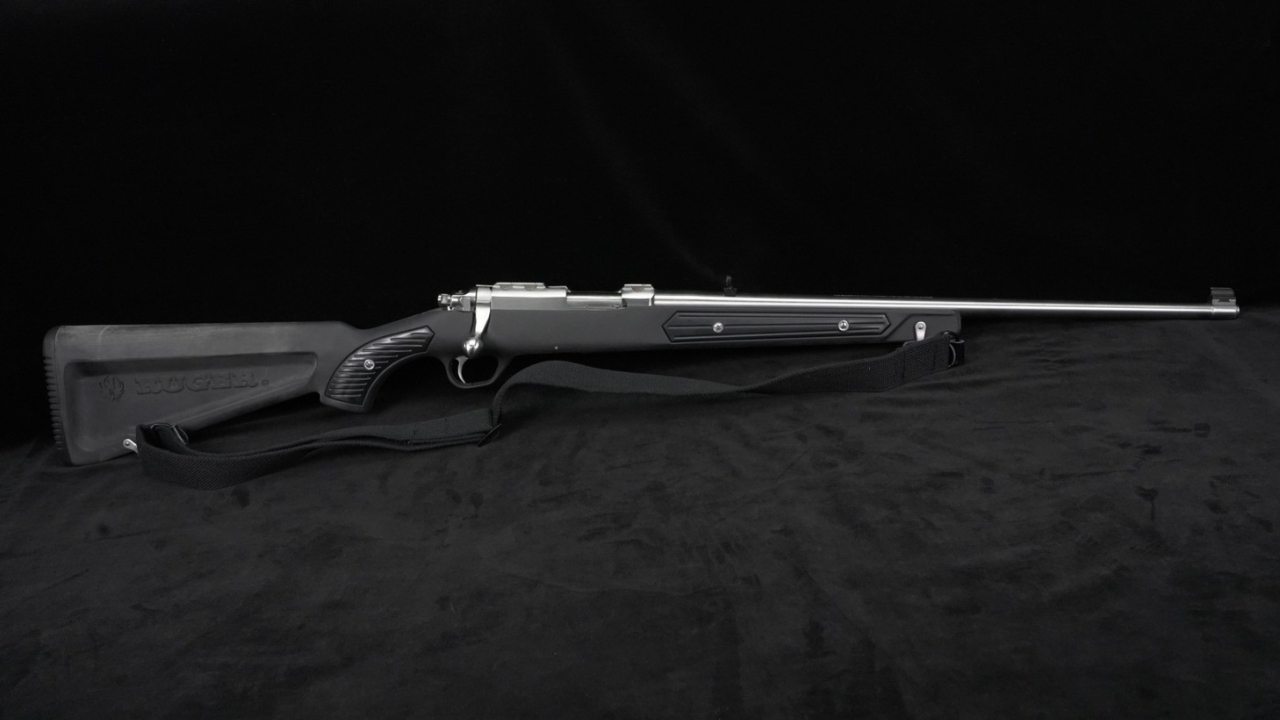
The 77/22 All-Weather used to feel like a rifle a person could always find later because rimfires rarely create the same buying panic centerfires do. It was a practical, well-made Ruger, but not always the one people felt they had to hurry toward. That made it easy to skip, especially when cheaper .22 options were everywhere and buyers assumed a nicer bolt rimfire could always wait.
Then buyers started wanting more from their rimfires than disposable utility. The 77/22 All-Weather began standing out as a weatherproof, serious little rifle from a time when manufacturers still made these sorts of guns with more pride. By the time more people came around to that idea, finding one had stopped being casual. It turned out the market had far less patience than the buyers who overlooked it.
Browning Baby Browning
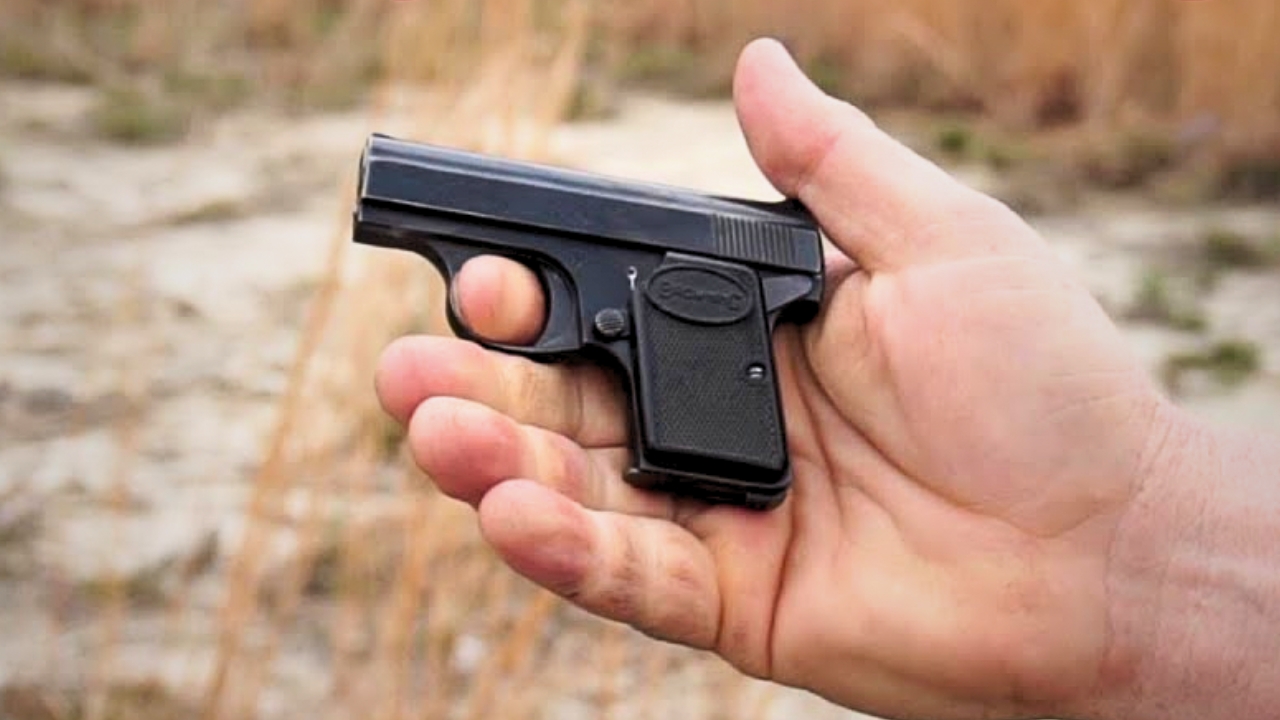
The Baby Browning lived for a long time as the sort of gun people admired, smiled at, and moved past. It was tiny, stylish, and undeniably charming, but many buyers still treated it like a novelty-adjacent collectible they could always come back for later. That made it easy to underestimate. Cute little pistols rarely feel urgent when there are bigger and louder things in the case demanding more attention.
Then scarcity and collector affection did their usual work. Nice examples became harder to bump into, and the pistol’s quality and design history started carrying more weight. Buyers who once assumed there would always be another tiny Browning waiting around learned that little pistols can get very expensive once enough people decide they are more than pocket curiosities. The Baby Browning got hard to replace because buyers finally stopped laughing it off.
Remington 572 BDL Fieldmaster

The 572 BDL Fieldmaster always had a loyal following, but for years it still felt like the sort of pump rimfire you could pick up whenever you finally got around to caring. It was familiar, useful, and tied to real shooting traditions, which oddly made it easier to take for granted. Buyers figured it would remain part of the background forever because it had already been around for so long.
Then older rimfires started getting appreciated more seriously, and nicer BDL versions stopped looking so disposable. Buyers who once saw them as just good old .22s started recognizing that good old .22s are exactly the kind of rifles that vanish into private ownership and do not come back out much. The 572 BDL got harder to replace because too many people treated it like it had all the time in the world.
SIG Sauer P245
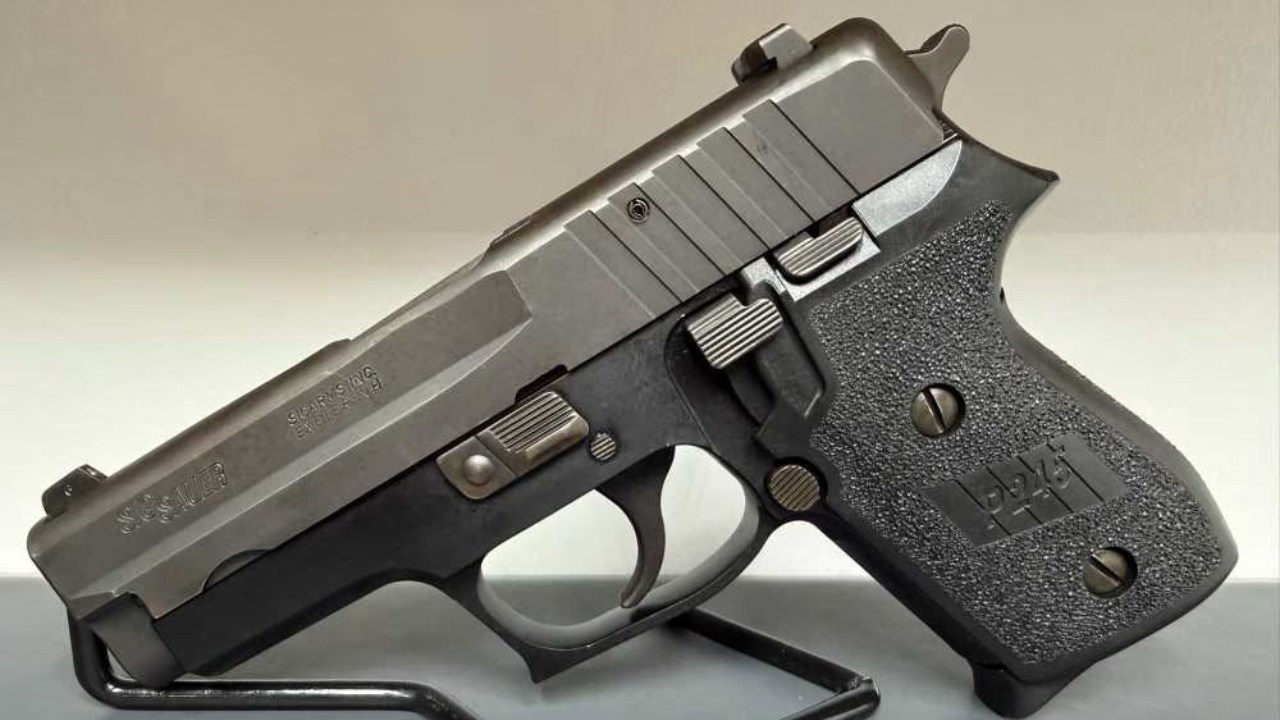
The P245 used to be one of those SIGs people found interesting without putting much pressure on themselves to buy. It was a compact .45 from a respected maker, but it lived in a lane that never got the same nonstop attention as the more famous P-series pistols. That let a lot of buyers keep it in the “maybe later” category, which always feels safe right until it does not.
Then the usual things happened. Production ended, buyers got more nostalgic about older SIG designs, and people realized the P245 had been a pretty smart pistol all along. Once they started actually looking for them, the market felt much tighter than memory suggested. The same gun many treated like a side option suddenly became the kind of gun they regretted not buying when it looked common.
Savage 1899A
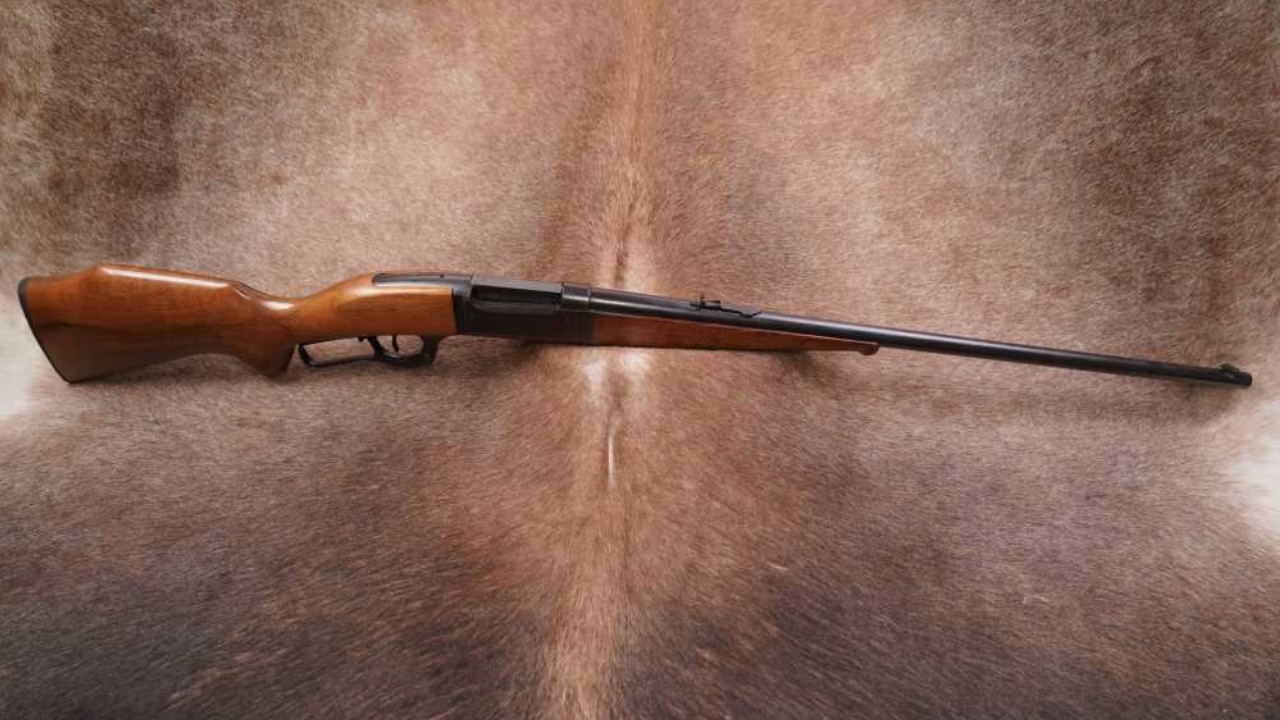
The 1899A spent years in the shadow of prettier or more celebrated Savage variants, which made it easy for buyers to treat it like the version they could always pick up later. It was still an 1899, still useful, still historically interesting, but it did not always get top billing. That gave buyers a dangerous sense of comfort. They assumed the less glamorous versions would stay easy to find simply because the collector spotlight pointed elsewhere.
That comfort wore off once buyers realized the whole platform was getting harder to buy well. Even the rifles that had once seemed like the affordable, easier path into a Savage lever gun stopped hanging around casually. The 1899A became one more example of a firearm people overlooked not because it lacked value, but because they assumed value would stay affordable forever.
Colt Pocket Nine
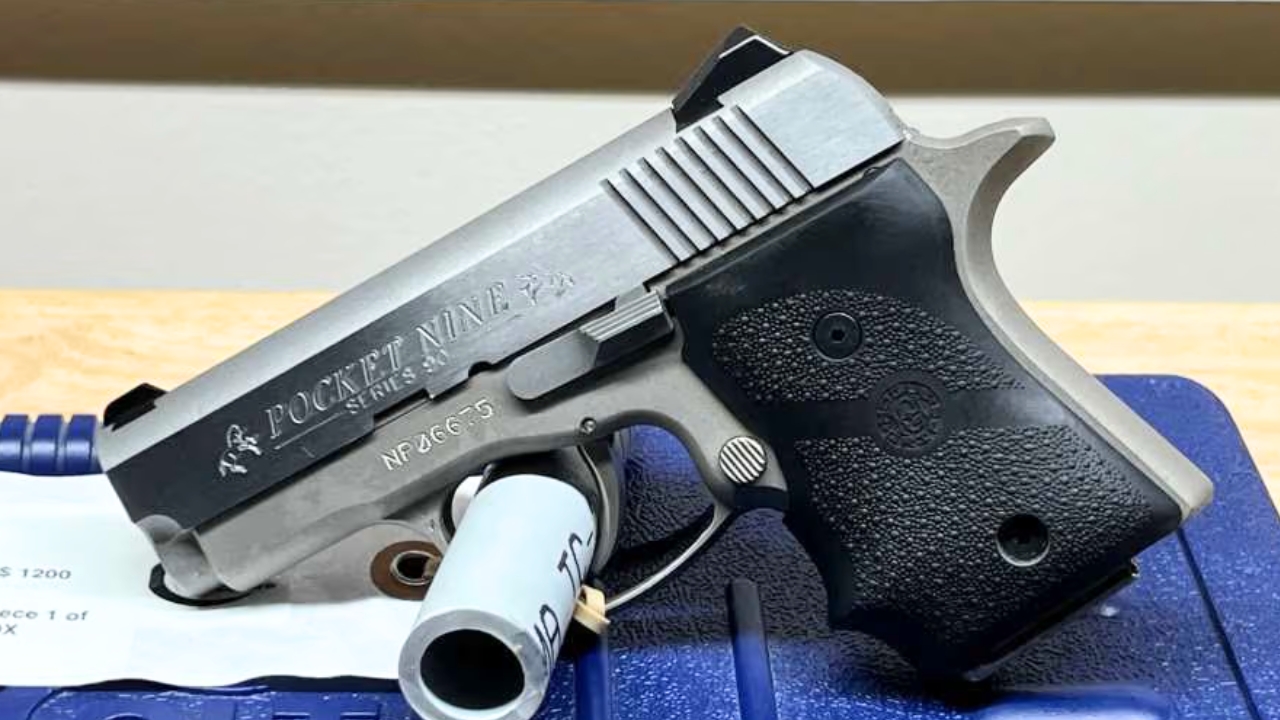
The Colt Pocket Nine had a short enough life and a quiet enough reputation that a lot of buyers simply did not take it very seriously when it was easier to find. It looked like an interesting footnote, not a must-own Colt. That was enough to keep it from building much urgency in real time. People figured it would remain a niche little pistol for the few buyers who cared.
Then Colt collectors and compact-pistol buyers started revisiting the model with more seriousness. The short production run suddenly mattered more, and the same pistol people once walked by became much harder to replace once they actually wanted one. The Pocket Nine did not become more important overnight. Buyers just finally noticed that limited and overlooked often turns into scarce and regretted faster than expected.
Like The Avid Outdoorsman’s content? Be sure to follow us.
Here’s more from us: