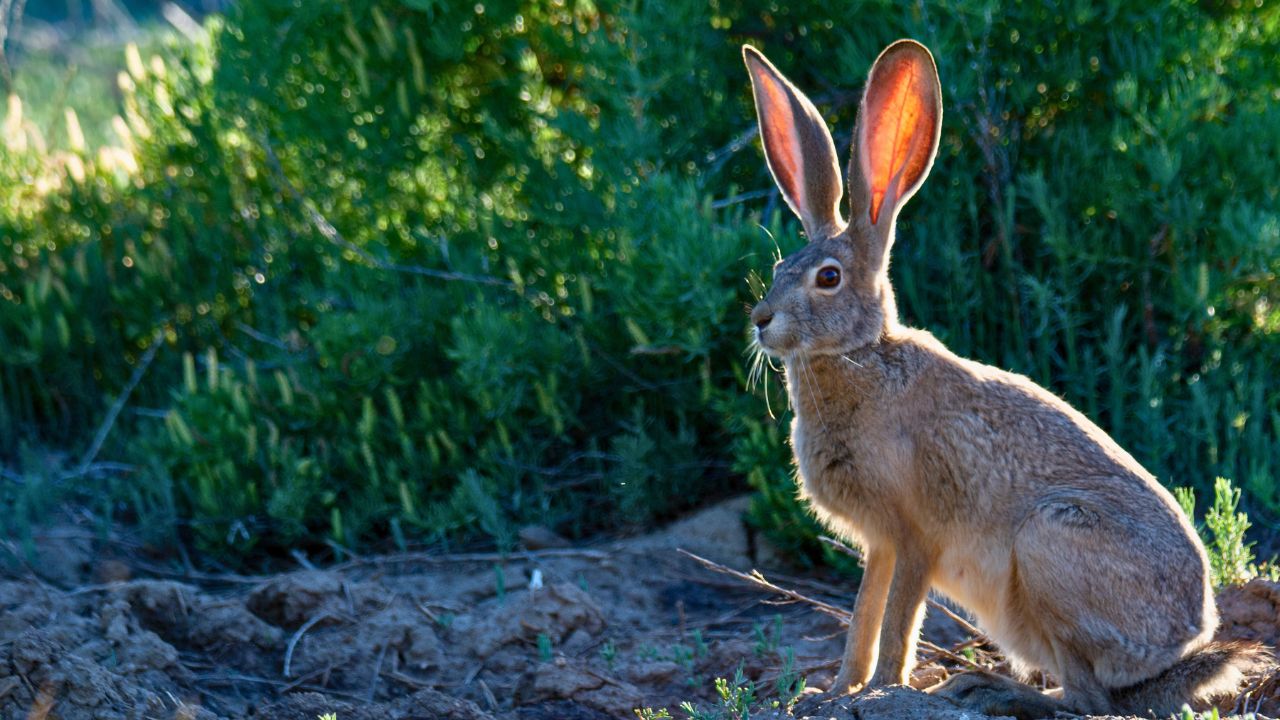
Photo credit: Lange/Shutterstock.com
Hunting jackrabbits is an exciting challenge, especially when you’ve got a .22 rifle in hand. These quick and clever animals push your skills to the limit, making every outing a test of patience and precision. Whether you’re new to the sport or have plenty of experience under your belt, honing your techniques can make the difference between frustration and success. With the right approach, hunting jackrabbits can be both a rewarding adventure and a great way to sharpen your abilities. Let’s dive into what it takes to make your next hunt a success.
Why a .22 Rifle is Perfect for Jackrabbit Hunting
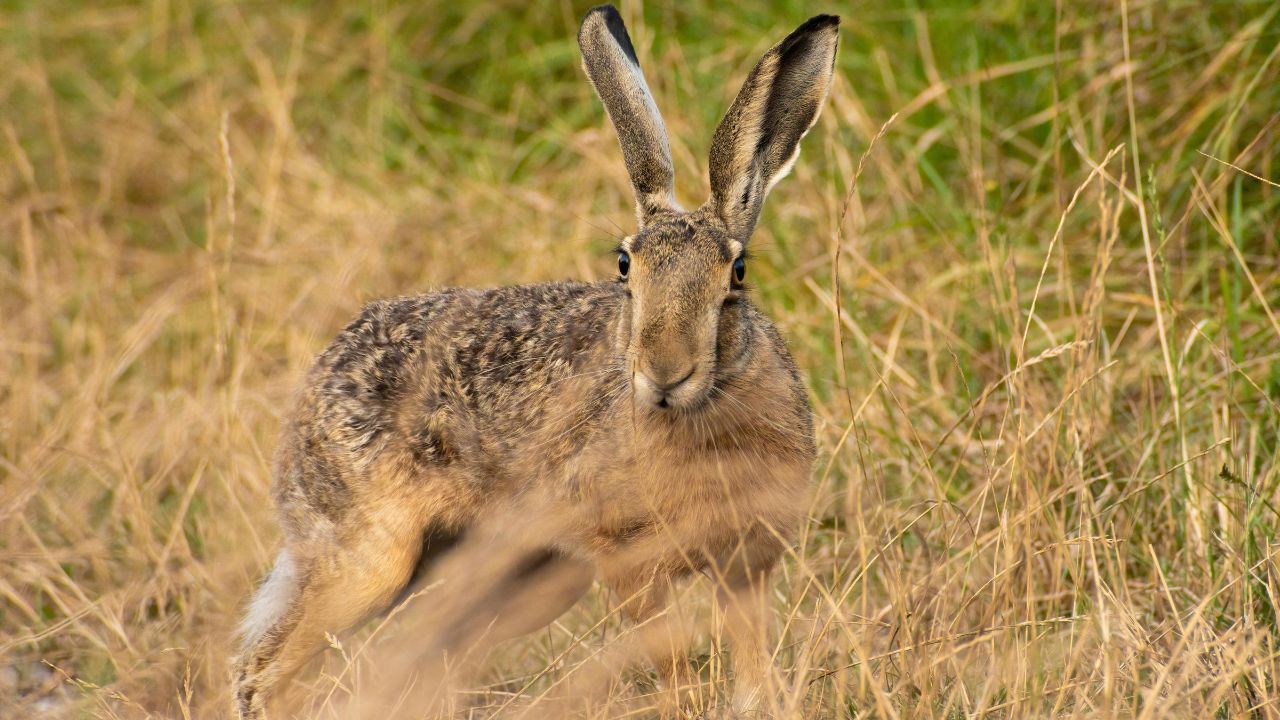
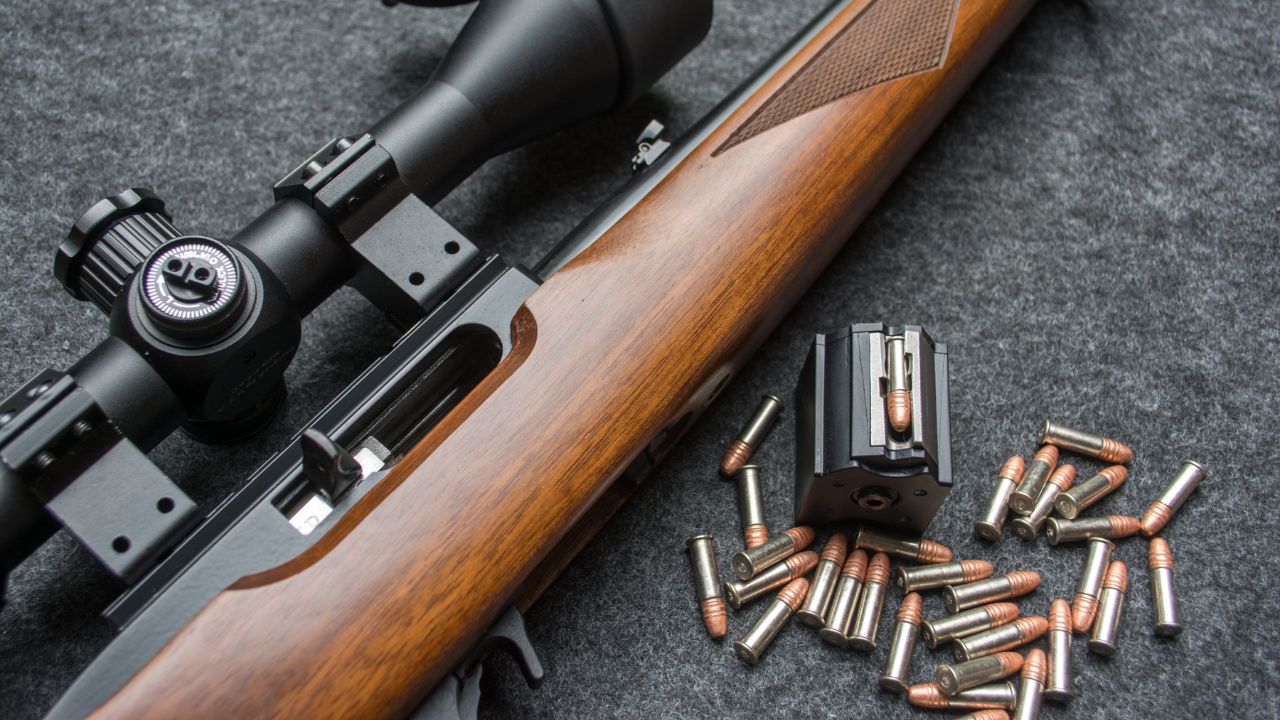
A .22 rifle is a classic choice for hunting jackrabbits, and it’s easy to see why. It offers just the right balance of accuracy and range without being overpowered. Unlike a shotgun, which can tear up the meat or require you to get closer, a .22 lets you line up a clean shot from a good distance. It’s lightweight, easy to handle, and great for hunters of all skill levels—whether it’s your first time out or your hundredth.
The .22 also keeps things quieter, which is a bonus when you don’t want to spook everything within a mile. Plus, ammo is inexpensive and widely available, making it perfect for spending a whole day in the field. Trust me, if you’re after jackrabbits, this rifle just works. It’s reliable, accurate, and gets the job done without any unnecessary fuss.
Coordinating with a Group for Success

Hunting jackrabbits with friends or family? A group effort can be both effective and a lot of fun. One method that works well is forming a spaced-out line, about 30 yards apart, and moving slowly through areas with dense sagebrush. This approach increases your chances of flushing out rabbits, as they’ll scatter in different directions, giving everyone a fair shot.
Just be sure to keep communication clear and safety a top priority. You don’t want to take a shot without knowing where everyone is. And when a jackrabbit darts out, don’t rush. Take a breath, line up your target, and let the .22 do the rest. Hunting as a team makes the whole experience more enjoyable and often leads to more success.
Finding Game Trails When Hunting Alone
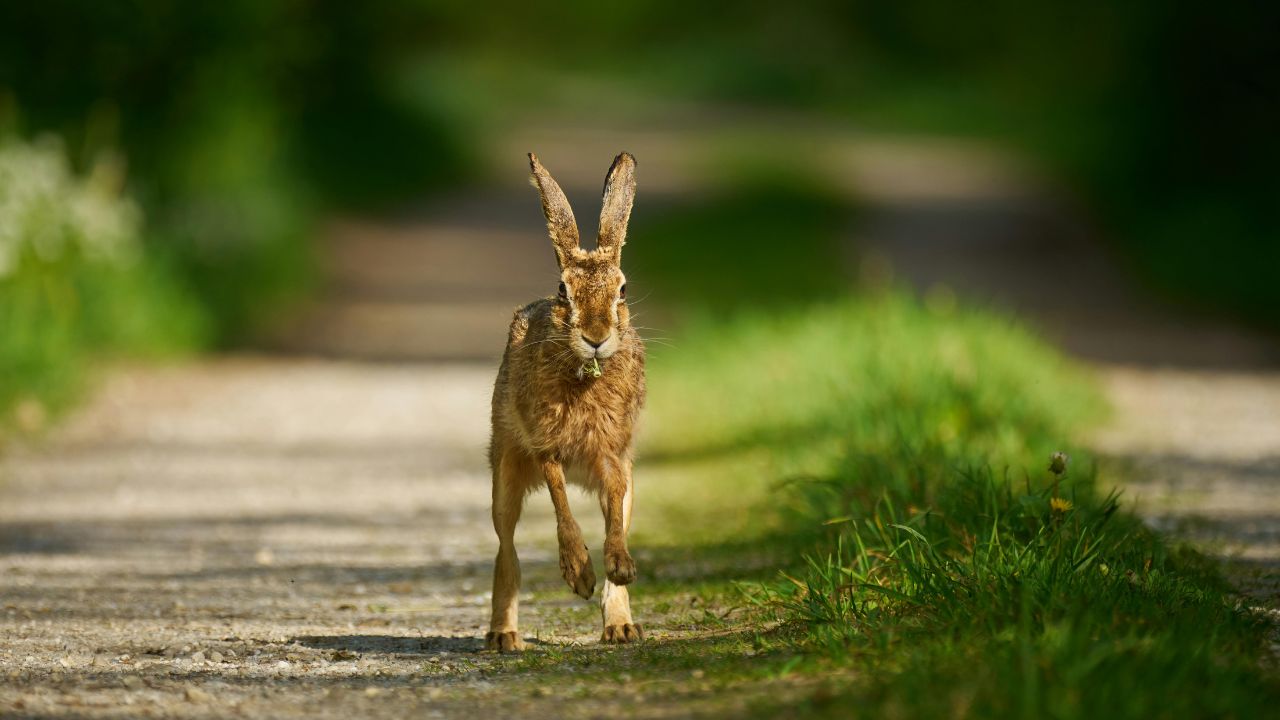
When you’re out hunting solo, the best strategy is to follow game trails. Jackrabbits are creatures of habit and stick to these well-worn paths that weave through the brush. These trails are easy to spot once you know what to look for—narrow, winding paths with subtle tracks leading deeper into their hiding spots. Walk slowly, keeping your .22 at the ready, and don’t forget to look back and to the sides occasionally. Jackrabbits have a knack for sneaking behind you when you least expect it.
Taking your time is key here. Rushing through the trails will only make you miss the subtle movements of a rabbit darting away. Be patient, stay alert, and let the trail lead you to your target. This method works like a charm when you’re on your own.
Spotting Their Hiding Places
Jackrabbits are masters of blending in, often hiding under thick brush or larger bushes. These spots provide shade and camouflage, making it harder to see them at first glance. Focus your attention on these denser areas of sagebrush as you walk. The moment a rabbit feels cornered, it will dart out into the open, giving you the chance for a clean shot.
The trick is to move slowly and deliberately, scanning the ground for movement. Jackrabbits tend to stay put until they’re startled, so you might get closer than you expect before they make a run for it. Keep your .22 ready and be quick, but don’t rush the shot. Letting the rabbit think it’s still hidden gives you a better chance to line up for accuracy.
Be Patient and Precise with Your Shots
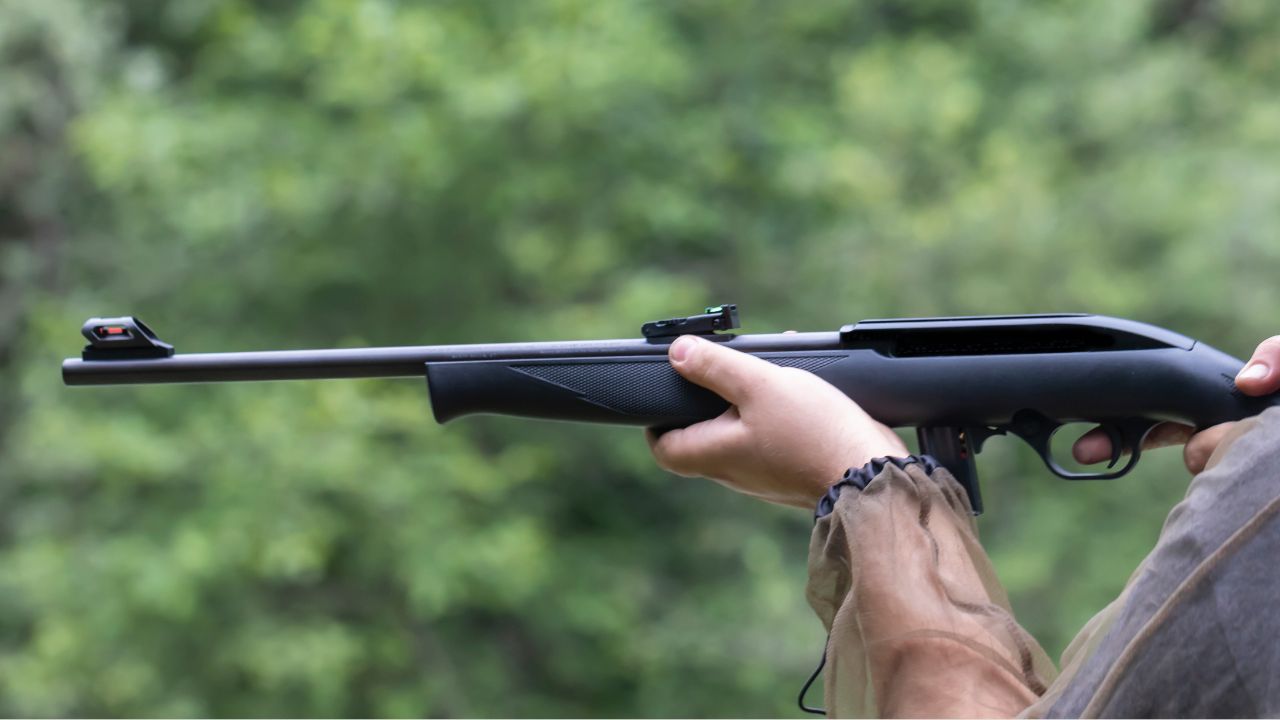
When hunting jackrabbits with a .22 rifle, patience makes all the difference. These rabbits are quick and unpredictable, so a rushed shot often leads to a miss. Once you spot one, resist the urge to fire immediately. Instead, take a deep breath, steady your aim, and line up the shot carefully. If the rabbit is moving, lead your aim slightly ahead to account for its speed. These little guys can hit 45 miles per hour, so timing is everything.
Don’t get discouraged if it takes a few tries. Even seasoned hunters miss a shot or two. The beauty of the .22 is its accuracy at range, giving you the confidence to keep trying. Take your time, and when the moment feels right, you’ll make the shot count.
Tracking Down Your Rabbit After the Shot

Even with a well-placed shot, jackrabbits can sometimes run a short distance before stopping. This is where tracking skills come into play. Look for signs like fur or blood along their escape route, and keep your eyes peeled for movement under nearby bushes. Often, they’ll seek cover in a new hiding spot.
The key is staying persistent and alert. A hit doesn’t always mean the rabbit will drop on the spot. Walk carefully, scanning for trails or subtle movements, and don’t rush the process. Tracking is part of the hunt, and when you finally find the rabbit, the effort feels well worth it.
The Best Time of Day to Hunt Jackrabbits
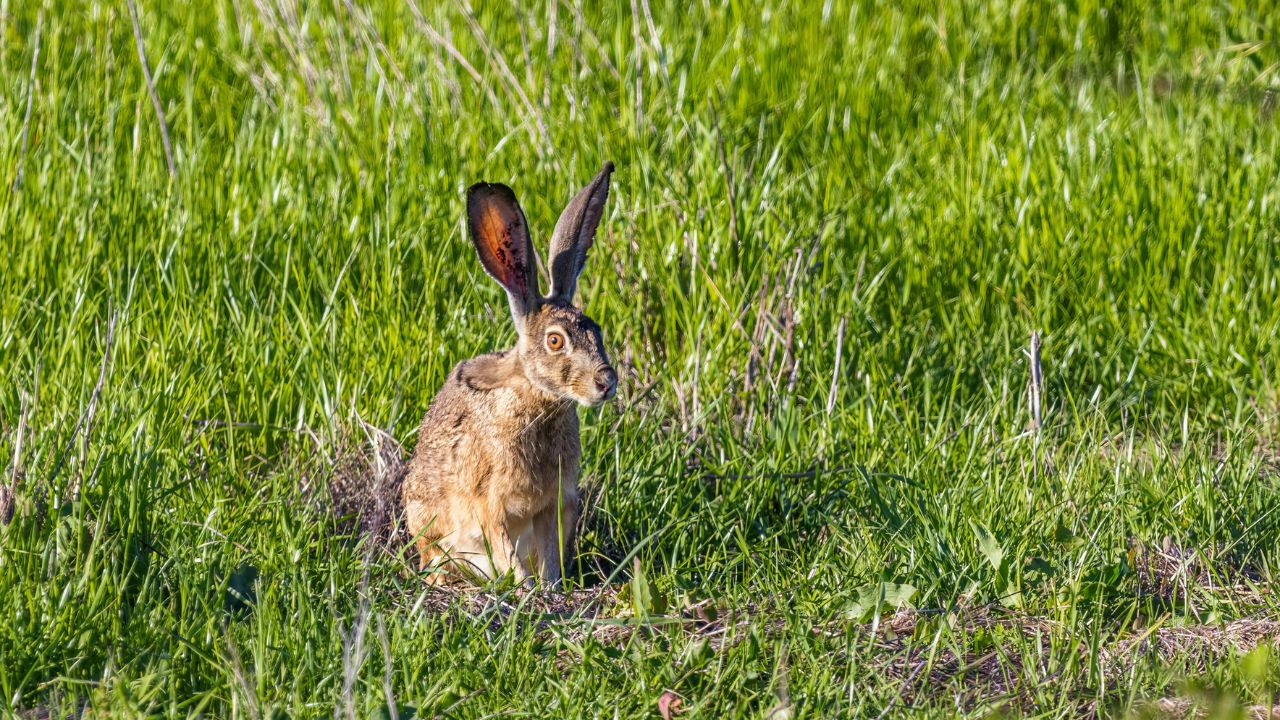
If you want the best chance at spotting jackrabbits, head out at dawn or dusk. These are their most active times, as they come out to feed during the cooler parts of the day. At first light, you’ll often catch them in open fields or valley floors, moving around in search of food. The early morning and late afternoon are also great for a more active hunt, where you can slowly stalk them and wait for movement.
Walking at a steady pace and pausing frequently can work wonders. Jackrabbits have a habit of bolting when startled by sudden stops, so use that to your advantage. There’s something peaceful about hunting during these hours—the soft light, the quiet surroundings, and the thrill of spotting your target.
Staying Aware of Other Wildlife While Hunting
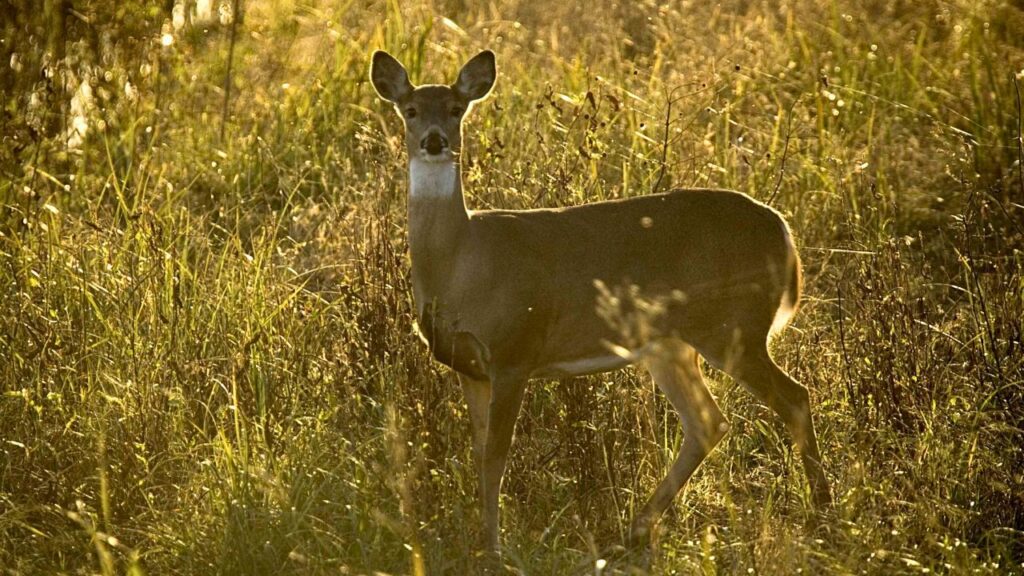
When you’re out hunting jackrabbits, you’re likely to cross paths with other wildlife, from deer to smaller critters. Staying mindful of your surroundings is essential, not just for safety but to respect the ecosystem. Always ensure you’re shooting in a safe direction with a clear backstop, especially when there are other hunters or animals nearby.
Most of the time, you’ll be aiming toward the ground, but it’s critical to double-check what’s beyond your target. The last thing you want is to accidentally harm something unintended. Staying alert not only keeps everyone safe but also adds to the overall experience of being out in nature, appreciating everything around you.
Navigating the Terrain for Jackrabbit Hunting

Hunting jackrabbits isn’t just about the shooting—it’s a test of endurance, too. These hunts often take you across vast and rugged terrain, so gear up for long hikes. A comfortable pair of boots is non-negotiable, especially when you’re covering rocky ground or thick brush. Add a sturdy game vest to your kit; it’ll make carrying gear and harvested rabbits much more manageable. Remember, jackrabbits can weigh up to 10 pounds, so hauling a few adds up quickly.
Don’t skimp on hydration, either. Bring plenty of water and some snacks to keep your energy up throughout the day. The terrain can be challenging, but being prepared makes the experience far more enjoyable—and gives you a better shot at success.
Like The Avid Outdoorsman’s content? Subscribe to our newsletter so you never miss an article.
Here’s more from us: