Photo credit: Maggie Hopkirk-shutterstock
Caliber gets talked about like it is the whole story, but it is not even the first thing wildlife agencies usually emphasize. The National Park Service says bear spray is the recommended self-defense tool in bear country and describes it as highly effective at stopping or deterring attacks. U.S. Fish and Wildlife Service gives the same basic advice in Alaska: stay alert, avoid surprising bears, and carry deterrents you can actually use. That already tells you something important. In a real bear encounter, what matters more than caliber is often whether you recognized the problem early, had the right tool accessible, and knew how to respond before the distance got ugly.
Awareness matters before anything else
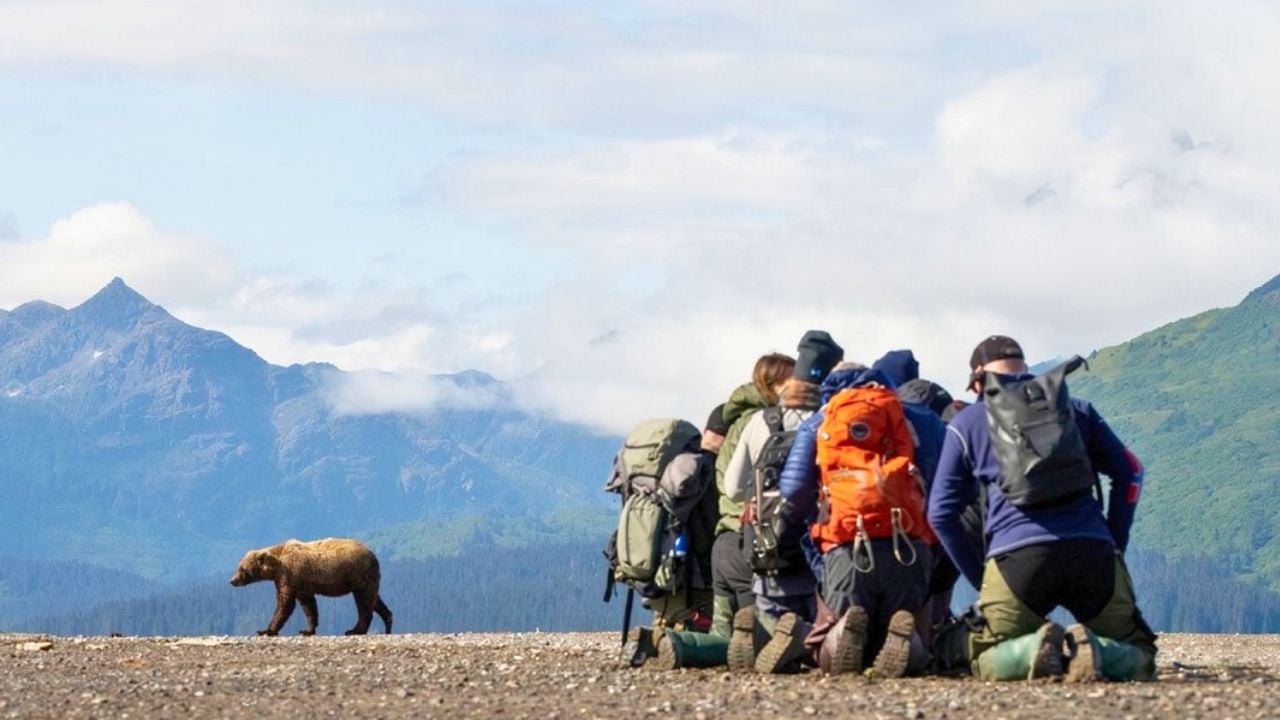
A lot of bad bear encounters start long before anyone touches a holster. The National Park Service says people should hike in groups, make noise, stay alert, and avoid surprising bears. Fish and Wildlife says much the same in Alaska, stressing awareness, camp cleanliness, and reducing the kinds of situations that bring bears in close. That matters because a huge part of surviving a bear encounter is not getting forced into a last-second emergency in the first place. If you spot the bear early, keep it from being surprised, and avoid crowding it, you may never need to find out what your sidearm can do.
That is one reason caliber talk often misses the point. People want a hardware answer to a behavior problem. But if your head is down, the wind is wrong, you are moving quietly through thick cover, and you have no idea a bear is there until the encounter is on top of you, the problem is already much bigger than cartridge choice. Awareness buys time, and time is a bigger advantage than an extra jump in bullet diameter ever will be.
Accessibility matters more than power on paper
A defensive tool does not help much if it is buried in a pack, strapped under layers, or awkward to reach when your heart rate spikes. The National Park Service says bear spray is easy to use without much experience and recommends carrying it where it is readily accessible. Grand Teton’s bear-spray guidance says the same thing plainly: carry it where you can get to it fast, not buried away. That is a more useful real-world standard than arguing endlessly over caliber charts.
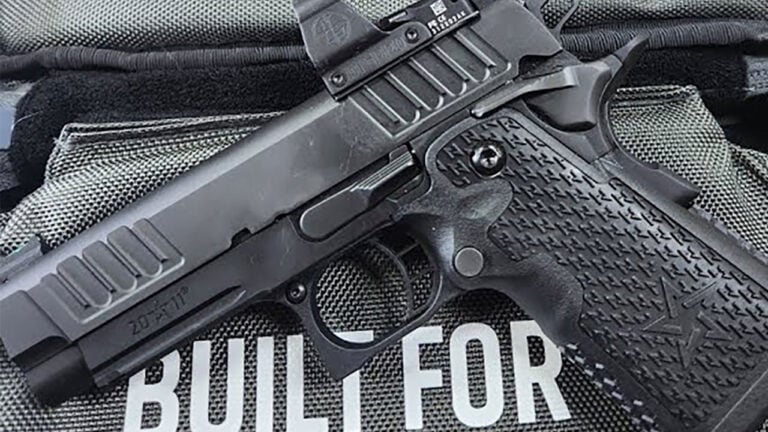
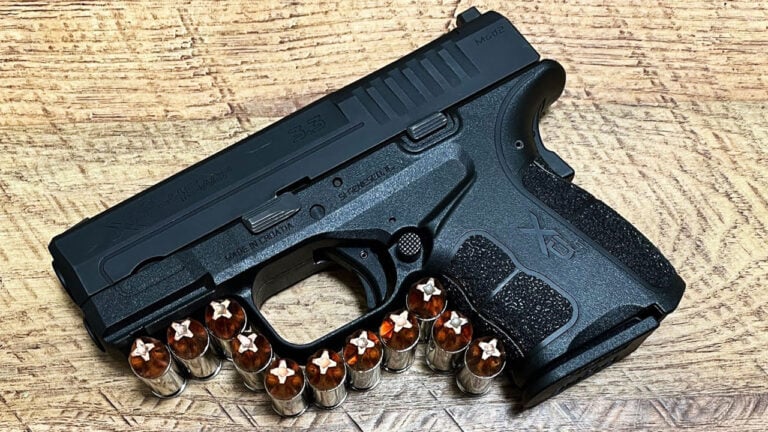
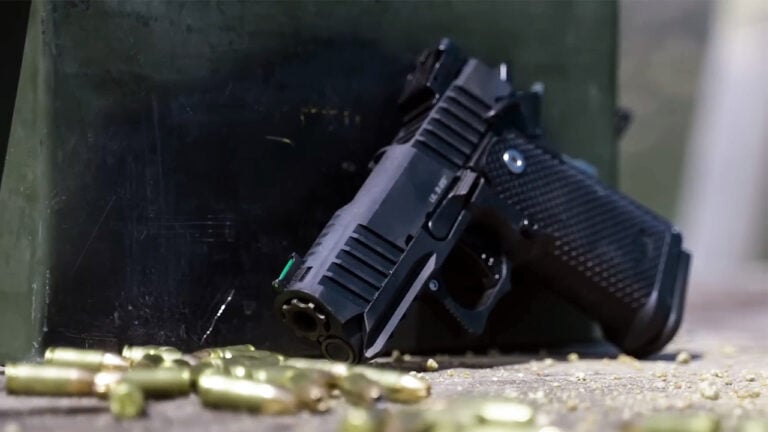
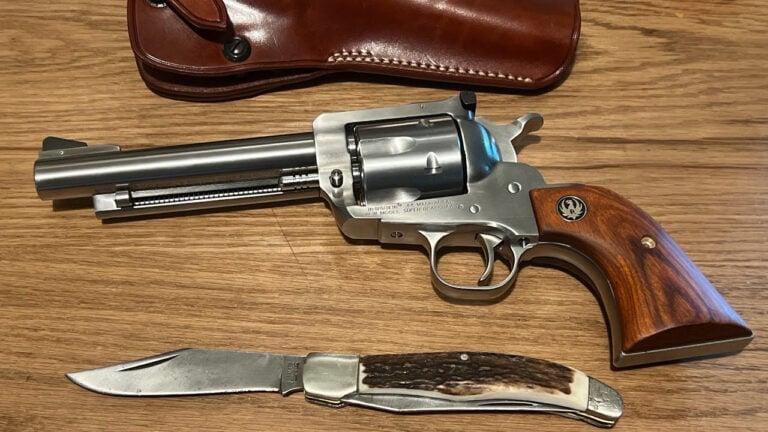
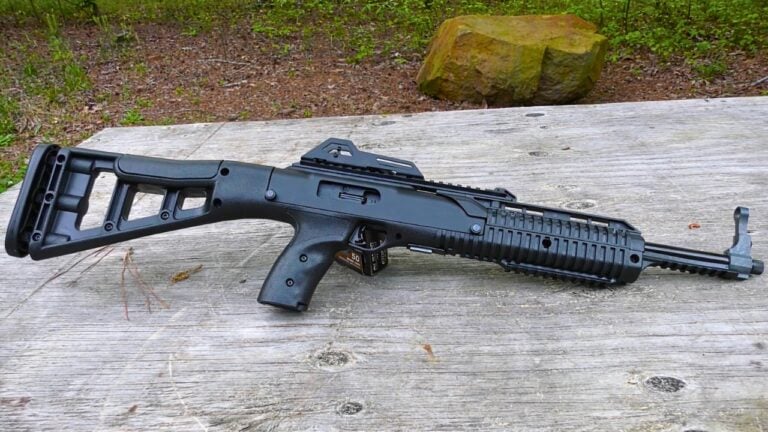
The same logic applies to firearms. A powerful handgun that is slow to draw, miserable to practice with, or too heavy to keep on you all day is not automatically the smarter setup. If a person can get to one tool quickly and use it competently under stress, that usually matters more than owning a theoretically stronger option that is harder to bring into the fight. Even Alaska Department of Fish and Game guidance cuts through the noise by saying people should use the firearm they can shoot most accurately, adequately, proficiently, and safely. That is a much more honest standard than just picking the biggest chambering people online clap for.
Accuracy and control matter more than brute force
This is where a lot of caliber arguments fall apart. Alaska Fish and Game says outright that if you choose a firearm, you should use one you can shoot accurately, adequately, proficiently, and safely. That is a far better rule than “carry the biggest thing you can find.” In a fast, high-stress encounter, the ability to put hits where they need to go matters more than carrying a gun that looks impressive on paper but is slow, punishing, or poorly controlled in your hands.
That does not mean caliber is irrelevant. It means caliber only matters inside the bigger issue of usable performance. A shooter who can manage recoil, recover quickly, and place shots under pressure is in a better position than someone dragging around more power than they can honestly control. In the real world, competence beats theory a lot more often than internet debates admit.
Bear spray changes the whole conversation
This is probably the biggest thing people leave out when they get obsessed with handgun chamberings. NPS says bear spray is the recommended self-defense tool and is highly effective at stopping or deterring attacks. It also notes that spray is easier to use without much experience and has the advantage of being nonlethal to the bear. Denali’s advisory says bear spray is generally more effective than other means because of its ease of use and wide blast area. That is a huge real-world point. The encounter is not always about killing the threat. It is about stopping the charge or aggressive behavior fast enough to survive it.
That is why “what caliber should I carry?” is often the wrong first question. A better one is, “Do I have bear spray ready, and do I know how to use it?” Once that is covered, then it makes sense to talk about backup firearms, proficiency, and the kind of country you are in. But if the spray is missing, inaccessible, or unfamiliar, people are already skipping the tool agencies most consistently recommend.
Behavior in the moment matters more than people want to admit
How you act during the encounter can matter more than what is stamped on the barrel. National Park Service guidance says not to run, to identify yourself, and to use bear spray when needed. Fish and Wildlife says to stay calm, avoid escalating the encounter, and keep deterrents ready. Polar-bear guidance from FWS adds the same basic idea in a different context: do not run, group up, and position yourself so deterrents can be deployed safely. Those are behavior rules, not caliber rules, and they can decide the outcome before any shot would ever be fired.
That is one more reason caliber is only part of the picture. Panic, bad positioning, running, crowding the bear, or fumbling the response can ruin your odds with any handgun in the world. A calm, deliberate response with accessible deterrents and clear decision-making is often the thing that keeps the encounter from turning catastrophic.
The real order of importance
If you strip all the noise away, the order is pretty simple. Awareness comes first. Avoidance comes next. Then accessible deterrents, especially bear spray. Then competence with whatever firearm you choose. After that, yes, caliber matters, but it matters later in the chain than most arguments pretend. That is basically where the agency guidance points over and over again: do not surprise bears, do not run, carry deterrents you can access, and use tools you can actually handle effectively.
So what matters more than caliber in a bear encounter? Usually the boring stuff people want to skip: awareness, distance, accessibility, control, and judgment. Caliber still has a place, but it is not the whole answer. And in a real encounter, it may not even be the most important one.
Like The Avid Outdoorsman’s content? Subscribe to our newsletter so you never miss an article.
Here’s more from us: