Photo credit: Savage Arms
Some rifles and shotguns catch your eye from the moment you pick them up. Maybe it’s the way they shoulder, the way the bolt glides, or the way the stock fits your hand. But the real test comes once you start shooting—and that’s where some guns let you down. Hunters try to give these models the benefit of the doubt because they offer something appealing on paper, but reality eventually settles in. Whether it’s accuracy that never tightens up, cycling issues you can’t quite solve, or quirks that refuse to go away, these are the guns you want to love but simply can’t count on in the field.
Remington 710

The Remington 710 is a rifle many hunters wish had delivered more. It shoulders nicely and feels approachable for new shooters, but the plastic bolt sleeve and spotty build quality create problems fast. The action often feels rough, and accuracy swings depending on how warm the barrel gets.
You try to trust it, but it doesn’t take long before you’re tightening screws or re-zeroing more than any hunter wants to. Even with a workable scope package, the rifle demands too much reassurance to take seriously in the field. A rifle should inspire confidence—not constant doubt.
Mossberg 100 ATR
The Mossberg 100 ATR promises solid performance at a budget price, but the inconsistency can drive you crazy. Some rifles shoot great, while others deliver groups that drift no matter what ammo you try. The stock’s flex under pressure doesn’t help, and you end up fighting the rifle more than shooting it.
Most hunters try to make the ATR work because it feels good on the shoulder and cycles decently, but the accuracy shifts are hard to ignore. When a gun changes behavior from one trip to the next, it becomes tough to rely on, even if you want to.
Remington R-25
The R-25 should have been a home run—an AR-based hunting rifle built for accuracy. Instead, it suffers from weight, inconsistent accuracy, and finicky cycling that frustrates a lot of owners. It’s the kind of rifle you want to like, but every range trip introduces a new quirk.
It handles well and offers the ergonomics hunters like, but getting it to shoot consistently often means chasing down small issues. You end up wondering why a rifle that checks so many boxes feels like such a chore to trust during a long sit or spot-and-stalk hunt.
Weatherby Vanguard S2 Carbine
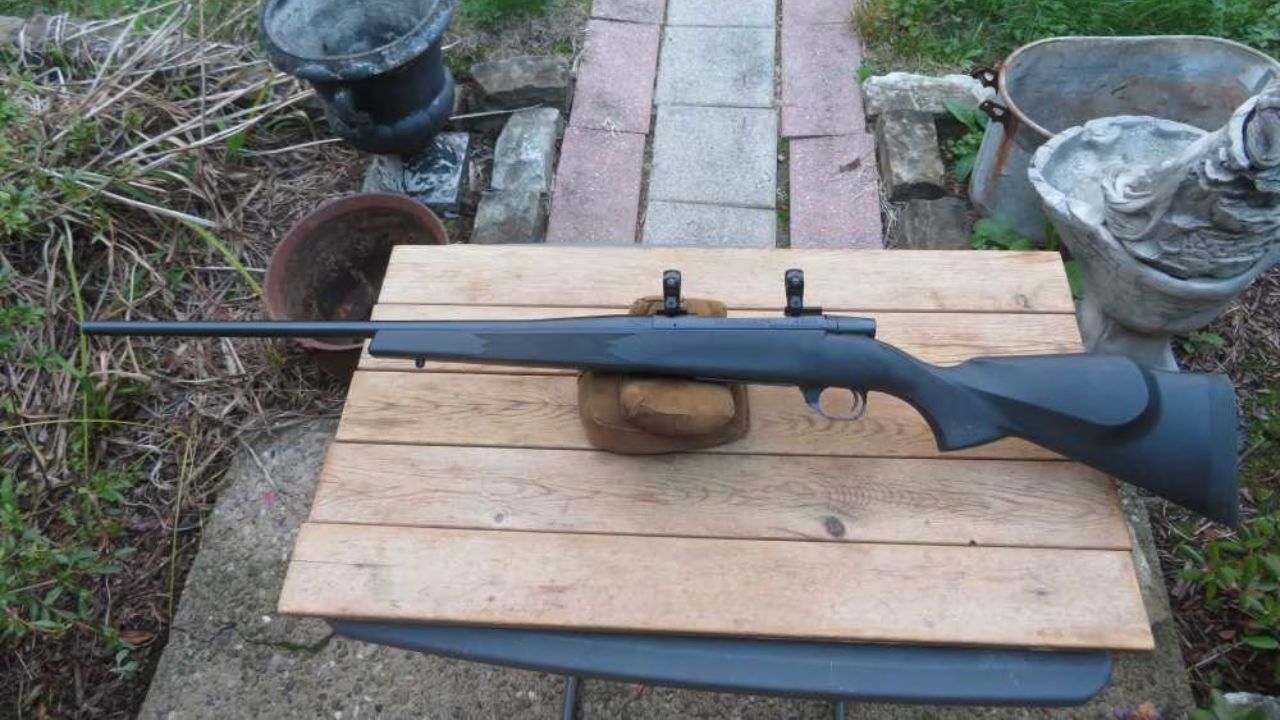
The Vanguard S2 Carbine balances nicely and feels ready for tight cover, but some shooters struggle with its sensitivity to ammo choice. Groups can open up dramatically when you switch loads, and the shorter barrel adds noticeable muzzle blast in heavier calibers.
Many hunters want to love it because the action is smooth and the rifle carries well. But when a gun demands very specific loads to stay consistent, confidence takes a hit. You shouldn’t have to build your entire setup around a rifle’s preferences just to get dependable accuracy.
Browning BAR Lightweight Stalker
The BAR Lightweight Stalker is quick, handy, and carries beautifully in rough country, but reliability can be hit-or-miss. Some guns run flawlessly while others struggle with inconsistent cycling depending on conditions or ammo. It’s tough to invest fully when you’re never sure how it will behave.
Hunters appreciate how the rifle points and how manageable it feels during fast shooting. But when a semi-auto keeps you guessing, it becomes hard to trust on a big hunt. It’s a rifle you want to believe in, yet one nagging malfunction can erase that trust fast.
Winchester Model 70 Super Shadow
The Super Shadow offers that classic Model 70 lineage, but the lighter synthetic stock and cost-cutting touches leave it feeling different from what hunters expect. The stock flex can interfere with accuracy, and some rifles show noticeable shifts once the barrel heats.
You want it to be a modern, rugged version of a great design, but it falls short under real-world pressure. The rifle carries well and shoulders naturally, yet the accuracy frustrations keep many hunters from forming any deep attachment to it.
Ruger American (early long-action models)

The Ruger American line has earned respect, but those early long-action rifles could be temperamental. Feeding wasn’t always smooth, and the bedding system sometimes needed tuning before groups tightened. You see the potential—it’s right there—but the rifle asks for extra work.
Hunters often stick with it because the ergonomics and trigger feel good. Still, it’s hard to fall in love with a rifle that makes you question whether the next shot will land where you want. You end up wanting it to be better than it is right out of the box.
CVA Cascade (first production run)
The Cascade eventually became a solid option, but early rifles had extraction issues and wandering accuracy that frustrated owners. You know the bones are good, yet the execution on those first batches felt incomplete.
It handles well, and the overall design makes sense, but spending a hunt worrying about whether the next round will eject cleanly is a deal-breaker. Hunters want a rifle they can trust completely, not one they’re constantly double-checking in the field.
Savage 110 Apex Hunter XP

Savage accuracy is usually dependable, but the Apex Hunter XP bundle can be hit-or-miss because of the budget optics and lightweight stock. Even though the action is proven, the package setup holds it back, leaving shooters adjusting or upgrading right away.
Hunters want to love an affordable turn-key option, but when the included parts limit the rifle’s potential, disappointment shows up quickly. You feel like you’re fighting the setup instead of benefiting from it, and that gets old fast.
Remington Spartan SPR18
The SPR18 is a single-shot that feels rugged and straightforward, yet many hunters find the heavy trigger and inconsistent accuracy tough to work around. It shoulders fine, but the break-action lockup varies slightly from gun to gun.
You want to like it because it represents simple, reliable hunting. But when a rifle struggles to hold groups or requires extra force to break open, the charm fades. Hunters keep trying to bond with the SPR18, but most eventually move on to something smoother.
Tikka T3 Lite (in magnum calibers)
Tikka makes excellent rifles, and the T3 Lite is no exception in standard calibers. But in magnums, the featherweight build creates punishing recoil that makes long practice sessions rough. Accuracy is there, but shooting it becomes work.
You’ll want to love it because the action is silky and the rifle feels great in hand. The problem is simple: it kicks hard enough to make you hesitate before squeezing the trigger. When a rifle hurts your willingness to shoot it, that affection fades fast.
Marlin X7
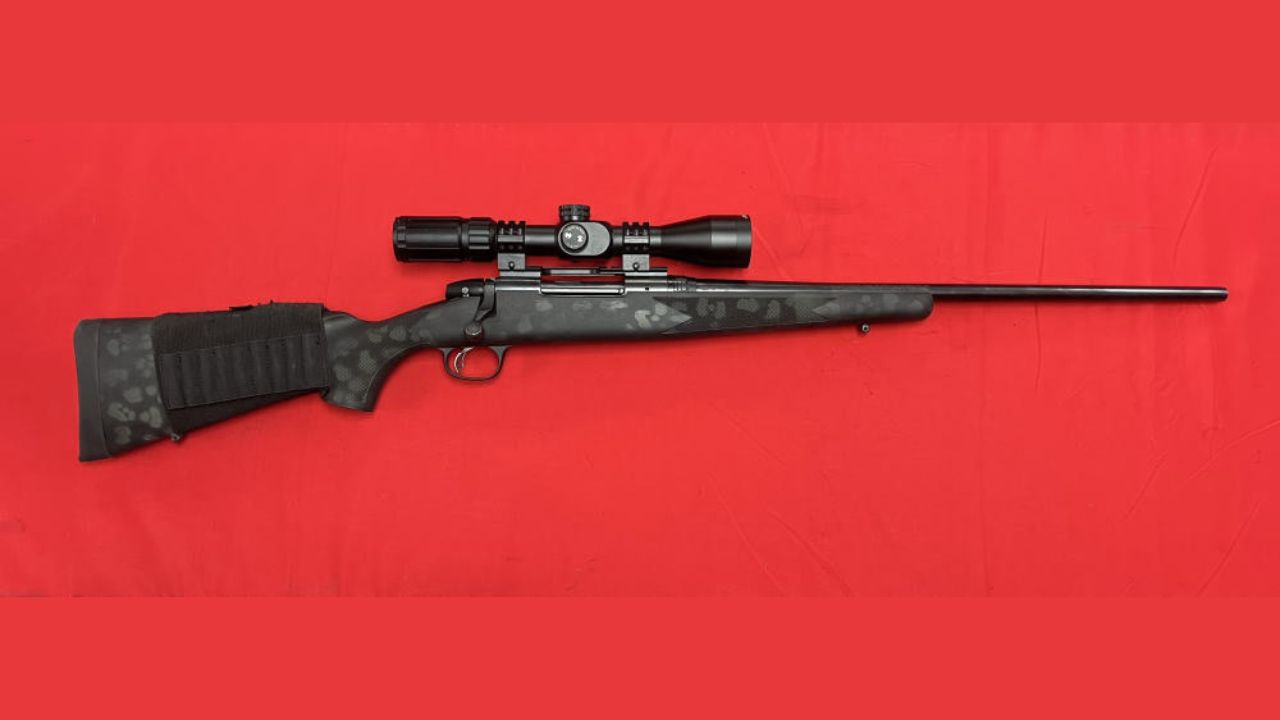
The Marlin X7 was a promising budget rifle that many hunters hoped would compete with Savage and Ruger. While some shoot well, others suffer from rough cycling, uneven triggers, and occasional accuracy shifts. It’s inconsistent enough that trust becomes hard to build.
You want it to succeed because it feels comfortable and points naturally. But confidence grows slowly when you’re never fully sure of its behavior. It becomes the rifle you keep around but hesitate to take on meaningful hunts.
Remington 742 Woodsmaster
The 742 has a huge following, and many hunters wish they could rely on the ones they own. Unfortunately, the rifles are notorious for worn rails, inconsistent cycling, and extraction problems that worsen with age. You spend more time coaxing it along than enjoying it.
It shoulders beautifully and feels like a true deer camp classic, but reliability concerns make it a risky choice in the field. Most hunters keep them for sentimental reasons instead of performance.
Henry Long Ranger (.308 models)
The Long Ranger handles fast and carries with that lever-gun charm, but some .308 models show finicky accuracy depending on ammo and heat. The action feels good, yet consistency can be elusive on longer shots.
Hunters want this rifle to be perfect—a lever gun that bridges old and new. But when precision doesn’t stay steady, hesitation sets in. It’s close to being loved, but those small frustrations keep it from ever fully getting there.
Browning A-Bolt Stalker
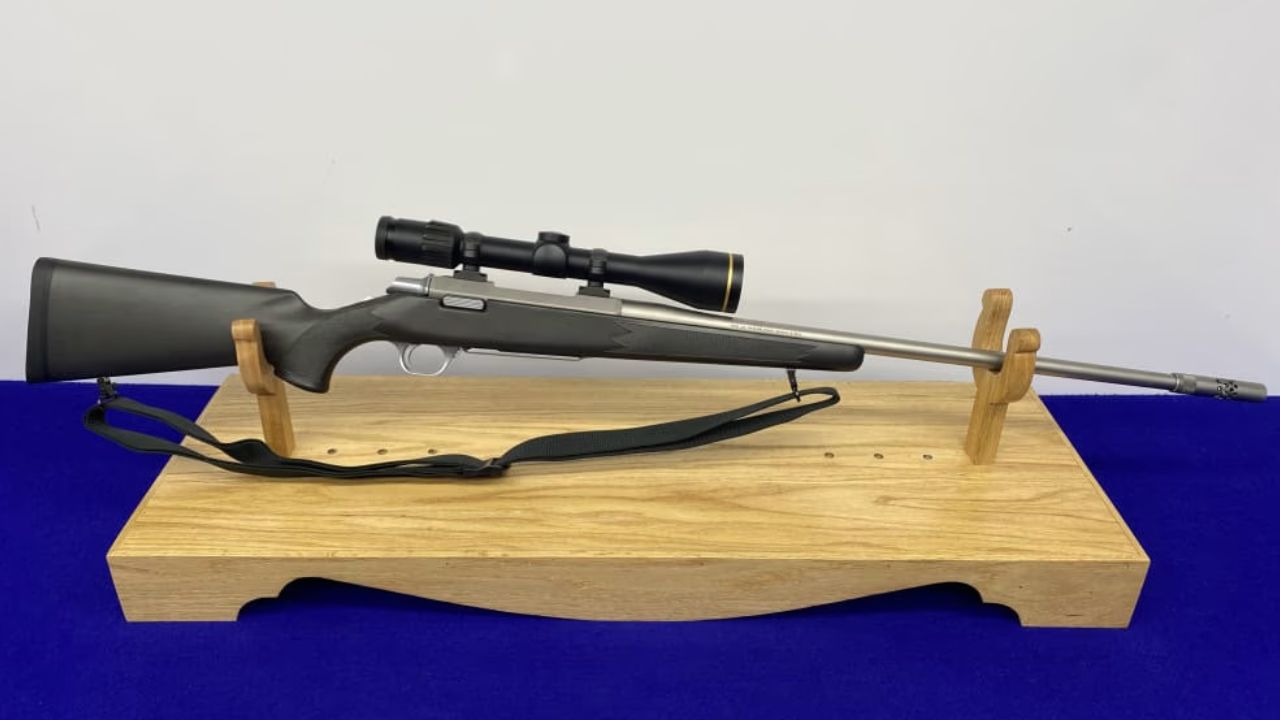
The A-Bolt Stalker has a loyal fan base, but not everyone bonds with it. The slim stock and sharp recoil impulse in some calibers make it uncomfortable over long sessions. Accuracy is fine, but the shooting experience feels harsher than it should.
Hunters try to make it work because it’s a Browning that handles cleanly and feels durable. Still, when a rifle makes you flinch sooner than others in its class, attachment never fully forms. It becomes the gun you respect—but don’t reach for first.
Like The Avid Outdoorsman’s content? Be sure to follow us.
Here’s more from us: