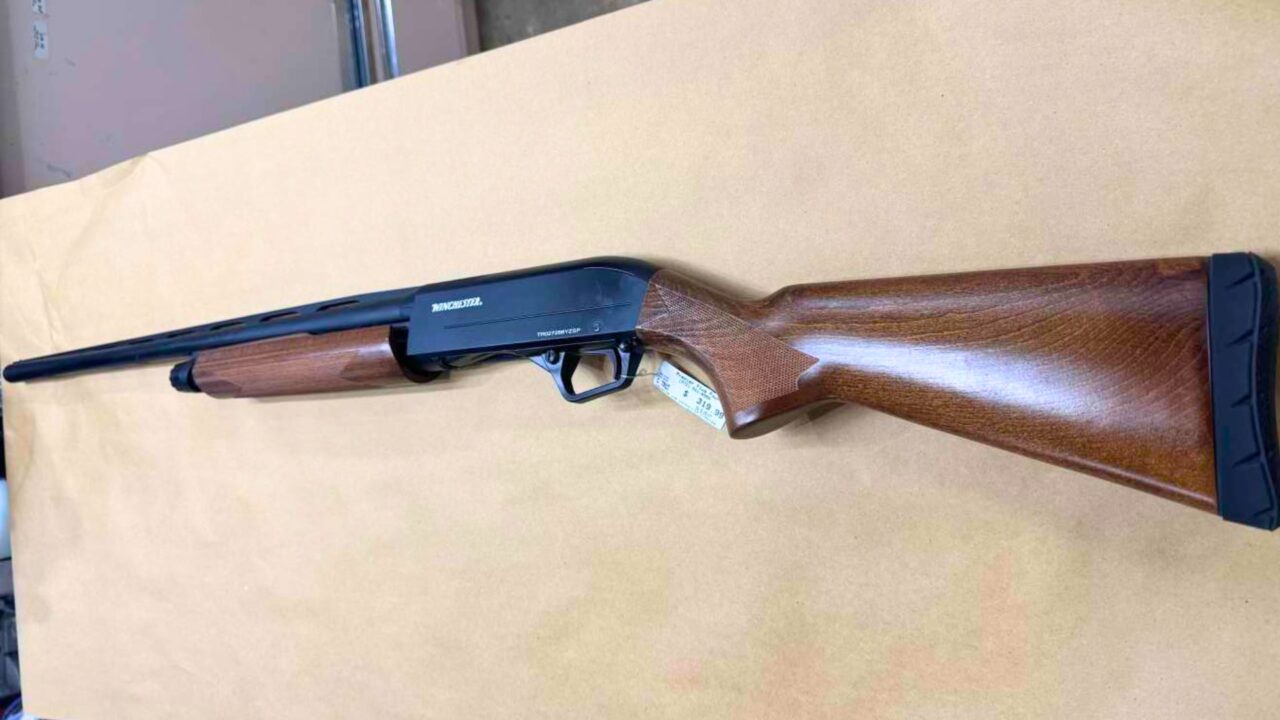
Photo credit: ppp_terrell/GunBroker
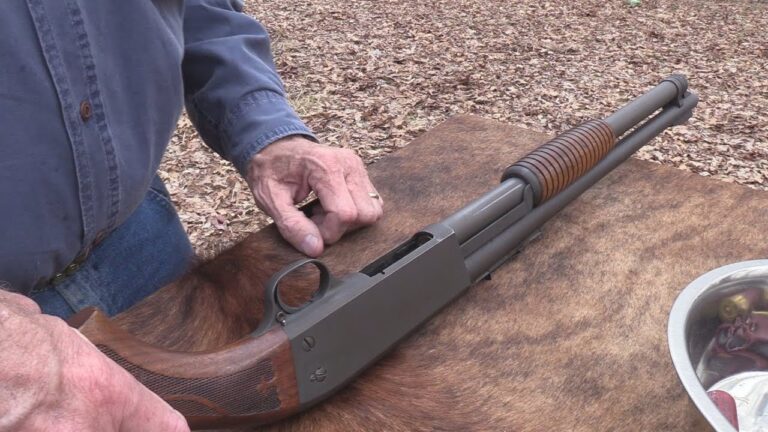
The Winchester SXP is known for being a fast pump shotgun. Winchester even leans into that reputation, saying the SXP’s recoil helps move the slide rearward so the shooter can complete the pump stroke quickly. That gives the SXP a different feel than a Mossberg 500 or Remington 870. Some shooters like it right away. Others are surprised by how aggressively the action starts to open after firing.
That speed is part of the appeal, but it also explains some of the complaints people run into. The SXP uses a rotating bolt with locking lugs, and the recoil-assisted action can make the gun feel almost semi-automatic for the first half of the pump stroke. American Rifleman described the SXP’s bolt as having four large lugs that rotate into matching recesses in the barrel, which is different from the simpler lockup people expect from some older pump guns. Most SXP problems come down to short-stroking, feeding hang-ups, extraction, ejection, shell release, or confusion over how the action is supposed to feel.
Short-Stroking the Action
Short-stroking is still one of the most common pump shotgun problems, even on a fast gun like the Winchester SXP. It happens when the shooter does not pull the pump fully rearward and push it fully forward. The gun may eject the spent shell but fail to pick up the next one, or it may start feeding the next shell and then stop halfway. It can feel like the shotgun jammed when the real problem is that the pump stroke was never completed.
The SXP’s recoil-assisted feel can make this a little tricky for new owners. Because the action starts opening so quickly after firing, some shooters assume the gun has done more of the work than it really has. It has not. The shooter still has to finish the full pump cycle. Winchester’s manual says recoil assists the slide rearward, but the shooter still has to complete the forward motion to chamber the next shell. If the SXP acts up during fast shooting but runs fine when the action is worked firmly, short-stroking should be the first suspect.
Failure to Feed From the Magazine Tube
Failure to feed is another common SXP complaint. The shell may not leave the magazine tube at the right time, may hang up before reaching the elevator, or may get caught as the shooter closes the action. The result is usually an empty chamber, a shell sitting at an awkward angle, or a pump that suddenly stops before the round chambers.
This can come from the magazine spring, follower, shell stop, carrier, or debris inside the magazine tube. It can also be caused by shells that are slightly rough, damaged, or out of spec. A pump shotgun is more forgiving than a semi-auto, but shell timing still matters. If the shell does not release cleanly from the tube, the action cannot feed it correctly. A dirty magazine tube or weak spring can make the problem worse, especially on a shotgun that has sat loaded or been used in dusty hunting conditions.
Shells Hanging on the Carrier
Some feeding problems happen after the shell leaves the magazine tube. The shell may drop onto the carrier but fail to lift smoothly into line with the chamber. It can catch at the front, tilt sideways, or jam before the bolt pushes it home. When that happens, the shooter usually feels the pump stop hard during the forward stroke.
This can happen if the carrier is dirty, bent, sluggish, or being slowed down by old oil and debris. It can also show up if the shotgun is being cycled too softly. The SXP is fast, but it still likes a clean, decisive pump stroke. If the shell is not being carried upward smoothly, the gun can feel unreliable even though the magazine tube is releasing shells correctly. A deep cleaning around the receiver, carrier, and shell-control parts is a good place to start before blaming the whole shotgun.
Failure to Extract
Failure to extract happens when the fired shell stays stuck in the chamber instead of coming out with the bolt. The shooter pulls the pump rearward and either feels the action bind or sees the extractor slip off the rim. This is one of the more frustrating SXP malfunctions because it stops the gun immediately and usually requires the shooter to clear the empty hull by hand.
Extraction trouble can come from a dirty chamber, rough chamber, cheap shells, swollen hulls, or an extractor that is dirty or worn. Low-cost shells with steel bases or rough hulls can be harder to extract after firing, especially when the chamber is hot or fouled. If the SXP extracts quality shells fine but struggles with one bargain load, the ammo may be the issue. If it struggles with several loads, the chamber and extractor deserve a closer look.
Failure to Eject Cleanly
The SXP can also extract the shell but fail to throw it clear of the receiver. The hull may dribble out weakly, bounce around the ejection port, or stay loose in the action. This often gets called a failure to eject, and it can make the shotgun feel sloppy during fast shooting.
Sometimes the cause is technique. A pump shotgun needs to be opened with enough speed for the ejector to kick the shell clear. If the shooter eases the action back, the hull may not leave the receiver cleanly. But if weak ejection happens even with a firm pump stroke, the ejector, extractor, bolt face, and receiver need to be inspected. Dirt, fouling, and small worn parts can all affect how forcefully the shell clears the gun.
Double-Feeds
A double-feed happens when more than one shell tries to enter the action at once. Instead of one shell releasing from the magazine tube, a second shell slips out and ties everything up. The pump may lock, the carrier may get trapped, and the shooter has to stop and clear the action before the gun can be used again.
On the Winchester SXP, double-feeds usually point toward the shell stop, shell interrupter, magazine spring, or shell-release timing. These parts have to control each shell in order. If one is worn, dirty, bent, or not moving correctly, shells can release at the wrong time. This is not the most common SXP issue, but it is one of the more annoying ones when it shows up because it can turn a simple pump gun into a tangled mess.
Action Unlocks Faster Than Expected
One thing that worries some new SXP owners is how quickly the action unlocks after firing. The slide can move rearward with help from recoil, and to someone used to a more traditional pump gun, that can feel strange. Some people think the bolt is “blowing back” or that the shotgun is unlocking too early.
Winchester describes this as part of the SXP design, saying inertia from recoil assists the slide rearward and makes the pumping motion easier to start. That does not mean every rough-feeling action is normal, but the SXP is supposed to feel different from slower pump guns. The important thing is whether the gun stays locked when it should, fires normally, extracts properly, and cycles cleanly. If the action opens slightly after firing but continues to function, that may be the design doing what Winchester says it does. If it opens oddly, binds, or fails to extract, then it needs inspection.
Safety or Action Release Complaints
The SXP can also have complaints around the safety or action release, especially from shooters who are new to the platform. A stiff safety, gritty button, or awkward action-release feel can make the gun seem less smooth than expected. This is not usually a firing malfunction, but it does affect how confidently the shotgun handles.
A pump gun used for hunting or defense needs controls that work cleanly every time. If the safety feels sticky, vague, or too stiff, it should be checked instead of ignored. The same goes for an action release that does not move cleanly or feels inconsistent. Dirt, wear, factory stiffness, or improper reassembly can all create control issues. They may not stop the shotgun from firing, but they can slow the shooter down when the gun needs to be handled quickly.
Like The Avid Outdoorsman’s content? Be sure to follow us.
Here’s more from us: