Photo credit: Sophon Nawit/Shutterstock.com
Hollow points are designed for performance, but not every gun cycles them well. Some firearms were built around older designs or cut corners on feed ramp geometry, and the results show the moment you switch from ball ammo. Misfeeds, nose-dives, and partial chambering can turn what should be a defensive setup into a frustration. If you’ve ever wondered why your pistol won’t run HPs like it should, these are some of the guns most often called out for feeding trouble.
Colt 1911 GI models
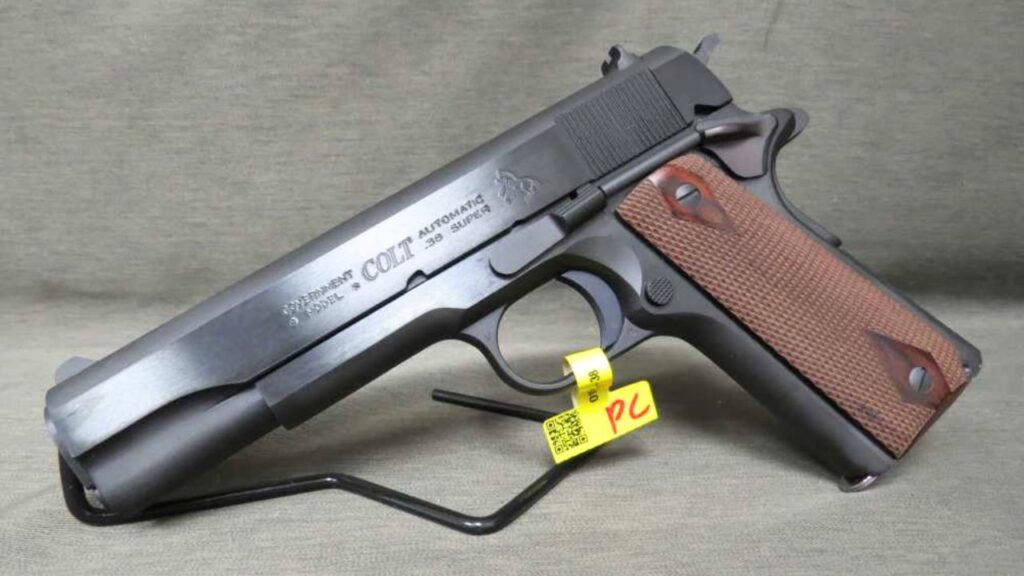
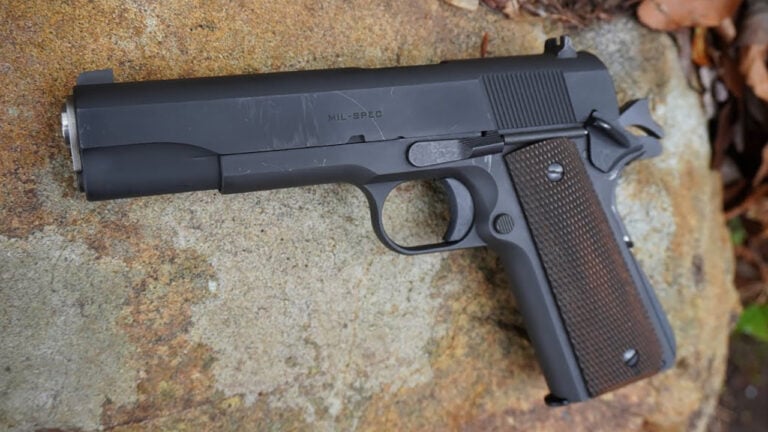
Classic GI-style 1911s were never designed with hollow points in mind. Their original feed ramps and magazines were built around round-nose ball ammo. Put HPs in one, and it’s common to see nose-dives into the feed ramp or partial chambering.
Modern 1911s often come with polished ramps and redesigned throats to fix the issue. But with GI-pattern models, you usually need aftermarket tuning, new mags, or ramp work to get reliable function. Out of the box, they’re hit-or-miss with hollow points.
Walther PPK

The Walther PPK has a reputation for style and concealability, but its small-frame design doesn’t do it any favors with hollow points. The short feed ramp and steep angle often cause jams when using anything but FMJ.
Many owners report the first round from a full magazine hanging up, especially with wider-mouth HPs. Some ammo brands fare better than others, but you’re gambling if you rely on it stock. For a defensive pistol, you’ll want serious testing before trusting hollow points.
SIG Sauer P238
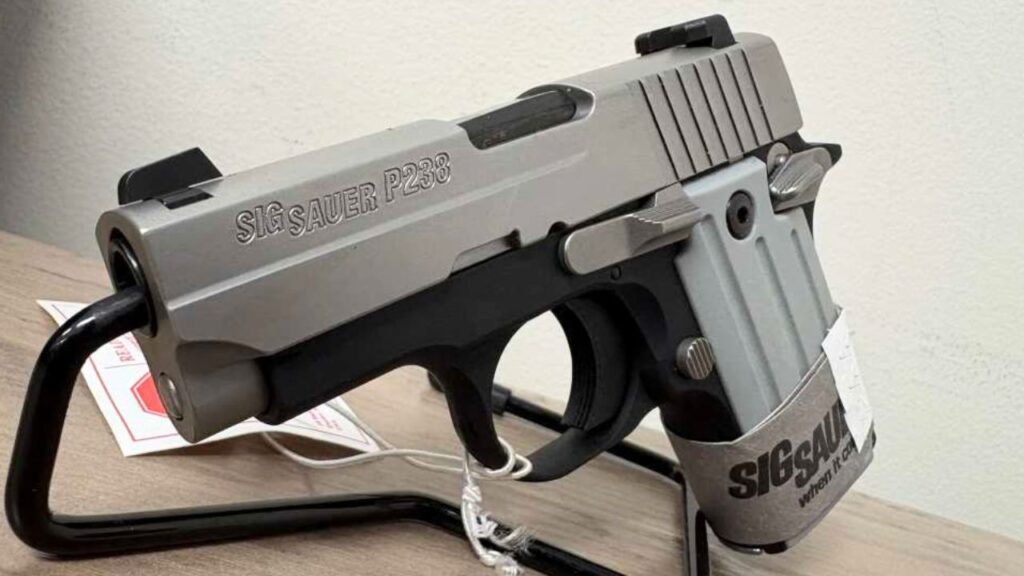
The SIG P238 is a well-made micro-1911, but its compact size means it can be finicky with hollow points. Short-slide pistols tend to have less margin for error, and the P238 shows it with nose-dives and failure-to-feed problems.
Some users fix this with specific ammo choices or magazine swaps, but the inconsistency makes it less than ideal if HPs are part of your plan. A micro pistol should be dependable, yet this one requires trial and error before you find what it likes.
Smith & Wesson 59 Series
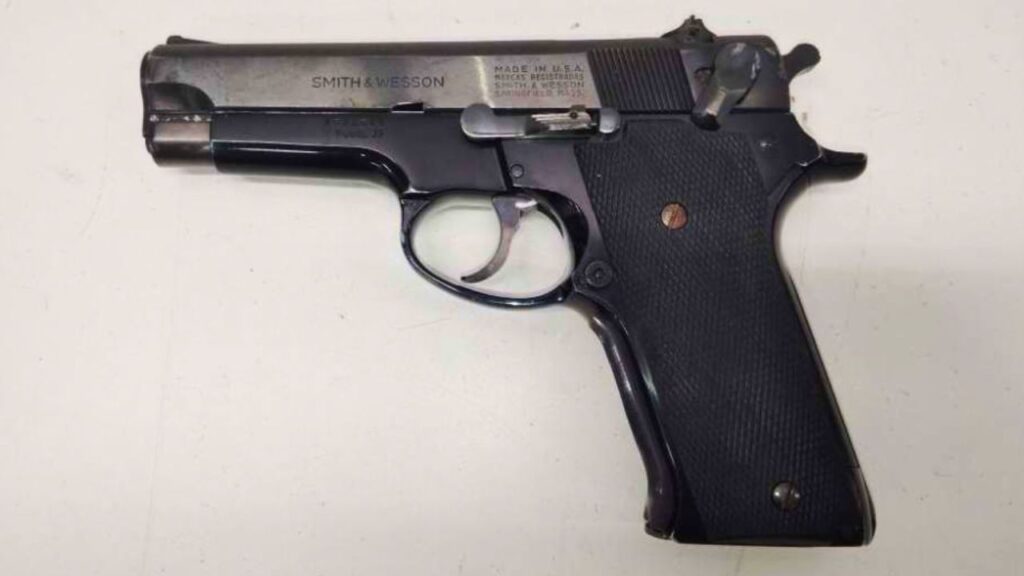
The old S&W 59-series pistols were popular in their day, but the early double-stack designs had rough feed ramps that often struggled with hollow points. Reliability was better with ball ammo, but switching loads often caused misfeeds.
Later Smith pistols improved the design, but older 59s can still be stubborn. Gunsmith polishing or upgraded mags sometimes solve the problem. Without that work, hollow points can turn range time into a clearing drill instead of a smooth shooting session.
Taurus PT92
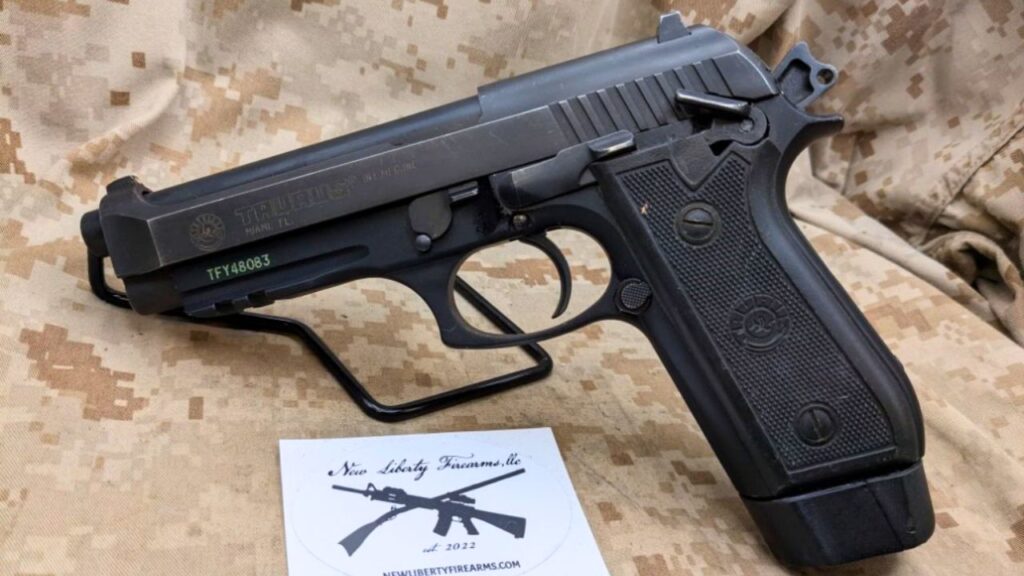
The Taurus PT92, based on the Beretta 92, has plenty of loyal owners. Still, its reputation for hollow point feeding isn’t spotless. Some report smooth cycling, while others deal with frequent jams—often linked to magazine quality or feed ramp angles.
The design works well with ball ammo, but the wider mouths of certain hollow points catch on the ramp. Polishing and high-quality mags help, but you shouldn’t assume it’ll run all HPs right out of the box.
Kel-Tec PF-9

The PF-9 was built for affordability and concealment, and both came at the cost of reliability with some hollow points. The steep feed ramp and snappy recoil contribute to feeding hang-ups, especially with defensive ammo.
Owners often test multiple loads before finding one that cycles consistently. While some hollow points run fine, the margin for error is slim. A carry gun shouldn’t require trial-and-error with ammo, but the PF-9 makes it almost mandatory.
CZ 82
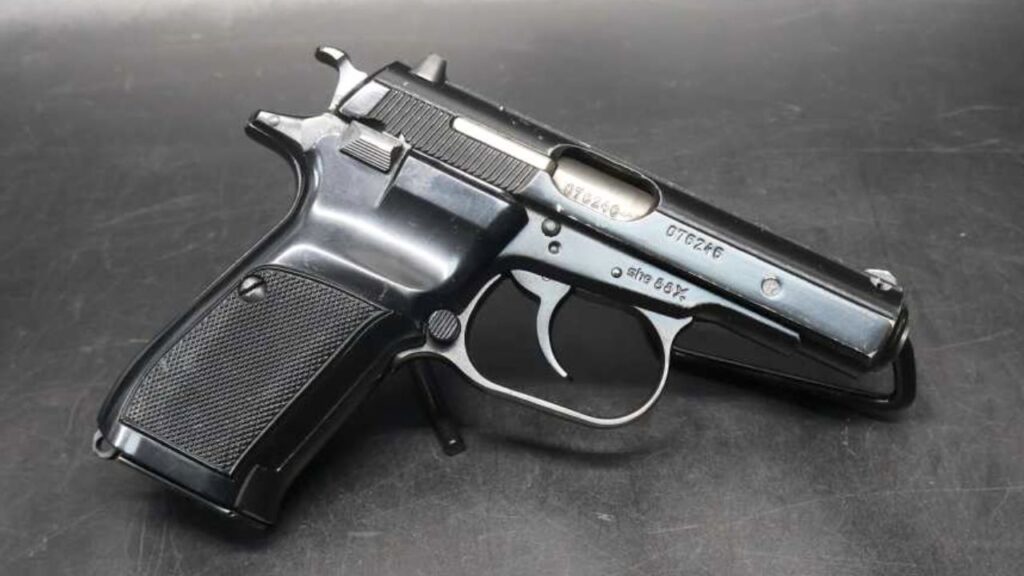
The CZ 82 in 9×18 Makarov is a rugged surplus pistol, but hollow point feeding isn’t its strong suit. It was designed for military ball ammo, and the feed ramp shows it. HPs often hang up or jam, depending on bullet profile.
Some owners report better results with modern defensive loads, but the design remains hit-or-miss. If you’re running surplus CZ 82s, plan to thoroughly test your chosen ammo—or stick with FMJ if you want reliable feeding.
Star BM
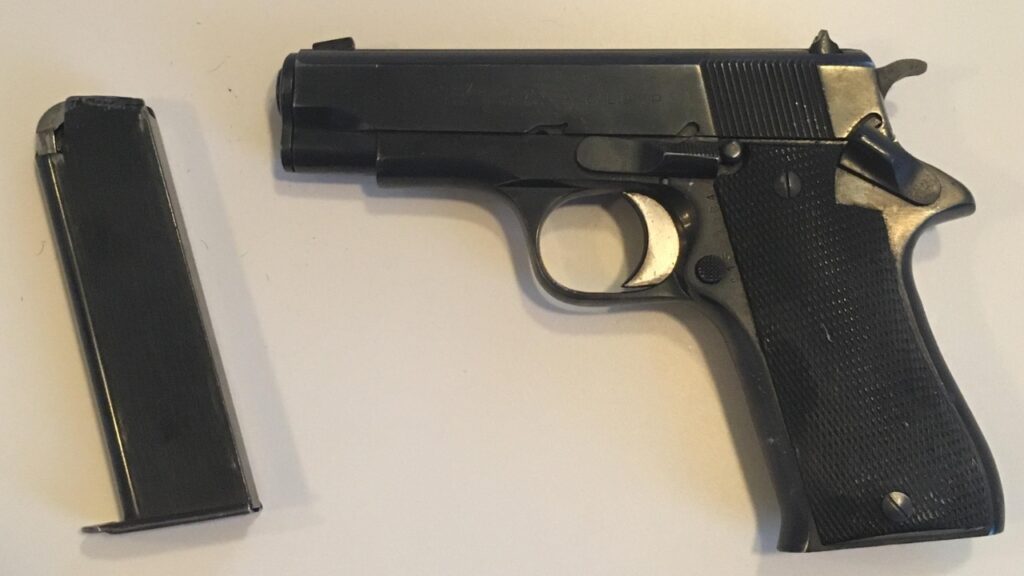
The Spanish-made Star BM is another surplus pistol that was never intended for hollow points. Its feed geometry favors ball ammo, and hollow points often stumble. Misfeeds and partial chambering are common with many loads.
Some owners fix the issue with ramp polishing or aftermarket mags, but that adds work and expense to an otherwise affordable pistol. Without those upgrades, you’re taking your chances every time you load hollow points into it.
Ruger LC9
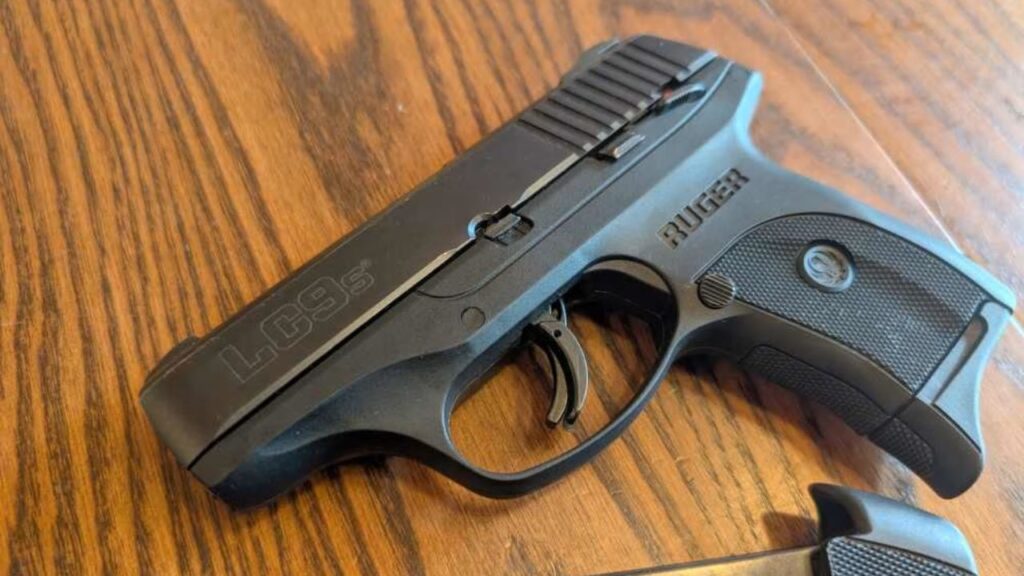
The Ruger LC9 is slim and easy to carry, but it doesn’t always get along with hollow points. The short feed ramp and compact slide can make it picky about what defensive ammo it cycles reliably.
Many shooters find they need to experiment with brands and bullet shapes until they find one that works. While some LC9s run flawlessly, others are temperamental enough to make you second-guess their role as a primary carry piece.
AMT Backup
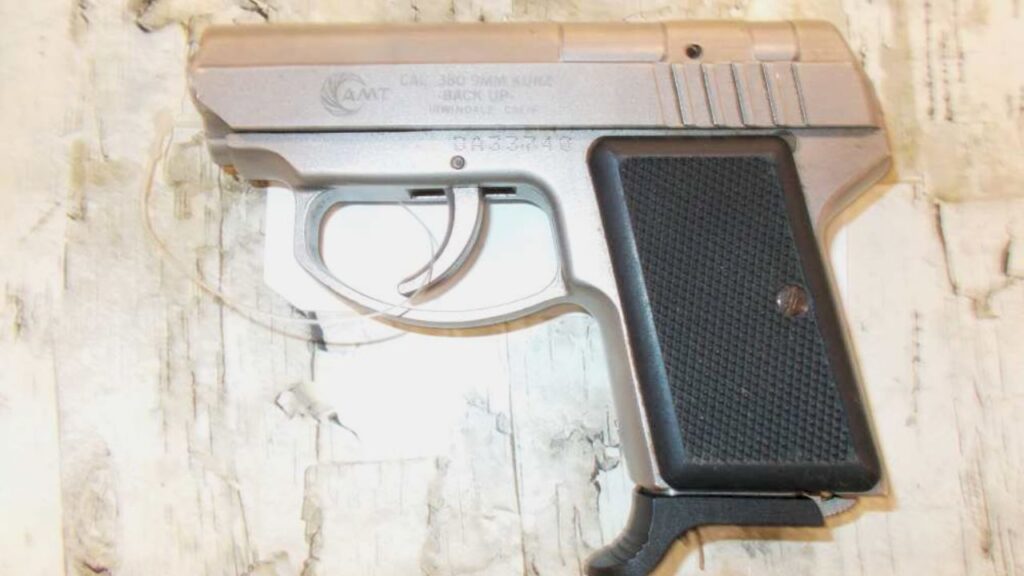
The AMT Backup was built for concealment, but reliability has never been its strong point—especially with hollow points. The rough machining and basic feed ramp design make jams all too common.
Some shooters found one load it would run consistently, but many experienced repeated failures across brands. In a gun meant for defense, that’s a serious flaw. Its compact size is appealing, but the AMT Backup’s track record with hollow points makes it tough to recommend.
*This article was developed with AI-powered tools and has been carefully reviewed by our editors.