Photo credit: USOG/YouTube
A discontinued firearm does not stay hot by accident. If one still moves fast the moment it hits a used shelf, it is usually because it solves a real need, carries a strong reputation, or fills a slot the current market still has not replaced very well. Some of these guns were never flashy. Some were overlooked for years. But once production stopped, buyers started noticing what was missing.
That is when the pace changes. A gun that once sat in the rack for weeks suddenly gets picked over in hours, especially if it is clean, original, and priced anywhere near reality. In most cases, what is selling is not only nostalgia. It is proven function, a known reputation, and the fact that buyers already understand they may not see another nice one next week.
Winchester 9422

The Winchester 9422 is one of those rimfires that rarely feels “used” for long once a sharp one shows up. Buyers want it because it gives you real lever-gun feel in a .22, but with better fit and finish than a lot of modern rimfires bring to the table. It looks right, carries right, and still feels like a serious little rifle instead of a throwaway plinker.
That is a big part of why it moves fast. Winchester’s 9422 line ended in 2005, and once buyers realized it was gone for good, the clean rifles started drying up. Now, if one lands on a shelf with honest condition and no weird alterations, people tend to grab it before they can talk themselves out of it. It scratches both the shooter itch and the collector itch at the same time.
Browning Hi-Power

The classic Browning Hi-Power still sells quickly because it hits a rare balance: it is historically important, still very shootable, and tied to a level of name recognition that reaches far beyond dedicated collectors. Buyers know what it is the second they see one. Even people who are not deep into old military pistols understand that a real Hi-Power carries weight in the handgun world.
That matters even more now that the original line is gone. Browning lists the classic Hi-Power as no longer in production, which means every clean used example is part of a shrinking pool. Once that became real, the market changed fast. Nice Belgian and well-kept later guns do not tend to linger, because the buyer pool includes collectors, shooters, and people who always wanted one but waited too long.
Remington 600

The Remington 600 has the kind of weird little personality that makes it sell faster now than it did when it was new. For years, buyers saw it as an odd compact bolt gun with a vent rib and short barrel. Now those same quirks are exactly what make it stand out. It is handy, recognizable, and just different enough that people remember it once they start looking.
The short production run is what keeps the pressure on. RemArms lists the Model 600 as introduced in 1964 and discontinued in 1967, with roughly 94,086 made. That is not tiny enough to make it mythical, but it is more than small enough to make clean examples move quickly once buyers start paying attention. The better the condition, the less time it usually spends waiting.
Remington 660

The Remington 660 tends to move fast because it gives buyers much of the same compact-carbine appeal as the 600, but in a slightly cleaner-looking package. It still feels like a practical woods rifle first, which is exactly why so many of them were carried hard and used honestly. That means the nice ones are a lot less common than the raw production history makes people assume.
RemArms lists the Model 660 as introduced in 1968 and discontinued in 1971. That short run matters. It means buyers looking for a compact, older Remington bolt gun with a little less visual oddness than the 600 do not have a huge supply to sort through. When a solid 660 turns up without rough wear, refinishing, or other nonsense, it usually gets picked up by somebody who already knows they do not come along every day.
Remington 673

The Remington 673 is one of those rifles buyers ignored until they suddenly did not. It always appealed to a narrower crowd because it looked different and borrowed some of the old 600-series personality at a time when that was not exactly fashionable. Now that same oddball identity is part of the draw. Buyers who want something different but still practical tend to notice them immediately.
Its brief life is a big reason it moves fast now. RemArms lists the Model 673 as introduced in 2003 and discontinued in 2004. A two-year production window is short by any standard, and short-run rifles usually get more interesting once people realize no second wave is coming. If a clean one shows up in a desirable chambering, especially with the original setup intact, buyers know waiting is usually how you miss it.
Remington 788
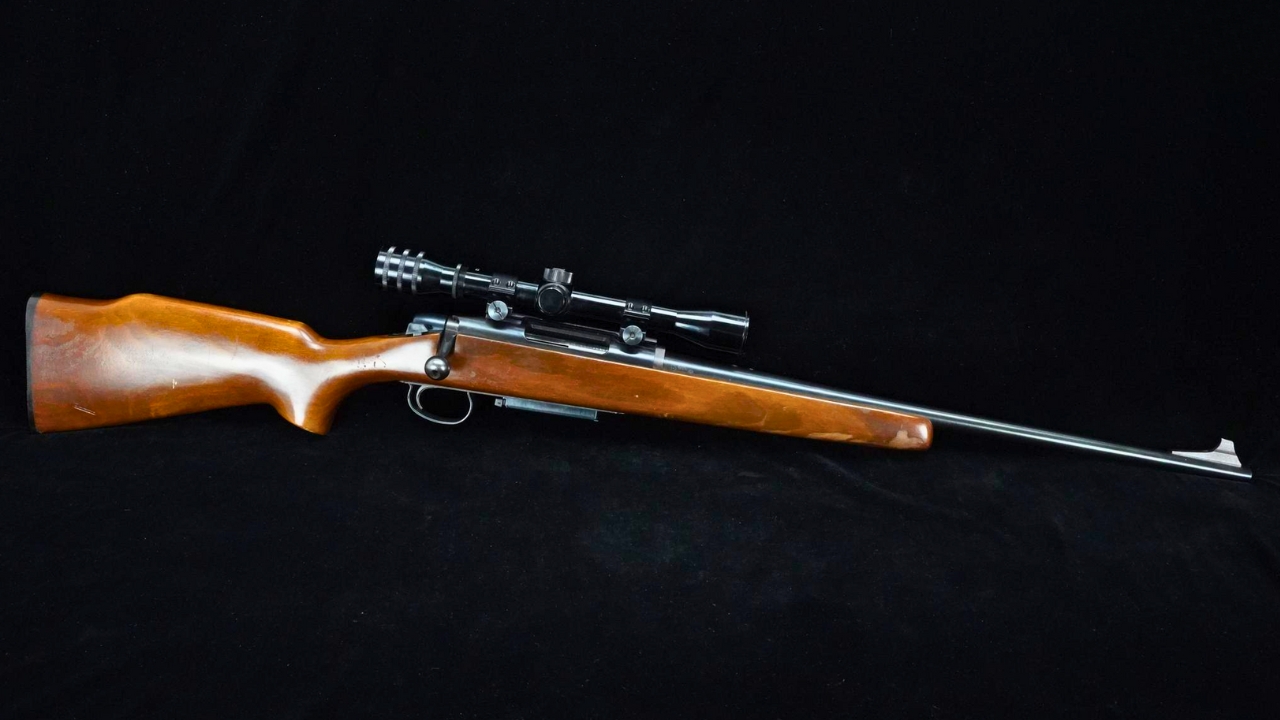
The Remington 788 still has that “budget tackdriver” reputation hanging around it, and that reputation helps it move. Buyers know it was never sold as the fancy rifle in the lineup. It was the practical one. That actually helps it now, because people trust a rifle with a long-standing reputation for honest accuracy more than they trust a lot of glossy used-rack claims.
RemArms lists the 788 as running from 1967 to 1983, and that is long enough to have built a loyal following while still being gone long enough to matter. The nice ones go quickly because the buyer knows what they are looking at: a rifle that earned respect by shooting above its price class. Once a clean 788 in a useful caliber hits the rack, it usually does not wait around for casual shoppers to make up their minds.
Marlin 39A
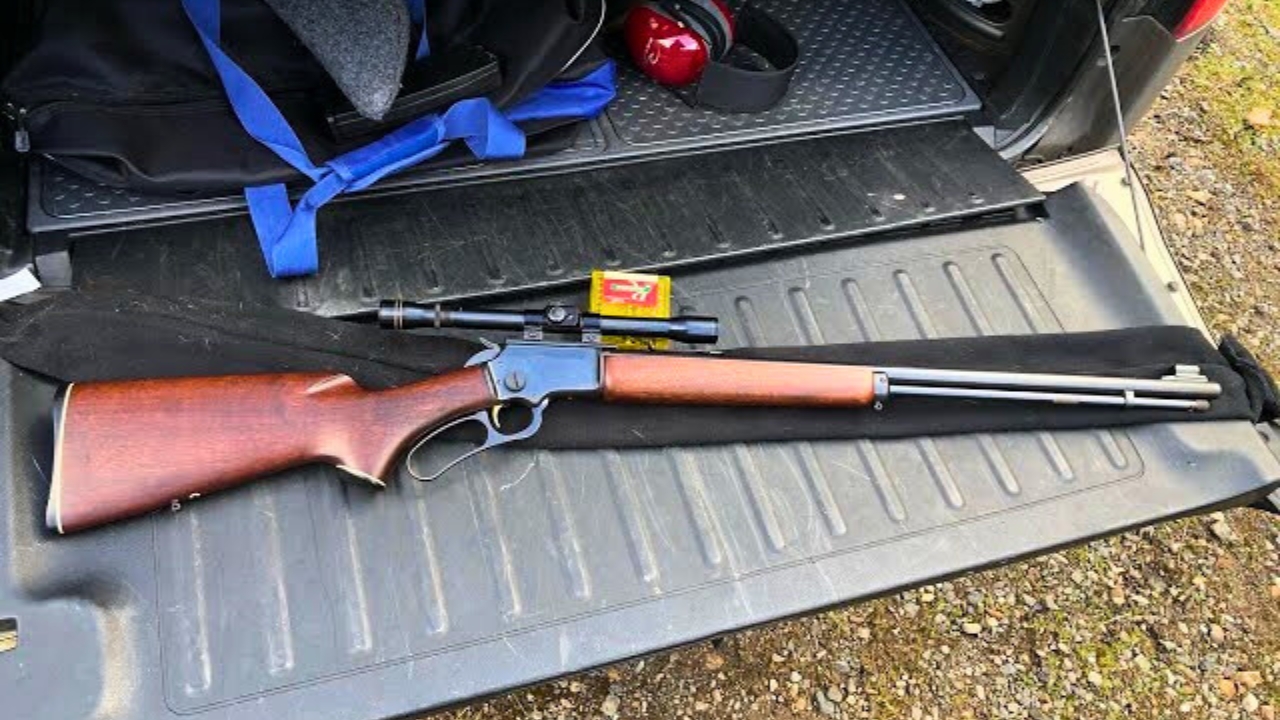
The Marlin 39A sells fast because it still feels like the kind of .22 people wish somebody was building in the exact same way today. It has real weight, real steel, real walnut, and the kind of smooth lever action that makes even a rimfire feel substantial. A lot of buyers are not only buying a .22. They are buying a level of old-school rifle quality that has gotten harder to replace.
That is why good ones disappear. The 39A is widely treated as out of production, and once buyers realized it was no longer a standard current option, the clean rifles got much more competitive. A used 39A in strong shape appeals to older shooters who miss them and younger shooters who finally understand what they are. That combination keeps the good ones moving the moment they surface.
Winchester Model 88

The Winchester 88 tends to move fast because it scratches a very specific itch. It is a lever gun, but not the usual tube-fed, iron-sight, old-west sort of lever gun. It feels more modern, more rifle-like, and more practical for a certain kind of deer hunter. Buyers who know the platform do not usually need much convincing when they see a good one.
That is what makes them sell. The Model 88 is long out of production, and there was never a true direct replacement that made the old ones irrelevant. Once a clean rifle shows up, especially in a desirable caliber and without a bunch of aftermarket baggage, the serious buyer already knows the clock is running. It is one of those rifles that may look ordinary to the casual eye but gets snapped up by the people who understand exactly what it is.
Winchester Model 100
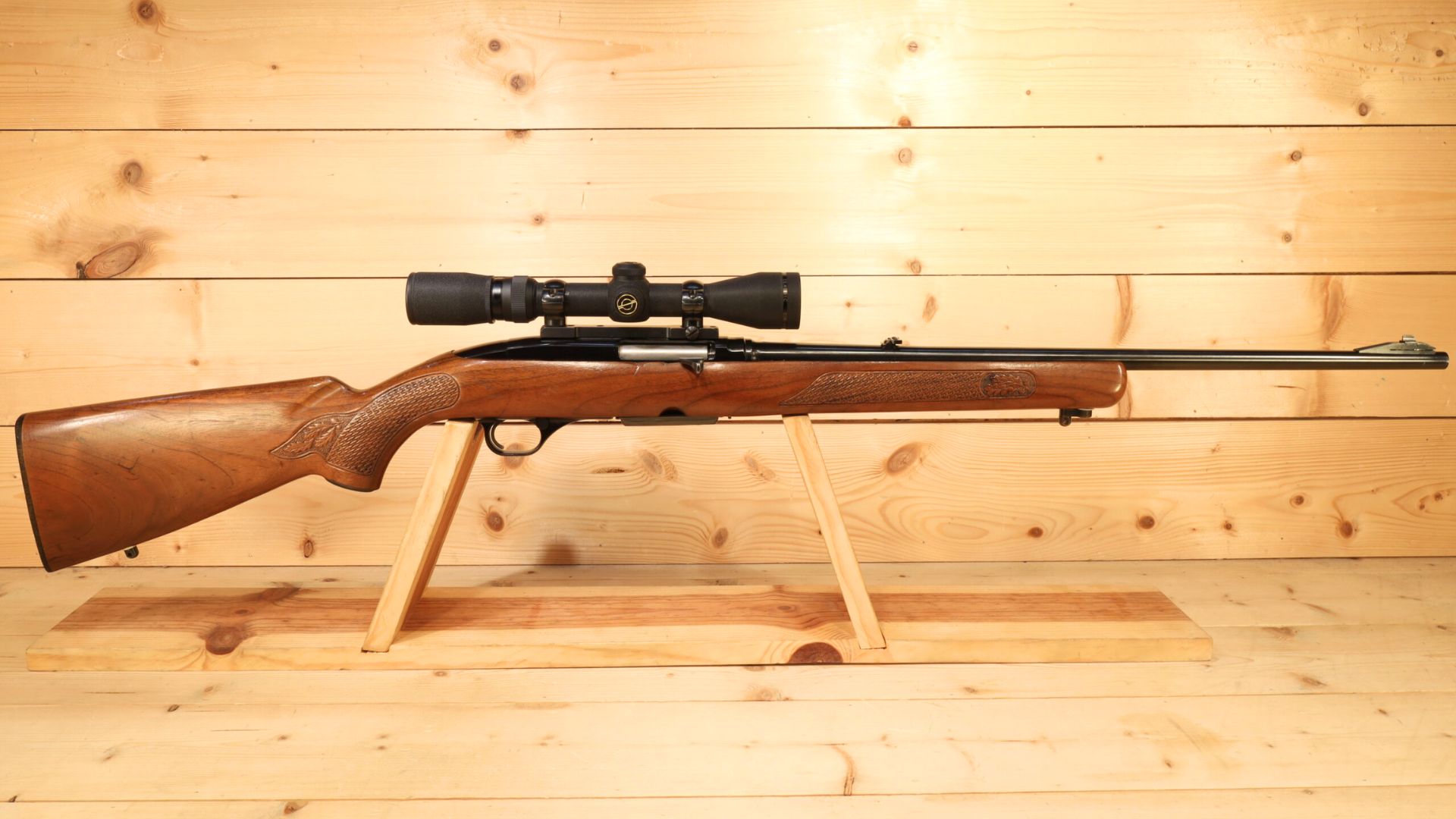
The Winchester 100 still moves fast because it sits in that sweet spot between classic styling and practical use. It is a trim old autoloading deer rifle that still feels purposeful in the hands. Buyers who want a postwar sporting rifle with real Winchester appeal notice them quickly, especially because good semi-auto hunting rifles from that era do not exactly flood the shelves in strong original condition.
Once production stopped, the better examples became much more competitive. The ordinary ones got hunted hard. The cleaner ones got scarcer. That split is why a sharp Model 100 can vanish quickly while rougher examples sit longer. If the wood is good, the finish is honest, and the rifle still feels right, buyers know they are looking at a gun that fills a very specific lane and still has plenty of people chasing it.
Savage 99

The Savage 99 still moves because it never stopped being useful, and it never stopped being different. Buyers like the fact that it is a lever action with more refinement than many people expect—hammerless lines, classic handling, and enough history to matter without becoming so delicate that it feels like a museum piece. It still looks like a rifle you can respect and actually use.
That practical appeal keeps the market alive. The 99 has been out of production for years, and the better rifles now get scooped up by buyers who know they are not seeing an endless supply. A clean 99 in a classic hunting chambering can disappear very quickly because it appeals to people who want an older rifle that still feels relevant. It is collectible, yes, but it also remains a serious hunting rifle, and that keeps demand broad.
Browning B-78
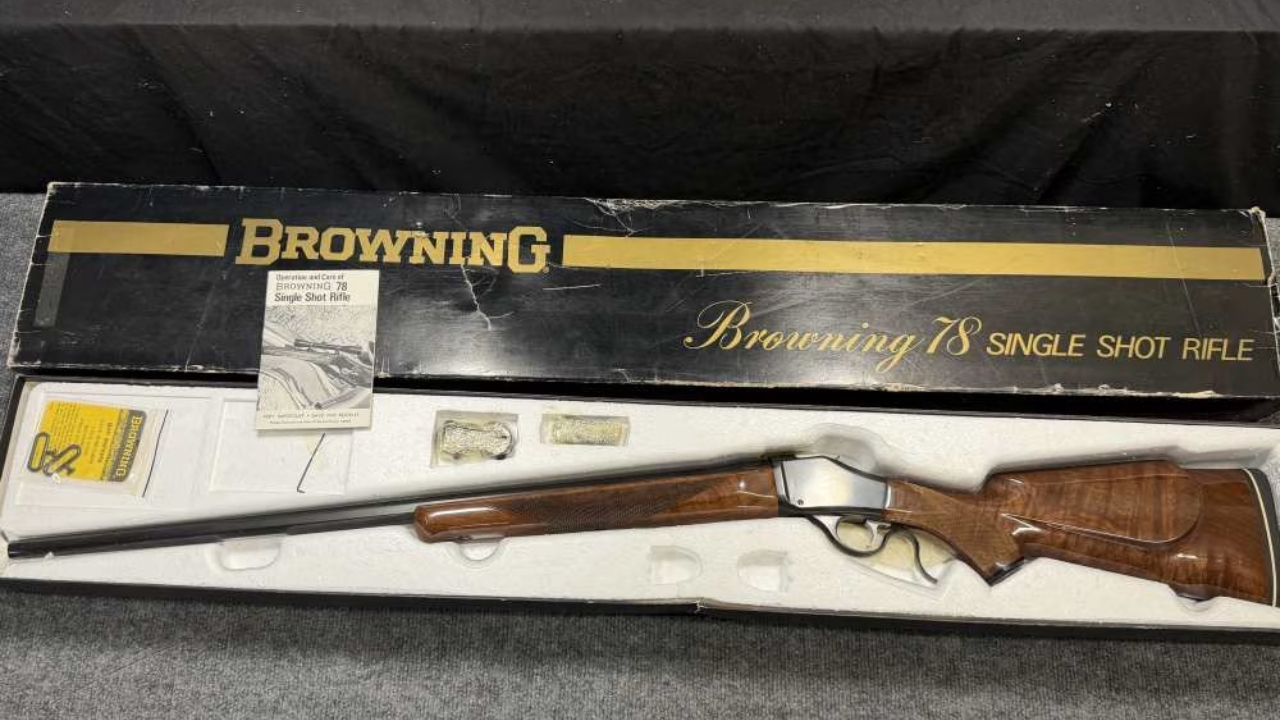
The Browning B-78 moves faster than many people expect because the single-shot crowd is more serious than casual buyers realize. It is a rifle that appeals to people who appreciate clean lines, careful shooting, and a certain kind of old-school confidence. Buyers in that lane are not usually browsing. They are waiting. So when a strong B-78 appears, it often finds the right person quickly.
Browning’s own records show the B-78 was discontinued in 1982. That matters because once a niche rifle leaves production, the supply gets thin faster than people think. You are not competing with a giant, constantly refreshed used market. You are competing with a smaller group of buyers who already know what the rifle is. That is why a clean B-78 can move a lot quicker than a much more common repeating rifle.
Smith & Wesson 3913

The Smith & Wesson 3913 tends to move because it still makes sense as a carry pistol in a way that a lot of old autos do not. It is slim, metal-framed, and practical without feeling outdated in the hand. Buyers who want that third-generation Smith feel know there are not many modern pistols that really replace it. That keeps the demand steady whenever one shows up.
What pushes it faster is condition. A lot of 3913s were carried, holstered, and used exactly as intended, so the cleaner examples stand out. Once buyers see a good one, they know they are looking at a gun from a discontinued line that still has a real following. That means hesitation usually turns into regret. The 3913 is one of those pistols that keeps proving a well-made older carry gun can still outrun a lot of newer shelf stock.
Colt Python

The Python still moves fast because it sits in a category few guns ever reach: broadly recognized, mechanically respected, and emotionally wanted. Buyers know the name whether they are revolver people or not. That alone creates urgency the moment a clean one hits the counter. It does not need a long sales pitch. A Python mostly sells itself the second somebody sees the rollmark and condition.
That is even more true with original-production guns. The classic Python’s first production era ended long ago, and while the modern reintroduction brought the name back, it did nothing to reduce demand for older examples. If a clean original lands on a shelf at anything like realistic money, there is usually a buyer already circling. It is one of those revolvers that combines real shooting value with collector demand, which is why it rarely sits still.
Browning Auto-5
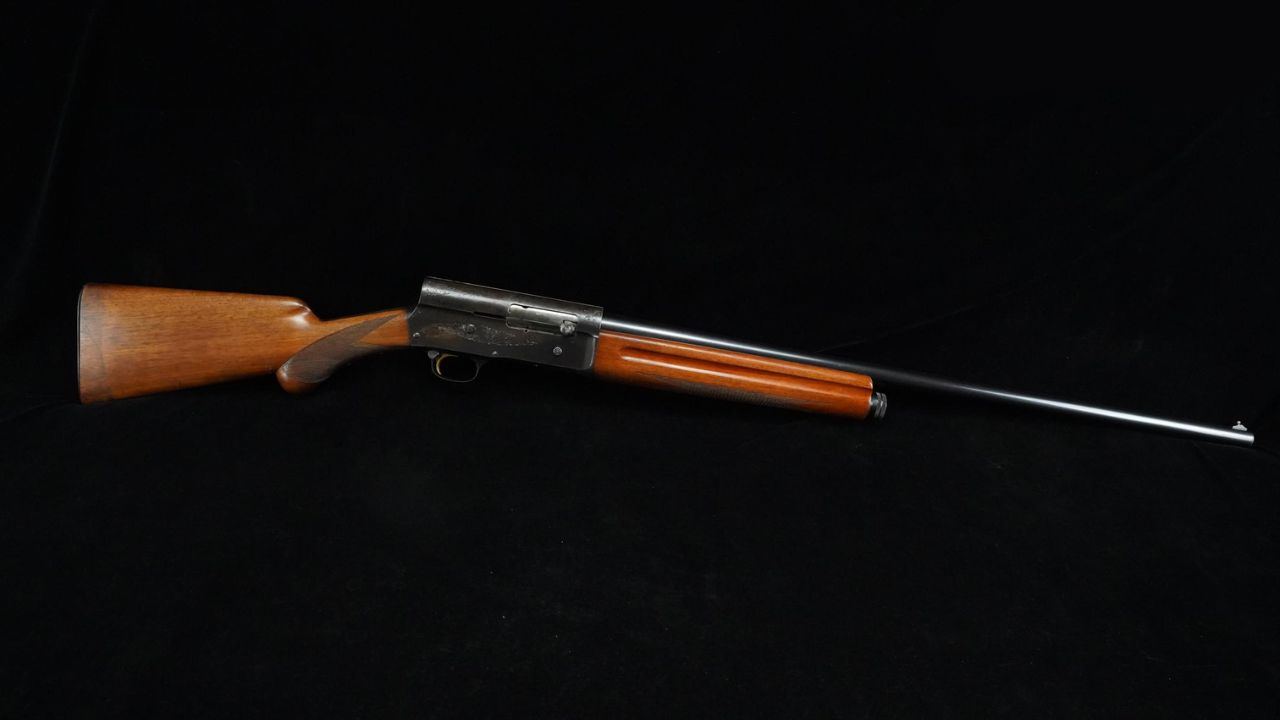
The Browning Auto-5 still moves because it remains one of the most recognizable and respected old autoloading shotguns in the country. Even buyers who are not deep into shotgun history understand that the Auto-5 is not just another used hunting gun. It has the profile, the reputation, and the long-standing sense that you are buying a shotgun with real heritage attached to it.
That heritage keeps the market active, especially for cleaner Belgian and better-kept Japanese guns. The original Auto-5 line is long discontinued, and while many were made, plenty were also hunted hard, modified, or simply worn down by honest use. That means the sharp ones get a lot more attention now than they once did. When one shows up looking right, buyers tend to move fast because they know the next one may not be as clean.
Colt Woodsman

The Colt Woodsman sells quickly because it hits two strong buyer types at once. First, it appeals to the Colt crowd that will buy almost anything the company did well. Second, it appeals to rimfire shooters who understand how good an older .22 pistol can feel when it was built with real care. That overlap gives it a strong used-market pulse that has stayed alive for years.
It also helps that many buyers know the Woodsman is not being replaced by anything truly identical. It comes from a different manufacturing era, and you feel that when you handle one. So when a nice example lands on the shelf with clean metal, decent grips, and no obvious abuse, it tends to move fast. Buyers recognize it as more than an old .22. They see it as one of the classic rimfire pistols worth grabbing while they still can.
Marlin Camp Carbine
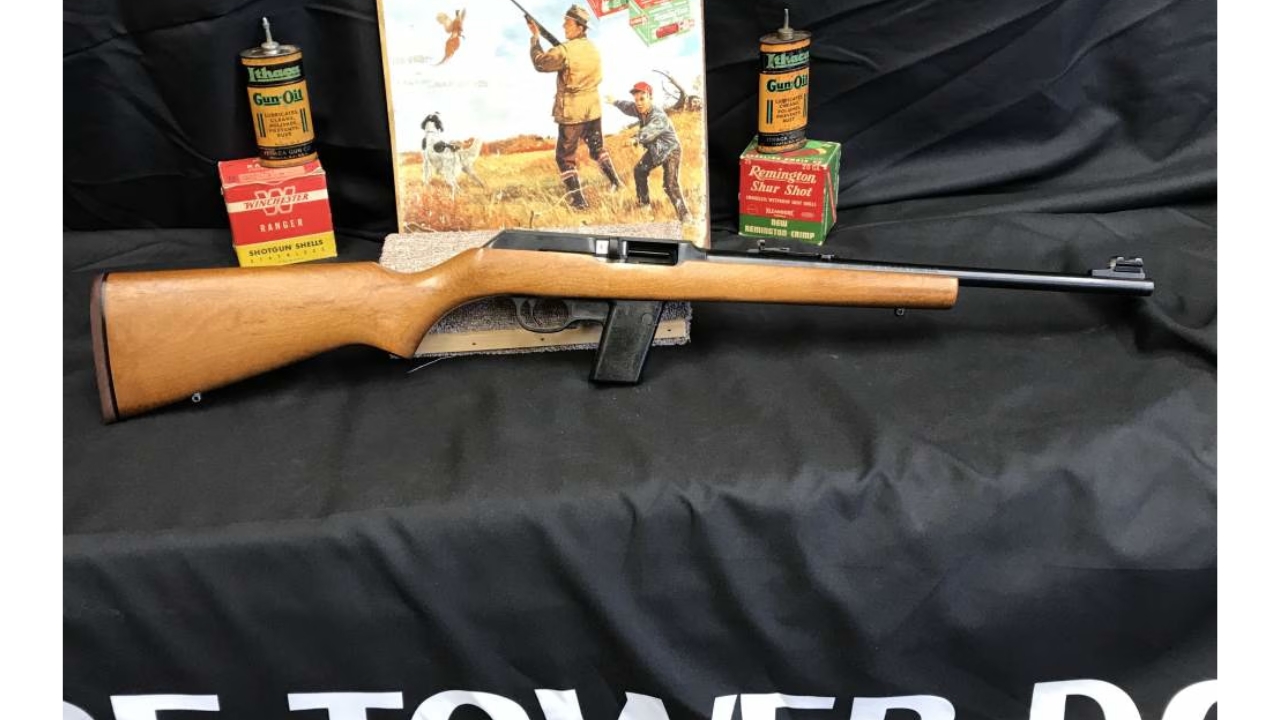
The Marlin Camp Carbine moves quickly now because the market finally caught up to what it was. For years, it sat in that oddball space where buyers thought it was interesting but not urgent. Then pistol-caliber carbines became far more popular, and suddenly people started looking back at a discontinued gun that already filled that role in a very practical way. That shift gave the Camp Carbine a second life.
Because the line is long gone, the used market is the whole market. That means every clean one matters. Buyers looking for a handy 9mm or .45 ACP carbine with old-school Marlin appeal know they cannot walk into a big-box store and grab a new one. So when a decent Camp Carbine shows up without major wear or weird modifications, it usually does not wait long. It is one of those guns that became much more obvious after it disappeared.
Like The Avid Outdoorsman’s content? Be sure to follow us.
Here’s more from us: