Photo credit: WeBuyGunscom/GunBroker
The Mossberg 930 is one of those shotguns that a lot of shooters remember as the semi-auto Mossberg that gave regular hunters, home-defense buyers, and 3-gun shooters a lot of gun for the money. What people often forget is how important it was to Mossberg’s modern autoloading story. American Rifleman said Mossberg introduced the 930 in 2005 and marketed it as reliable, affordable, and one of the best values in semi-automatic shotguns. Mossberg’s own current support pages still describe the 930 platform as having a reputation as a rugged, dependable autoloader suited for both hunting and security applications.
That matters because the 930 was not just a filler shotgun in Mossberg’s catalog. It became the foundation for a surprisingly broad semi-auto family that included field guns, turkey guns, tactical variants, and the well-known 930 JM Pro competition models. It also mattered enough that Mossberg eventually used the 930 JM Pro as the starting point for the redesigned 940 platform in 2020.
1. The 930 launched in 2005
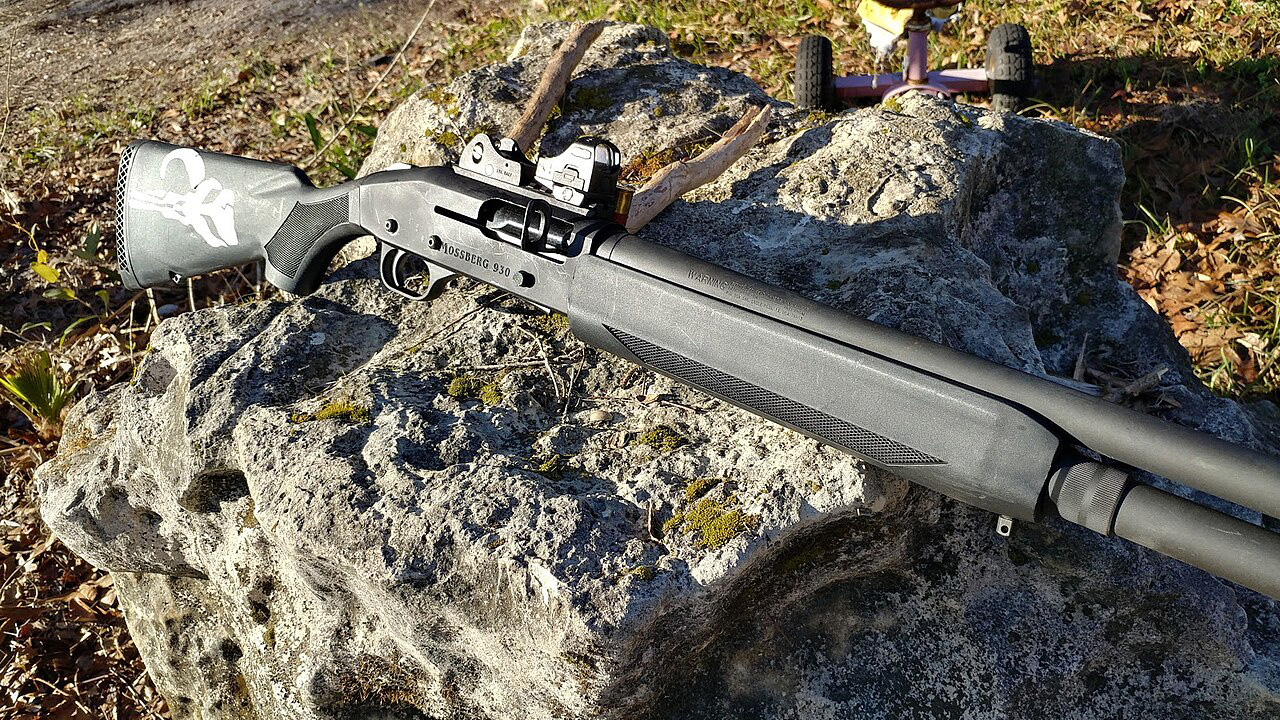
A lot of shooters assume the 930 is either newer or older than it really is, but American Rifleman’s exploded-view of the 940 Pro Tactical states plainly that Mossberg introduced the 930 in 2005.
That timing matters because the 930 arrived during a period when semi-auto shotguns were gaining real momentum outside pure hunting circles. It came in early enough to help Mossberg establish a stronger autoloading identity before the tactical and competition semi-auto shotgun market really heated up.
2. Mossberg sold it as a value semi-auto from the start

The 930 was never really positioned as a luxury autoloader. American Rifleman says Mossberg marketed it as being reliable, affordable, and one of the best values in semi-automatic shotguns yet made.
That is a big reason the gun stuck around in people’s minds. The 930 was one of those shotguns that appealed to buyers who wanted semi-auto performance without feeling like they had to step into a much more expensive bracket to get it.
3. The 930 helped carry Mossberg’s semi-auto reputation into the modern era
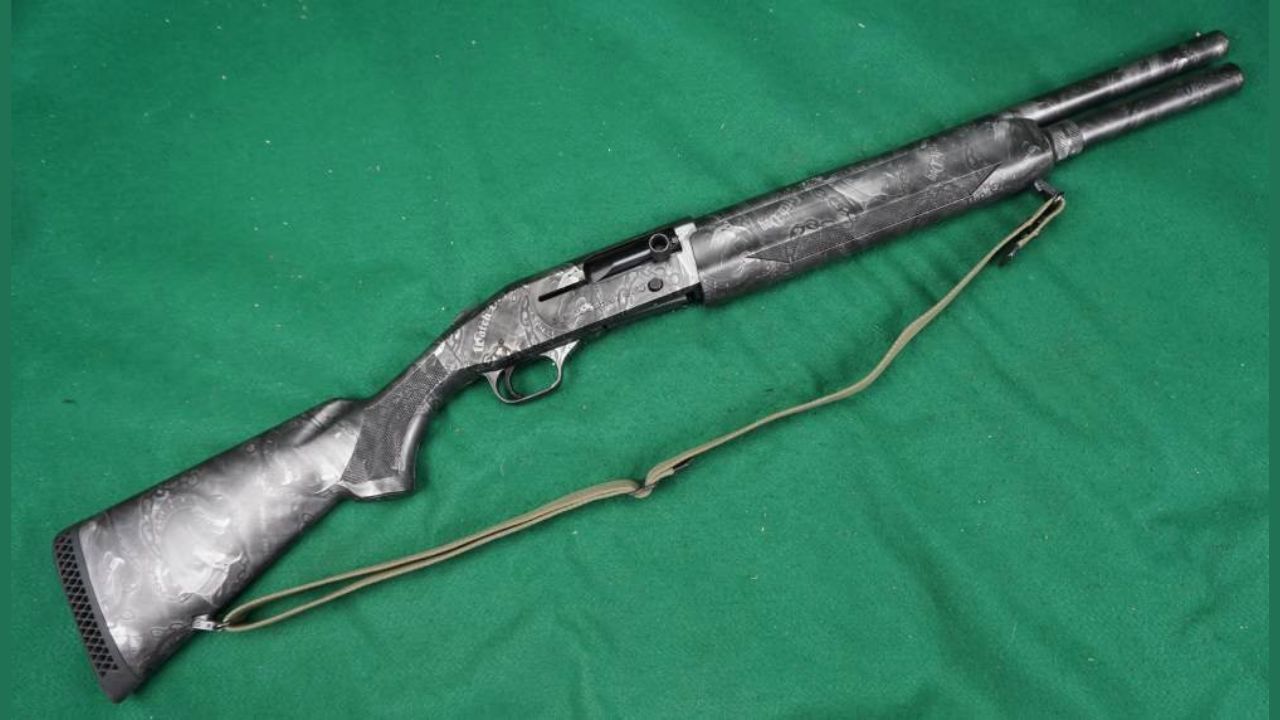
Mossberg is usually best known for the Model 500 and its pump-gun relatives, and American Rifleman says as much in its 940 exploded-view article. But that same article makes clear the company had already been making semi-autos since the 1980s, and the 930 became one of the most visible modern results of that effort.
That matters because the 930 was one of the guns that kept Mossberg from being seen only as a pump-shotgun brand. It gave the company a serious, accessible gas-gun platform that could serve across multiple roles.
4. The 930 platform covered both hunting and security roles

Mossberg’s own current schematic/support page says the 930 platform is known as a rugged, dependable autoloader perfect for both hunting and security applications.
That is worth calling out because some semi-auto shotgun lines drift hard toward one lane only. The 930 built its identity by covering more than one. It was not just a bird gun and not just a tactical shotgun. Mossberg clearly saw it as a flexible family.
5. The JM Pro became one of the most important versions in the whole line
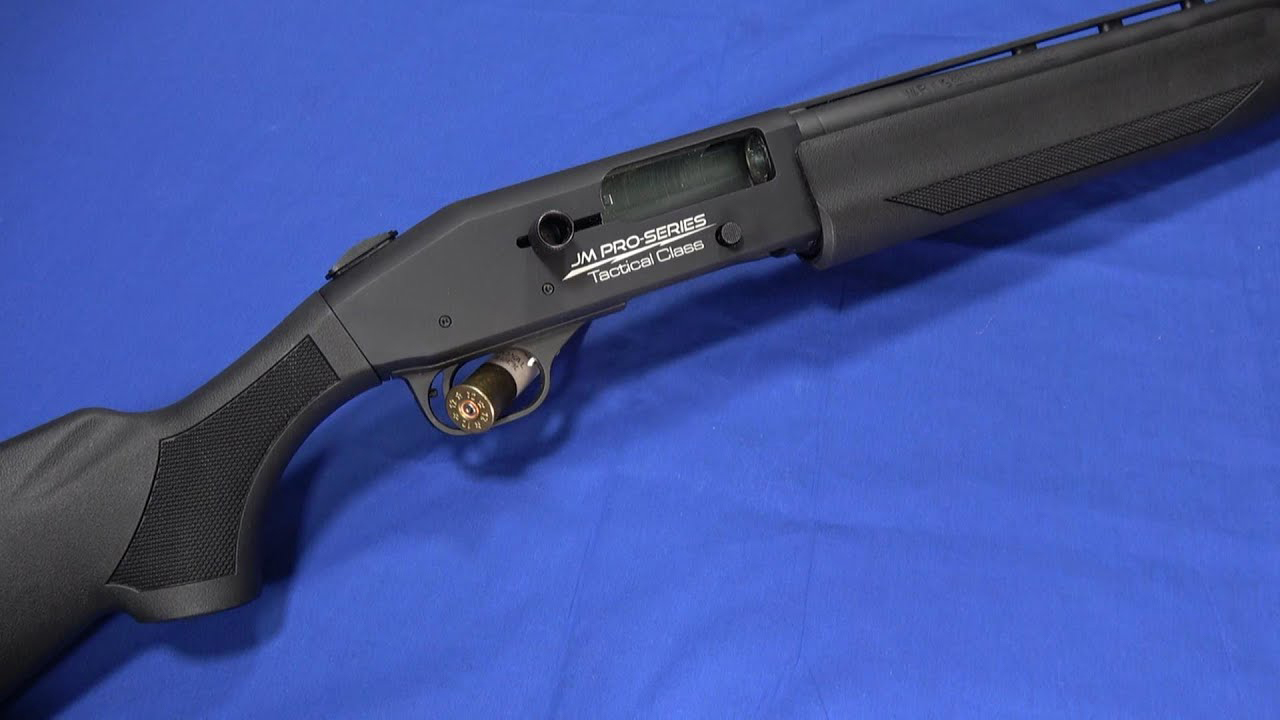
If there is one branch of the 930 family that really changed how people thought about the platform, it is the 930 JM Pro. American Rifleman’s 2013 coverage of Lena Miculek’s championship notes that Jerry Miculek had gone to work with Mossberg in 2010 and helped develop the 930 JM Pro Signature Series to fit the needs of competitive shooters.
That is a huge part of the 930 story because it pushed the line beyond ordinary field-gun territory. Once the JM Pro became established, the 930 was no longer just a budget semi-auto hunting gun. It also had real competition credibility.
6. Jerry Miculek’s influence on the 930 was significant enough to shape the next generation
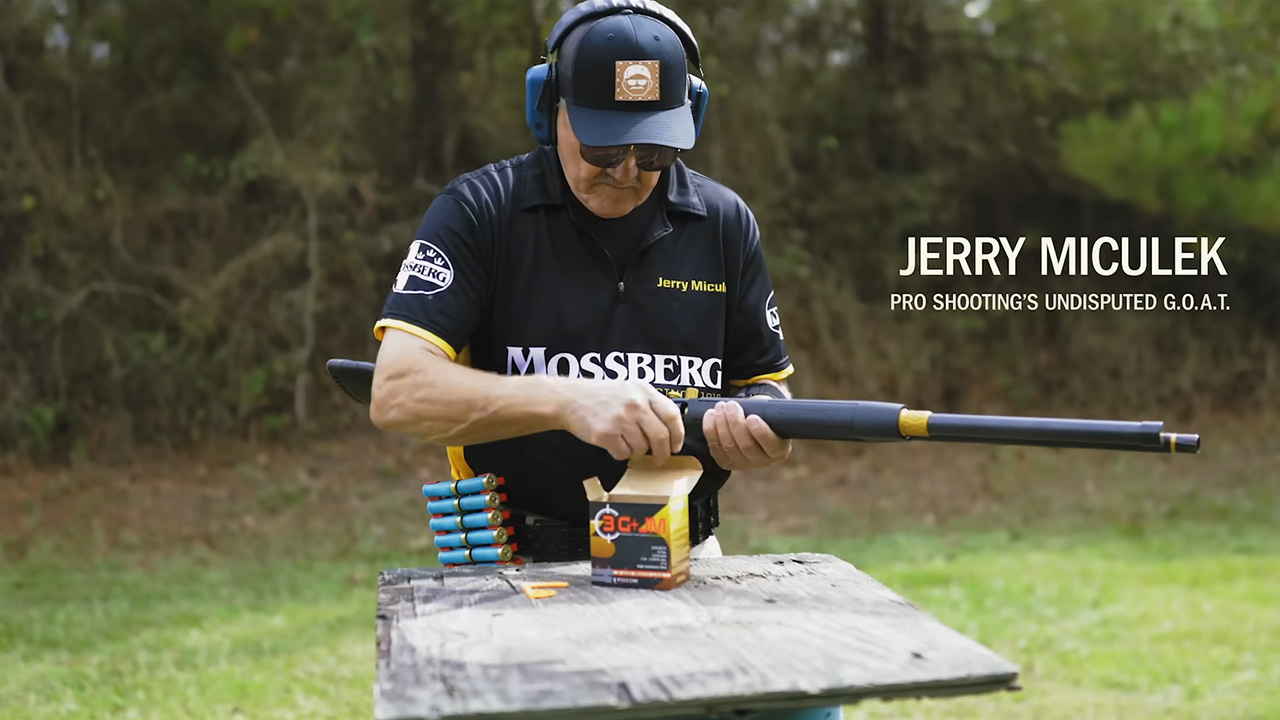
The 930 JM Pro mattered so much that Mossberg used it as the baseline for designing the 940. American Rifleman’s 2020 coverage of the 940 launch says Mossberg engineers worked with Jerry and Lena Miculek, using the iconic 930 JM Pro as the starting point to redesign the gas system, loading port, sighting system, point-of-aim/point-of-impact consistency, and overall fit and function.
That tells you a lot about how important the 930 JM Pro became. It was not some side branch that happened to sell okay. It was influential enough to guide the platform Mossberg built next.
7. The 940 exists partly because Mossberg wanted to improve on the 930
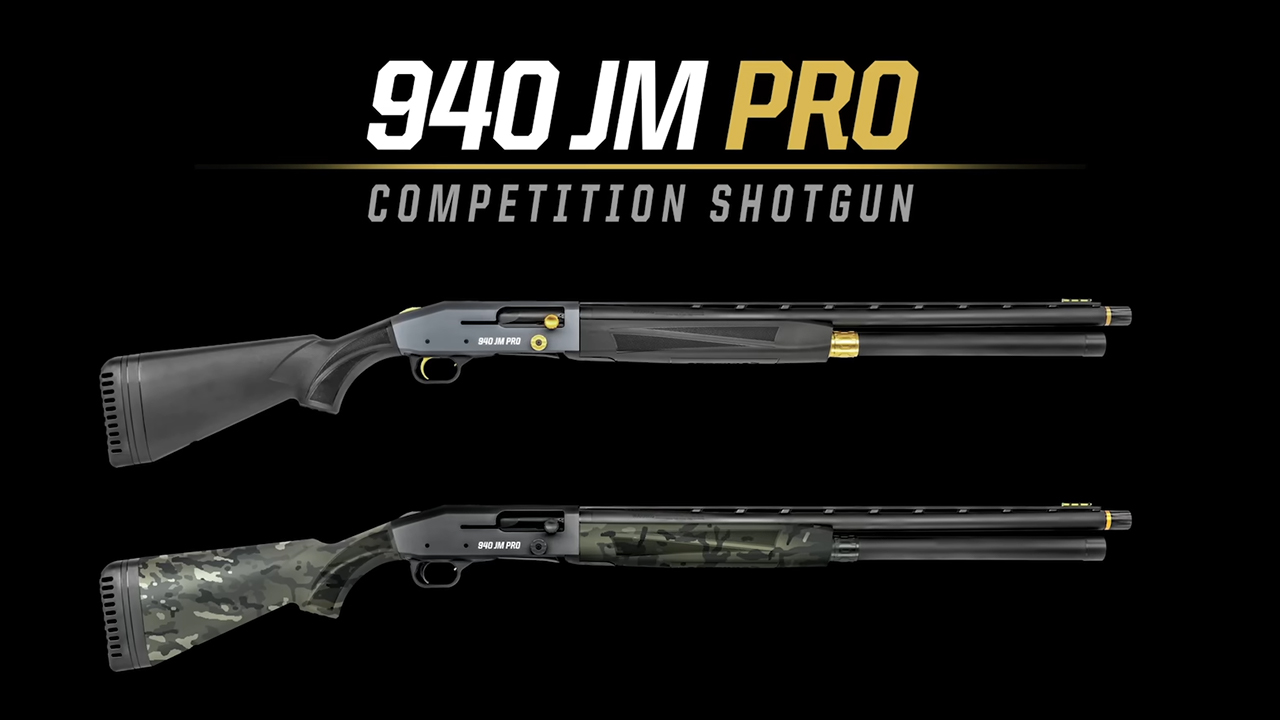
This is one of the clearest signs of the 930’s real legacy. American Rifleman says that while the 930 was successful, Mossberg eventually found it hard to stand out from the pack, which pushed designers back to the drawing board and led to the 940. The same article says the 940 was designed to run more cleanly and handle a wider variety of ammunition, with company claims of up to 1,500 rounds between maintenance compared with the 930’s theoretical 500-round limit.
That means the 930’s story is partly told through what Mossberg chose to improve later. The gun was good enough to become the baseline, but Mossberg also clearly saw areas where the next-generation autoloader could push further.
8. The 930 line included tactical branches too
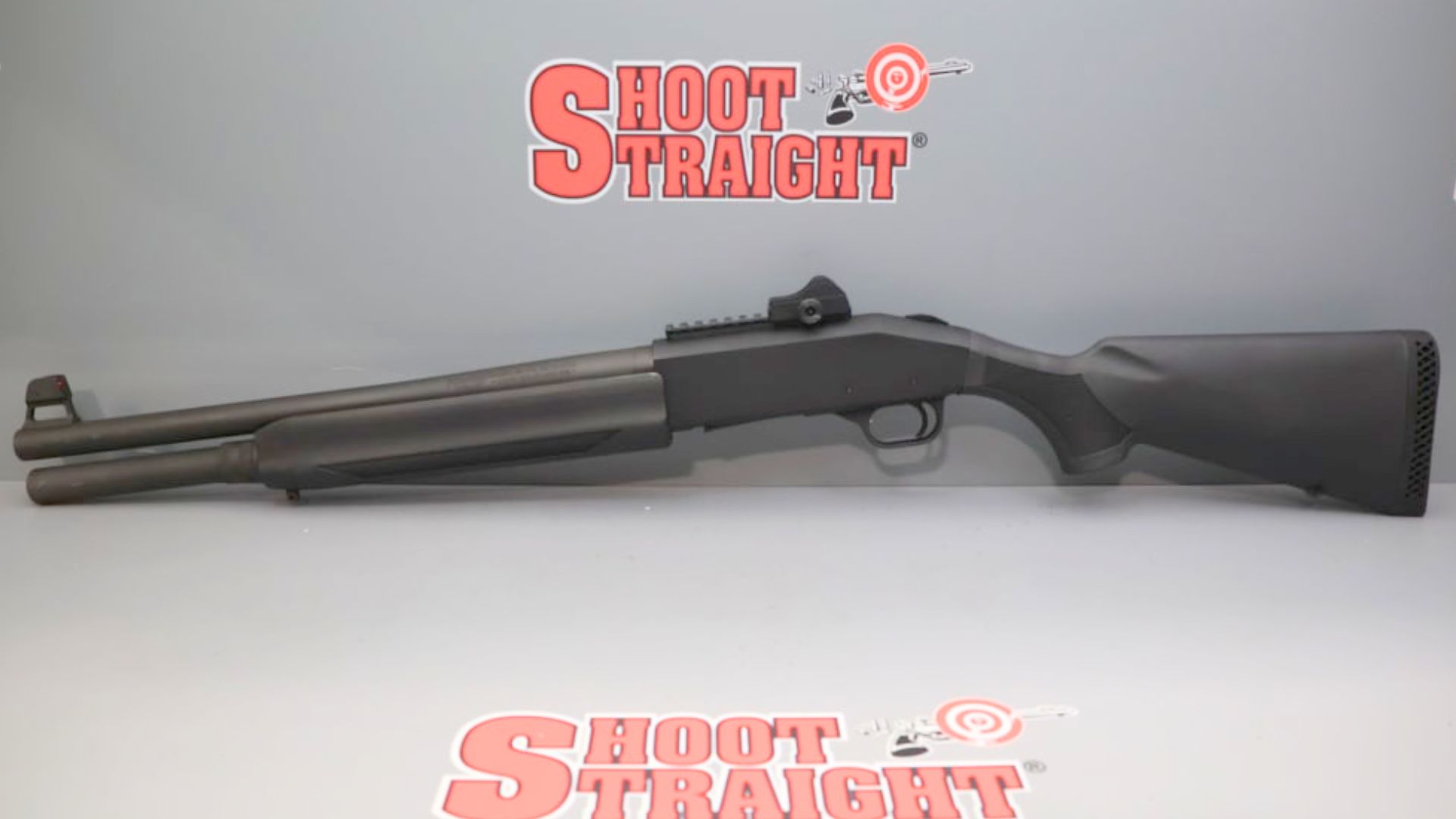
People who only know the 930 as a hunting or competition shotgun sometimes miss that the family also stretched into more defensive-looking formats. Mossberg’s current 930 support pages still show 930 parts support in place, and American Rifleman’s broader 930-to-940 history makes clear the line’s applications were not limited to sporting use. The existence of later 940 Tactical development also reflects the multi-role space the 930 had already occupied.
That broader reach is one reason the platform lasted. The 930 could speak to more than one buyer type, which is usually what keeps a shotgun family alive.
9. Mossberg still supports the 930 even though the 940 replaced it as the newer flagship
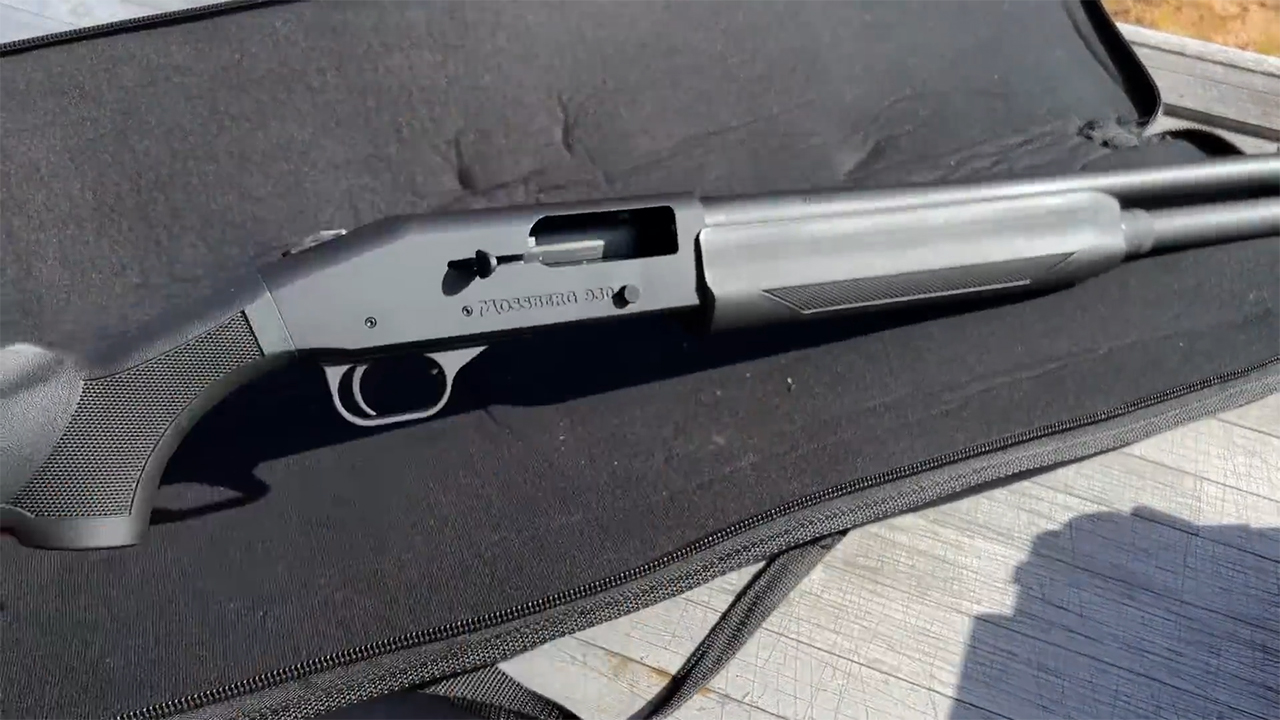
One of the easier things to miss is that the 930 has not vanished from Mossberg’s ecosystem. Mossberg’s current site still has 930 schematics and 930 parts pages available.
That matters because it shows the 930 is still relevant enough in the real world that Mossberg continues to support owners. That is a good sign of just how many of these shotguns are still out there being used.
10. The 930 is one of the clearest examples of Mossberg building a semi-auto “working gun”
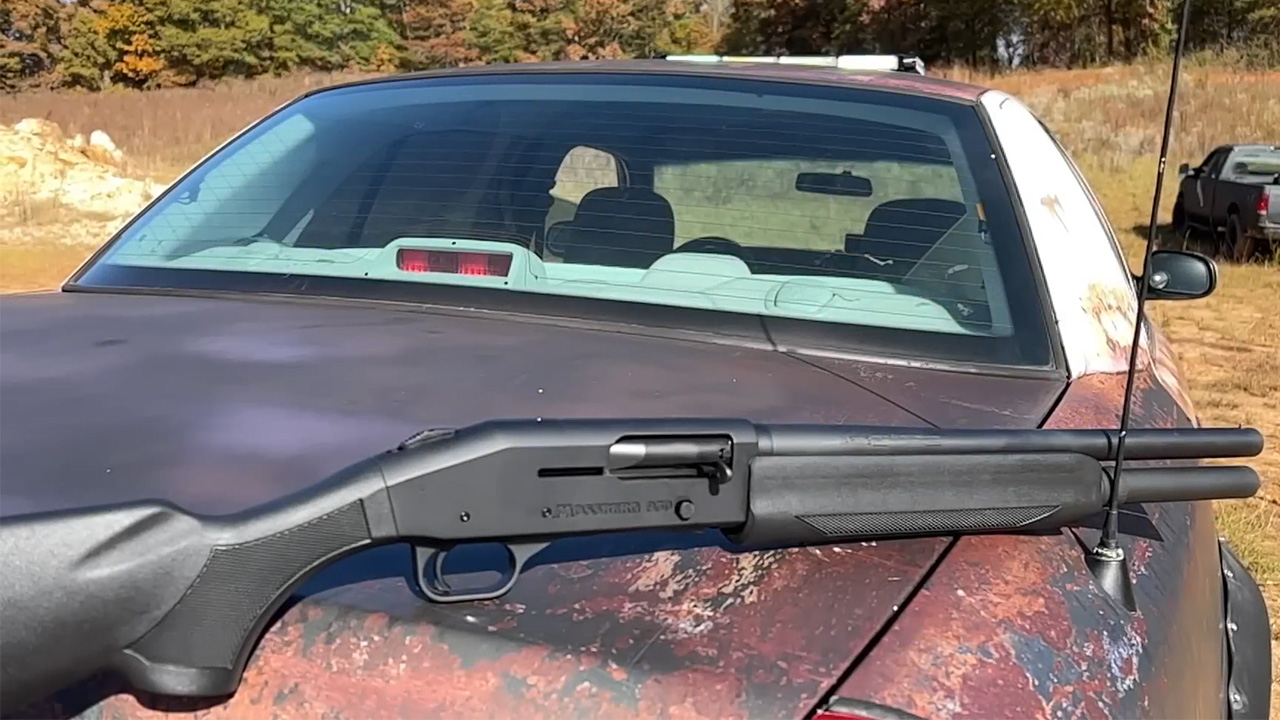
The 930’s reputation was always tied to usefulness more than glamour. Mossberg’s current language calls it rugged and dependable, while American Rifleman framed it as one of the best values in semi-autos when it was introduced.
That is a good shorthand for what the 930 really was: a practical gas gun for people who wanted an autoloader that worked hard without pretending to be some boutique-status shotgun.
11. The 930’s influence is easiest to see in the 940 JM Pro
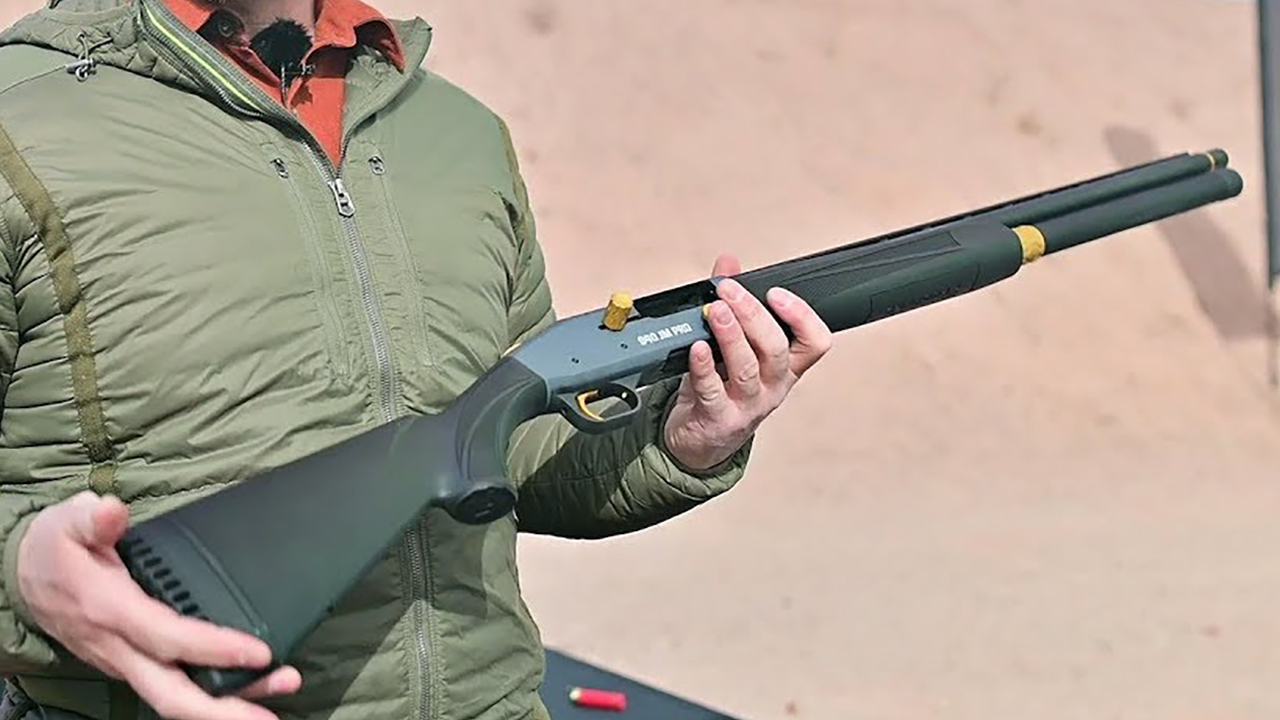
The most obvious descendant of the 930’s competitive side is the 940 JM Pro. Mossberg’s current 940 JM Pro page says the new gun was designed in collaboration with world champion shooter Jerry Miculek, and American Rifleman’s 2020 launch coverage explicitly says it used the 930 JM Pro as the baseline.
That is worth noting because it means the 930 competition branch did not die off. It evolved into the next major Mossberg autoloading platform.
12. The 930 helped Mossberg prove that a mainstream semi-auto shotgun did not have to be expensive to matter
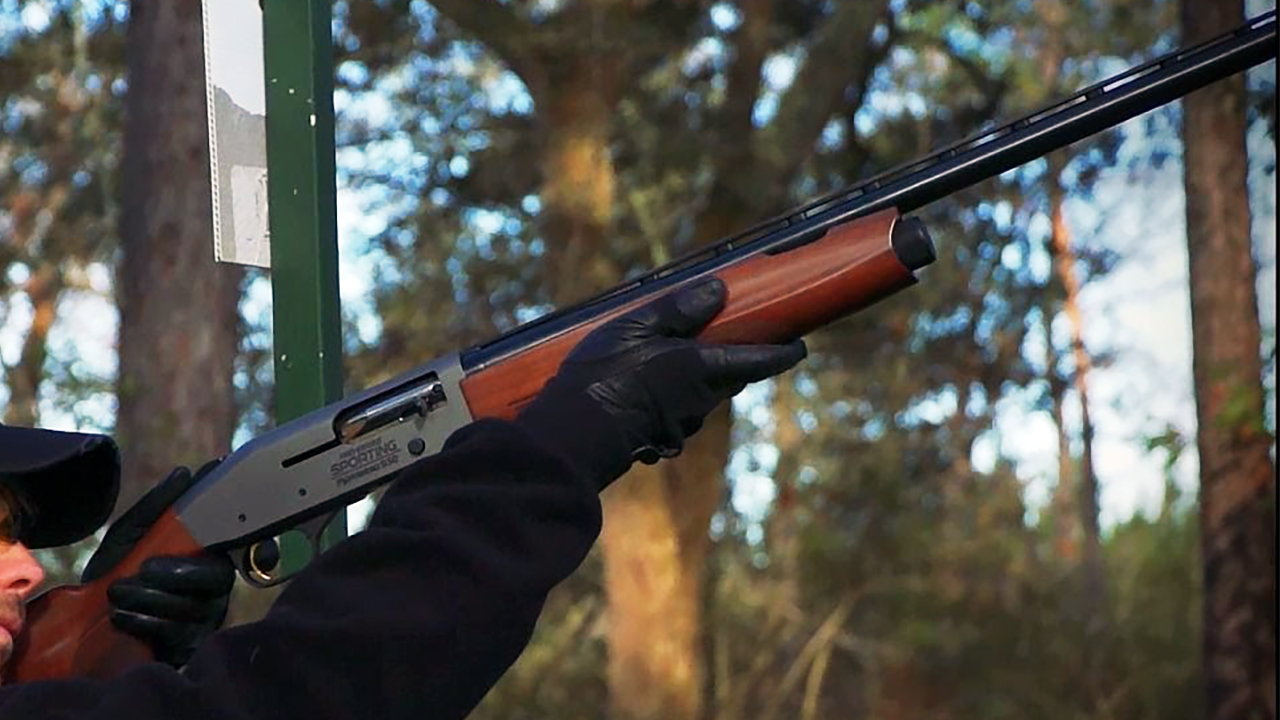
When people talk about influential semi-auto shotguns, they often jump straight to much pricier names. But the 930 carved out a different kind of significance. American Rifleman’s wording around affordability and value is doing a lot of work here, because the gun’s importance was tied to accessibility as much as pure prestige.
That may be the biggest reason so many shooters still remember the 930 fondly. It was a semi-auto a lot of regular people could actually buy.
13. The 930’s success is a big reason Mossberg could confidently expand the 940 family later
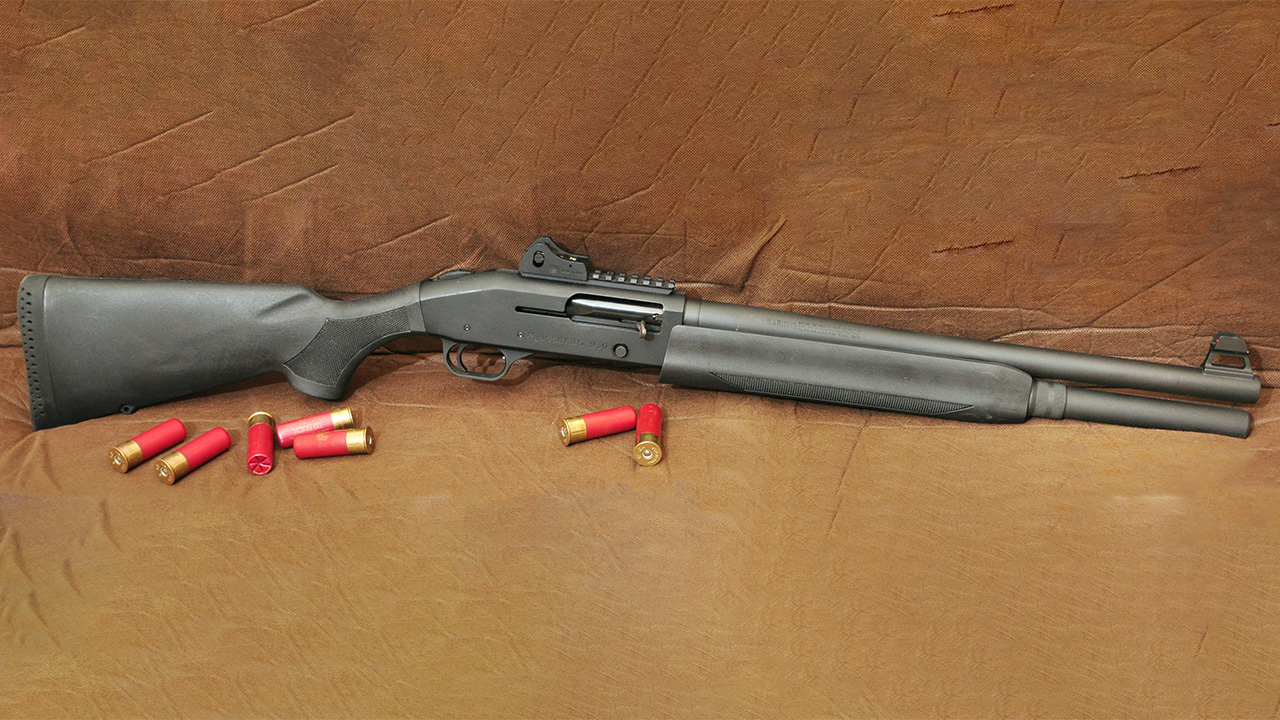
The way Mossberg exploded the 940 line into JM Pro, hunting, turkey, and tactical branches only really makes sense because the company already knew the semi-auto lane worked for it. American Rifleman’s 940 coverage says the 930 was successful, and the redesign effort was a response to wanting the next step—not to abandoning the concept.
That means the 930’s role in Mossberg history is bigger than its current catalog visibility might suggest. It proved Mossberg had a durable place in the autoloading-shotgun market.
14. The 930 is easier to appreciate now that the 940 exists
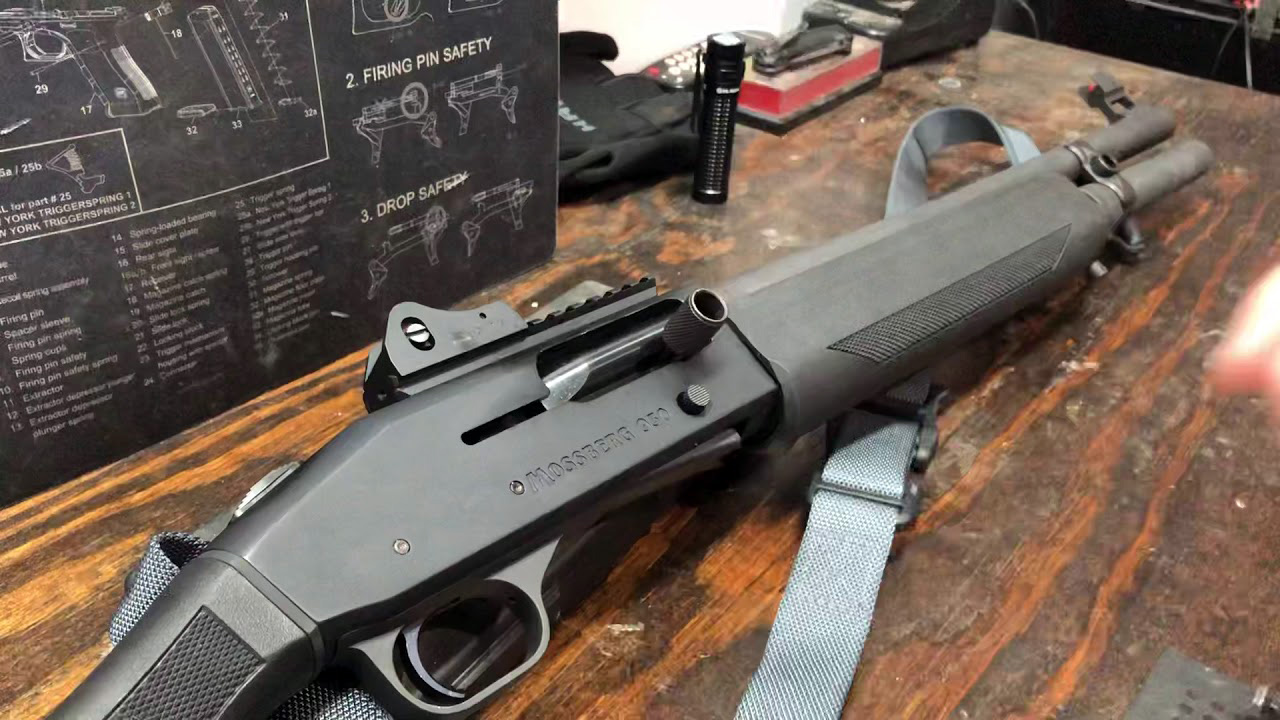
This is partly an inference, but it is a grounded one. Once the 940 arrived with cleaner-running claims, a redesigned gas system, and the 930 JM Pro as its baseline, it became easier to see what the 930 had accomplished: it was solid enough to be worth redesigning rather than replacing with a totally unrelated concept.
That is not the kind of treatment companies give to platforms they think failed. It is the kind they give to platforms that mattered.
15. The biggest thing most people miss is that the 930 was the bridge between Mossberg’s old semi-auto efforts and its modern 940-era success
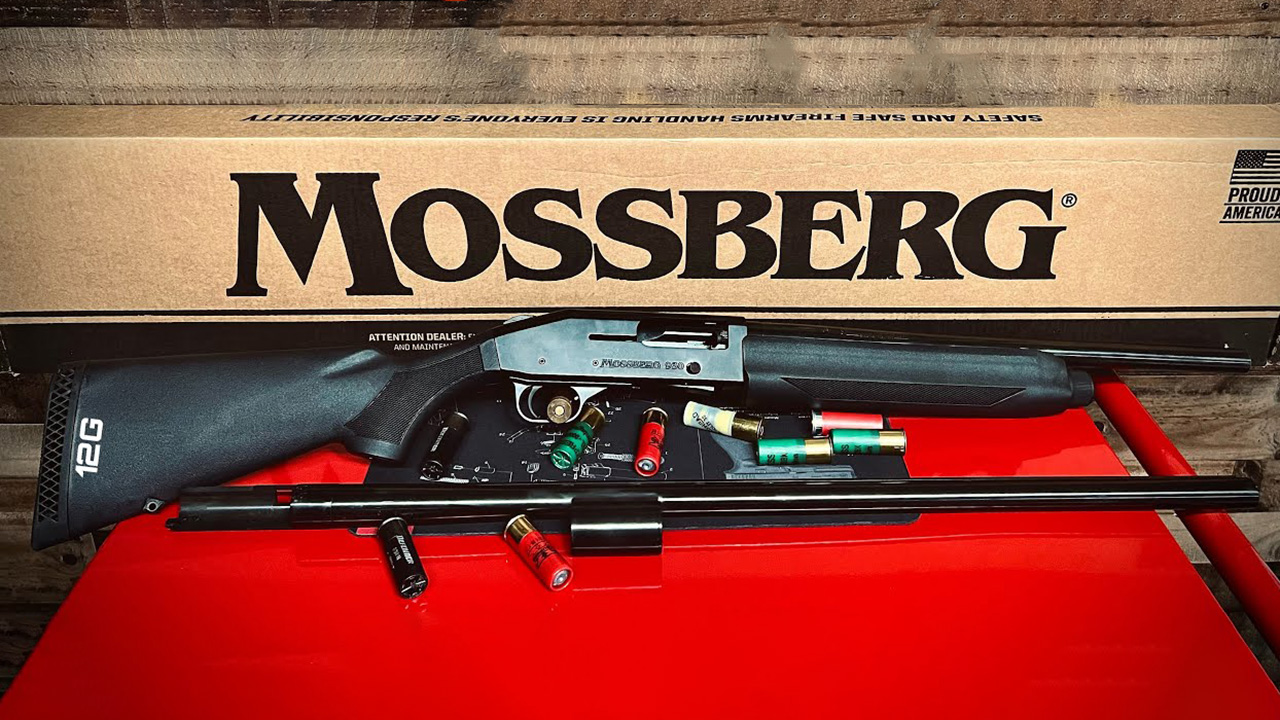
That is probably the clearest way to sum it up. Mossberg had made semi-autos before, but the 930 became the rugged, dependable, affordable platform that carried the company’s autoloading story into the modern era, stretched across hunting, security, and competition use, and eventually gave birth to the 940 through the JM Pro branch.
That makes the 930 more important than many people give it credit for. It was not just the shotgun that came before the 940. It was the reason the 940 had something worth building from.