Photo credit: GunBroker
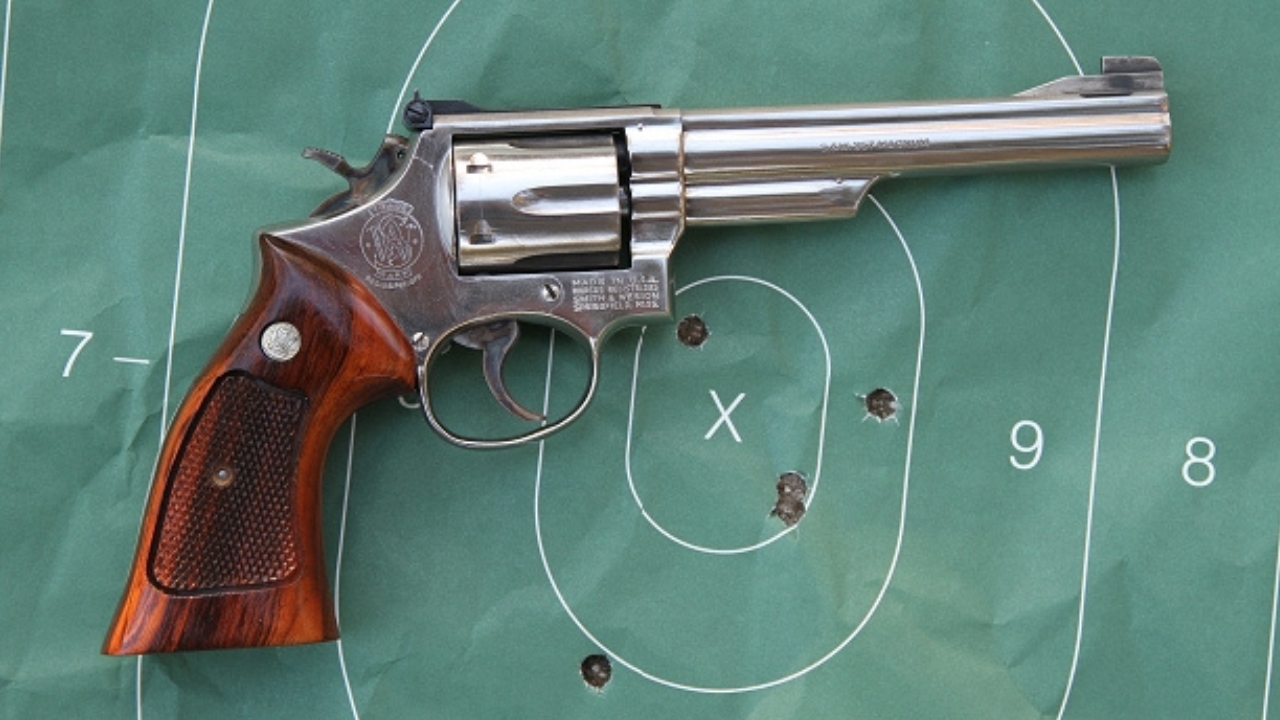
The Smith & Wesson Model 19 is one of those revolvers that even people who are not deep into wheelguns tend to respect. A lot of shooters know it as the “Combat Magnum,” but what often gets missed is how important it was to the whole idea of a practical .357 Magnum duty revolver. American Rifleman says the Combat Magnum became the Model 19 when Smith & Wesson switched to model numbers in 1957, and the gun quickly built a reputation as a lighter, handier alternative to the larger N-frame .357s that came before it.
What makes the Model 19 especially interesting is that it was never just one static revolver. It ran through multiple engineering changes, different barrel lengths, nickel and blue finishes, and eventually disappeared before Smith & Wesson revived it in modern Classic form. Standard reference history lists the main production run from 1957 to 1999, with the current revival beginning in 2018, while Smith & Wesson’s current catalog still lists the Model 19 Classic as an active gun.
1. It started life as the Combat Magnum, not the Model 19

A lot of shooters assume “Model 19” was the name from day one, but that is not how it started. American Rifleman says the gun was originally known as the Combat Magnum, and only became the Model 19 when Smith & Wesson adopted numerical model designations in 1957.
That matters because the original name tells you exactly what Smith & Wesson thought the gun was for. This was supposed to be a practical fighting revolver chambered in .357 Magnum, not just a target gun or hunting sidearm.
2. It was built on the K-frame, which was the whole point

The Model 19’s big selling point was not just caliber. It was size. The standard reference history says it was introduced on Smith & Wesson’s K-frame, which was smaller and lighter than the earlier N-frame .357 revolvers most shooters now know as the Model 27.
That is what made the Model 19 such a big deal. It gave shooters magnum power in a revolver that was more practical to carry and faster to handle than the larger .357s that came before it.
3. Bill Jordan helped inspire it
One of the most famous parts of the Model 19 story is the role of Border Patrol legend Bill Jordan. The broader Smith & Wesson reference page specifically identifies the Model 19 as the first lightweight .357 Magnum built at Jordan’s request.
That is a big reason the revolver carries so much law-enforcement mythology. It was not designed in a vacuum. It came from a serious push for a revolver that balanced carry comfort with magnum performance in the real world.
4. It was offered in both blue and nickel
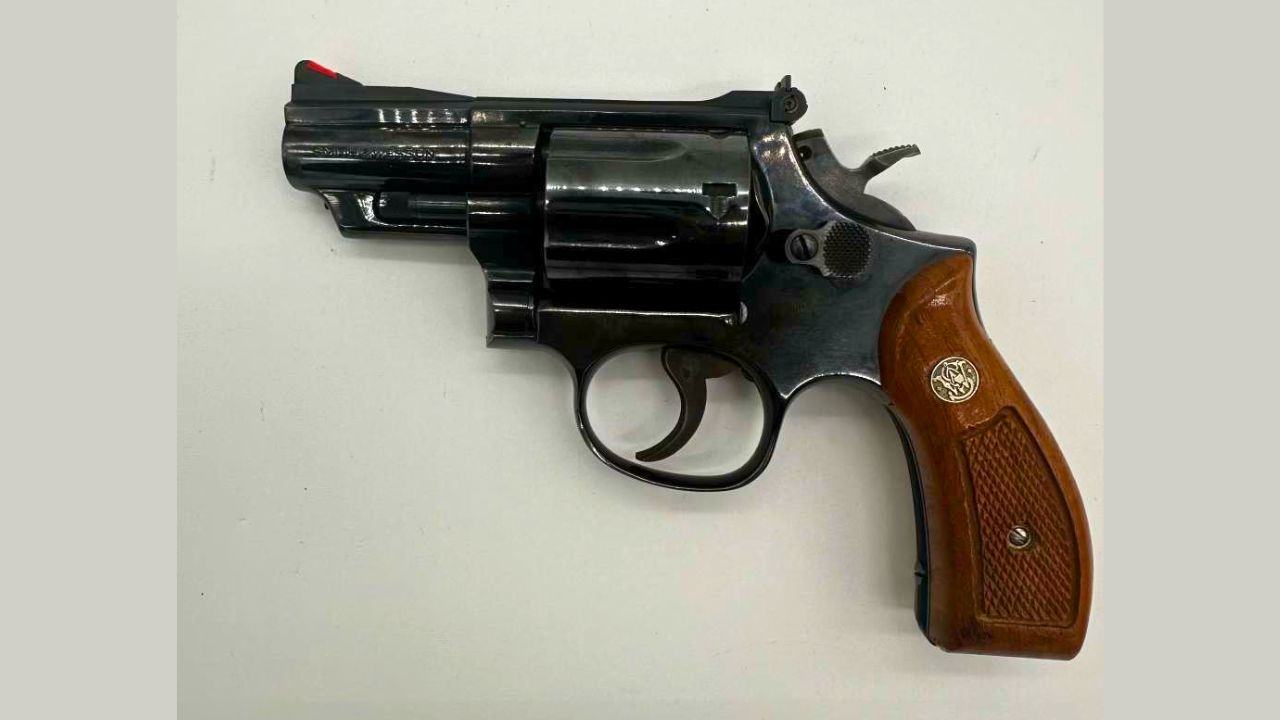
A lot of people picture the Model 19 in deep blue steel, but that was not the only option. The standard reference history says it was produced in blued carbon steel or nickel-plated steel.
That matters because finish is a big part of the Model 19’s visual identity. Some shooters think of the gun as the classic polished blue Combat Magnum, while others love the nickel versions for their flashier old-school appeal. Both were part of the real story.
5. The 6-inch barrel was not there at the start

A lot of shooters assume the Model 19 always came in the barrel lengths we know today, but the 6-inch version came later. The standard reference history says the 6-inch barrel was introduced in 1963.
That helps explain why different Model 19s can feel like very different guns. A shorter gun fits the “Combat Magnum” idea better, while the 6-inch model pushes the revolver more toward range and field use.
6. The 2.5-inch version became one of the most beloved variants
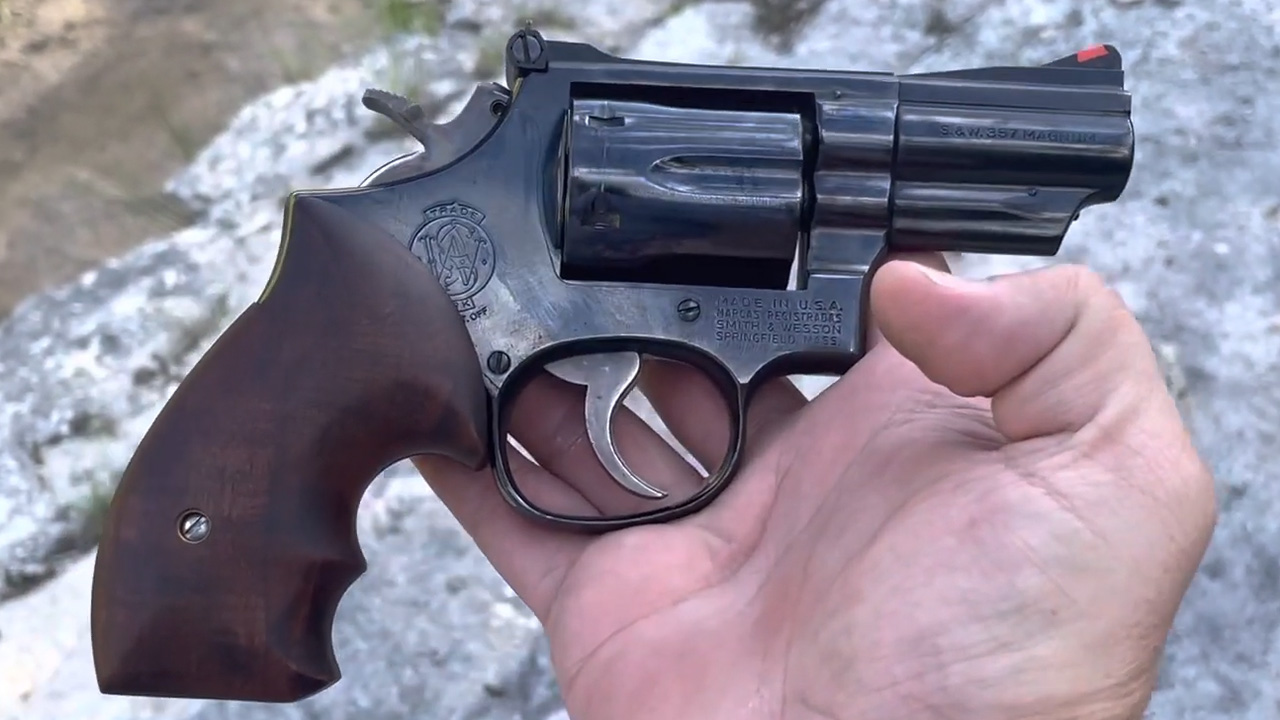
The short-barreled Model 19 has a special place in revolver lore. The standard reference history says a 2.5-inch barrel version was manufactured in limited form in 1963 and then introduced as a standard option in 1966. American Handgunner later called the 2.5-inch gun the Cadillac of snub-nose wheelguns.
That version is a big reason the Model 19 built such a strong following among carry-minded revolver fans. It kept the adjustable sights and full .357 chambering in a package that felt far more compact and stylish than many other snubs.
7. It was the standard by which many duty revolvers were judged
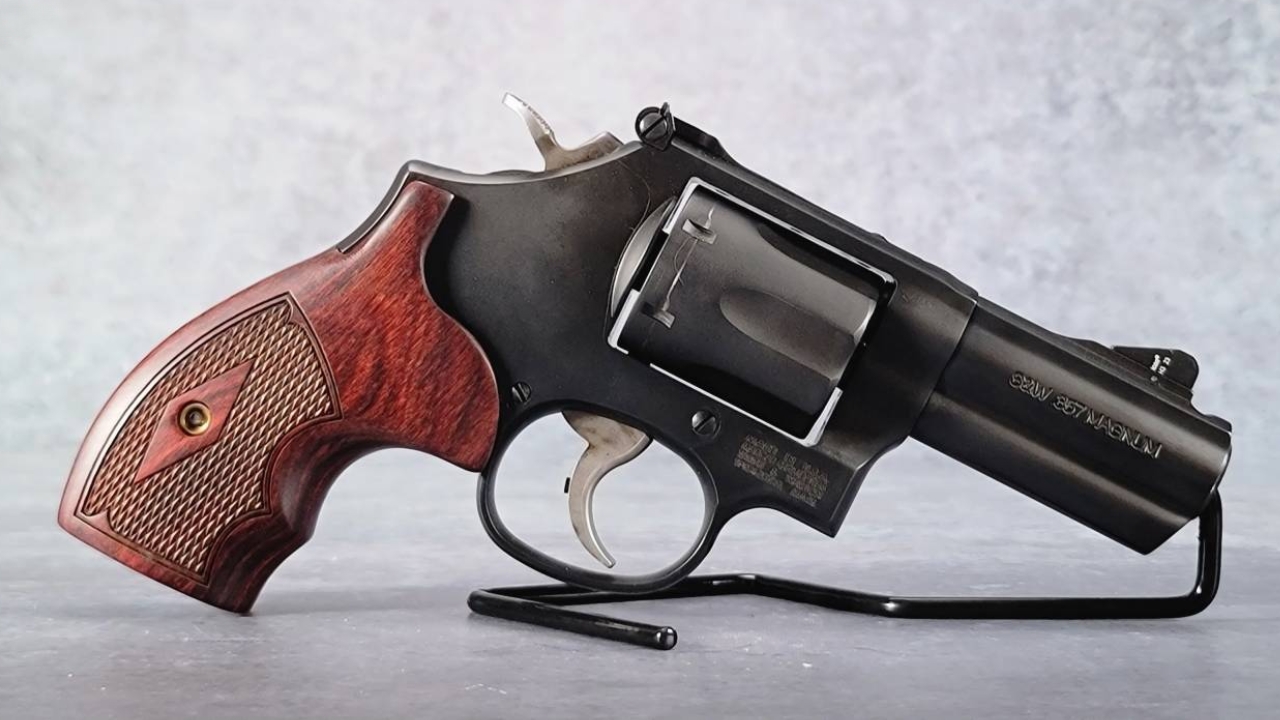
This is one of the boldest claims around the Model 19, but it is not just gun-shop nostalgia. American Rifleman’s 2019 review of the revived Model 19 Classic said the gun became the standard by which all duty revolvers would be judged.
That says a lot about the revolver’s place in law-enforcement history. The Model 19 was not just popular. It became a kind of benchmark for what a serious service revolver ought to feel like.
8. The Model 66 is basically its stainless twin
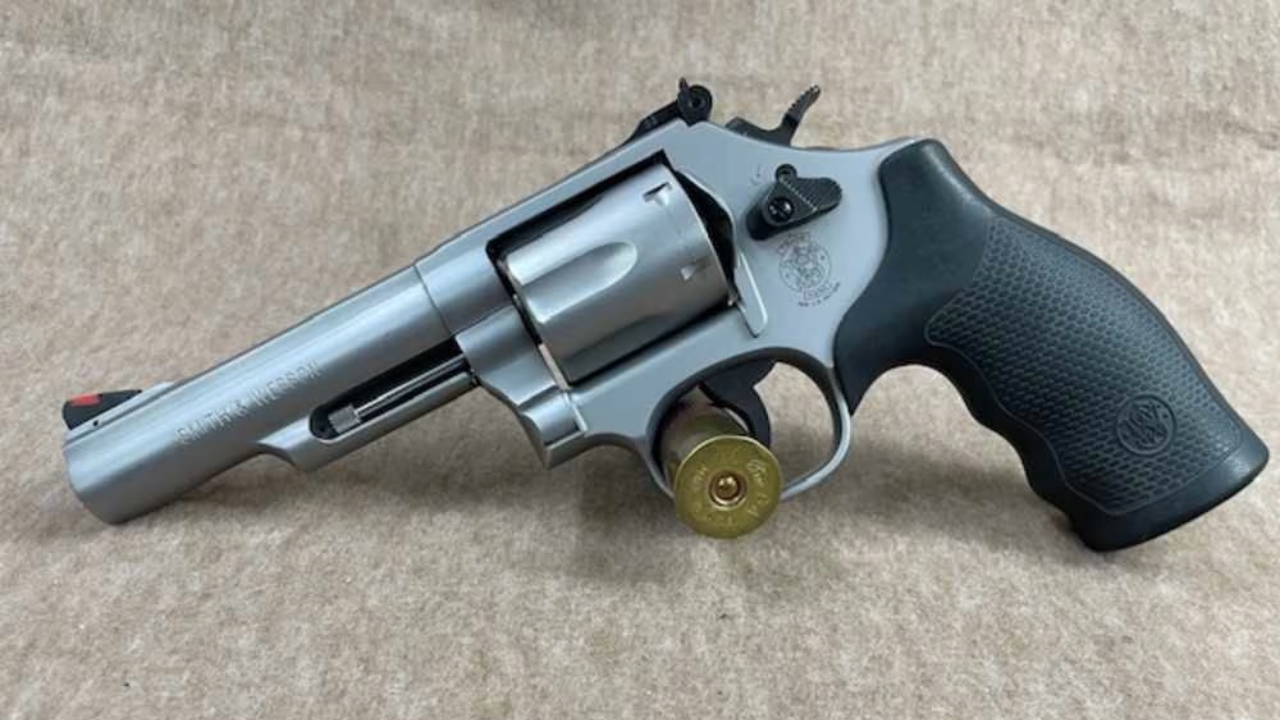
A lot of shooters know the Model 66 but do not always connect it back to the Model 19. The standard reference history says the Model 66 was introduced in 1971 as the stainless-steel version of the Model 19. American Rifleman also notes that when stainless steel blossomed in the 1970s, the stainless Combat Magnum was called the Model 66.
That makes the Model 19 even more important historically, because its design did not stop with the original blue-and-nickel guns. It directly gave rise to one of Smith & Wesson’s best-known stainless revolver families too.
9. The dash numbers tell a big part of the story

Model 19 fans talk a lot about “dash” variations, and for good reason. The standard reference history lays out engineering changes including the 19-1, 19-2, 19-3, 19-4, 19-5, 19-6, and 19-7, each reflecting changes to things like extractor rods, sight screws, gas-ring placement, barrel pinning, and retention systems.
That means a Model 19 is not just a Model 19. Different dash versions can reflect different eras of Smith & Wesson manufacturing, and collectors often care about those distinctions a lot.
10. The pinned barrel and recessed cylinder era eventually ended
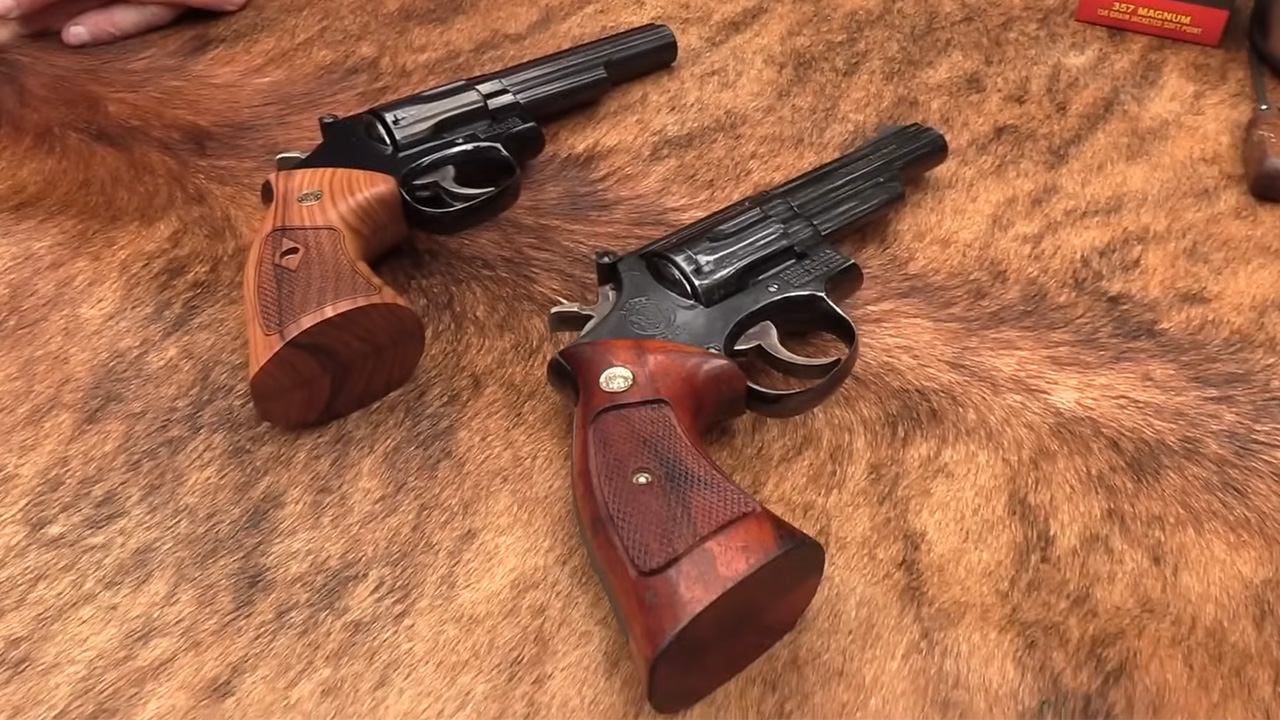
One of the major production changes came with the 19-5. The standard reference history says the 19-5, introduced in 1982, eliminated the cylinder counterbore and pinned barrel while making a small change to cylinder length.
That matters because “pinned and recessed” guns hold special status with a lot of Smith & Wesson fans. The Model 19 lived through that transition, which makes earlier and later examples feel different in collector conversations.
11. The K-frame size was part of its strength and part of its limitation

The Model 19 became famous because the K-frame made it more practical than larger .357s, but that same smaller frame also shaped its long-term story. A 2025 review discussing the gun’s history notes that the K-frame’s limits with very heavy .357 use helped push Smith & Wesson toward the later L-frame 586 and 686 family.
That does not erase the Model 19’s greatness. It just explains why the revolver world kept evolving. The Model 19 hit a brilliant balance, but shooters who ran a steady diet of hard magnum loads eventually exposed where the smaller frame was being asked to do a lot.
12. Main production ended in 1999
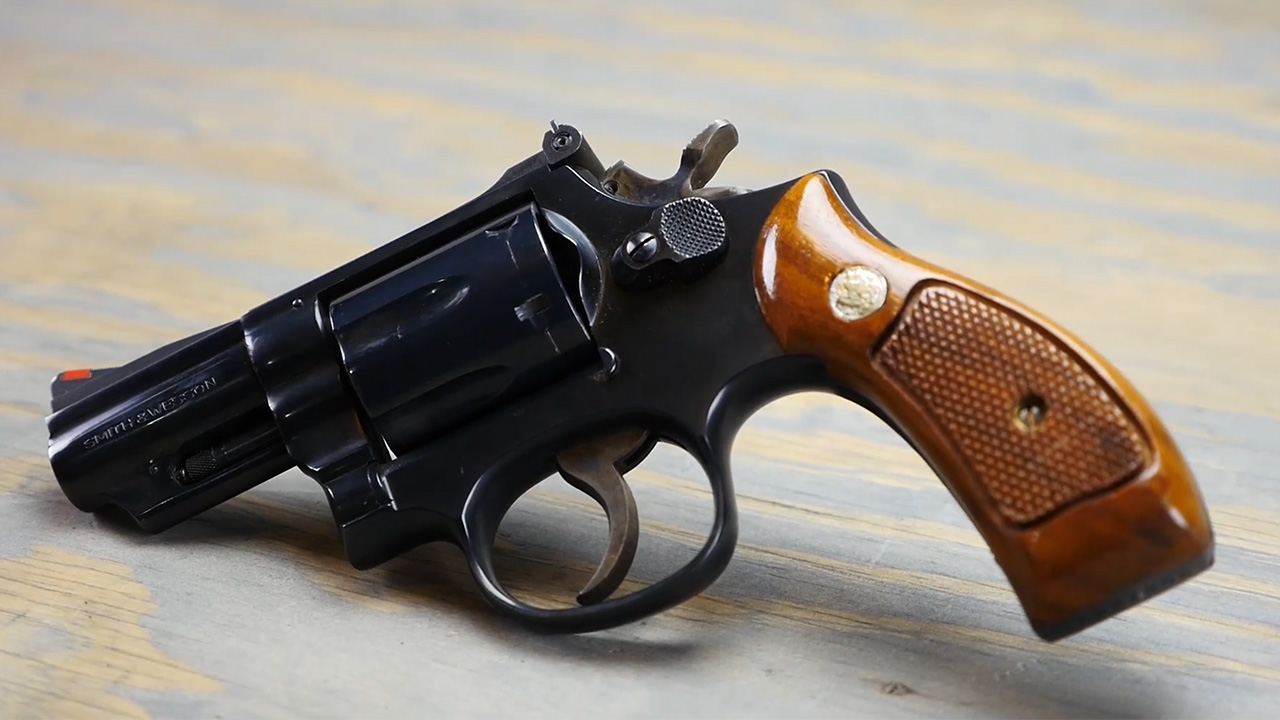
For such a famous revolver, the Model 19’s original production run had a clear stopping point. The standard reference history says it was produced until November 1999. American Rifleman’s 2025 no-lock feature also says Smith discontinued the Model 19 in 1999.
That is one reason original guns built such a strong following in the used market. Once they were gone, shooters had to treat the Model 19 as a classic rather than a current-production revolver.
13. Smith & Wesson brought it back in 2018
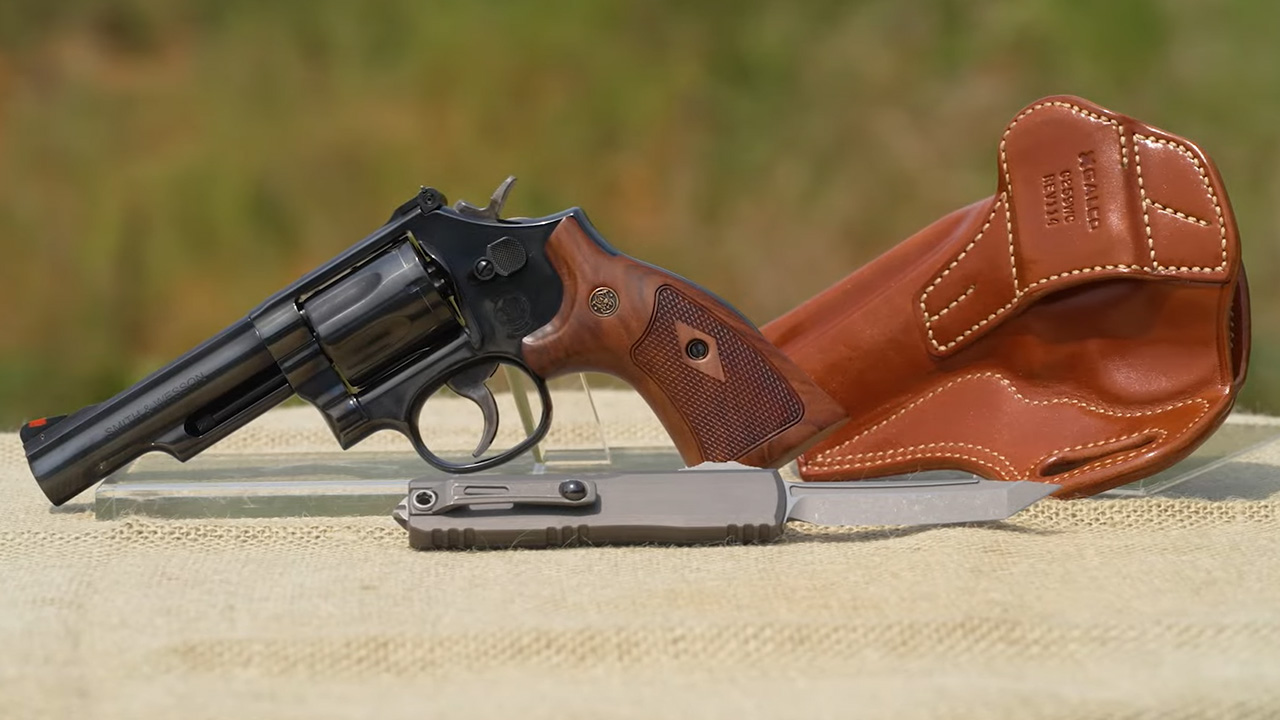
The Model 19 did not stay gone forever. The standard reference history lists production resuming in 2018, and American Rifleman’s 2019 review of the Model 19 Classic treated the return as the revival of a true classic.
That comeback says a lot about how much affection the gun still held. Smith & Wesson did not revive the Model 19 just because the name sounded good. It did it because shooters still cared deeply about the idea of the Combat Magnum.
14. There are now current-production no-lock versions
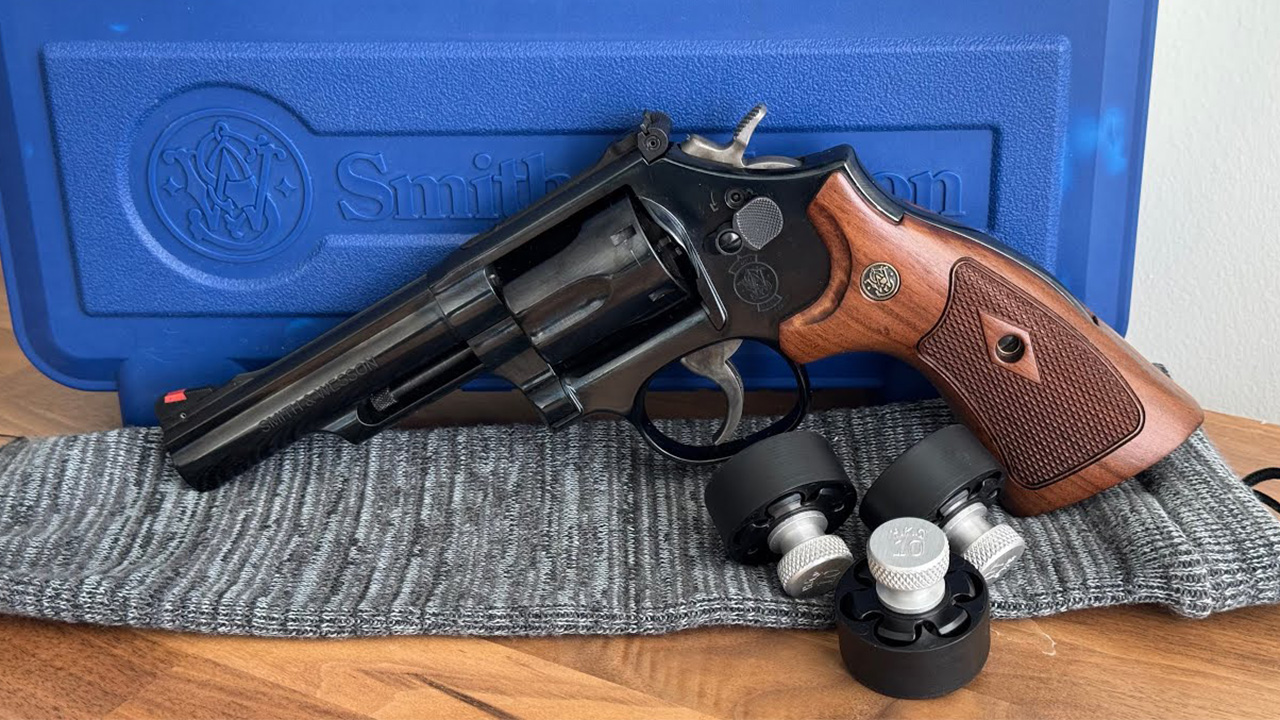
The modern Model 19 story is still evolving. Smith & Wesson’s current catalog includes a Model 19 Classic No Internal Lock, and American Rifleman’s 2025 no-lock article specifically references the compensated short-barreled Model 19 lineage while discussing Smith’s lock-free offerings.
That is a pretty interesting modern twist, because it shows Smith & Wesson understands exactly what many revolver buyers still want from this platform: classic feel, classic lines, and fewer modern add-ons they do not love.
15. Its biggest legacy is that it made the practical .357 Magnum duty revolver feel normal
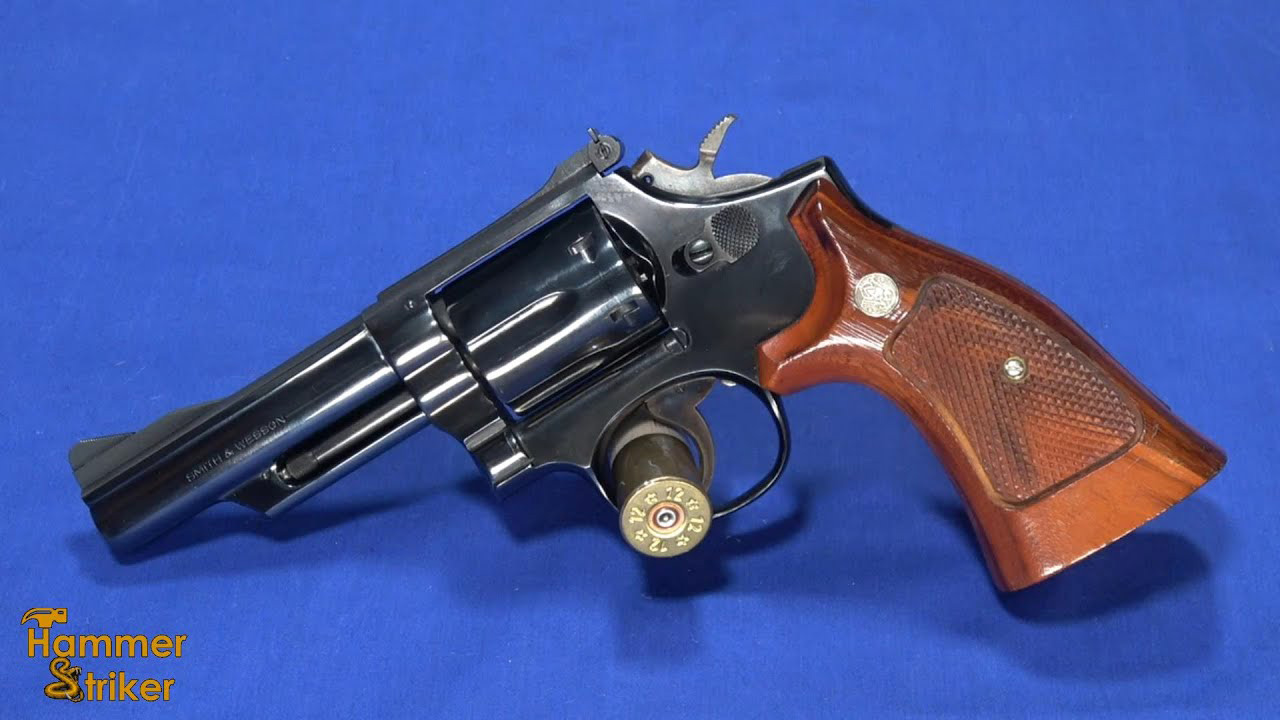
The most interesting thing about the Model 19 may be how thoroughly it changed expectations. Before it, serious .357 Magnum revolvers were larger and heavier. After it, the idea of a lighter, more practical fighting revolver chambered in .357 felt not only possible, but normal. That is why American Rifleman keeps returning to the gun as a true landmark, and why Smith & Wesson still sees value in bringing it back today.
That is why the Model 19 still matters. It was not just a good revolver. It changed what shooters expected a .357 Magnum revolver could be.