Photo credit: HiRevz Media/YouTube
A handgun does not have to forgive bad fundamentals, but some definitely forgive more than others. If your grip gets a little loose, a little uneven, or less than ideal in a hurry, certain pistols still keep the sights tracking in a way that helps you stay on target. That usually comes down to weight, bore axis, grip shape, trigger quality, and how the gun manages recoil through the frame instead of slapping it back into your hands. Some handguns punish every little mistake. Others give you a little room to recover.
That matters more than people admit. Real shooting does not happen from a perfect stance with perfect hand pressure every single time. You may be rushed, cold, awkwardly positioned, or simply not locked in the way you are on your best range day. In those moments, the handguns that stay accurate are usually the ones that keep tracking straight, settle quickly, and do not make you fight them. These are 15 handguns that tend to keep shooting well even when your grip is not perfect.
Glock 17

The Glock 17 has stayed popular for a reason, and one of those reasons is how forgiving it can be when your grip is not at its best. It is not a soft, heavy steel pistol, but the full-size frame gives you enough surface to hang onto, and the gun tends to recoil in a very predictable way. When your hands are slightly out of position, that consistency matters more than people think.
You still need fundamentals, of course, but the Glock 17 usually does not punish minor grip flaws as quickly as smaller pistols do. The sight picture tends to return in a straight, repeatable path, and the trigger is easy enough to manage once you know the platform. It is a practical, steady gun that often keeps groups honest even when the shooter is not doing everything exactly right. That is a big part of why it remains a benchmark.
Glock 19

The Glock 19 gives up a little size compared with the Glock 17, but it still keeps a lot of that same forgiving nature. It is compact enough to carry yet large enough to shoot like a real working pistol. That balance is where a lot of its reputation comes from. When your grip is a little rushed or not fully locked in, the gun still tends to behave in a predictable, manageable way.
Part of that comes from how the pistol tracks in recoil. It does not usually do anything strange between shots, and that helps you recover quickly even when your hand placement was not ideal at the start. The grip is still big enough for most shooters to get useful control, and the overall weight is enough to keep the gun from feeling twitchy. That is why the Glock 19 often stays accurate when smaller carry guns would already be making you work harder.
Smith & Wesson M&P 2.0 Full Size
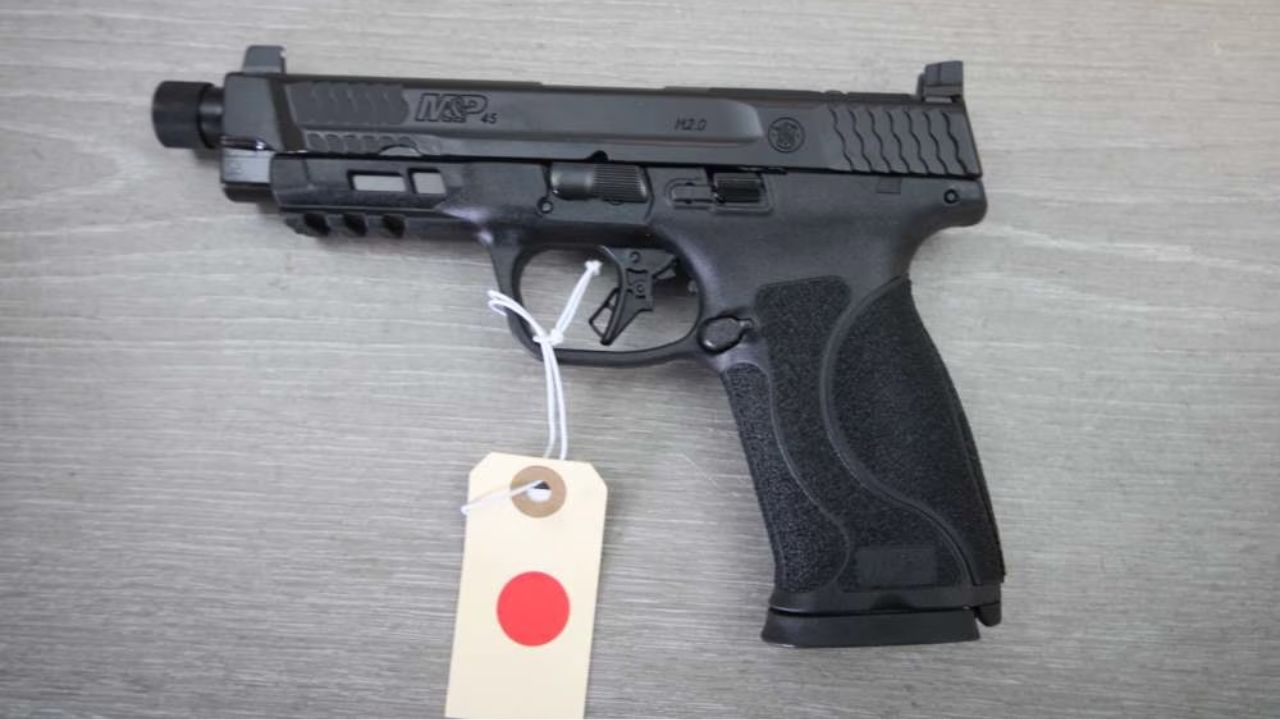
The M&P 2.0 Full Size is one of those pistols that feels planted the moment you start shooting it. The grip shape works for a wide range of hands, and the texture helps the gun stay put even if your support hand pressure is not as strong as it should be. That makes a real difference once recoil starts moving the gun. A pistol that does not shift much in your hands is easier to keep accurate.
It also helps that the recoil impulse tends to feel controlled and straight. The gun returns to target well, and the frame gives you enough to work with when your grip is not textbook clean. This is not a pistol that hides sloppy shooting, but it does give you more margin than many compact or lightweight handguns. If your hold is slightly imperfect, the M&P 2.0 Full Size usually still rewards you with stable, repeatable shooting.
SIG Sauer P226

The SIG Sauer P226 has long been respected because it shoots like a serious service pistol. It has enough size and weight to stay settled, and that extra mass helps when your grip is not completely dialed in. A lighter pistol can get jumpy fast when your hand pressure is uneven. The P226 usually does not. It tends to stay composed, which gives you a better chance of keeping your hits where they belong.
The trigger system also helps once you learn it. The single-action follow-up shots are easy to manage, and the gun’s overall balance makes it feel calm rather than busy in recoil. Even if your grip is a little loose, the P226 still tends to track in a very readable way. That is one reason experienced shooters have trusted it for so long. It gives you a level of control that covers a lot of small human errors.
Beretta 92FS

The Beretta 92FS is a large pistol, and that size is part of why it stays so easy to shoot well. The weight helps soften the recoil pulse, and the gun has a smooth, rolling feel in recoil instead of the abrupt snap you get from smaller handguns. When your grip is not perfect, that smoother behavior gives you more time and more control to keep the sights working in your favor.
It also has the kind of long sight radius and stable feel that make minor grip flaws less punishing. The gun does not tend to dart around if your support hand is slightly off or your firing hand is not clamped down as hard as usual. The 92FS is not a carry gun first, and that is part of the advantage here. It is a full-size pistol that often stays accurate because it gives you enough gun to recover from small mistakes.
CZ 75 BD

The CZ 75 BD is one of those pistols that can make average shooting feel better than it should. The all-steel frame, low slide profile, and excellent balance combine to give it a very controlled recoil pattern. If your grip is slightly uneven, the gun often stays flatter and more stable than many polymer pistols in the same caliber. That lets you get away with a little more without your accuracy falling apart.
The grip shape also helps. It tends to fit the hand naturally, which means even a less-than-perfect hold can still feel secure enough to keep the gun tracking well. Add in the weight and a good trigger, and the pistol becomes very forgiving during live fire. The CZ 75 BD still rewards proper technique, but it does not seem eager to punish you for every small lapse. That is a big reason shooters keep speaking highly of it.
HK VP9

The HK VP9 has built a loyal following because it is easy to run well, and that includes times when your grip is not exactly ideal. The ergonomics are a big part of that. The grip shape and interchangeable panels help the pistol fit a wide range of hands, and when a gun fits you well, it tends to stay more controllable even when your pressure is a little inconsistent.
It also has a very manageable recoil pulse for a striker-fired pistol. The sights tend to lift and settle in a predictable way, which makes the gun feel cooperative rather than demanding. If your support hand is not clamped down as hard as it should be, the VP9 usually still gives you a decent chance to keep your cadence and your hits. That forgiving feel is not magic. It is the result of a pistol that was built around practical shootability.
Walther PDP Full Size
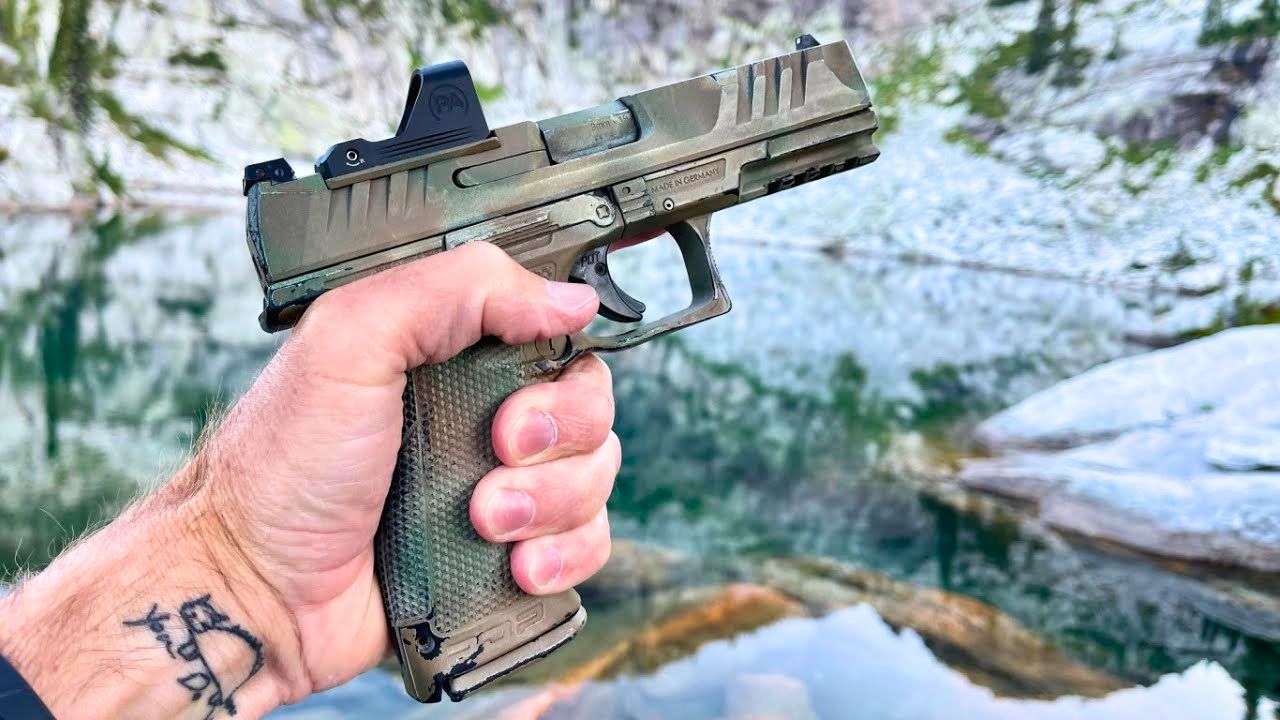
The Walther PDP Full Size can look a little top-heavy at first glance, but once you shoot it, the gun often proves far more forgiving than expected. The grip is one of the best parts of the design. It gives you strong purchase and helps anchor the pistol even if your hands are not locked in as firmly as they should be. When your grip starts slipping from ideal, that kind of frame design pays off fast.
The trigger also helps. A clean, predictable break makes it easier to press shots without adding unnecessary movement, which matters even more when your hold is already a little compromised. The pistol tends to return to target well, and the extra size keeps it from feeling nervous under recoil. It is a gun that often stays accurate because it does several small things right, and together those things make imperfect shooting less costly.
Springfield Echelon

The Springfield Echelon is a modern duty-size 9mm that tends to shoot in a very composed, easygoing way. One reason it stands out is that it gives you a full grip, useful weight, and a frame shape that helps keep the gun from shifting around under recoil. If your support hand pressure is not perfect, the pistol still tends to stay controllable enough to keep your hits from opening up too quickly.
It also has a clean, easy-to-manage trigger that supports better shooting when your grip is not doing all the work for you. A pistol that breaks cleanly and tracks well can cover a lot of small shooter imperfections, and the Echelon often feels that way on the range. It is not a pistol that demands a flawless hold to perform. For many shooters, it stays accurate because it gives you stability first and drama second.
Staccato P

The Staccato P is a premium pistol, but its reputation is not only about cost or styling. It is also one of the easier handguns to shoot well when your grip is less than ideal. The steel frame, excellent trigger, and overall balance give you a pistol that settles quickly and tracks flat. When your hands are not doing everything perfectly, the gun itself still helps keep the process under control.
That is one reason people shoot them so well under speed. The trigger is crisp without being difficult to manage, and the recoil pattern is smooth enough that you do not have to fight the gun back onto target. Even if your grip is a little weak or slightly off-center, the Staccato P usually still gives you very usable accuracy. It feels like a pistol built to work with you, not one that demands your best possible performance every single shot.
Smith & Wesson 686

A revolver belongs in this conversation too, and the Smith & Wesson 686 is one of the best examples. In .38 Special, especially, it can be extremely forgiving when your grip is not ideal. The all-steel frame gives the gun enough weight to stay steady, and the longer sight radius on most common barrel lengths helps you hold the gun accurately even when your hand pressure is not perfect.
The double-action trigger takes practice, but the revolver’s overall behavior is very honest. There is no slide cycling to throw the pistol off balance, and the recoil tends to feel more like a push than a sudden snap with lighter loads. That gives you time to recover and keep the sights where they need to be. For shooters who want a handgun that does not react harshly to small grip flaws, the 686 still makes a very strong case.
SIG Sauer P320 XFive Legion

The P320 XFive Legion is a purpose-built heavy 9mm, and that extra weight is exactly why it stays so forgiving. When your grip is not ideal, heavier pistols usually buy you more control, and this one does that very well. It stays planted, tracks flat, and gives you a lot of gun to hold onto. Minor mistakes in hand pressure tend to matter less because the pistol itself is working hard to stay calm.
The trigger and sight setup also make it easier to shoot accurately without forcing the issue. You do not have to wrestle the gun into good performance. It usually gives it to you if your fundamentals are at least decent. This is not a small carry gun, and it does not try to be. It is a big, forgiving handgun that often keeps groups tight because it reduces the cost of imperfect grip better than most lighter pistols can.
CZ Shadow 2

The CZ Shadow 2 is known for competition performance, but one reason it performs so well is that it forgives a lot of minor handling flaws. The steel frame, low bore axis feel, and excellent balance make it very easy to keep on target. If your grip is not fully locked in, the gun usually still tracks smoothly enough to stay accurate. That is a major advantage when you are shooting faster or under even a little pressure.
The trigger is another big part of it. A clean break and short reset help you run the gun without adding unnecessary movement, which makes up for a lot when your hand pressure is not perfect. The Shadow 2 still rewards a disciplined shooter, but it does not seem eager to punish small lapses the way many lighter pistols do. That forgiving nature is a big reason it has become so respected.
Beretta PX4 Storm Full Size

The Beretta PX4 Storm Full Size often gets overlooked, but it deserves real credit here. The rotating barrel system helps give the pistol a softer, smoother recoil impulse than many shooters expect. That matters when your grip is not ideal, because smoother recoil usually means the gun is less likely to get knocked off line by small mistakes in hand pressure or placement.
It also has enough frame size to give you a real hold, which is another reason it stays manageable. The pistol tends to feel more stable in recoil than its appearance suggests, and that helps it stay accurate in less-than-perfect hands. The PX4 does not get talked about as much as some other service pistols, but shooters who spend time with one often notice the same thing: it is easier to shoot well than many people expect, especially when your grip is not at its best.
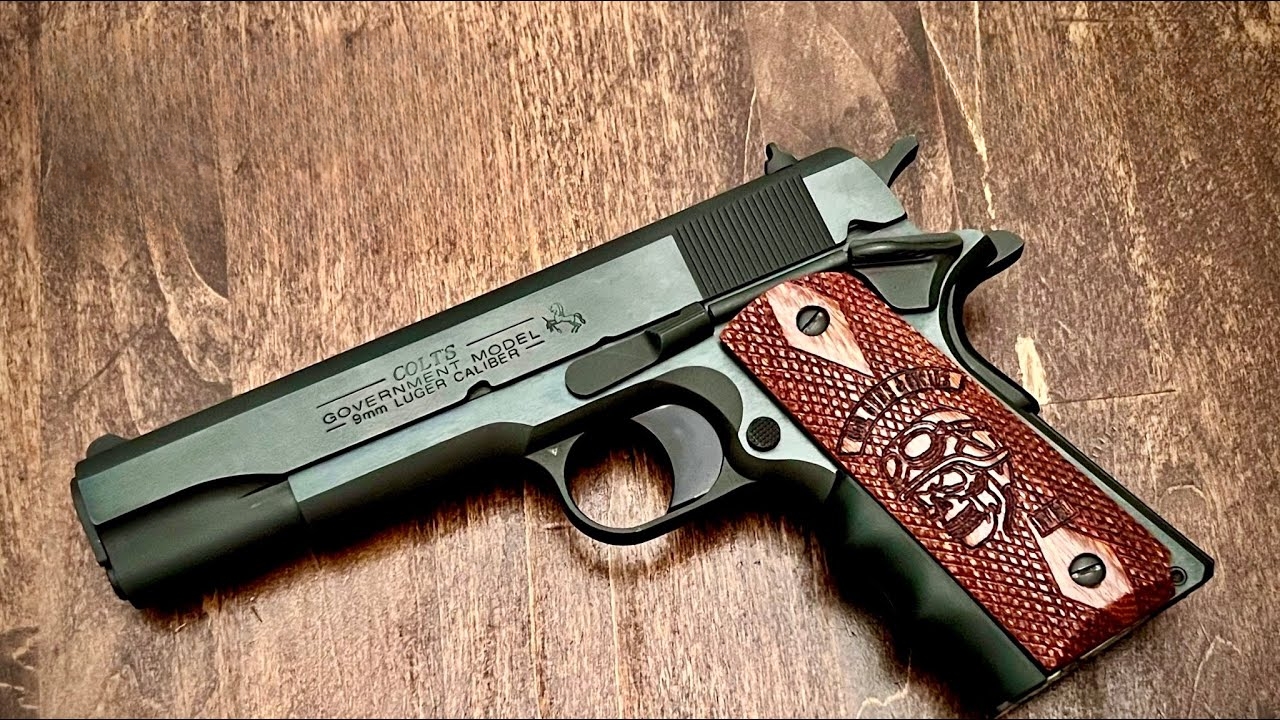
1911 Government Model in 9mm
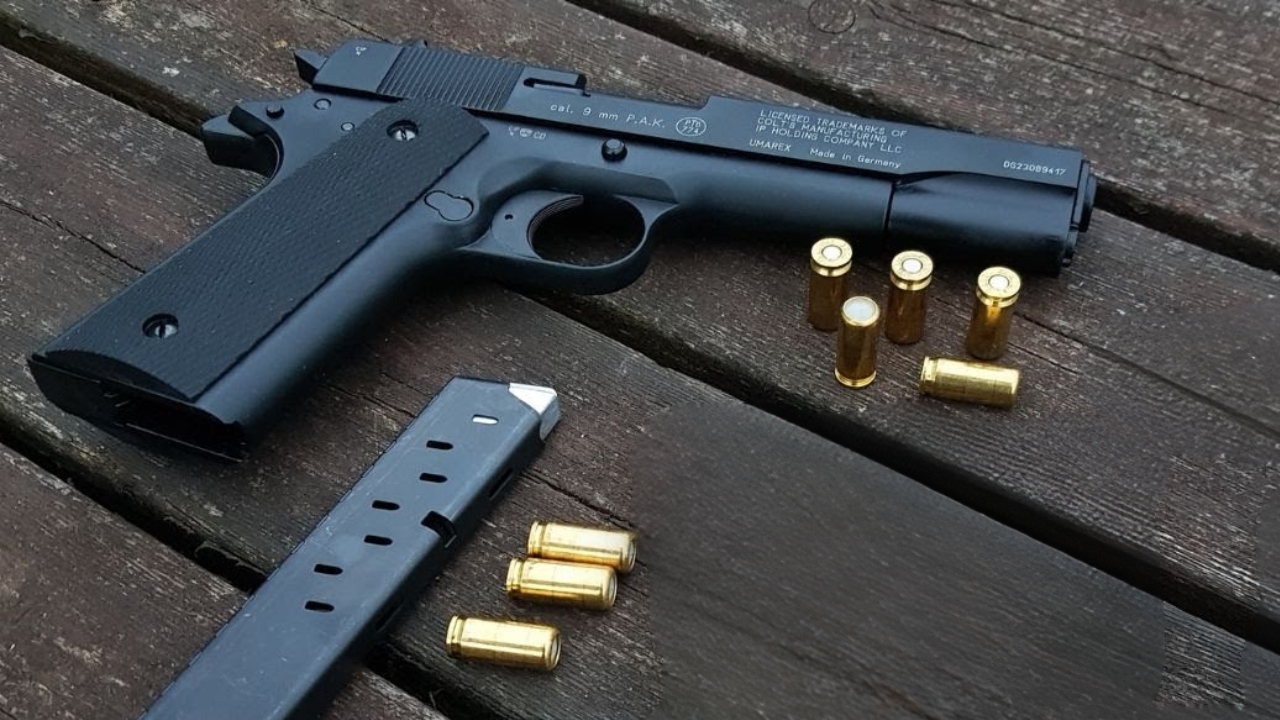
A full-size 1911 in 9mm can be one of the most forgiving handguns you will ever shoot. The steel frame, slim grip, crisp single-action trigger, and long sight radius all work together to make the gun feel extremely stable. If your grip is not perfect, the pistol still tends to stay accurate because the trigger is easy to manage and the recoil is light enough to keep the sights behaving.
The full-size format helps too. You have enough gun to hold onto, and the weight keeps the pistol from getting jumpy when your support hand is not giving you everything it should. This is one of those handguns that can make average shooting look better than it really is. That is not because it hides bad habits. It is because the design gives you so many built-in advantages that small grip flaws do not immediately turn into bad hits.
Ruger GP100
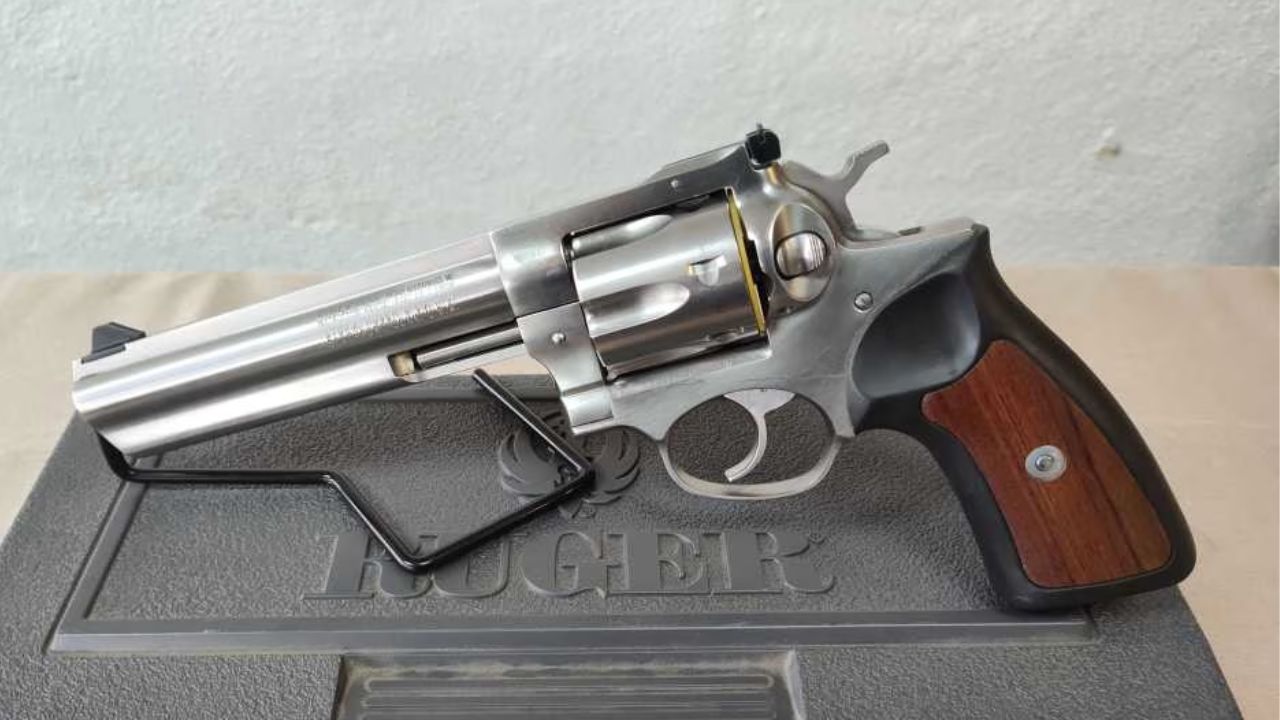
The Ruger GP100 closes this list for the same reason the 686 belongs on it: a well-built revolver with decent weight is often very forgiving when your grip is not flawless. In .38 Special, the GP100 is especially easy to manage. The frame weight calms the recoil, and the grip shape on many versions gives you a solid hold even if your hand position is not exactly the same every time.
That steadiness helps preserve accuracy when a lighter or snappier handgun would already be moving too much. With .357 Magnum, it becomes more demanding, but the gun still behaves in a straightforward, controllable way. The GP100 does not rely on tight slide timing or a certain recoil cycle to stay consistent. It simply gives you a stable platform and asks you to do your part. When your grip is not perfect, that kind of honest stability goes a long way.
Like The Avid Outdoorsman’s content? Subscribe to our newsletter so you never miss an article.
Here’s more from us: