Photo credit: Foto-Rabe/Pixabay.com
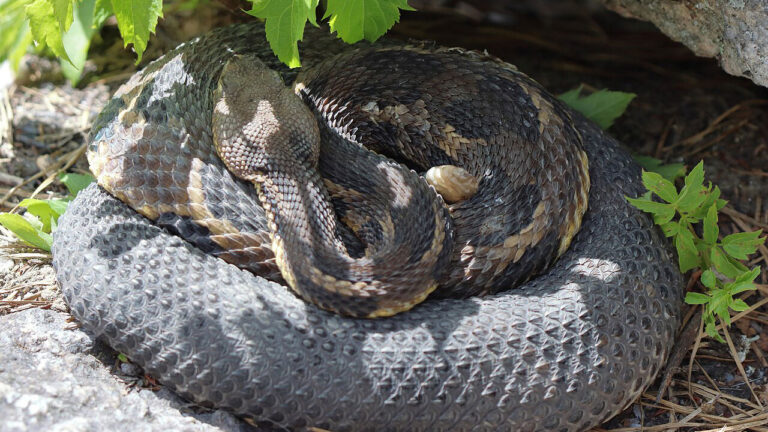
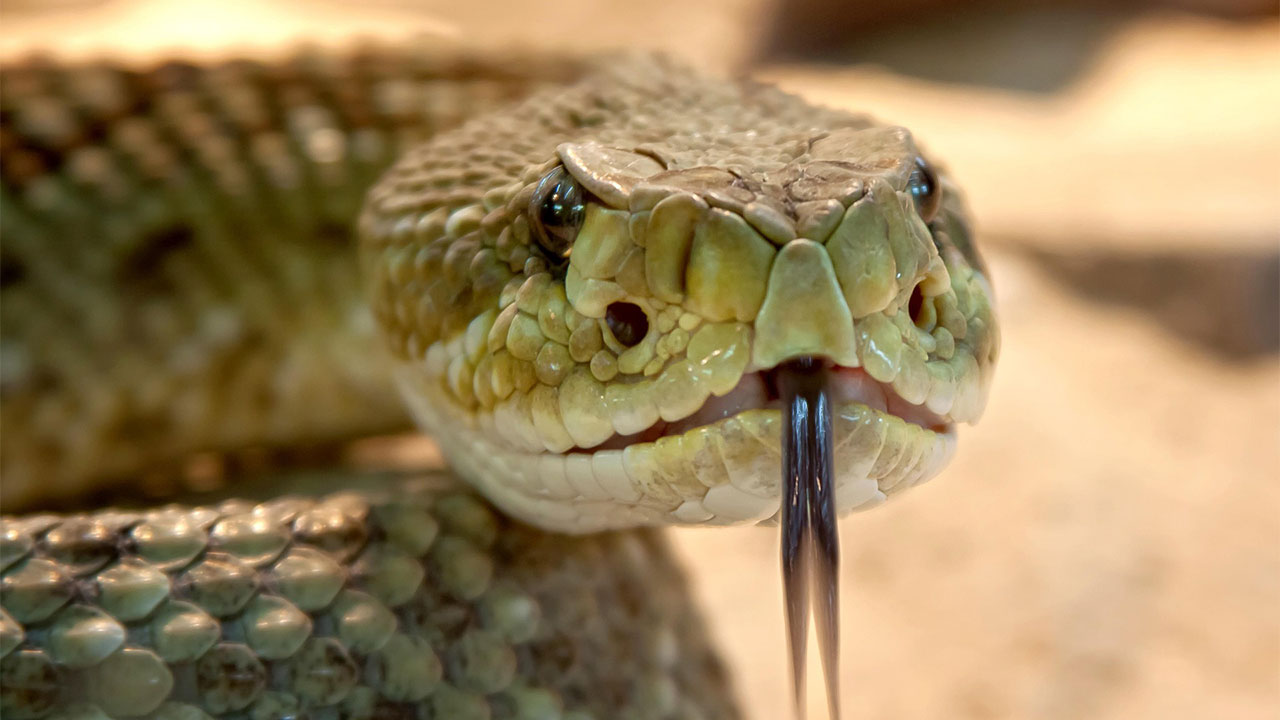
Most people think a rattlesnake problem starts when they actually see the snake. A lot of the time, that is not how it works. By the time a rattlesnake shows itself in the open, there is a good chance it has already been using part of the property for cover, warmth, or access to prey. Extension guidance is pretty consistent on this point: snakes are drawn to the kinds of places around homes that offer shelter, temperature control, and food, especially rodents.
That is why the signs people miss are usually not dramatic. It is not always a loud warning or a full-body sighting in the middle of the yard. More often, it is one part of the property quietly turning into good snake habitat. Wood piles, rock borders, brushy fence lines, leaf litter, tall weeds, and rodent-heavy outbuildings all make much more sense to a rattlesnake than a clean open lawn does.
One shady, cluttered area keeps staying attractive
A rattlesnake does not need a huge piece of land to feel comfortable. It needs one dependable hiding place. Extension sources repeatedly point to brush piles, debris, wood piles, rock piles, old boards, and similar clutter as exactly the kind of shelter snakes use around homes. In spring, warm objects like rocks, metal, plywood, and similar materials can also become attractive basking spots.
That is why one ignored corner of a property matters so much. If you have a side yard, shed edge, retaining wall, or wood stack that stays shaded, quiet, and rarely disturbed, that area deserves more caution than most homeowners give it. The sign is not always the snake itself. The sign is that the property is offering exactly the kind of shelter a rattlesnake wants.
Rodents are building up where you least want them
A rattlesnake close to the yard is often following a food source before anything else. Several extension sources specifically connect snake presence around homes with rodents and the habitat that supports them. If mice or other small prey are active around feed rooms, sheds, garages, brush piles, or stacked materials, you have already built one of the biggest reasons a snake would stay nearby.
That is why a “little mouse problem” is not always a separate issue. If the same part of your property keeps showing droppings, gnawing, or nighttime prey activity, that area may be drawing more than rodents. A rattlesnake does not have to wander randomly through your yard if the food is already concentrated in one useful zone.
Rock walls, lumber piles, and firewood stacks are doing more than you think
Rock and lumber features around a home often look harmless because they feel permanent and familiar. To a rattlesnake, though, they offer narrow protected spaces, steady shade, and good thermal cover. University and extension guidance repeatedly flags rock piles, brick piles, lumber piles, and firewood stacked on or near the ground as likely snake shelter around homes.
That is why these spots keep surprising people. A homeowner reaches into a stack, moves a board, or cleans around a stone border without thinking much about it because the area has become part of daily life. But those are exactly the kinds of places where a rattlesnake can stay hidden until somebody gets too close.
Tall grass, leaf litter, and overgrown edges keep holding activity
Lawns that are cut short and open are generally less attractive to snakes than areas with taller grass, brush, and ground litter. Multiple extension sources say the same basic thing: weeds, weedy fence rows, leaf piles, ivy, heavy mulch, and overgrown property edges create hiding cover for snakes and the prey they hunt.
So if one part of your property keeps collecting leaves, stays unmowed, or drifts back toward brush and clutter every few weeks, that is not just a cosmetic issue. It is the kind of setup that makes a rattlesnake feel less exposed and more likely to linger. The more your yard has layered ground cover and messy edges, the less surprising a nearby snake should be.
Your dog keeps reacting to one specific place
Pets often notice something is off before people do. If your dog keeps barking at one wood pile, freezing near one rock line, or refusing to move through one shaded corner of the yard, that is worth taking seriously. It is not proof of a rattlesnake by itself, but repeated low-to-the-ground interest around likely cover is one of the better warnings homeowners tend to get.
That clue matters even more when it lines up with the kind of habitat extension sources already warn about. A dog that keeps focusing on the same debris pile, fence edge, or shed corner may be reacting to scent or subtle movement you are not picking up. When that behavior keeps repeating around classic snake cover, it deserves more respect than a quick laugh and a shrug.
Warm spring spots and cool summer hideouts keep changing
Another reason people miss the signs is that snake use changes with the weather. Mississippi State Extension notes that in early spring, snakes are attracted to warm surfaces like rocks and metal, while in warmer months they seek cooler, damp, sheltered areas. That means the “problem spot” is not always exactly the same type of place year-round.
In practical terms, that means sheet metal, plywood, rock piles, and sun-warmed debris can matter more in spring, while shady piles, damp cover, and cool protected spaces may matter more later on. If parts of your property offer both kinds of conditions at different times of year, that is another sign the yard has more rattlesnake potential than you may have realized.
The real sign is usually that your property already makes sense to a rattlesnake
That is the truth underneath all of this. A rattlesnake close to your yard is usually not there because of bad luck or random chance. It is there because the property has started offering shelter, prey, and the kind of temperature control snakes need. Extension advice across multiple states focuses on the same prevention steps for the same reason: remove debris, cut back overgrowth, manage rodents, stack firewood off the ground and away from the house, and reduce places where snakes can hide.
So the clearest sign a rattlesnake has been closer than you think is often not the snake at all. It is the fact that one part of your yard already looks like a place a rattlesnake would choose. And by the time that becomes obvious, the snake may already have figured it out first.
Like The Avid Outdoorsman’s content? Be sure to follow us.
Here’s more from us: