Photo credit: Lucky Gunner Ammo/YouTube
The Ruger SP101 is one of those revolvers that a lot of shooters know as a tough little snubnose, but the bigger story is that it has always been more versatile than that reputation suggests. Ruger’s serial-number history shows the SP101 line beginning in 1989, and American Rifleman notes that the compact revolver has been offered in a surprising spread of chamberings over the years, from .38 Special and .357 Magnum to 9 mm, .22 LR, .32 H&R Magnum and .327 Federal Magnum.
That matters because the SP101 was never just “Ruger’s small .357.” It became a full small-frame revolver family with trail-gun, carry-gun, plinking, and kit-gun roles depending on the version. American Rifleman has also tied the SP101 closely to the larger GP100 in design thinking, especially in how Ruger built it around strength and durability for powerful cartridges.
1. The SP101 has been around since 1989
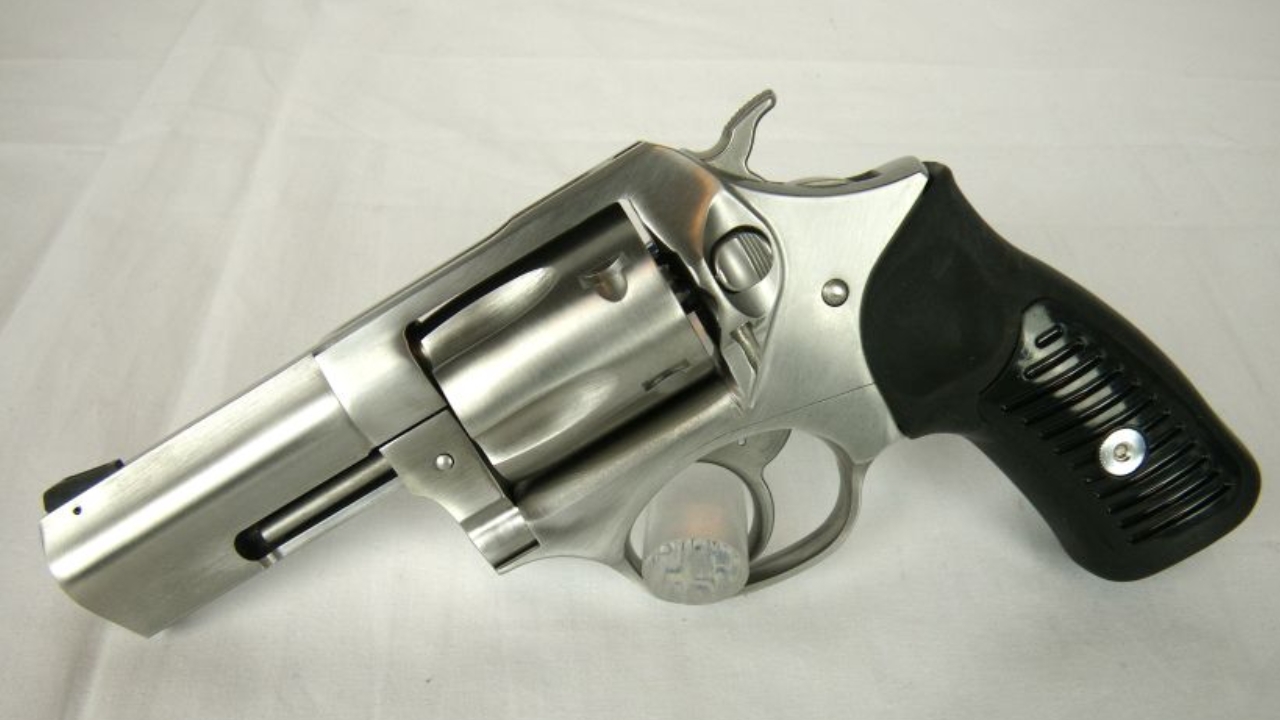
A lot of shooters assume the SP101 is older than it really is because it feels so established now. Ruger’s official serial-number history lists the SP101 line starting in 1989, and American Rifleman’s 2020 review says the snub-nose SP101 series launched in 1989 as well.
That timing matters because the SP101 arrived during a period when compact defensive revolvers still mattered a lot, but shooters were also demanding stronger guns that could handle magnum-class loads without feeling fragile. Ruger built the SP101 right into that lane.
2. It was basically the smaller companion to the GP100
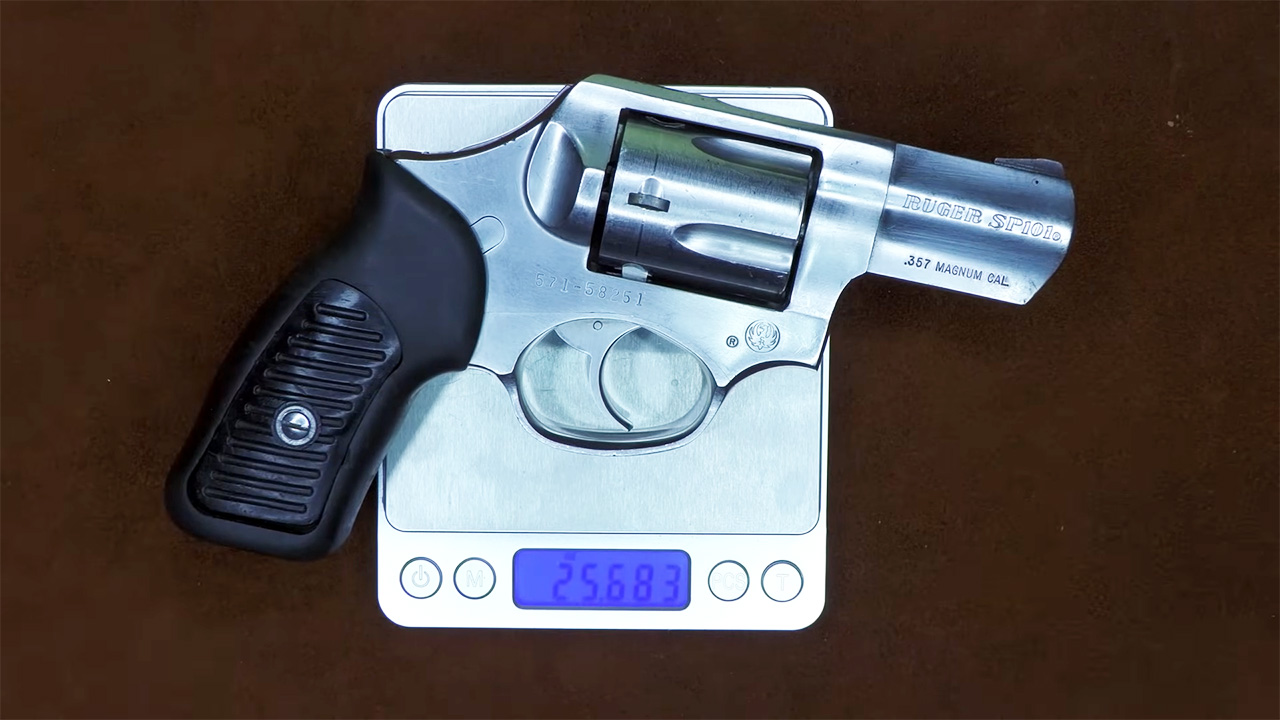
The SP101 often gets treated like its own isolated little revolver, but American Rifleman directly described it as being derived from the popular GP100 platform. That family connection shows up in the way Ruger engineered it for strength first.
That is a big part of why the SP101 earned such a “tank-like” reputation for a compact revolver. Ruger was not trying to build the lightest pocket wheelgun on the market. It was building a small revolver that still felt like a serious Ruger.
3. It uses a triple-locking cylinder

One of the more surprising details for people who only think of the SP101 as a basic snub is that it uses a triple-locking cylinder. American Rifleman pointed that out in its 2016 “Gun of the Week” coverage, specifically noting that this is the kind of feature associated with revolvers built for higher-pressure cartridges.
That feature helps explain why the SP101 became so closely tied to magnum loads and hard-use credibility. Ruger clearly built extra strength into the gun instead of cutting things down to the bare minimum just because it was compact.
4. It uses a transfer-bar safety system

The SP101 also uses Ruger’s transfer-bar safety system, which American Rifleman highlighted in its 2016 coverage. That system is a big part of why Ruger double-action revolvers developed a strong reputation for safe carry with a fully loaded cylinder.
That may not be the flashiest fact about the gun, but it matters in real ownership. A carry revolver needs to inspire confidence, and Ruger clearly treated safety as part of the core package, not just an afterthought.
5. It has been offered in far more calibers than most people realize

A lot of shooters know the SP101 mainly as a .357 Magnum revolver, but American Rifleman says the line has also been chambered in .22 Long Rifle, .32 H&R Magnum, 9 mm, .38 Special only, and .327 Federal Magnum in addition to .357 Magnum/.38 Special. The general reference history says the family includes five-shot centerfire versions, six-shot .327/.32 variants, and eight-shot .22 LR models.
That broader chambering history is one of the easiest things to miss about the SP101. It shows Ruger never saw it as just one niche carry revolver. The platform was adaptable enough to cover a lot of different roles.
6. Some SP101s hold six rounds, not five
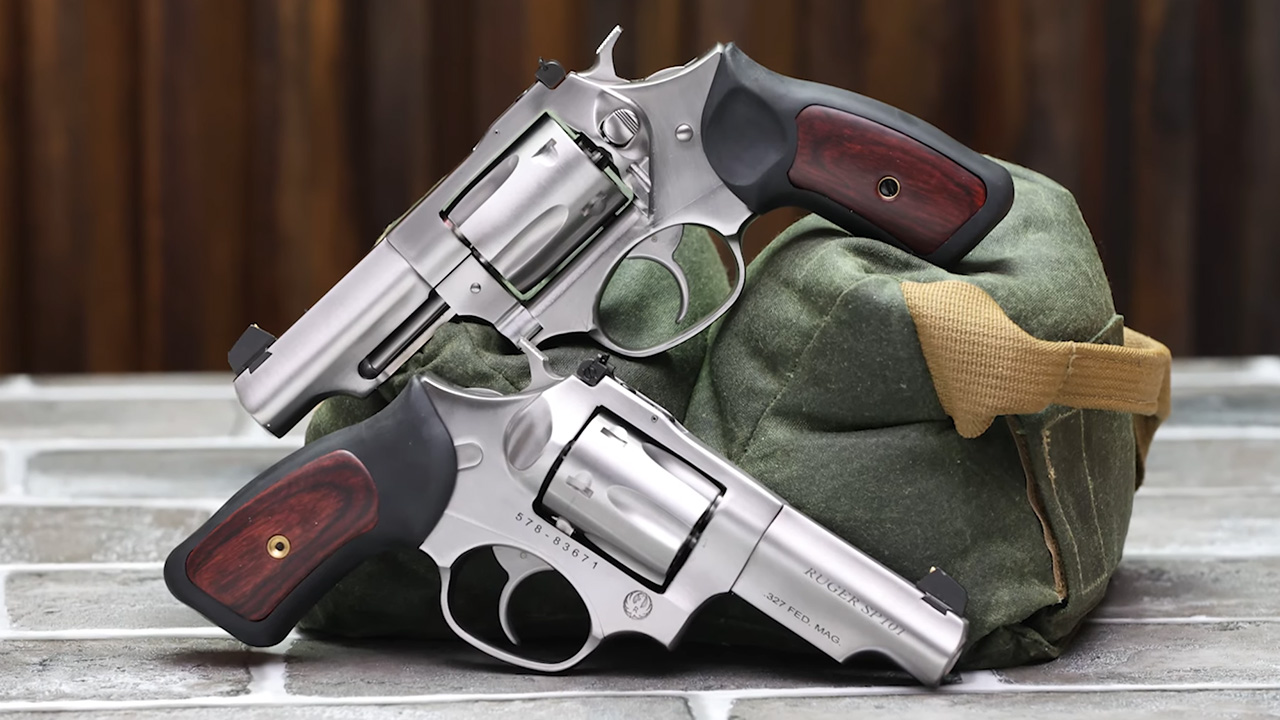
Because the .357 and .38 versions are so well known, many shooters assume every SP101 is a five-shooter. That is not true. The reference history says the .327 Federal Magnum and .32 H&R Magnum versions use six-round cylinders.
That extra round is one of the biggest practical selling points of the .327-chambered SP101s. It let Ruger offer a compact revolver with more capacity than the classic five-shot snub layout without jumping to a much bigger frame.
7. There is even an eight-shot .22 LR version
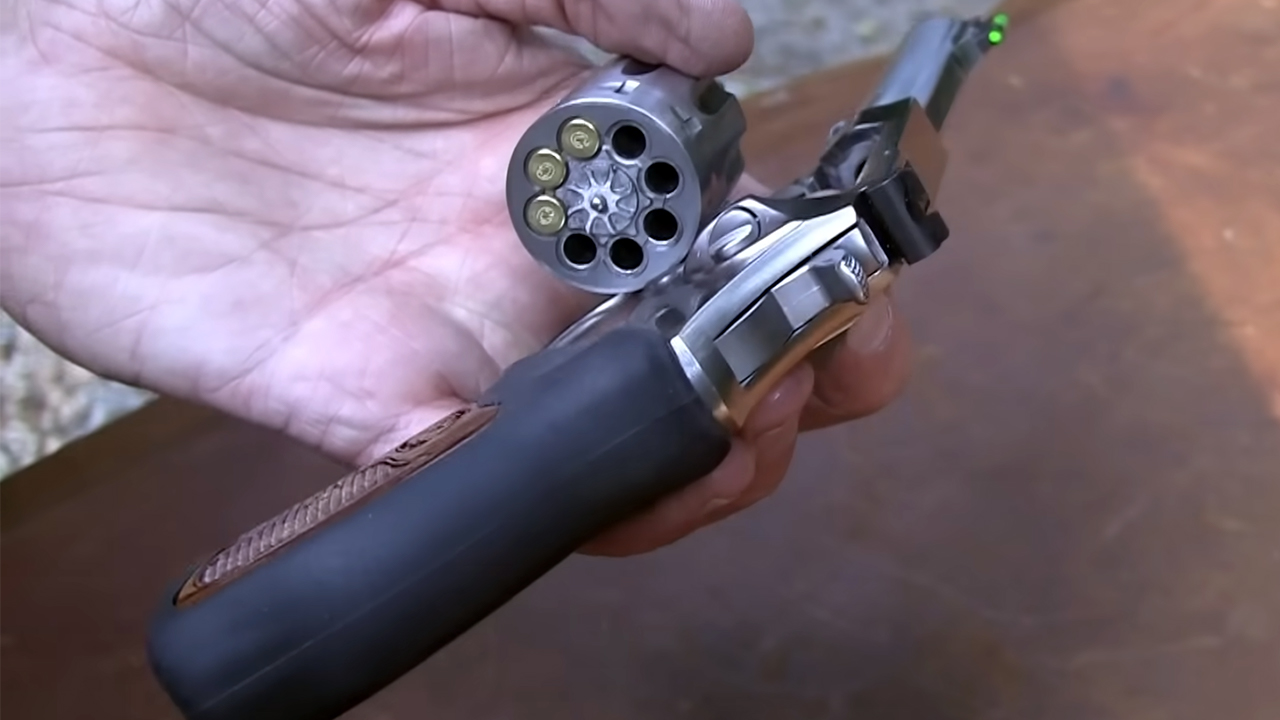
A lot of people who only know the carry versions are surprised to learn the SP101 family also includes rimfire options. The reference history lists an eight-round .22 LR model, showing just how far Ruger stretched the platform.
That matters because it pushes the SP101 beyond defensive use and into trainer, plinker, and trail-gun territory. A lot of revolver lines never branch out that far while keeping the same basic identity.
8. Ruger even made a 9 mm version
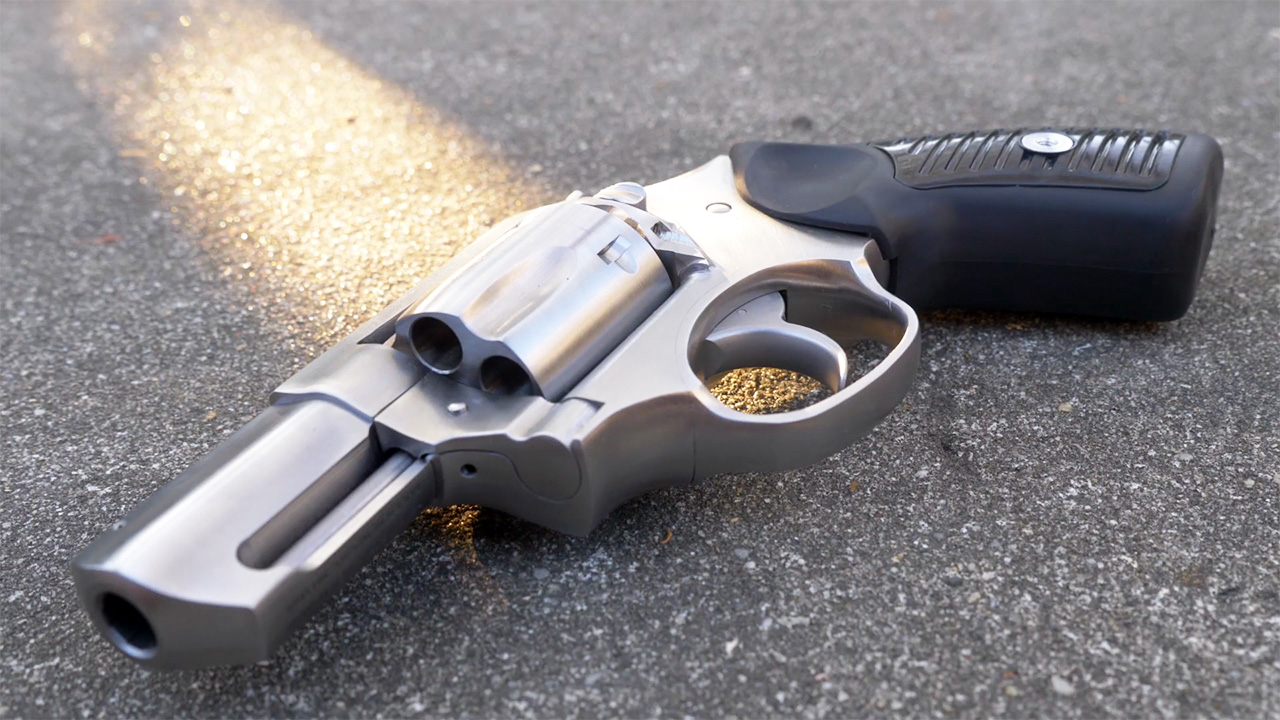
The SP101’s 9 mm chambering is one of those details that still catches people off guard. American Rifleman included 9 mm on the list of SP101 chamberings, and the general reference history does too.
That is a pretty unusual move for a small revolver line, and it shows Ruger was willing to experiment with the platform instead of letting it remain only a traditional rimmed-cartridge wheelgun. It also made the SP101 especially interesting to shooters who wanted revolver simplicity with pistol-ammo logistics.
9. The .327 Federal Magnum version was a serious project, not a novelty
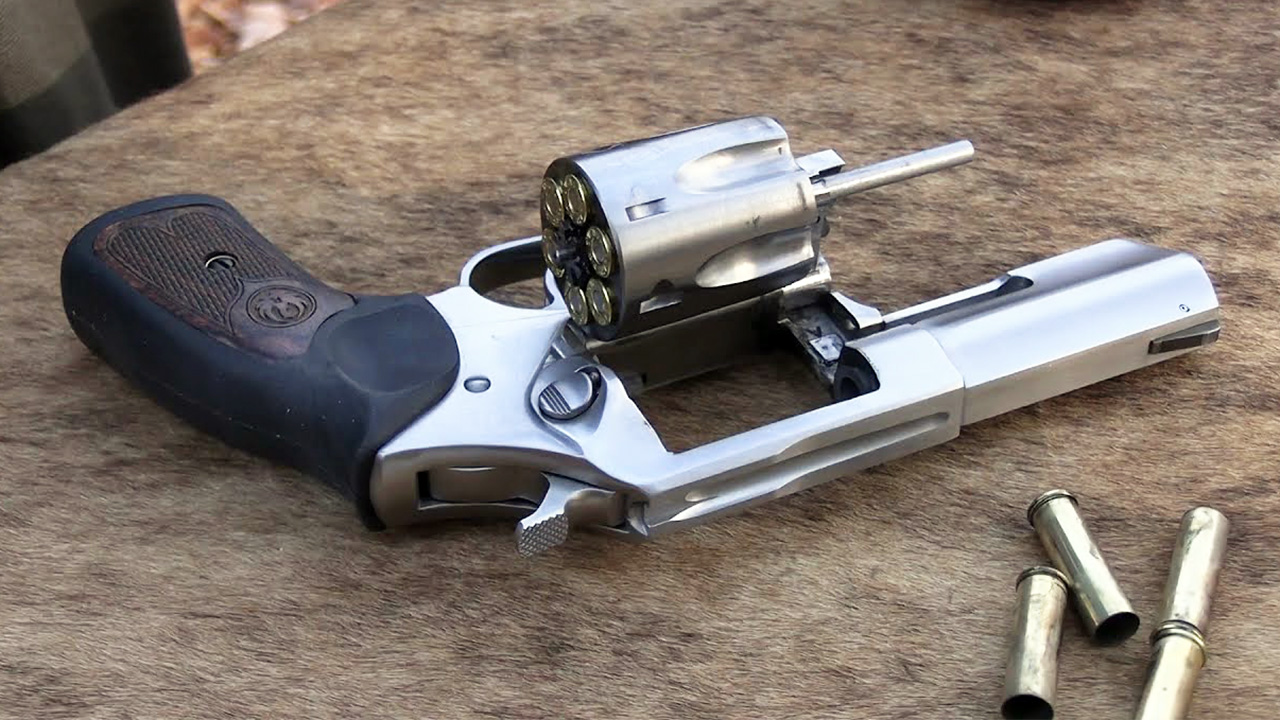
The .327 Federal Magnum SP101 is not just a weird catalog footnote. American Rifleman says the cartridge itself was first released toward the end of 2007 as a collaboration between Ruger and Federal Cartridge Company, with the goal of delivering power levels similar to .357 Magnum while allowing one extra round in the cylinder.
That makes the SP101 a bigger part of the .327 story than some people realize. Ruger was not just one of many companies chambering for it later. The SP101 sat near the center of the cartridge’s original push.
10. Longer-barreled SP101s changed how people saw the gun
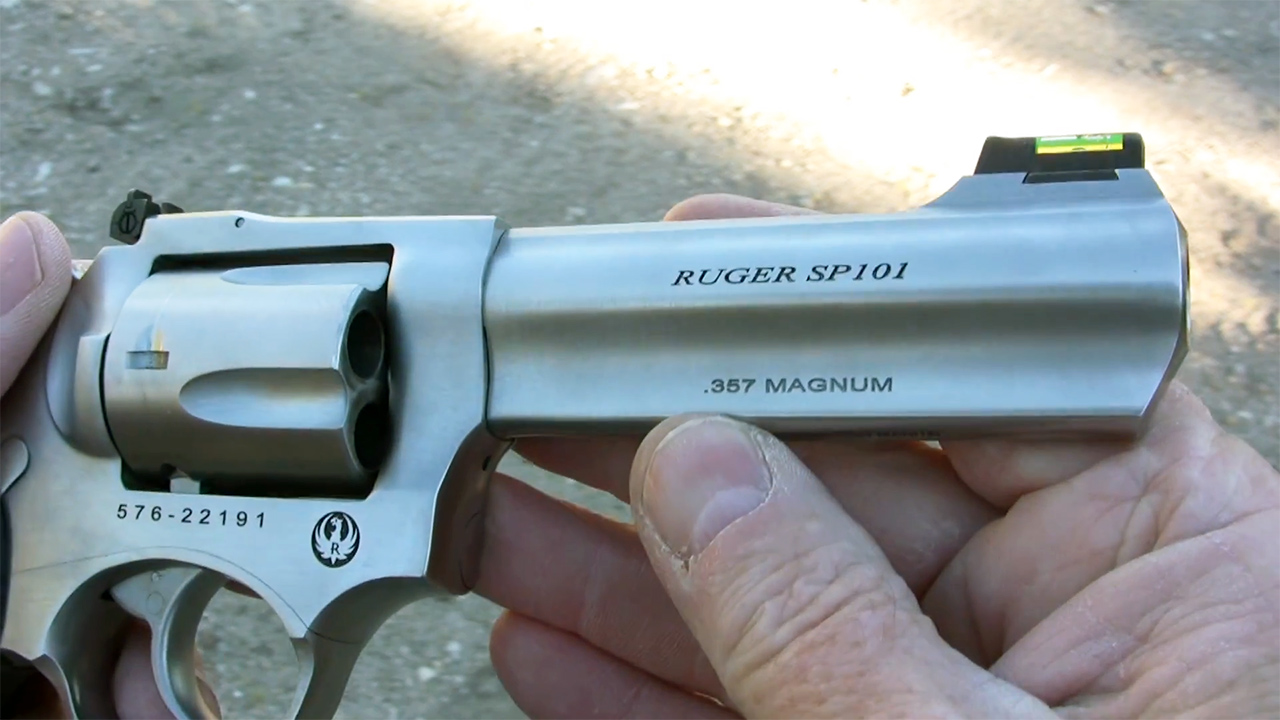
A lot of people still think of the SP101 only as a short-barreled carry revolver, but American Rifleman’s 2011 coverage highlighted a longer-barreled .357 version and quoted Ruger noting that the SP101 had historically featured short barrels and minimal sights before that. The newer 4.2-inch configuration was specifically pitched as offering a better sight picture, longer radius, and more weight to control recoil.
That is a major part of the SP101 story. Once Ruger moved into the longer-barrel versions, the revolver started making even more sense as a trail gun, range gun, and general-purpose field revolver instead of only a carry piece.
11. The 4.2-inch SP101 helped turn it into a legit kit gun
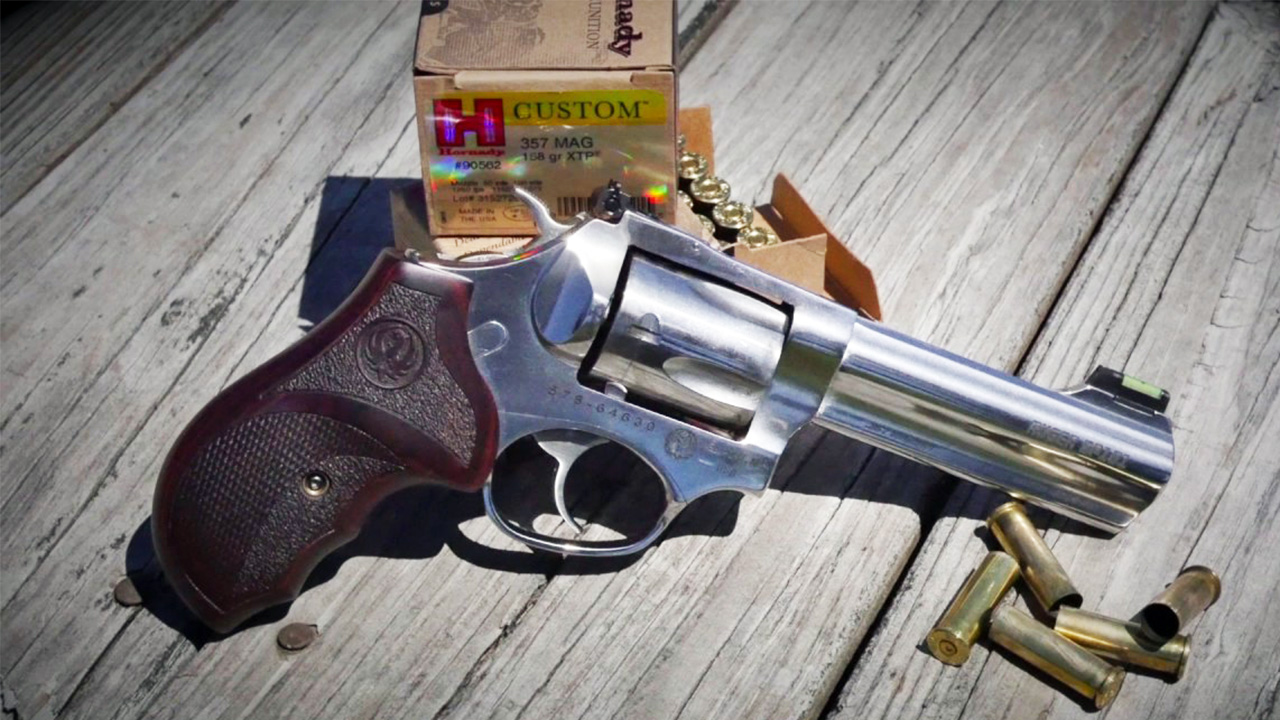
American Rifleman’s 2015 coverage of the .327 version specifically called the compact SP101 an ideal companion in the woods or afield and said the longer barrel helped the cartridge reach its velocity potential. In 2022, the magazine again praised the 4.2-inch version as a strong “trail-to-town” kind of revolver.
That says a lot about how the platform evolved. The SP101 started as a compact revolver with strong carry credentials, but Ruger stretched it into something broader and arguably more versatile than the average snub.
12. It is all-steel, not lightweight by modern carry-gun standards
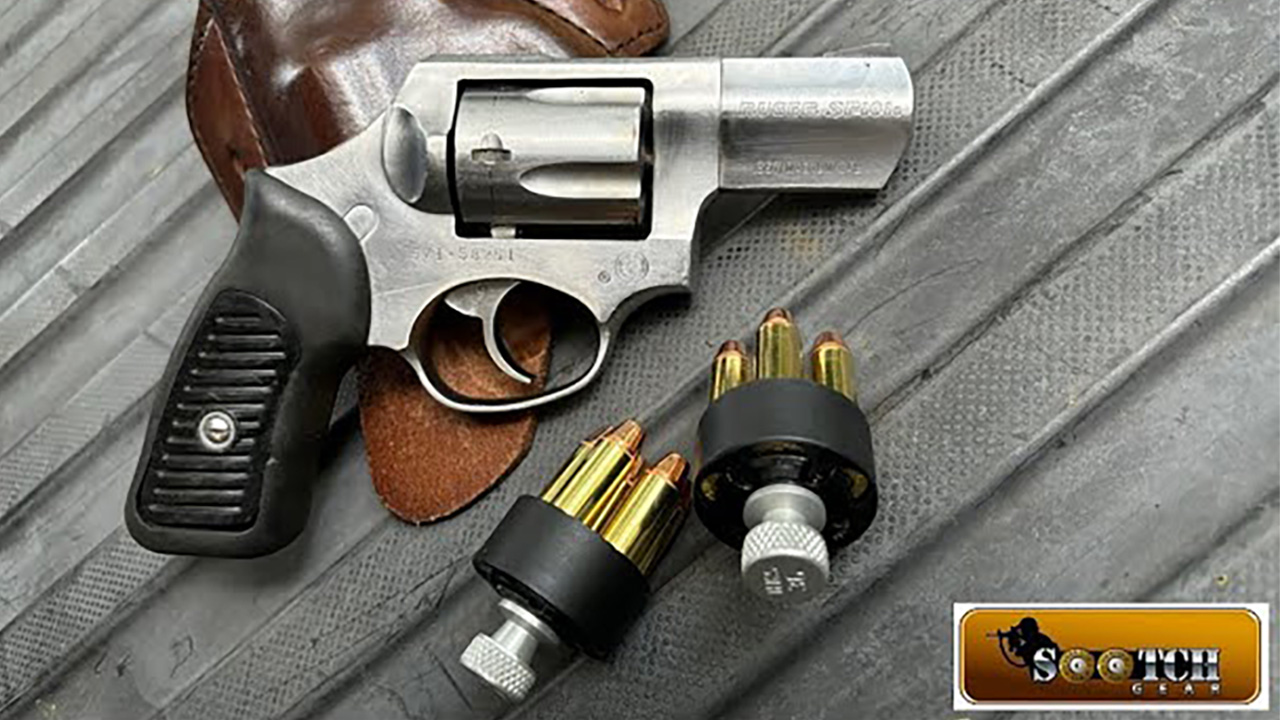
The SP101’s compact size can make people assume it belongs in the same class as newer lightweight carry revolvers, but that is not really the case. The reference history describes it as an all-steel small-frame revolver, and American Rifleman’s 2022 custom-gun piece also specifically called it a compact revolver with sturdy all-stainless-steel construction.
That weight is part of the gun’s personality. The SP101 is not trying to disappear like an ultralight pocket revolver. It is trying to stay shootable, durable, and controllable with serious loads.
13. Blued SP101s are a bit more unusual than many people think
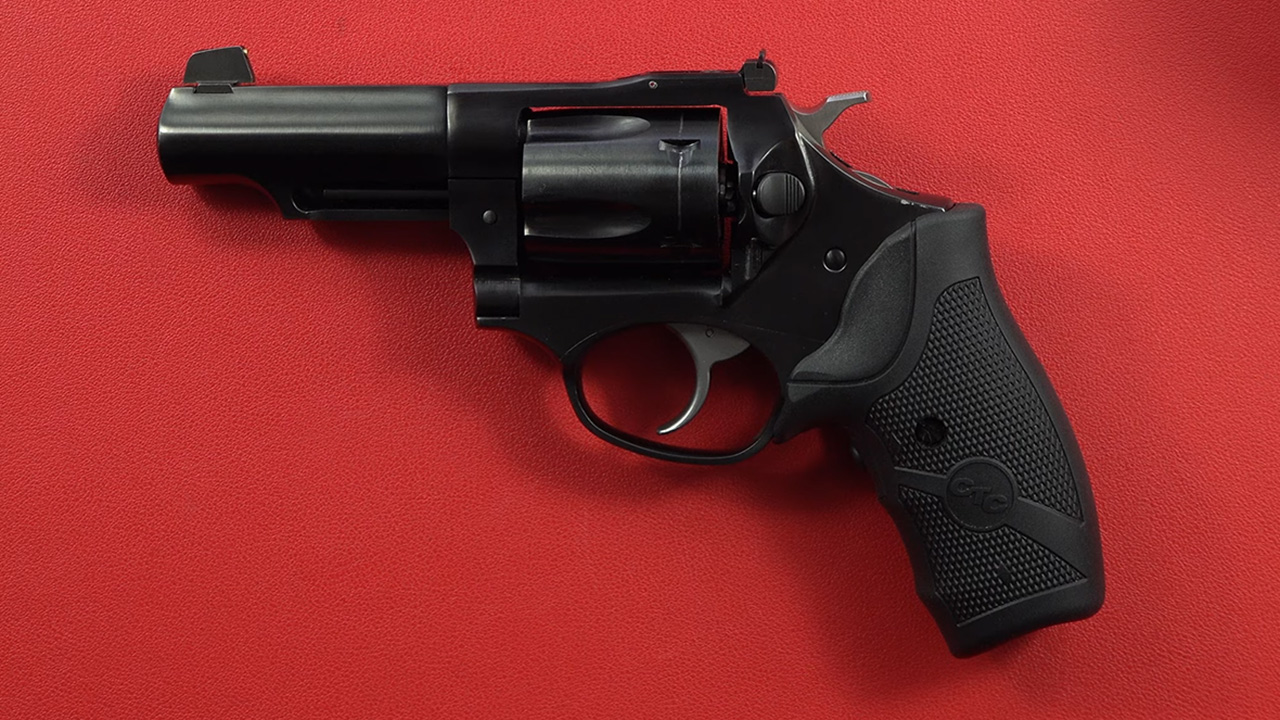
A lot of shooters picture the SP101 in stainless, and for good reason, but Ruger and American Rifleman have also covered blued versions. The 2018 American Rifleman review specifically focused on a blued .357 Magnum SP101 and noted that the model’s trigger was smooth, though still heavy in double action at 11 pounds, 4 ounces on that test gun.
That is a nice reminder that the SP101 line has had more visual variation than people sometimes remember. Stainless may be the classic image, but it is not the whole story.
14. The SP101 has survived because it fills a niche the LCR does not

This is partly an inference from Ruger’s lineup and American Rifleman’s comparisons, but it is a pretty clear one. In the 2022 custom SP101 article, American Rifleman contrasted the all-steel SP101 with the lighter Ruger LCR, noting that the LCR is purpose-built for concealed carry while the SP101 remains more comfortable to shoot with stronger loads.
That helps explain why the SP101 never got replaced by Ruger’s newer revolvers. It still occupies the “small but stout” lane extremely well, and that is not the same thing as being the lightest carry option.
15. The biggest surprise is that the SP101 quietly became one of Ruger’s most adaptable revolver platforms

The most interesting thing about the SP101 is probably how much range Ruger got out of one small-frame design. Since 1989, the line has covered traditional .357/.38 carry guns, .22 trainers, 9 mm oddballs, six-shot .327s, longer-barreled trail guns, and more. Ruger’s long-running official serial history and American Rifleman’s repeated coverage of different versions make that pretty clear.
That is why the SP101 still matters. It is not just a tough little snub. It turned into one of Ruger’s most flexible revolver families while keeping the same basic reputation for strength and dependability the whole way through.
Like The Avid Outdoorsman’s content? Subscribe to our newsletter so you never miss an article.
Here’s more from us: